Society book summaries
Evidence and competing explanations for institutions, inequality, cooperation, polarization, and social change.
Books about society turn data, history, and moral commitments into explanations of how groups and institutions behave. This collection emphasizes those explanatory choices, helping readers compare causes and consequences without flattening contested questions.
Sociology is a useful adjacent word for part of this shelf, not a label for every book in it; politics, institutions and big-idea histories sit here too, and the sociology list below keeps to fieldwork and social data.
Start with a focused list
This page is the complete society catalog. If you already know which question you are answering, these shorter selections narrow it down first.
- Sociology books that study everyday life up close — Housing, low-wage work, civic ties, political belonging and inequality, chosen by method: fieldwork, reporting, survey data or cross-country comparison.
- Books that explain how societies change — Geography, institutions, shared stories, data and moral psychology compared without forcing them into one grand theory.
- Books about democracy and power — How democratic power actually operates — civic habits, movements, parties and unwritten norms — without a live political scorecard.
Books in this collection

Bowling Alone
Bowling Alone asks why Americans became less likely to join, trust, visit, volunteer, and act together after a period of civic growth. Putnam examines generations, media, work, mobility, and institutions as possible explanations, then shows what social capital makes possible and how inclusive community ties might be rebuilt.
10 chapters in Wiseley’s society catalog.

Bullshit Jobs
Bullshit Jobs asks why modern economies preserve paid work that employees regard as pointless, unnecessary, or harmful. Graeber maps its organizational forms, traces its psychological and political costs, explains how managerial power and work morality sustain it, and considers shorter hours and unconditional income as routes toward greater agency.
7 chapters in Wiseley’s society catalog.
Capitalism and Freedom
Capitalism and Freedom asks how a society can coordinate economic life without surrendering individual choice. Friedman links competitive markets to political liberty, then tests that relationship through money, trade, education, discrimination, monopoly, occupational licensing, taxation, welfare, and poverty relief. The result is a framework for judging when government protects freedom—and when it expands coercion.
11 chapters in Wiseley’s society catalog.

Democracy in America
Alexis de Tocqueville asks how equality reshapes political institutions, civic habits, culture, and private life—and why democracy can foster both liberty and dependence. This summary follows his argument from America’s colonial origins and local self-government through majority power, racial conflict, and centralization, offering a framework for understanding the conditions that sustain freedom.
19 chapters in Wiseley’s society catalog.
Enlightenment Now
Steven Pinker asks whether the modern world is genuinely getting better—and what made that improvement possible. Enlightenment Now traces progress through reason, science, humanism, institutions, and evidence across health, wealth, safety, rights, knowledge, happiness, and risk, offering a way to recognize gains without mistaking them for guarantees.
18 chapters in Wiseley’s society catalog.

Evicted
Evicted traces how unaffordable rents, racialized housing markets, landlord discretion, court procedures, and weak public assistance turn ordinary hardship into forced displacement. Through Milwaukee families, landlords, and researchers, it asks how eviction creates poverty—and what housing policy could interrupt that cycle.
6 chapters in Wiseley’s society catalog.

Factfulness
Factfulness asks why people misunderstand global conditions and how to replace dramatic, binary intuitions with a calmer, evidence-tested worldview. It links ten recurring instincts to practical habits: compare distributions, check trends and rates, put risks in proportion, update categories, question single causes, and act on serious problems with systems-aware judgment.
7 chapters in Wiseley’s society catalog.
How Democracies Die
How Democracies Die asks how elected leaders can dismantle democracy from within, why parties and unwritten norms sometimes fail to restrain them, and how polarization turns legal powers into weapons. Its comparative framework helps readers recognize democratic danger and think about coalition-based ways to preserve and repair institutions.
7 chapters in Wiseley’s society catalog.
Nickel and Dimed
Barbara Ehrenreich tests whether low-wage work can provide a route out of poverty by taking jobs in restaurants, housekeeping, caregiving, and retail. The experiment asks what wages can actually buy and shows how housing, hidden costs, employer control, and weak public support shape working people’s choices.
6 chapters in Wiseley’s society catalog.
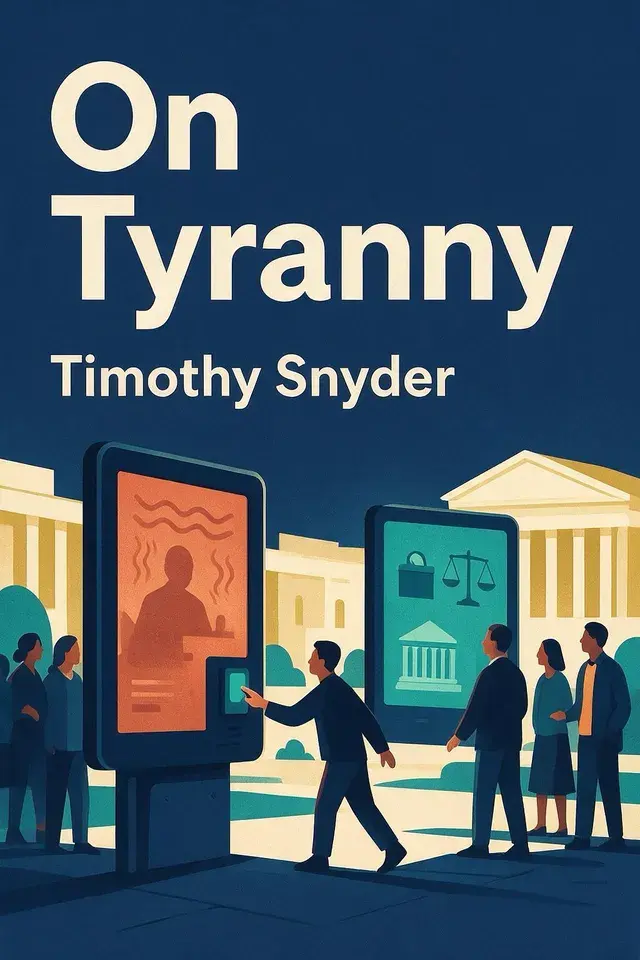
On Tyranny
On Tyranny asks how ordinary citizens can preserve freedom when democratic institutions weaken and fear, falsehood, and conformity spread. Drawing on twentieth-century European history, it argues that liberty depends on active habits: resisting premature obedience, defending institutions, protecting truth, and building civic relationships.
6 chapters in Wiseley’s society catalog.

Stamped from the Beginning
Stamped from the Beginning traces how racist ideas were created, revised, and attached to slavery, law, science, culture, and public policy from the colonial era through Black Lives Matter. It asks why racial inequality survives formal progress and offers a framework for distinguishing personal persuasion from institutional change.
9 chapters in Wiseley’s society catalog.
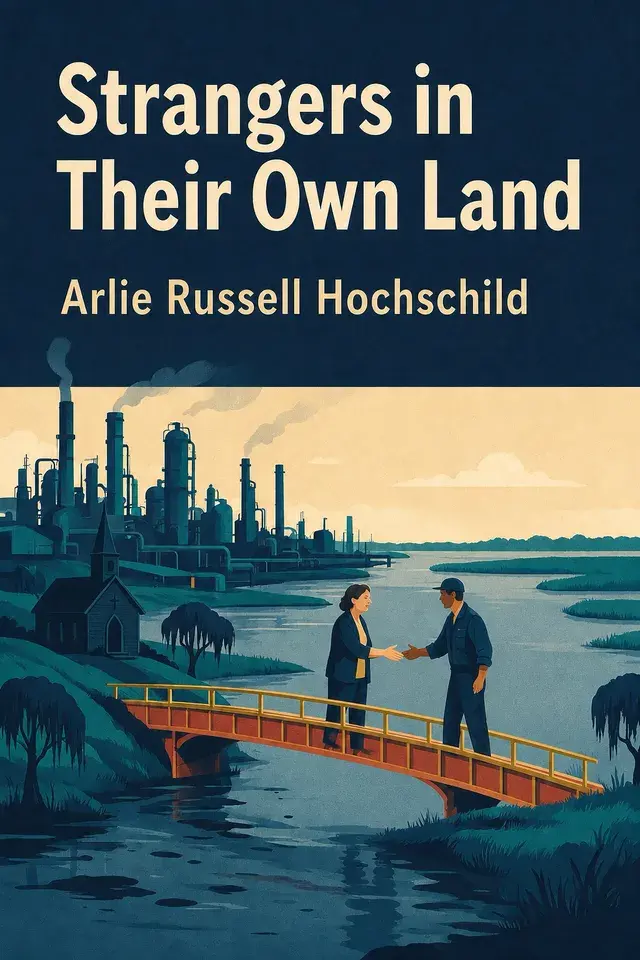
Strangers in Their Own Land
Why do people living with poverty, pollution, and dependence on government sometimes oppose regulation and public programs? Through Louisiana interviews, industrial disasters, and national evidence, Hochschild traces the emotions, histories, faith, and status fears behind this political paradox, then asks how empathy and issue-specific cooperation might reopen democratic conversation.
8 chapters in Wiseley’s society catalog.

The Affluent Society
Galbraith asks what an affluent society should value once private goods are abundant but public needs remain neglected. He traces how scarcity-era economics, manufactured wants, debt, inflation, and investment priorities preserve production as the main test of progress, then argues for poverty relief, education, humane work, public services, and survival.
9 chapters in Wiseley’s society catalog.
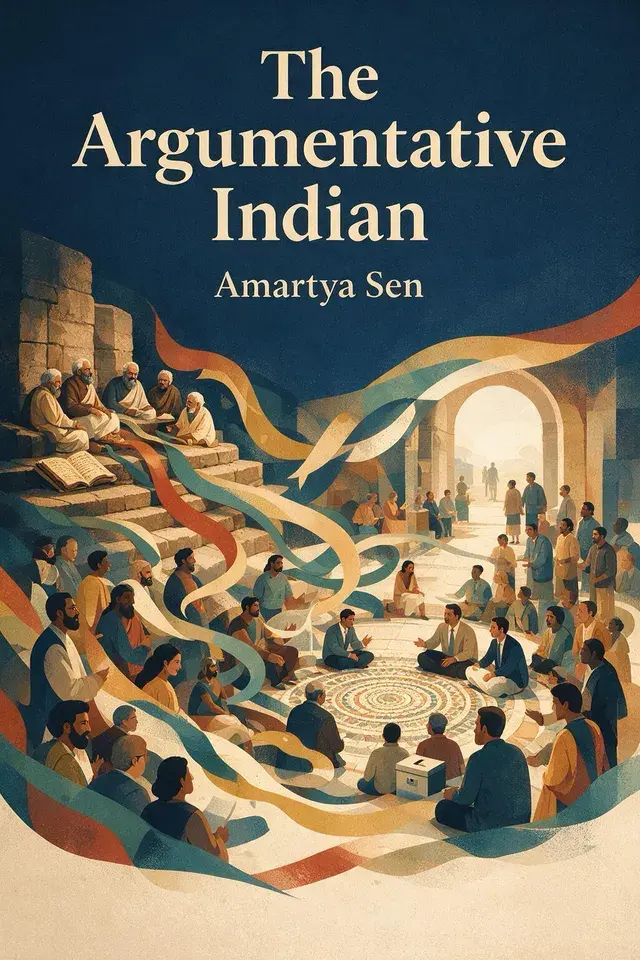
The Argumentative Indian
Amartya Sen examines how India’s traditions of debate, skepticism, and cultural exchange shape its democracy, secularism, identity, and development. The book asks whether a plural society can resist sectarian history, inequality, nuclear nationalism, and global stereotypes—and shows why public reasoning, agency, and evidence matter for collective choices.
11 chapters in Wiseley’s society catalog.

The Better Angels of Our Nature
Why has violence fallen across homicide, war, genocide, terrorism, and everyday life? Pinker combines historical records, quantitative comparisons, moral psychology, and institutional analysis to explain the decline, its reversals, and the fragile forces—law, commerce, empathy, reason, and expanding rights—that make peace possible.
9 chapters in Wiseley’s society catalog.

The Coddling of the American Mind
The Coddling of the American Mind asks how well-intentioned protection can weaken resilience, distort judgment, and narrow inquiry. It traces the authors’ three Great Untruths from childhood and mental health through campus conflict, then considers practical ways to restore freer play, viewpoint diversity, and productive disagreement.
7 chapters in Wiseley’s society catalog.
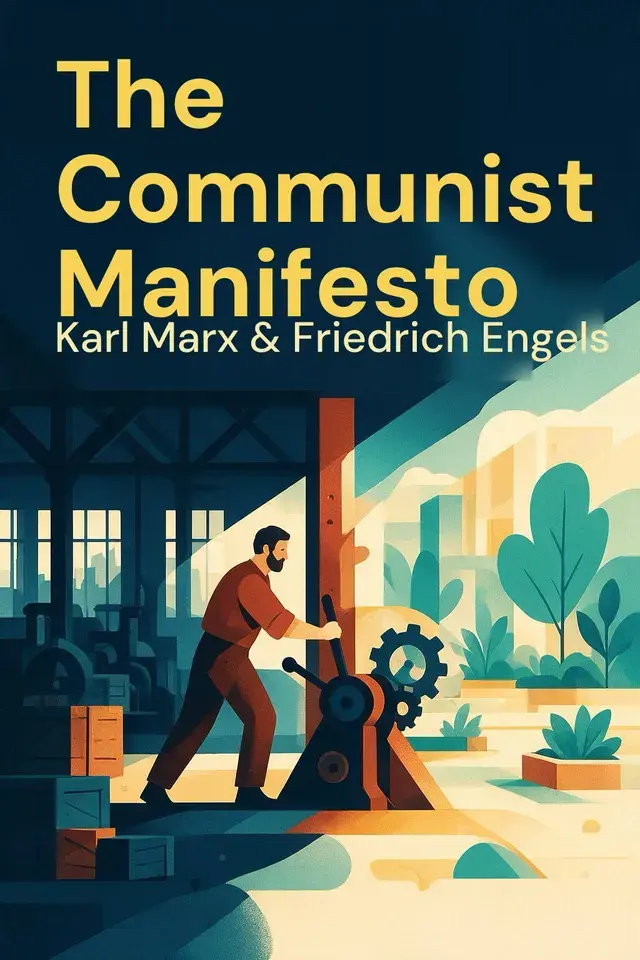
The Communist Manifesto
How does capitalism create both immense productive power and the class capable of challenging it? This audio-first summary traces historical materialism, bourgeois expansion, exploitation, crisis, proletarian organization, revolutionary transition, and communist freedom. It clarifies how diagnosis becomes political strategy and where the argument remains historically qualified.
7 chapters in Wiseley’s society catalog.

The Origins of Totalitarianism
How can a movement turn socially isolated people into instruments of total rule? This summary follows the account from mass atomization and propaganda to leader-centered organization, secret police, terror, and camps, clarifying how domination destroys shared reality and why freedom remains a capacity for new beginnings.
7 chapters in Wiseley’s society catalog.

The Righteous Mind
The Righteous Mind examines why moral judgments arrive quickly, why cultures and political camps treat different concerns as morally significant, and how humans cooperate through groups, rituals, and religion. Haidt connects intuition, moral foundations, and political identity to a practical question: how can disagreement become more informed, humane, and constructive?
8 chapters in Wiseley’s society catalog.
The Road to Serfdom
Why can an attempt to organize prosperity and security end by narrowing freedom? The book traces how comprehensive planning replaces competition, general rules, and personal choice with discretionary control, then follows the consequences for democracy, truth, social character, totalitarian politics, and international order. It clarifies the choices involved in preserving liberty.
9 chapters in Wiseley’s society catalog.

The Shock Doctrine
Naomi Klein investigates how war, economic collapse, and natural disaster can become openings for rapid market reform, privatization, and corporate power. The summary asks how shock weakens democratic choice—and how historical memory, popular organization, and community-led reconstruction can help people regain control over markets and public life.
11 chapters in Wiseley’s society catalog.

The Spirit Level
The Spirit Level asks why, once societies are broadly affluent, the size of income gaps can matter more than further economic growth for health and social wellbeing. It follows inequality through status anxiety, trust, relationships, life chances, punishment, and work, then considers how greater equality could support cooperation, sustainability, and practical institutional change.
9 chapters in Wiseley’s society catalog.
The Tyranny of Merit
Michael J. Sandel examines what happens when a society treats success as proof of merit and failure as personal fault. The book asks whether fair opportunity is enough, given luck, inherited advantage, credentialism, and unequal social esteem, and points toward work, humility, and a common good beyond competitive sorting.
7 chapters in Wiseley’s society catalog.
Keep exploring

Comparison
Superintelligence vs The Coming Wave: Two Views of AI Risk
One builds a long-horizon argument about intelligence beyond human control; the other focuses on containing powerful general-purpose technologies in institutions that must use them.


Comparison
Why Nations Fail vs Guns, Germs, and Steel: Institutions or Geography?
The books explain long-run inequality at different causal levels. Compare institutions and environmental starting conditions without forcing one into a total theory.

Comparison
The Dawn of Everything vs Sapiens: Rival Stories of Human History
One book tells a sweeping sequence of human revolutions; the other challenges the sequence itself. Their disagreement changes how freedom, farming, and cities appear.

Comparison
Factfulness vs Enlightenment Now: Two Cases for Measured Progress
Both books challenge reflexive pessimism with data, but one trains everyday judgment while the other mounts a broad historical defense of progress.

Comparison
On Tyranny vs How Democracies Die: Citizens or Institutions?
One offers compact civic lessons from twentieth-century history; the other studies how elected leaders, parties, and weakened norms can dismantle democracy from within.

Practical guide
How to Compare Two History Books That Disagree
Map each book’s question, evidence, causal engine, and missing cases before deciding whether their disagreement is real or merely different in scale.