Health book summaries
Books about sleep, longevity, stress, behavior, and wellbeing—presented with clear boundaries between an author’s thesis and medical consensus.
Health writing often mixes established evidence, emerging research, personal experience, and prescriptive advice. These summaries make the author’s case legible while preserving the boundary between understanding a book and receiving medical guidance.
Sleep, stress and longevity are separate questions here, and each summary keeps the author's thesis distinct from medical consensus.
Start with a focused list
This page is the complete health catalog. If you already know which question you are answering, these shorter selections narrow it down first.
- Books on sleep, stress and recovery — Sleep timing, breathing, trauma and emotional language are related but not interchangeable problems.
- Longevity books by health lever — Exercise and medical risk, sleep, the biology of aging and everyday environments pull on different levers.
Books in this collection

Atlas of the Heart
Atlas of the Heart asks how naming and distinguishing emotions changes the way we understand ourselves and connect with others. It maps experiences from anxiety, comparison, and grief to shame, belonging, love, joy, anger, and humility, offering language for wiser choices, boundaries, compassion, and repair.
14 chapters in Wiseley’s health catalog.
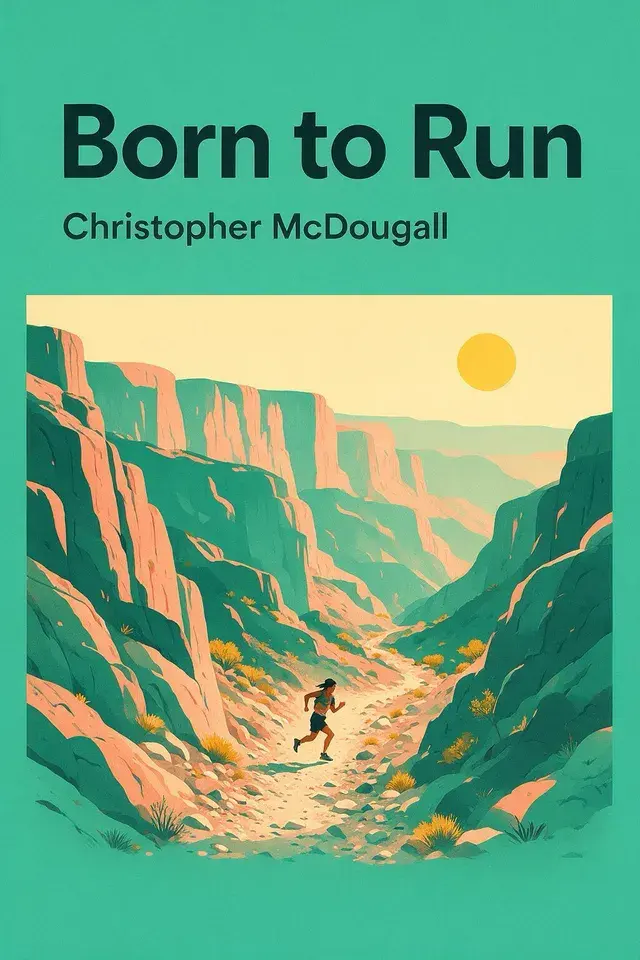
Born to Run
Christopher McDougall investigates why ordinary running so often injures modern bodies while the Rarámuri of Mexico’s Copper Canyons run extraordinary distances in sandals. Through science, race reporting, and an uneasy cross-cultural search for Caballo Blanco, the book asks what endurance, technique, community, and freedom reveal about why humans run.
8 chapters in Wiseley’s health catalog.
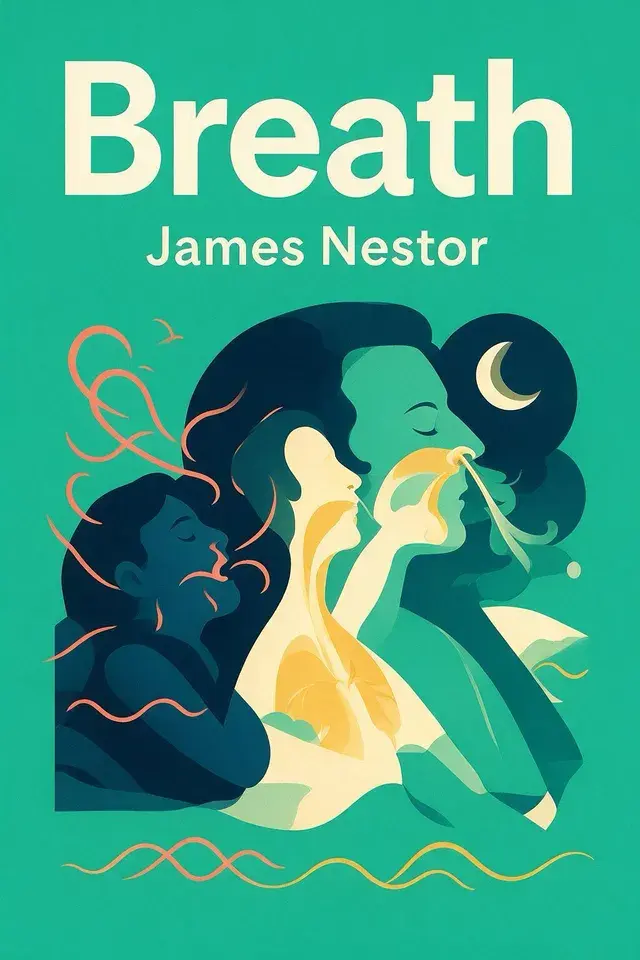
Breath
Breath examines how the route, pace, volume, and shape of breathing may affect sleep, exercise, stress, airway development, and emotional experience. It asks whether an automatic function can be retrained, then maps the book’s experiments, historical traditions, physiological theories, practical techniques, and warnings into a compact framework for judgment.
10 chapters in Wiseley’s health catalog.
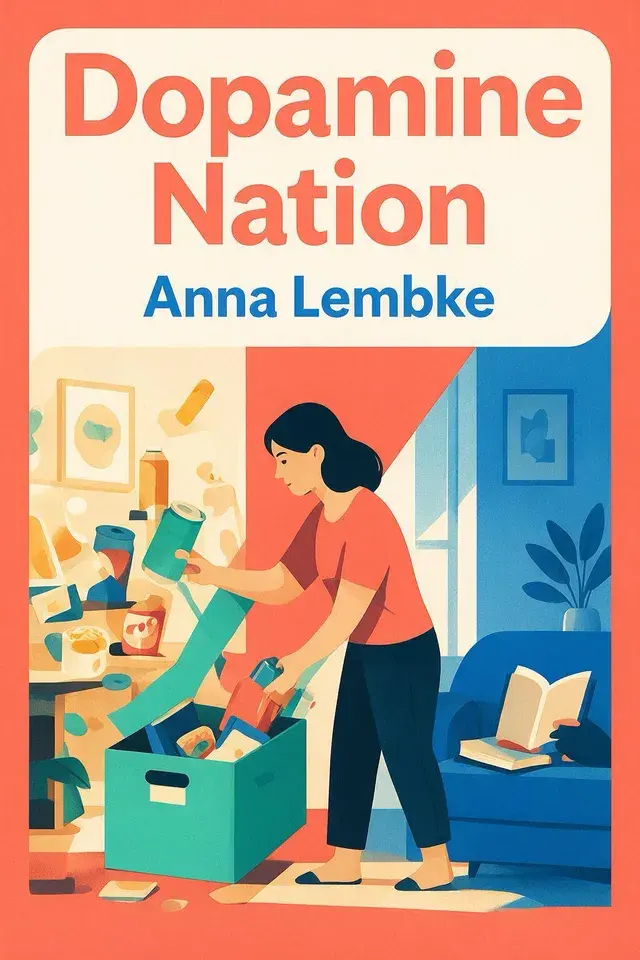
Dopamine Nation
Dopamine Nation asks why abundance and easy pleasure so often produce compulsion, anxiety, and pain. It connects addiction neuroscience to clinical stories and offers a practical path—abstinence, self-binding, measured discomfort, radical honesty, and supportive belonging—to recover a fuller capacity for ordinary life.
12 chapters in Wiseley’s health catalog.
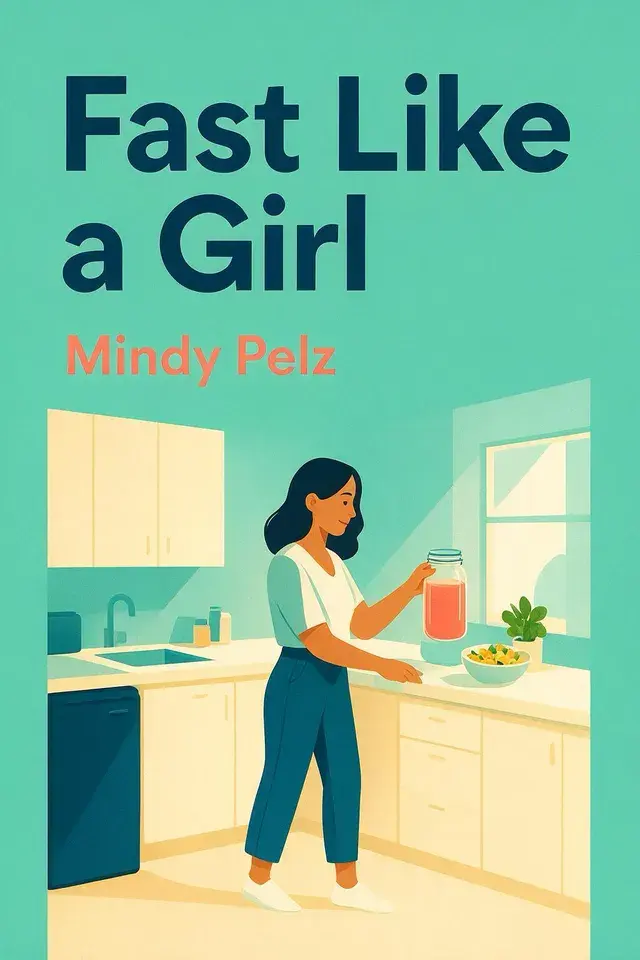
Fast Like a Girl
Fast Like a Girl asks whether fasting can support women’s health without treating every body as the same. It presents Mindy Pelz’s model of metabolic switching, hormone-timed fasting, food cycling, and a 30-day reset, while emphasizing self-observation, flexibility, community, and caution around medical conditions.
8 chapters in Wiseley’s health catalog.
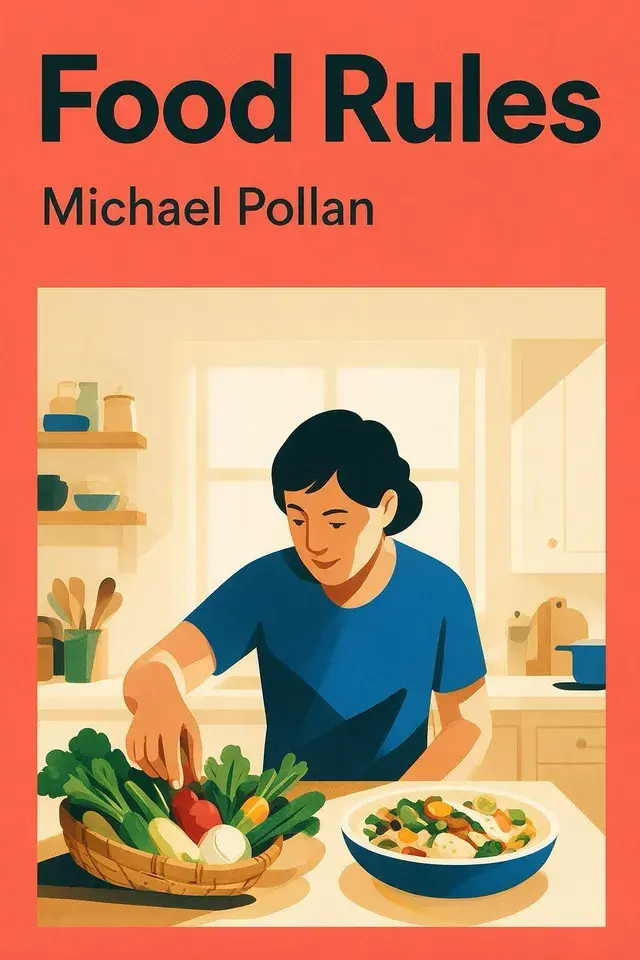
Food Rules
Food Rules asks how to eat well amid conflicting nutrition advice and an industrial food supply. Michael Pollan’s answer is a practical framework: identify real food, make plants central, and use slower, more social, flexible habits to reduce excess while recovering pleasure and judgment at the table.
8 chapters in Wiseley’s health catalog.
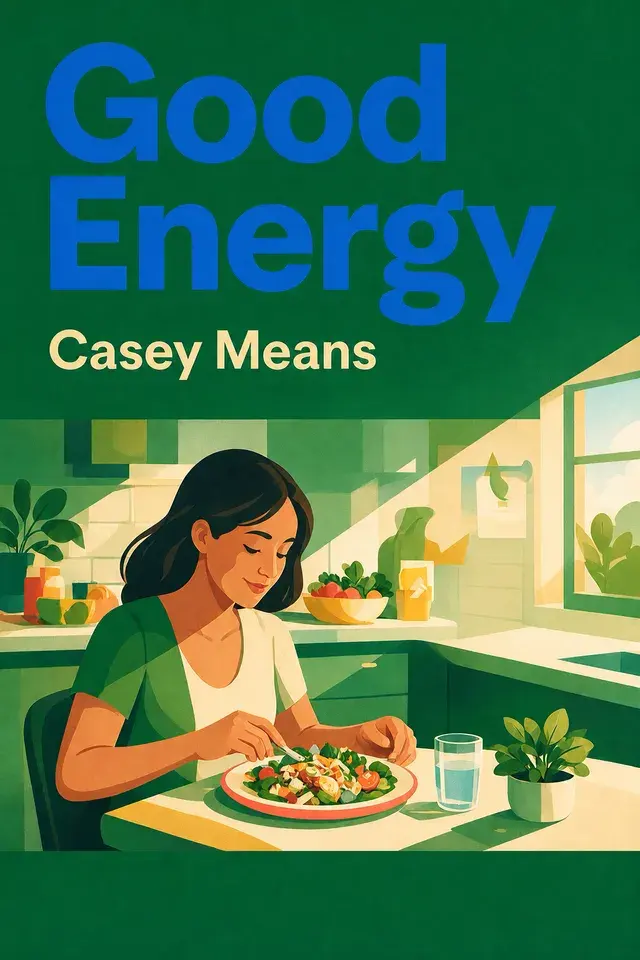
Good Energy
Good Energy presents metabolism as a cellular-energy framework and asks how food, sleep, movement, light, stress, and chemical exposure shape health. It pairs a critique of fragmented chronic care with symptom and biomarker tracking, whole-food principles, a four-week behavior plan, and practical recipes for acting on the framework.
12 chapters in Wiseley’s health catalog.
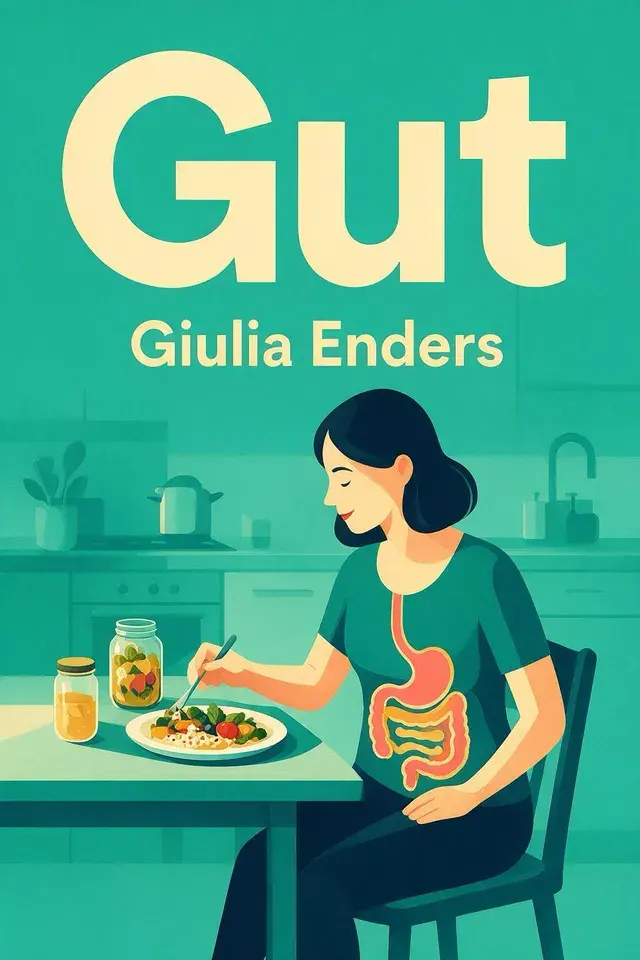
Gut
Giulia Enders examines the gut as an active organ linked to digestion, immunity, microbes, and the brain. This summary asks how food becomes usable, why digestive symptoms arise, how microbial communities develop and act, and what proportionate habits can support them without mistaking early evidence for certainty.
7 chapters in Wiseley’s health catalog.
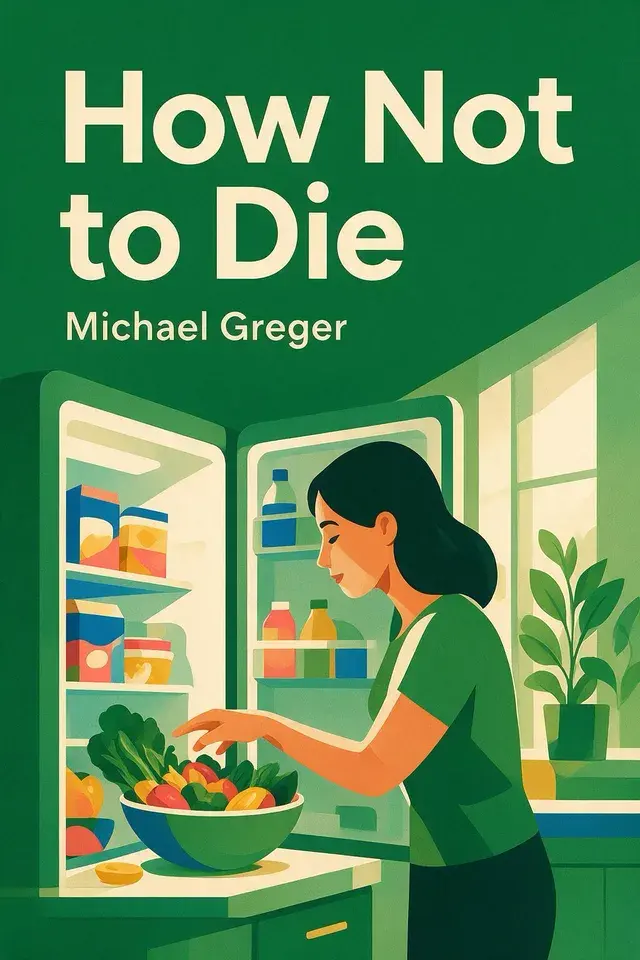
How Not to Die
How Not to Die asks which everyday choices shape the diseases that most often shorten life. Drawing on nutrition, movement, medical trade-offs, and the Daily Dozen, it argues that a predominantly whole-food, plant-centered pattern can prevent or sometimes improve chronic illness—while requiring evidence limits, safety, and clinical care.
9 chapters in Wiseley’s health catalog.
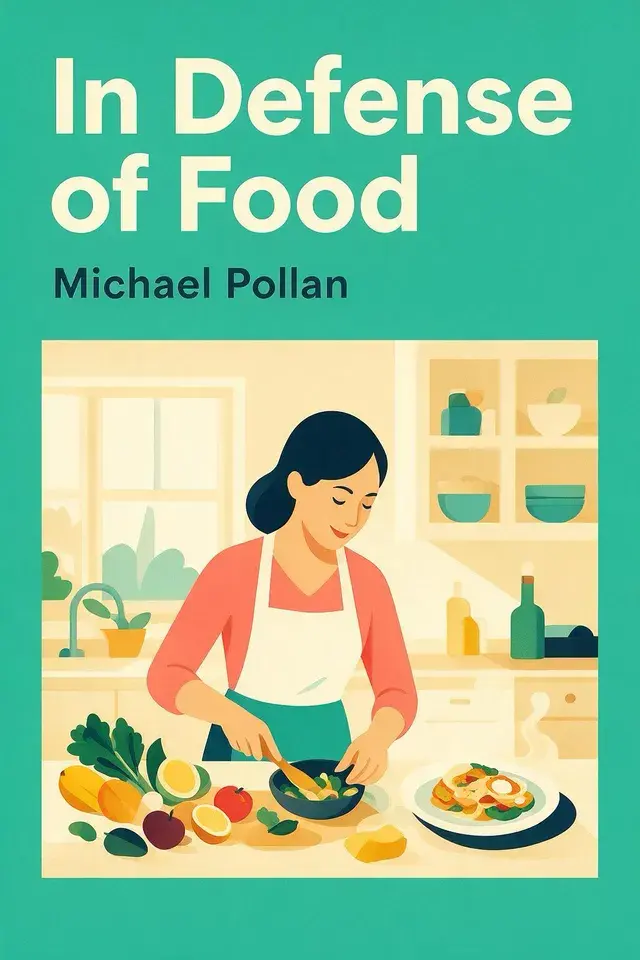
In Defense of Food
Michael Pollan examines why modern eaters became more confused as nutrition advice multiplied. The book asks whether health is best pursued by tracking nutrients or by returning to recognizable foods, cultural knowledge, ecological relationships, and dietary patterns. It ends with flexible guidance for shopping, cooking, sharing meals, and eating mostly plants in moderation.
10 chapters in Wiseley’s health catalog.
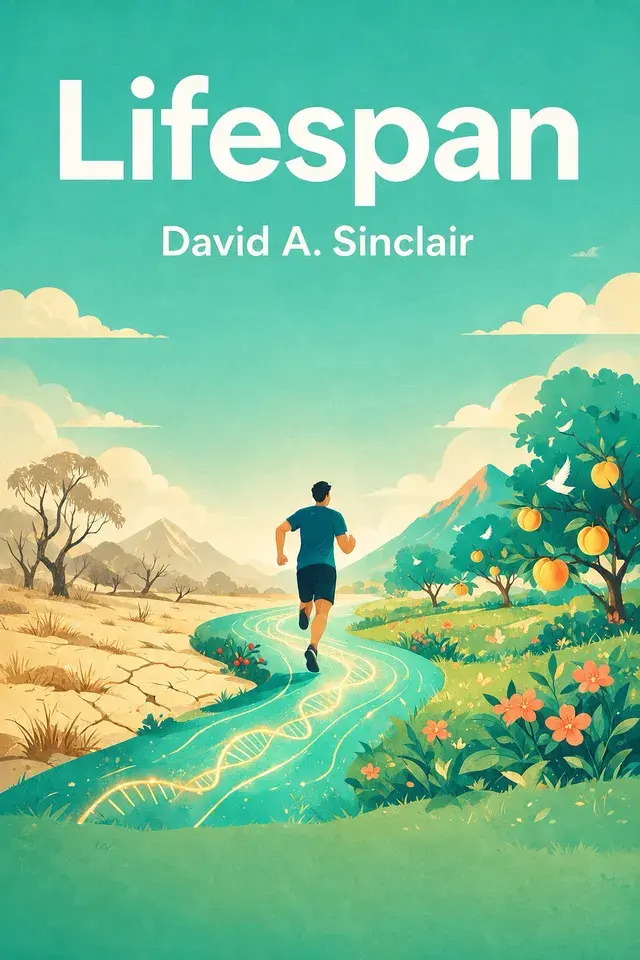
Lifespan
Lifespan asks whether aging must be accepted as inevitable or can be treated at its biological source. David Sinclair links healthspan to a stress-response network and epigenetic information, then examines lifestyle, drugs, reprogramming, precision medicine, and the social choices needed to make longer lives healthier, fairer, and sustainable.
10 chapters in Wiseley’s health catalog.
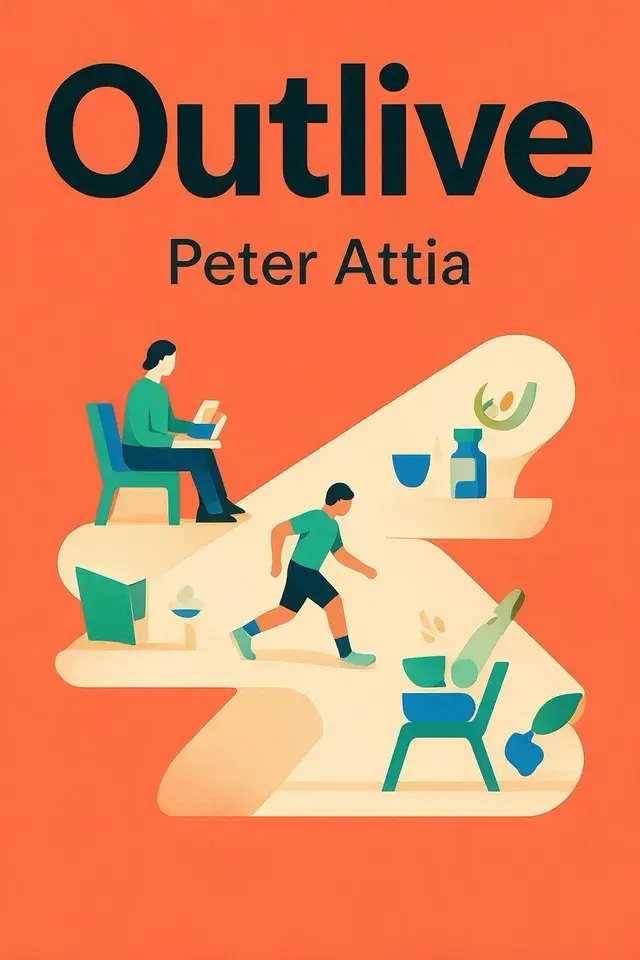
Outlive
Outlive asks how to extend not only lifespan but the years of physical, cognitive, and emotional capability. Its framework links chronic-disease prevention, metabolic and cardiovascular risk, exercise, nutrition, sleep, and emotional health, then turns uncertain science into individualized choices for changing the trajectory of aging.
13 chapters in Wiseley’s health catalog.
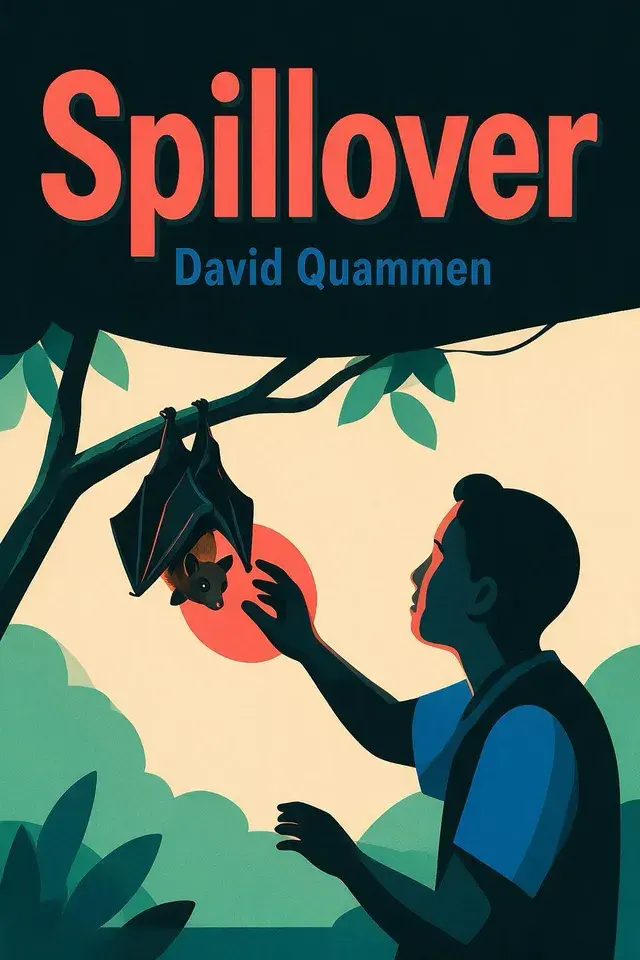
Spillover
Spillover traces how infections move between animals, people, and altered environments, asking why some cross-species jumps fade while others become epidemics or pandemics. Through Hendra, Ebola, SARS, malaria, Lyme disease, Nipah, influenza, and AIDS, it connects host ecology, evolution, human networks, and public-health preparedness into a way of thinking under uncertainty.
12 chapters in Wiseley’s health catalog.
The 4-Hour Body
The 4-Hour Body asks how measurement, small interventions, and self-experimentation might reshape fat, muscle, performance, sleep, sex, and health. It offers practical protocols alongside skepticism about adherence limits, biological variation, imperfect evidence, and risk.
8 chapters in Wiseley’s health catalog.
The Blue Zones
The Blue Zones investigates why Sardinia, Okinawa, Loma Linda, and Costa Rica’s Nicoya Peninsula produced unusually long-lived populations. It asks what their food, movement, purpose, faith, family, and social ties can teach about extending healthy, independent years—and how to adapt those patterns without mistaking association for proof.
10 chapters in Wiseley’s health catalog.
The China Study
The China Study follows T. Colin Campbell’s argument that chronic disease is shaped less by isolated nutrients or genetic fate than by whole dietary patterns. It traces his animal experiments, the China Study, and later disease evidence, then asks how readers can eat, judge uncertainty, and navigate institutions that shape nutrition advice.
11 chapters in Wiseley’s health catalog.
The Hacking of the American Mind
Robert Lustig examines how modern life confuses short-lived pleasure with durable happiness. He follows that confusion through dopamine, serotonin, stress, food, technology, markets, and policy, then asks how connection, contribution, coping, and cooking might restore contentment and agency.
10 chapters in Wiseley’s health catalog.
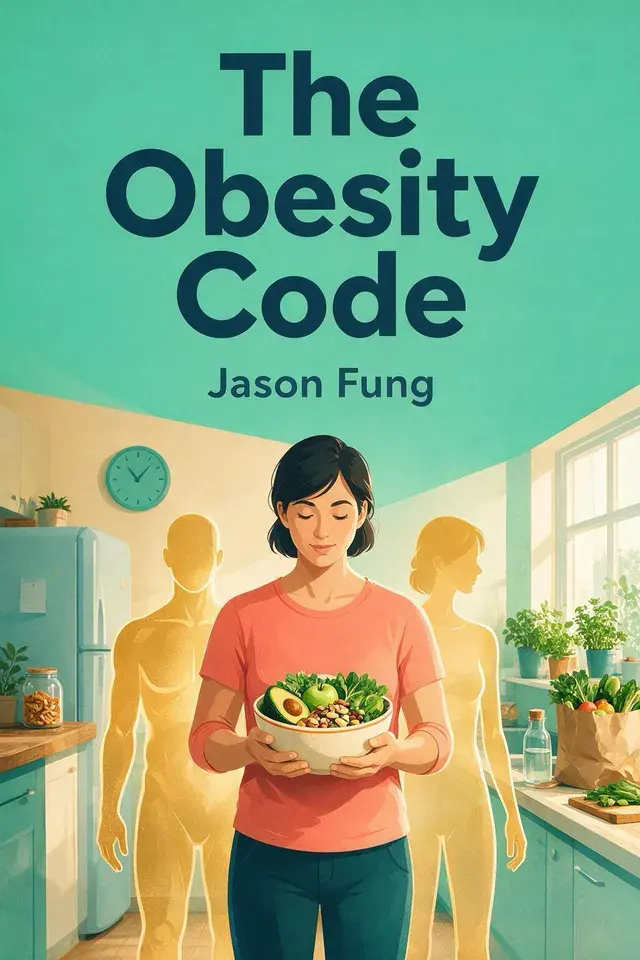
The Obesity Code
The Obesity Code asks why obesity persists despite calorie restriction and exercise advice. It presents obesity as a multifactorial, hormonally regulated problem centered on insulin and insulin resistance, then connects food processing, stress, sleep, and meal timing to weight regulation. The final framework covers whole-food choices, fasting, and practical qualifications.
16 chapters in Wiseley’s health catalog.
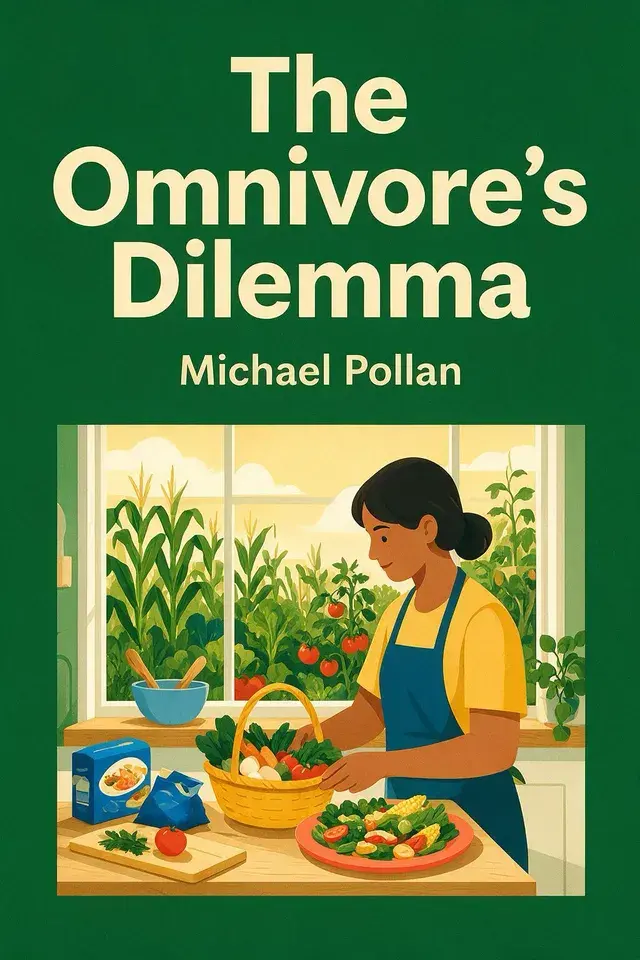
The Omnivore's Dilemma
Michael Pollan follows food from cornfields and feedlots through processing, organic and local farms, hunting, gathering, and a shared meal. He asks why abundance can make eating more confusing, then examines how provenance, ecological costs, animal lives, culture, and personal choices shape a more responsible—and more pleasurable—way to eat.
9 chapters in Wiseley’s health catalog.
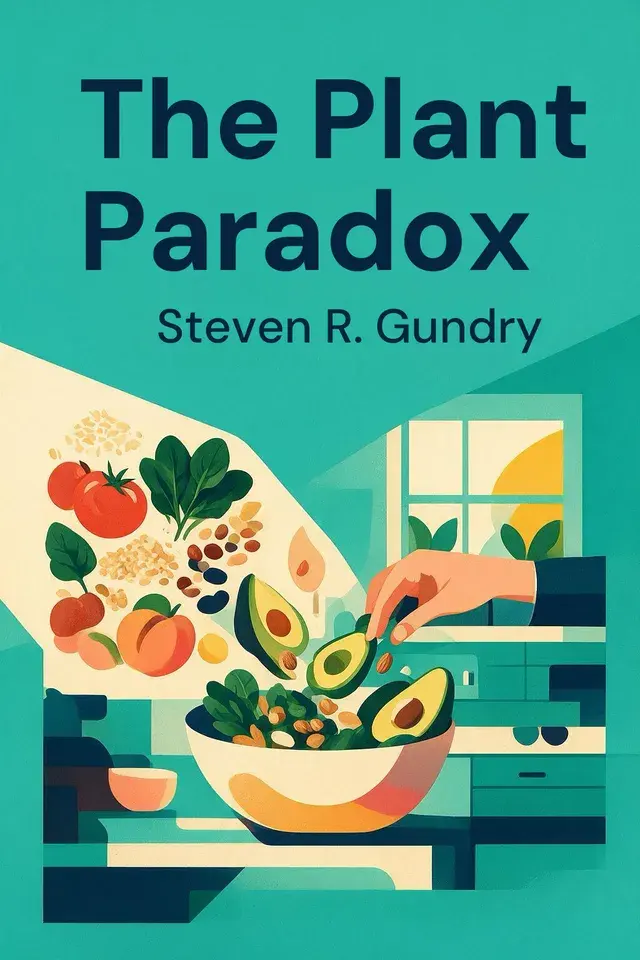
The Plant Paradox
Steven R. Gundry’s The Plant Paradox asks why foods often labeled healthy might, in the book’s account, interact with lectins, gut microbes, and modern exposures to promote illness and weight gain. This summary traces that argument and explains the proposed phased diet, fasting, supplements, and meal-planning response.
8 chapters in Wiseley’s health catalog.
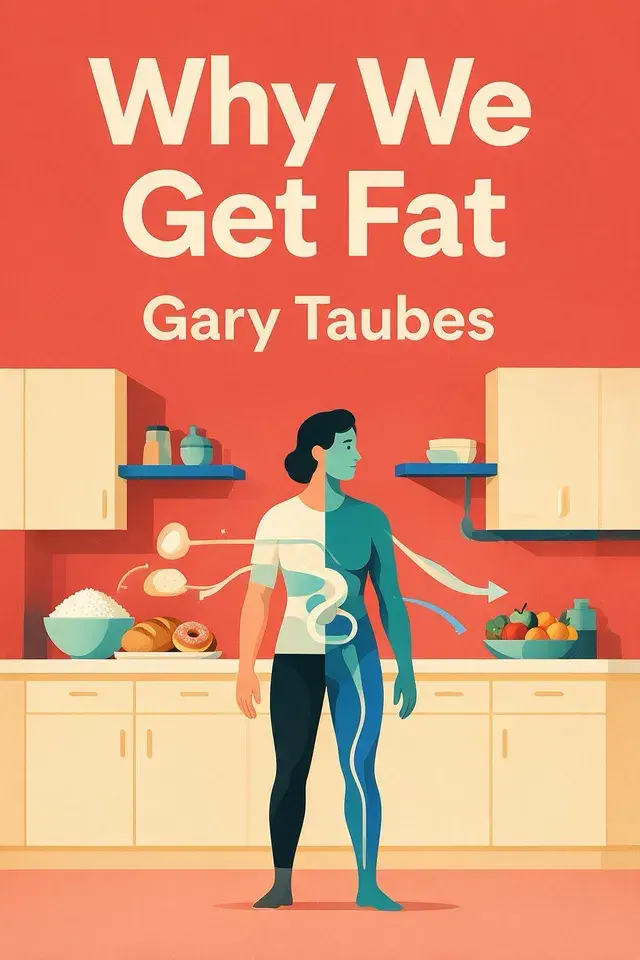
Why We Get Fat
Why We Get Fat asks whether obesity is a failure of calorie balance or a disorder of fat regulation. Gary Taubes develops a carbohydrate-and-insulin explanation, tests it against historical, physiological, and clinical evidence, and considers what carbohydrate restriction might mean in practice, including its uncertainties and cautions.
10 chapters in Wiseley’s health catalog.
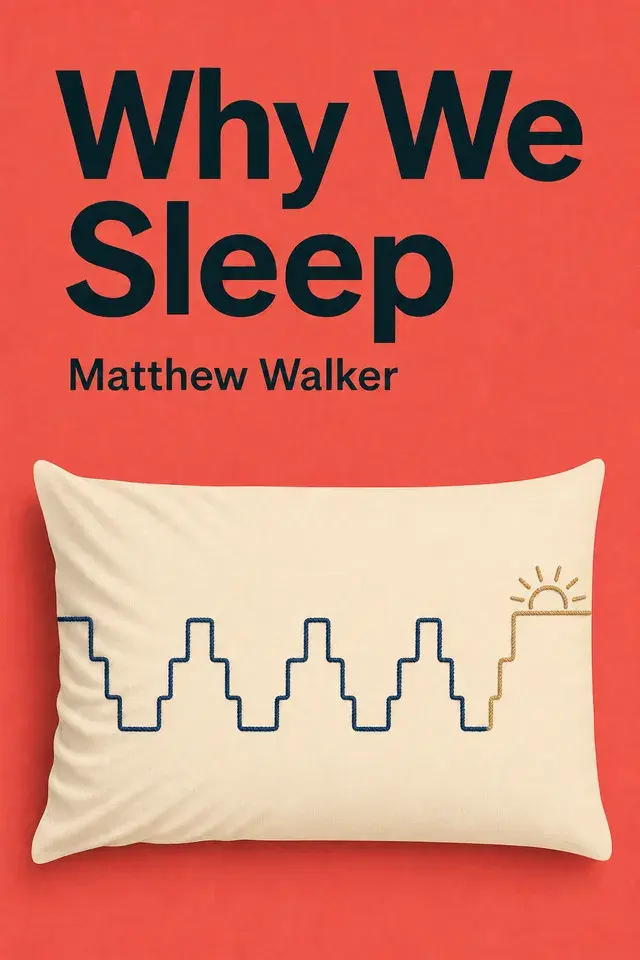
Why We Sleep
Why We Sleep examines what sleep does, how circadian timing and accumulating sleep pressure organize it, and what happens when modern life fragments it. It connects sleep with memory, emotion, health, development, and dreaming, then considers practical and institutional changes that could restore sleep’s place in daily life.
10 chapters in Wiseley’s health catalog.
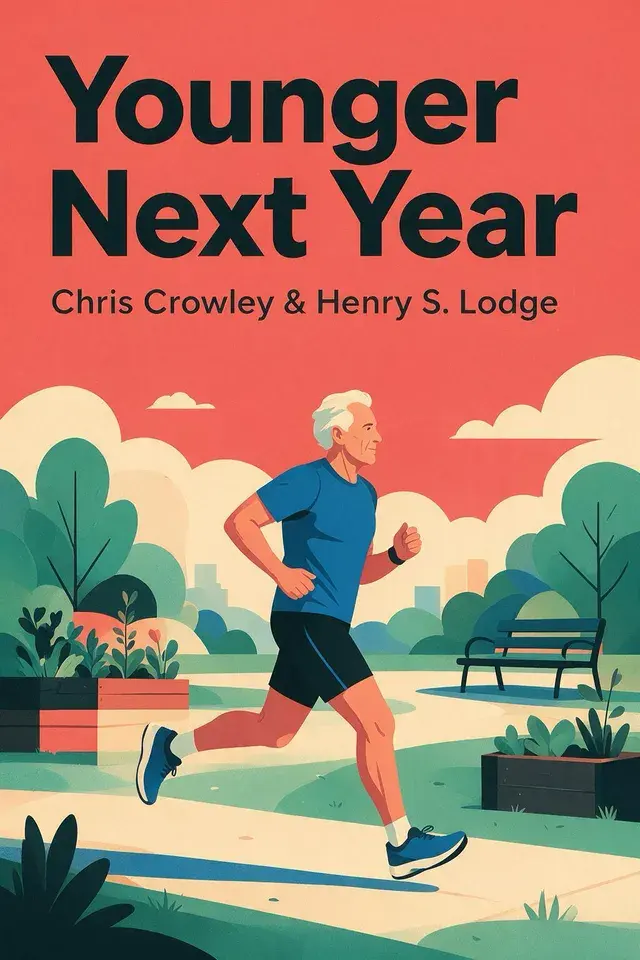
Younger Next Year
Younger Next Year asks whether the decades after menopause must mean decline. It argues that much functional decay is lifestyle-sensitive, then connects exercise, strength, food, money, menopause, relationships, purpose, and play into a practical philosophy for staying capable and engaged in later life.
12 chapters in Wiseley’s health catalog.
Keep exploring
Comparison
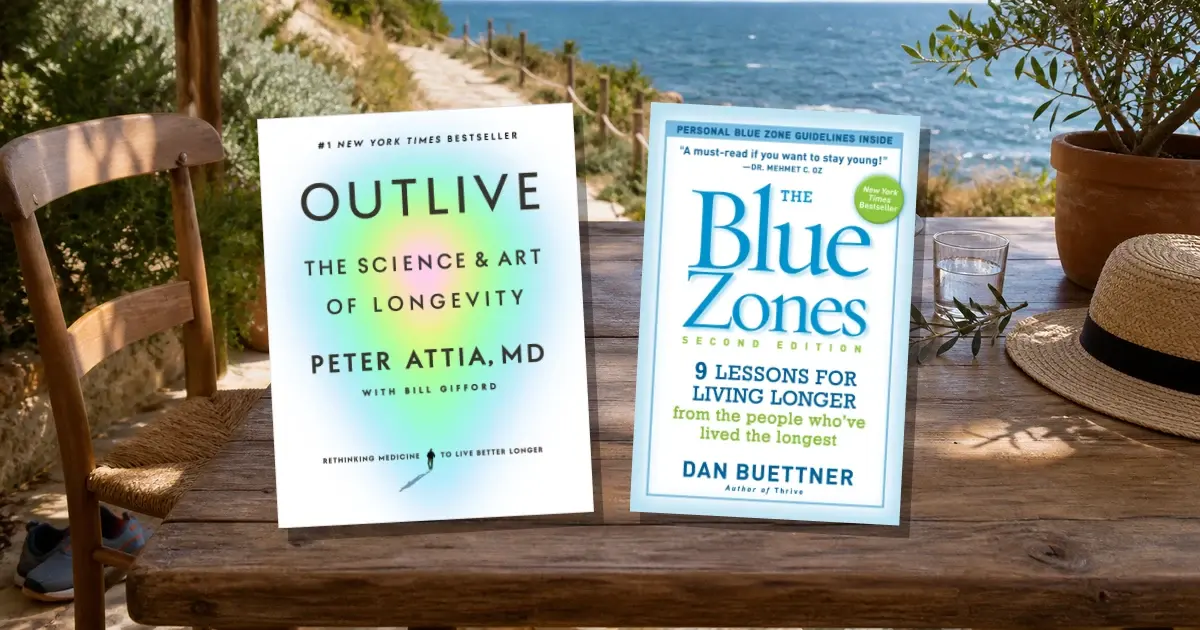
Outlive vs The Blue Zones: Which Longevity Lens Fits You?
One book builds an individualized prevention strategy; the other studies shared patterns in unusually long-lived populations. Use both without turning observation into prescription.

Comparison
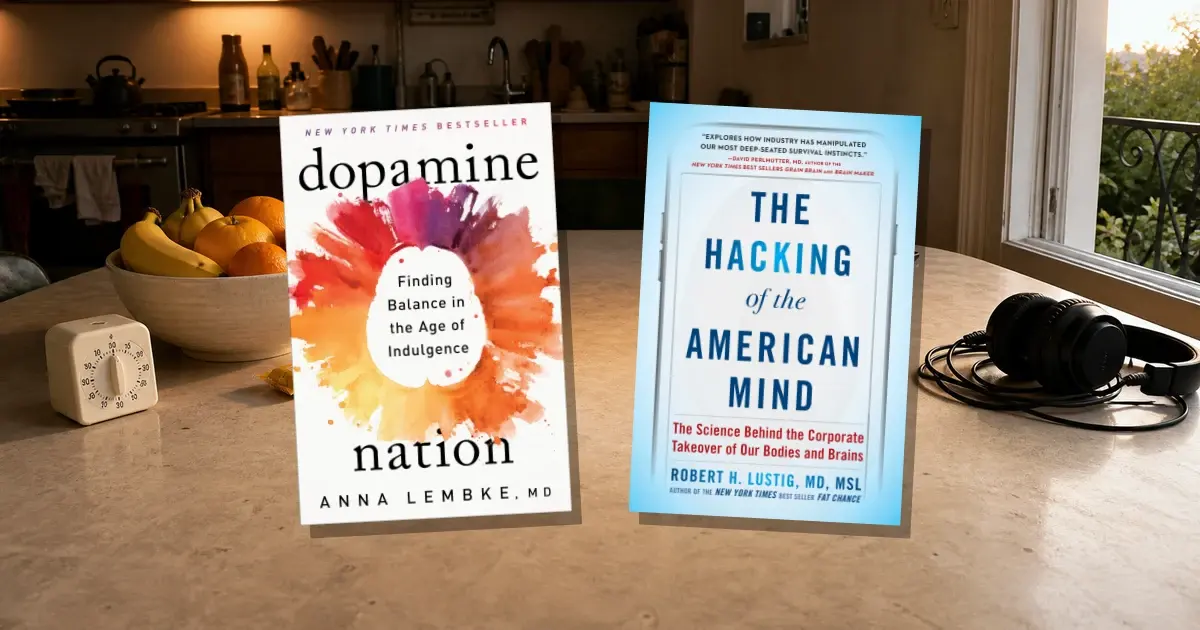
Dopamine Nation vs The Hacking of the American Mind: How Does Pleasure Become a Trap?
Both books connect abundant rewards to compulsive behavior, but one centers clinical recovery while the other widens the lens to consumer systems and contentment.

Practical guide
How to Evaluate a Health Book Before Changing Your Routine
Separate explanation from prescription, inspect the evidence and conflicts, then discuss meaningful changes with a qualified health professional.
Reading list
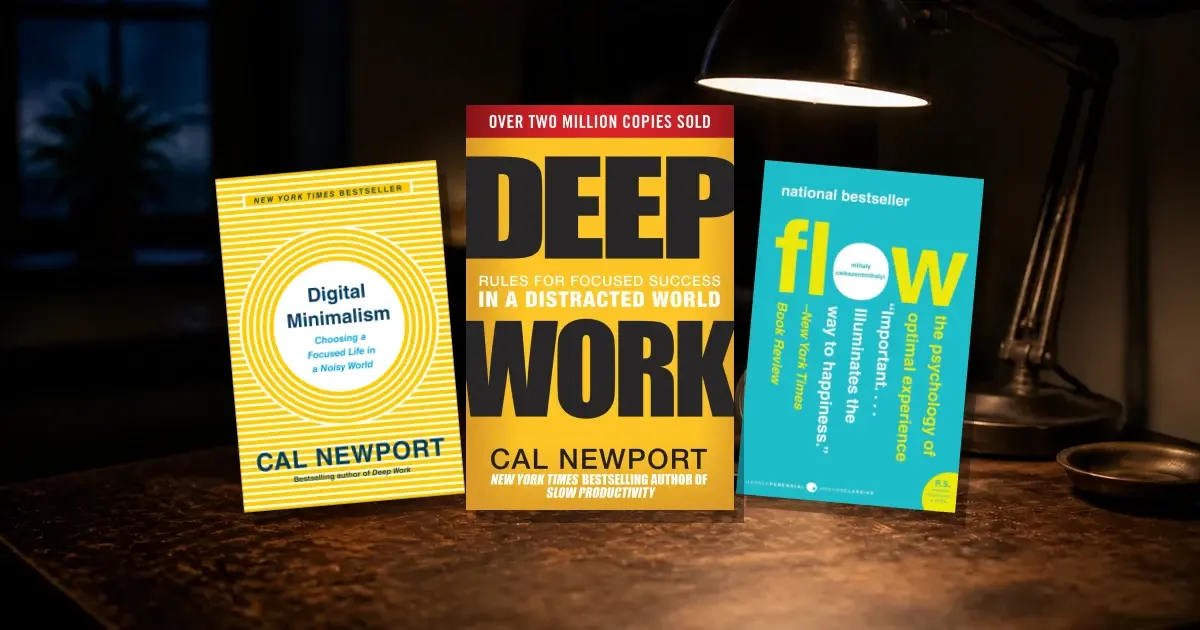
The Best Books on Focus in a Distracted World
Focus is not one problem. These books address work design, technology, immersion, finite time, and compulsive reward from different angles.


Reading smarter
When to Read a Book Summary—and When to Read the Whole Book
A summary is a map of an argument, not the full terrain. Choose by purpose, stakes, evidence needs, and the kind of experience the book offers.