

The form changes the conversation
A defense of belief invites you to follow an argument. A confession asks you to watch a life being interpreted. Satire exposes a habit by making it strange. These four books belong to Christian writing, but they are neither interchangeable introductions nor a survey of every Christian tradition. Read with attention to what the writer is trying to do.
| Form | Start here | Read for |
|---|---|---|
| Argument | Mere Christianity | How one claim is meant to lead to the next |
| Satire | The Screwtape Letters | The gap between intentions and habits |
| Autobiography | Confessions | Memory, conversion, and self-interpretation |
| Fragments | Pensées | Questions that an unfinished work leaves open |
Four voices, four reading experiences
The selection spans different periods and literary forms. Lewis supplies two deliberately contrasting entrances; Augustine and Pascal ask for a slower encounter with historical language and theological assumptions.

Follow the argument before accepting its conclusion
Mere Christianity · C.S. Lewis
C. S. Lewis begins with moral experience and moves toward Christian doctrine and the transformation of character. The interest is in the sequence: what has he established, and what must a reader already grant for the next step to work? Read it with a margin for objections as well as agreements.
- Read it for
- A connected, accessible account of Lewis’s case for Christianity.
- Keep in mind
- An apologetic argument does not represent every denomination or establish agreement among philosophers.
Watch self-deception at work
The Screwtape Letters · C.S. Lewis
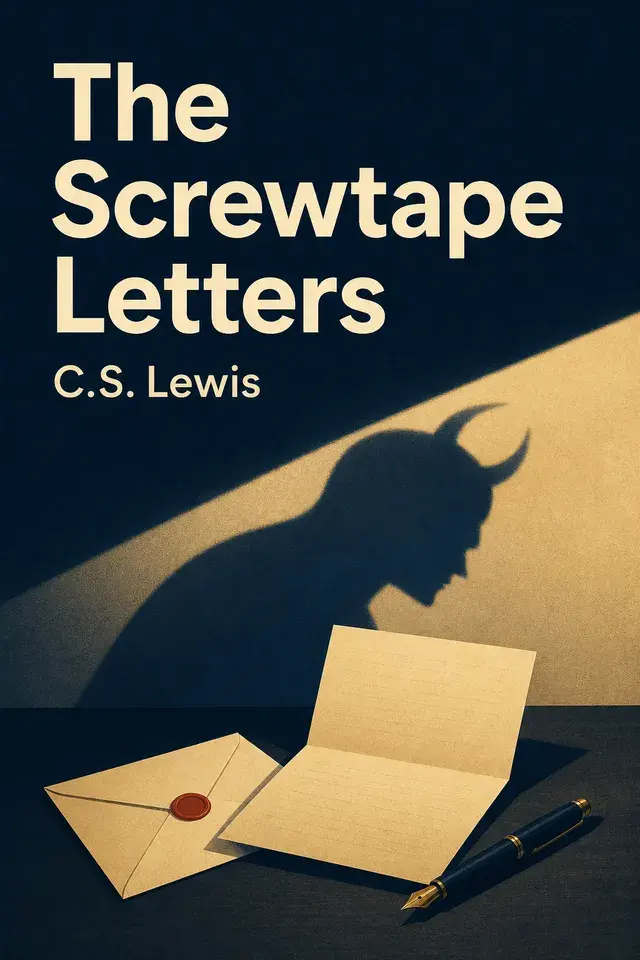
Lewis’s fictional correspondence lets apparently small evasions accumulate into a moral portrait. Its reversed perspective rewards a reader who enjoys irony: advice offered by a tempter is not advice the author endorses. The book can be read alongside Mere Christianity to compare stated principles with compromised daily motives.
- Read it for
- A satirical examination of pride, distraction, and rationalization.
- Keep in mind
- The speakers are fictional; their assertions must be interpreted through the satire.
Read a life being reconsidered
Confessions · Augustine of Hippo
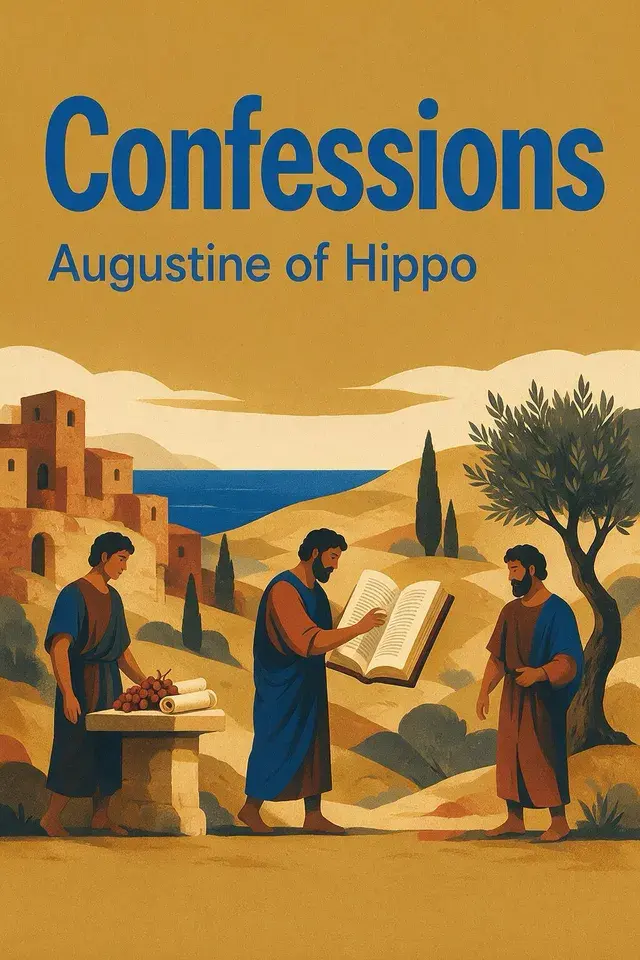
Augustine revisits desire, ambition, friendship, and conversion from the position of the believer he became. That retrospective voice matters as much as the remembered events. The later philosophical and theological inquiries also prevent the book from fitting neatly into a modern celebrity memoir.
- Read it for
- The relationship between remembered experience and religious interpretation.
- Keep in mind
- This is prayerful theological autobiography, not an impartial transcript of a life.

Stay with the unfinished question
Pensées · Blaise Pascal
Pascal’s fragments return to human restlessness, reason’s limits, diversion, and faith. Their unfinished condition is part of the reading task: a memorable passage does not necessarily supply the architecture of the intended argument. Different editorial arrangements can make the work feel quite different.
- Read it for
- Short passages that open substantial questions about belief and human limitation.
- Keep in mind
- The famous wager is only one part of a much larger, unfinished Christian apology.
Keep two sets of notes
On one page, record the author’s claim and the reasons offered for it. On another, record your response. Keeping these apart makes disagreement more precise and prevents a familiar sentence from standing in for an argument. Begin with Lewis if continuity helps; choose Augustine if lived experience draws you in; approach Pascal with patience for fragments.
Sources and scope
Book ideas are attributed to their authors. External evidence is linked directly when a claim needs more than the source book.
- Mere Christianity: C. S. Lewis begins with moral experience and moves toward Christian doctrine and the transformation of character. The interest is in the sequence: what has he established, and what must a reader already grant for the next step to work? Read it with a margin for objections as well as agreements. Scope: An apologetic argument does not represent every denomination or establish agreement among philosophers.
- The Screwtape Letters: Lewis’s fictional correspondence lets apparently small evasions accumulate into a moral portrait. Its reversed perspective rewards a reader who enjoys irony: advice offered by a tempter is not advice the author endorses. The book can be read alongside Mere Christianity to compare stated principles with compromised daily motives. Scope: The speakers are fictional; their assertions must be interpreted through the satire.
- Confessions: Augustine revisits desire, ambition, friendship, and conversion from the position of the believer he became. That retrospective voice matters as much as the remembered events. The later philosophical and theological inquiries also prevent the book from fitting neatly into a modern celebrity memoir. Scope: This is prayerful theological autobiography, not an impartial transcript of a life.
- Pensées: Pascal’s fragments return to human restlessness, reason’s limits, diversion, and faith. Their unfinished condition is part of the reading task: a memorable passage does not necessarily supply the architecture of the intended argument. Different editorial arrangements can make the work feel quite different. Scope: The famous wager is only one part of a much larger, unfinished Christian apology.
To report a factual, attribution, rights, or accessibility concern, email hello@wiseley.app.