Science book summaries
Big questions about nature, humanity, technology, and the evidence used to explain how complex systems work.
Science books translate evidence into stories about scale, causation, uncertainty, and discovery. The collection spans explanatory works and arguments about how knowledge changes, with care to distinguish an author’s interpretation from scientific consensus.
A general science selection and an accessible starting list are different needs, and the two lists below keep them apart; science fiction is not part of this catalog.
Start with a focused list
This page is the complete science catalog. If you already know which question you are answering, these shorter selections narrow it down first.
- Science books for a general reader — A curated general selection: how everything got here, how the universe works, and how we came to know it.
- Popular science books for a first-time reader — An accessible starting list for readers who have not read much science writing before.
Books in this collection
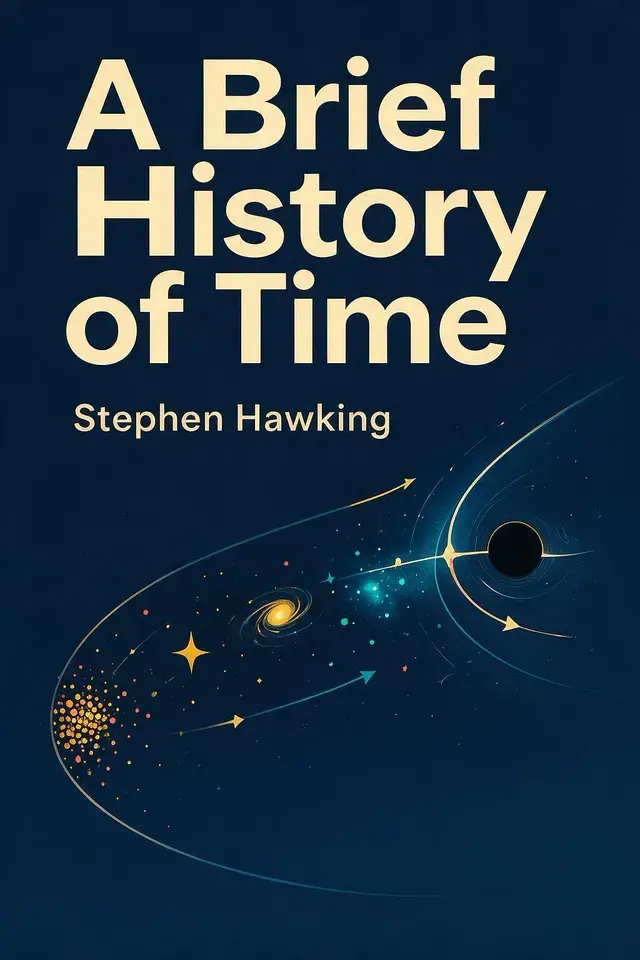
A Brief History of Time
This book traces how observation and theory reshape ideas about space, time, matter, black holes, and the universe’s origin. Its central question is whether one coherent framework can explain cosmic history. It maps the reasoning behind relativity, quantum uncertainty, entropy, and the limits of scientific prediction.
8 chapters in Wiseley’s science catalog.
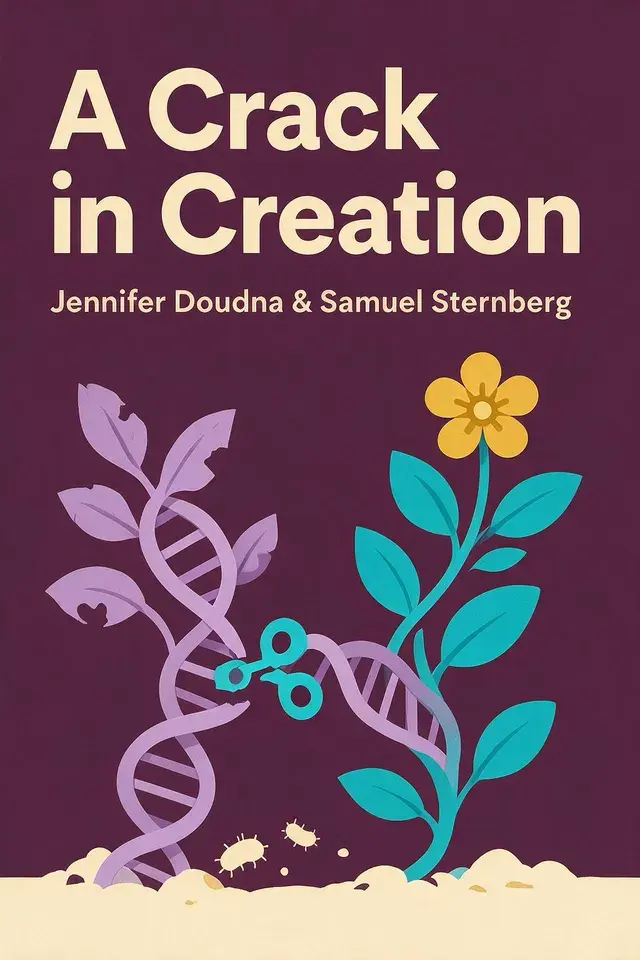
A Crack in Creation
A Crack in Creation explains how CRISPR emerged from a bacterial defense and became a programmable way to alter DNA in cells, crops, animals, and ecosystems. It asks when repairing disease becomes redesigning life, and how safety, equity, public consent, and global rules should shape that power.
8 chapters in Wiseley’s science catalog.
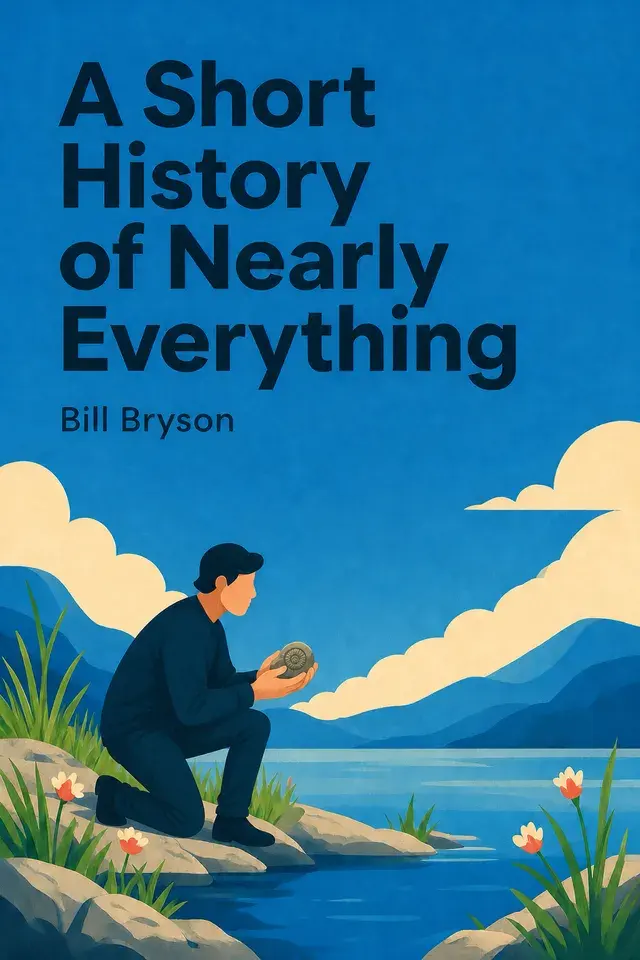
A Short History of Nearly Everything
From the Big Bang and the making of Earth to cells, evolution, and human origins, this journey asks how a habitable world and its astonishing diversity emerged from ordinary matter—and what our incomplete knowledge reveals about humanity’s fragile place and responsibility within it.
10 chapters in Wiseley’s science catalog.
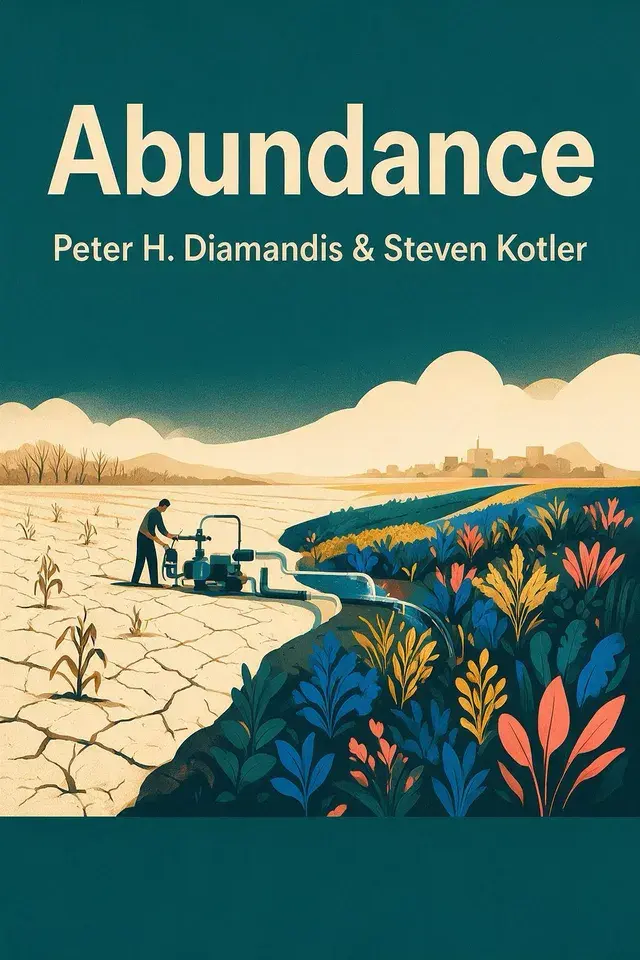
Abundance
Abundance asks whether technology can turn contextual scarcity into broadly shared conditions for possibility, not universal luxury. It traces a chain from exponential tools and cooperation to water, food, energy, learning, health, freedom, and innovation, while testing the access, governance, and safety conditions that determine whether technical promise becomes lived progress.
12 chapters in Wiseley’s science catalog.
AI Superpowers
Kai-Fu Lee traces AI from deep-learning breakthrough to mass implementation, asking why China and the United States developed different advantages. He then examines automation’s effects on work, inequality, and meaning, and considers how policy, business, and human relationships might shape a more humane coexistence with intelligent machines.
8 chapters in Wiseley’s science catalog.
An Immense World
How can the same physical world become radically different to different animals? An Immense World examines smell, light, color, pain, heat, touch, vibration, sound, echolocation, electricity, magnetism, and multisensory integration, then asks how human light and noise reshape those perceptual habitats. Its value is a more careful, less human-centered understanding of other species.
8 chapters in Wiseley’s science catalog.
Astrophysics for People in a Hurry
This concise tour follows the universe from its hot beginnings through the making of elements, hidden dark matter and dark energy, stars, planets, and the search for distant life. It asks how we know what cannot be seen—and what a cosmic perspective changes about human identity and responsibility.
8 chapters in Wiseley’s science catalog.
Bad Science
Bad Science examines how plausible stories, credentials, commercial incentives, weak trials, statistical errors, and sensational reporting turn uncertainty into medical certainty. It asks how to tell whether a treatment works, what placebos mean, and what is lost when evidence is distorted.
8 chapters in Wiseley’s science catalog.
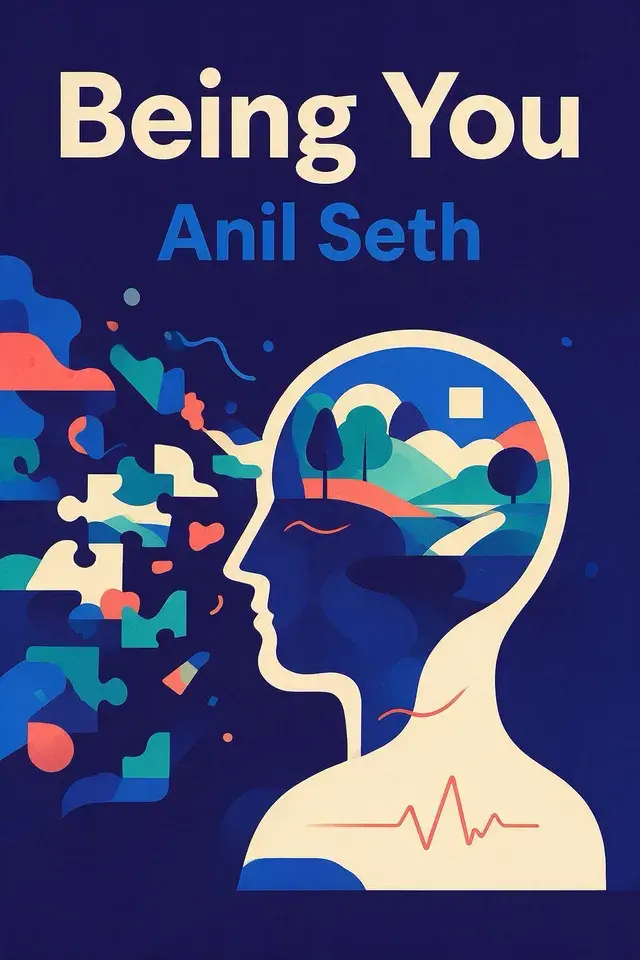
Being You
Being You asks how conscious experience and the self arise from the living brain. It develops a predictive account of perception, measures of conscious level, and layered models of bodily, narrative, social, animal, and artificial minds. Its value is a mechanistic way to think about altered states, agency, and the limits of inferring experience.
9 chapters in Wiseley’s science catalog.

Bold
Bold examines how exponential technologies and internet-enabled crowds change who can build, fund, and solve problems at global scale. It asks which habits make ambitious action credible, then maps platforms, communities, crowdfunding, and incentive prizes as ways to distribute expertise and risk—while stressing that abundance depends on deliberate, ethical choices.
9 chapters in Wiseley’s science catalog.
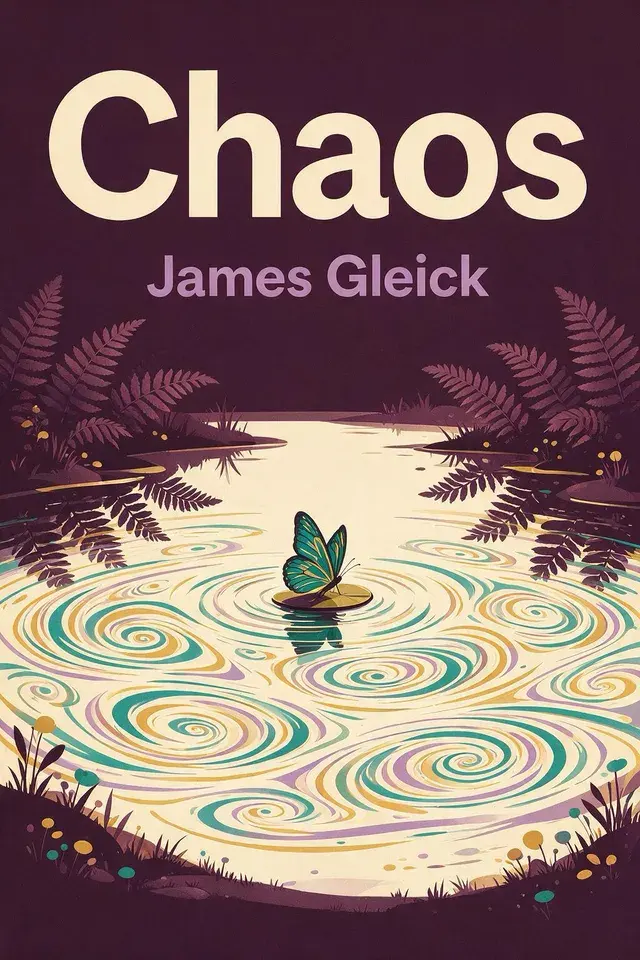
Chaos
James Gleick’s Chaos asks how deterministic systems—from weather and turbulent fluids to populations, markets, hearts, and fractal forms—can become unpredictable without becoming random. It explains sensitivity to initial conditions, strange attractors, scaling, and self-organization, showing how this framework reshapes scientific thinking about patterns, prediction, and complex systems.
8 chapters in Wiseley’s science catalog.
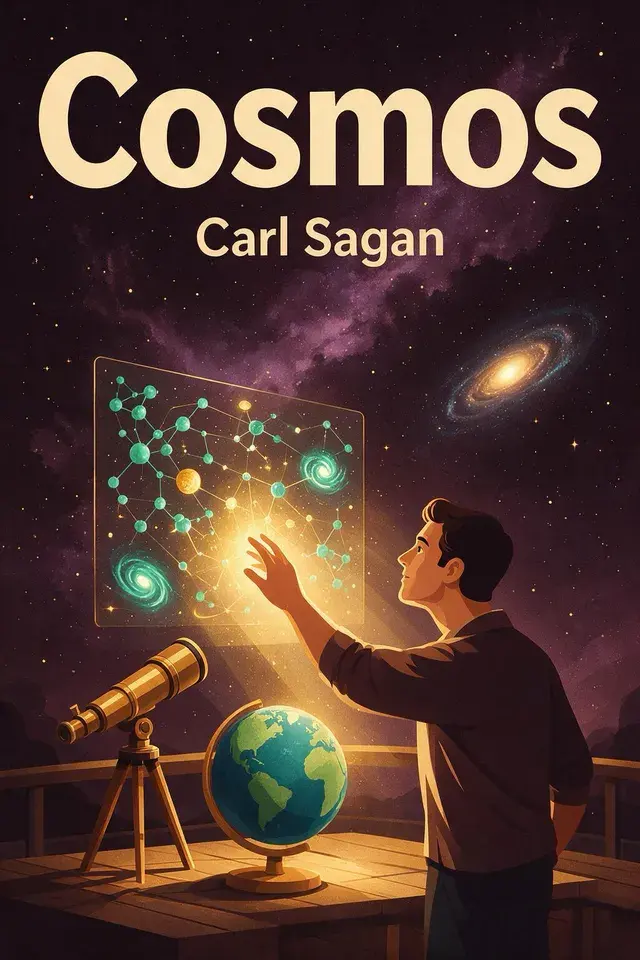
Cosmos
Cosmos traces how stars, planets, chemistry, life, intelligence, and civilization form one connected story. It asks how humans can know a universe that exceeds intuition—and how that knowledge should shape exploration, public reasoning, and the protection of Earth.
11 chapters in Wiseley’s science catalog.

Gödel, Escher, Bach
How can finite rules produce meaning, creativity, and a mind that seems to look back at itself? Gödel, Escher, Bach traces that question through formal systems, Bach’s music, Escher’s art, DNA, brains, and AI, giving readers a way to compare truth, interpretation, and consciousness across levels.
9 chapters in Wiseley’s science catalog.
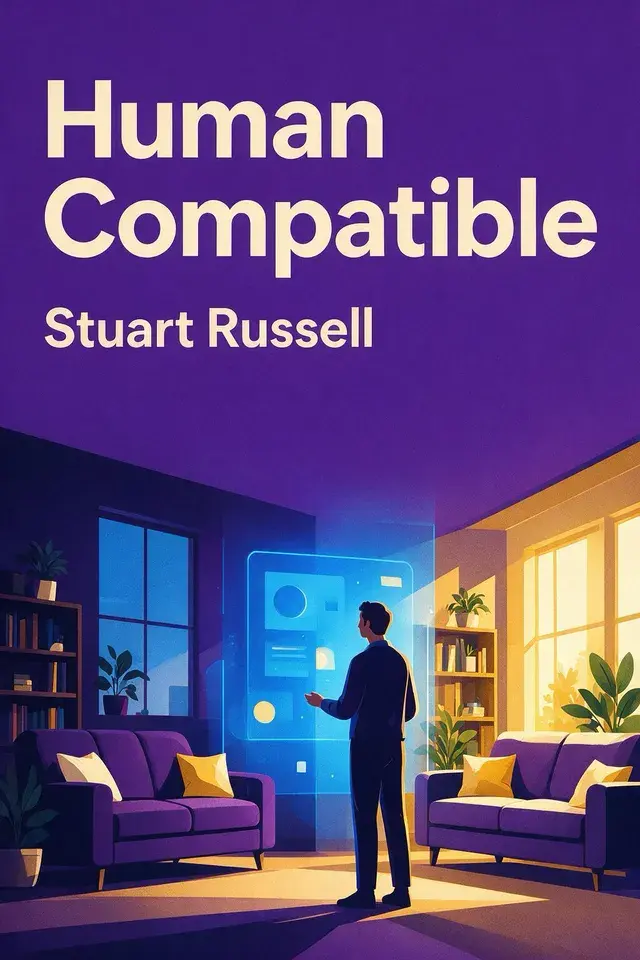
Human Compatible
Human Compatible asks how machines that may surpass human intelligence can remain beneficial rather than become dangerous. It explains why fixed objectives fail, surveys social and economic risks, and develops preference-learning, deference, corrigibility, governance, and human-autonomy ideas for keeping AI aligned with people.
10 chapters in Wiseley’s science catalog.
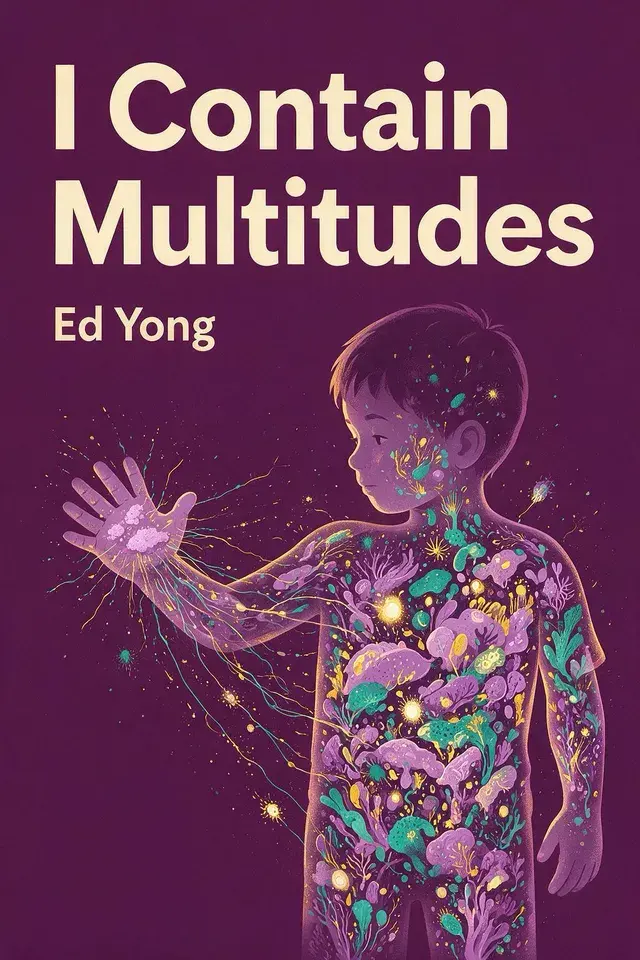
I Contain Multitudes
What if an animal is less a sealed individual than a living consortium? I Contain Multitudes follows microbes that build bodies, educate immunity, expand diets, shape evolution, and sometimes cause disease. It offers a practical way to understand health and intervention as ecological problems, not single-germ stories.
8 chapters in Wiseley’s science catalog.
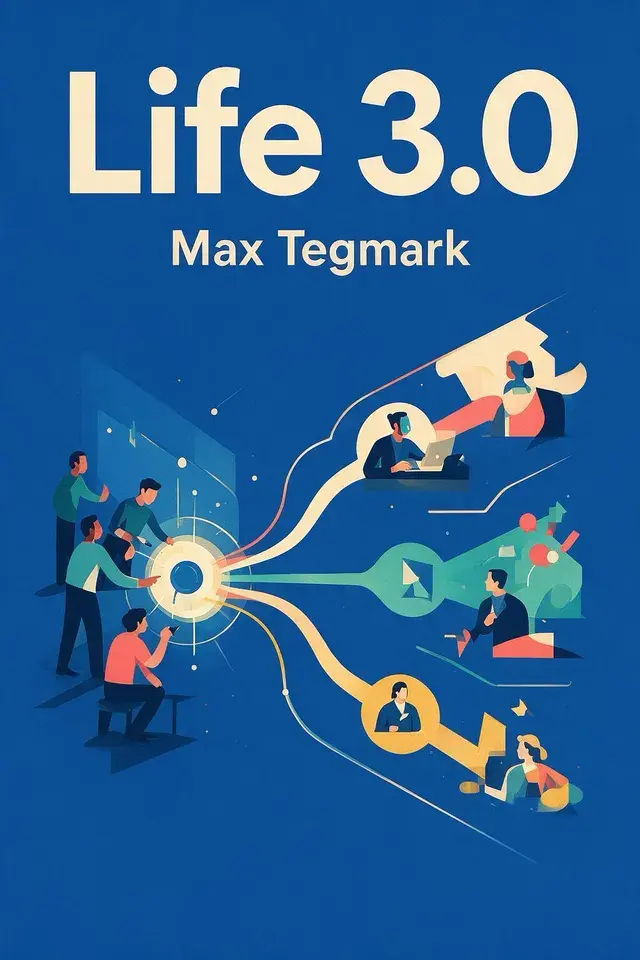
Life 3.0
Life 3.0 asks how increasingly capable artificial intelligence could alter work, power, war, human purpose, consciousness, and the long-term future of life. It explains why intelligence can arise in many physical substrates, compares possible post-AGI futures, and offers concepts for choosing safer, more flourishing outcomes.
11 chapters in Wiseley’s science catalog.
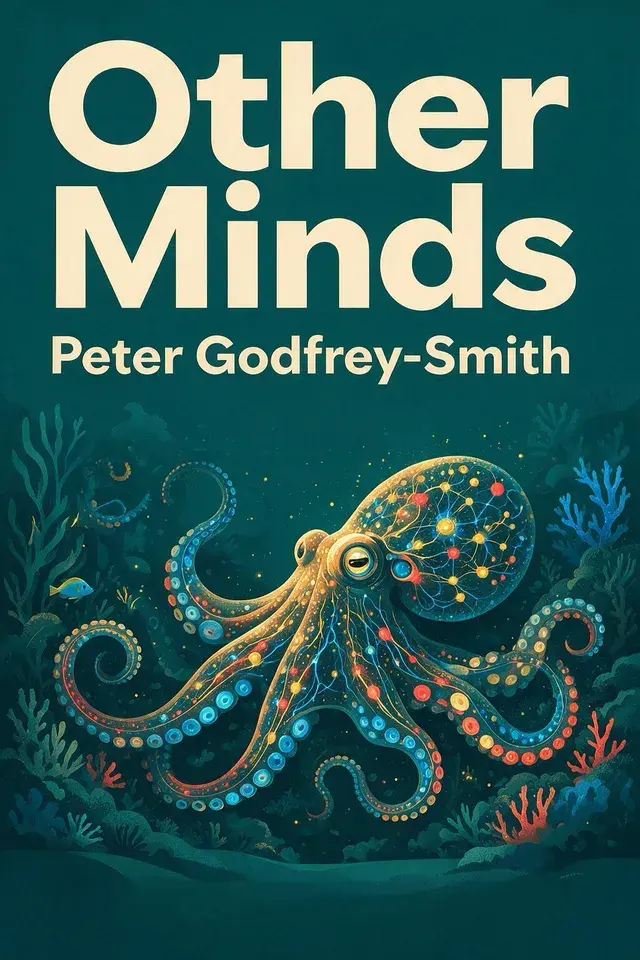
Other Minds
Other Minds asks how subjective experience emerged from living matter and what cephalopods reveal about minds built along a separate evolutionary path. It traces sensing, nervous systems, embodiment, consciousness, communication, language, aging, and social ecology, offering a comparative way to understand intelligence without assuming one human-like design.
7 chapters in Wiseley’s science catalog.
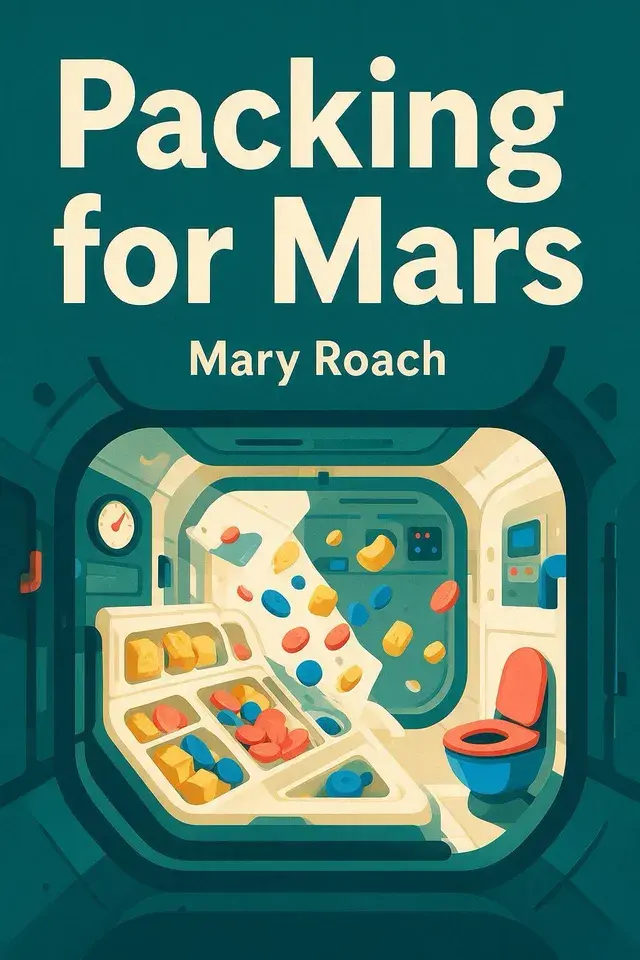
Packing for Mars
Packing for Mars asks how humans can remain alive, capable, and psychologically intact beyond Earth. Mary Roach follows astronaut selection, confinement, weightlessness, motion sickness, impact survival, chronic bodily changes, reproduction, escape, toilets, and food to show that spaceflight is the redesign of ordinary needs under extreme constraints.
9 chapters in Wiseley’s science catalog.
Principia Mathematica
Principia Mathematica asks how a small set of mathematical rules can explain motion on Earth, in fluids, and across the heavens. This summary follows Newton from definitions and laws of motion through inverse-square gravity, orbital geometry, resistance, tides, and comets, showing how observation and calculation turn phenomena into a coherent world-system.
15 chapters in Wiseley’s science catalog.
Reality Is Not What It Seems
Carlo Rovelli’s account of modern physics asks what remains of reality when atoms, space, time, and objects no longer behave as everyday intuition expects. Following the path from ancient atomism through relativity and quantum theory to quantum gravity, it shows how provisional models, relations, and uncertainty change what it means to understand the world.
8 chapters in Wiseley’s science catalog.
Sapiens: A Brief History of Humankind
Sapiens asks how an unremarkable ape became the dominant human species—and whether rising collective power improved individual life. It traces the Cognitive, Agricultural, and Scientific Revolutions through shared fictions, money, empire, religion, capitalism, and industry, then weighs modern progress against happiness, ecological cost, and the prospect of redesigning humanity.
12 chapters in Wiseley’s science catalog.
Seven Brief Lessons on Physics
An accessible tour of how modern physics unsettles ordinary ideas about space, time, matter, and the self. It asks what reality means when spacetime curves, quantum behavior is probabilistic, and time’s direction arises from heat and probability, then considers how consciousness, value, and curiosity fit within nature.
6 chapters in Wiseley’s science catalog.
Silent Spring
Silent Spring examines what happens when modern societies use persistent chemicals to control pests without accounting for ecological interdependence. It asks whether short-term control justifies risks to water, soil, wildlife, human health, and future generations, and points toward selective, biological, and ecologically informed alternatives.
9 chapters in Wiseley’s science catalog.
Stiff
Stiff examines what happens when human remains become tools for anatomy, forensic investigation, injury prevention, transplantation, and funeral practice. Its central question is how usefulness can coexist with consent, dignity, uncertainty, and grief, helping readers see why technical solutions to death are also ethical and cultural choices.
8 chapters in Wiseley’s science catalog.
Superintelligence
Superintelligence examines how machine intelligence might surpass humanity, how quickly that transition could unfold, and whether its goals can remain under human control. It connects technical pathways and strategic power to value specification, economic change, and the choices that could make a beneficial or catastrophic future more likely.
11 chapters in Wiseley’s science catalog.
The Age of AI
The Age of AI examines how machines that learn, discover patterns, and act beyond explicit human rules could change knowledge, platforms, security, and human identity. It asks how people can remain responsible when AI expands capability while obscuring reasoning, and offers a framework for deciding when to partner with, oversee, or limit it.
6 chapters in Wiseley’s science catalog.
The Age of Surveillance Capitalism
Shoshana Zuboff asks how digital systems turned everyday experience into a privately owned source of behavioral prediction and influence. This summary follows the model from Google’s extraction of behavioral surplus through smart environments and behavior modification, then examines its effects on autonomy, sanctuary, democracy, and collective resistance.
11 chapters in Wiseley’s science catalog.
The Beginning of Infinity
David Deutsch argues that open-ended progress begins with good explanations: ideas that withstand criticism, reach beyond immediate experience, and enable new creation. The book asks why humans can solve problems, build universal systems, form institutions, and extend knowledge indefinitely—and what keeps that possibility alive.
11 chapters in Wiseley’s science catalog.
The Blind Watchmaker
How can living things look engineered if no engineer designed them? Richard Dawkins traces cumulative natural selection from inherited variation and viable intermediates to genes, origins, arms races, development, and common descent, showing how blind processes can produce adaptive complexity and offering a framework for judging rival explanations.
9 chapters in Wiseley’s science catalog.
The Body
The Body asks how ordinary matter becomes a living, thinking, aging human—and why evolution leaves that achievement both exquisitely coordinated and full of awkward vulnerabilities. It links cells, microbes, organs, reproduction, disease, and medical practice into a single account of what the body can regulate, what medicine can repair, and what remains uncertain.
12 chapters in Wiseley’s science catalog.
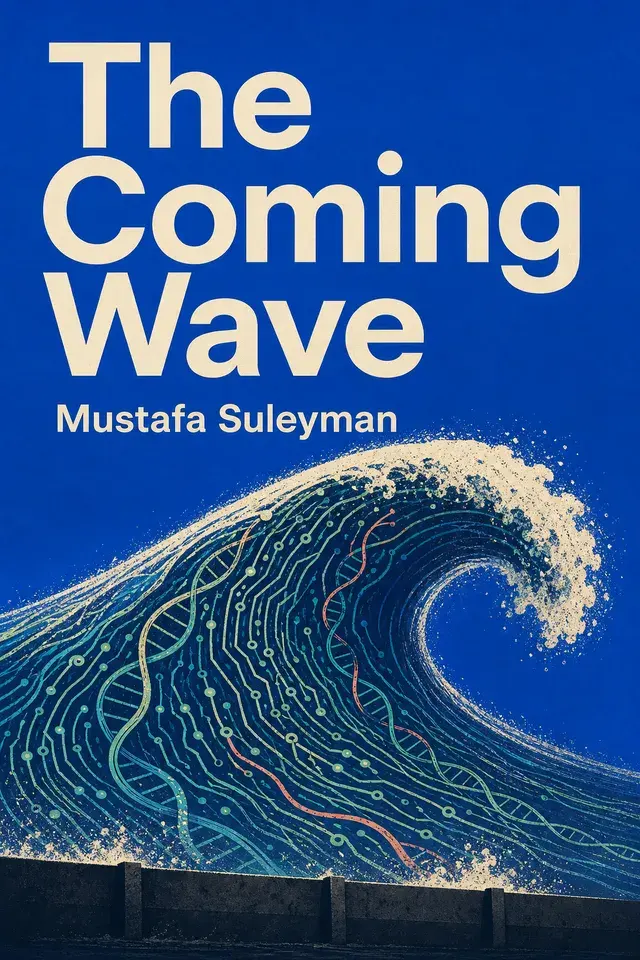
The Coming Wave
The Coming Wave examines AI, synthetic biology, and related technologies as they become more capable, cheaper, and easier to deploy. It asks how humanity can preserve their benefits while containing misuse, accidents, instability, and loss of control, offering a framework for understanding the technical, political, and institutional choices involved.
8 chapters in Wiseley’s science catalog.
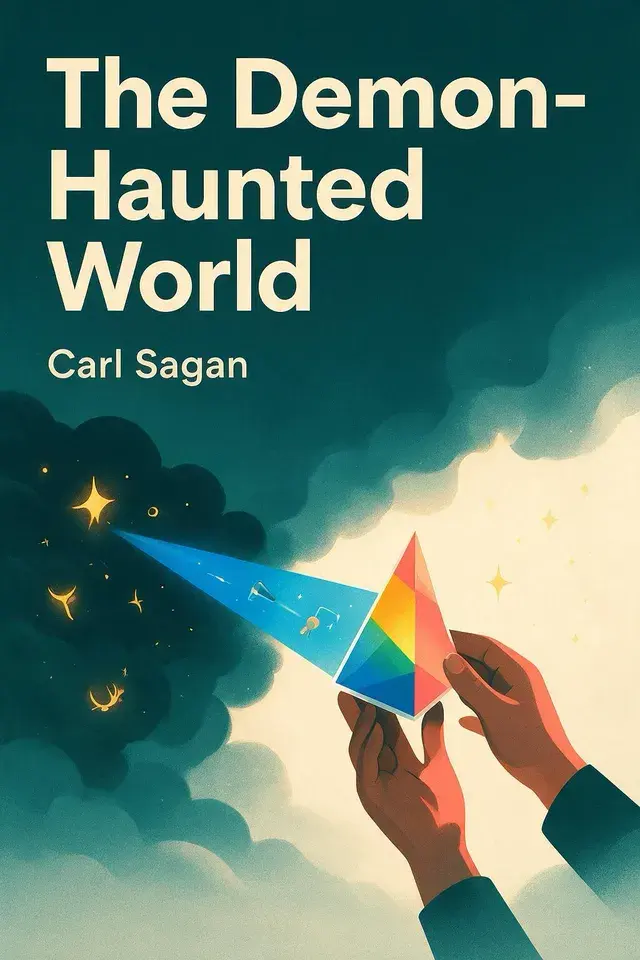
The Demon-Haunted World
The Demon-Haunted World asks how people can distinguish reliable knowledge from comforting stories in a technologically powerful society. Sagan joins wonder to skepticism, then traces the question through UFOs, memory, education, media, scientific responsibility, and democratic freedom. The practical value is a disciplined way to test claims without losing humane curiosity.
8 chapters in Wiseley’s science catalog.
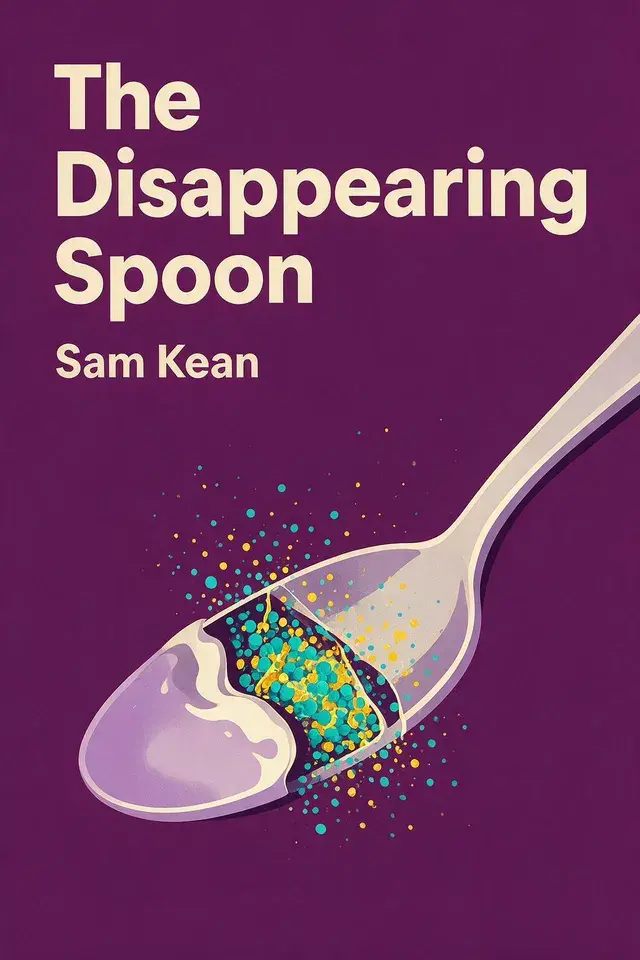
The Disappearing Spoon
Sam Kean uses the periodic table to ask how atomic structure becomes the chemistry of stars, bodies, technologies, money, art, and war—and how human judgment shapes what science knows. The resulting map helps readers connect chemical effects to practical consequences while keeping disputed evidence, danger, and uncertainty in view.
12 chapters in Wiseley’s science catalog.
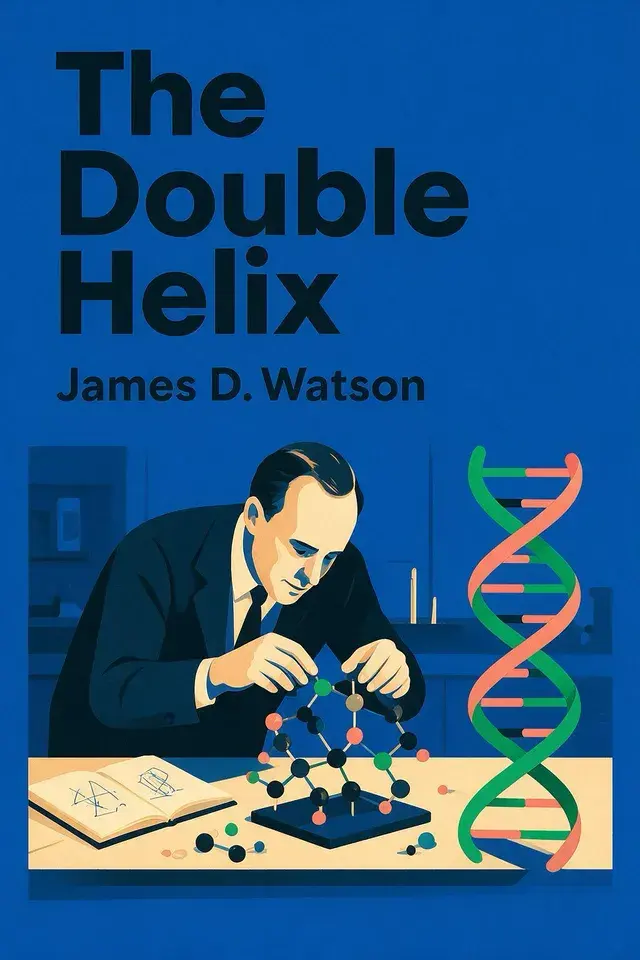
The Double Helix
James D. Watson’s memoir traces the race to explain DNA’s structure: how did fragmentary diffraction evidence, chemical clues, model building, rivalry, and collaboration converge on the double helix—and what do later disputes over credit and memory reveal about scientific discovery? The summary preserves both the reasoning and its human limits.
7 chapters in Wiseley’s science catalog.
The Elegant Universe
An audio-first guide to modern physics, centered on one question: can a single framework reconcile quantum mechanics with relativity? It follows strings, extra dimensions, dualities, black holes, and cosmology, clarifying the theory’s explanatory reach alongside its unresolved predictions and tests.
9 chapters in Wiseley’s science catalog.
The Emperor of All Maladies
The Emperor of All Maladies traces cancer from ancient descriptions and cellular theories through surgery, chemotherapy, prevention, epidemiology, and targeted treatment. It asks why a disease rooted in normal growth remains so difficult to defeat, and shows how evidence, patient experience, public policy, and humility shape better care.
8 chapters in Wiseley’s science catalog.
The Fabric of Reality
The Fabric of Reality asks how a unified account of quantum physics, computation, evolution, and knowledge can explain what is real, how understanding grows, and how time and life fit together. Its value is a cross-disciplinary framework for judging explanations, limits, possibilities, and human agency.
10 chapters in Wiseley’s science catalog.
The Feynman Lectures on Physics
How can local laws explain forces, fields, waves, matter, machines, fluids, and gravity? The Feynman Lectures on Physics answers by building from electromagnetism through mathematical analogy, relativity, quantum and material models, showing how unified reasoning works—and where idealizations and incomplete theories limit explanation.
19 chapters in Wiseley’s science catalog.
The Gene
The Gene follows heredity from ancient theories and Mendel’s peas through chromosomes, DNA, genome sequencing, gene therapy, diagnosis, and genome editing. Its central question is how genetic information becomes a living person—and what changes when people can read, select, or rewrite it. It distinguishes genetic influence from environment, chance, and social judgment while keeping genetic power’s risks in view.
11 chapters in Wiseley’s science catalog.
The Greatest Show on Earth
Richard Dawkins asks how we can know evolution happened and how natural selection turns inherited variation into adaptation. Drawing on geological clocks, living experiments, fossils, embryology, biogeography, anatomy, and molecular comparisons, the book builds a cumulative case for common descent and explains why life’s complexity coexists with historical imperfections.
7 chapters in Wiseley’s science catalog.
The Hidden Life of Trees
The book asks what trees do beyond growing: how communication, cooperation, competition, soil, fungi, seasons, and disturbance make forests resilient, and why isolation and simplified management weaken them. Its value is a systems-level way to understand trees as living communities rather than interchangeable timber.
8 chapters in Wiseley’s science catalog.
The Inevitable
Kevin Kelly asks how networked technology will reshape work, ownership, media, attention, creativity, identity, and collective life. Tracing forces from becoming and artificial intelligence through access, sharing, filtering, remixing, tracking, and questioning, he distinguishes directional momentum from fixed outcomes and considers how people can adapt with judgment and agency.
8 chapters in Wiseley’s science catalog.
The Innovators
Walter Isaacson’s history asks how programmable computing became a personal, networked world—and whether that transformation came from lone geniuses or collaborative ecosystems. It follows visionaries, engineers, programmers, entrepreneurs, hobbyists, institutions, and online communities, offering a framework for understanding how imagination, openness, and human judgment shape technology.
9 chapters in Wiseley’s science catalog.
The Master Algorithm
The Master Algorithm asks whether one learning procedure could turn data into useful knowledge across science, business, machines, and everyday decisions. It maps five traditions—symbolic, neural, evolutionary, Bayesian, and analogical—then tests their possible synthesis against generalization, scale, privacy, work, and human control.
11 chapters in Wiseley’s science catalog.
The Order of Time
Carlo Rovelli asks what time is when relativity removes a universal clock, thermodynamics gives the past a direction, and quantum theory replaces smooth continuity with relations and events. The book follows these changes into memory, causality, identity, and the felt present, showing how familiar time can emerge without being fundamental.
6 chapters in Wiseley’s science catalog.
The Origin of Species
Why do species resemble one another yet fit different conditions? This audio summary follows Darwin’s case from domesticated variation and population struggle to natural selection, then tests it against instinct, hybrid sterility, fossils, geography, classification, embryology, and rudimentary organs. It shows how common descent can explain both adaptation and imperfection.
11 chapters in Wiseley’s science catalog.
The Second Machine Age
Why do digital technologies create both extraordinary abundance and widening inequality? This summary follows the book’s account of exponential computing, digitization, innovation, productivity, labor markets, and superstar firms, then examines how education, organizations, taxes, entrepreneurship, and public institutions can help people work with machines and share their gains.
9 chapters in Wiseley’s science catalog.
The Selfish Gene
The Selfish Gene asks how evolution can produce selfishness, altruism, cooperation, and culture when selection favors replicators. Dawkins follows that question from early self-copying molecules through genes, survival machines, kin and sexual conflict, reciprocal cooperation, memes, and effects beyond the body—offering a framework for separating evolutionary explanation from moral instruction.
12 chapters in Wiseley’s science catalog.
The Shallows
A source-grounded outline for an audio-first summary of Nicholas Carr’s The Shallows: how media technologies, especially the Internet, reshape attention, memory, reading, and judgment—and how to preserve depth while gaining digital efficiency.
8 chapters in Wiseley’s science catalog.
The Singularity Is Near
Ray Kurzweil asks what happens when exponential technological progress carries intelligence beyond biology. The book connects computing, brain reverse engineering, genetics, nanotechnology, and robotics to longer life, altered identity, cosmic expansion, and serious risks—offering a framework for judging both the promise and governance of a possible human-machine Singularity.
10 chapters in Wiseley’s science catalog.
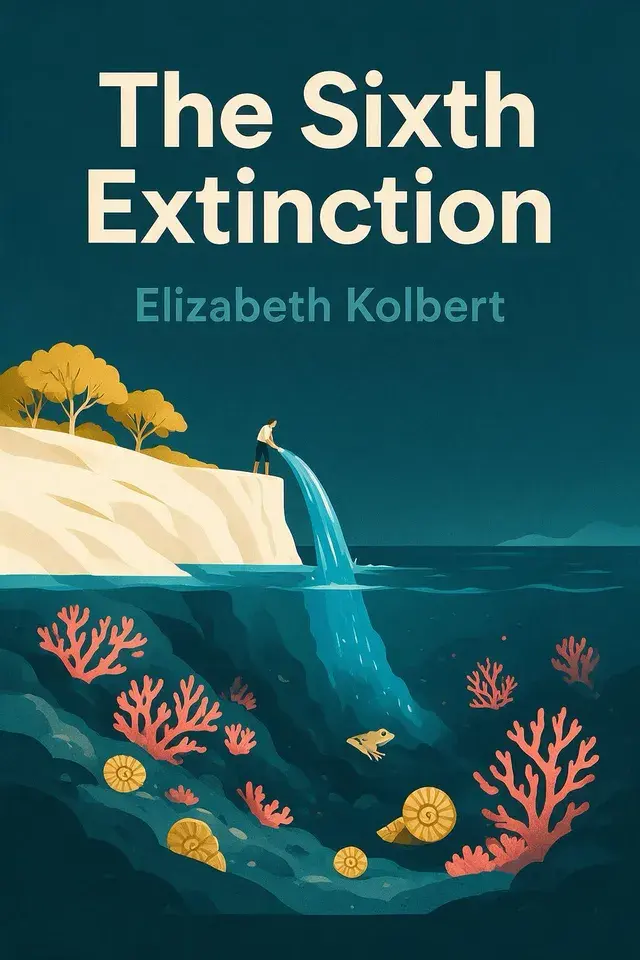
The Sixth Extinction
This book asks whether human activity is driving a sixth mass extinction. Moving from fossil discoveries and ancient catastrophes to amphibians, oceans, forests, invasions, megafauna, and conservation, it examines how rapidly life can adapt—and what it means that one species is reshaping the evolutionary future of all the others.
8 chapters in Wiseley’s science catalog.
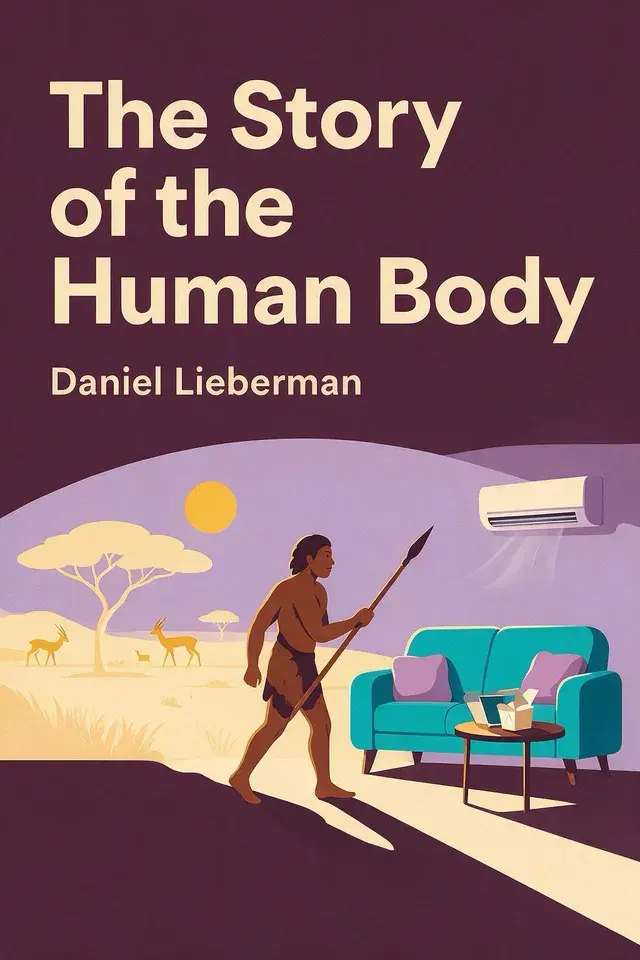
The Story of the Human Body
Why does a body shaped by scarcity, movement, and cooperation struggle with abundance, comfort, and inactivity? This book traces human evolution from bipedalism through culture, farming, and industrial life, then uses that history to explain mismatch diseases and consider how medicine, behavior, and environments can support better health.
10 chapters in Wiseley’s science catalog.
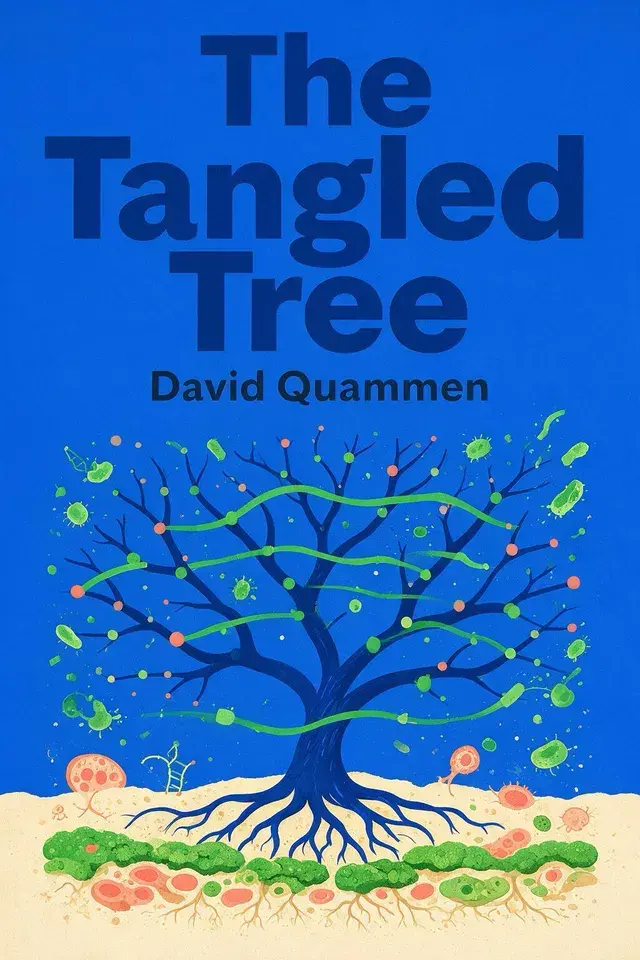
The Tangled Tree
How did the Tree of Life change when scientists compared molecules instead of appearances? The Tangled Tree follows Archaea, endosymbiosis, horizontal gene transfer, mobile DNA, microbial communities, and CRISPR, showing why evolution is both branching and networked—and what that means for species, human biology, antibiotics, and genome editing.
8 chapters in Wiseley’s science catalog.
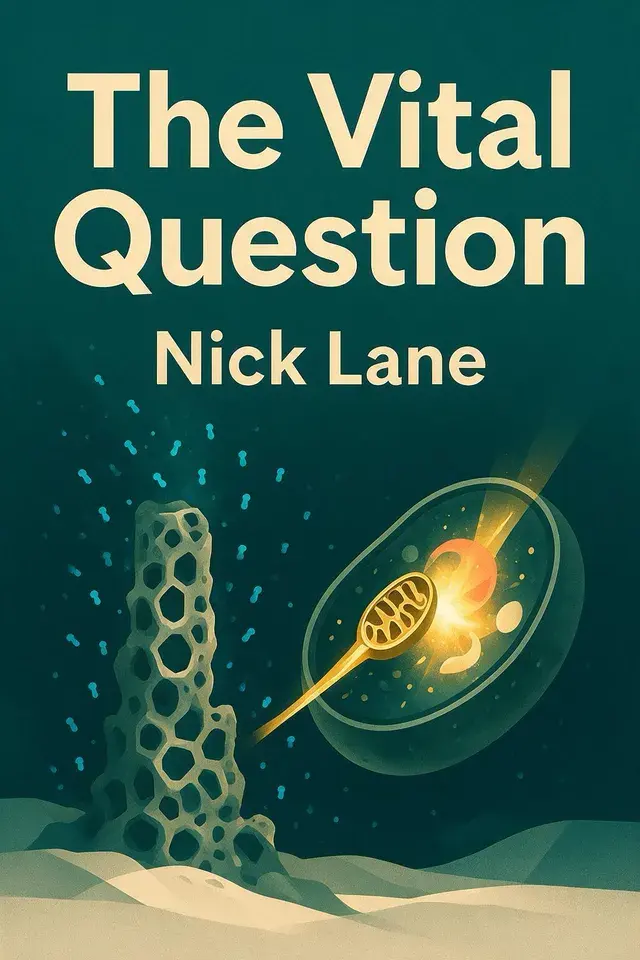
The Vital Question
Nick Lane asks why life universally turns chemical gradients into usable energy, why bacteria and archaea remained simple for billions of years, and why complex cells appeared only once. He links alkaline-vent chemistry, mitochondrial endosymbiosis, sex, ageing, and disease into a testable account of life’s origins and rarity.
7 chapters in Wiseley’s science catalog.
Weapons of Math Destruction
Weapons of Math Destruction examines how opaque models turn partial data and narrow goals into decisions about education, work, credit, policing, insurance, and politics. It asks when prediction becomes harm, and shows how feedback loops, secrecy, and weak accountability reproduce inequality—while transparency, contestability, and human judgment can redirect models toward public benefit.
12 chapters in Wiseley’s science catalog.
What Is Life?
Erwin Schrödinger asks how life preserves inherited form, changes across generations, and remains organized instead of approaching equilibrium. By connecting statistical physics and thermodynamics with chromosomes and genes, he develops a physical framework for understanding biological order as something both drawn from the environment and transmitted through molecular structure.
5 chapters in Wiseley’s science catalog.
Keep exploring
Comparison
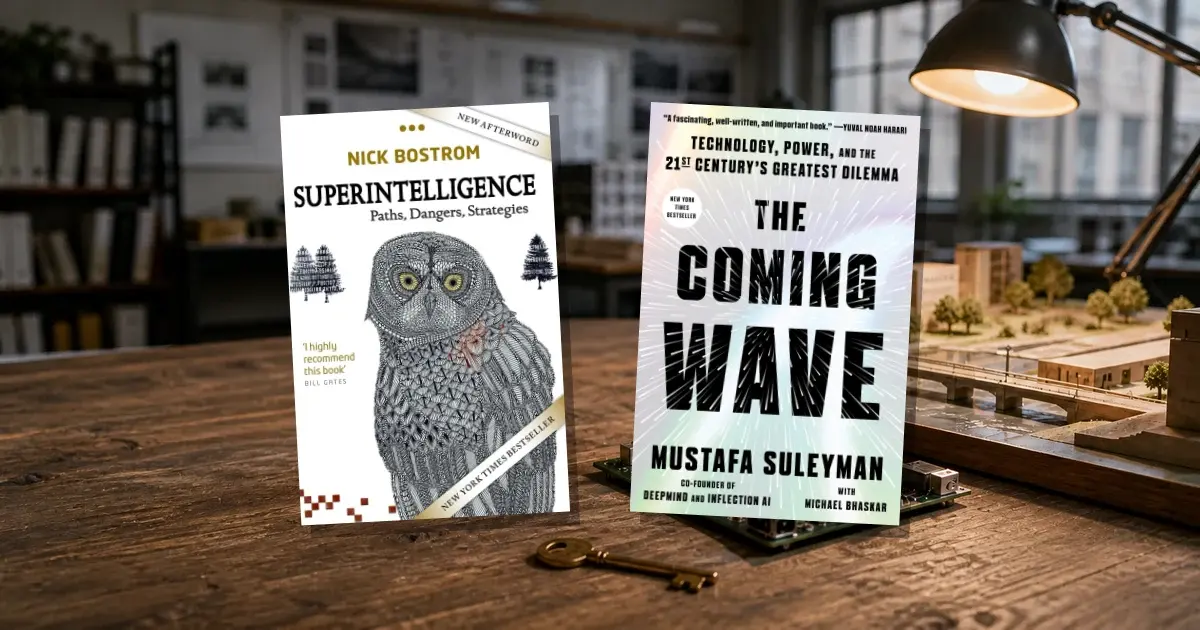
Superintelligence vs The Coming Wave: Two Views of AI Risk
One builds a long-horizon argument about intelligence beyond human control; the other focuses on containing powerful general-purpose technologies in institutions that must use them.

Comparison
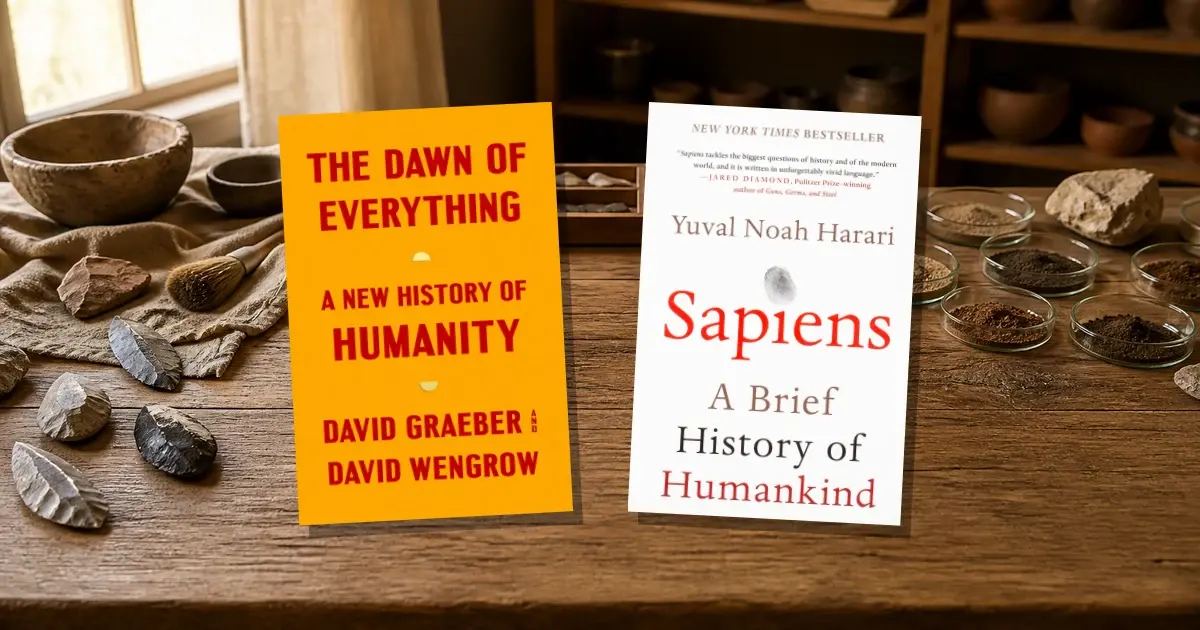
The Dawn of Everything vs Sapiens: Rival Stories of Human History
One book tells a sweeping sequence of human revolutions; the other challenges the sequence itself. Their disagreement changes how freedom, farming, and cities appear.

Comparison
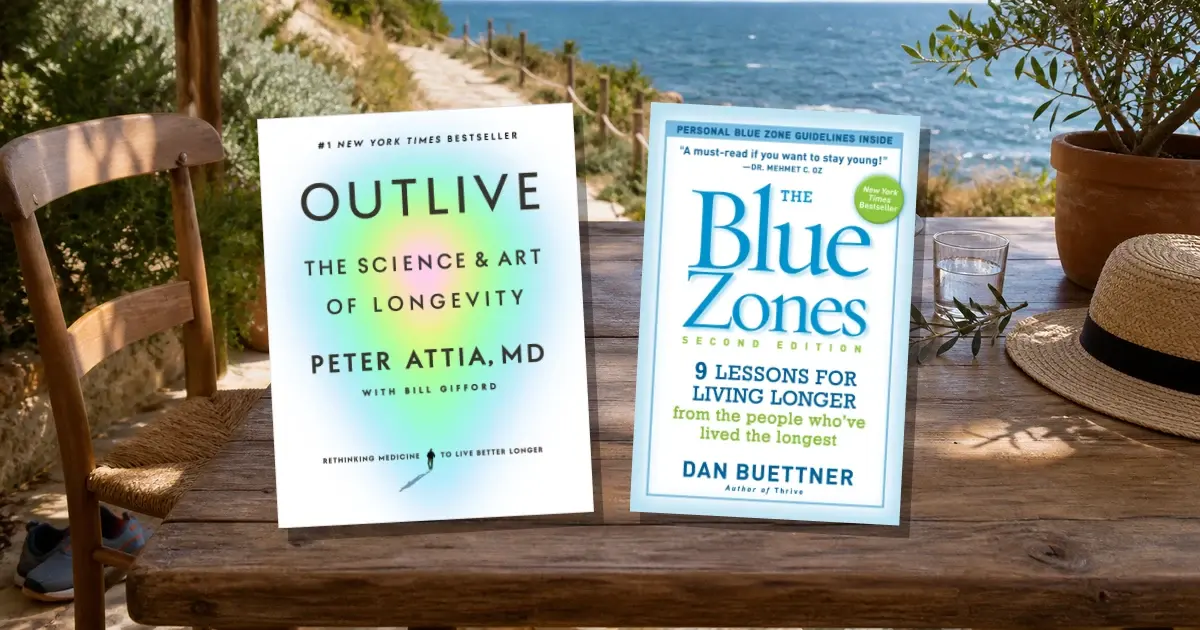
Outlive vs The Blue Zones: Which Longevity Lens Fits You?
One book builds an individualized prevention strategy; the other studies shared patterns in unusually long-lived populations. Use both without turning observation into prescription.

Comparison
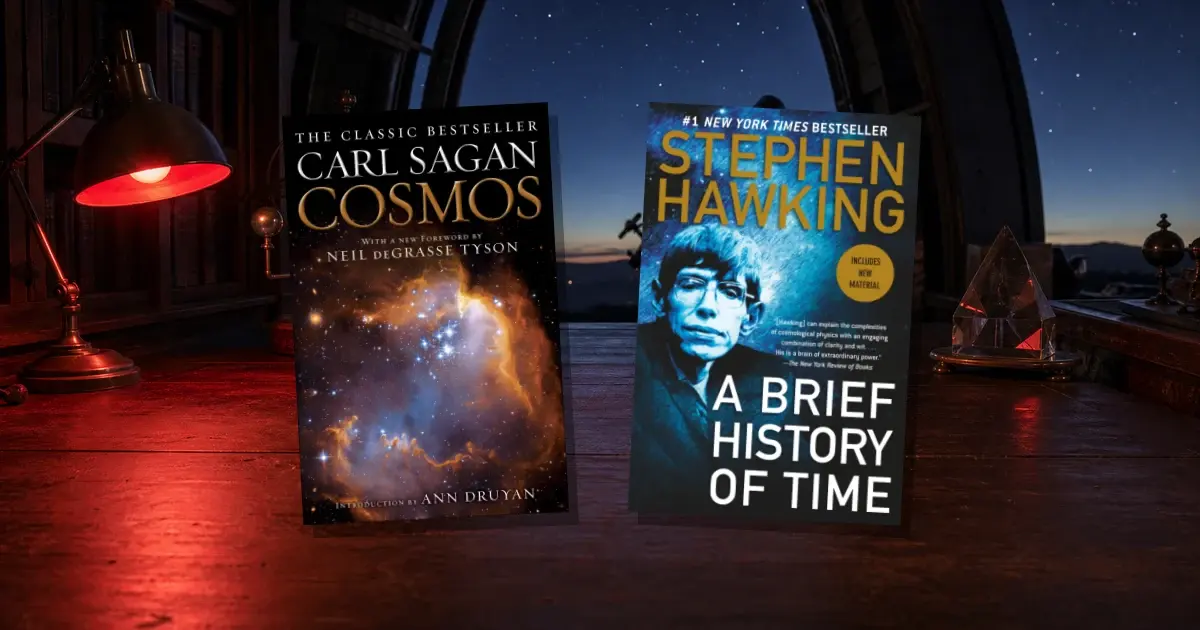
Cosmos vs A Brief History of Time: Wonder or Physics First?
Carl Sagan connects cosmic knowledge to life and civilization; Stephen Hawking concentrates on the theories that make space, time, black holes, and origins intelligible.
Comparison
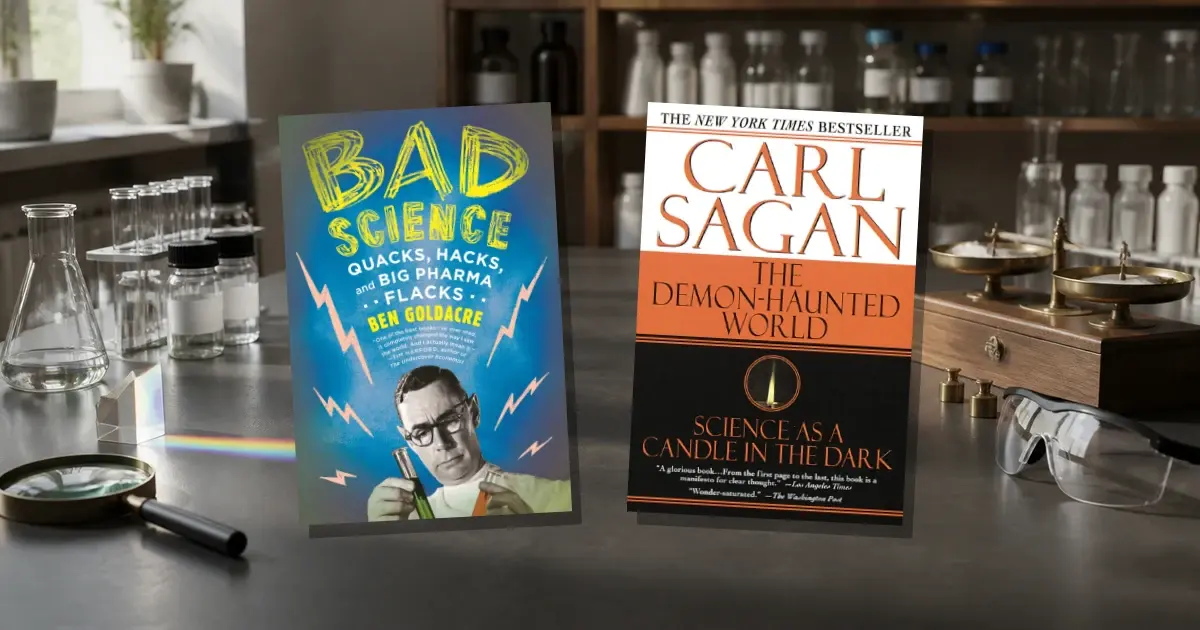
Bad Science vs The Demon-Haunted World: How Should You Test a Claim?
Ben Goldacre dissects medical evidence and media distortion; Carl Sagan builds a wider skeptical toolkit that protects wonder while demanding disproof.

Practical guide
How to Evaluate a Health Book Before Changing Your Routine
Separate explanation from prescription, inspect the evidence and conflicts, then discuss meaningful changes with a qualified health professional.