Self-help book summaries
Practical frameworks for changing habits, building confidence, finding direction, and making everyday life more intentional.
Self-help is most useful when a promise can be traced to a specific practice, tradeoff, and view of human behavior. These summaries surface those moving parts so readers can compare methods without assuming that every prescription fits every life.
Personal Growth is Wiseley's name for the self-help shelf, so the same books answer searches for self-help books and for books on personal growth.
Start with a focused list
This page is the complete personal growth catalog. If you already know which question you are answering, these shorter selections narrow it down first.
- Habit books by where you get stuck — Starting, staying consistent, changing identity and choosing priorities break at different points and need different books.
- Build a habit that survives a bad week — A short method for the week the plan breaks, written for readers who have already chosen a book.
- Choose your next book by the problem you want to solve — Name the problem first, then pick the kind of help it needs, instead of reading by popularity.
Books in this collection

101 Essays That Will Change The Way You Think
How much of the life we experience is shaped by inherited beliefs, emotional habits, and the stories we tell ourselves? This summary follows a practical philosophy of observing thought, processing pain, building routines, thinking independently, relating honestly, and choosing meaningful action in the present.
9 chapters in Wiseley’s personal growth catalog.
12 Rules for Life
12 Rules for Life asks how a person can build a meaningful life amid suffering, uncertainty, hierarchy, and moral risk. Its answer joins personal responsibility, self-care, chosen relationships, capable parenting, truthful speech, attentive conversation, and courageous action to the practical work of creating order without denying chaos.
10 chapters in Wiseley’s personal growth catalog.

Atomic Habits
Atomic Habits explains how tiny repeated behaviors can produce outsized long-term results, while goals alone do not create progress. It asks how identity, environment, social context, friction, rewards, and review can be arranged so good habits become easier to repeat and bad habits easier to interrupt.
7 chapters in Wiseley’s personal growth catalog.

Awaken the Giant Within
Awaken the Giant Within asks how people can change the patterns that shape their emotions, choices, and destiny. It links decisions, pain-and-pleasure associations, beliefs, language, values, identity, and conditioning to practical work in health, relationships, money, time, and contribution, offering a framework for turning insight into repeated action.
14 chapters in Wiseley’s personal growth catalog.
Better Than Before
Better Than Before examines how people build and sustain habits by matching strategies to individual tendencies, values, environments, and relationships. It asks why the same routine helps one person but fails another, and shows how self-knowledge can become practical, repeatable change.
7 chapters in Wiseley’s personal growth catalog.

Beyond Order
Beyond Order asks how to live when order makes action possible but can harden into rigidity, while chaos, suffering, and malevolence remain unavoidable. It connects social participation, chosen aims, truthful memory, beauty, romance, responsibility, and gratitude into a practical account of turning potential into responsible action.
9 chapters in Wiseley’s personal growth catalog.

Big Magic
Big Magic asks how to live creatively without waiting for fearlessness, permission, perfect conditions, or guaranteed success. Elizabeth Gilbert treats creativity as both a human birthright and a collaboration with inspiration, then explores curiosity, disciplined practice, financial realism, play, persistence, and trust as ways to make and release work.
9 chapters in Wiseley’s personal growth catalog.

Bird by Bird
Anne Lamott’s Bird by Bird is a guide to the craft and inner life of writing. It asks how attention, memory, and lived experience can become truthful, vivid work despite fear, perfectionism, envy, isolation, revision, and uncertain publication—and offers small assignments, patient observation, community, and purpose beyond external success.
9 chapters in Wiseley’s personal growth catalog.
Bittersweet
Bittersweet asks what sadness, longing, grief, and mortality can teach us when we stop treating them as defects. Susan Cain connects difficult emotion to compassion, creativity, love, and meaning, then examines forced positivity in American life and work. The book offers ways to carry loss without denying joy, using attention, connection, and purposeful action.
10 chapters in Wiseley’s personal growth catalog.

Build the Life You Want
Build the Life You Want asks how people can become happier without waiting for circumstances to improve. It links emotional self-management with family, friendship, meaningful work, and spiritual practice, offering a framework for turning difficult feelings and imperfect relationships into choices that support purpose, connection, and service.
8 chapters in Wiseley’s personal growth catalog.

Burnout
Burnout asks why caring, striving, and helping can leave people depleted even after an immediate problem ends. It distinguishes external stressors from the body’s unfinished stress response, then links recovery to flexible persistence, meaning, structural awareness, body acceptance, reciprocal connection, rest, and self-compassion.
7 chapters in Wiseley’s personal growth catalog.

Can't Hurt Me
David Goggins traces how childhood abuse, racism, fear, and self-deception shaped his life, then examines the practices he used to pursue military and endurance goals: radical accountability, deliberate discomfort, preparation, and honest learning from failure. The central question is how far disciplined self-mastery can expand agency without denying injury, health, or human cost.
9 chapters in Wiseley’s personal growth catalog.

Daring Greatly
This summary asks how people can risk being seen without letting shame, perfectionism, or scarcity govern their lives. It follows Brown’s argument that vulnerability enables courage and connection, then applies Wholehearted practices to relationships, institutions, leadership, and parenting.
9 chapters in Wiseley’s personal growth catalog.

Digital Minimalism
Cal Newport’s Digital Minimalism asks how to use connected technologies without surrendering attention, solitude, conversation, or meaningful leisure. This audio-first summary follows the attention arms race, a values-based declutter, and practical ways to choose, constrain, and replace digital habits so technology serves a deliberately chosen life.
6 chapters in Wiseley’s personal growth catalog.
Do Hard Things
Do Hard Things asks what genuine toughness looks like when fear, fatigue, pain, and uncertainty are real. It replaces stoicism and brute-force persistence with accurate appraisal, emotional awareness, flexible choice, supportive conditions, and meaning—helping readers decide when to persist, adapt, or stop.
7 chapters in Wiseley’s personal growth catalog.

Don't Sweat the Small Stuff
Why do ordinary frustrations become consuming, and how can a change in attention and response restore calm? Richard Carlson’s lessons examine perspective, patience, acceptance, listening, gratitude, kindness, and mortality. Together they offer a practical account of loosening perfectionism and ego so daily problems become more manageable and relationships more humane.
5 chapters in Wiseley’s personal growth catalog.

Everything Is F*cked
Everything Is F*cked examines why material progress can coexist with despair, and how emotion, identity, faith, pain, technology, and social institutions shape what people hope for. It asks whether a meaningful life requires hope at all, then develops a reality-based ethic of maturity, dignity, commitment, and chosen struggle.
9 chapters in Wiseley’s personal growth catalog.

Feel the Fear and Do It Anyway
Feel the Fear and Do It Anyway asks why fear becomes paralysis and how people can move through it without waiting to feel ready. Jeffers links self-trust, responsibility, positive inner dialogue, no-lose decisions, supportive relationships, a fuller life, generosity, and spiritual practice into a framework for handling uncertainty, loss, and change.
8 chapters in Wiseley’s personal growth catalog.

From Strength to Strength
Arthur C. Brooks asks why professional decline can arrive before we expect and why achievement can make it harder to accept. He maps a second curve built on wisdom, relationships, spirituality, service, and vulnerability, offering a framework for turning changing abilities into a more meaningful form of success.
8 chapters in Wiseley’s personal growth catalog.

Getting Things Done
How can a person stay clear-headed when work, family, information, and promises keep multiplying? Getting Things Done presents a workflow for capturing open commitments, clarifying outcomes and next actions, organizing reminders, reviewing them, and choosing what to do. Its practical value lies in turning mental pressure into visible, renegotiable control.
7 chapters in Wiseley’s personal growth catalog.

Girl, Wash Your Face
Rachel Hollis examines the self-defeating stories people absorb about happiness, worth, relationships, motherhood, ambition, bodies, trauma, and identity. The book asks how to replace those lies with responsibility, honest self-knowledge, support, and persistent action, offering a practical framework for moving forward without requiring perfection.
9 chapters in Wiseley’s personal growth catalog.

Grit
Grit asks why some people persist toward difficult goals through setbacks—and how that persistence can develop. Duckworth defines grit as sustained passion and perseverance, then traces its growth through interest, deliberate practice, purpose, hope, relationships, and culture, while placing it among other virtues and distinguishing wise persistence from stubbornly pursuing every goal.
8 chapters in Wiseley’s personal growth catalog.

How to Win Friends and Influence People
How can ordinary interactions become more cooperative, humane, and effective? Dale Carnegie argues that influence begins with understanding motives, replacing criticism with sincere appreciation, and protecting dignity. The book turns those ideas into practices for conversation, negotiation, leadership, and marriage—and insists that repetition is what makes them usable habits.
7 chapters in Wiseley’s personal growth catalog.

Ikigai
Ikigai explores the Japanese idea of a reason for being and asks how purpose can shape a long, satisfying life. Drawing on Okinawan longevity, logotherapy, Morita therapy, flow, community, moderate habits, movement, and resilience, it offers a practical framework for staying engaged while accepting change and imperfection.
8 chapters in Wiseley’s personal growth catalog.

Indistractable
Indistractable asks why attention slips from chosen goals and how people can reclaim it. It explains the roles of internal discomfort, timeboxed values, external cues, and precommitments, then applies the framework to workplace culture, parenting, and intimate relationships—offering a practical way to protect attention in social settings.
8 chapters in Wiseley’s personal growth catalog.

Make Your Bed
Make Your Bed asks how disciplined daily actions can help a person face unfairness, failure, fear, and hardship. Drawing on William H. McRaven’s military experience, it connects small routines with teamwork, resilient character, calculated courage, hope, and persistence, offering a practical framework for turning setbacks into forward motion.
6 chapters in Wiseley’s personal growth catalog.
Mindset
Mindset asks how beliefs about whether abilities can change shape the way people learn, handle failure, work, lead, love, and teach. It presents fixed and growth mindsets as changeable tendencies, while showing that development requires effort, strategies, support, and honest feedback rather than unlimited promise.
8 chapters in Wiseley’s personal growth catalog.

Models
Models examines how men can approach romantic attraction without making approval or memorized routines the center of their identity. It asks how honest desire, vulnerability, compatible contexts, communication, and repeated action change dating, and offers a framework for treating rejection as information while building mutual intimacy.
7 chapters in Wiseley’s personal growth catalog.
Never Finished
Never Finished examines how David Goggins turns trauma, fear, injury, failure, and changing limits into responsibility, discipline, preparation, and adaptation. Its central question is how to keep evolving without confusing persistence with denial. The book’s practical value lies in a framework for earned belief, deliberate action, chosen support, and lifelong self-mastery.
9 chapters in Wiseley’s personal growth catalog.

On Writing
On Writing asks what makes a writer and how writing becomes clearer, truer, and more effective. Stephen King combines memoir with practical guidance on reading, practice, language, story, revision, publishing, addiction, recovery, and the place of art within a full life.
7 chapters in Wiseley’s personal growth catalog.
On Writing Well
How can nonfiction make facts, places, institutions, memories, science, sport, art, and humor clear and alive? William Zinsser presents writing as a human craft: think clearly, choose precise words, shape the reader’s journey, report fairly, revise hard, and bring genuine curiosity to every subject.
16 chapters in Wiseley’s personal growth catalog.

So Good They Can't Ignore You
Why do satisfying careers so often emerge without a clear calling? Cal Newport challenges passion-first advice and traces a practical sequence: develop rare skills, accumulate career capital, exchange it for sustainable control, and test meaningful missions through patient experiments. The framework clarifies how to work toward better work.
5 chapters in Wiseley’s personal growth catalog.

The 5 AM Club
Why do some people protect their best attention while others surrender it to distraction? The 5 AM Club presents an early-morning framework of movement, reflection, learning, habit formation, focused work, recovery, and service, asking how disciplined daily choices can turn potential into meaningful contribution.
6 chapters in Wiseley’s personal growth catalog.

The 5 Second Rule
The 5 Second Rule asks how to act before hesitation becomes excuses, fear, or avoidance. Mel Robbins presents a backward five-count followed by movement as a repeatable cue for changing habits, managing worry, practicing everyday courage, and pursuing more honest, purposeful action.
4 chapters in Wiseley’s personal growth catalog.
The 7 Habits of Highly Effective People
An adaptive outline for an audio-first summary of Stephen R. Covey’s framework for effectiveness. It asks how people can replace inherited or superficial approaches with principle-centered habits, then translate self-mastery into trust, mutual benefit, empathic communication, creative cooperation, and sustained renewal.
9 chapters in Wiseley’s personal growth catalog.

The Alchemist
An Andalusian shepherd follows a dream of treasure near the Egyptian pyramids, leaving routine for markets, work, desert, danger, and love. The story asks how destiny is recognized and pursued, and what setbacks, attention, courage, and reciprocal connection reveal about the value of a journey whose goal may lie closer than expected.
5 chapters in Wiseley’s personal growth catalog.
The Art of Living
The Art of Living recasts Stoic teaching as a practical question: what can a person govern when events, loss, status, and other people remain outside control? Its answer links clear judgment, disciplined desire, virtue, and humane duty to a steadier, freer way of acting in ordinary life.
6 chapters in Wiseley’s personal growth catalog.

The Celestine Prophecy
The Celestine Prophecy presents a shift from material preoccupation to a spiritual worldview built on synchronicity, energy, and conscious relationships. It asks how people can recognize controlling patterns, receive guidance through questions and coincidences, and contribute to a cooperative, ecologically attentive future. Its value is a framework linking personal habits with cultural change.
7 chapters in Wiseley’s personal growth catalog.
The Code of the Extraordinary Mind
Vishen Lakhiani’s framework asks how much of an ordinary life is inherited from culture—and how deliberately it can be redesigned. It moves from questioning social rules and rewriting beliefs and habits to cultivating present happiness, choosing meaningful goals, becoming resilient to judgment, and directing growth toward a personal quest.
6 chapters in Wiseley’s personal growth catalog.

The Code of the Samurai
The Code of the Samurai asks what makes a warrior honorable when duty must govern every part of life. It connects remembrance of death with education, courage, courtesy, readiness, frugality, loyal service, institutional integrity, and restrained cultural refinement, showing how repeated conduct shapes character in war, peace, home, and public life.
8 chapters in Wiseley’s personal growth catalog.

The Compound Effect
The Compound Effect explains how small, repeated choices accumulate into habits, momentum, and long-term progress or decline. It asks how a person can notice automatic behavior, take responsibility, and redirect that trajectory. The summary distills tools for tracking choices, designing routines, managing influences, and sustaining extra effort.
5 chapters in Wiseley’s personal growth catalog.

The Courage to Be Disliked
An audio-first guide to Adlerian psychology’s answer to a central question: how can people become free and happy without controlling others or living for approval? It follows the move from past-determined stories to chosen action, respectful education, community, friendship, work, and deliberate love.
7 chapters in Wiseley’s personal growth catalog.
The Creative Act
The Creative Act treats creativity as a human way of perceiving, receiving, and shaping experience—not a rare talent. It asks how a maker can stay open to inspiration, develop skill, experiment, edit, collaborate, and release work without surrendering personal judgment, while art remains a way to connect people across time and language.
10 chapters in Wiseley’s personal growth catalog.

The Gap and the Gain
The Gap and the Gain asks why achievement often fails to produce lasting happiness. It contrasts measuring yourself against moving ideals and future outcomes with measuring backward from your own progress, then shows how wanting, daily wins, gratitude, and transformed setbacks can support agency and continued growth.
5 chapters in Wiseley’s personal growth catalog.

The Gifts of Imperfection
Brené Brown examines how to live wholeheartedly when shame, perfectionism, comparison, and fear encourage hiding, overwork, and disconnection. The book asks whether worthiness can be claimed before achievement, then maps practices of vulnerability, compassion, gratitude, creativity, rest, meaningful work, and joyful expression that make authentic connection more possible.
7 chapters in Wiseley’s personal growth catalog.
The Happiness Project
How can a person become happier without abandoning an ordinary life? Gretchen Rubin records a year of experiments that turn self-observation into concrete resolutions involving energy, relationships, work, family, play, money, attention, and contentment. The value is a flexible method: choose practices that fit your nature, track them, and resume after failure.
9 chapters in Wiseley’s personal growth catalog.
The High 5 Habit
The High 5 Habit asks how a tiny mirror ritual might shift self-validation, attention, and action when self-criticism, fear, jealousy, guilt, or setbacks take over. This summary traces Robbins's argument from the practice's proposed mechanism to its limits, applications, and a repeatable morning routine.
8 chapters in Wiseley’s personal growth catalog.

The Inner Game of Tennis
Why do technically trained players tighten up, overthink, and lose access to their best strokes? The book’s answer is an inner game of attention: quiet evaluative judgment, trust bodily learning, and stay with present facts. Its framework connects tennis practice with habit change, concentration, motivation, competition, and self-knowledge.
5 chapters in Wiseley’s personal growth catalog.

The Let Them Theory
The Let Them Theory asks how to stop losing energy to other people’s choices, opinions, and emotions. Mel Robbins pairs acceptance with deliberate self-direction, then applies the framework to stress, comparison, friendship, influence, healing, dating, and love so readers can make clearer boundaries and choices.
7 chapters in Wiseley’s personal growth catalog.

The Life-Changing Magic of Tidying Up
Marie Kondō’s method asks which possessions support the life you want and how your home can reflect that choice. This summary follows her discard-first, category-based process—from visualizing an ideal lifestyle and keeping what sparks joy to simple storage—and examines how sorting can clarify values and redirect attention toward meaningful work.
6 chapters in Wiseley’s personal growth catalog.
The Magic of Thinking Big
The Magic of Thinking Big asks how belief can become success rather than wishful thinking. It traces a practical sequence from replacing excuses and fear to enlarging possibilities, managing environments, acting, learning from defeat, setting goals, and leading through perspective, service, and respect. Its value lies in turning ambition into deliberate habits.
9 chapters in Wiseley’s personal growth catalog.

The Miracle Morning
Hal Elrod’s The Miracle Morning asks how deliberately using the first part of the day can help a person move toward a fuller, self-defined life. This summary explains the six S.A.V.E.R.S. practices, a snooze-proof waking sequence, flexible formats, and the 30-day process for turning intention into habit.
7 chapters in Wiseley’s personal growth catalog.

The Monk Who Sold His Ferrari
How can a life built on status and wealth become purposeful, healthy, and awake? Through Julian Mantle’s collapse, journey to the Sages of Sivana, and study of seven virtues, this summary follows a practical-spiritual program of mind training, goals, self-mastery, disciplined time, service, relationships, and present-moment living.
7 chapters in Wiseley’s personal growth catalog.

The Mountain Is You
Why do people repeat patterns they consciously want to change? The book frames self-sabotage as protection for hidden needs, familiar identities, and unprocessed emotion, then connects emotional awareness, restored safety, self-concept, and repeated practice to building a more deliberate life.
6 chapters in Wiseley’s personal growth catalog.
The One Thing
The One Thing asks how extraordinary results are built when time, attention, and energy are limited. It proposes identifying the highest-leverage priority, asking a focusing question, and protecting the next action. The method connects purpose, priority, productivity, and counterbalancing to practical action at work and in life.
9 chapters in Wiseley’s personal growth catalog.

The Power of Habit
Why do ordinary actions become automatic, and how can they be changed? The book follows cue–routine–reward loops through craving, willpower, workplaces, markets, social movements, and compulsions, offering a framework for recognizing patterns, testing replacements, and understanding how belief, context, and community make change durable.
7 chapters in Wiseley’s personal growth catalog.
The Power of Now
The book examines how identification with compulsive thought, emotional pain, and psychological time creates suffering, and asks whether present-moment awareness can restore access to peace and Being. It connects this diagnosis to practices of observation, body awareness, relationship, and surrender.
6 chapters in Wiseley’s personal growth catalog.
The Power of Positive Thinking
This book asks how faith-shaped thought can change a person’s response to fear, failure, illness, work, relationships, and grief. It links prayer, affirmations, visualization, expectation, calm, love, and practical effort, while qualifying its optimism with objective facts, medical cooperation, unavoidable suffering, and persistent practice.
7 chapters in Wiseley’s personal growth catalog.

The Road Less Traveled
An audio-first account of how M. Scott Peck links psychological and spiritual growth to disciplined engagement with pain, reality, love, inherited worldviews, and grace. It asks what helps people mature, and how responsibility, separateness, skepticism, and openness to mystery can turn suffering into wiser action.
7 chapters in Wiseley’s personal growth catalog.

The Secret
Rhonda Byrne’s The Secret asks whether a universal law of attraction makes dominant thoughts and feelings the source of lived circumstances. It moves from that claim to Ask–Believe–Receive, gratitude, and visualization, then applies the model to money, relationships, health, society, identity, and purpose. The outline separates the proposed mechanism from its practices and qualifications.
8 chapters in Wiseley’s personal growth catalog.

The Slight Edge
The Slight Edge asks why ordinary choices so often separate thriving from struggle. Jeff Olson argues that small actions, repeated long enough to compound, shape health, money, relationships, work, and happiness. The book turns that principle into practical guidance on habits, goals, learning, responsibility, and contribution.
9 chapters in Wiseley’s personal growth catalog.
The Subtle Art of Not Giving a F*ck
Mark Manson asks what a better life is worth caring about when pain, failure, uncertainty, conflict, and death cannot be avoided. His answer is to choose a few reality-based values, accept responsibility for one’s responses, and commit to struggles and relationships that create meaning rather than chase constant positivity.
8 chapters in Wiseley’s personal growth catalog.
The War of Art
Steven Pressfield’s The War of Art asks why people resist meaningful creative work, how fear disguises itself as procrastination and self-sabotage, and what changes when a person turns professional. It offers a disciplined, spiritually open framework for beginning, sustaining, and giving one’s work to the world.
5 chapters in Wiseley’s personal growth catalog.
Tribe of Mentors
Tribe of Mentors asks how to make better choices and build a meaningful life when certainty and inherited rules fall short. Through recurring questions answered by diverse mentors, it offers practical ways to act, learn from failure, protect attention and health, choose work and relationships, and test advice against personal circumstances.
8 chapters in Wiseley’s personal growth catalog.

Unlimited Power
Unlimited Power asks how personal power becomes usable: can people learn to direct states, beliefs, physiology, strategies, and communication toward chosen results? It traces a practical arc from modeling and precise goals to rapport, values, persuasion, and contribution, emphasizing feedback, flexibility, and responsible action.
9 chapters in Wiseley’s personal growth catalog.

Untamed
Untamed asks how people learn to mistake conformity, approval, and inherited roles for freedom—and how they can recover a self-directed life. Glennon Doyle connects emotional honesty, inner Knowing, imagination, truthful relationships, parenting, justice, and mental-health care into a framework for living with integrity while staying connected to others.
8 chapters in Wiseley’s personal growth catalog.

Who Moved My Cheese?
Who Moved My Cheese? uses a fable about four characters in a maze to ask how people respond when a source of happiness or security changes. It distinguishes noticing signals, managing fear, and moving toward new possibilities from denial and attachment, then applies those lessons to work and personal life.
5 chapters in Wiseley’s personal growth catalog.

You Are a Badass
You Are a Badass examines how inherited beliefs, fear, self-judgment, and other people’s expectations can narrow a life, then asks how deliberate choice, self-love, purposeful action, spiritual faith, and surrender might widen it. Its practical value is a framework for turning vague desire into experiments, commitments, and resilient behavior.
8 chapters in Wiseley’s personal growth catalog.

You Can Heal Your Life
Louise L. Hay’s You Can Heal Your Life asks how habitual beliefs, self-judgment, and unresolved emotion shape health, relationships, work, prosperity, and everyday experience. It presents self-love, forgiveness, affirmations, and repeated attention as practices for changing those patterns, while noting the limits of its personal mind-body framework.
7 chapters in Wiseley’s personal growth catalog.
Keep exploring
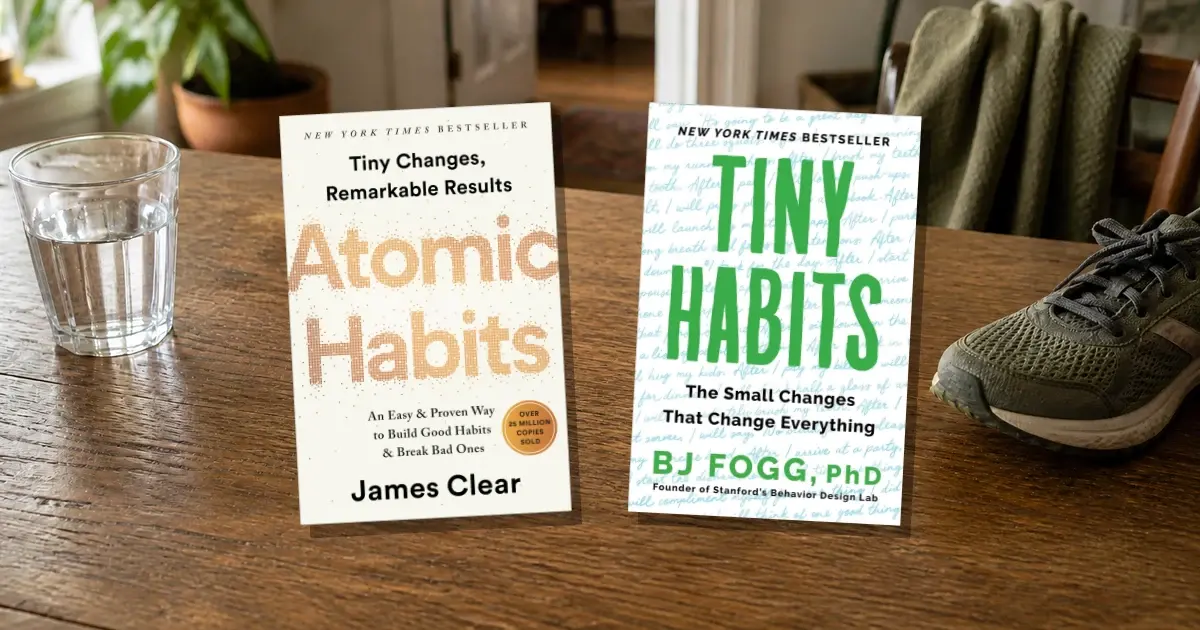
Comparison
Atomic Habits vs Tiny Habits: Which System Fits You?
Both books make change smaller, but they diagnose failed habits differently. Use this guide to choose the method that matches your sticking point.

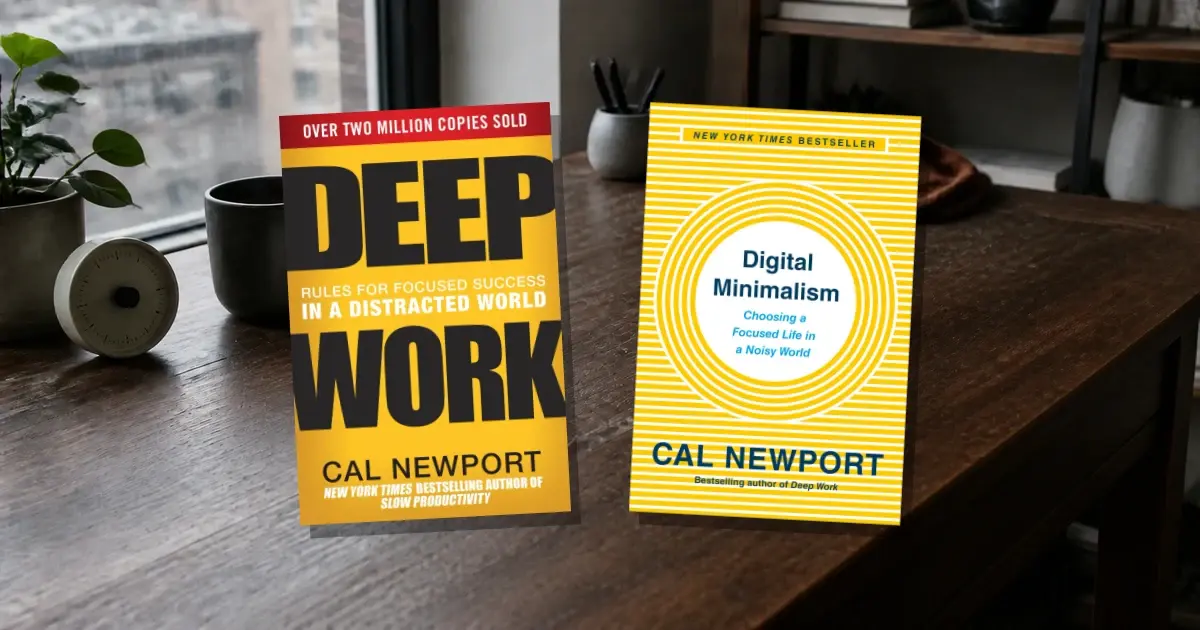
Comparison
Deep Work vs Digital Minimalism: Focus System or Attention Reset?
One book organizes demanding work; the other asks which technologies deserve a place in your life. Here is where each starts—and where they work together.

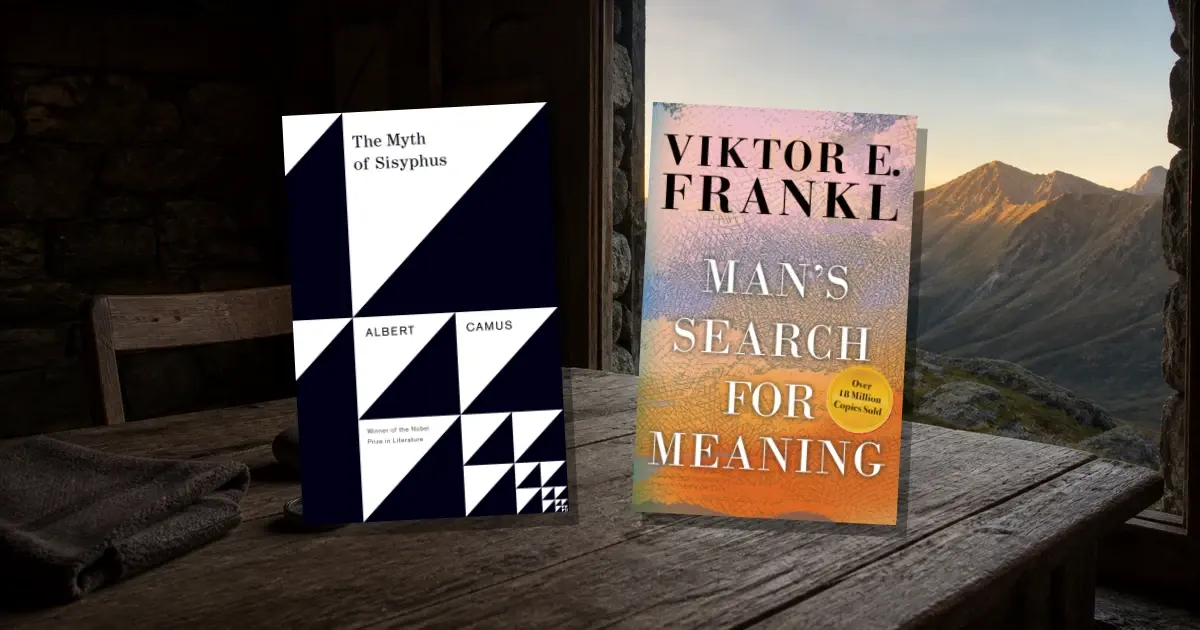
Comparison
The Myth of Sisyphus vs Man’s Search for Meaning: Can We Make Meaning?
Camus refuses consolation before an indifferent world; Frankl describes meaning through work, love, and responsible response. Their answers are closer—and further apart—than slogans suggest.


Practical guide
How to Do Deep Work in a Meeting-Heavy Week
Protect useful concentration without pretending you own an empty calendar: define one output, find the edges, and make your availability predictable.
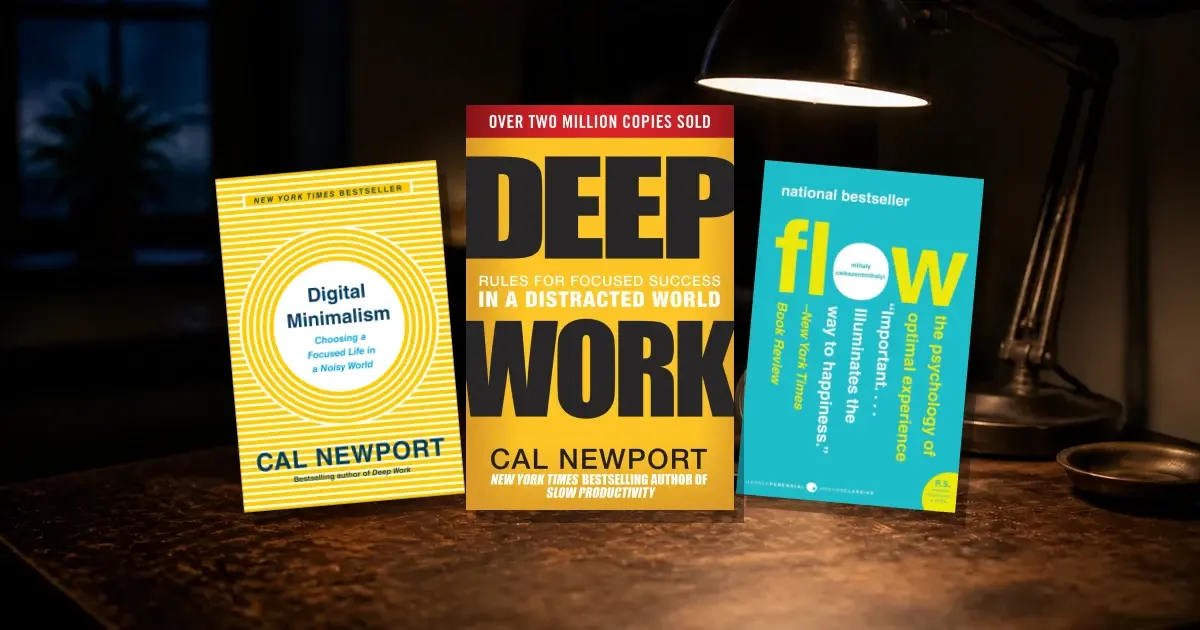
Reading list
The Best Books on Focus in a Distracted World
Focus is not one problem. These books address work design, technology, immersion, finite time, and compulsive reward from different angles.

Reading list
The Best Stoicism Books for Different Starting Points
Stoic reading works best when matched to appetite: a emperor's private notebook, a friendly letter course, demanding classroom transcripts, a modern manual, or a short applied synthesis.