Survival is not a personality test
It is tempting to read a survivor’s story backward, letting the outcome explain every earlier choice. These books ask for more attention to conditions, chance, relationships, and the way a story is reconstructed. This is a selection of narratives, not wilderness or emergency instruction.
Three different kinds of account
A reported historical reconstruction, a biography, and a memoir offer different access to danger and its aftermath. The difference in form helps prevent a single lesson about grit from swallowing the books.
Follow the competing accounts back to the wreck
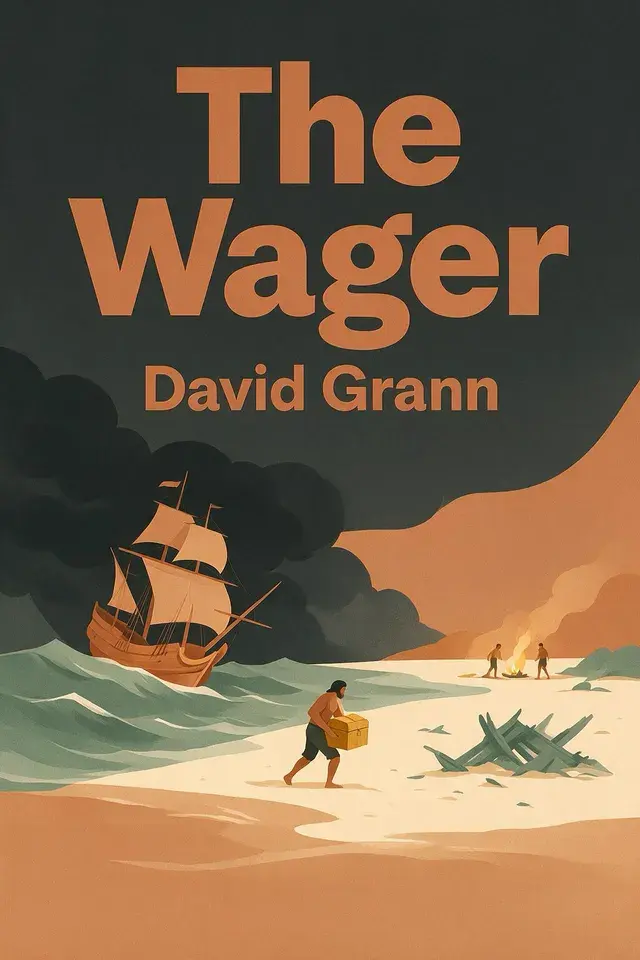
The Wager · David Grann
David Grann reconstructs a maritime disaster and the conflicting stories told by survivors. The question is not only how people endured extreme conditions but how authority, testimony, and self-justification shaped what could be believed afterward.
- Read it for
- A survival story that also examines evidence and competing narratives.
- Keep in mind
- A reconstructed history depends on surviving sources and cannot restore every lost perspective.
Rescue does not finish the life
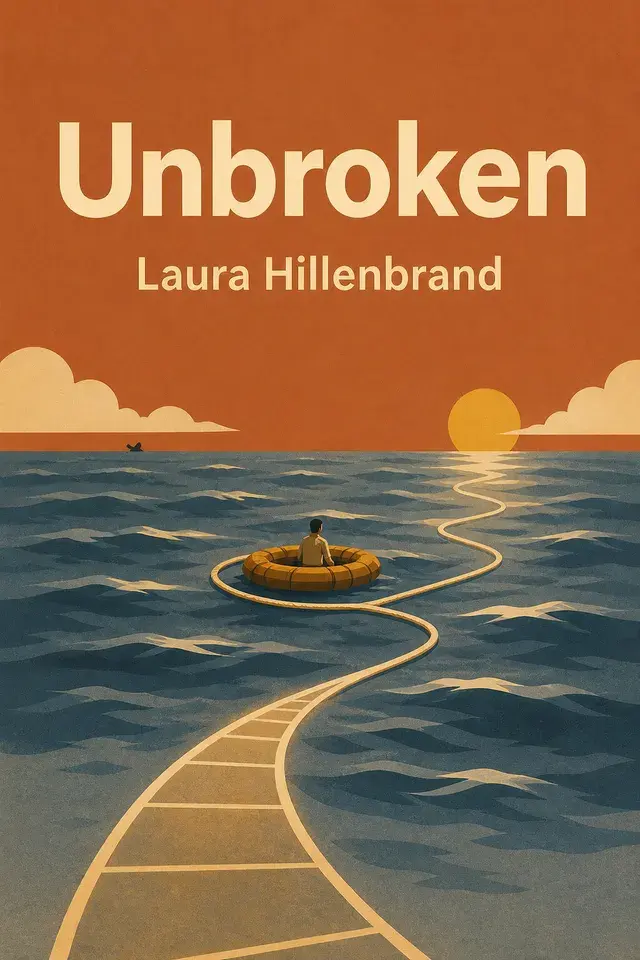
Unbroken · Laura Hillenbrand
Laura Hillenbrand follows Louis Zamperini through athletic ambition, wartime survival, captivity, and the years after. The biography’s length allows the consequences of survival to remain part of the story instead of disappearing behind an extraordinary episode.
- Read it for
- The distinction between surviving an event and living with its aftermath.
- Keep in mind
- An exceptional life is not a model against which to judge other survivors.

Read the walk as a memoir, not a field manual
Wild · Cheryl Strayed
Cheryl Strayed’s account of hiking the Pacific Crest Trail interweaves physical difficulty with grief and a life in disorder. The journey is chosen, unlike the coercive circumstances in the other books. Keeping that distinction visible makes the comparison more honest.
- Read it for
- A memoir in which landscape and remembered experience shape each other.
- Keep in mind
- Its narrative of a demanding walk is not a source of hiking safety instruction.
Keep the three stories different
The Wager raises questions about testimony and legitimacy. Unbroken asks a reader to stay with a life after extreme events. Wild turns a chosen journey into a retrospective account of grief and change. Their common interest is endurance; their circumstances should never be treated as equivalent.
| Book | Form | Question after the danger |
|---|---|---|
| The Wager | Historical reconstruction | Whose account becomes credible? |
| Unbroken | Reported biography | What remains after rescue? |
| Wild | Memoir | How does the narrator interpret the journey now? |
Sources and scope
Book ideas are attributed to their authors. External evidence is linked directly when a claim needs more than the source book.
- The Wager: David Grann reconstructs a maritime disaster and the conflicting stories told by survivors. The question is not only how people endured extreme conditions but how authority, testimony, and self-justification shaped what could be believed afterward. Scope: A reconstructed history depends on surviving sources and cannot restore every lost perspective.
- Unbroken: Laura Hillenbrand follows Louis Zamperini through athletic ambition, wartime survival, captivity, and the years after. The biography’s length allows the consequences of survival to remain part of the story instead of disappearing behind an extraordinary episode. Scope: An exceptional life is not a model against which to judge other survivors.
- Wild: Cheryl Strayed’s account of hiking the Pacific Crest Trail interweaves physical difficulty with grief and a life in disorder. The journey is chosen, unlike the coercive circumstances in the other books. Keeping that distinction visible makes the comparison more honest. Scope: Its narrative of a demanding walk is not a source of hiking safety instruction.
To report a factual, attribution, rights, or accessibility concern, email hello@wiseley.app.