Use the idea. Test the fit. Read with purpose.
Original guides for choosing between books, applying an idea, and building a reading practice that survives a busy week.
Comparison
Comparison
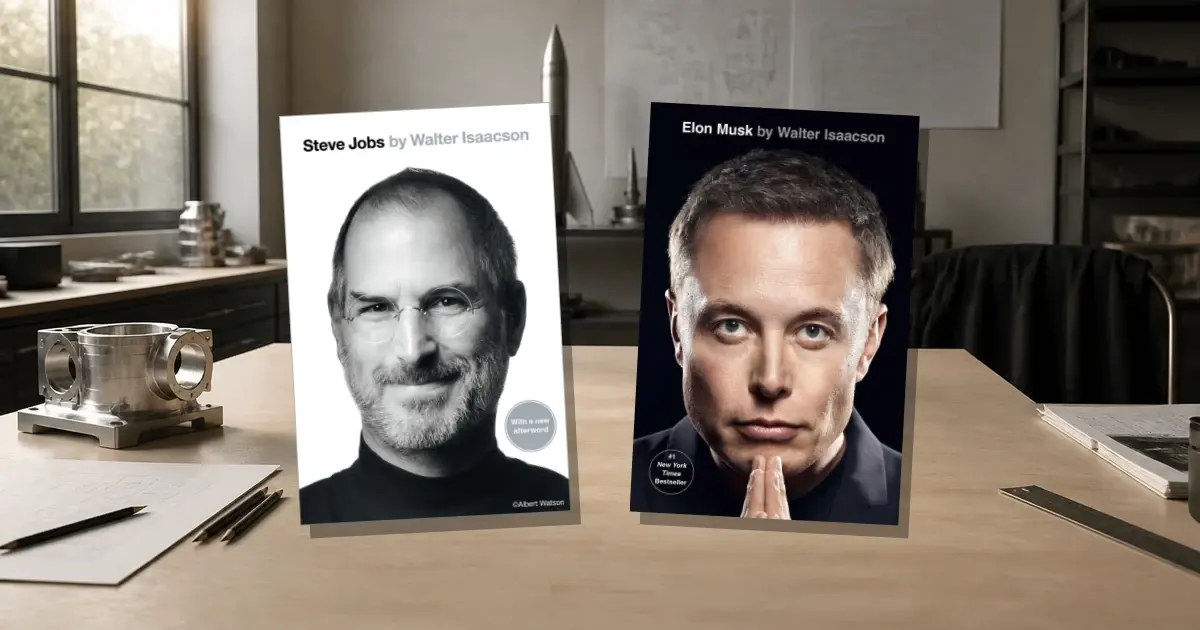
Steve Jobs vs Elon Musk: What Do Their Biographies Reveal About Ambition?
Walter Isaacson portrays two founders who turn urgency into products, pressure, and collateral damage. Compare the mechanisms without mistaking intensity for a transferable formula.

Comparison
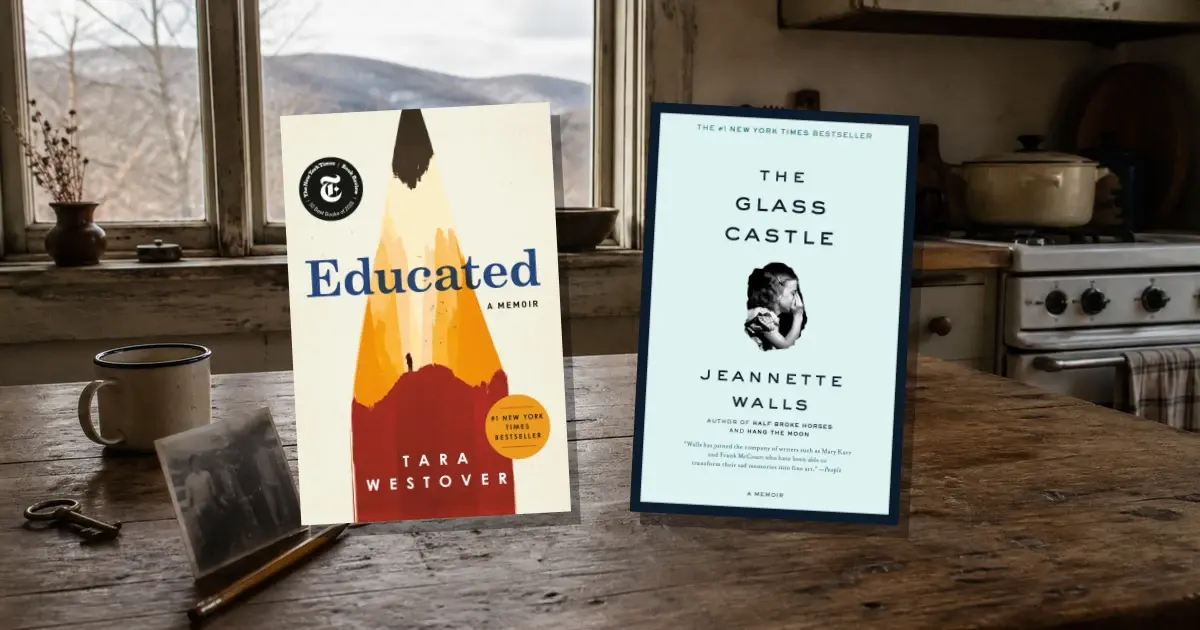
Educated vs The Glass Castle: Two Memoirs of Leaving and Becoming
Both memoirs hold family love beside danger and neglect, yet education, memory, and departure do different work in each account.
Comparison
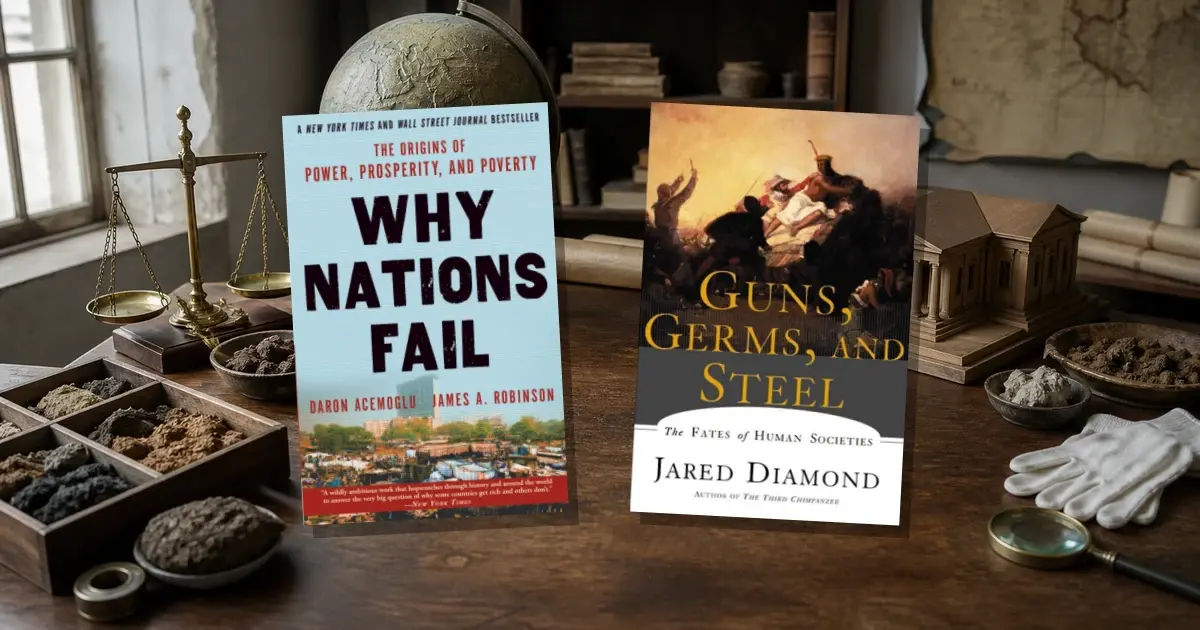
Why Nations Fail vs Guns, Germs, and Steel: Institutions or Geography?
The books explain long-run inequality at different causal levels. Compare institutions and environmental starting conditions without forcing one into a total theory.

Comparison
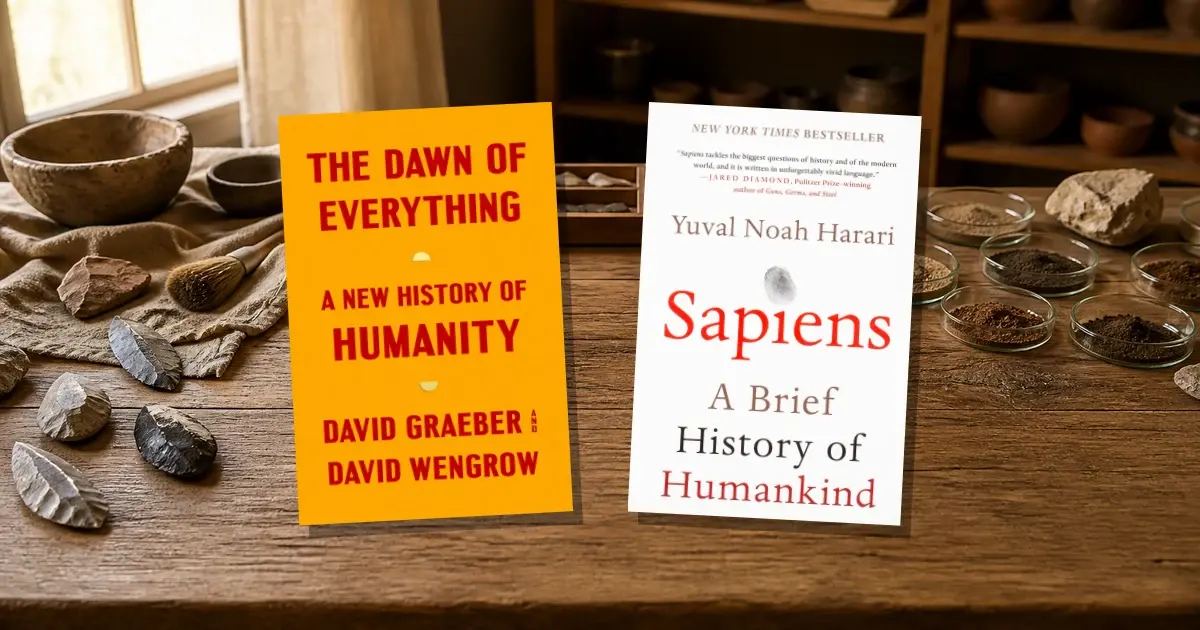
The Dawn of Everything vs Sapiens: Rival Stories of Human History
One book tells a sweeping sequence of human revolutions; the other challenges the sequence itself. Their disagreement changes how freedom, farming, and cities appear.
Comparison
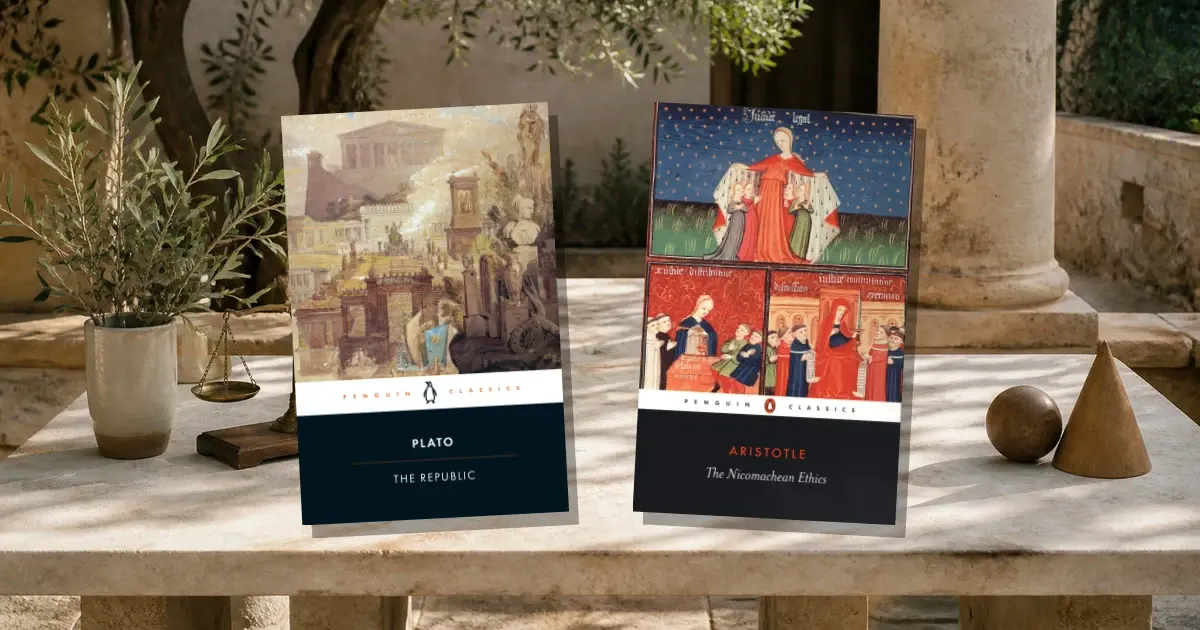
The Republic vs Nicomachean Ethics: Justice or Flourishing?
Plato builds justice across a city and soul; Aristotle studies the activities and relationships through which a life goes well. Choose by question and method.

Comparison
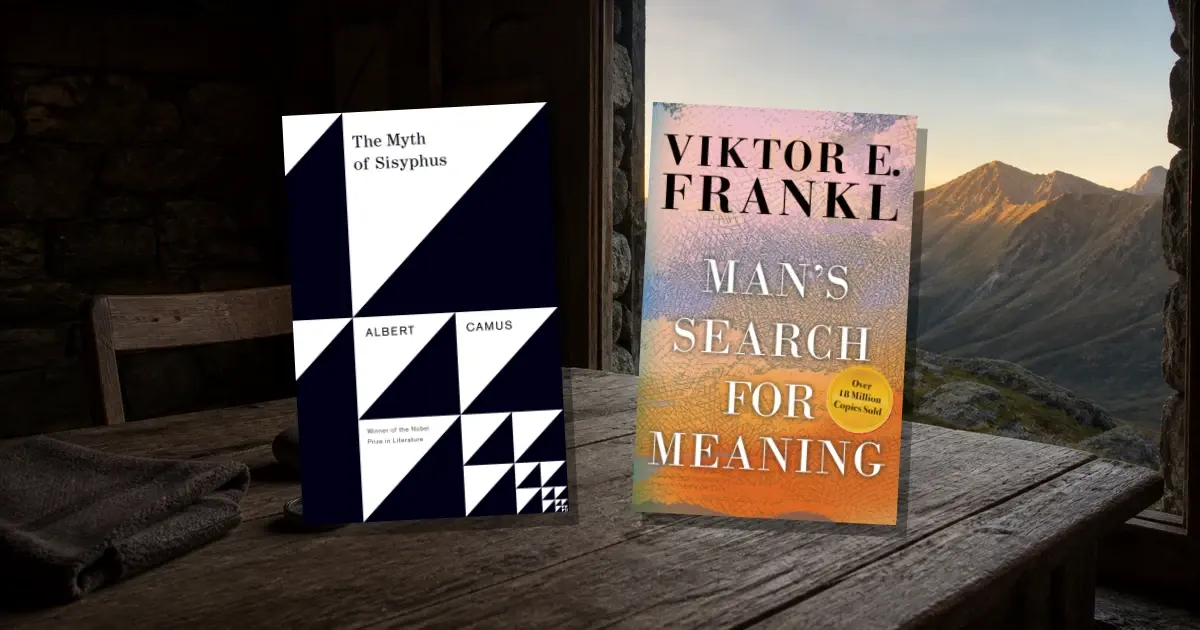
The Myth of Sisyphus vs Man’s Search for Meaning: Can We Make Meaning?
Camus refuses consolation before an indifferent world; Frankl describes meaning through work, love, and responsible response. Their answers are closer—and further apart—than slogans suggest.
Comparison
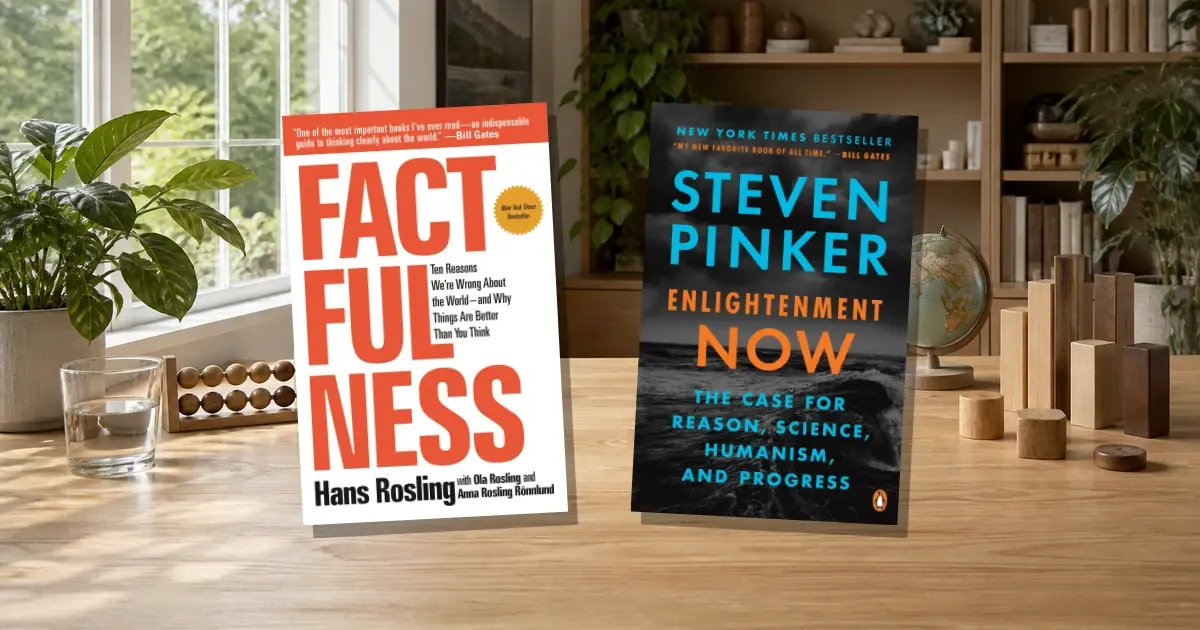
Factfulness vs Enlightenment Now: Two Cases for Measured Progress
Both books challenge reflexive pessimism with data, but one trains everyday judgment while the other mounts a broad historical defense of progress.
Comparison
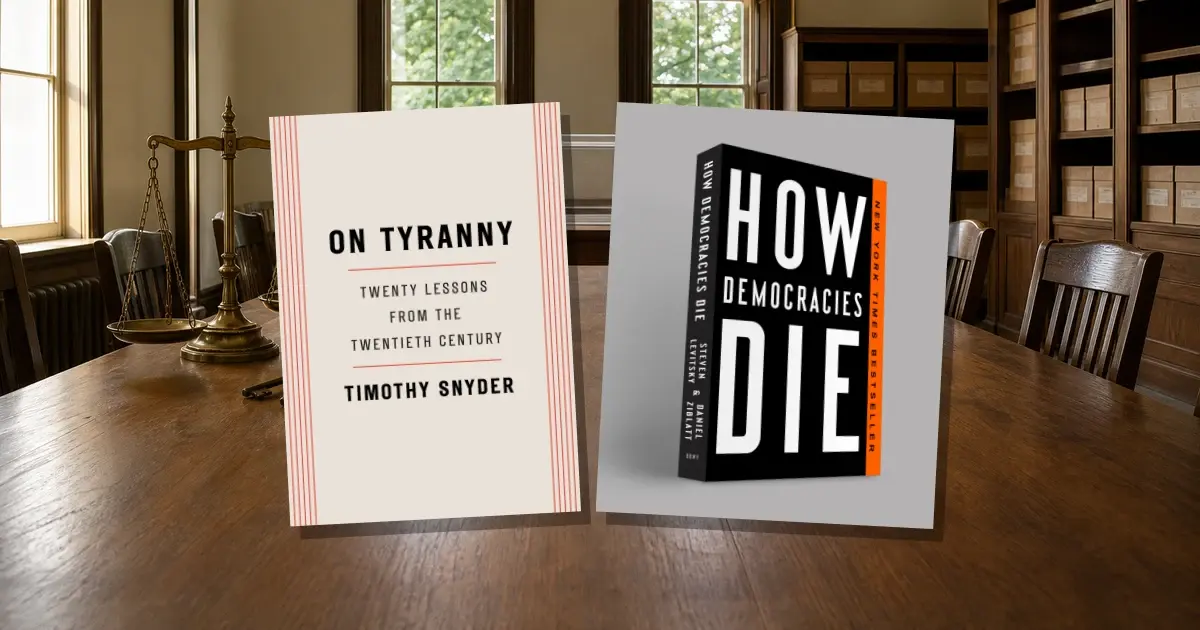
On Tyranny vs How Democracies Die: Citizens or Institutions?
One offers compact civic lessons from twentieth-century history; the other studies how elected leaders, parties, and weakened norms can dismantle democracy from within.
Comparison
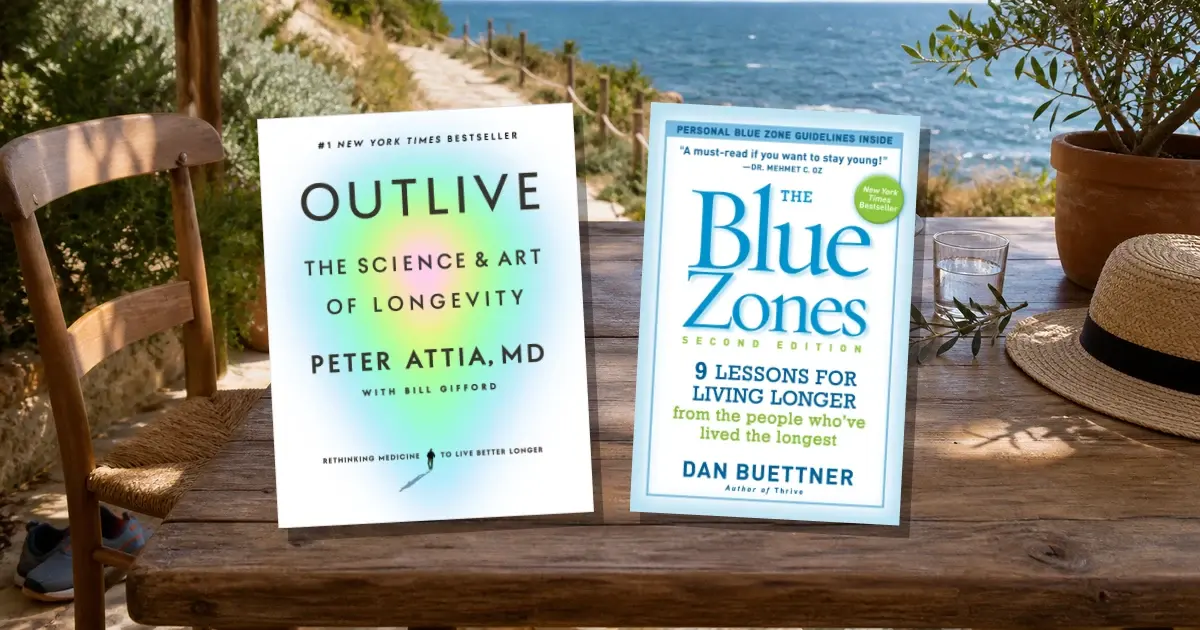
Outlive vs The Blue Zones: Which Longevity Lens Fits You?
One book builds an individualized prevention strategy; the other studies shared patterns in unusually long-lived populations. Use both without turning observation into prescription.

Comparison
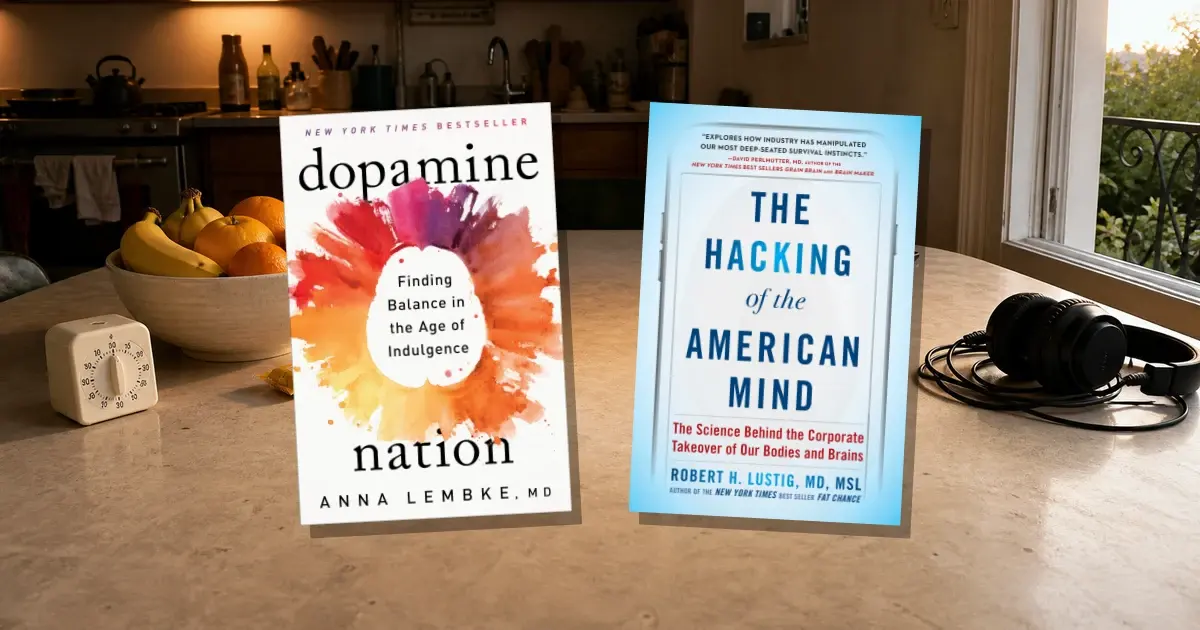
Dopamine Nation vs The Hacking of the American Mind: How Does Pleasure Become a Trap?
Both books connect abundant rewards to compulsive behavior, but one centers clinical recovery while the other widens the lens to consumer systems and contentment.
Comparison
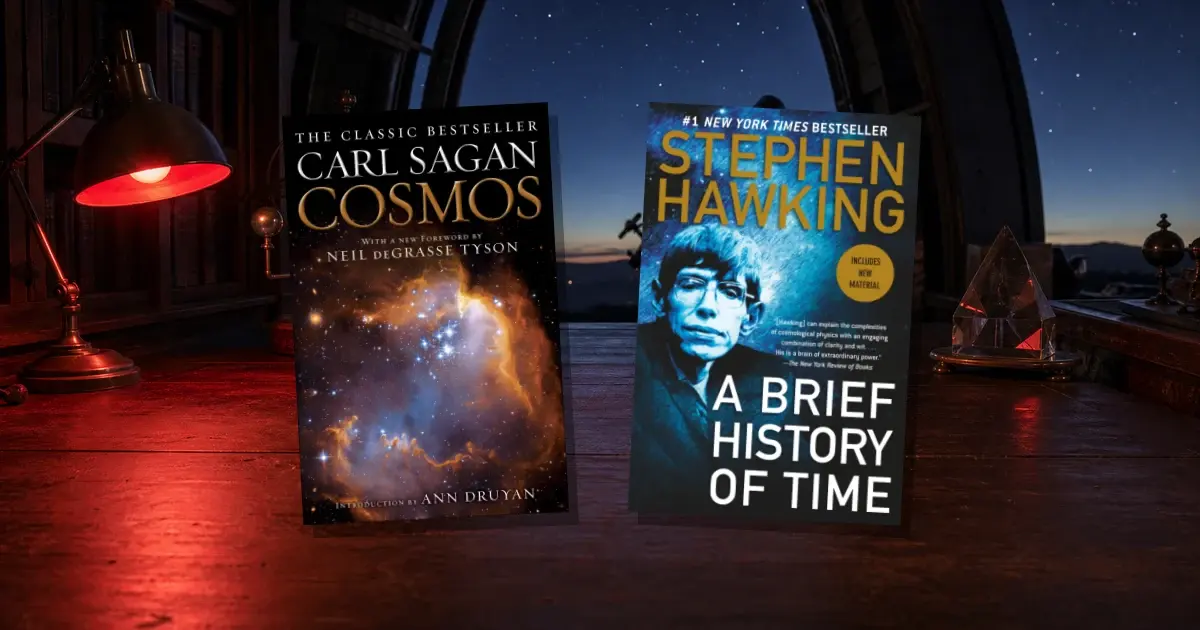
Cosmos vs A Brief History of Time: Wonder or Physics First?
Carl Sagan connects cosmic knowledge to life and civilization; Stephen Hawking concentrates on the theories that make space, time, black holes, and origins intelligible.

Comparison
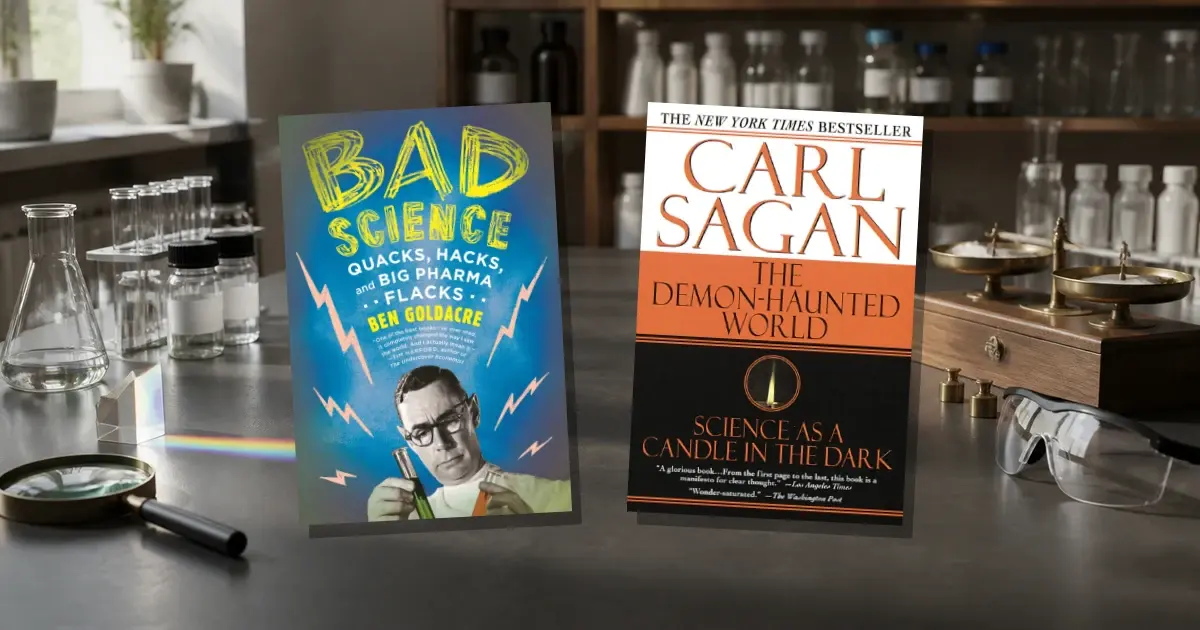
Bad Science vs The Demon-Haunted World: How Should You Test a Claim?
Ben Goldacre dissects medical evidence and media distortion; Carl Sagan builds a wider skeptical toolkit that protects wonder while demanding disproof.
Comparison
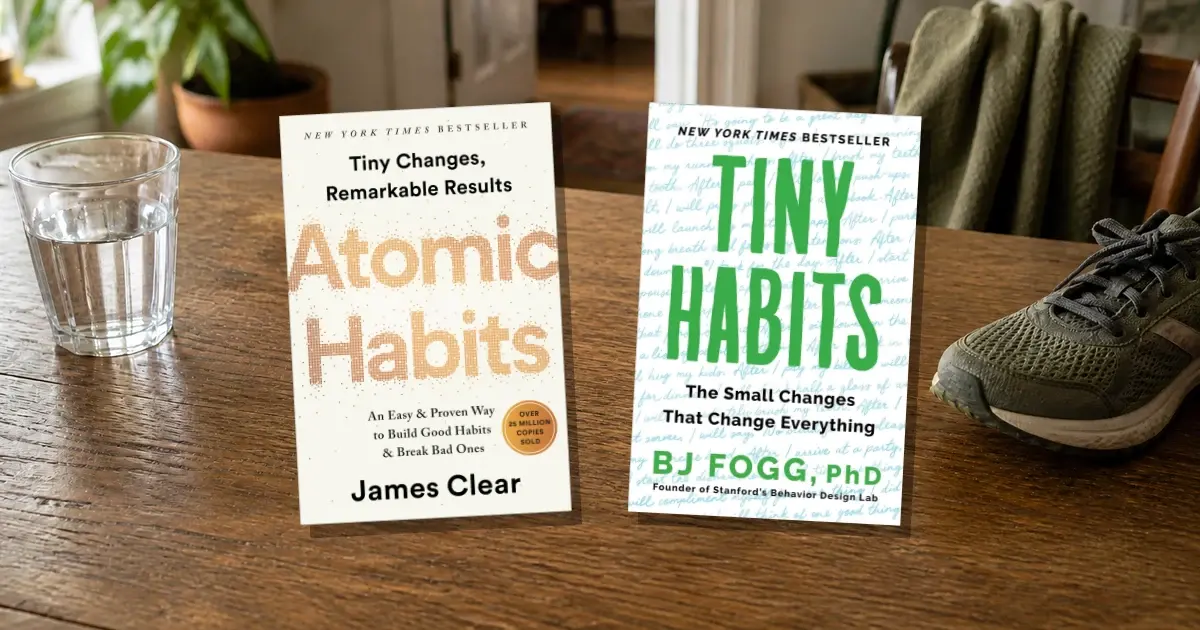
Atomic Habits vs Tiny Habits: Which System Fits You?
Both books make change smaller, but they diagnose failed habits differently. Use this guide to choose the method that matches your sticking point.
Comparison
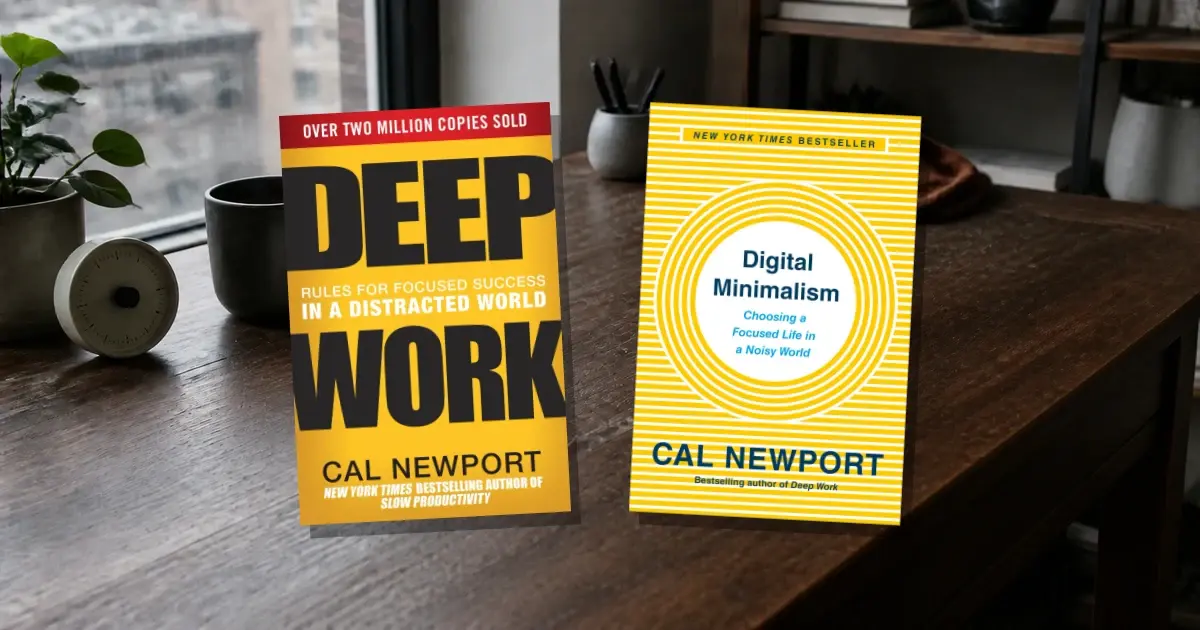
Deep Work vs Digital Minimalism: Focus System or Attention Reset?
One book organizes demanding work; the other asks which technologies deserve a place in your life. Here is where each starts—and where they work together.

Comparison
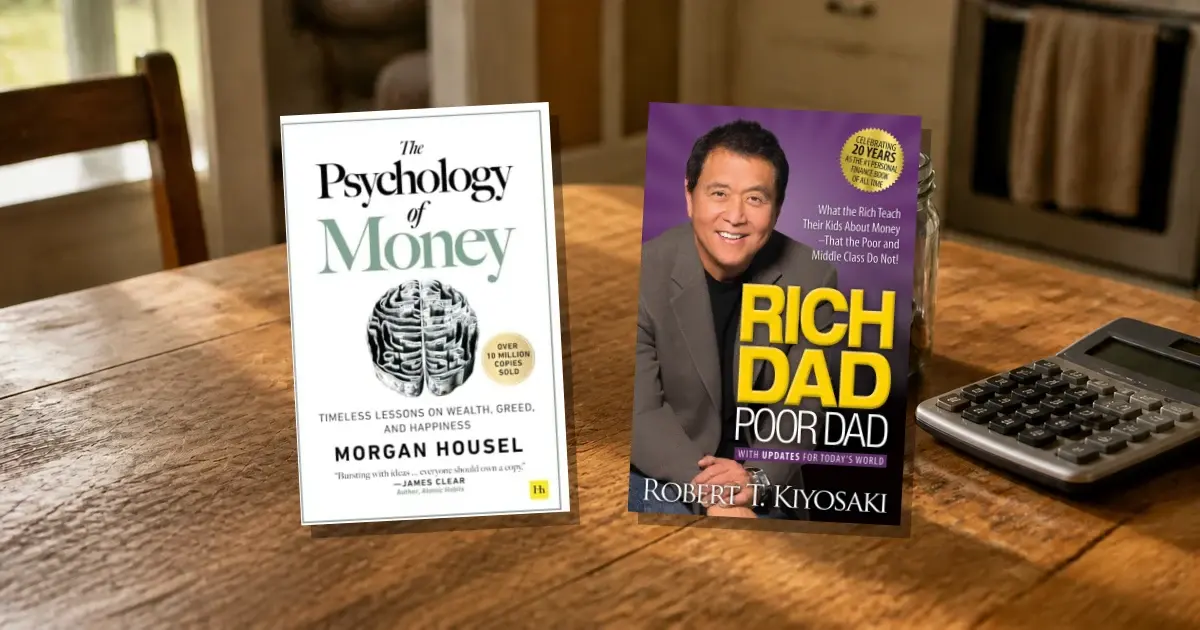
The Psychology of Money vs Rich Dad Poor Dad: Two Paths to Better Money Decisions
One emphasizes behavior under uncertainty; the other uses a provocative story about assets, work, and ownership. Compare them without treating either as a personal financial plan.

Comparison
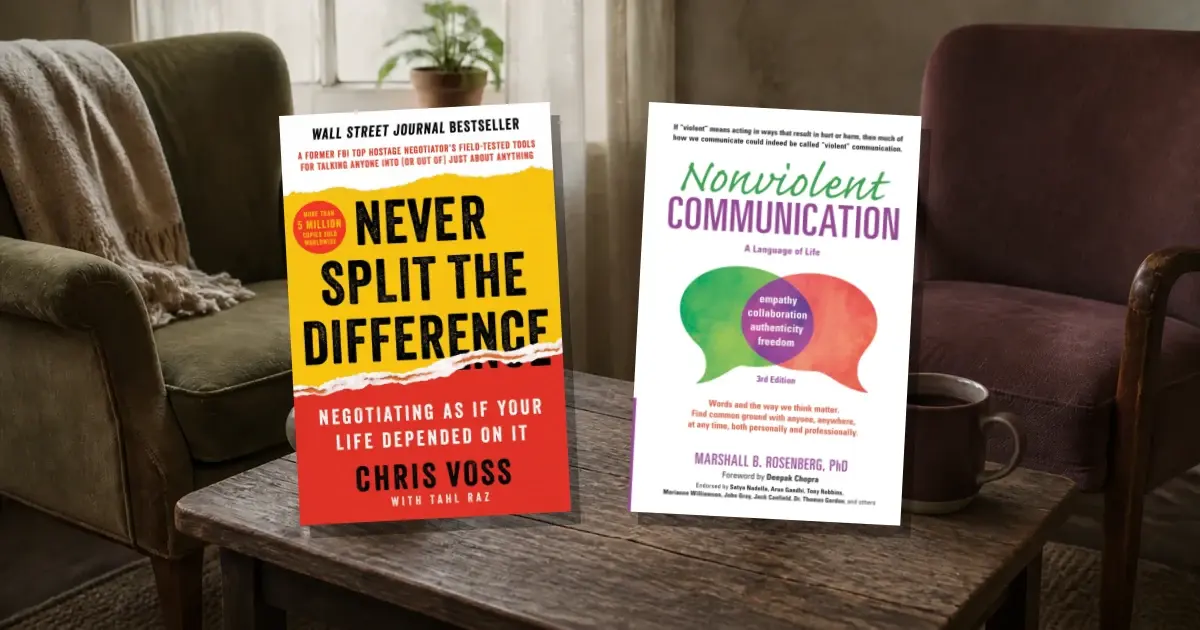
Never Split the Difference vs Nonviolent Communication: Negotiate or Connect?
Both methods listen closely, name emotion, and slow reactive talk. Their goals and ethical center are not the same.

Comparison
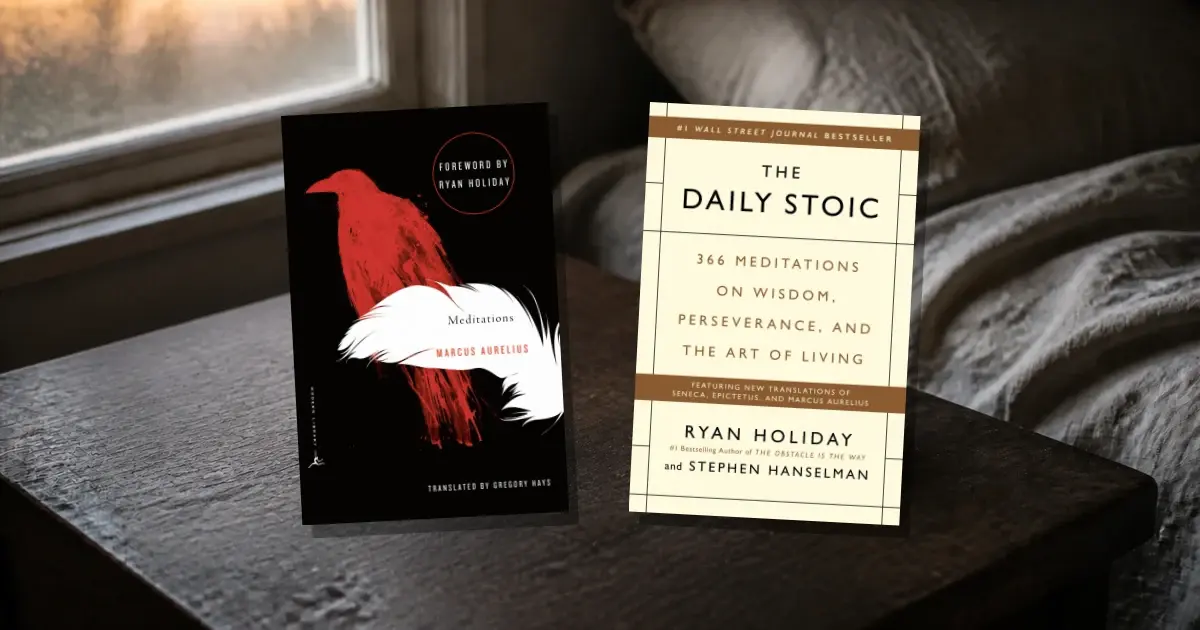
Meditations vs The Daily Stoic: Where Should a Beginner Start?
Choose between a private ancient notebook and a modern daily guide by deciding whether you want encounter, structure, or both.
Comparison
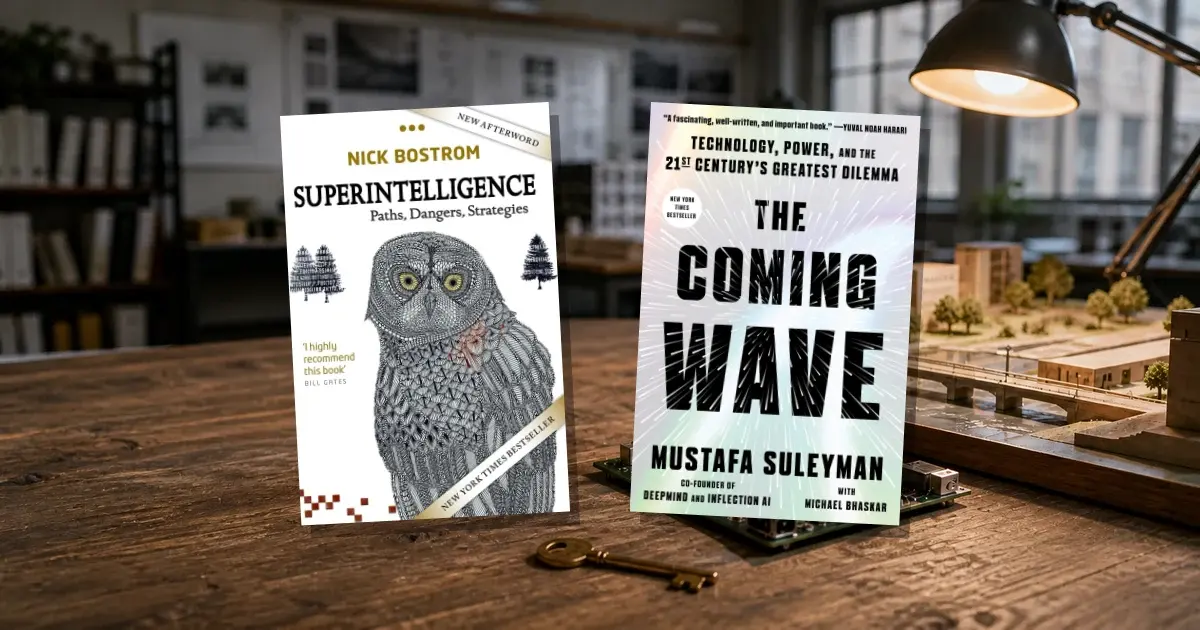
Superintelligence vs The Coming Wave: Two Views of AI Risk
One builds a long-horizon argument about intelligence beyond human control; the other focuses on containing powerful general-purpose technologies in institutions that must use them.
Practical guide

Practical guide
How to Stop Doomscrolling: A Practical Plan for Your Next Break
Doomscrolling is not every minute on a phone. It is reading on through upsetting content after it stops helping, and a plan for one break can interrupt it.

Practical guide
How to Learn From a Biography Without Copying the Hero
Read a life for decisions, constraints, and consequences—not for a costume you can borrow or a personality you should imitate.

Practical guide
How to Compare Two History Books That Disagree
Map each book’s question, evidence, causal engine, and missing cases before deciding whether their disagreement is real or merely different in scale.

Practical guide
How to Read a Difficult Philosophy Book Without Giving Up
Read one question and argument at a time, translate the terms into ordinary language, and test the view before chasing total comprehension.

Practical guide
How to Test a Big Claim About Society
Turn a sweeping statement into a measurable question, inspect the comparison behind it, and look for the cases the story cannot easily absorb.

Practical guide
How to Evaluate a Health Book Before Changing Your Routine
Separate explanation from prescription, inspect the evidence and conflicts, then discuss meaningful changes with a qualified health professional.

Practical guide
How to Check a Science Claim Before You Repeat It
Trace the claim to its source, identify what was actually measured, and calibrate your language to the strength and limits of the evidence.

Practical guide
How to Build a Habit That Survives a Bad Week
Design the smallest honest version, attach it to a reliable moment, and make restarting part of the plan before life gets messy.

Practical guide
How to Set a Boundary Without Starting a Fight
A boundary is a clear statement of what you will do, not a disguised demand that another person become easy to manage.

Practical guide
How to Prepare for a Difficult Conversation in 15 Minutes
Replace the speech in your head with a one-page map of facts, interpretations, stakes, questions, and a clear next step.


Practical guide
How to Do Deep Work in a Meeting-Heavy Week
Protect useful concentration without pretending you own an empty calendar: define one output, find the edges, and make your availability predictable.

Practical guide
How to Negotiate a Salary Offer Without Bluffing
Prepare evidence, surface the employer’s constraints, and make a precise request without inventing leverage you do not have.

Practical guide
How to Learn a Hard Subject With Active Recall and Spaced Practice
Turn a difficult chapter into questions, retrieve before rereading, and revisit the material on a schedule that exposes forgetting.

Reading list
Reading list
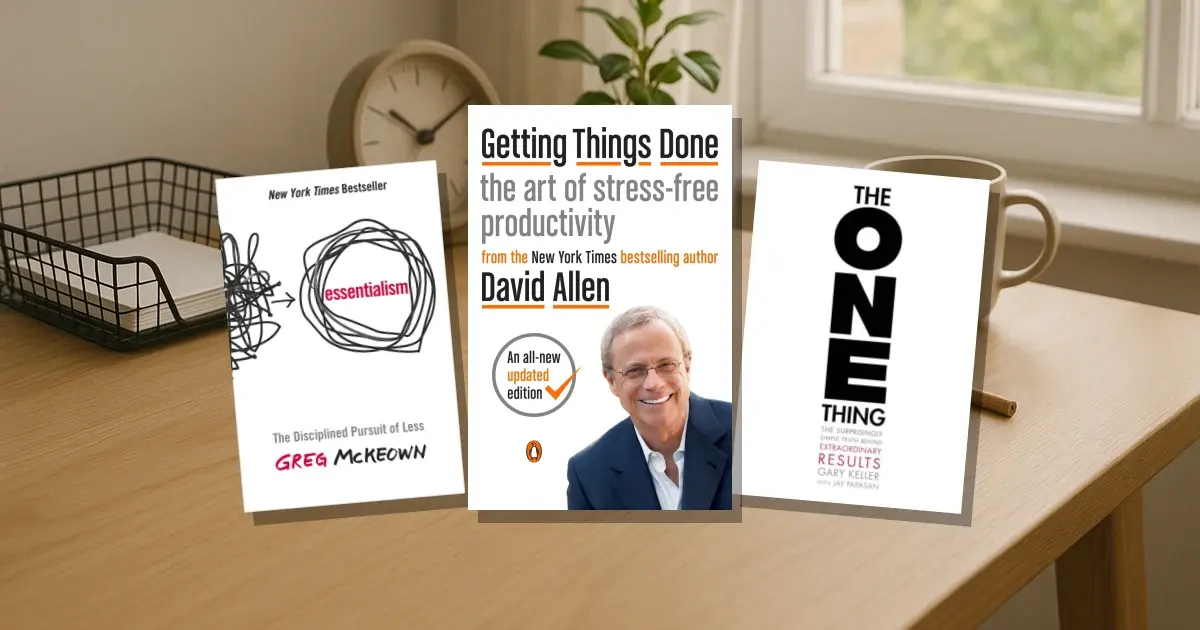
The Best Productivity Books for Different Kinds of Overload
Productivity advice fails when it answers the wrong problem. Match the book to what is actually overloading you: open loops, too many commitments, no clear priority, an avoided task, or a pace you cannot sustain.
Reading list
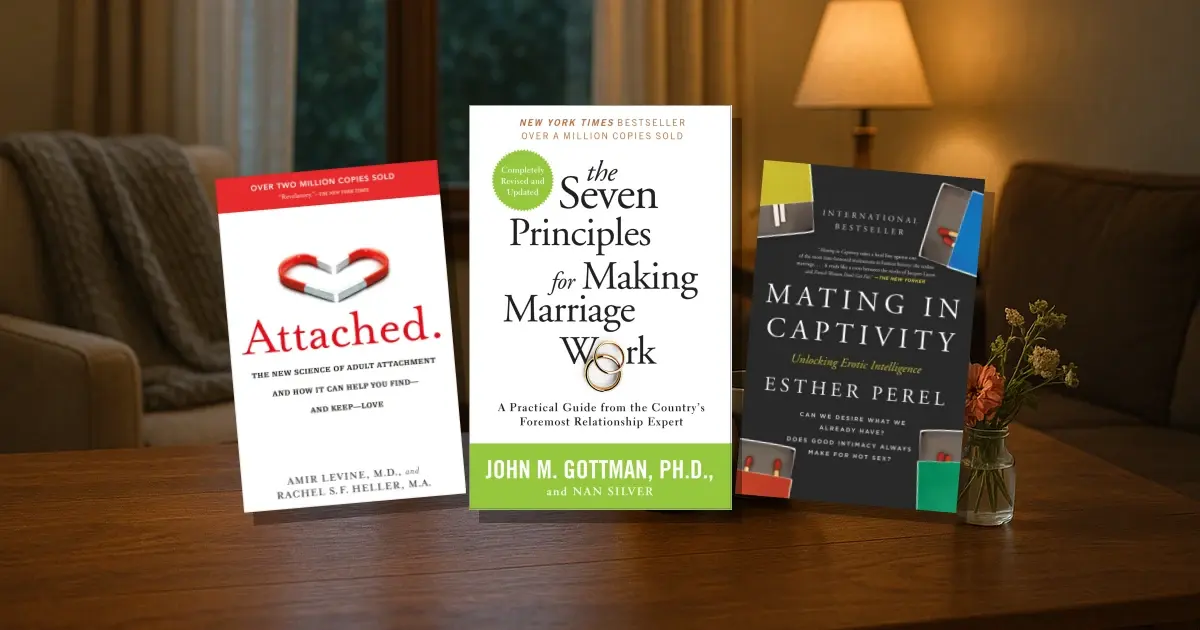
The Best Relationship Books for Different Questions in Love
Choose by the question you are actually living with: staying close over years, a cycle of chasing and retreating, desire that has gone quiet, love that is not landing, or expectations nobody has said out loud.
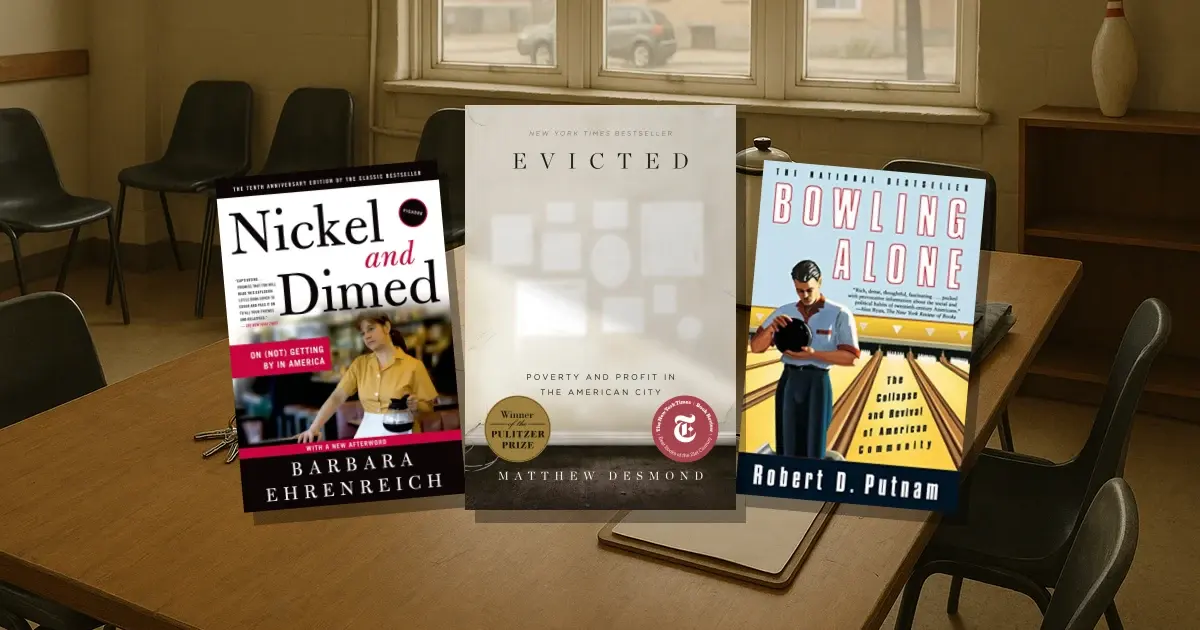
Reading list
The Best Sociology Books for Seeing How Everyday Life Is Organized
Five books that study housing, low-wage work, civic ties, political belonging, and inequality up close. Chosen by method, so you can see what each kind of evidence reveals and what it misses.
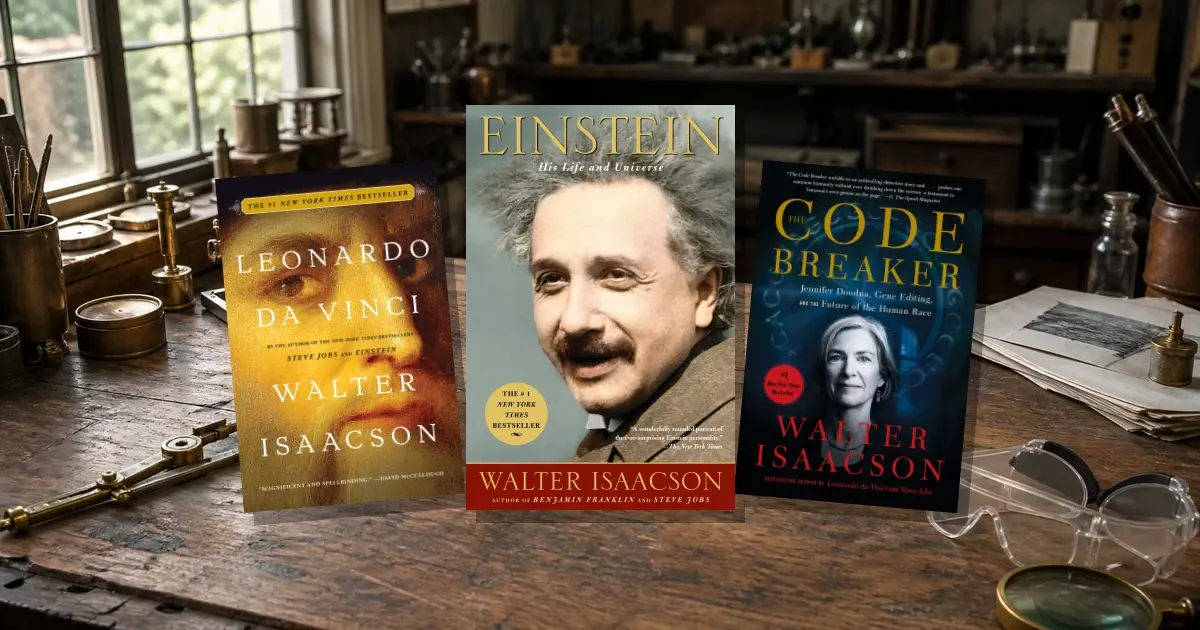
Reading list
The Best Biographies of Scientists and Inventors for Curious Readers
Great discovery stories are never lone-genius formulas. These books reveal thought experiments, notebooks, laboratories, hidden teams, institutions, ethics, and the discipline of testing what feels clever.
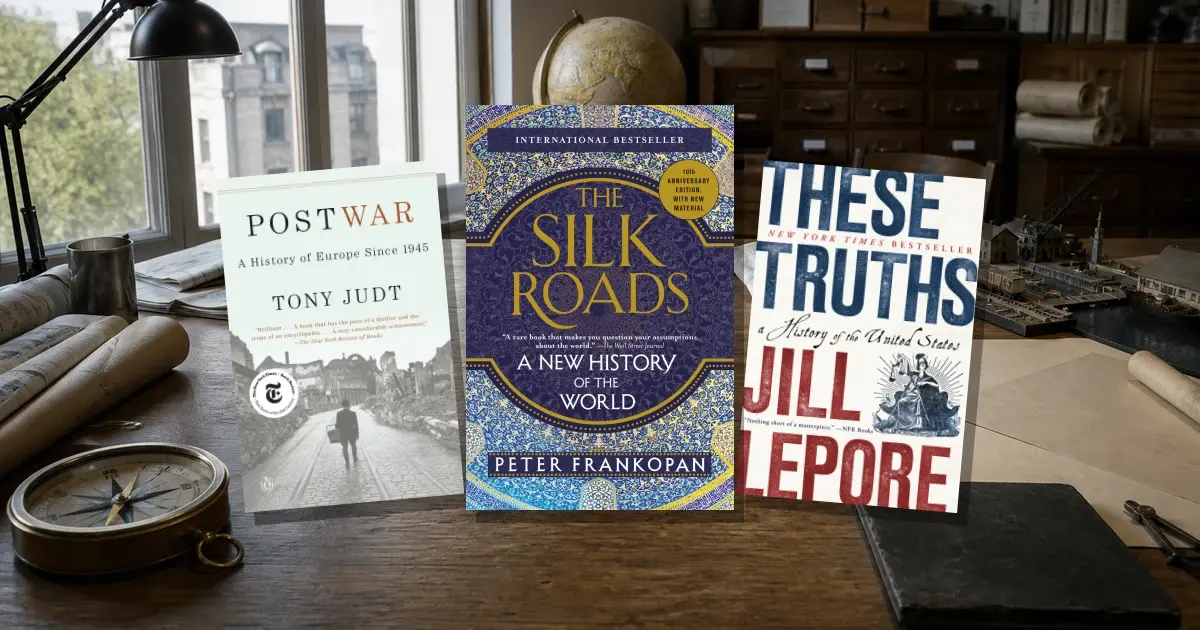
Reading list
The Best History Books for Understanding the Modern World
The modern world looks different from a trade route, a divided continent, an unfinished republic, three migrant lives, or a corporation that became a state. Read across scales instead of choosing one master story.
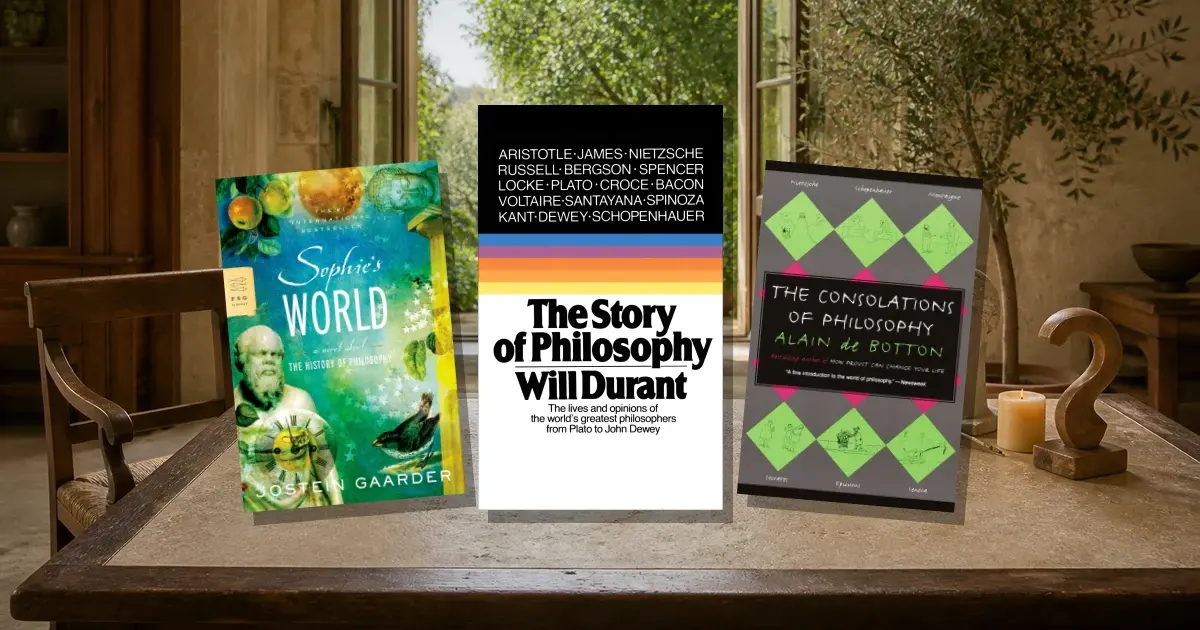
Reading list
The Best Philosophy Books for Beginners: Five Different Doorways
A beginner does not need the easiest book so much as the right encounter: a guided history, a novel, practical consolation, a demanding dialogue, or compressed wisdom.
Reading list
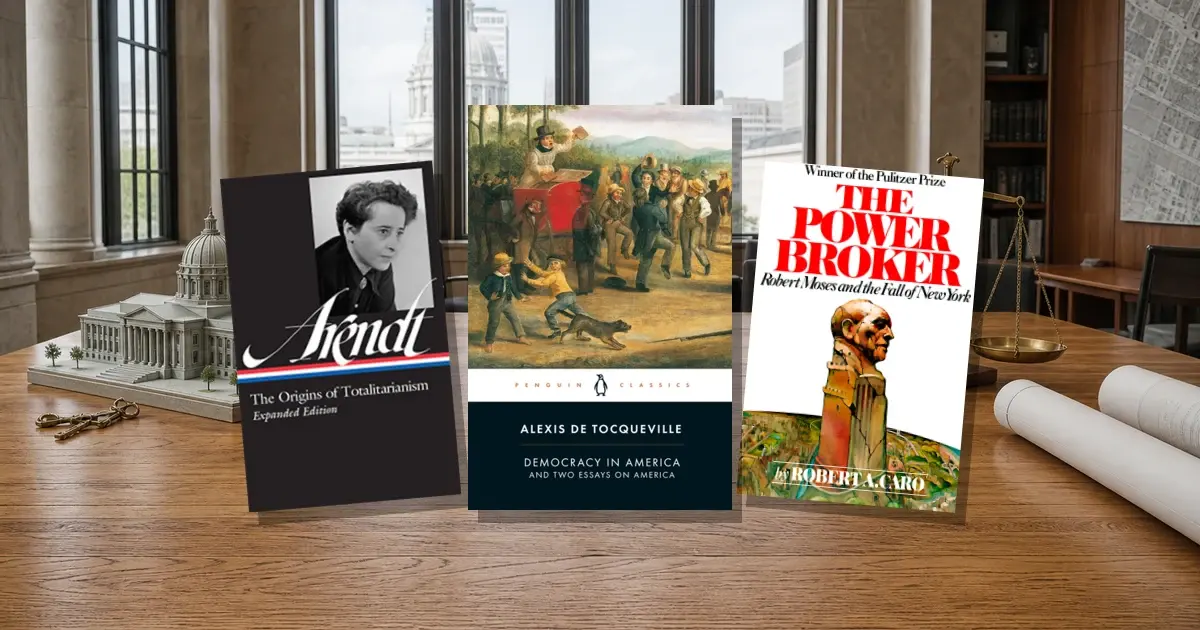
The Best Books About Democracy and Power
Democratic power operates through civic habits, mass movements, public authorities, citizen choices, political parties, and unwritten norms. These five books reveal different mechanisms without becoming a live political scorecard.
Reading list
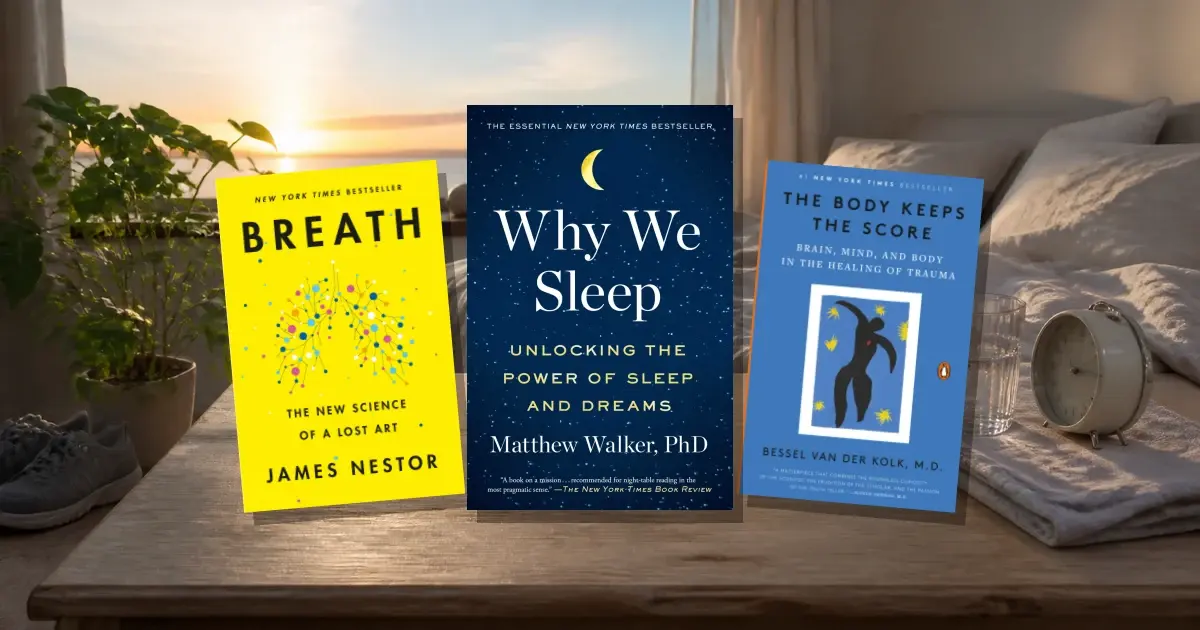
The Best Books on Sleep, Stress, and Recovery
Sleep timing, breathing, trauma, compulsion, and emotional language are related but not interchangeable problems. Choose the book that matches your question—and know when a book is not care.
Reading list
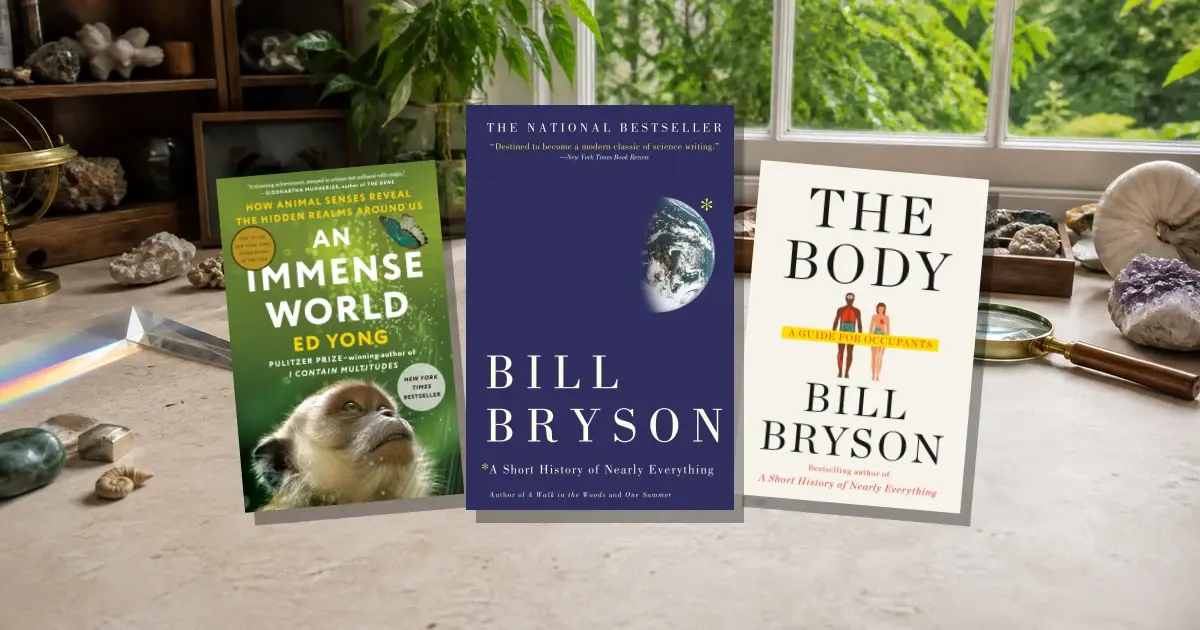
The Best Popular Science Books for Beginners: Accessible First Reads
Accessible first science books that explain the background as they go: nearly everything, another animal’s senses, your own body, humans in space, or the universe as one connected story.
Reading list
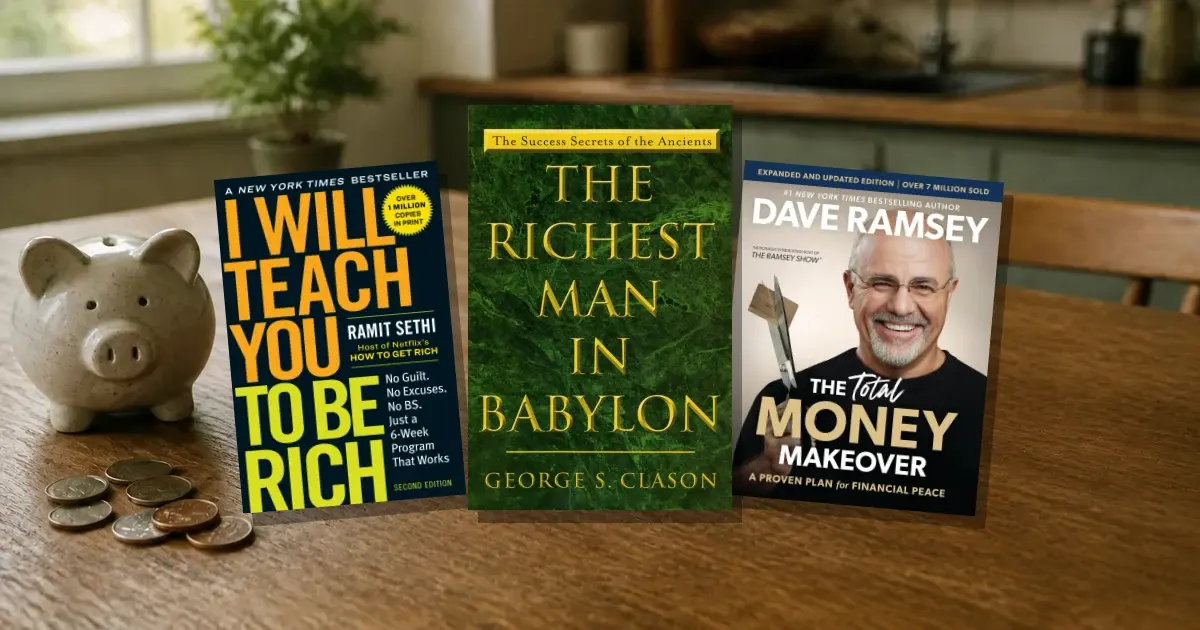
The Best Personal Finance Books for Different Money Struggles
Do not pick by reputation alone. Match the book to the place where your money breaks down: saving at all, escaping debt, holding a system together, or spending what you built. Starting from zero? There is a route for that too.
Reading list
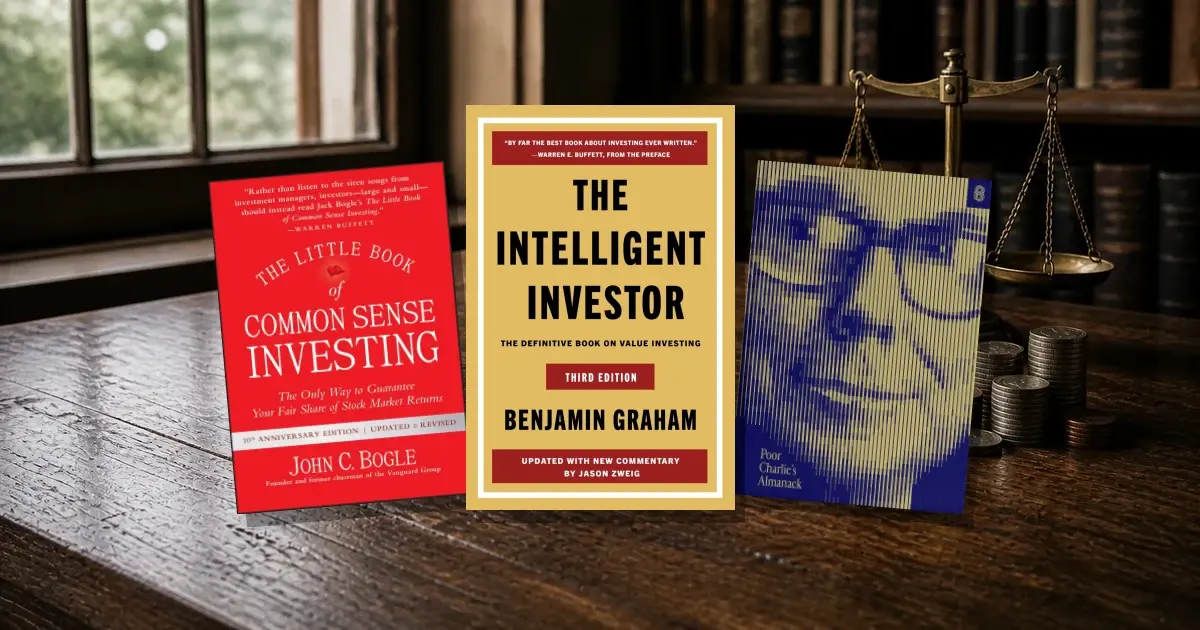
The Best Investing Books for Different Views of the Market
The right investing book depends on what you believe about prices: whether they can be beaten, ignored, exploited patiently, or survived. These five take distinct positions on that question.
Reading list
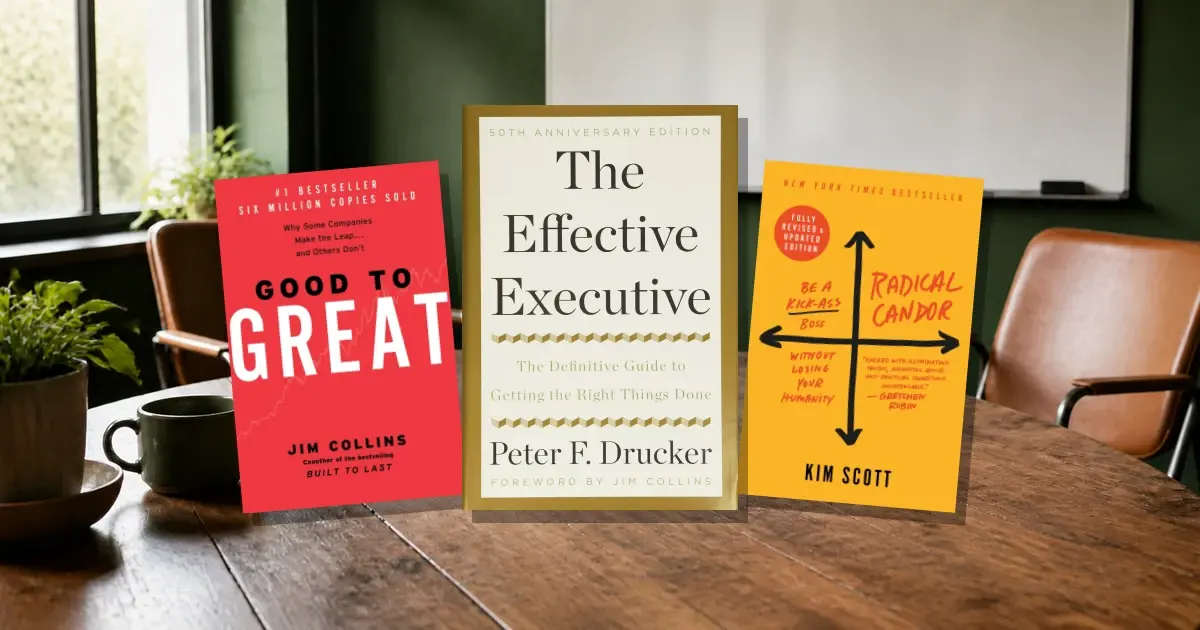
The Best Leadership Books for Different Leadership Bottlenecks
Leadership reading helps only when it targets your actual constraint: personal effectiveness, company-wide momentum, honest feedback, courage under pressure, or the capability of everyone around you.
Reading list
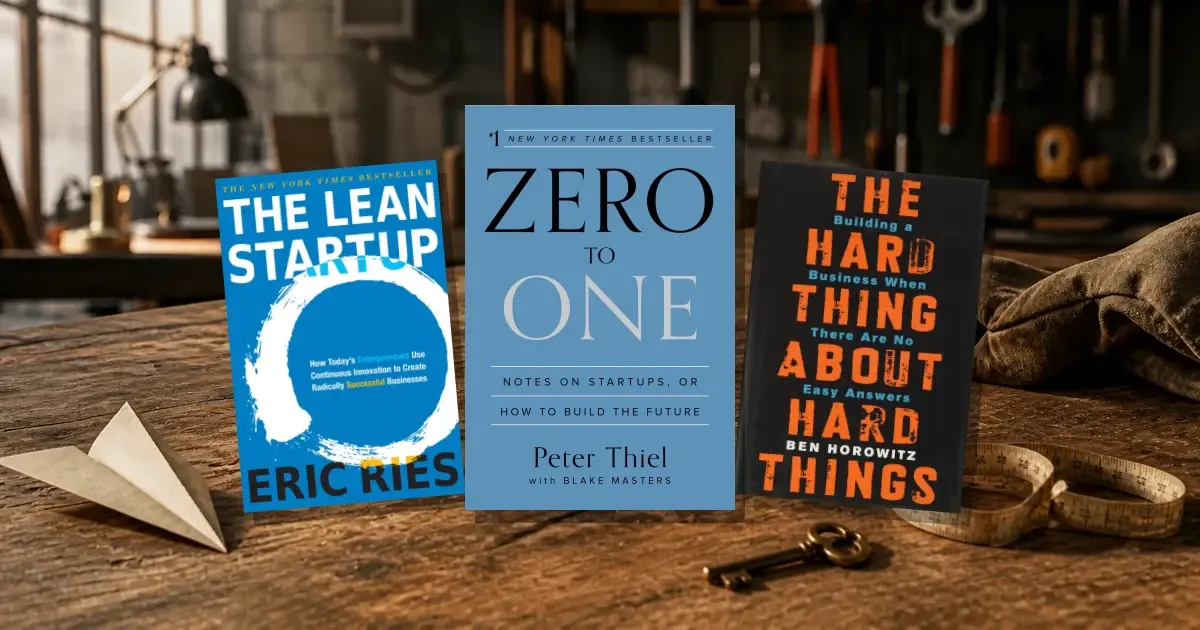
The Best Startup Books for Whatever Stage Is Breaking Right Now
Startup advice ages badly because each stage has different failure modes. Match the book to your stage: the thesis, the first customers, the near-death period, the whole journey, or mainstream scale.
Reading list
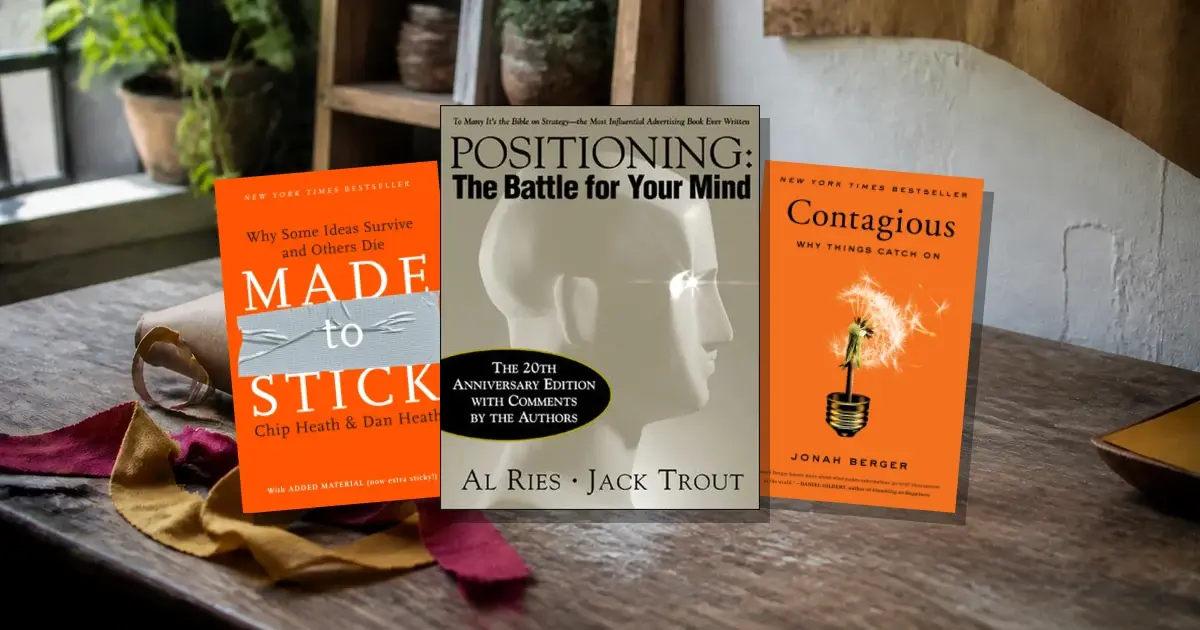
The Best Marketing Books for Whatever Part of Growth Is Broken
Marketing books solve different problems: owning a position, making an idea memorable, engineering word of mouth, building remarkability into the product, or understanding why people say yes.
Reading list
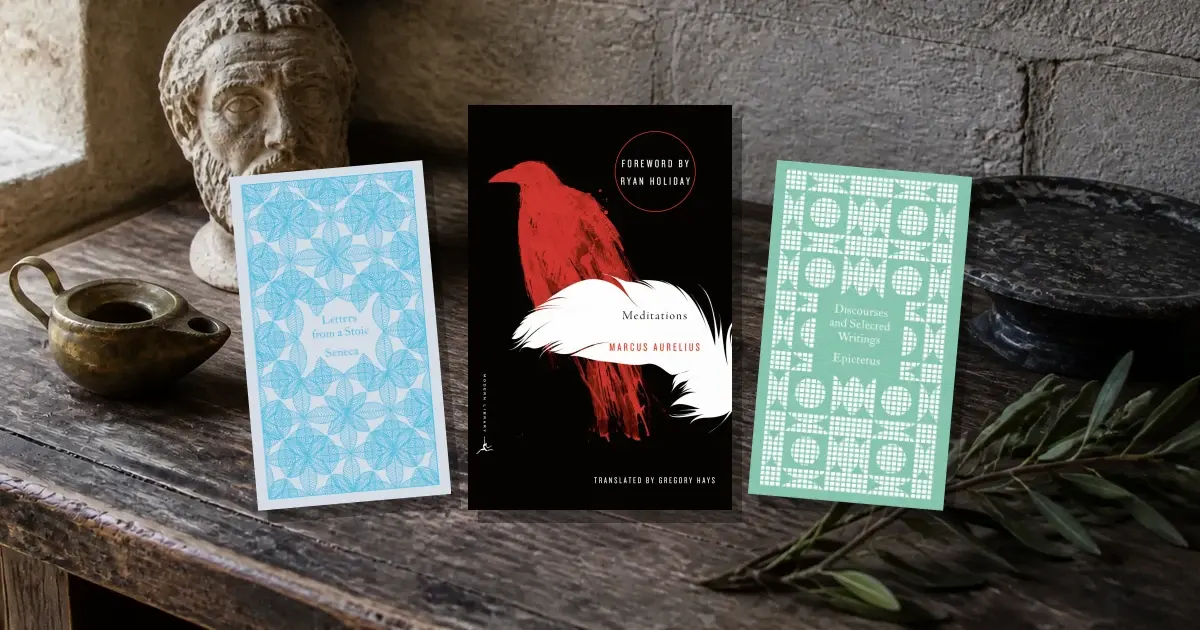
The Best Stoicism Books for Different Starting Points
Stoic reading works best when matched to appetite: a emperor's private notebook, a friendly letter course, demanding classroom transcripts, a modern manual, or a short applied synthesis.
Reading list
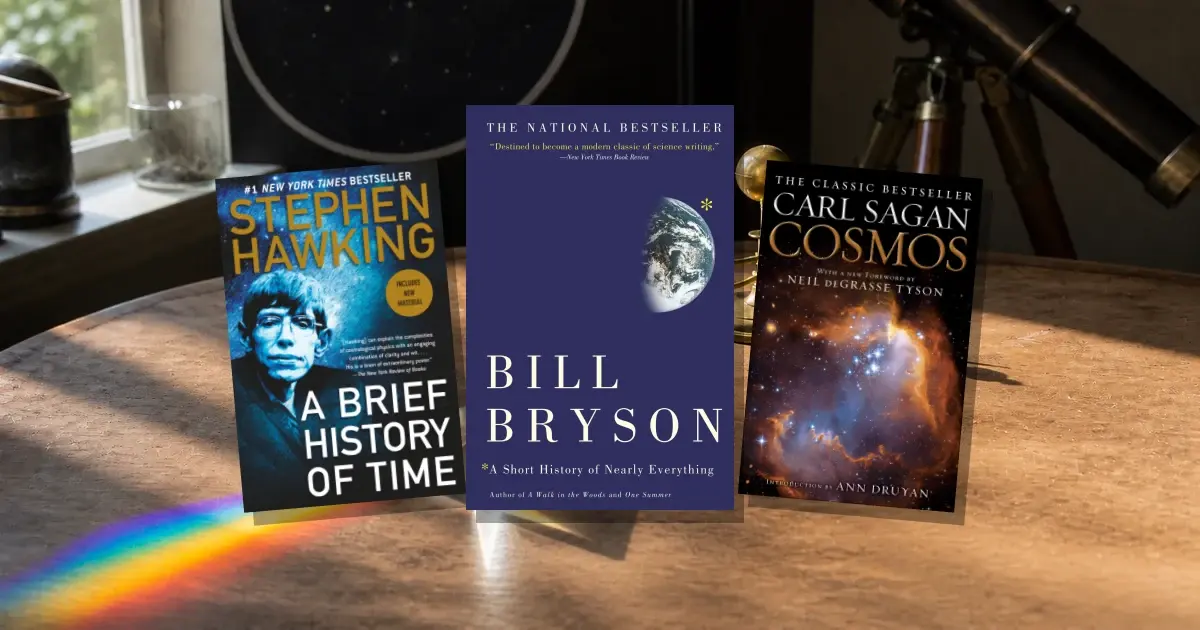
The Best Science Books: A Curated General Selection
A curated general selection for readers already comfortable with big ideas: cosmic history, the physics of space and time, and how scientific knowledge is tested.
Reading list
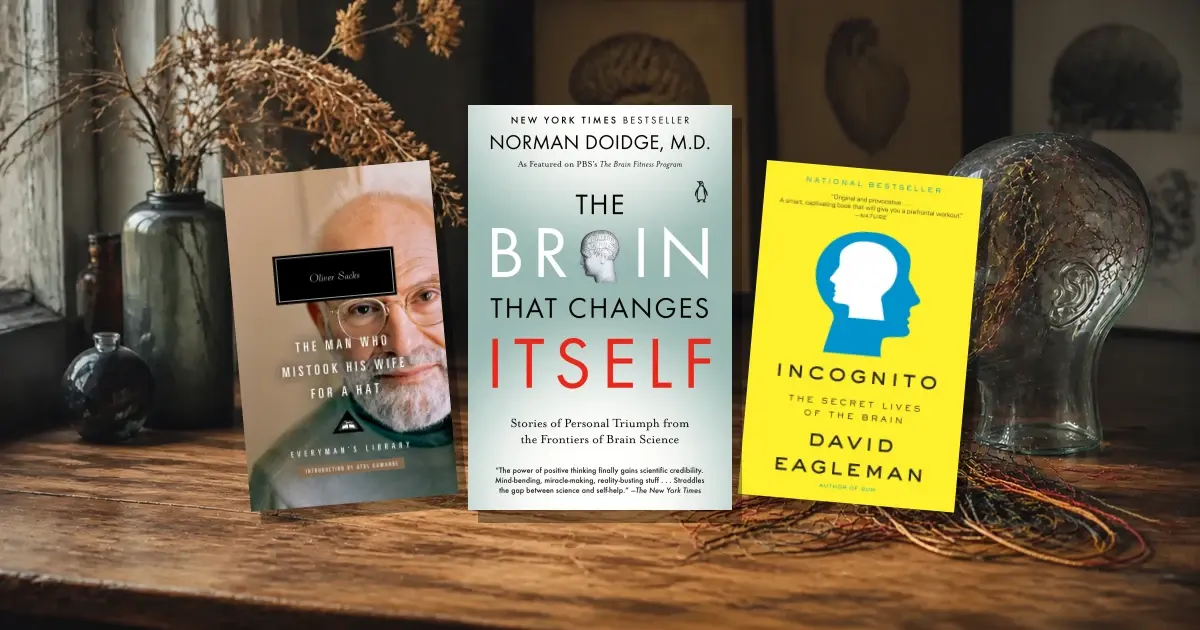
The Best Brain Books for Different Levels of Wonder
Five books, five doors into neuroscience: plasticity as hope, clinical cases as literature, the unconscious as CEO, emotion as construction, and consciousness as controlled hallucination.
Reading list
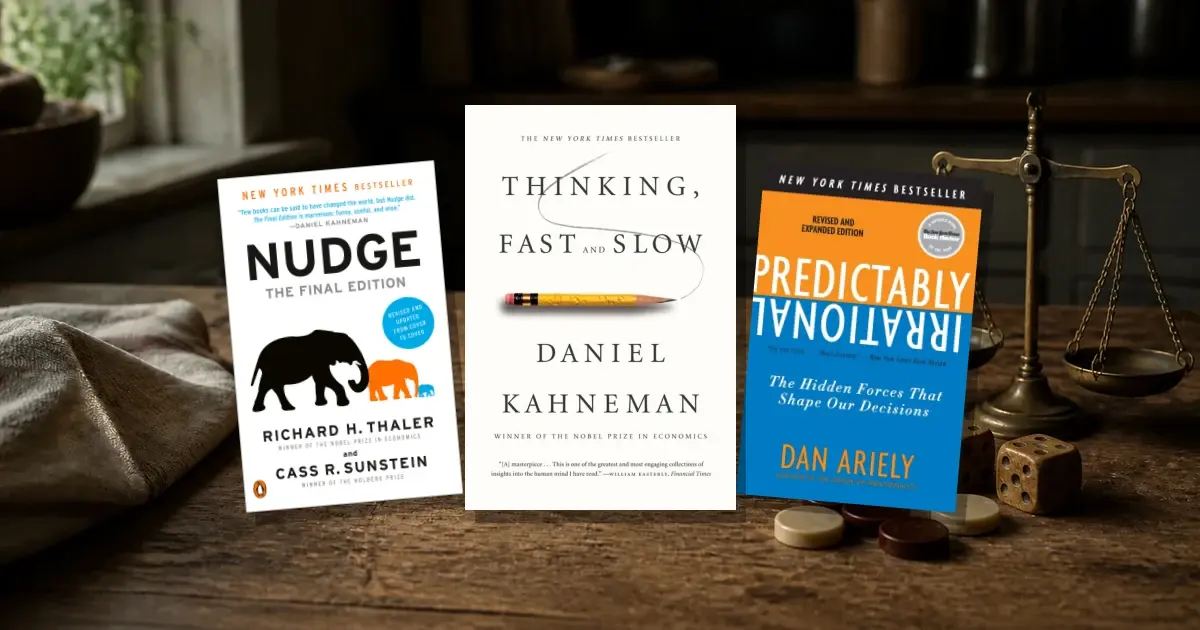
The Best Decision-Making Books for Different Judgment Failures
Bad decisions have different root causes: faulty intuition, badly designed options, mispriced value, inherited theory, or noisy feedback. Match the book to the failure you actually have.
Reading list
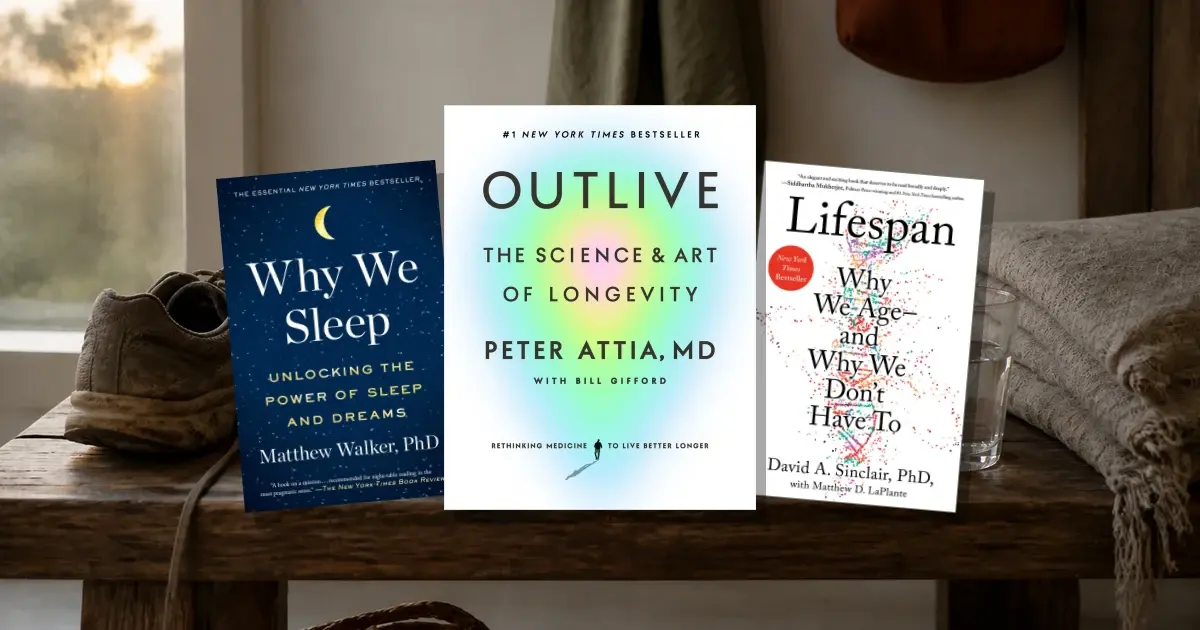
The Best Longevity Books for Different Health Levers
Longevity books pull different levers: exercise and medical risk, sleep, the biology of aging itself, everyday environments, or the forgotten variable of how you breathe.
Reading list
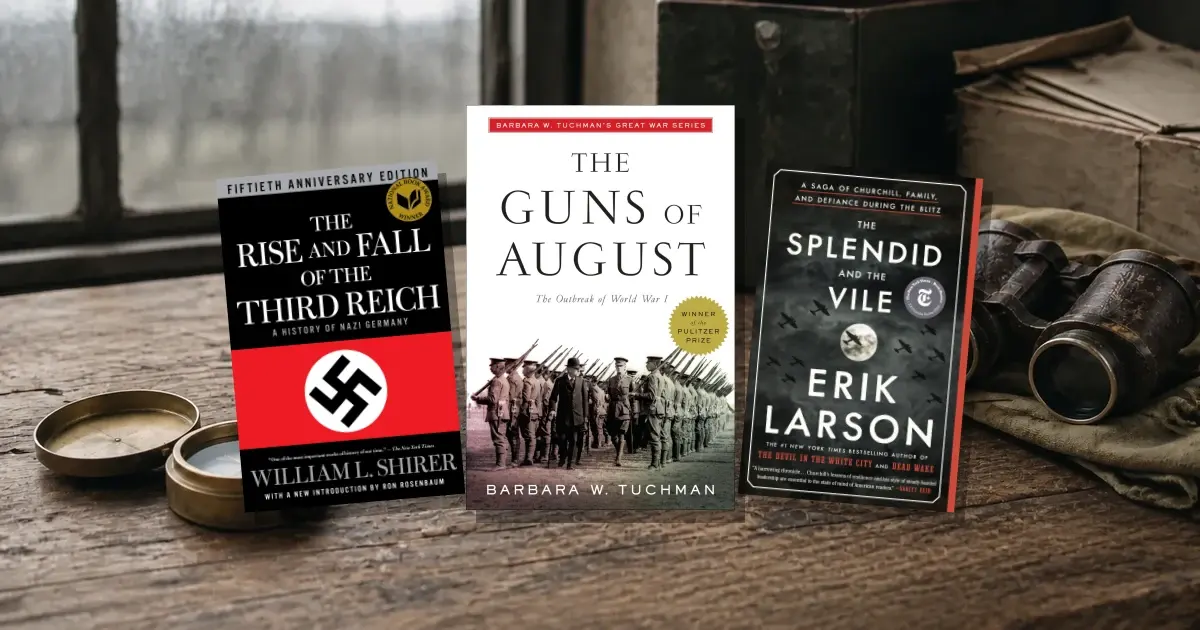
The Best World War II History Books, Plus How the First Began
Four narrative histories of the Second World War, on the regime, the Blitz, one company and the bomb, plus Barbara Tuchman's account of how the First World War began in 1914.
Reading list
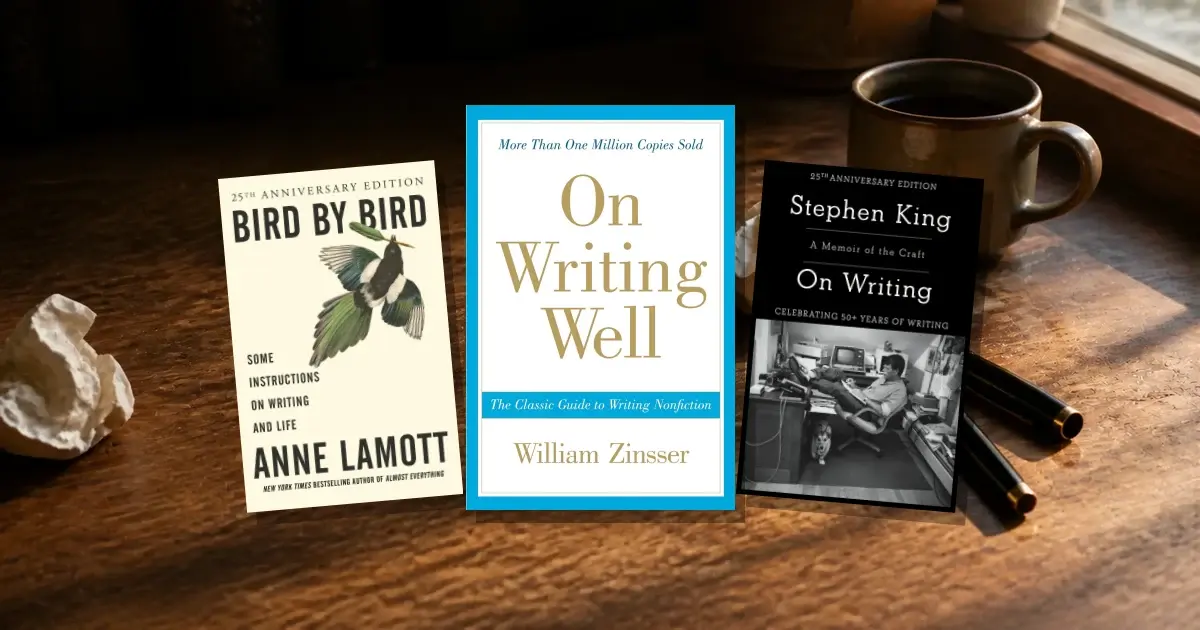
The Best Books on Writing and Creative Resistance
Writing books split by what they treat as the real problem: unclear sentences, overwhelming drafts, missing habits, invisible fear, or a joyless relationship with the work.
Reading list
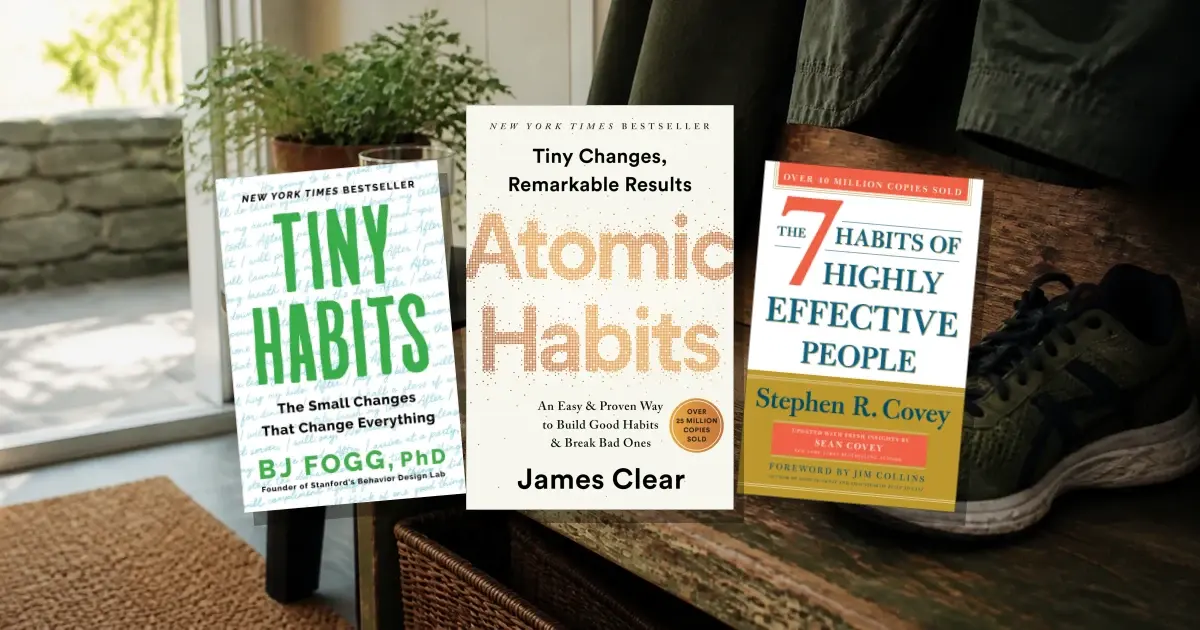
The Best Habit Books for Different Kinds of Stuck
Do not choose by fame alone. Match the book to the point where your behavior breaks: starting, consistency, identity, or priorities.
Reading list
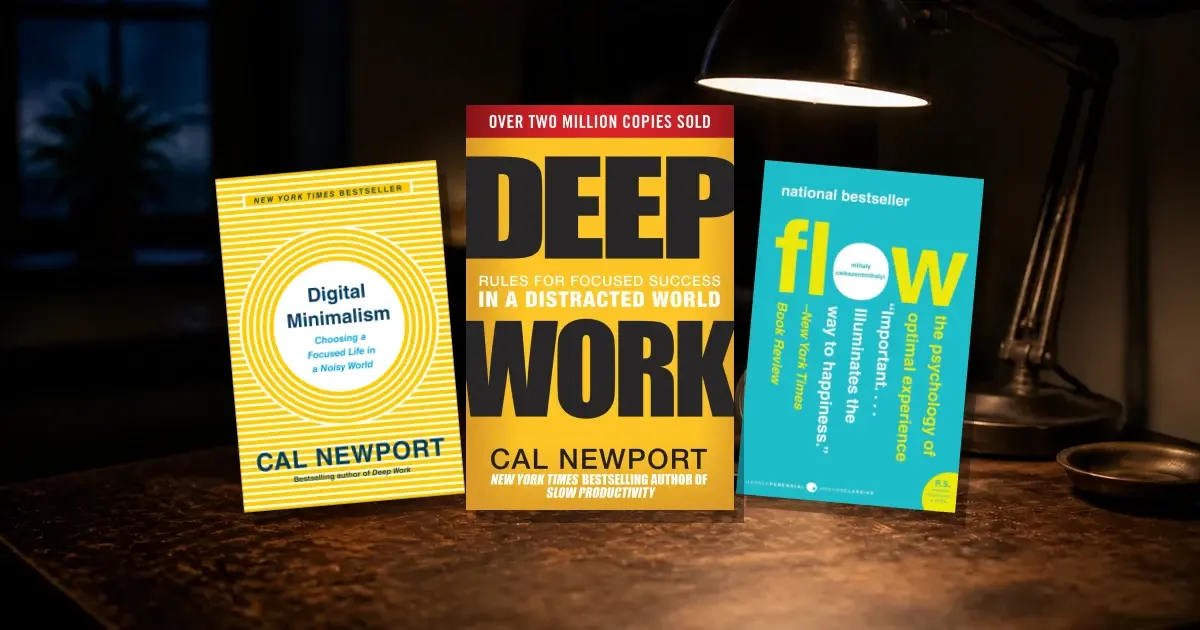
The Best Books on Focus in a Distracted World
Focus is not one problem. These books address work design, technology, immersion, finite time, and compulsive reward from different angles.
Reading list
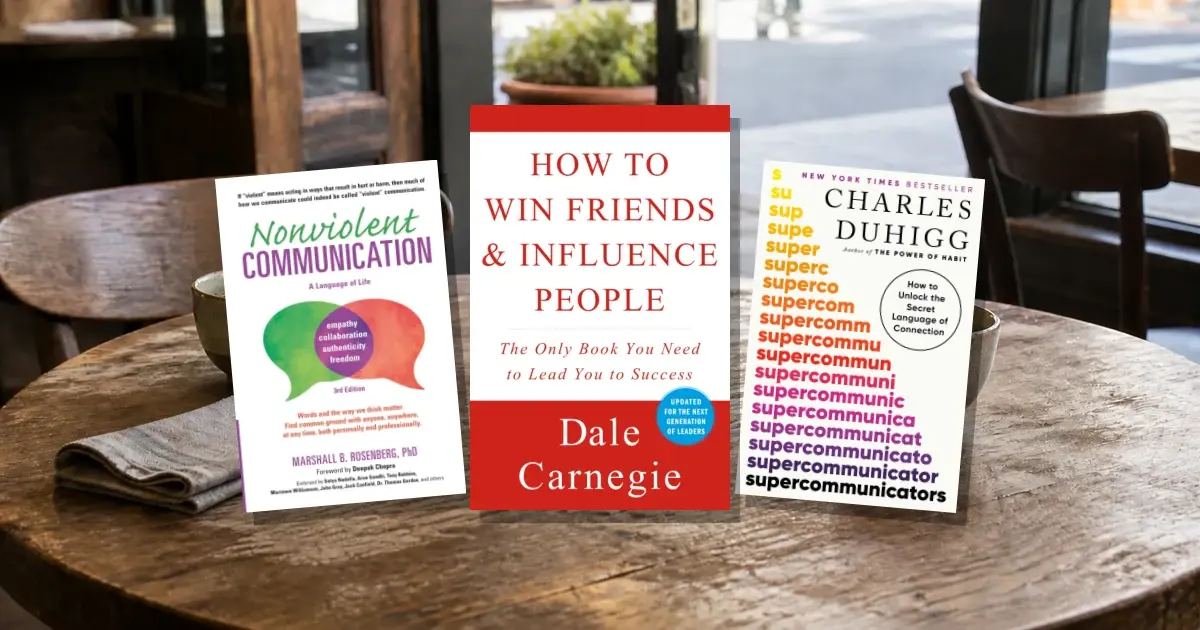
The Best Communication Books for Work and Relationships
Choose a book for the conversation you actually face: rapport, understanding, boundaries, attachment, negotiation, or conflict.
Reading list
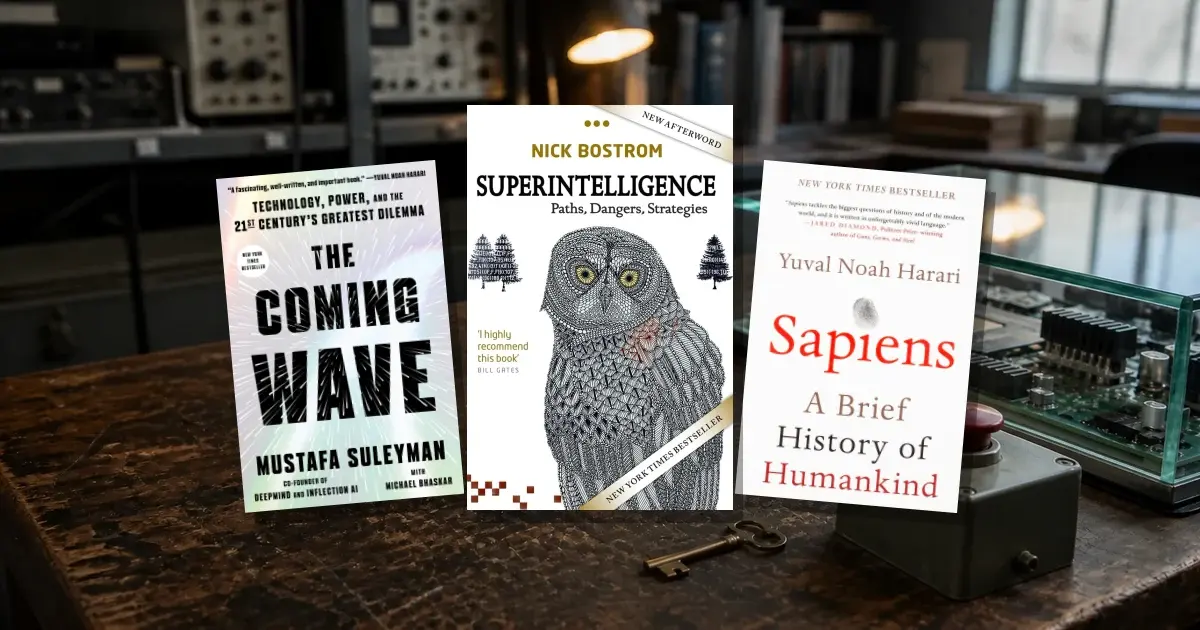
Books for Understanding AI, Power, and Risk
Build a reading stack that includes technical control, institutional containment, human history, and the discipline of checking dramatic claims against evidence.
Reading list
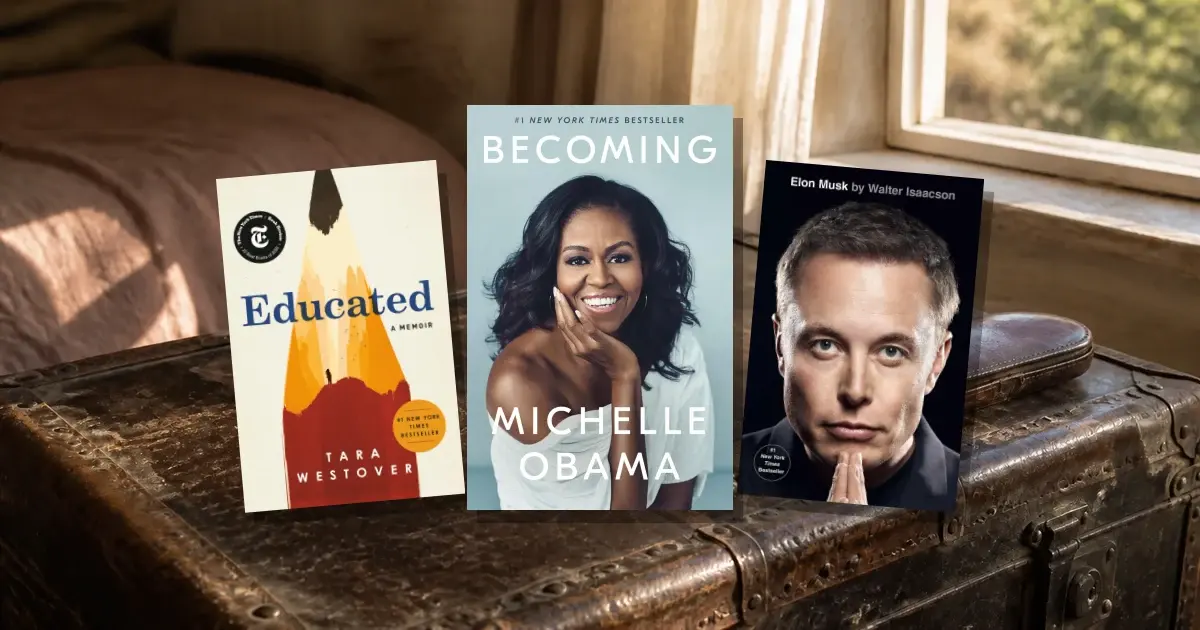
The Best Memoirs About Reinvention, Ambition, and Identity
Three lives show reinvention from different positions: public service, self-education, and technology entrepreneurship—each with a different narrator and cost.
Reading list
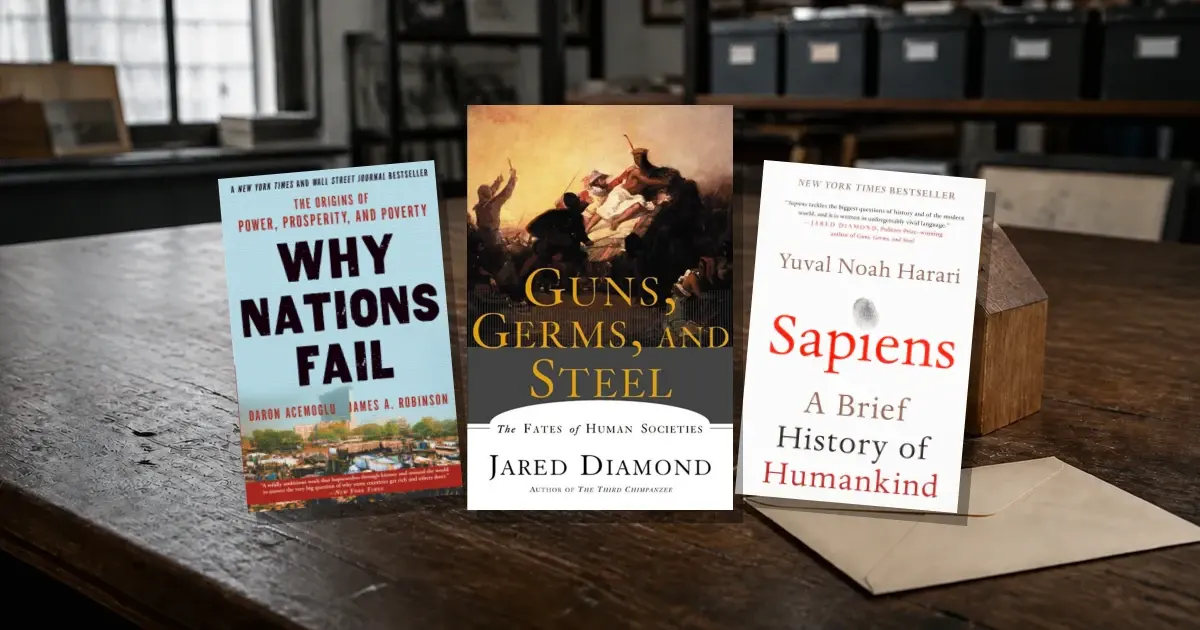
Big-Idea Books That Explain Why Societies Rise, Change, and Divide
Compare geography, institutions, shared stories, data, moral psychology, and one historical case without forcing them into a single grand theory.
Reading smarter

Reading smarter
How to Remember What You Read: An Active Reading Method
Nobody remembers everything they read, and no method changes that. What this one gives you is a reliable route back to a book’s argument, evidence, and limits — worked through one real chapter here.

Reading smarter
When to Read a Book Summary—and When to Read the Whole Book
A summary is a map of an argument, not the full terrain. Choose by purpose, stakes, evidence needs, and the kind of experience the book offers.
Reading smarter
How to Read More Nonfiction: A 30-Day Reading Plan
Reading more is a routine problem, not a speed problem. Choose one book, fix a session small enough to survive a bad day, protect three longer blocks a week, and finish with an explanation you can use.

Reading smarter
How to Build a Personal Learning Path Instead of a Random Reading List
Organize four roles—foundation, practice, counterpoint, and synthesis—around an ability or question you can test.

Reading smarter
How to Tell Whether a Book Summary Is Trustworthy
A reliable summary preserves identity, argument, evidence, uncertainty, and limits—and tells you what compression cannot carry.