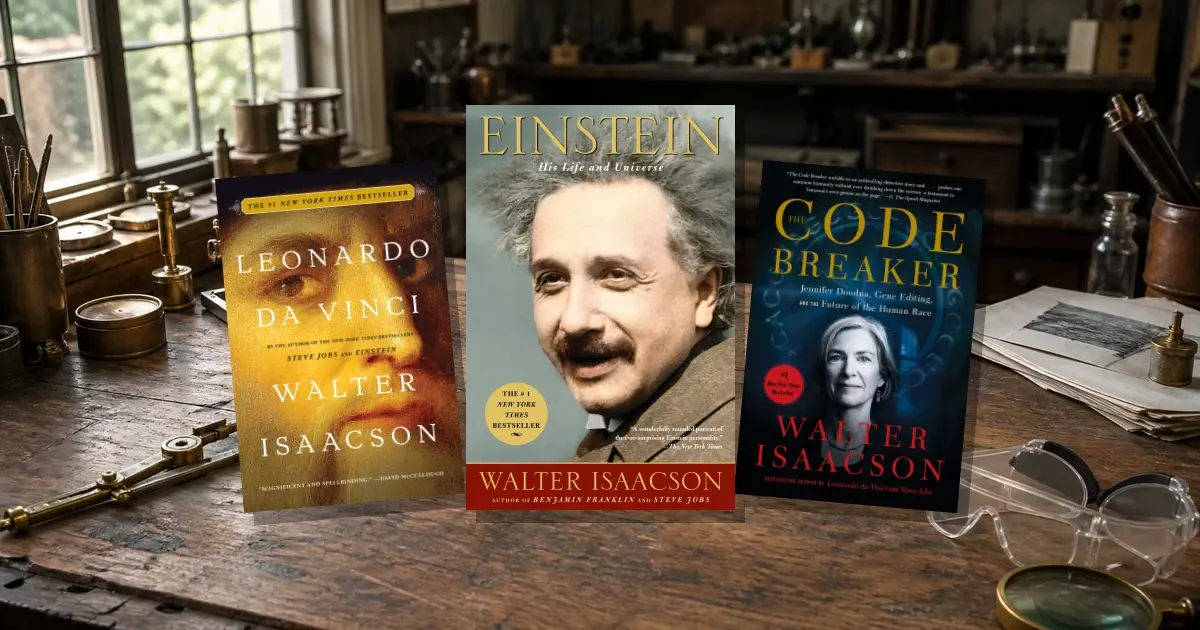

A remembered life is already an interpretation
Memoir usually concentrates on an experience or theme; autobiography often promises a broader account of a life. The boundaries are porous. What matters here is the narrator’s distance from events, the people who remain outside the frame, and the work memory does in turning experience into a story.
Choose the kind of access you want
These selections offer first-person perspectives rather than reported biographies. Their authority comes from that position, while their omissions and retrospective judgments remain part of what a reader should examine.
Learning changes the language of belonging
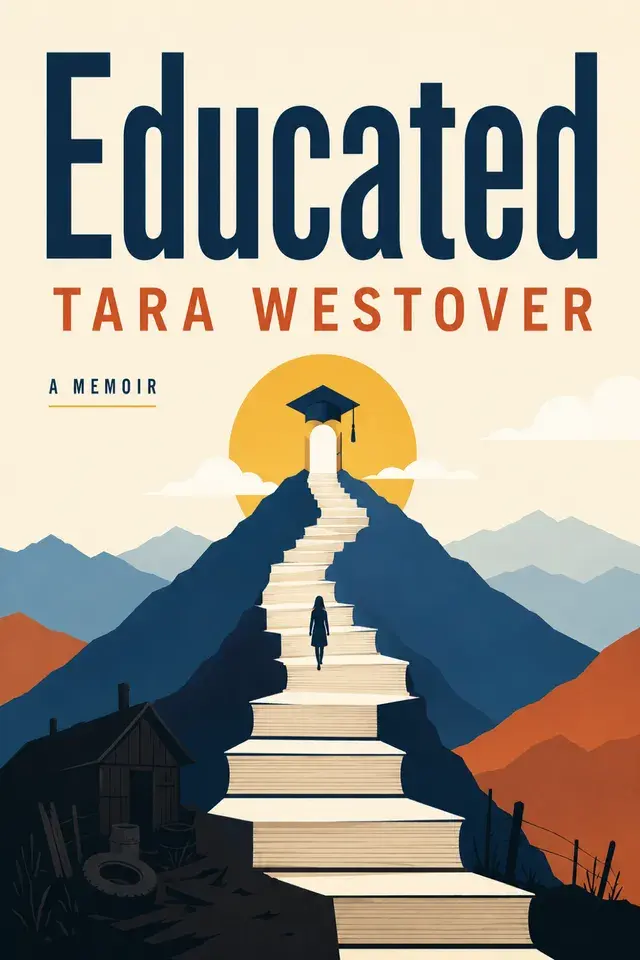
Educated · Tara Westover
Tara Westover describes an education that changes how she understands her upbringing and herself. The central tension is not simply escape followed by success: acquiring another framework for reality also changes the relationships through which an earlier self was formed.
- Read it for
- Education, family loyalty, and the cost of reinterpreting a childhood.
- Keep in mind
- A memoir offers the narrator’s remembered experience; it cannot provide every participant’s account.

Follow the rules hidden inside an ordinary scene
Born a Crime · Trevor Noah
Trevor Noah uses childhood episodes, humor, and his relationship with his mother to make apartheid’s classifications concrete. Notice how a scene can carry both a joke and an explanation of institutions, without becoming a complete history of South Africa.
- Read it for
- How law, language, and family meet in daily life.
- Keep in mind
- The comic form selects and shapes episodes; it is not a comprehensive political history.
A private life inside a public struggle
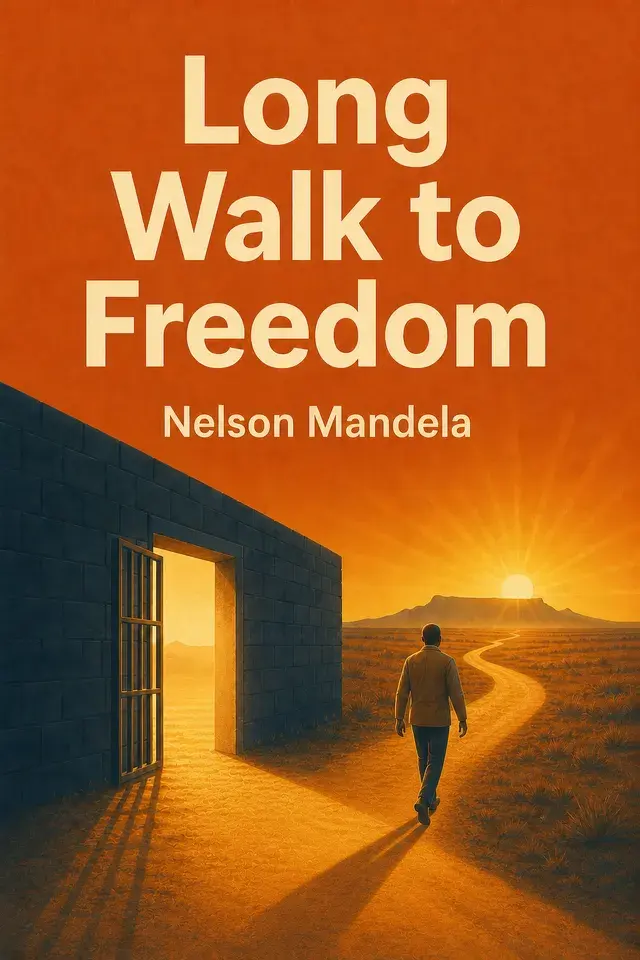
Long Walk to Freedom · Nelson Mandela
Nelson Mandela’s autobiography spans formation, political organizing, imprisonment, and the struggle against apartheid. Its long arc makes commitments and compromises visible over time. Read personal choices alongside the movements and institutions that made collective action possible.
- Read it for
- The relationship between a political commitment and the life it consumes.
- Keep in mind
- A leader’s retrospective account is one perspective on a collective movement.
Notice the narrator changing his mind
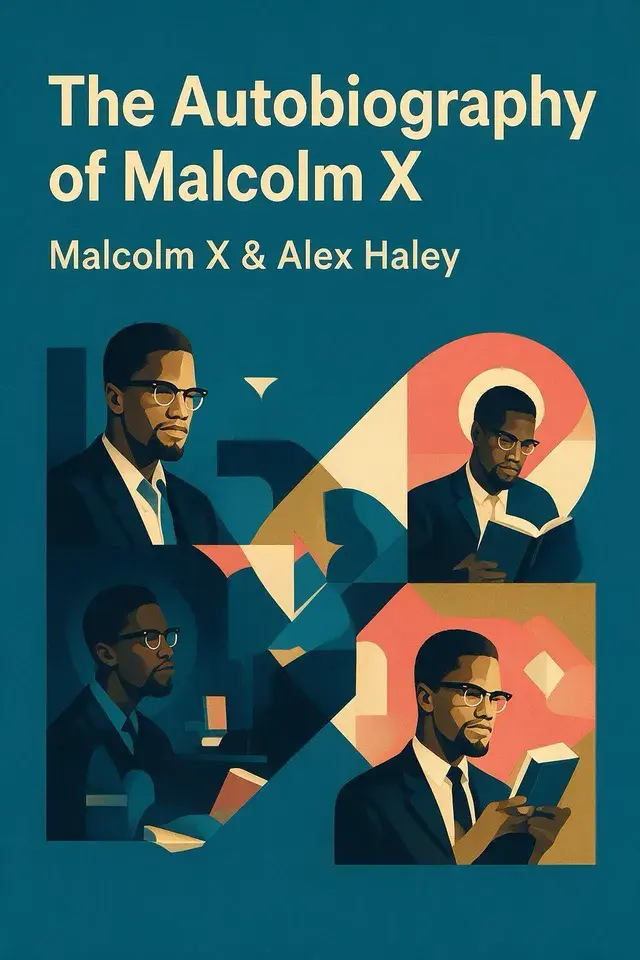
The Autobiography of Malcolm X · Malcolm X & Alex Haley
Malcolm X’s account, shaped through collaboration with Alex Haley, follows several transformations in identity and political understanding. The shifts are essential: treating one period as the permanent key to the entire life erases the book’s movement and the circumstances of its production.
- Read it for
- A life narrative organized around transformation and revision.
- Keep in mind
- The collaboration and editorial frame matter; this is not an unmediated diary.

Let food carry memory without becoming a formula
Crying in H Mart · Michelle Zauner
Michelle Zauner writes about grief, her mother, and Korean American identity through intimate sensory detail. The scale is deliberately personal. Its force comes from particular meals, habits, and relationships, rather than a universal sequence for grieving correctly.
- Read it for
- An intimate account of family, culture, and loss.
- Keep in mind
- One person’s grief is not a timetable or prescription for another’s.
Pair books by a question, not by celebrity
Read Educated beside Born a Crime to compare how institutions enter childhood. Pair Long Walk to Freedom with Malcolm X’s autobiography to watch political identity develop in different circumstances. Give Crying in H Mart its own pace: the density of remembered detail is part of what a summary cannot preserve.
Sources and scope
Book ideas are attributed to their authors. External evidence is linked directly when a claim needs more than the source book.
- Educated: Tara Westover describes an education that changes how she understands her upbringing and herself. The central tension is not simply escape followed by success: acquiring another framework for reality also changes the relationships through which an earlier self was formed. Scope: A memoir offers the narrator’s remembered experience; it cannot provide every participant’s account.
- Born a Crime: Trevor Noah uses childhood episodes, humor, and his relationship with his mother to make apartheid’s classifications concrete. Notice how a scene can carry both a joke and an explanation of institutions, without becoming a complete history of South Africa. Scope: The comic form selects and shapes episodes; it is not a comprehensive political history.
- Long Walk to Freedom: Nelson Mandela’s autobiography spans formation, political organizing, imprisonment, and the struggle against apartheid. Its long arc makes commitments and compromises visible over time. Read personal choices alongside the movements and institutions that made collective action possible. Scope: A leader’s retrospective account is one perspective on a collective movement.
- The Autobiography of Malcolm X: Malcolm X’s account, shaped through collaboration with Alex Haley, follows several transformations in identity and political understanding. The shifts are essential: treating one period as the permanent key to the entire life erases the book’s movement and the circumstances of its production. Scope: The collaboration and editorial frame matter; this is not an unmediated diary.
- Crying in H Mart: Michelle Zauner writes about grief, her mother, and Korean American identity through intimate sensory detail. The scale is deliberately personal. Its force comes from particular meals, habits, and relationships, rather than a universal sequence for grieving correctly. Scope: One person’s grief is not a timetable or prescription for another’s.
To report a factual, attribution, rights, or accessibility concern, email hello@wiseley.app.