
Use a summary to orient and decide
A strong summary can identify the central question, argument, structure, important qualifications, and a useful reading path. Use it when you are comparing several books, refreshing a title you already read, testing whether a topic deserves deeper attention, or recovering the map before a discussion. A summary should save orientation time. It should not pretend that compression preserves every example, source, ambiguity, voice, or emotional effect.
- Compare: which book asks the question you actually have?
- Preview: does the argument and method justify a full read?
- Recall: can the summary reactivate a book you previously studied?
Read the full book when the missing texture matters
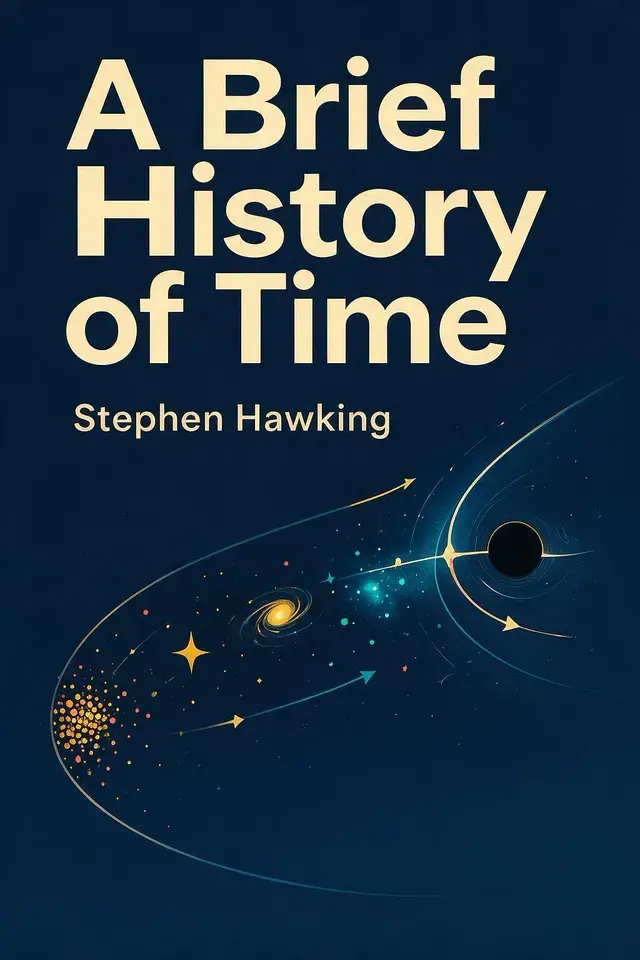
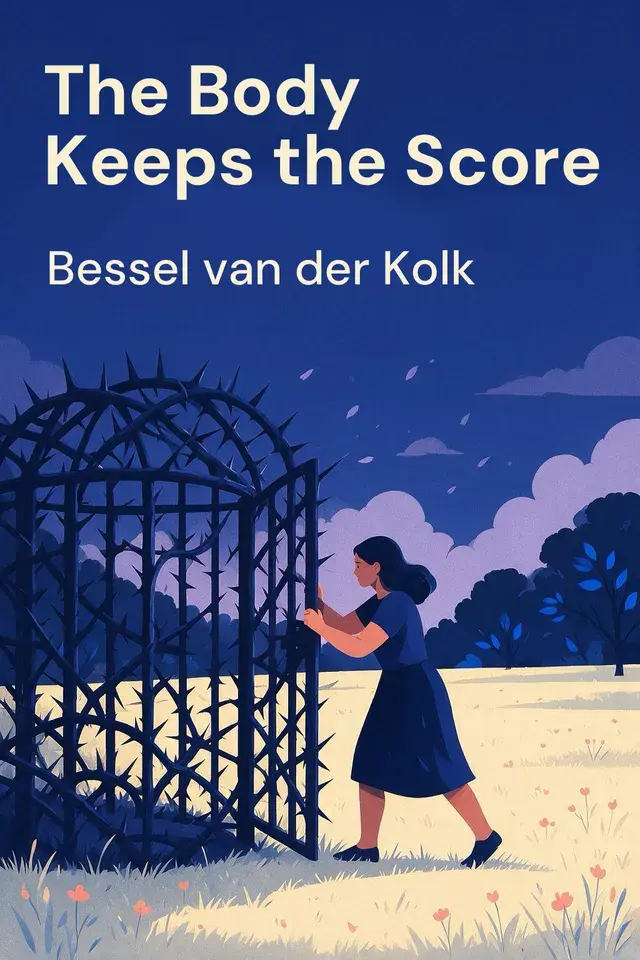
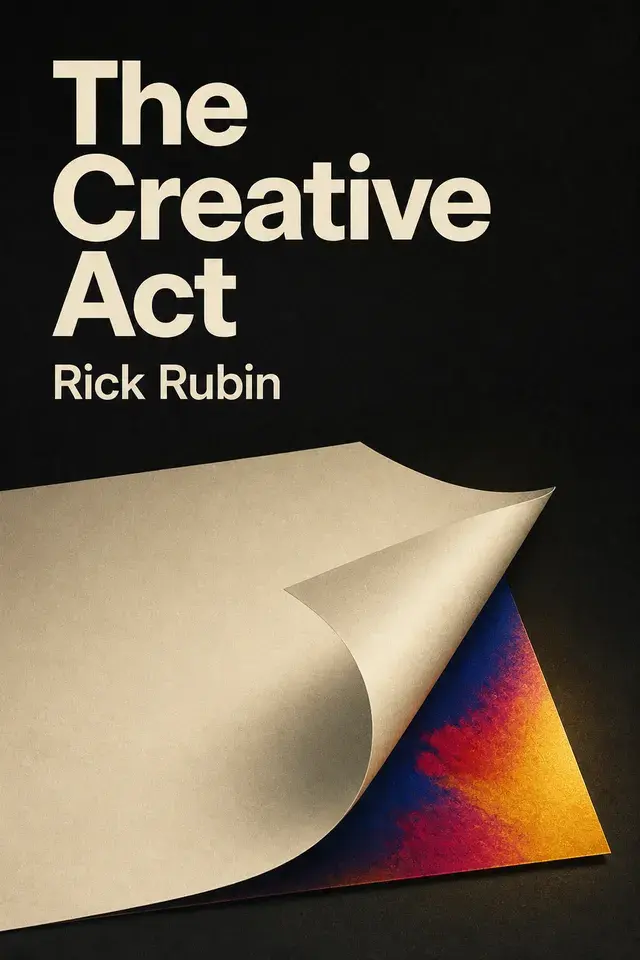
Choose the complete work when you must evaluate evidence, follow a technical derivation, understand contested claims, experience the author’s voice, or make a high-stakes decision. A cosmology summary can explain the path of an argument without replacing the work’s explanations. A trauma-related summary must never become medical direction. A creativity summary may name themes while omitting the pacing and open-ended encounter that give the work much of its value. Depth is not always about difficulty; sometimes it is the point.
- Evidence matters: inspect sources, examples, and qualifications in context.
- Stakes are high: consult the full work and current qualified sources.
- Voice is the value: read the author rather than only the extracted proposition.
Use a summary-full book-summary loop
Preview the summary and write two questions. Read the chapters most likely to answer them, then widen if the argument depends on earlier evidence. Afterward, return to the summary and mark what it captured, compressed, or made newly visible. This loop treats the summary as navigation and retrieval support, not an interchangeable edition. If a summary leaves you with certainty but no sense of evidence or limits, it has probably compressed too aggressively.
- Before: two questions and one reason to continue.
- During: source context, counterexamples, and passages worth locating again.
- After: argument from memory plus what the summary necessarily left out.
Sources and scope
Book ideas are attributed to their authors. External evidence is linked directly when a claim needs more than the source book.
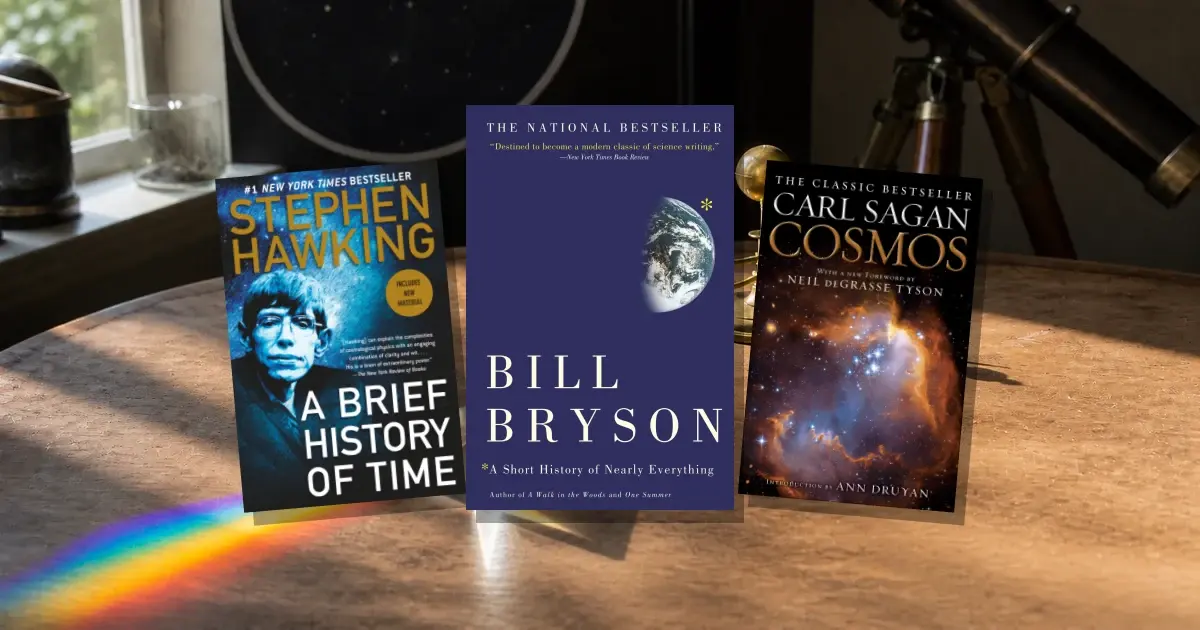
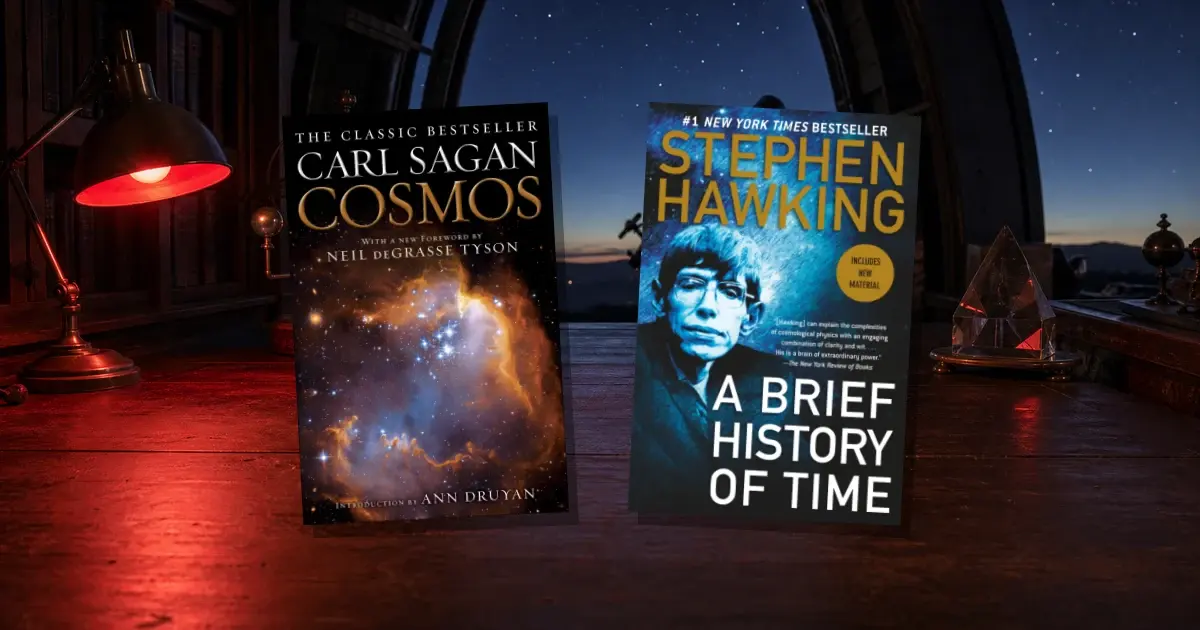
- A Brief History of Time: Example of a conceptually dense work whose complete explanations exceed a summary map.
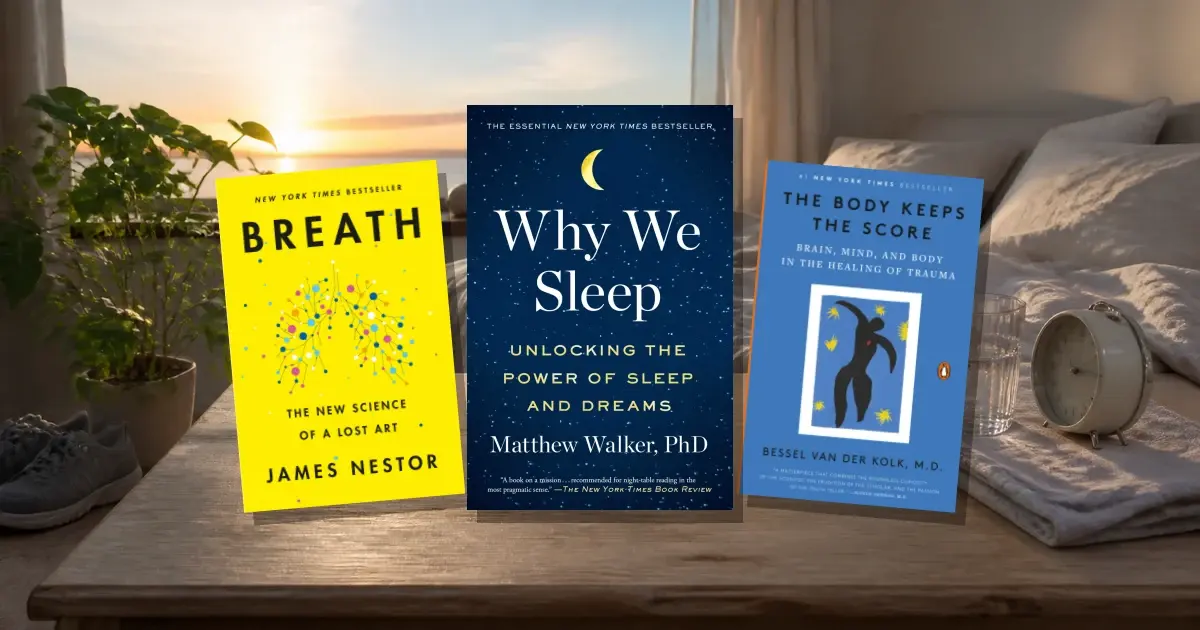
- The Body Keeps the Score: Example where health stakes require full context and current qualified evidence rather than summary-based advice.
- The Creative Act: Example of a work whose voice, sequence, and open-ended reflection are part of the reading value.
To report a factual, attribution, rights, or accessibility concern, email hello@wiseley.app.
Questions readers ask
Can a summary replace a nonfiction book?
It can replace an initial orientation or refresh, not the complete evidence, voice, and context. Whether that is enough depends on your purpose and the stakes of being wrong.
Should I read the summary before or after the book?
Before, it can provide a map and questions. After, it can support retrieval and comparison. Avoid using it before reading when surprise, narrative development, or the author’s full voice is central to the experience.