Productivity book summaries
Methods for focused work, deliberate learning, priorities, career transitions, and sustainable progress.
Productivity is not one problem. Attention, energy, priorities, skill, and organizational constraints call for different tools. This collection keeps those distinctions intact so readers can choose a system for the bottleneck they actually have.
Workload, focus and habits are separate problems, and the lists below route you to the one you are actually facing.
Start with a focused list
This page is the complete productivity catalog. If you already know which question you are answering, these shorter selections narrow it down first.
- Productivity books by the kind of overload — Open loops, too many commitments, no clear priority, an avoided task and an unsustainable pace each need a different method.
- Focus books for a distracted week — Work design, technology, immersion, finite time and compulsive reward approached as distinct causes of distraction.
- Habit books by where you get stuck — A repeatable routine is a different problem from concentration, and these books address it directly.
- Deep work in a meeting-heavy week — How to protect useful concentration without pretending you own an empty calendar.
Books in this collection
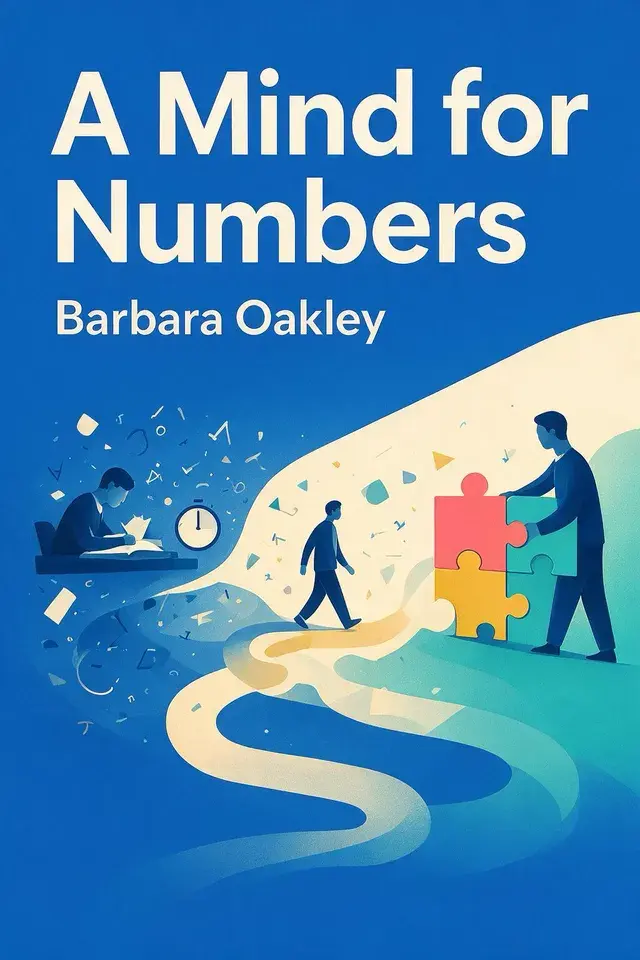
A Mind for Numbers
A Mind for Numbers asks whether mathematical and scientific ability is fixed or learnable. Barbara Oakley pairs her own retraining story with a practical account of focused and diffuse thinking, chunking, memory, practice, procrastination, and testing. The framework shows how to build durable understanding and more reliable recall through deliberate study.
8 chapters in Wiseley’s productivity catalog.

Deep Work
Cal Newport’s Deep Work asks how people can learn difficult skills and produce valuable results when constant connectivity fragments attention. It argues for distraction-free concentration as both an economic advantage and a source of meaning, then develops practical systems for routines, attention training, tool selection, leisure, scheduling, and communication boundaries.
9 chapters in Wiseley’s productivity catalog.

Digital Minimalism
Cal Newport’s Digital Minimalism asks how to use connected technologies without surrendering attention, solitude, conversation, or meaningful leisure. This audio-first summary follows the attention arms race, a values-based declutter, and practical ways to choose, constrain, and replace digital habits so technology serves a deliberately chosen life.
6 chapters in Wiseley’s productivity catalog.

Eat That Frog!
Eat That Frog! asks how people can make meaningful progress when demands exceed available time. Brian Tracy’s answer is a practical system for clarifying goals, ranking consequences, removing bottlenecks, preparing well, and finishing the hardest high-value task first—turning selective attention and repeated action into more reliable performance.
5 chapters in Wiseley’s productivity catalog.
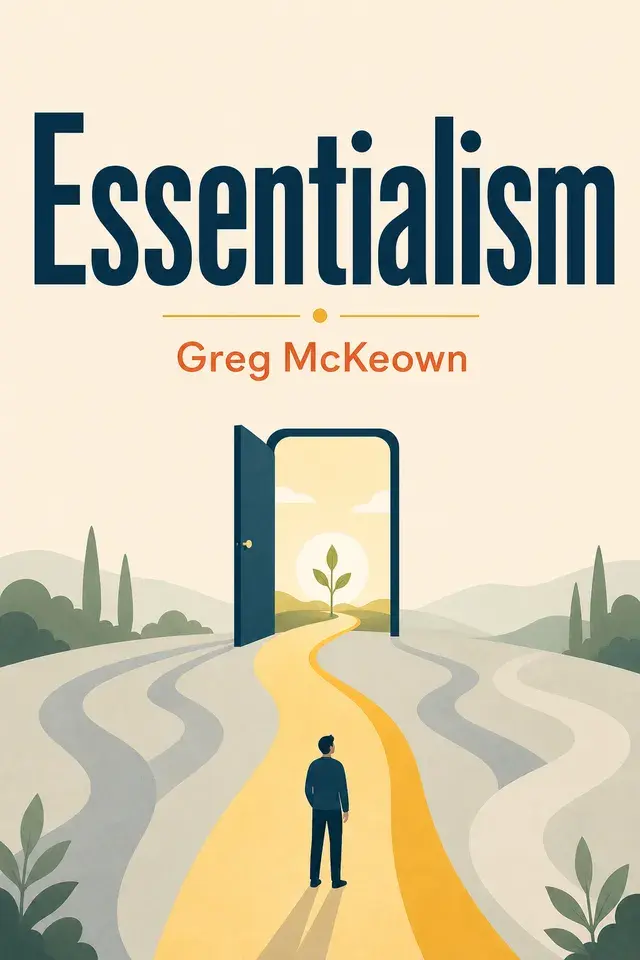
Essentialism
Essentialism asks how to direct limited time and attention toward what matters most when choices, demands, and opinions multiply. McKeown’s method combines discernment, deliberate trade-offs, active elimination, and easier execution, then applies the same logic to personal priorities, daily focus, and leadership.
12 chapters in Wiseley’s productivity catalog.

Free to Learn
Free to Learn asks why children’s freedom to play, explore, and direct their learning has narrowed, and what that loss means for motivation, well-being, and responsibility. Drawing on hunter-gatherer childhoods, psychological research, Sudbury Valley, age mixing, and parenting examples, it considers how communities might restore self-directed education.
8 chapters in Wiseley’s productivity catalog.
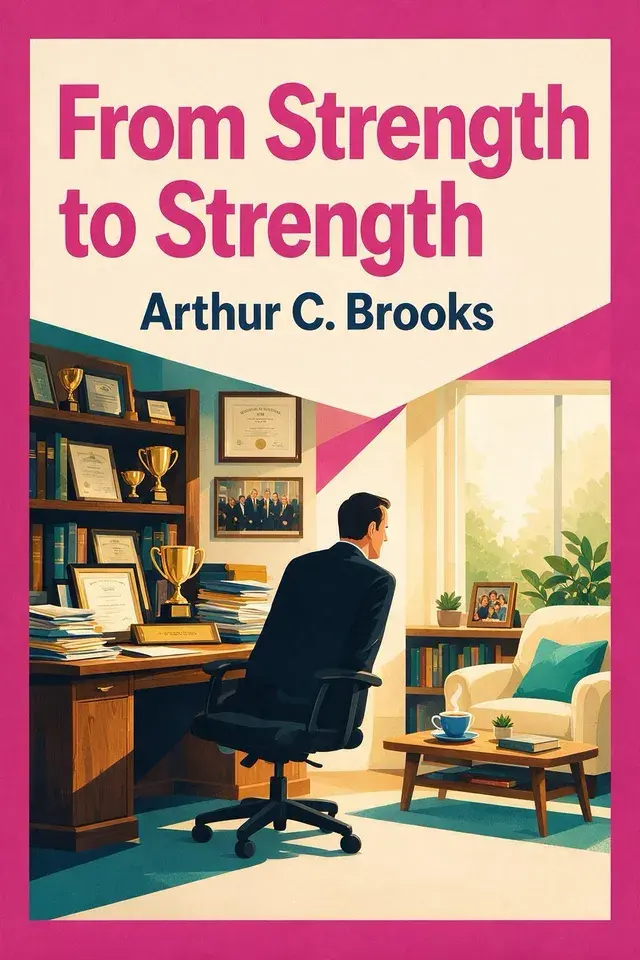
From Strength to Strength
Arthur C. Brooks asks why professional decline can arrive before we expect and why achievement can make it harder to accept. He maps a second curve built on wisdom, relationships, spirituality, service, and vulnerability, offering a framework for turning changing abilities into a more meaningful form of success.
8 chapters in Wiseley’s productivity catalog.

Getting Things Done
How can a person stay clear-headed when work, family, information, and promises keep multiplying? Getting Things Done presents a workflow for capturing open commitments, clarifying outcomes and next actions, organizing reminders, reviewing them, and choosing what to do. Its practical value lies in turning mental pressure into visible, renegotiable control.
7 chapters in Wiseley’s productivity catalog.
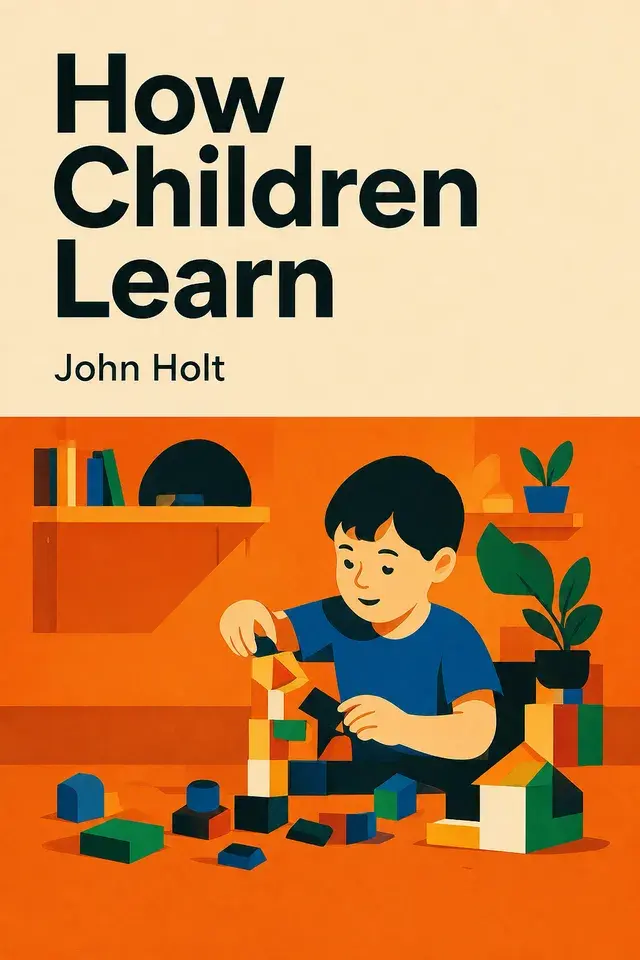
How Children Learn
How Children Learn examines how children build understanding through curiosity, play, language, reading, hands-on work, and imagination. Its central question is whether education should direct them toward fixed skills or protect their own investigations. The book offers a way to observe learners, reduce fear, and support independent judgment.
10 chapters in Wiseley’s productivity catalog.
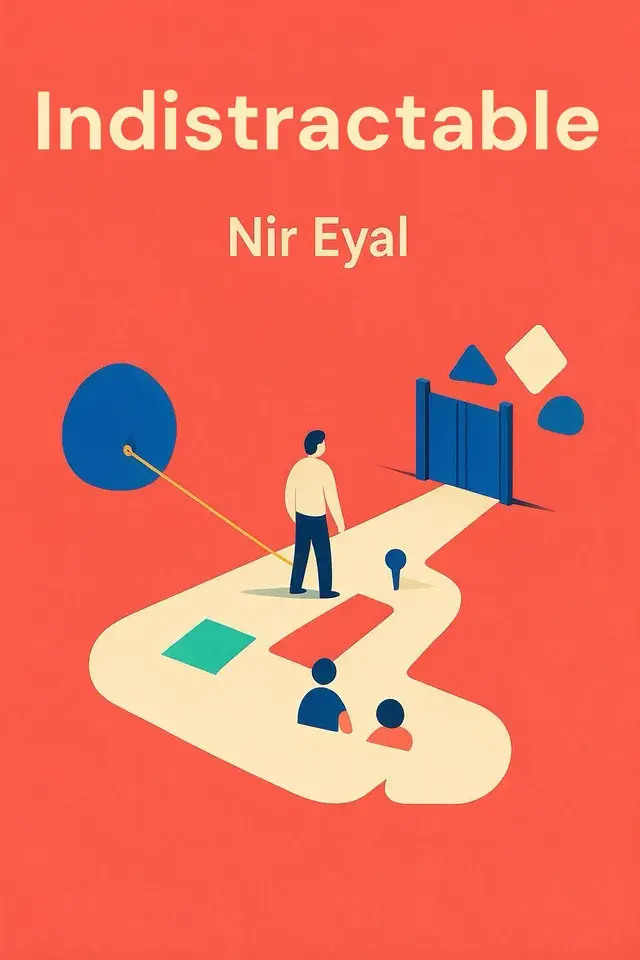
Indistractable
Indistractable asks why attention slips from chosen goals and how people can reclaim it. It explains the roles of internal discomfort, timeboxed values, external cues, and precommitments, then applies the framework to workplace culture, parenting, and intimate relationships—offering a practical way to protect attention in social settings.
8 chapters in Wiseley’s productivity catalog.
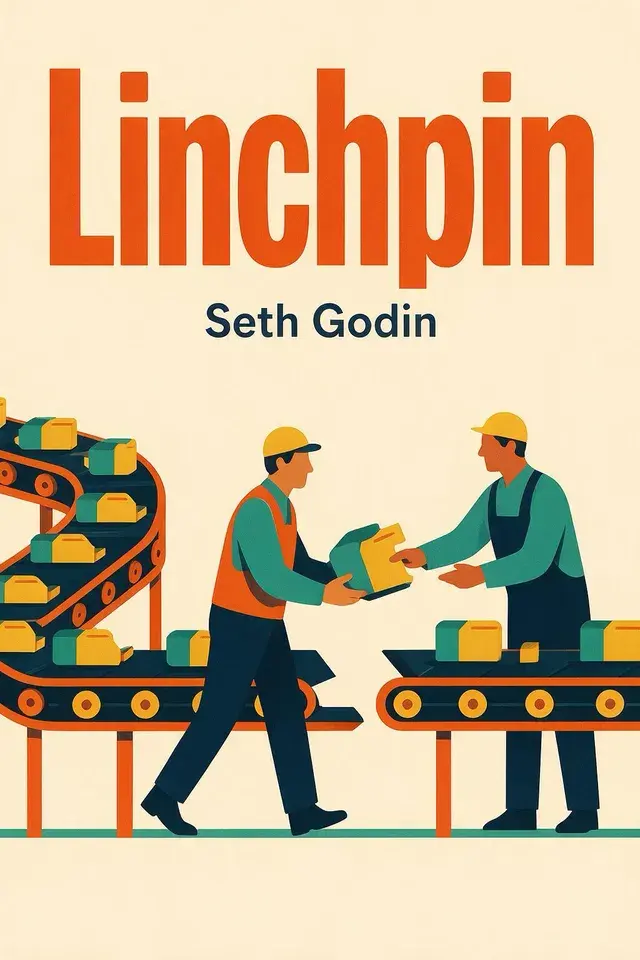
Linchpin
Linchpin examines how work changes when obedience and routine become easy to replace: what makes a person genuinely indispensable? It connects creativity, emotional labor, generosity, judgment, and the discipline of shipping to practical choices about contribution, fear, relationships, and meaningful work.
20 chapters in Wiseley’s productivity catalog.
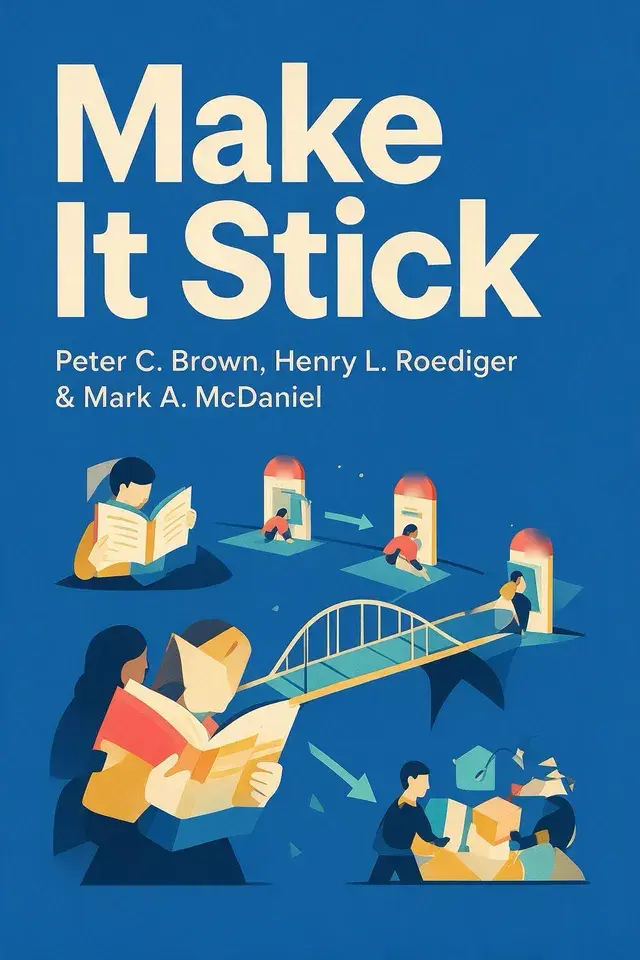
Make It Stick
Make It Stick asks why rereading, cramming, and other fluent-feeling habits produce fragile learning, and how retrieval, spacing, varied practice, reflection, feedback, and calibrated self-testing build durable knowledge. It connects memory research to classrooms, professional training, and everyday mastery, giving learners a framework for knowledge that transfers.
10 chapters in Wiseley’s productivity catalog.
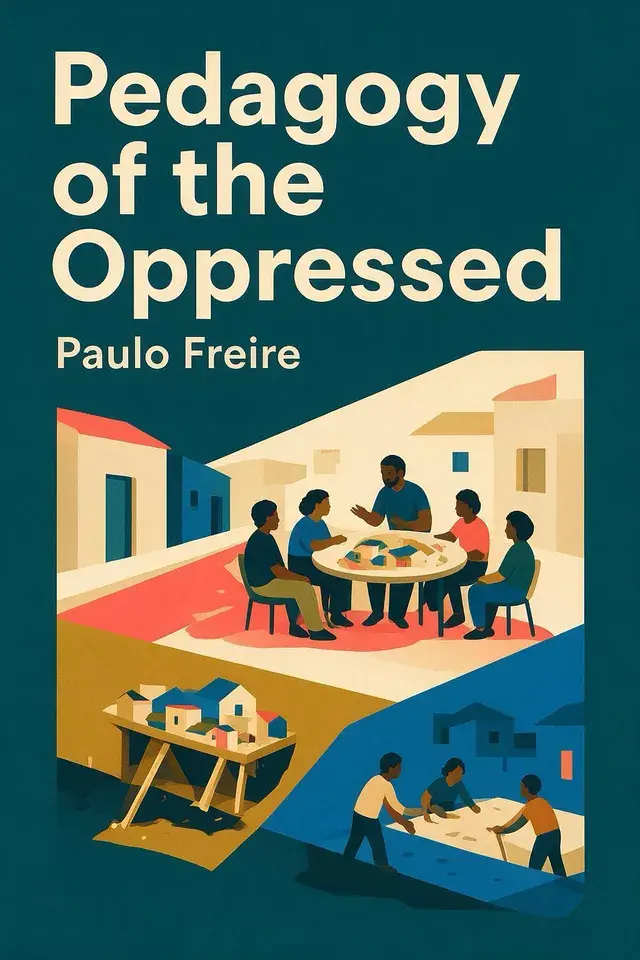
Pedagogy of the Oppressed
How can education help people recognize and transform oppression rather than reproduce it? Paulo Freire develops a hopeful, dialogical practice rooted in lived experience, rigorous inquiry, and collective action. This summary follows the movement from internalized domination to critical consciousness, democratic teaching, solidarity, and the continual reinvention of power.
5 chapters in Wiseley’s productivity catalog.

Range
Range asks whether excellence is best built through an early, narrow head start or through broad exploration followed by focused practice. Drawing on sport, learning, careers, forecasting, science, and innovation, it shows when specialization helps, when it creates blind spots, and how adaptable thinking transfers across unfamiliar problems.
9 chapters in Wiseley’s productivity catalog.
Slow Productivity
Slow Productivity examines why knowledge work turns visible busyness into a false measure of value, and asks how ambitious people can produce meaningful results without permanent overload. It develops three principles—do fewer things, work at a natural pace, and obsess over quality—then turns them into adaptable practices.
10 chapters in Wiseley’s productivity catalog.
Smarter Faster Better
Smarter Faster Better asks how people and organizations can achieve meaningful results without equating productivity with busyness or sacrifice. Through cases in motivation, teamwork, focus, goals, management, decisions, innovation, and data use, it shows how choice, mental models, trust, uncertainty, creative recombination, and active learning shape better work and life.
9 chapters in Wiseley’s productivity catalog.

So Good They Can't Ignore You
Why do satisfying careers so often emerge without a clear calling? Cal Newport challenges passion-first advice and traces a practical sequence: develop rare skills, accumulate career capital, exchange it for sustainable control, and test meaningful missions through patient experiments. The framework clarifies how to work toward better work.
5 chapters in Wiseley’s productivity catalog.

The 4-Hour Workweek
The 4-Hour Workweek asks how people can replace deferred retirement with a life organized around time, mobility, and chosen experiences. Ferriss’s DEAL framework—Definition, Elimination, Automation, and Liberation—connects dream-setting, selective productivity, automated cash flow, remote work, mini-retirements, learning, and service into a method for redesigning work and freedom.
20 chapters in Wiseley’s productivity catalog.
The Anxious Generation
Why did adolescent anxiety, depression, self-harm, and disconnection rise as childhood moved from free play toward smartphones? Jonathan Haidt examines the developmental tradeoffs behind that shift, distinguishes girls’ and boys’ pathways, and proposes coordinated ways for families, schools, governments, and technology companies to restore play, independence, community, and healthier digital boundaries.
11 chapters in Wiseley’s productivity catalog.
The Defining Decade
The Defining Decade asks why the twenties matter when adulthood is delayed and uncertain. It connects work, relationships, brain development, personality, fertility, and time perception, showing how informed commitments and concrete action build options while drift can quietly narrow them.
7 chapters in Wiseley’s productivity catalog.
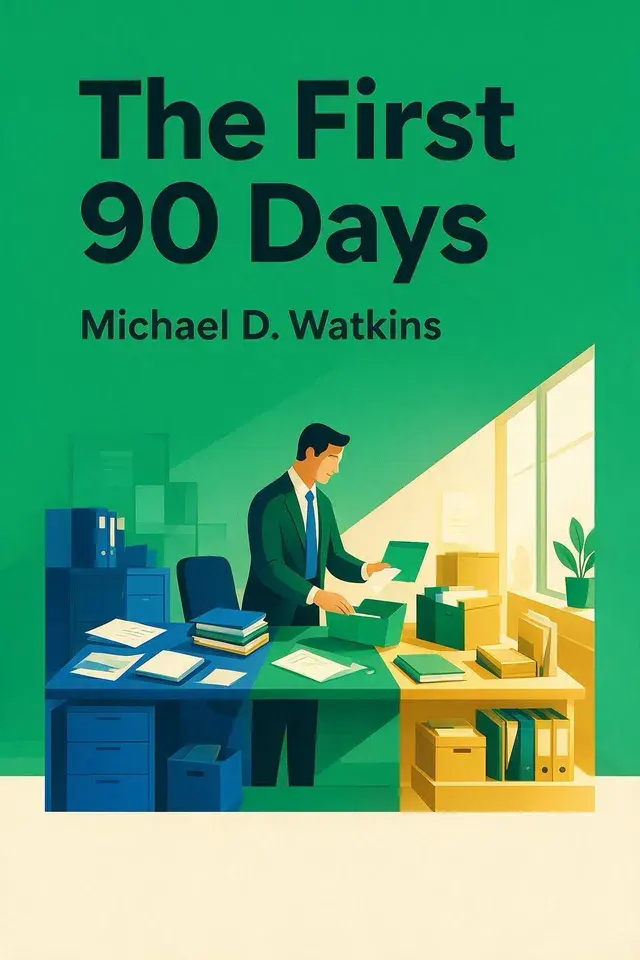
The First 90 Days
The First 90 Days examines how leaders enter a new role, learn the organization, diagnose its situation, build credibility, align people and systems, and manage themselves. It asks how a vulnerable transition can become early momentum and lasting organizational value, offering a practical way to decide what to learn, whom to align, and what to change first.
10 chapters in Wiseley’s productivity catalog.
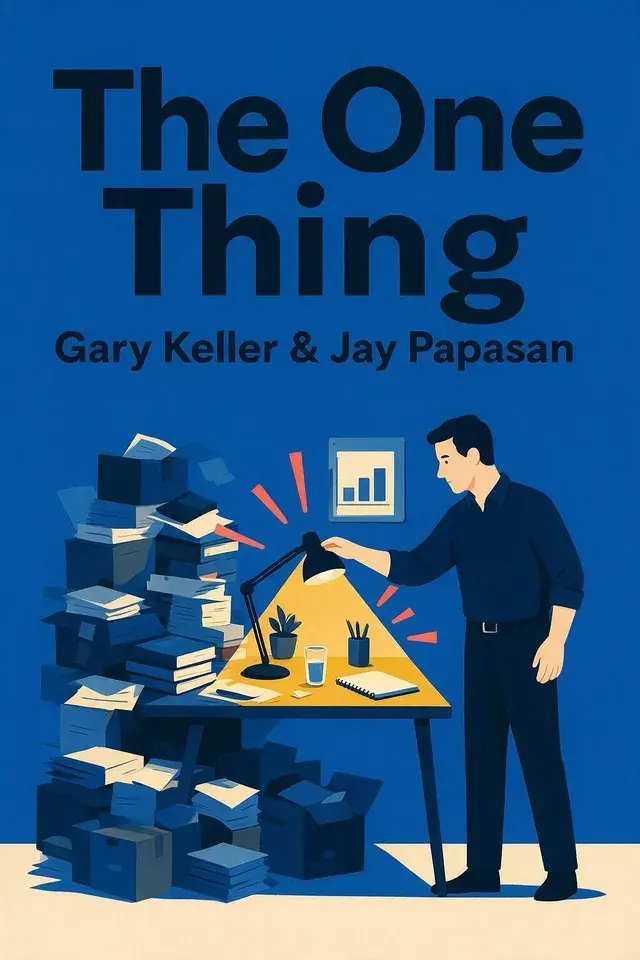
The One Thing
The One Thing asks how extraordinary results are built when time, attention, and energy are limited. It proposes identifying the highest-leverage priority, asking a focusing question, and protecting the next action. The method connects purpose, priority, productivity, and counterbalancing to practical action at work and in life.
9 chapters in Wiseley’s productivity catalog.

The Smartest Kids in the World
Amanda Ripley compares schools in the United States, Finland, South Korea, and Poland to ask why some systems teach nearly all students to think critically while others spend heavily yet leave many unprepared. The book traces the answer through teachers, family habits, peer culture, equity, and meaningful consequences, then offers a practical lens for judging schools.
11 chapters in Wiseley’s productivity catalog.
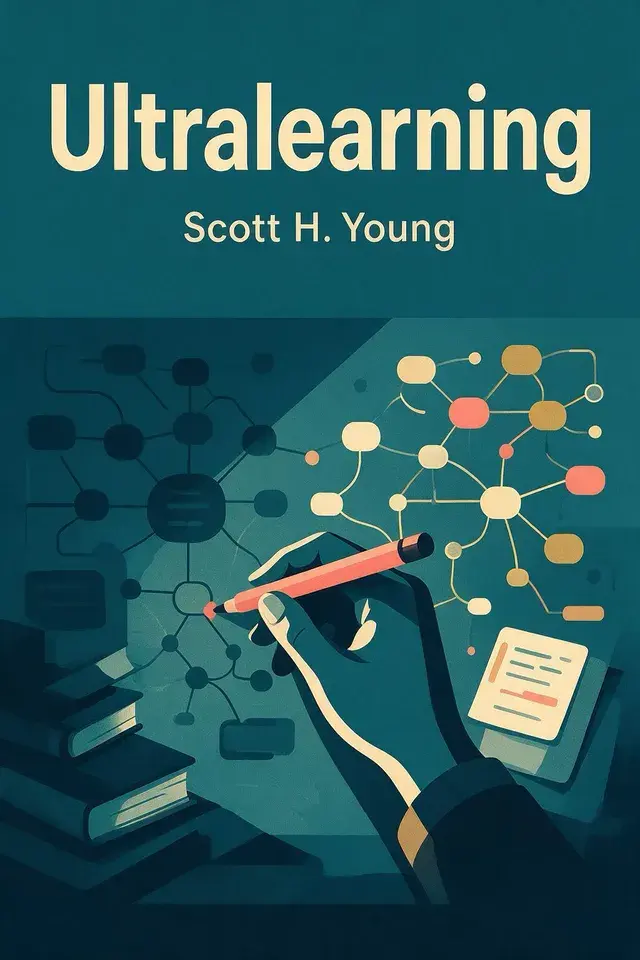
Ultralearning
Ultralearning asks how people can acquire difficult skills through intense, self-directed projects rather than passive study alone. It examines how to map a goal, focus attention, practice in context, retrieve and retain knowledge, build intuition, use feedback, and experiment—then shows how to evaluate, maintain, or extend what a project teaches.
10 chapters in Wiseley’s productivity catalog.
Keep exploring
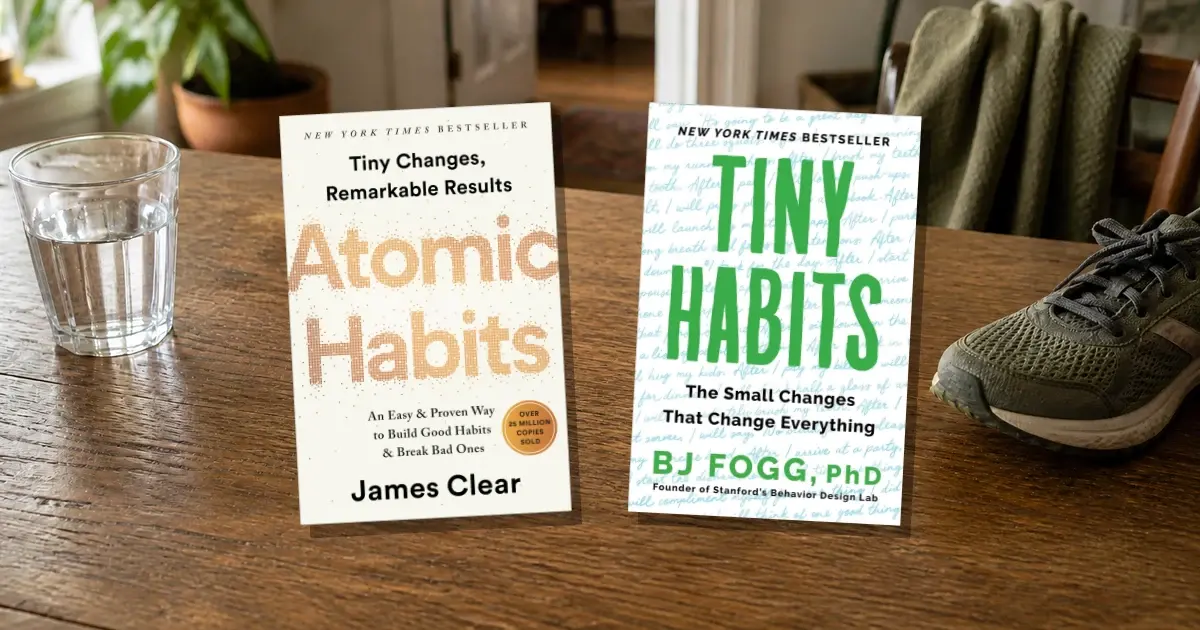
Comparison
Atomic Habits vs Tiny Habits: Which System Fits You?
Both books make change smaller, but they diagnose failed habits differently. Use this guide to choose the method that matches your sticking point.

Comparison
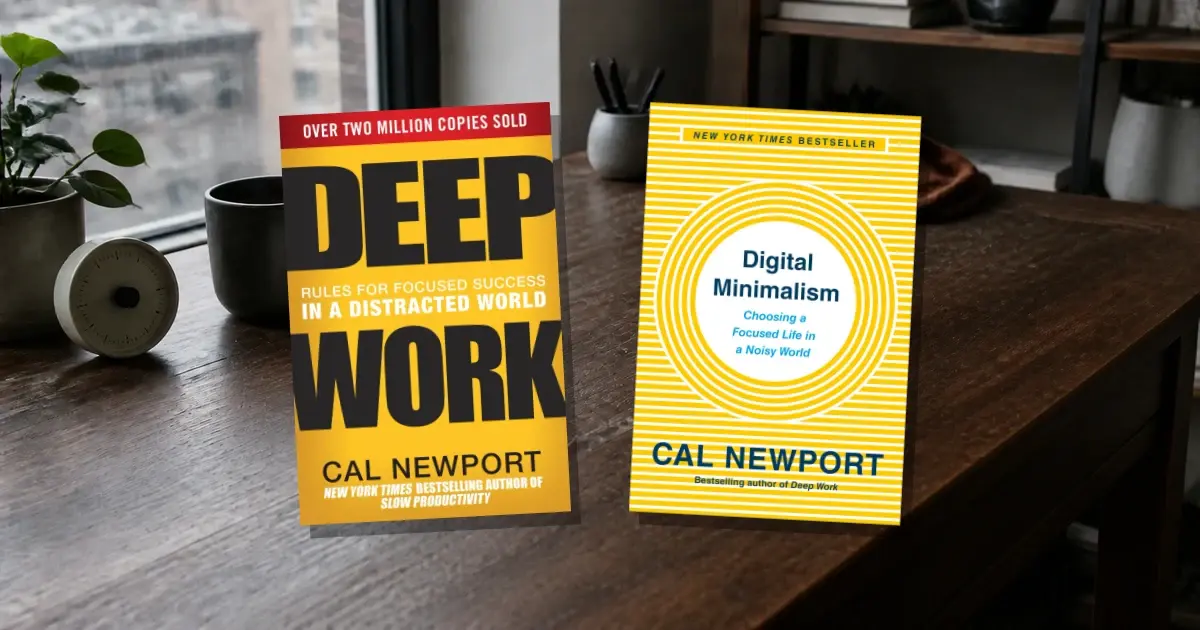
Deep Work vs Digital Minimalism: Focus System or Attention Reset?
One book organizes demanding work; the other asks which technologies deserve a place in your life. Here is where each starts—and where they work together.


Practical guide
How to Build a Habit That Survives a Bad Week
Design the smallest honest version, attach it to a reliable moment, and make restarting part of the plan before life gets messy.

Practical guide
How to Negotiate a Salary Offer Without Bluffing
Prepare evidence, surface the employer’s constraints, and make a precise request without inventing leverage you do not have.


Practical guide
How to Learn a Hard Subject With Active Recall and Spaced Practice
Turn a difficult chapter into questions, retrieve before rereading, and revisit the material on a schedule that exposes forgetting.


Practical guide
How to Read a Difficult Philosophy Book Without Giving Up
Read one question and argument at a time, translate the terms into ordinary language, and test the view before chasing total comprehension.