Biography book summaries
Lives examined through ambition, failure, identity, public responsibility, reinvention, and the costs of achievement.
A life story can illuminate a period, a profession, or the private cost behind a public result. These biographies and memoirs are grouped to help readers compare choices and contexts, not to reduce a person to a list of lessons.
Biography and memoir read differently — one is written about a life, the other from inside it — and the lists below keep that distinction.
Start with a focused list
This page is the complete biography catalog. If you already know which question you are answering, these shorter selections narrow it down first.
- Memoirs about reinvention and identity — First-person accounts of changing direction, each with a different narrator and a different cost.
- Biographies of scientists and inventors — Discovery told through notebooks, laboratories, hidden teams and institutions rather than lone-genius formulas.
Books in this collection
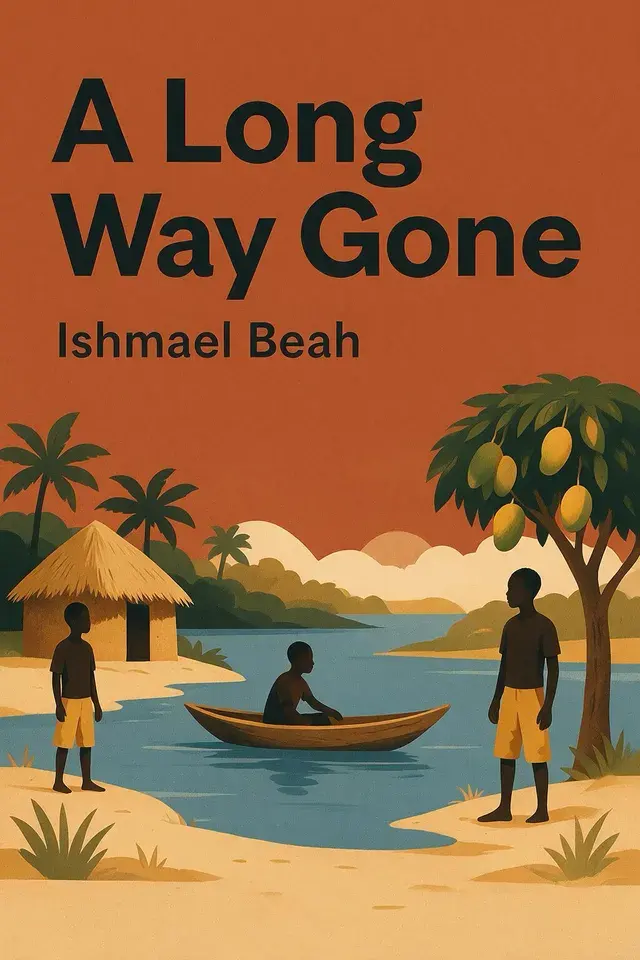
A Long Way Gone
A Long Way Gone follows Ishmael Beah from ordinary childhood in Sierra Leone through displacement, coercive recruitment, drug-fueled combat, rehabilitation, and an uncertain return to civilian life. It asks how war turns children into soldiers—and whether family, care, memory, and public testimony can make another life possible, offering a framework for understanding recruitment, trauma, and recovery.
11 chapters in Wiseley’s biography catalog.
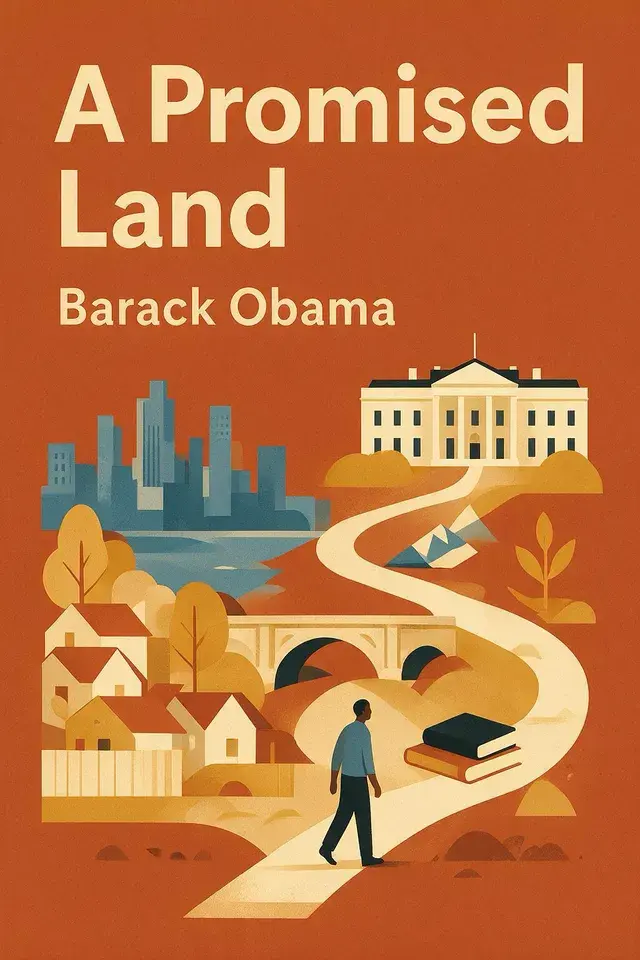
A Promised Land
Barack Obama traces the path from a divided childhood and Chicago organizing to the presidency, asking how American ideals can become durable change amid racial history, economic crisis, war, and political resistance. The memoir offers a grounded study of coalition-building, institutional limits, presidential judgment, and the human costs of public service.
17 chapters in Wiseley’s biography catalog.
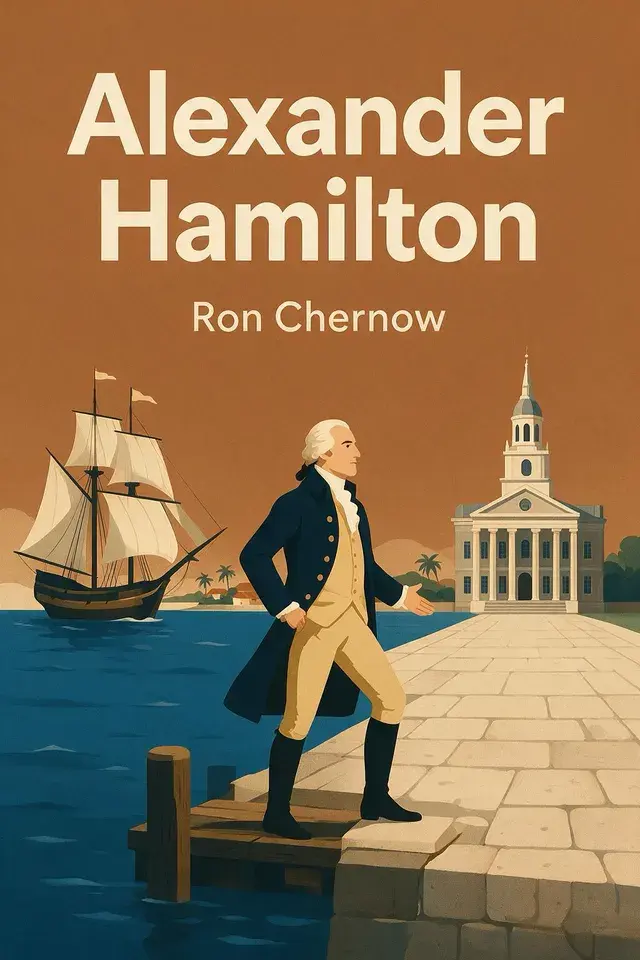
Alexander Hamilton
Alexander Hamilton traces how an orphaned Caribbean immigrant became a revolutionary soldier, constitutional architect, and builder of American finance and federal power. It asks how national capacity can protect liberty—and how ambition, secrecy, faction, slavery, and personal honor can undermine the statesman who creates it.
9 chapters in Wiseley’s biography catalog.
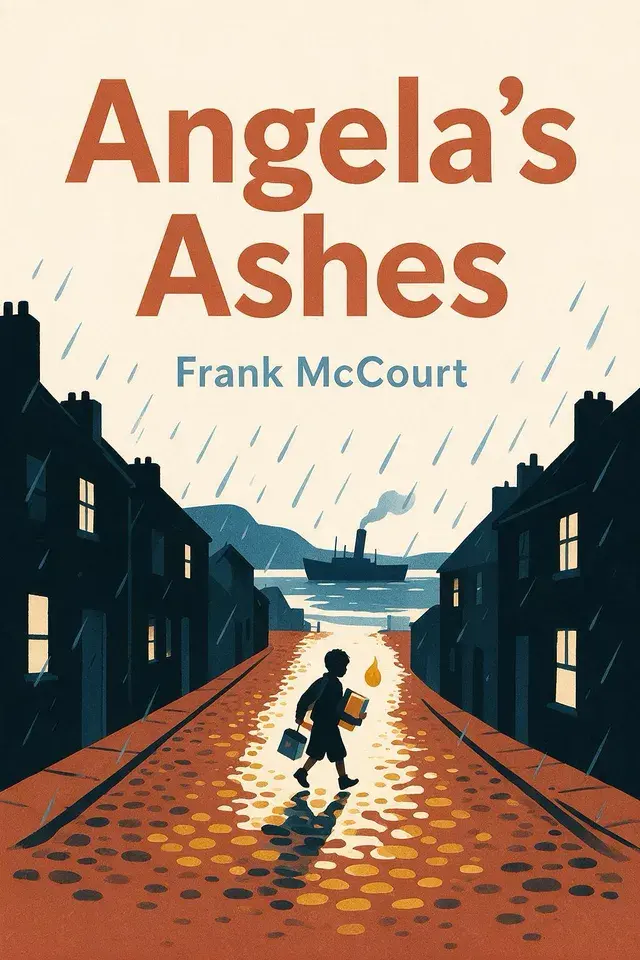
Angela's Ashes
Angela’s Ashes traces Frank’s childhood from Depression-era Brooklyn to poverty-stricken Limerick, following bereavement, Catholic schooling, illness, precarious work, and emigration. Its central question is how a child builds moral and imaginative freedom inside family breakdown and institutional authority; its value lies in showing literacy, memory, humor, and solidarity without softening material harm.
15 chapters in Wiseley’s biography catalog.
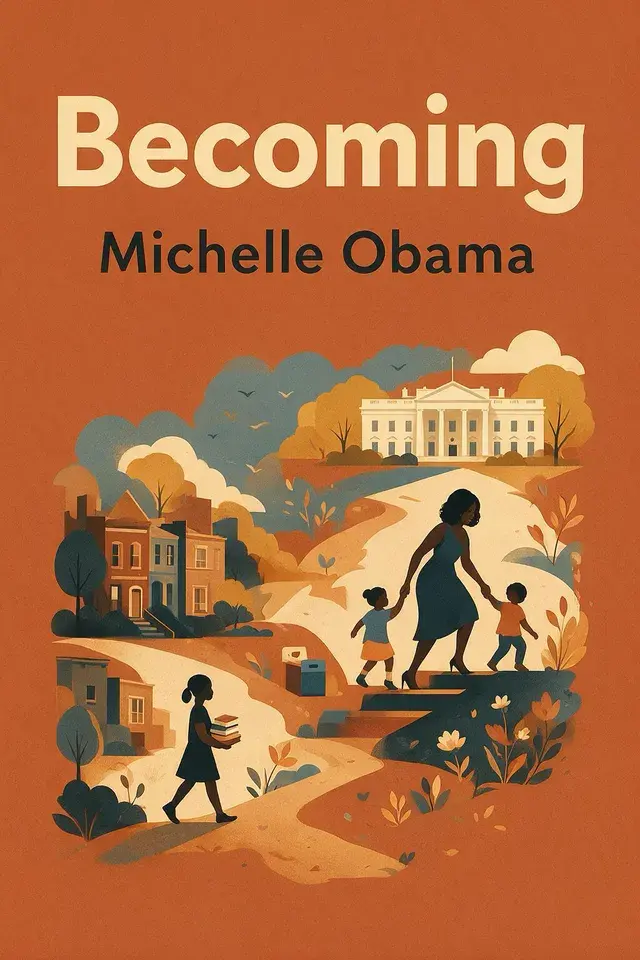
Becoming
Michelle Obama’s memoir follows her from a Chicago childhood and demanding education through marriage, motherhood, campaigns, the White House, and life after office. It asks how identity remains open to change when love, race, institutions, loss, and public scrutiny intervene—and what disciplined, collective action can make that growth useful.
9 chapters in Wiseley’s biography catalog.
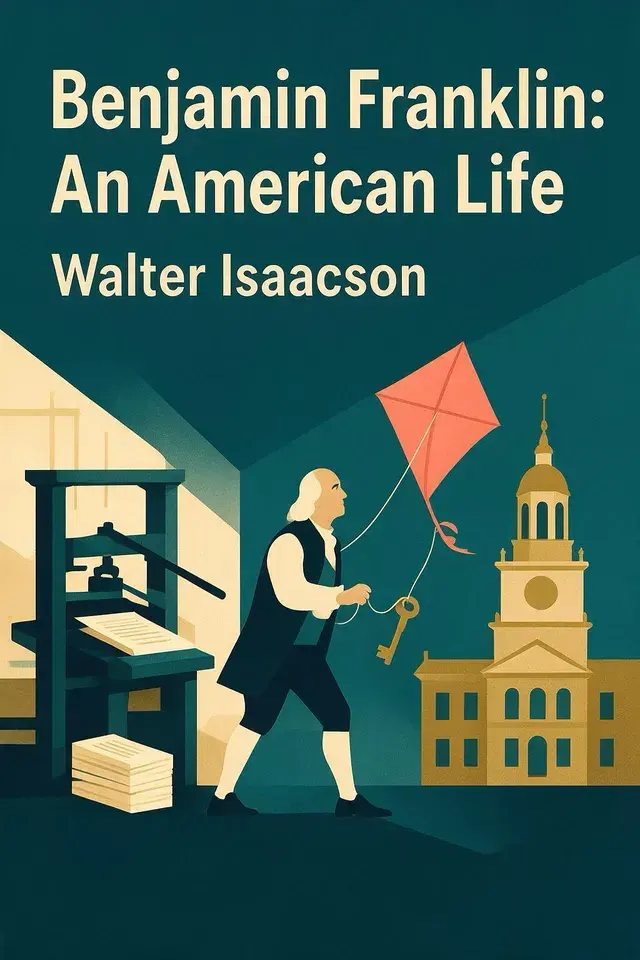
Benjamin Franklin: An American Life
How did a Boston printer become a scientist, civic organizer, revolutionary, diplomat, and constitutional mediator—and what did that transformation reveal about virtue, power, and belonging? This summary follows Franklin’s self-invention, practical institutions, political evolution, family contradictions, and contested legacy to clarify how everyday usefulness became a national ideal.
12 chapters in Wiseley’s biography catalog.
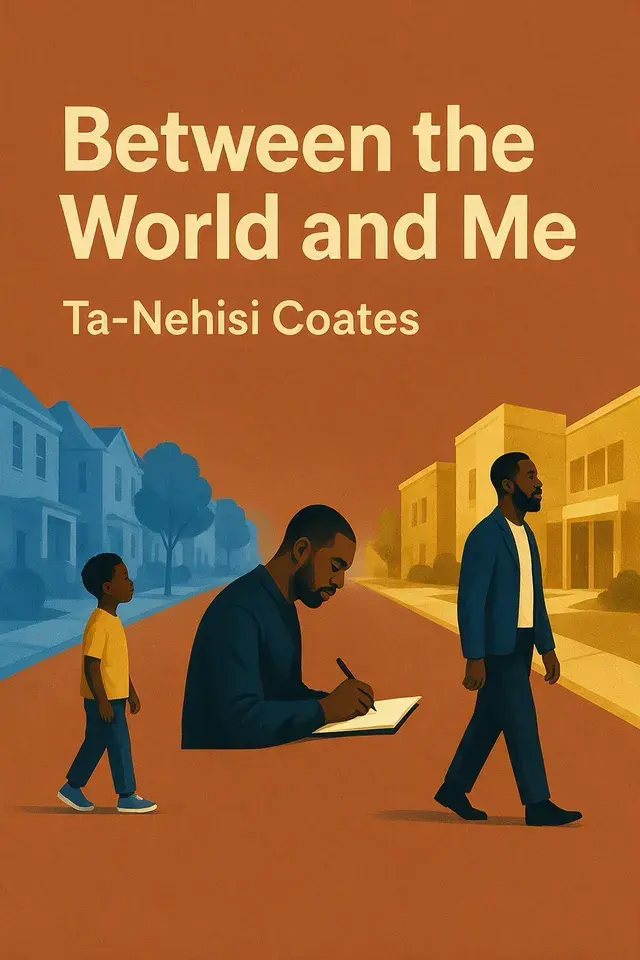
Between the World and Me
A father writes to his son about living in a Black body inside an American Dream shaped by racial hierarchy, violence, and historical plunder. The book asks what consciousness, love, study, memory, culture, and struggle can preserve when safety, innocence, and escape cannot be guaranteed.
8 chapters in Wiseley’s biography catalog.
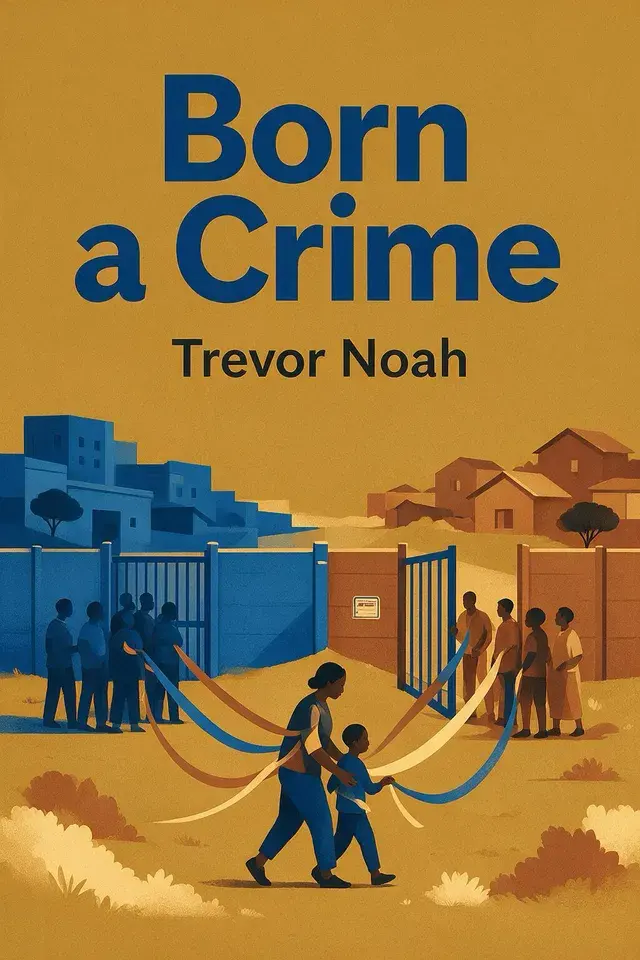
Born a Crime
Born a Crime follows Trevor Noah's childhood and young adulthood in and after apartheid South Africa. It asks how identity, belonging, and moral agency are built when law assigns race, poverty narrows choices, language divides communities, and family love coexists with violence. Its value is a systems-aware account of survival.
11 chapters in Wiseley’s biography catalog.
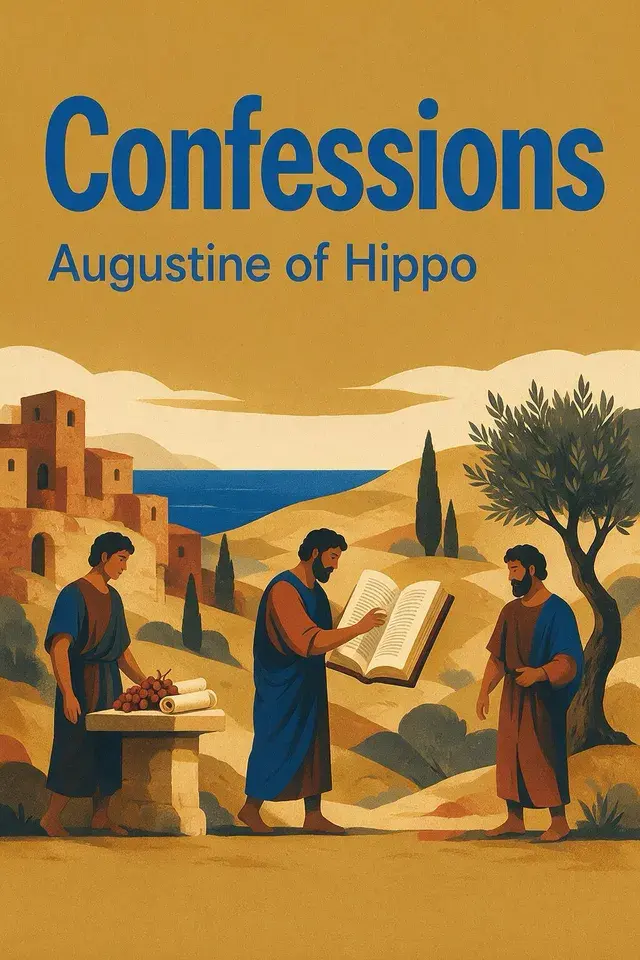
Confessions
Confessions follows Augustine from restless childhood, sexual and intellectual error, and attachment to mortal goods toward conversion, self-examination, and dependence on grace. It asks what makes a life truly happy and how a divided will returns to truth. Its intellectual value lies in joining autobiography to memory, time, creation, interpretation, and rest.
10 chapters in Wiseley’s biography catalog.
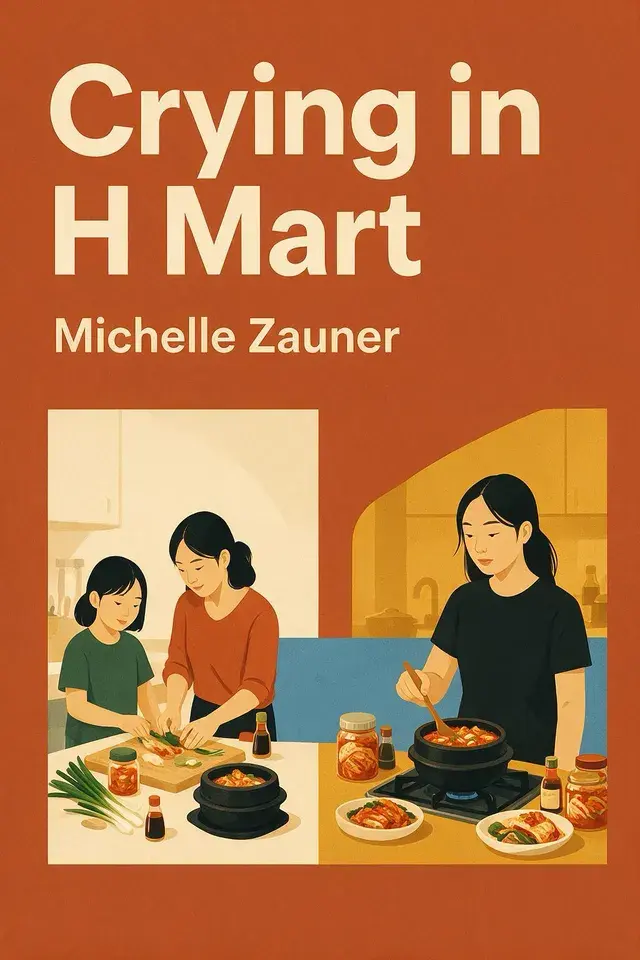
Crying in H Mart
Michelle Zauner’s memoir asks how a daughter can remain connected to her Korean heritage and mother after cancer and death remove the person who carried that inheritance. It follows food, family conflict, caregiving, grief, music, and cooking as ways of remembering and remaking identity.
8 chapters in Wiseley’s biography catalog.
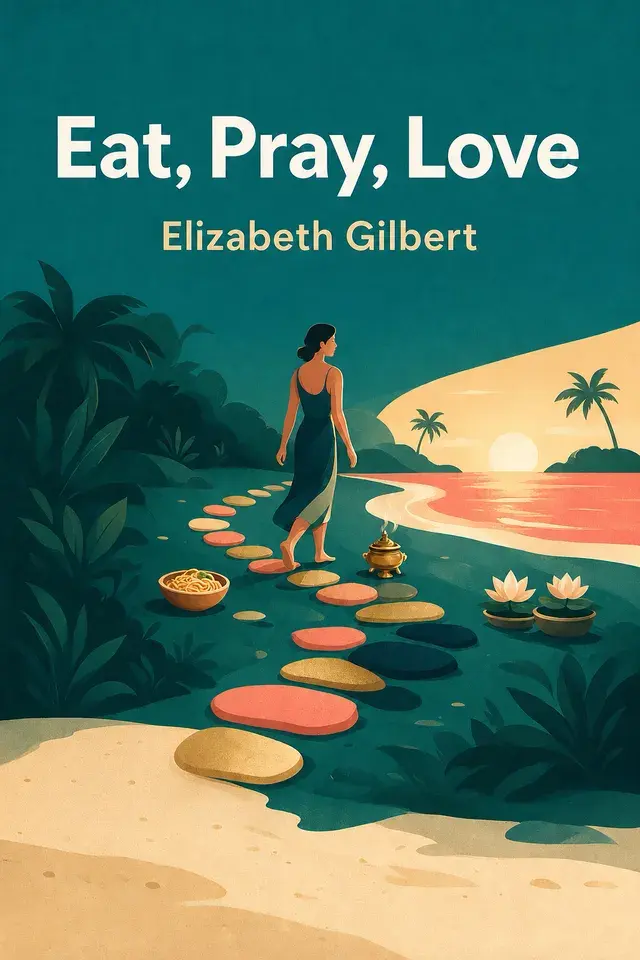
Eat, Pray, Love
This memoir follows a woman rebuilding a life after divorce, depression, and an obsessive relationship. Through pleasure in Italy, devotion in India, and balance in Indonesia, it asks how a person can recover agency, encounter the sacred, and remain open to love without surrendering the self.
8 chapters in Wiseley’s biography catalog.
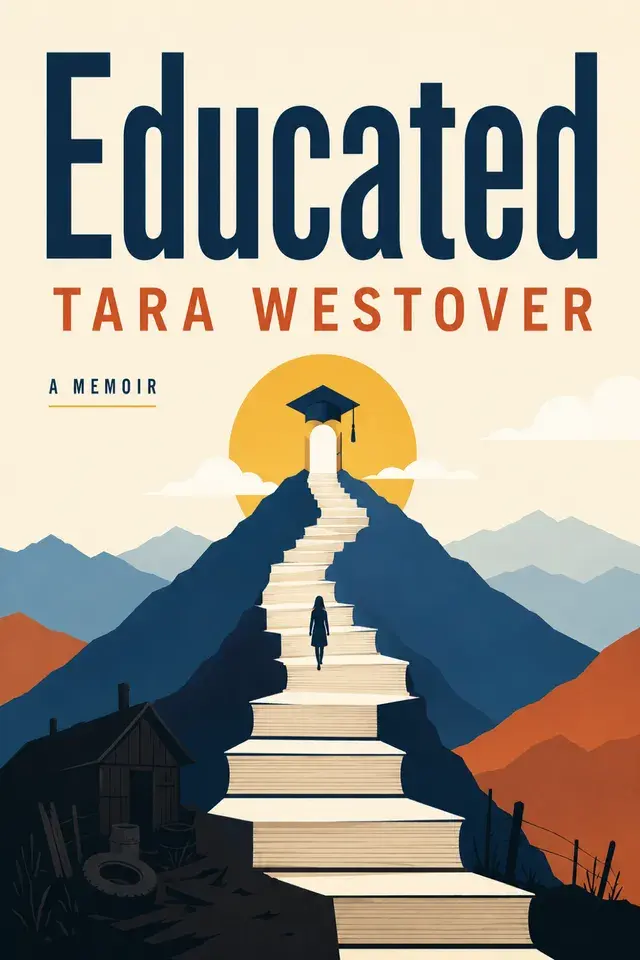
Educated
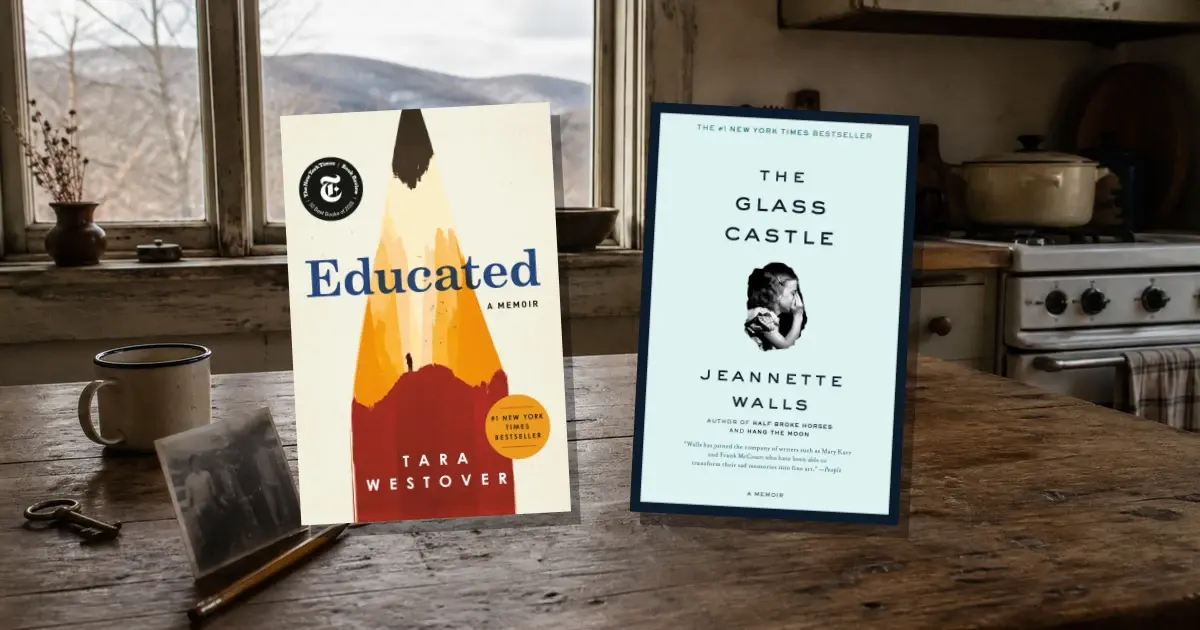
Educated follows Tara Westover from an isolated Idaho childhood shaped by family authority, dangerous self-reliance, and distrust of institutions to universities where history, medicine, and mentorship challenge her inherited beliefs. It asks how education changes a person—and what freedom, memory, and family loyalty cost when the past will not agree.
10 chapters in Wiseley’s biography catalog.
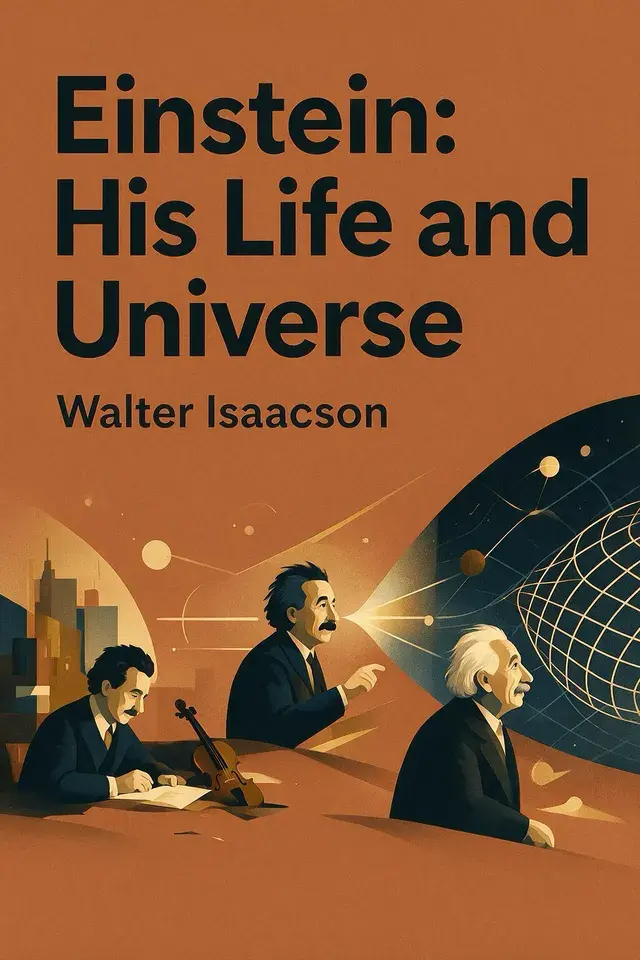
Einstein: His Life and Universe
Einstein: His Life and Universe follows how an independent, visually imaginative thinker transformed physics while navigating love, fame, antisemitism, exile, war, and moral responsibility. It asks how the same commitment to lawful reality could produce relativity, resistance to quantum indeterminacy, and a lifelong search for unity—and what that reveals about evidence, freedom, and public duty.
11 chapters in Wiseley’s biography catalog.

Elon Musk
Elon Musk’s biography asks how a childhood shaped by danger, isolation, and science fiction became a method for building companies around electric transport, spaceflight, and artificial intelligence—and what that method costs. This summary maps the recurring mechanisms, evidence, and trade-offs behind Musk’s breakthroughs, conflicts, and expanding public power.
15 chapters in Wiseley’s biography catalog.
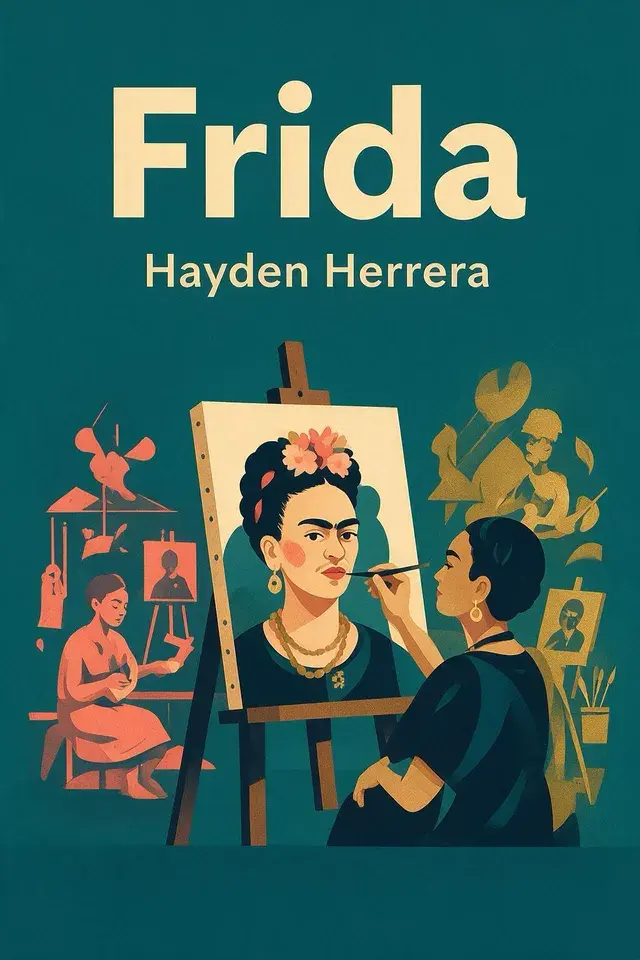
Frida
Frida Kahlo’s biography becomes a study of self-creation: childhood solitude, a damaged body, revolutionary Mexico, love and betrayal, and medical decline all enter her paintings and public persona. The summary asks how art can turn suffering into agency without flattening uncertainty, contradiction, or survival into a single legend.
9 chapters in Wiseley’s biography catalog.
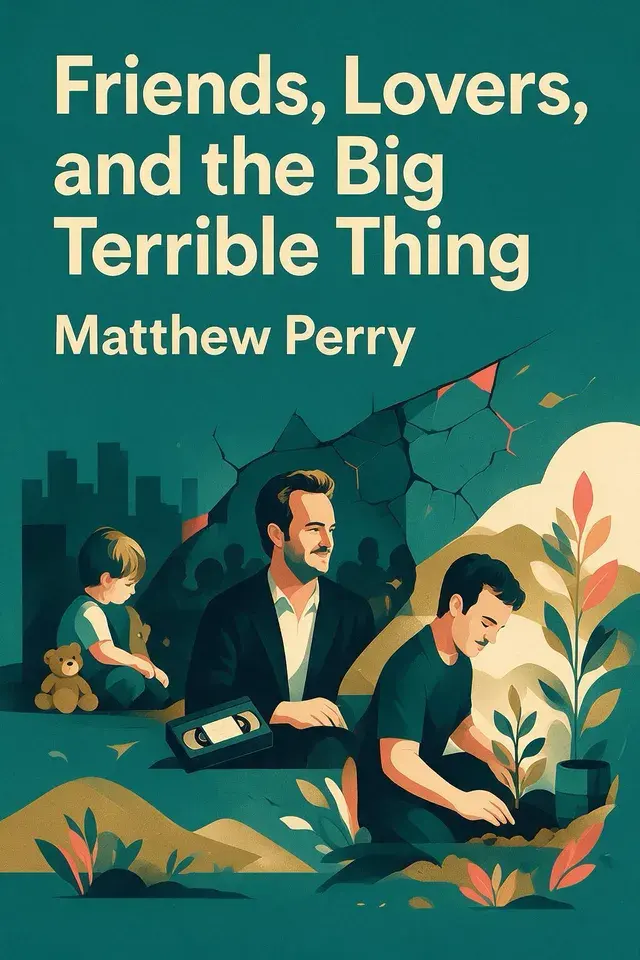
Friends, Lovers, and the Big Terrible Thing
Matthew Perry’s memoir asks how addiction can persist through fame, money, love, treatment, and near-death—and what recovery means when relapse remains possible. It traces childhood abandonment, performance, Friends-era success, medical catastrophe, relationships, faith, and service, showing the gradual work of building a life beyond substances and approval.
9 chapters in Wiseley’s biography catalog.
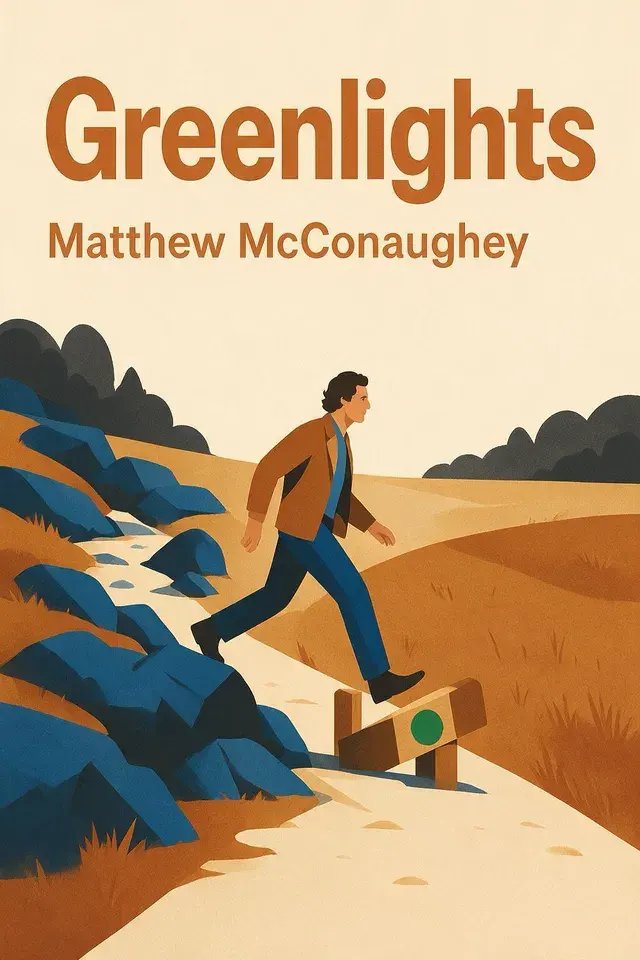
Greenlights
Greenlights turns Matthew McConaughey’s journals and adventures into a reflection on a practical question: how can we recognize opportunity, learn from obstruction, and choose a life that fits? Its stories connect family discipline, creative risk, travel, love, fatherhood, and career reinvention to a more deliberate way of living.
8 chapters in Wiseley’s biography catalog.
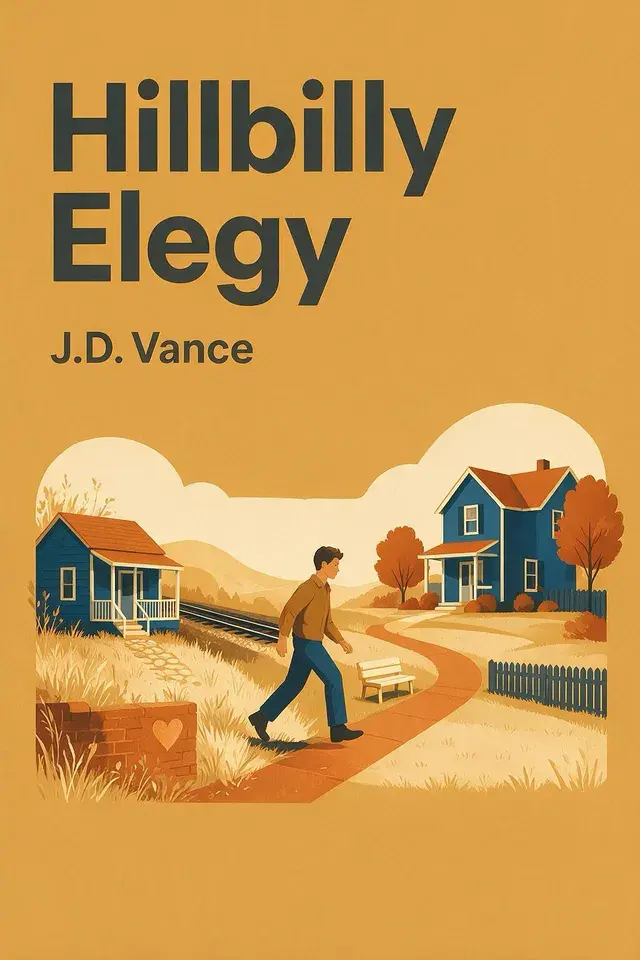
Hillbilly Elegy
Hillbilly Elegy combines a multigenerational memoir with an inquiry into poverty, addiction, class, culture, and upward mobility. It asks why economic opportunity alone does not secure stability, and what relationships, institutions, choices, and community changes can widen a child’s chances.
8 chapters in Wiseley’s biography catalog.
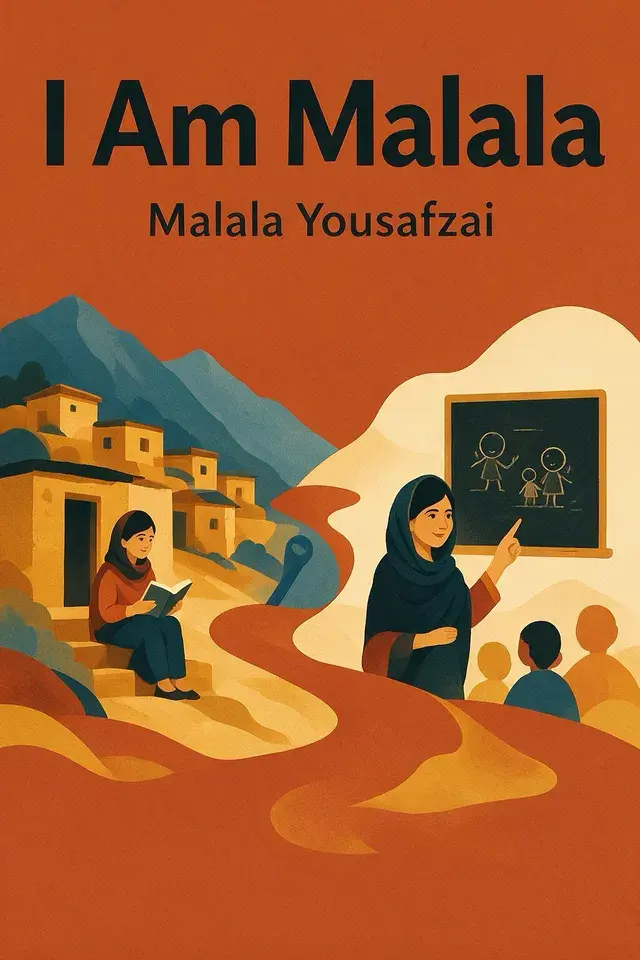
I Am Malala
Malala Yousafzai’s memoir follows a girl who treats education as both an ordinary joy and a contested right. It asks how family, faith, testimony, and collective courage can resist gender hierarchy, militant violence, displacement, and state failure—and how survival can become a lifelong commitment to schooling for every child.
11 chapters in Wiseley’s biography catalog.
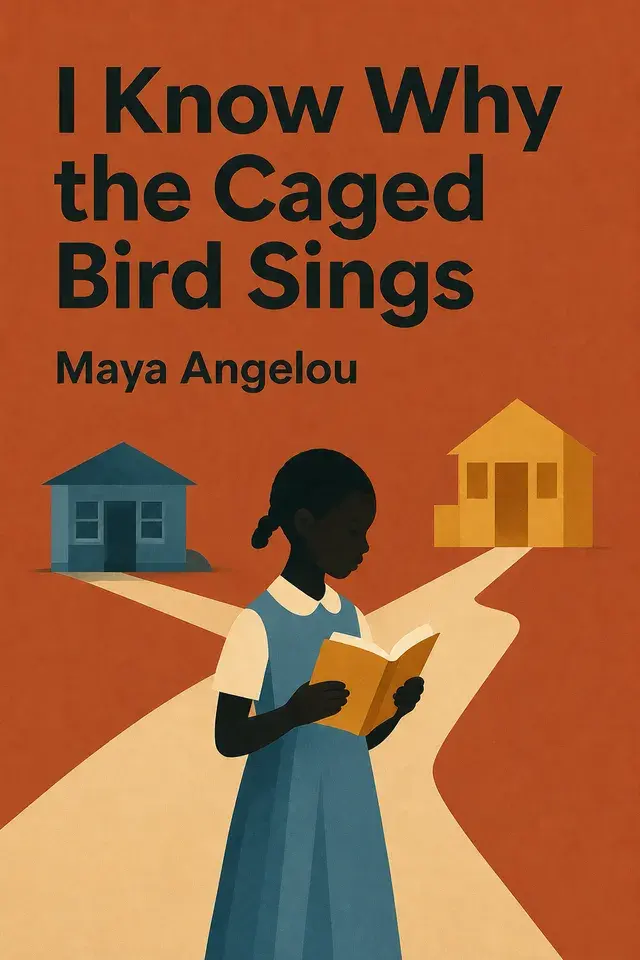
I Know Why the Caged Bird Sings
This memoir asks how a Black girl can build a self amid segregation, family separation, sexual violence, and migration. It traces how kinship, faith, literacy, community, work, and art turn fear and silence into voice and agency, while showing that each refuge remains vulnerable to racial and gendered power.
10 chapters in Wiseley’s biography catalog.
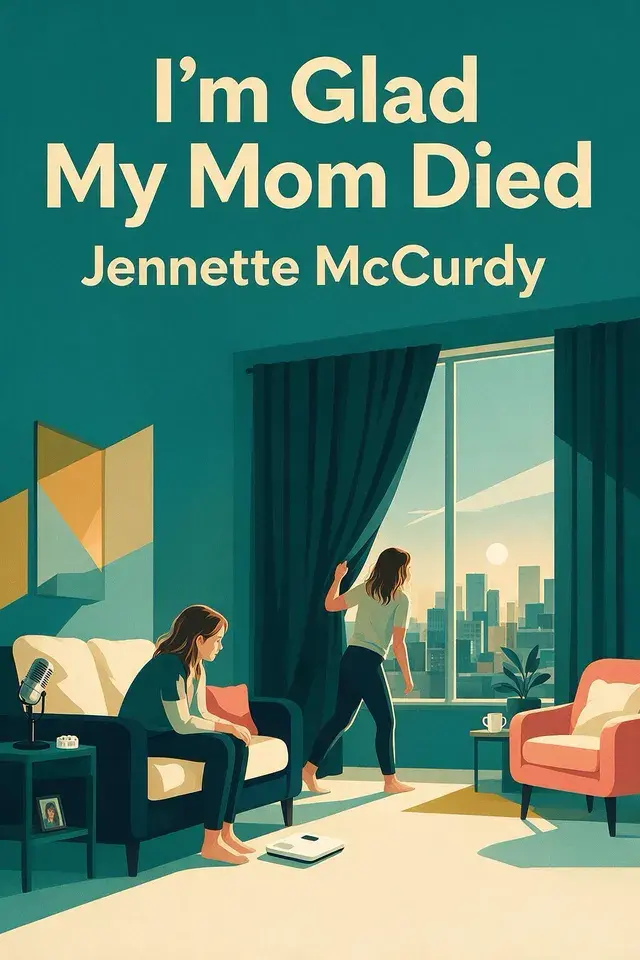
I'm Glad My Mom Died
Jennette McCurdy’s memoir examines how a childhood organized around her mother’s cancer, approval, and acting ambitions shaped performance, body control, fame, grief, and substance use. It asks what remains when pleasing a parent no longer supplies identity, and follows recovery as the difficult work of reclaiming agency while holding love and harm together.
9 chapters in Wiseley’s biography catalog.
John Adams
David McCullough’s biography follows John Adams from a New England farm through revolution, diplomacy, the vice presidency, the presidency, and retirement. It asks how private discipline, marriage, constitutional design, and political independence shaped a statesman—and what war, faction, slavery, and defeat revealed about republican ideals.
11 chapters in Wiseley’s biography catalog.
Just Kids
Just Kids follows Patti Smith and Robert Mapplethorpe from childhood through poverty, creative partnership, separation, divergent careers, and illness. It asks how two people can help each other become artists without outgrowing their bond, and how memory, objects, photographs, and songs preserve a life when the person is gone.
8 chapters in Wiseley’s biography catalog.
Just Mercy
Just Mercy follows Bryan Stevenson’s work with condemned people, children, women, and others caught in America’s punitive justice system. It asks how race, poverty, trauma, and fear turn vulnerability into guilt, and what proximity, legal advocacy, mercy, and hope can do to restore dignity when formal justice fails.
9 chapters in Wiseley’s biography catalog.
King: A Life
King: A Life follows Martin Luther King Jr. from an Atlanta family and Black church world into Montgomery’s boycott, the national civil-rights struggle, and final campaigns against poverty and war. It asks how Christian nonviolence became political leverage—and why legal victories left structural racism, violence, and private contradiction unresolved, clarifying the distance between symbolic triumph and lived freedom.
9 chapters in Wiseley’s biography catalog.
Leonardo da Vinci
Leonardo da Vinci follows how an illegitimate, largely self-taught artist became a painter, engineer, anatomist, and natural philosopher. Its central question is how curiosity turns into discovery—and why the same imagination that generated cross-disciplinary connections also left works unfinished. The value is a model of observation, experimentation, and interdisciplinary thinking tempered by evidence.
10 chapters in Wiseley’s biography catalog.
Long Walk to Freedom
Nelson Mandela traces how a rural Thembu upbringing, colonial education, legal work, organized resistance, imprisonment, and negotiation shaped a struggle against apartheid. The central question is how a movement should adapt when nonviolence, sabotage, compromise, and reconciliation each carry moral and strategic costs—and what freedom demands after political victory.
16 chapters in Wiseley’s biography catalog.
Maybe You Should Talk to Someone
Lori Gottlieb asks how people change, using her own therapy after a breakup and stories of patients facing grief, illness, addiction, family conflict, and mortality. The book argues that honest relationship, self-understanding, responsibility, and openness to uncertainty can loosen defensive patterns and help people live meaningfully with what cannot be undone.
9 chapters in Wiseley’s biography catalog.
Me
Elton John’s memoir asks how a difficult childhood became a life in music—and whether fame can deliver belonging. Its first-person value is a study of songwriting, performance, addiction, recovery, AIDS activism, love, fatherhood, illness, and the eventual choice to trade relentless touring for family, purpose, and ordinary reality.
13 chapters in Wiseley’s biography catalog.
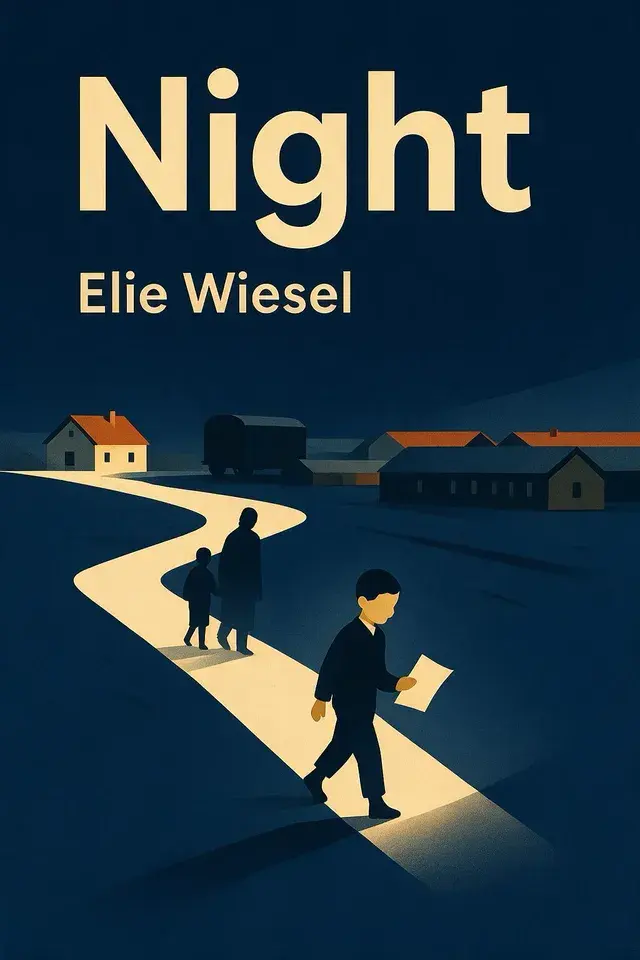
Night
Night follows a religious Jewish boy from Sighet into deportation, the camps, and liberation, asking what remains of faith, identity, family, and moral agency under organized annihilation. Read alongside the supplied criticism, the memoir becomes a study of testimony: how silence, language, memory, and responsibility shape what survivors can tell and readers must do.
9 chapters in Wiseley’s biography catalog.
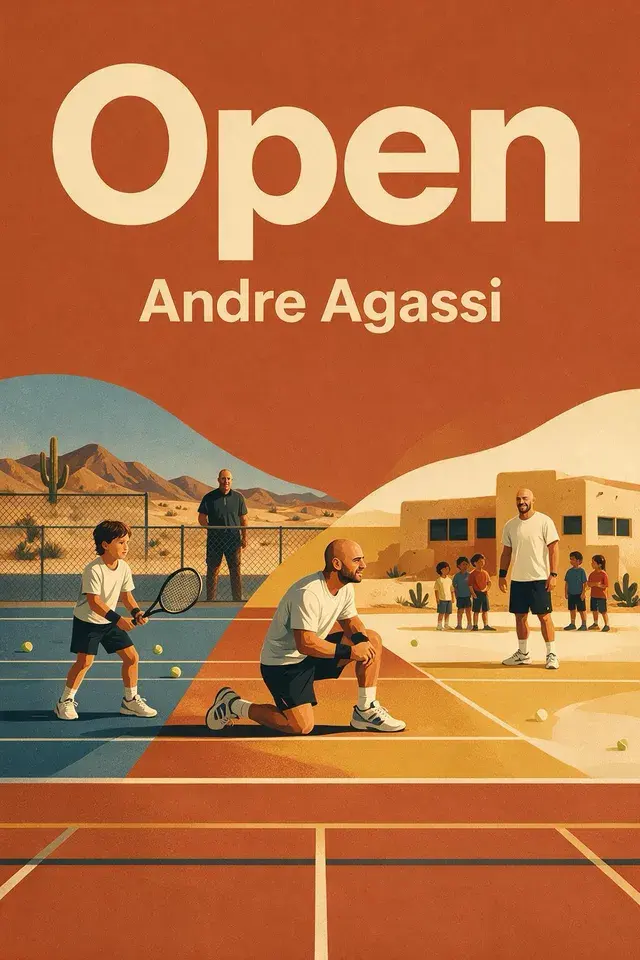
Open
Open asks how a life built around a game can become a life chosen on one’s own terms. Through Andre Agassi’s father-driven childhood, rebellion, injuries, rivalries, collapse, comeback, family, and school, it traces how discipline and love turn competitive success into service—and how retirement changes, rather than ends, that work.
8 chapters in Wiseley’s biography catalog.
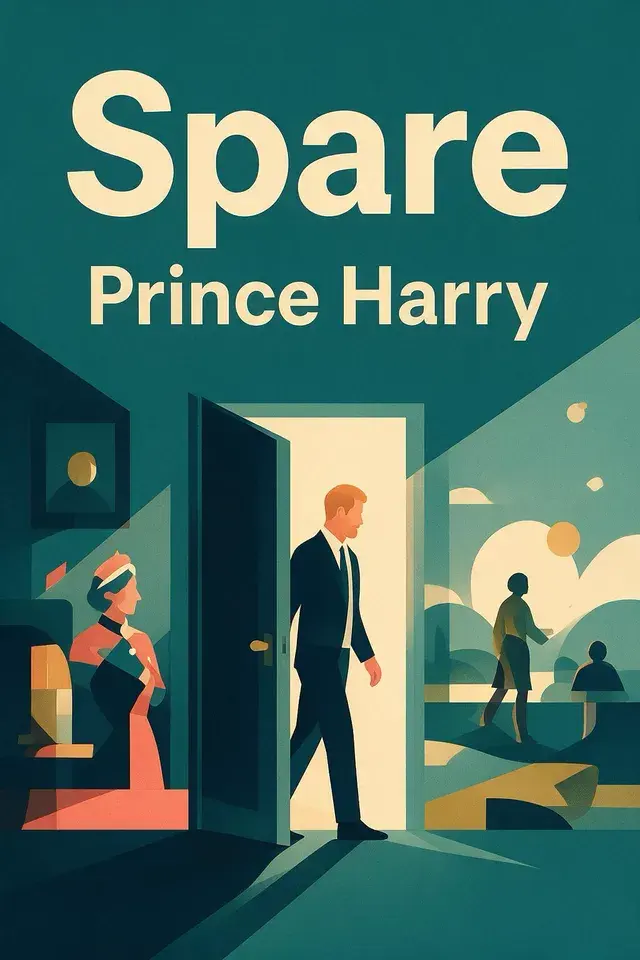
Spare
Spare is Prince Harry’s memoir of growing up as the “spare,” losing his mother, seeking purpose through military and humanitarian work, and leaving royal life with Meghan. It asks how inherited roles, grief, media power, and family loyalty shape identity—and how a person can build a life beyond them.
10 chapters in Wiseley’s biography catalog.
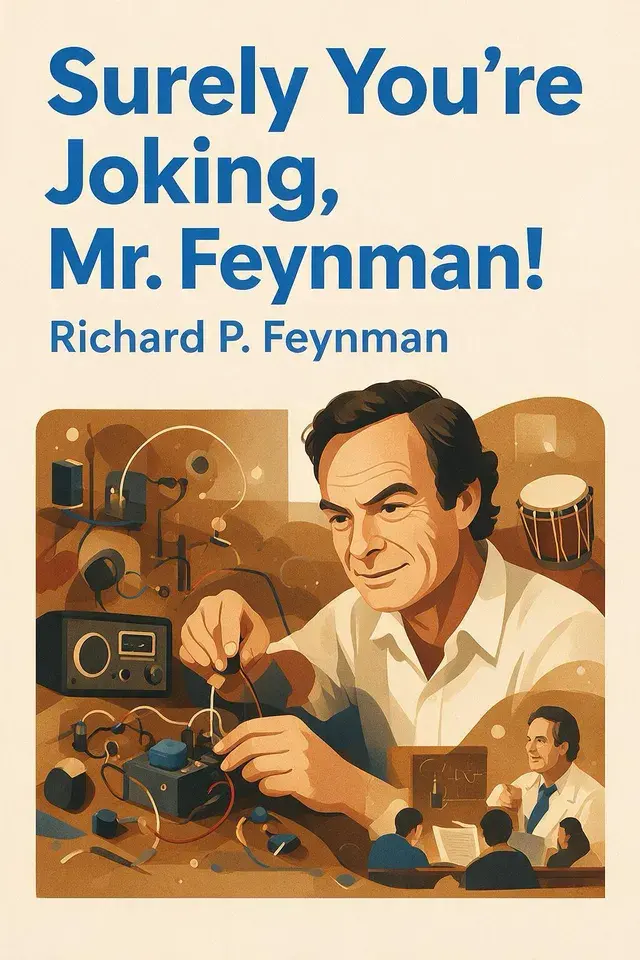
Surely You're Joking, Mr. Feynman!
An audio-first portrait of Richard Feynman’s curiosity, from childhood radios and social experiments through wartime engineering, teaching, physics, art, drumming, and scientific self-criticism. It asks how playful independence becomes reliable understanding—and how testing mechanisms, assumptions, and evidence keeps cleverness from becoming mere appearance.
8 chapters in Wiseley’s biography catalog.
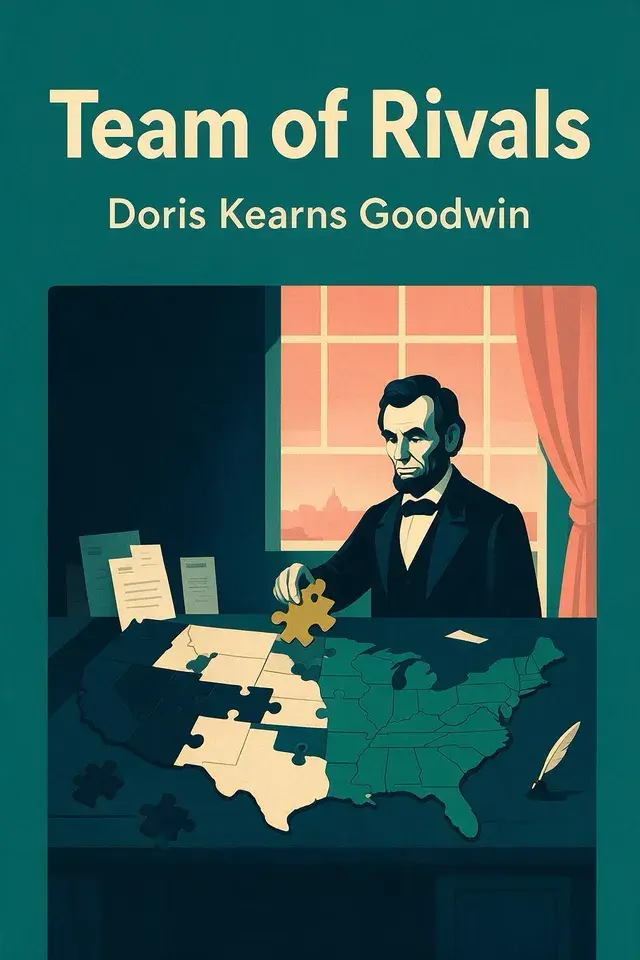
Team of Rivals
How did Abraham Lincoln defeat stronger rivals, turn them into a working cabinet, and lead a divided republic through civil war? Team of Rivals traces the relationships, political choices, military crises, emancipation debates, and reconstruction dilemmas that shaped his leadership, offering a study of judgment under pressure.
9 chapters in Wiseley’s biography catalog.
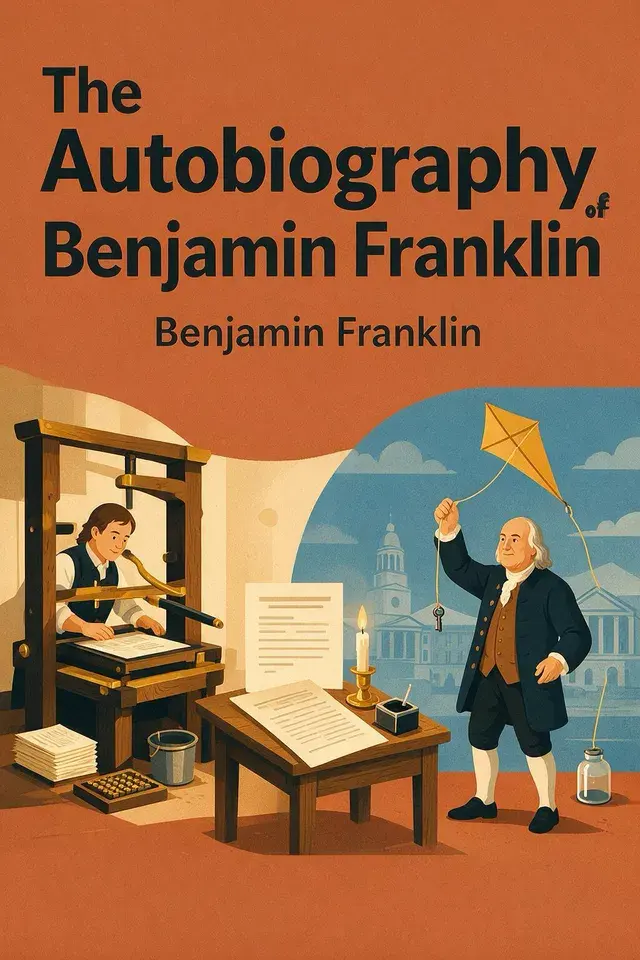
The Autobiography of Benjamin Franklin
Benjamin Franklin’s unfinished, retrospective autobiography asks how a poor printer can become a trusted, useful public figure. It follows self-education, disciplined habits, work, science, institution-building, and political conflict, while admitting vanity, dependence, error, and disputed judgment. Its value is a practical theory of self-improvement tested against the complications of civic life.
6 chapters in Wiseley’s biography catalog.
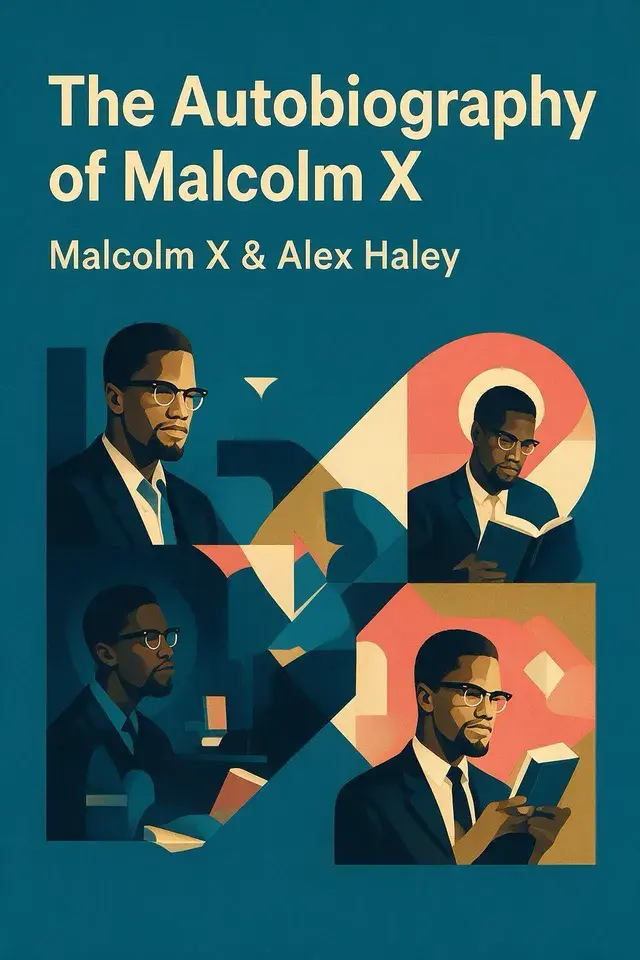
The Autobiography of Malcolm X
Malcolm X’s autobiography asks how a life shaped by racial terror, poverty, crime, prison, and religious discipline can become a program for Black dignity and political action. It traces how self-education, Islam, Mecca, and African encounters repeatedly revise his understanding of identity, liberation, and human solidarity.
10 chapters in Wiseley’s biography catalog.
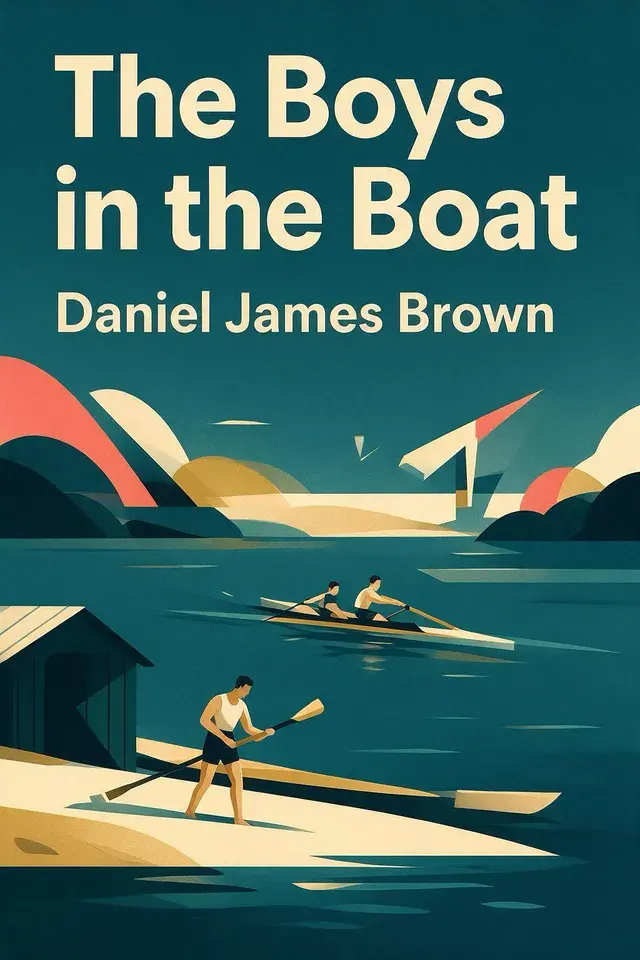
The Boys in the Boat
Daniel James Brown’s account follows Joe Rantz and the University of Washington crew from Depression-era insecurity to the 1936 Berlin Olympic final. It asks how separate, unequal individuals become one boat—and what that victory means when the Games are staged by a dictatorship.
10 chapters in Wiseley’s biography catalog.
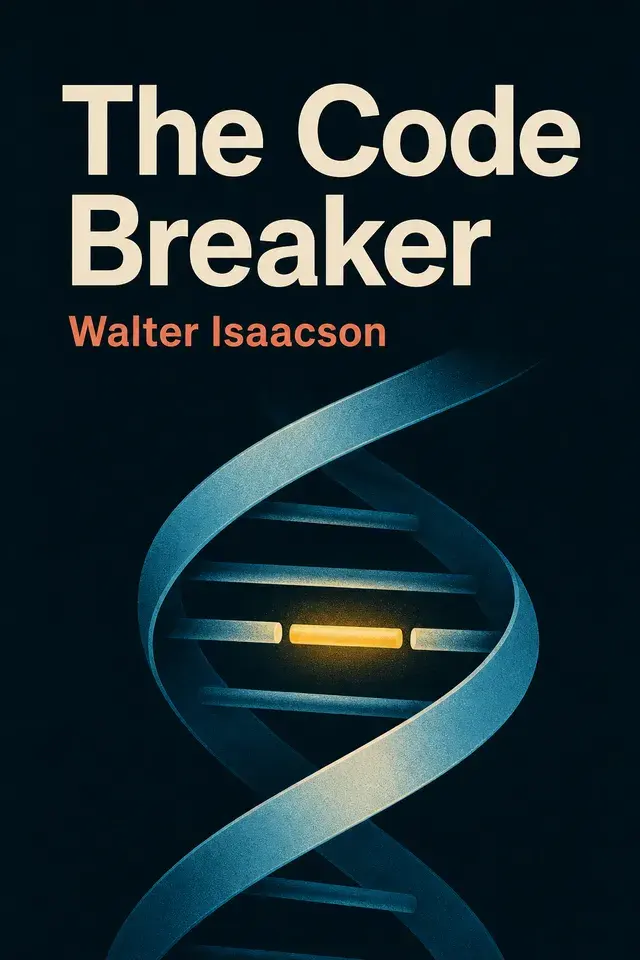
The Code Breaker
The Code Breaker traces how discoveries about DNA, RNA, and microbial immunity became CRISPR, a programmable system for editing genes and building diagnostics, therapies, and pandemic tools. It asks who should control a technology that can alter bodies, descendants, and society—and offers a way to think about evidence, limits, access, and collective responsibility.
9 chapters in Wiseley’s biography catalog.
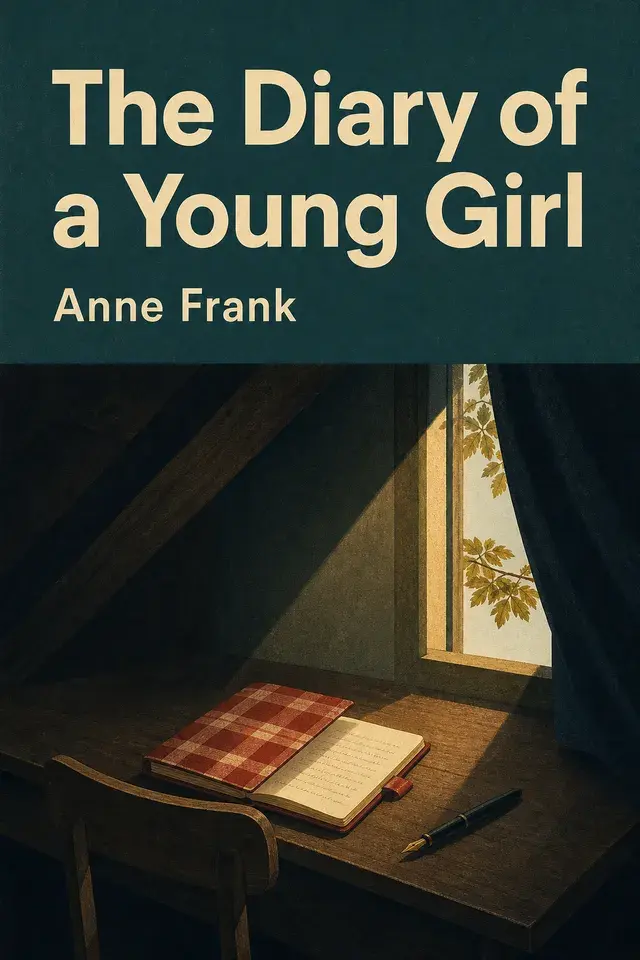
The Diary of a Young Girl
Anne Frank’s diary asks how a young person can preserve identity, intimacy, moral judgment, and hope while living in hiding under persecution. Its value lies in showing both the practical systems of survival and the inner work required to remain human within prolonged fear and confinement.
8 chapters in Wiseley’s biography catalog.
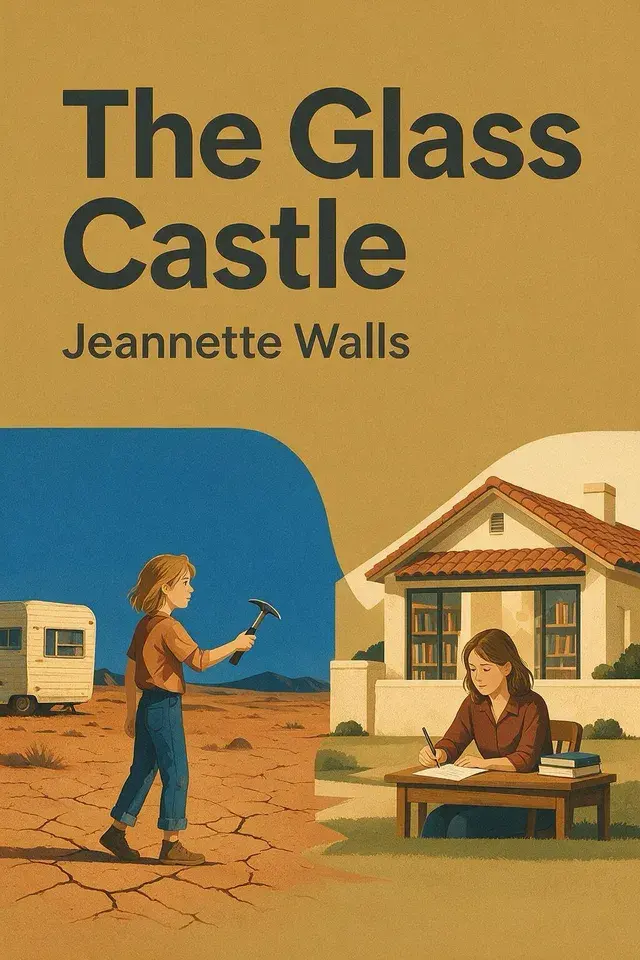
The Glass Castle
The Glass Castle follows Jeannette Walls from a childhood of mobility, poverty, danger, and imaginative family instruction to an adult life built beyond her parents’ control. It asks how love and harm can coexist, and how inherited resourcefulness can become agency without denying the costs of neglect.
12 chapters in Wiseley’s biography catalog.
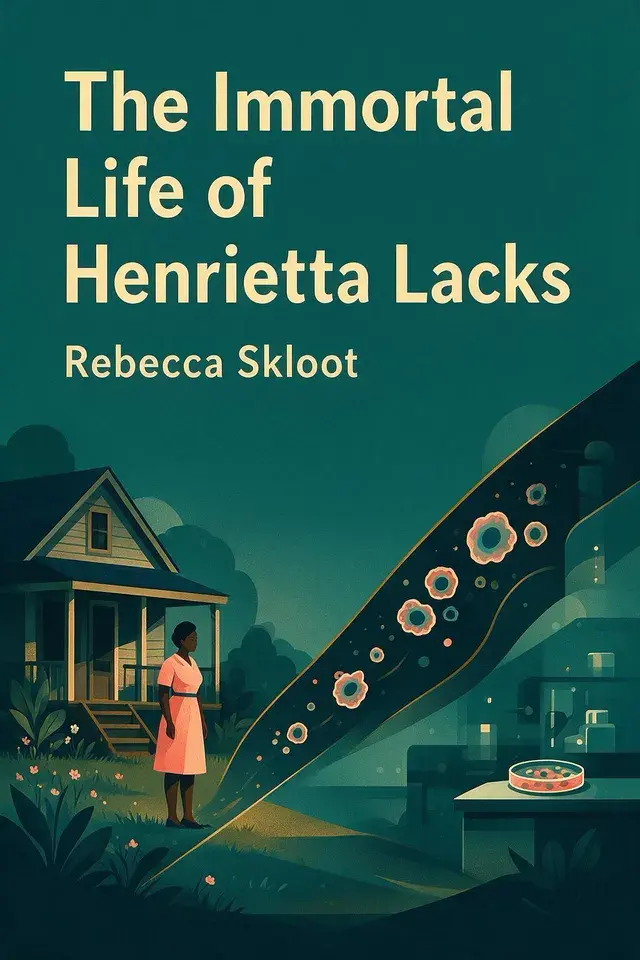
The Immortal Life of Henrietta Lacks
Rebecca Skloot traces Henrietta Lacks’s life, the taking of cervical cells without her informed permission, and her family’s struggle to understand HeLa’s scientific afterlife. The book asks how medical progress should balance public benefit with consent, privacy, ownership, and recognition, giving readers a human framework for thinking about biological research.
13 chapters in Wiseley’s biography catalog.
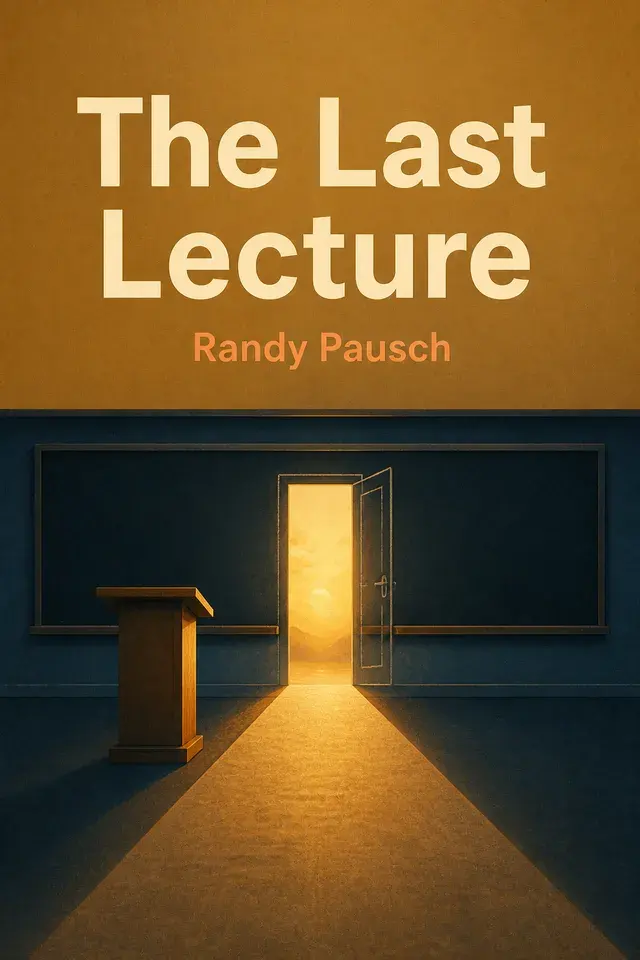
The Last Lecture
The Last Lecture follows Randy Pausch as terminal illness turns time, parenting, and legacy into urgent questions: how can someone keep living well while preparing loved ones for absence? Through stories about dreams, feedback, work, marriage, caregiving, and gratitude, it asks how daily conduct can become a durable inheritance.
11 chapters in Wiseley’s biography catalog.
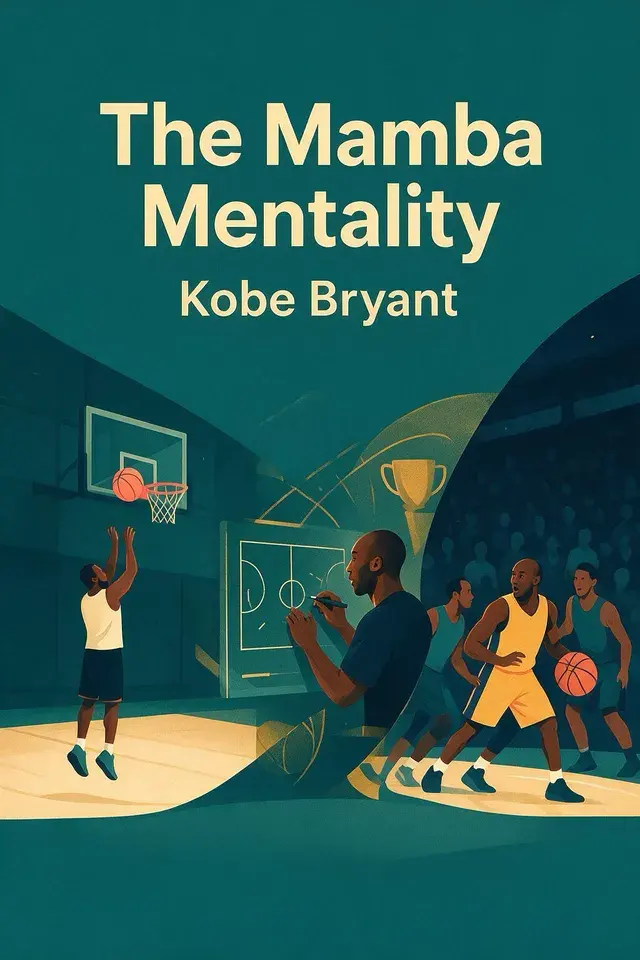
The Mamba Mentality
The Mamba Mentality examines how Kobe Bryant turns love of basketball into a disciplined, adaptive practice of preparation, technical study, and opponent-specific decision-making. It asks what sustained excellence demands, and traces how competitive standards can become teamwork, resilience, and teaching.
6 chapters in Wiseley’s biography catalog.
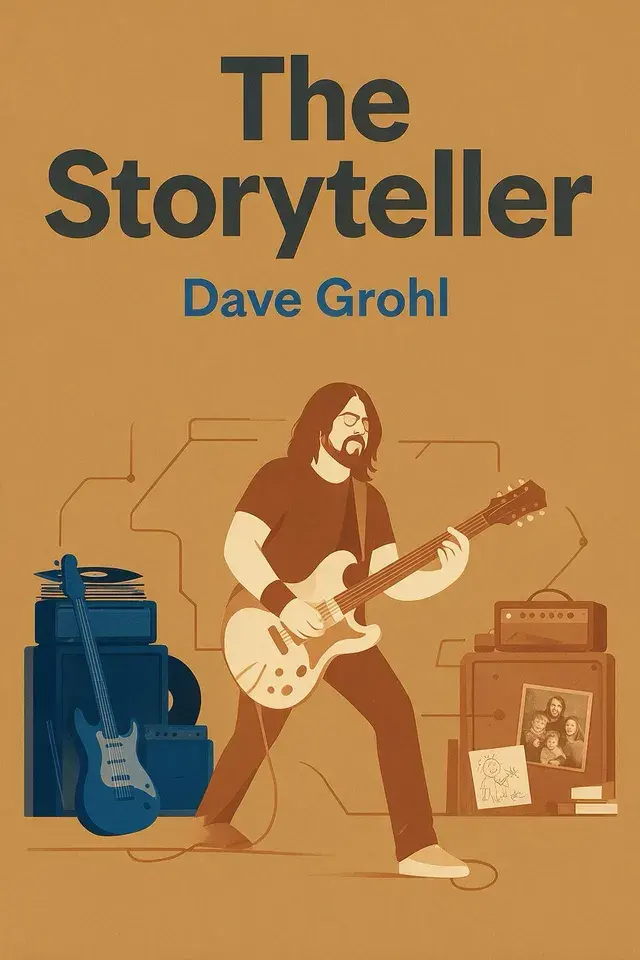
The Storyteller
Dave Grohl’s memoir asks how a life in music can hold memory, ambition, grief, family, and responsibility at once. It follows his path from punk’s DIY community through Nirvana, Foo Fighters, fatherhood, and public risk, showing how songs become a way to survive change and remain connected.
7 chapters in Wiseley’s biography catalog.
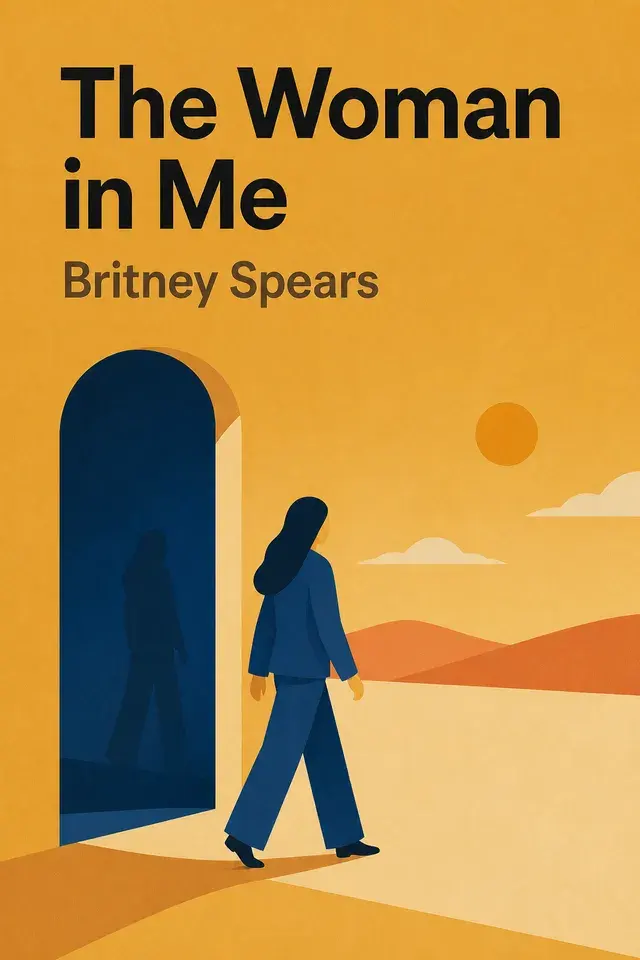
The Woman in Me
Britney Spears’s memoir traces how a child who found freedom in singing became a pop star and mother before being placed under a conservatorship. It asks what happens when family, media, and institutions claim authority over an artist’s body and voice—and how testimony, creativity, faith, and ordinary choices can rebuild self-determination.
11 chapters in Wiseley’s biography catalog.
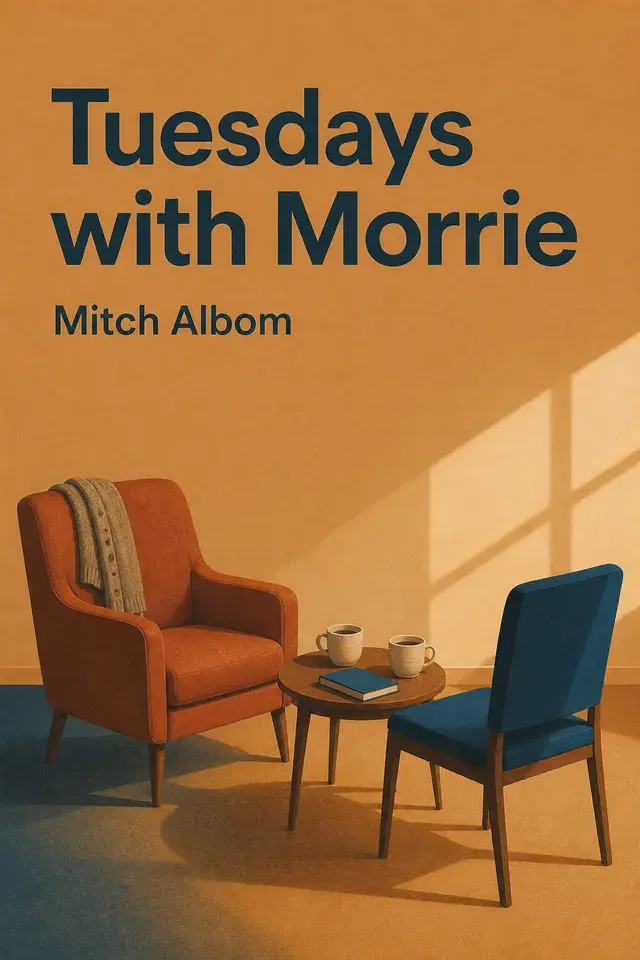
Tuesdays with Morrie
When Mitch Albom returns to his dying former professor Morrie Schwartz, their Tuesday meetings become a course on the meaning of life. The book asks whether love, attention, family, and responsibility can displace status and fear, offering a lived framework for facing dependence, grief, aging, forgiveness, and death.
8 chapters in Wiseley’s biography catalog.
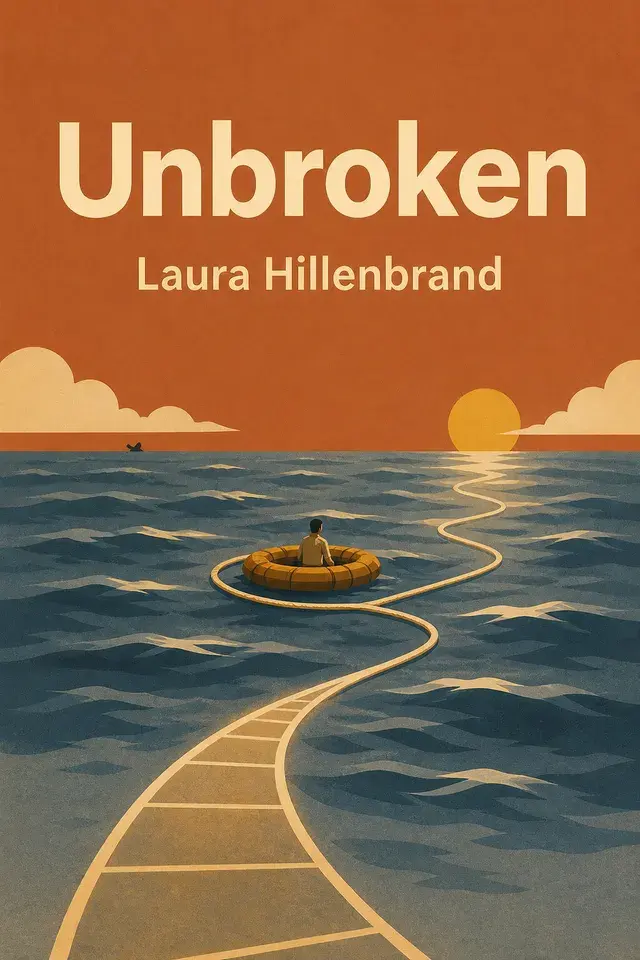
Unbroken
Unbroken follows Olympic runner Louie Zamperini from a rebellious California childhood through athletic triumph, Pacific air combat, a catastrophic crash, forty-seven days adrift, Japanese captivity, and a difficult return home. It asks how dignity survives organized violence and studies how trauma, memory, and revenge can be transformed into freedom and forgiveness.
9 chapters in Wiseley’s biography catalog.
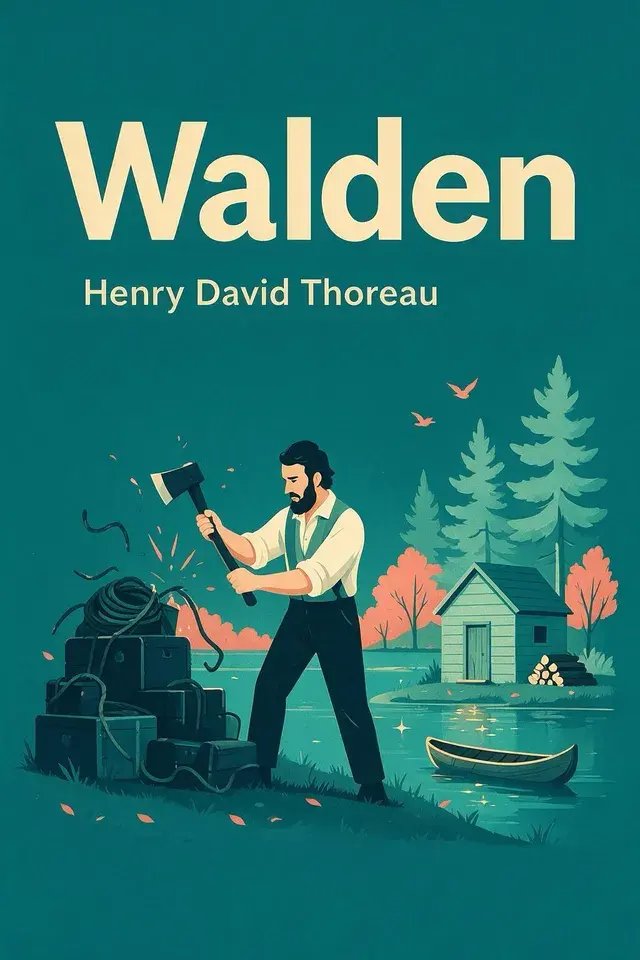
Walden
Walden asks what a human life can become when inherited burdens, public opinion, and unnecessary consumption are tested against basic needs. Thoreau answers through a temporary cabin experiment, close attention to nature, and inward exploration, offering practical methods for freedom alongside tensions that resist simple imitation.
12 chapters in Wiseley’s biography catalog.
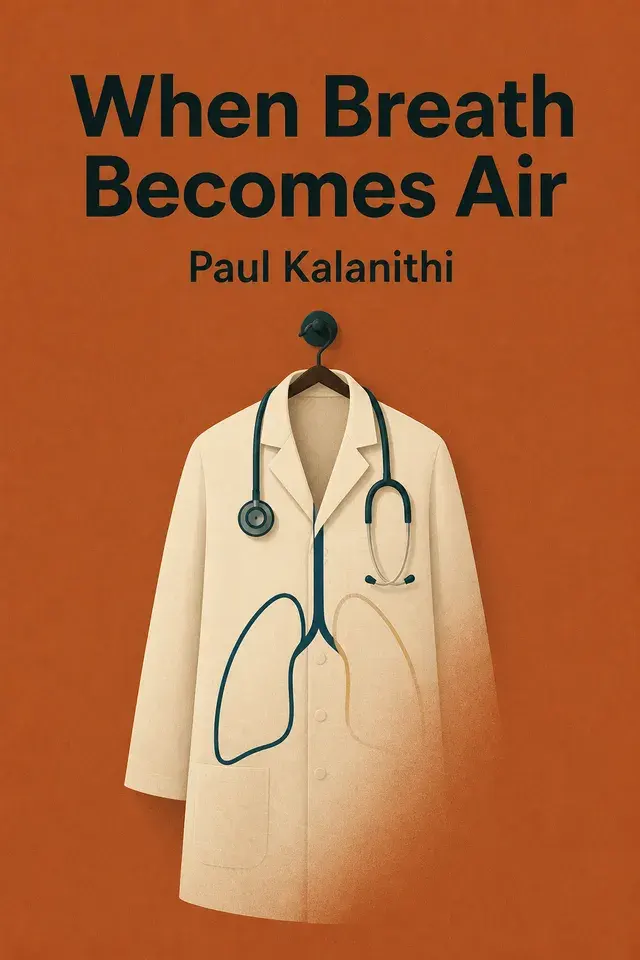
When Breath Becomes Air
Paul Kalanithi’s memoir follows a neurosurgeon who becomes a lung-cancer patient just as his career and marriage seem to be taking shape. It asks how to live, love, and practice medicine under a finite future, using family, literature, faith, and clinical experience to examine what makes a life meaningful.
6 chapters in Wiseley’s biography catalog.
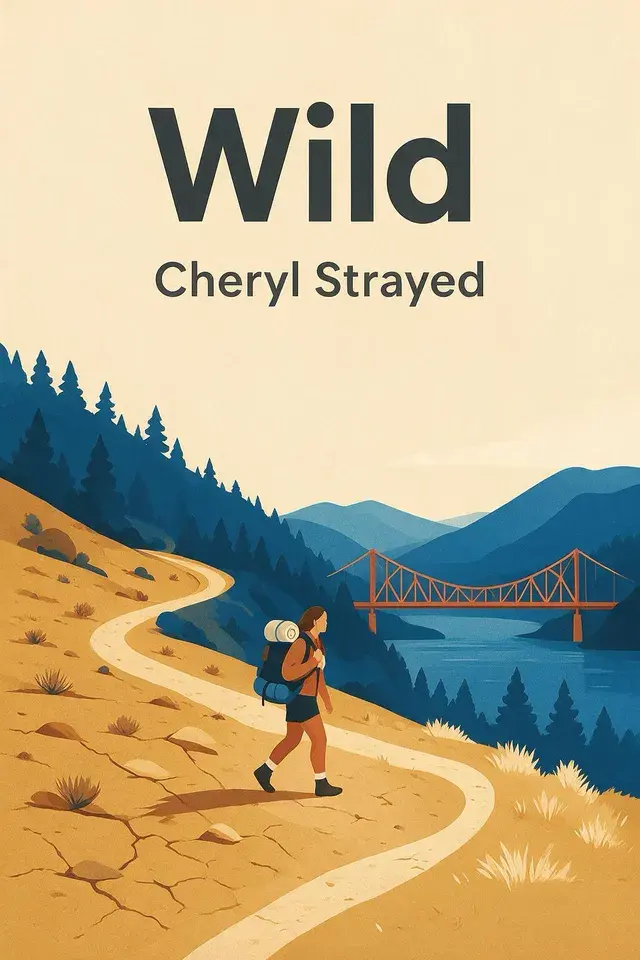
Wild
Wild follows Cheryl Strayed’s solo walk from the Mojave Desert toward the Bridge of the Gods after her mother’s death, heroin use, and divorce. It asks how a scattered life can be inhabited again, tracing wilderness, bodily endurance, strangers, memory, and writing as imperfect routes through grief toward renewed belonging.
9 chapters in Wiseley’s biography catalog.
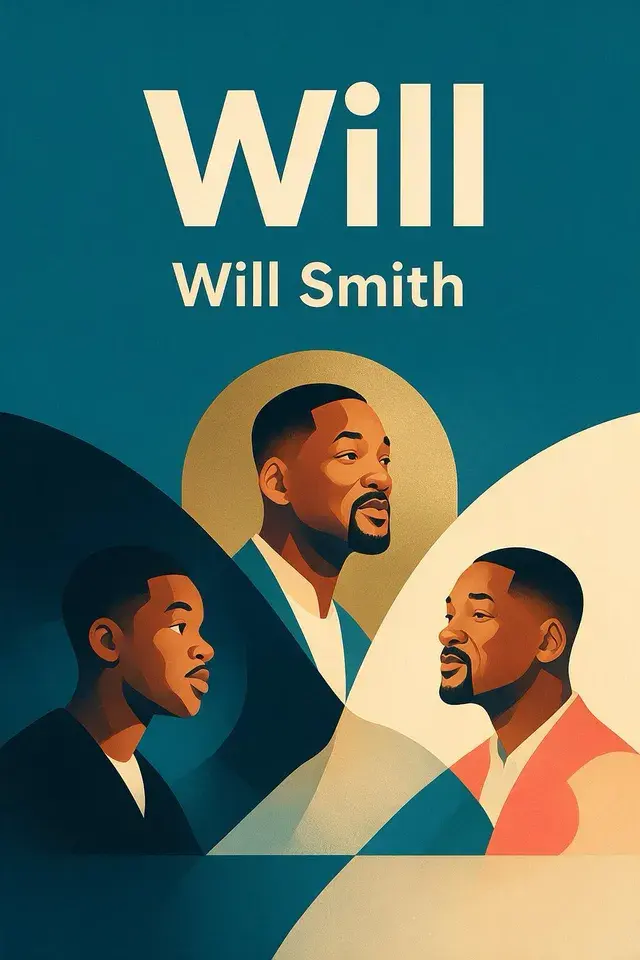
Will
Will Smith’s memoir asks how a fearful child who learned to survive through performance became a global entertainer—and why achievement failed to settle the fears beneath that identity. It traces family, hip-hop, Hollywood, collapse, fatherhood, therapy, surrender, and love as changing answers to that question.
9 chapters in Wiseley’s biography catalog.
Keep exploring
Comparison
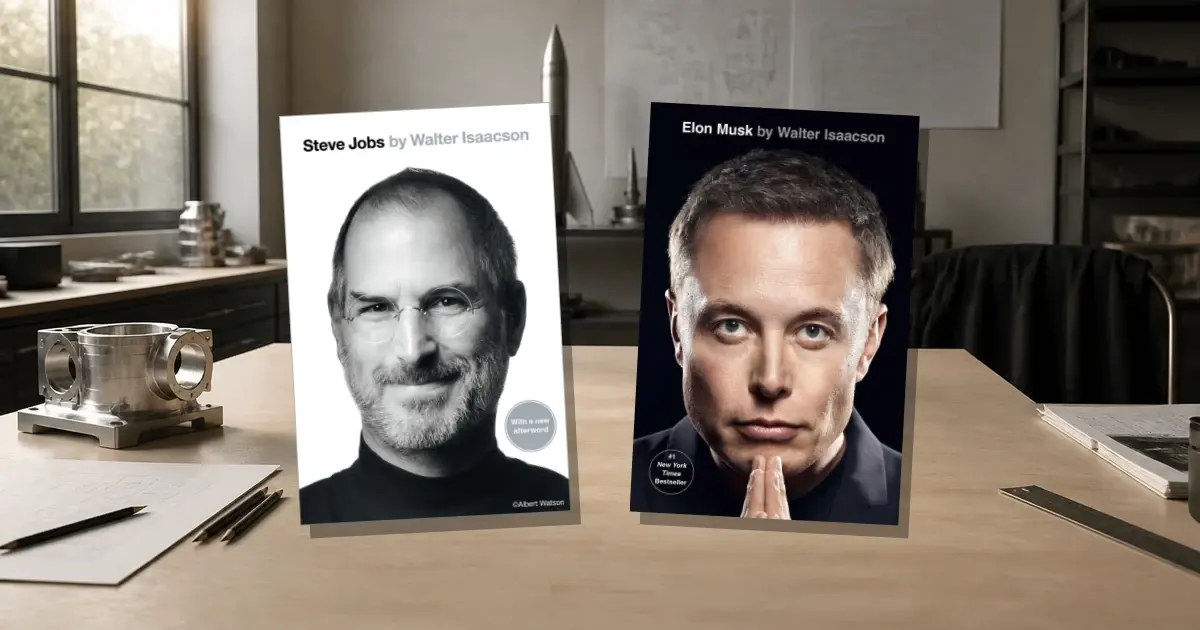
Steve Jobs vs Elon Musk: What Do Their Biographies Reveal About Ambition?
Walter Isaacson portrays two founders who turn urgency into products, pressure, and collateral damage. Compare the mechanisms without mistaking intensity for a transferable formula.
Comparison
Educated vs The Glass Castle: Two Memoirs of Leaving and Becoming
Both memoirs hold family love beside danger and neglect, yet education, memory, and departure do different work in each account.

Practical guide
How to Learn From a Biography Without Copying the Hero
Read a life for decisions, constraints, and consequences—not for a costume you can borrow or a personality you should imitate.
Reading list
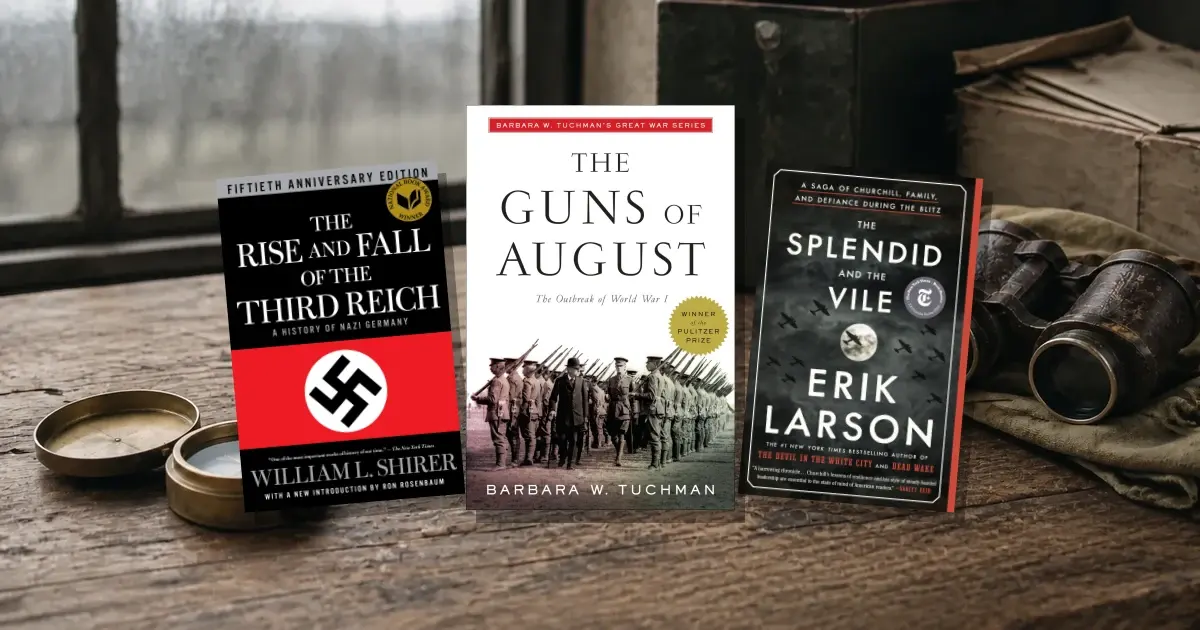
The Best World War II History Books, Plus How the First Began
Four narrative histories of the Second World War, on the regime, the Blitz, one company and the bomb, plus Barbara Tuchman's account of how the First World War began in 1914.
Reading smarter
How to Remember What You Read: An Active Reading Method
Nobody remembers everything they read, and no method changes that. What this one gives you is a reliable route back to a book’s argument, evidence, and limits — worked through one real chapter here.