Relationships book summaries
Tools for listening, conflict, boundaries, attachment, negotiation, and conversations that preserve dignity.
Relationship books differ in what they believe creates safety and change: clearer language, better boundaries, emotional attunement, negotiated expectations, or repaired trust. Reading them together reveals where their tools reinforce one another and where they conflict.
Romantic relationships and workplace communication are different needs: the first list below is about partners and dating, the second about conversations at work and at home.
Start with a focused list
This page is the complete relationships catalog. If you already know which question you are answering, these shorter selections narrow it down first.
- Relationship books by the question you are living with — Lasting closeness, chasing and retreating, fading desire, feeling loved and unspoken rules are separate questions in a romantic relationship.
- Communication books for work and home — Chosen by the conversation you actually face: rapport, understanding, boundaries, attachment, negotiation or conflict.
- Set a boundary without starting a fight — A boundary is a statement of what you will do, not a demand that someone else become easy to manage.
- Prepare for a difficult conversation in 15 minutes — A short plan for the conversation you keep postponing, whether it is with a partner, a relative or a colleague.
Books in this collection

Attached
Attached explains how adult attachment shapes romantic expectations, pursuit, withdrawal, and conflict. It asks how people can recognize their own and a partner’s needs, distinguish security from emotional volatility, communicate directly, and decide whether to repair, renegotiate, or leave a relationship. Its value is a practical framework for clearer choices and more secure bonds.
9 chapters in Wiseley’s relationships catalog.

Crucial Conversations
Crucial Conversations asks how people can speak honestly and listen well when stakes are high, opinions differ, and emotions run strong. It explains how to restore safety, question the stories shaping our reactions, create shared meaning, make sound decisions, and turn difficult dialogue into accountable action.
10 chapters in Wiseley’s relationships catalog.

Difficult Conversations
Difficult Conversations explains why important disputes turn into arguments about facts, intentions, feelings, identity, and blame. It asks how people can listen and speak honestly without forcing agreement, then use shared understanding to make decisions, repair relationships, or choose workable limits.
10 chapters in Wiseley’s relationships catalog.

How to Know a Person
How to Know a Person asks what it takes to perceive another person beyond labels, roles, and first impressions. It connects attention, conversation, empathy, suffering, personality, culture, and wisdom, offering a practical and moral framework for listening better, understanding a person's history and viewpoint, and helping others feel genuinely seen.
13 chapters in Wiseley’s relationships catalog.

How to Win Friends and Influence People
How can ordinary interactions become more cooperative, humane, and effective? Dale Carnegie argues that influence begins with understanding motives, replacing criticism with sincere appreciation, and protecting dignity. The book turns those ideas into practices for conversation, negotiation, leadership, and marriage—and insists that repetition is what makes them usable habits.
7 chapters in Wiseley’s relationships catalog.

Mating in Captivity
Mating in Captivity examines why affection, security, and domestic closeness can coexist with—and sometimes dampen—erotic desire. It asks how committed partners can preserve autonomy, mystery, play, and pleasure without abandoning trust, offering a framework for understanding intimacy, parenthood, fantasy, power, and fidelity.
7 chapters in Wiseley’s relationships catalog.

Men Are from Mars, Women Are from Venus
This relationship guide asks why partners who love each other can still feel misunderstood. Its Mars–Venus framework contrasts their values, stress responses, and emotional needs, then turns those differences into practices for listening, requesting support, repairing conflict, processing hurt, and sustaining intimacy.
9 chapters in Wiseley’s relationships catalog.

Models
Models examines how men can approach romantic attraction without making approval or memorized routines the center of their identity. It asks how honest desire, vulnerability, compatible contexts, communication, and repeated action change dating, and offers a framework for treating rejection as information while building mutual intimacy.
7 chapters in Wiseley’s relationships catalog.

Nonviolent Communication
Marshall B. Rosenberg’s Nonviolent Communication asks how people lose touch with compassion and how language can restore connection. It presents a four-part practice—observations, feelings, needs, and requests—and applies it to empathy, conflict, self-judgment, protective force, counseling, and appreciation, offering a framework for clearer, more humane action.
10 chapters in Wiseley’s relationships catalog.

Set Boundaries, Find Peace
Set Boundaries, Find Peace asks how people can protect time, well-being, and relationships without withdrawing from connection. It traces overwhelm, resentment, burnout, and conflict to unclear limits, then offers a practical sequence—notice the need, say it directly, tolerate discomfort, and follow through—in family, romance, friendship, work, and digital life.
14 chapters in Wiseley’s relationships catalog.

Supercommunicators
Supercommunicators asks why some conversations create trust and understanding while others produce advice, defensiveness, or division. It presents communication as a learnable practice of matching practical, emotional, and social needs, then applies questions, listening, vulnerability, negotiation, conflict skills, and identity awareness to everyday and high-stakes dialogue.
7 chapters in Wiseley’s relationships catalog.

Talking to Strangers
Talking to Strangers examines why people and institutions misread unfamiliar others. Through deception, diplomacy, sexual consent, interrogation, suicide, crime, and Sandra Bland’s traffic stop, it asks how truth-default, assumptions about visible emotion, and neglected context distort judgment—and how humility, restraint, and safeguards can reduce the damage.
10 chapters in Wiseley’s relationships catalog.

The Five Love Languages
The Five Love Languages examines why affection can fade after marriage and asks how spouses can make love recognizable to one another. It proposes five primary languages—words, time, gifts, service, and touch—and applies them to conflict, repair, and parenting, offering a practical method for translating intention into connection.
12 chapters in Wiseley’s relationships catalog.

The Seven Principles for Making Marriage Work
What keeps a marriage connected when conflict, unequal needs, and enduring differences cannot be eliminated? This summary presents Gottman’s research-based framework of friendship, positive regard, shared influence, repair, respectful acceptance, and shared meaning, then distills practical ways couples can understand and strengthen their relationship.
9 chapters in Wiseley’s relationships catalog.
Keep exploring
Comparison
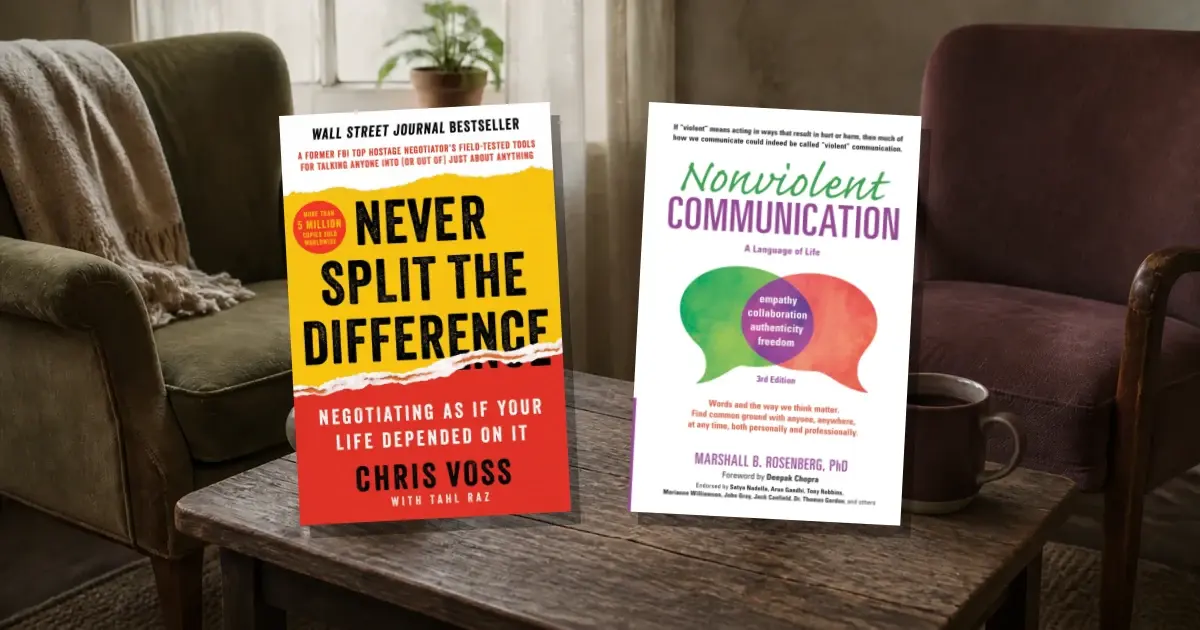
Never Split the Difference vs Nonviolent Communication: Negotiate or Connect?
Both methods listen closely, name emotion, and slow reactive talk. Their goals and ethical center are not the same.

Reading list
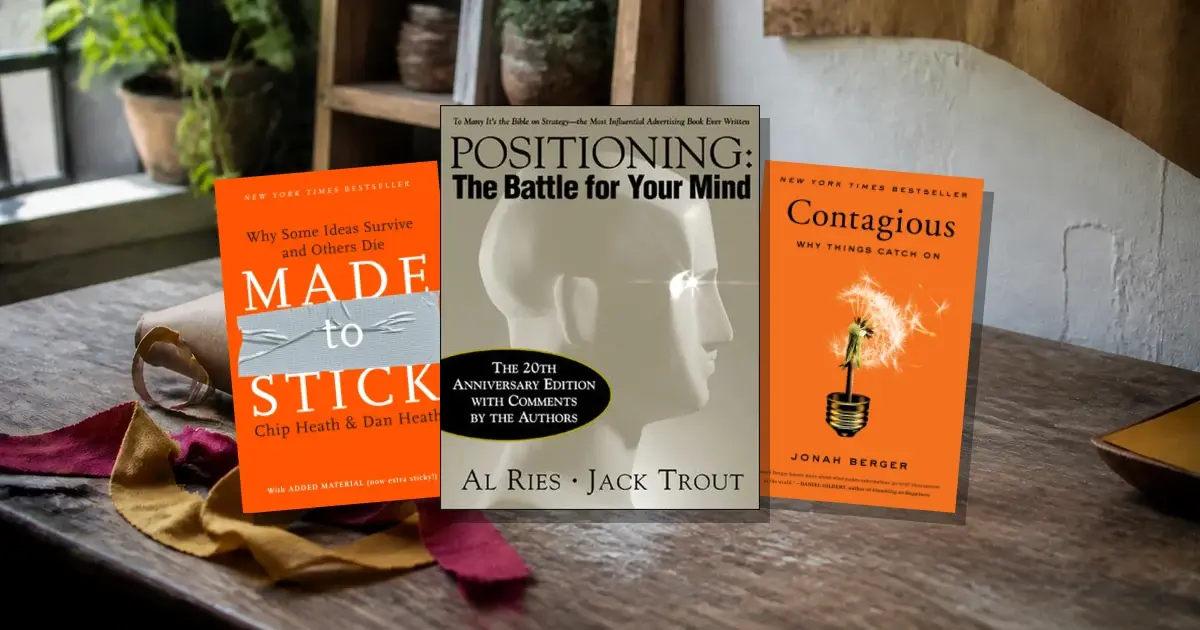
The Best Marketing Books for Whatever Part of Growth Is Broken
Marketing books solve different problems: owning a position, making an idea memorable, engineering word of mouth, building remarkability into the product, or understanding why people say yes.