The essential ideas from books that matter.
Wiseley is a book summary app for nonfiction. Wiseley summaries are structured for focused reading or listening sessions. Grasp the argument, keep the useful ideas, and choose what to read next.

Follow a reading path
Each path is an ordered route through related arguments—not a popularity chart. Open one to see the books, or build a plan around your own goal.
Build Habits That Stick
Turn good intentions into repeatable actions and routines.
10 booksGet Your Focus Back
Understand distraction and protect your attention for what matters.
8 booksGet Things Done
Explore ways to organize tasks, priorities, and everyday routines.
7 booksDo Less, Do It Well
Rethink busyness, limits, rest, and the pace of a satisfying life.
9 booksLearn Anything Better
Explore how practice, memory, curiosity, and persistence build skill.
8 booksWhat Makes a Good Education?
Explore schooling, autonomy, learning, and the social conditions that shape education.
7 booksHear how Wiseleysounds.
Selected The Creative Act by Rick Rubin.
Read by people withno time to read.
“I put one on when I leave the flat and it's usually finished before I get to my desk. That's the whole habit, honestly.”
 Dani R.Product manager Lisbon
“I'll be honest, I expected bullet points read out loud. It's closer to a friend who actually read the book telling you the good parts.”
 Marcus O.Surgeon Chicago
“I listen first, and if I still want the whole thing I'll buy it. It's stopped me from buying two or three books I'd have quit forty pages in.”
 Priya N.PhD student Bangalore
“I get interrupted constantly, so the part I actually care about is picking up where I stopped instead of hunting around for my place.”
 Elena S.Brand strategist Madrid
“My train ride is about twenty minutes. One chapter, a couple of ideas saved, and that's my reading done, which is more than I managed all last year.”
 Theo K.Software engineer Berlin
“When the same book keeps coming up in meetings, I listen to it that evening. At least then I know what everyone means, and whether it's worth the full read.”
 Amina B.Policy researcher Nairobi
“Fifteen minutes before a call is enough to get what the author is actually arguing. Not the version everyone repeats at conferences.”
 Lucas M.Founder São Paulo
“Most apps like this feel like they're selling me something the whole time. This one tells me what the book says and then stops.”
 Hana T.Architect Tokyo
Start with a book you already know
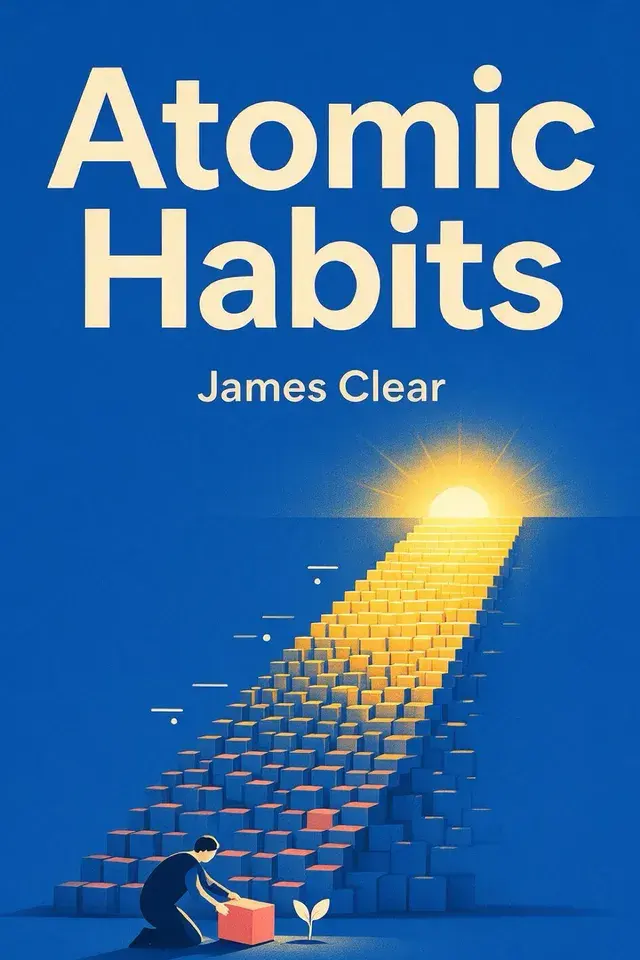
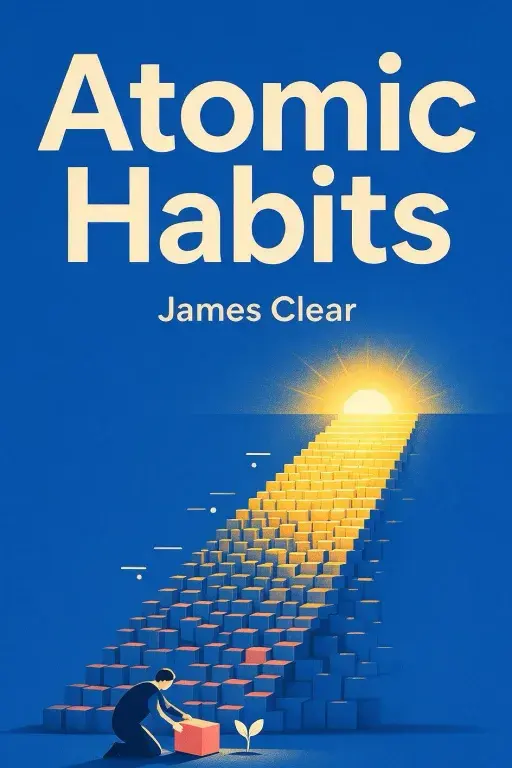
Atomic Habits
Atomic Habits explains how tiny repeated behaviors can produce outsized long-term results, while goals alone do not create progress. It asks how identity, environment, social context, friction, rewards, and review can be arranged so good habits become easier to repeat and bad habits easier to interrupt.
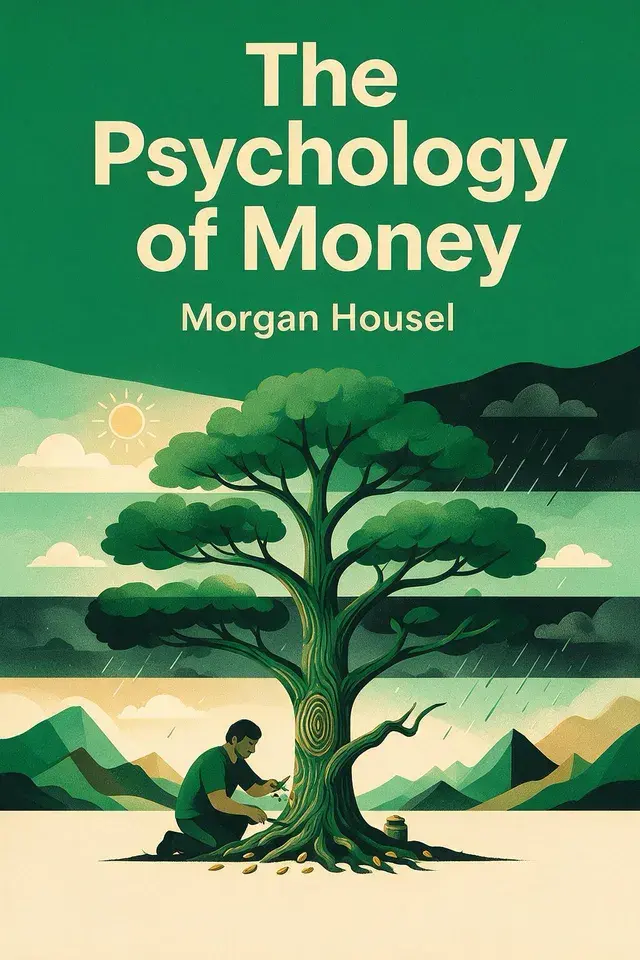
The Psychology of Money
Why do people make money choices that seem irrational, and how can they build wealth without risking what matters most? Morgan Housel examines personal history, luck, compounding, saving, time autonomy, uncertainty, changing goals, and economic expectations, then turns those ideas into a framework for durable financial behavior.
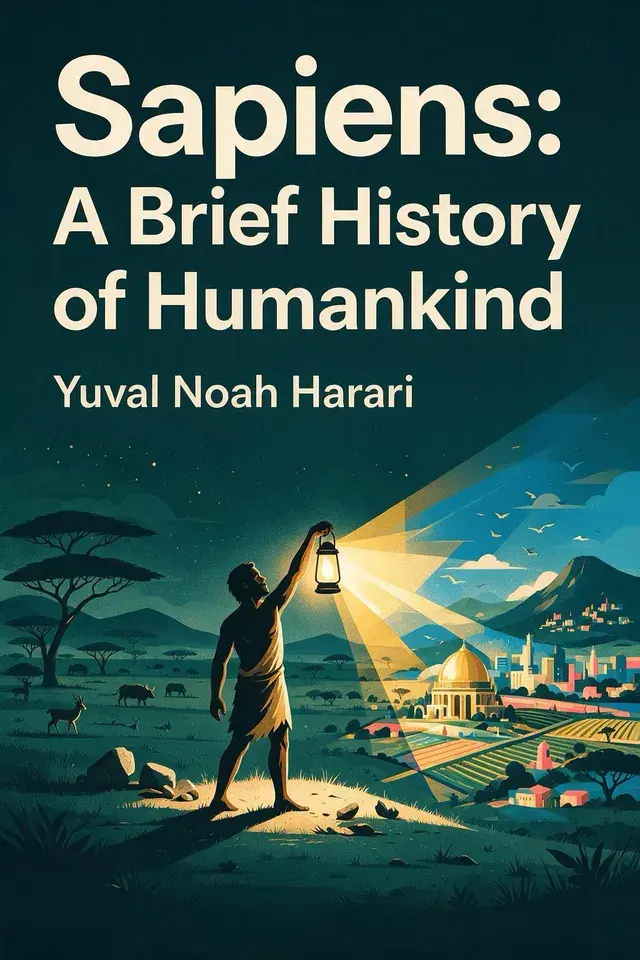
Sapiens: A Brief History of Humankind
Sapiens asks how an unremarkable ape became the dominant human species—and whether rising collective power improved individual life. It traces the Cognitive, Agricultural, and Scientific Revolutions through shared fictions, money, empire, religion, capitalism, and industry, then weighs modern progress against happiness, ecological cost, and the prospect of redesigning humanity.
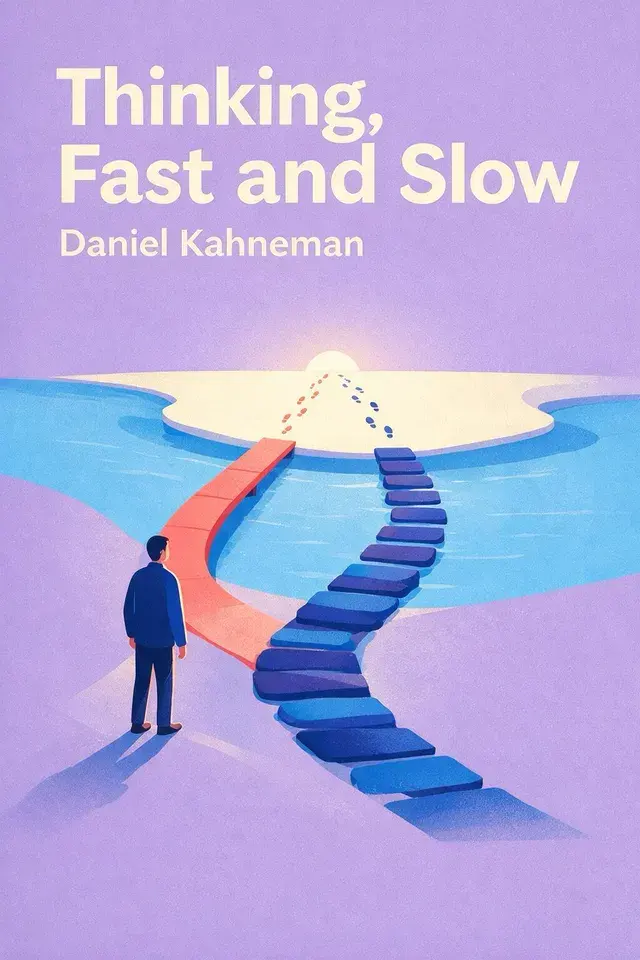
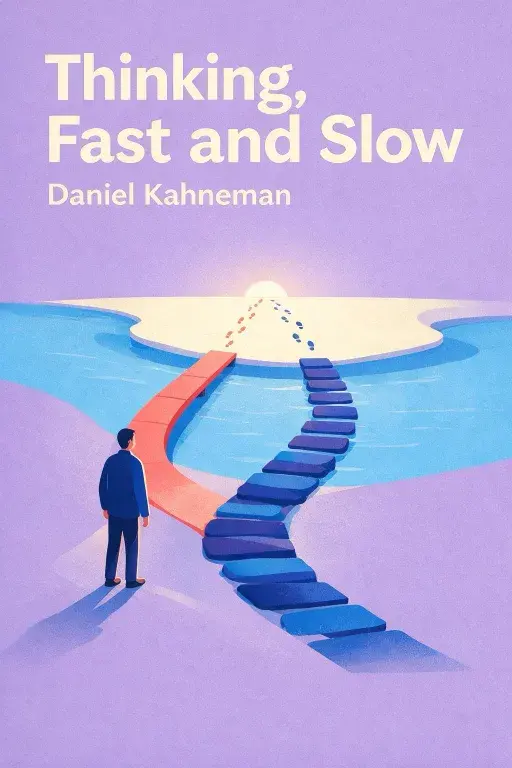
Thinking, Fast and Slow
Why do quick impressions feel convincing, why do losses loom larger than gains, and why can memory misrepresent experience? Kahneman’s account traces the shortcuts, statistical errors, reference points, frames, and competing selves that shape judgment, then considers how measurement, deliberate checking, and institutional design can improve decisions.
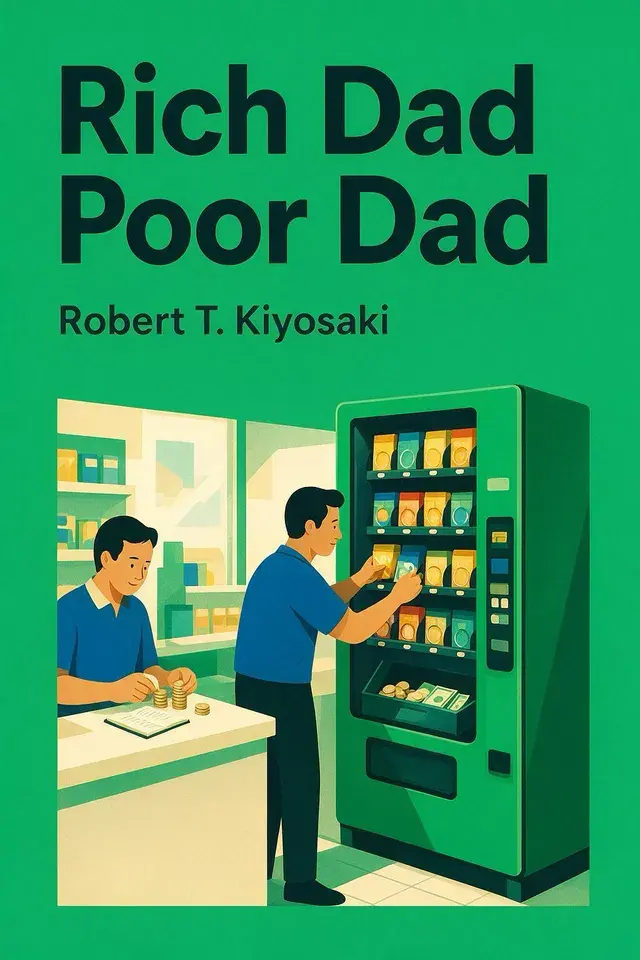
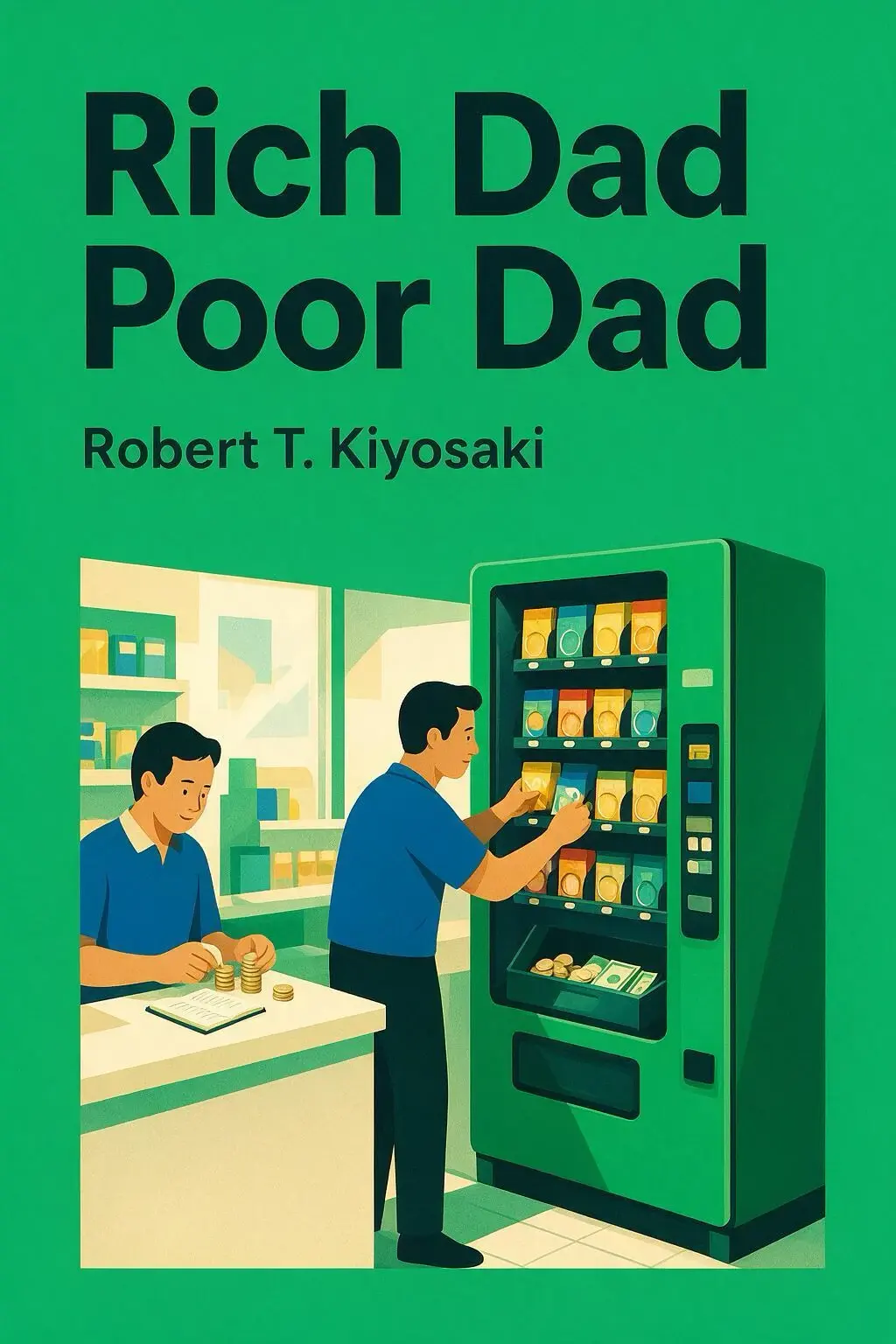
Rich Dad Poor Dad
Rich Dad Poor Dad contrasts two approaches to money: trading time for wages and building financial understanding, assets, and ownership. It asks why education and higher earnings can coexist with financial insecurity, then maps cash flow, risk, skills, and the conversion of earned income into portfolio or passive income.
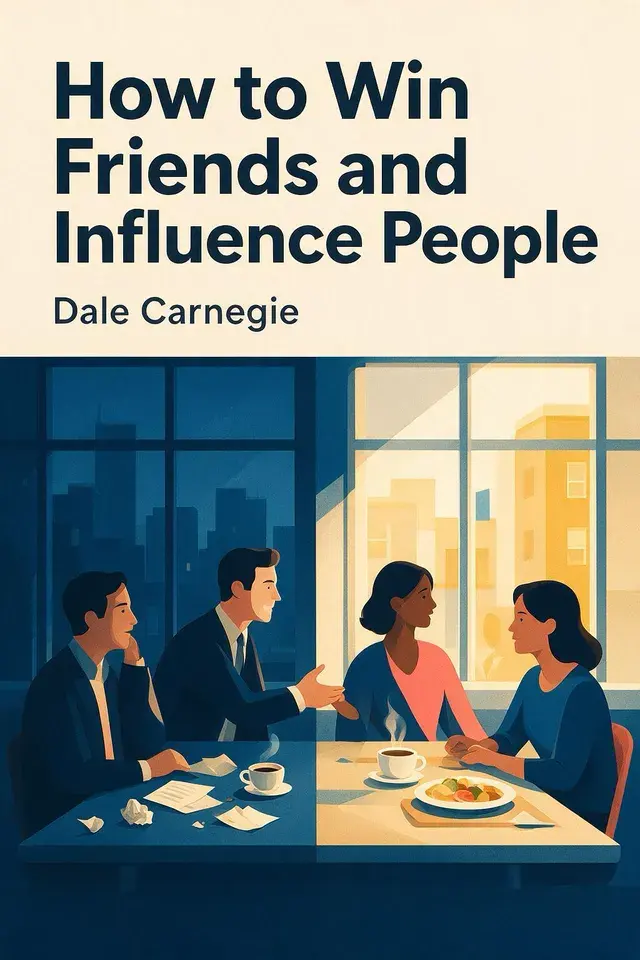
How to Win Friends and Influence People
How can ordinary interactions become more cooperative, humane, and effective? Dale Carnegie argues that influence begins with understanding motives, replacing criticism with sincere appreciation, and protecting dignity. The book turns those ideas into practices for conversation, negotiation, leadership, and marriage—and insists that repetition is what makes them usable habits.
Make space for ideas that stay.
Read or listen, at your pace
Explore the key ideas from nonfiction books, on the page or in your headphones.
Follow your curiosity
Find books and learning paths around the topics that matter to you.
Keep the ideas you need
Save useful insights and return to them when it’s time to put them into practice.
Wiseley launch film ready to play.
Follow your curiosity
Business
Strategy, leadership, entrepreneurship, and the operating choices that help organizations create durable value.
95 books in this collectionPsychology
Clear explanations of attention, emotion, decisions, identity, behavior change, and the limits of human judgment.
53 books in this collectionPersonal Growth
Practical frameworks for changing habits, building confidence, finding direction, and making everyday life more intentional.
69 books in this collectionScience
Big questions about nature, humanity, technology, and the evidence used to explain how complex systems work.
56 books in this collectionWealth
Mental models for earning, spending, saving, investing, and making financial choices under uncertainty.
27 books in this collectionHistory
Narratives and arguments that connect past events, institutions, technologies, and choices to the world we inherited.
48 books in this collectionPhilosophy
Enduring arguments about meaning, ethics, time, agency, and how to live when certainty is unavailable.
45 books in this collectionBiography
Lives examined through ambition, failure, identity, public responsibility, reinvention, and the costs of achievement.
51 books in this collectionHealth
Books about sleep, longevity, stress, behavior, and wellbeing—presented with clear boundaries between an author’s thesis and medical consensus.
23 books in this collectionRelationships
Tools for listening, conflict, boundaries, attachment, negotiation, and conversations that preserve dignity.
14 books in this collectionProductivity
Methods for focused work, deliberate learning, priorities, career transitions, and sustainable progress.
24 books in this collectionSociety
Evidence and competing explanations for institutions, inequality, cooperation, polarization, and social change.
23 books in this collectionPut the ideas to work
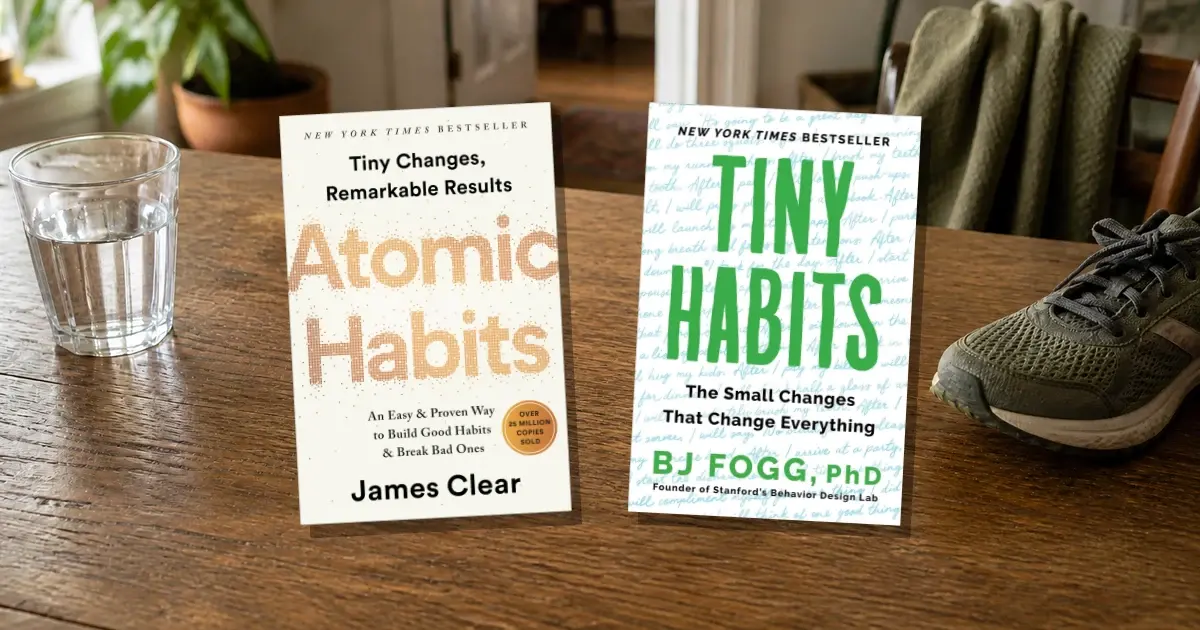
Comparison
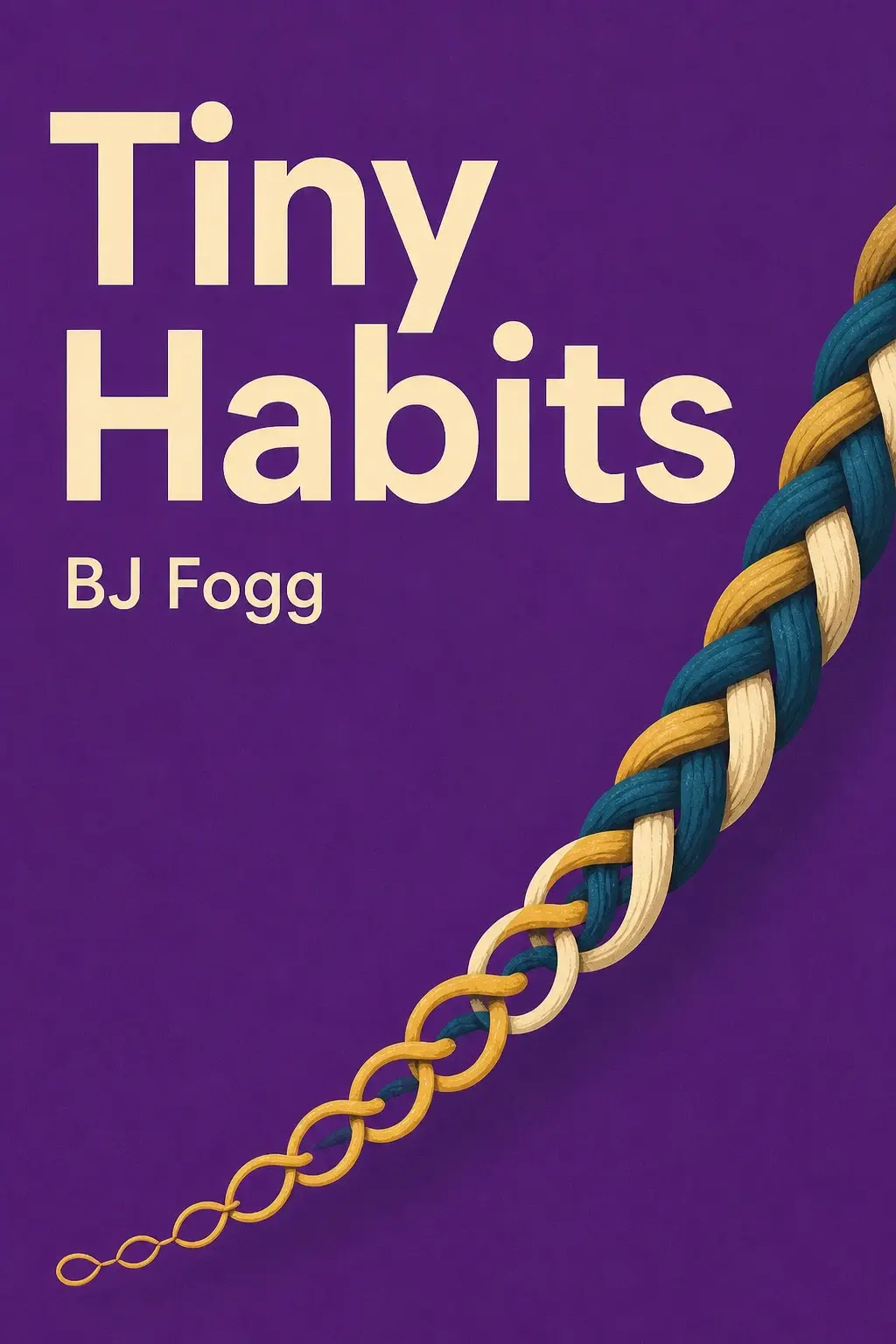
Atomic Habits vs Tiny Habits: Which System Fits You?
Both books make change smaller, but they diagnose failed habits differently. Use this guide to choose the method that matches your sticking point.

Comparison
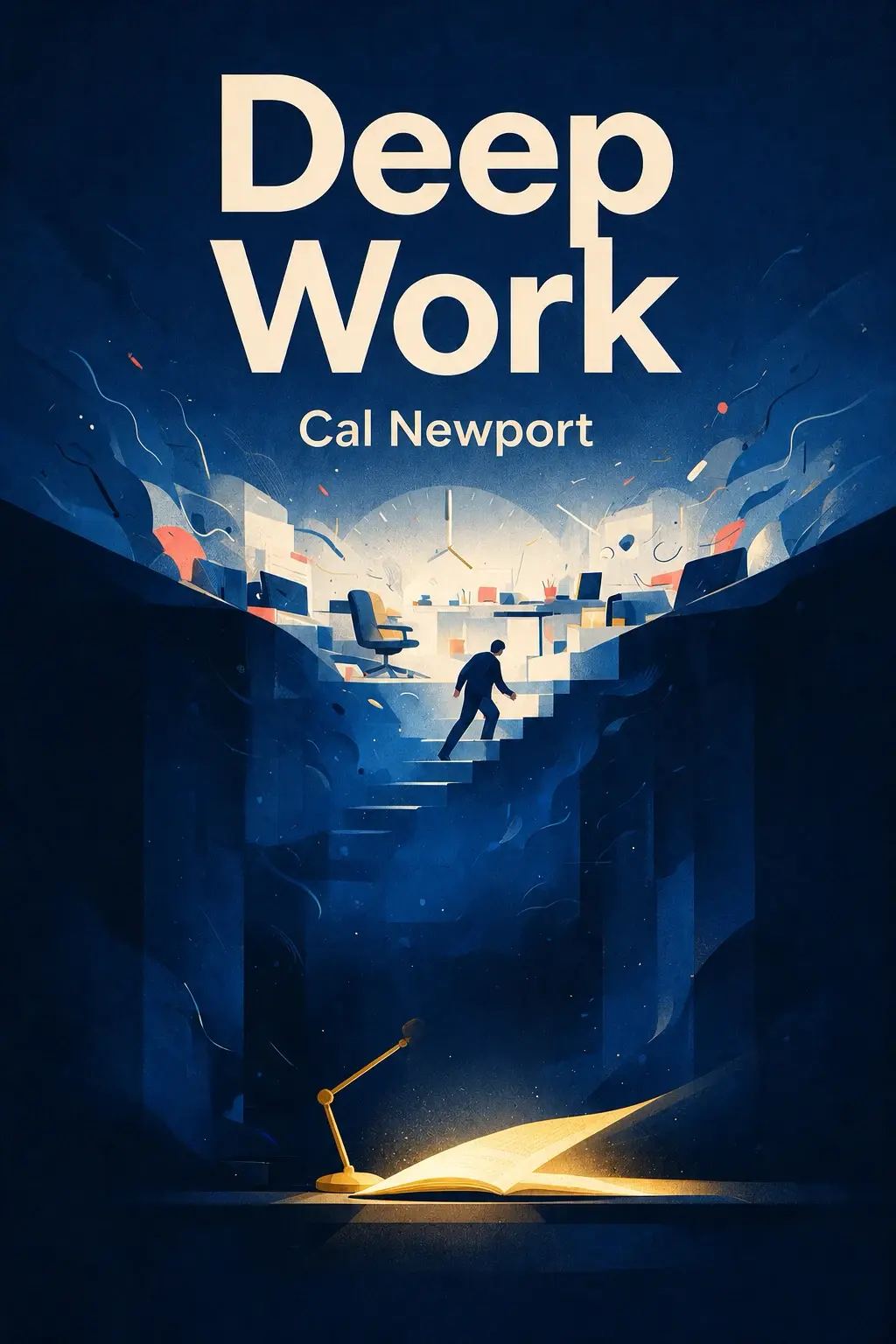
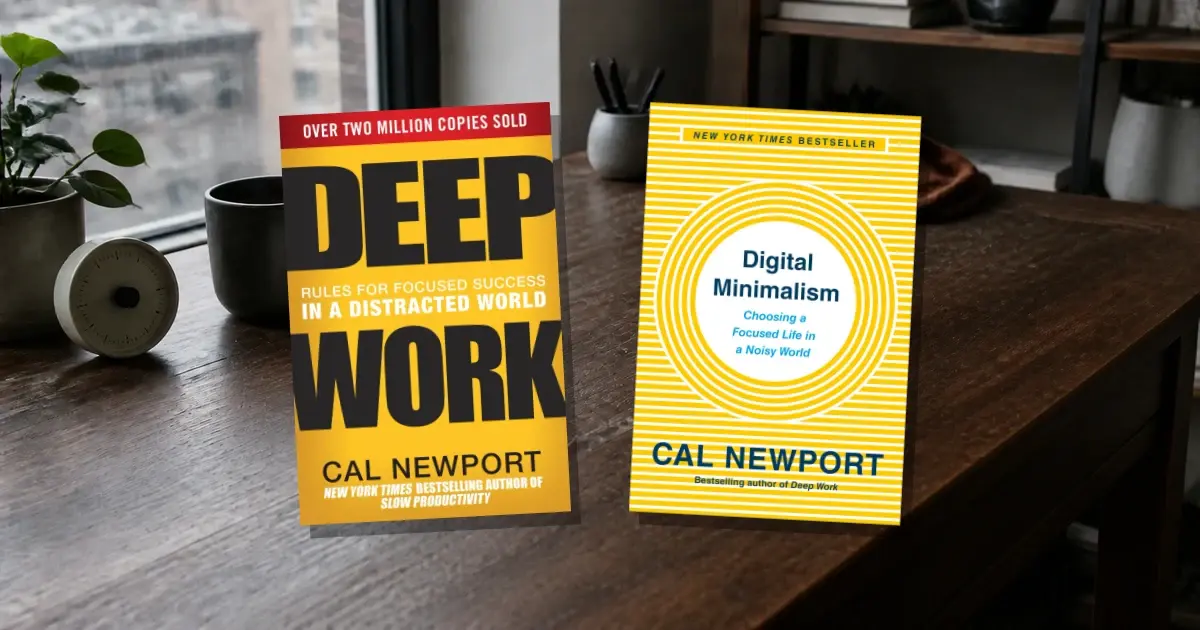
Deep Work vs Digital Minimalism: Focus System or Attention Reset?
One book organizes demanding work; the other asks which technologies deserve a place in your life. Here is where each starts—and where they work together.

Comparison
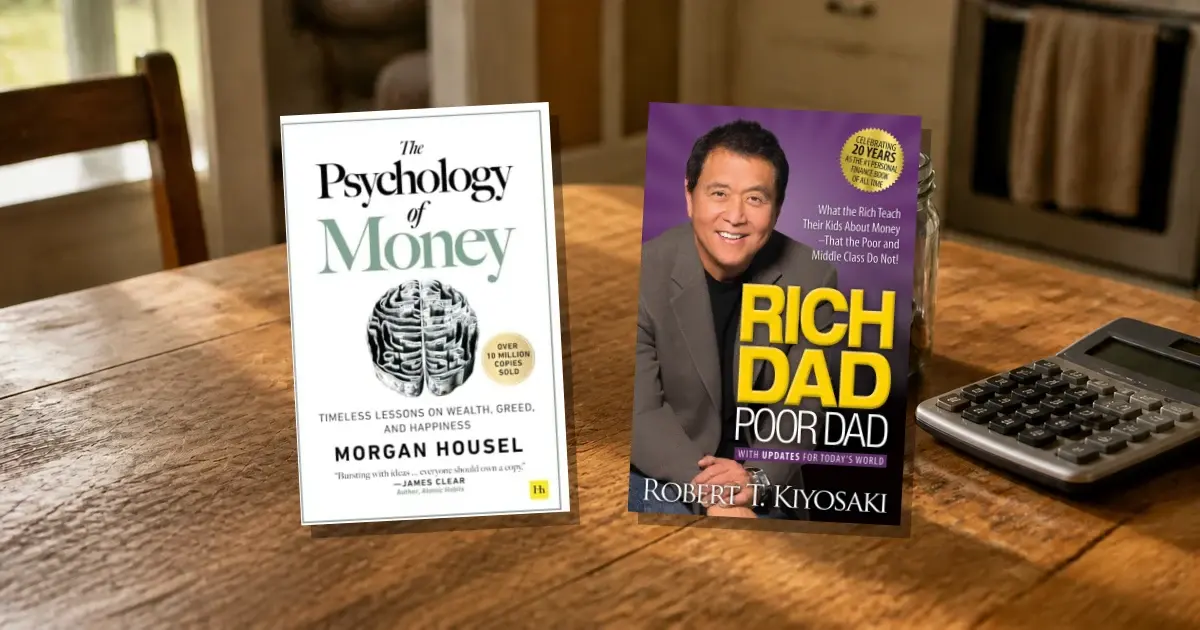
The Psychology of Money vs Rich Dad Poor Dad: Two Paths to Better Money Decisions
One emphasizes behavior under uncertainty; the other uses a provocative story about assets, work, and ownership. Compare them without treating either as a personal financial plan.

Comparison
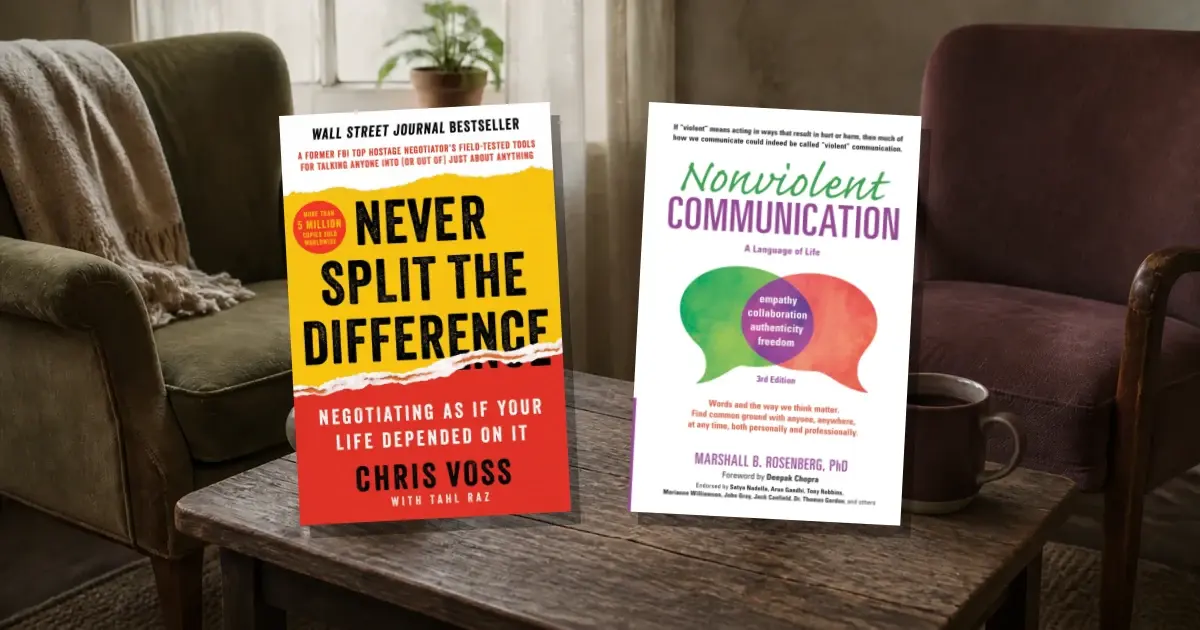
Never Split the Difference vs Nonviolent Communication: Negotiate or Connect?
Both methods listen closely, name emotion, and slow reactive talk. Their goals and ethical center are not the same.

Comparison
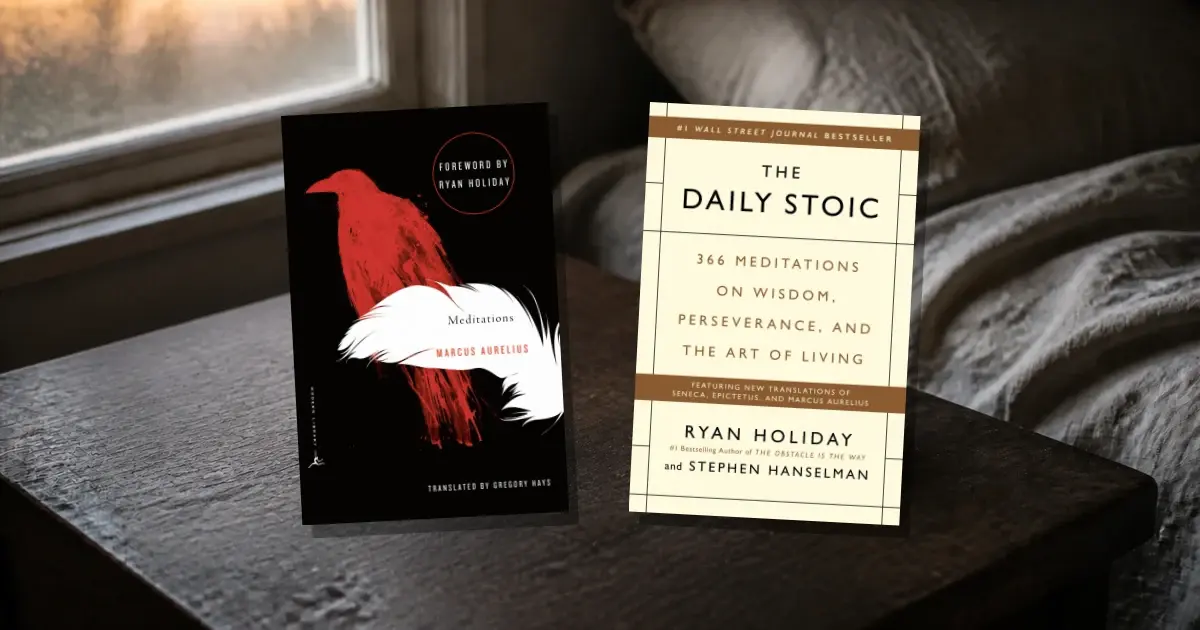
Meditations vs The Daily Stoic: Where Should a Beginner Start?
Choose between a private ancient notebook and a modern daily guide by deciding whether you want encounter, structure, or both.

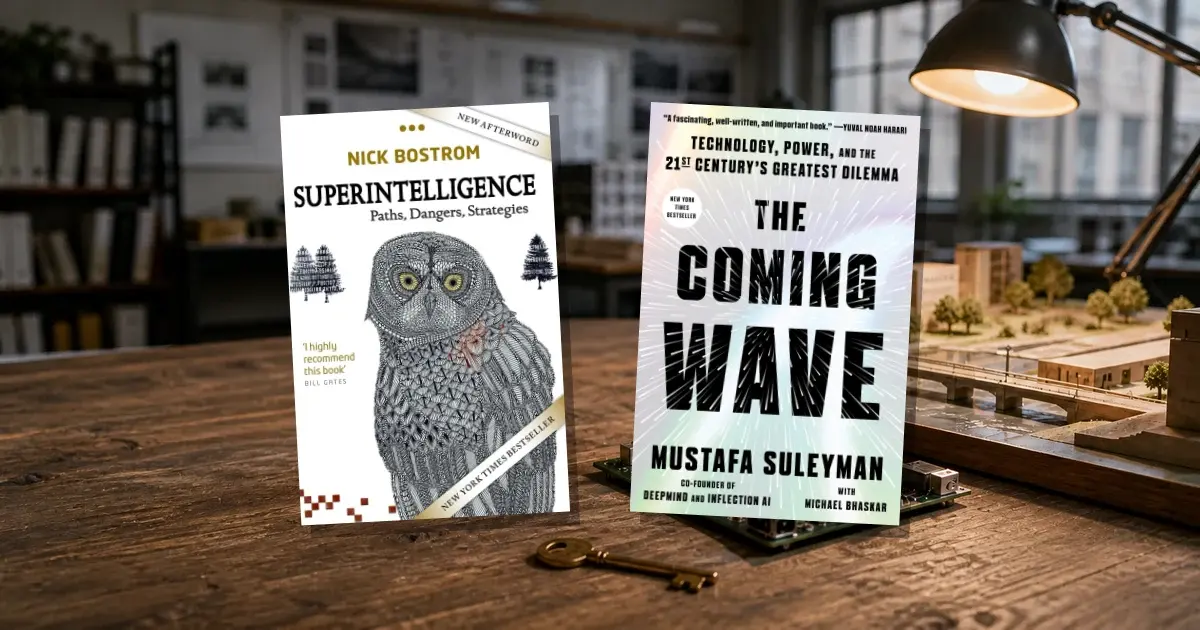
Comparison
Superintelligence vs The Coming Wave: Two Views of AI Risk
One builds a long-horizon argument about intelligence beyond human control; the other focuses on containing powerful general-purpose technologies in institutions that must use them.

Make room for the next useful idea.
Wiseley summaries are structured for focused reading or listening sessions.
Tell us what you want to learn. We’ll shape a calm, realistic plan around it.
Build my learning plan