Psychology book summaries
Clear explanations of attention, emotion, decisions, identity, behavior change, and the limits of human judgment.
The strongest psychology reading makes hidden assumptions visible: why people notice one signal, ignore another, repeat a behavior, or misread their own motives. This collection puts practical models beside books that question how confidently those models should be applied.
This is general-interest psychology reading — behavior, emotion, judgment and attention — not textbook or clinical coverage.
Start with a focused list
This page is the complete psychology catalog. If you already know which question you are answering, these shorter selections narrow it down first.
- Brain books for different levels of wonder — Neuroscience from plasticity and clinical cases through to how emotion and consciousness are constructed.
- Decision-making books by judgment failure — Faulty intuition, badly designed options and noisy feedback each need a different book.
Books in this collection

A New Earth
A New Earth examines the source’s diagnosis of humanity’s inherited suffering, violence, greed, and ecological damage, then asks whether changing consciousness can change the world. It presents egoic identification with thought, possessions, roles, and groups as a root mechanism, and Presence as a path toward freer relationships, work, and collective action.
6 chapters in Wiseley’s psychology catalog.

Adult Children of Emotionally Immature Parents
Why can a child feel alone despite being cared for, and why do those early adaptations persist into adult relationships? This summary explains emotional immaturity, the roles and coping styles it elicits, and a practical path toward self-trust, protective boundaries, and reciprocal connection.
9 chapters in Wiseley’s psychology catalog.

Atlas of the Heart
Atlas of the Heart asks how naming and distinguishing emotions changes the way we understand ourselves and connect with others. It maps experiences from anxiety, comparison, and grief to shame, belonging, love, joy, anger, and humility, offering language for wiser choices, boundaries, compassion, and repair.
14 chapters in Wiseley’s psychology catalog.
Authentic Happiness
Authentic Happiness asks what makes well-being durable rather than momentary. It follows positive psychology’s expansion beyond illness toward the study of strengths, then examines gratitude, optimism, pleasure, flow, love, work, and parenting. Its practical value is a framework for using personal strengths in ordinary life and connecting them to meaning beyond the self.
10 chapters in Wiseley’s psychology catalog.
Behave
Why do humans act as they do? Robert M. Sapolsky follows behavior from neural circuits and hormones through development, genes, culture, evolution, group identity, morality, and history. The central lesson is that conduct is multicausal and context-sensitive, clarifying both cruelty and cooperation while leaving room for change.
13 chapters in Wiseley’s psychology catalog.

Chatter
Chatter examines why the mind talks to itself, when useful inner speech turns into repetitive distress, and how that spiral affects attention, performance, relationships, health, and well-being. It maps practical ways to regain perspective through self-distancing, better support, nature, expectations, rituals, and a flexible personal toolkit.
6 chapters in Wiseley’s psychology catalog.
David and Goliath
David and Goliath asks why apparent advantages can conceal vulnerabilities, and when disadvantages become strategic freedom. Through sport, education, medicine, civil rights, policing, punishment, and forgiveness, it examines how relative position, productive difficulty, legitimacy, and unconventional action shape what people and institutions can achieve.
7 chapters in Wiseley’s psychology catalog.
Dopamine Nation
Dopamine Nation asks why abundance and easy pleasure so often produce compulsion, anxiety, and pain. It connects addiction neuroscience to clinical stories and offers a practical path—abstinence, self-binding, measured discomfort, radical honesty, and supportive belonging—to recover a fuller capacity for ordinary life.
12 chapters in Wiseley’s psychology catalog.

Emotional Intelligence
Emotional Intelligence asks why intellectual ability alone does not determine how people think, relate, work, or recover. Daniel Goleman traces emotional intelligence from brain circuitry through self-awareness, regulation, motivation, empathy, and social skill, then examines how family life, trauma, health, and schools shape these capacities and how they can be strengthened.
8 chapters in Wiseley’s psychology catalog.

Flow
Flow examines how people can improve the quality of life when circumstances cannot guarantee happiness. It asks how attention, challenge, skill, work, relationships, adversity, and purpose can organize consciousness into meaningful experience, while showing why flow's same power can become addictive or harmful. Its value is a framework for self-directed living.
8 chapters in Wiseley’s psychology catalog.

Games People Play
Games People Play examines how ordinary social exchanges become recurring games with hidden motives and payoffs. It asks what people gain from these patterns, how ego states and transactions sustain them across relationships, and whether awareness, spontaneity, and intimacy can help people recognize and move beyond inherited social programming.
6 chapters in Wiseley’s psychology catalog.

Give and Take
Give and Take asks whether success is shaped by how people give, take, or exchange fairly. It follows generosity through networks, creative work, communication, and volunteering, then examines the boundaries and social practices that make giving sustainable. The result is a framework for understanding when helping others expands impact—and when it becomes costly.
4 chapters in Wiseley’s psychology catalog.
How Emotions Are Made
How Emotions Are Made asks whether emotions are universal biological reactions or predictions constructed from bodily signals, concepts, learning, and context. It traces the consequences for emotional regulation, illness, law, and animal behavior, giving listeners a more careful way to interpret feelings, evidence, and responsibility.
8 chapters in Wiseley’s psychology catalog.
How to Change
How to Change asks why good intentions so often fail and argues that behavior shifts when the obstacle is diagnosed and the environment is redesigned around it. It examines fresh starts, temptation, procrastination, forgetting, inertia, confidence, and social influence, showing how cues, commitments, habits, expectations, and norms can support durable change.
8 chapters in Wiseley’s psychology catalog.

Hyperfocus
Hyperfocus asks how to direct scarce attention in a world of interruptions. Chris Bailey presents deliberate concentration on one meaningful task alongside intentional mind wandering, then connects both modes to distraction-aware environments, restorative breaks, valuable information, creativity, and daily energy. The practical value is a framework for choosing, protecting, and renewing attention.
7 chapters in Wiseley’s psychology catalog.
Incognito
Incognito asks how much of thought, perception, choice, and identity is authored outside awareness. It connects constructed experience, unconscious learning, competing neural systems, biology, and law to show why the self feels more sovereign than it is—and how that shift reframes responsibility and self-understanding.
7 chapters in Wiseley’s psychology catalog.

Lost Connections
Lost Connections asks why depression and anxiety are so often treated as chemical problems when distress may also signal broken ties to work, people, values, safety, status, nature, or the future. It weighs biological evidence and considers reconnection—through care, community, meaningful activity, and social change—as part of recovery.
10 chapters in Wiseley’s psychology catalog.

Man's Search for Meaning
Viktor Frankl combines a witness account of concentration-camp life with an introduction to logotherapy. The book asks what can remain meaningful when freedom, identity, and security are stripped away, and shows how purpose, love, responsibility, and one’s attitude toward unavoidable suffering can guide action without denying chance, loss, or human limits.
6 chapters in Wiseley’s psychology catalog.

Mastery
Mastery asks how ordinary human capacities become exceptional judgment and original work. Robert Greene follows the path from recognizing a personal calling, through apprenticeship and social learning, to creative independence and intuitive command. The summary shows what each stage demands, what derails it, and why mastery remains a lifelong practice.
5 chapters in Wiseley’s psychology catalog.

Mating in Captivity
Mating in Captivity examines why affection, security, and domestic closeness can coexist with—and sometimes dampen—erotic desire. It asks how committed partners can preserve autonomy, mystery, play, and pleasure without abandoning trust, offering a framework for understanding intimacy, parenthood, fantasy, power, and fidelity.
7 chapters in Wiseley’s psychology catalog.

Memories, Dreams, Reflections
Carl Jung’s autobiographical account asks how a life becomes whole when dreams, religious experience, clinical work, culture, and mortality exceed the ego’s explanations. Its value lies in showing how inner conflict can become material for self-knowledge while symbolic experience remains meaningful without becoming scientific proof.
8 chapters in Wiseley’s psychology catalog.

Mistakes Were Made (But Not by Me)
Why do people defend bad decisions, distort memories, and resist evidence? This summary follows self-justification from personal choices through prejudice, clinical judgment, criminal justice, relationships, and national conflict, then shows how humility, independent checks, and honest responsibility can turn error into learning.
8 chapters in Wiseley’s psychology catalog.

Nudge
Nudge examines how defaults, framing, feedback, incentives, and social context shape decisions made by fallible people. It asks how governments and private institutions can improve saving, health, education, markets, and public life while preserving freedom of choice—and offers practical criteria for responsible influence.
9 chapters in Wiseley’s psychology catalog.

Quiet
Quiet examines how the modern Extrovert Ideal shapes work, leadership, education, relationships, and faith. It asks what introversion actually is, whether temperament limits us, and how quiet strengths can be protected and used. The value is a more flexible account of personality, collaboration, courage, and human potential.
8 chapters in Wiseley’s psychology catalog.
Rising Strong
Rising Strong asks what happens when vulnerability, courage, and wholehearted engagement lead to hurt. It offers a three-part practice—reckoning with emotion, testing the stories we make up, and integrating the learning into action—and applies it to relationships, work, family, and community.
9 chapters in Wiseley’s psychology catalog.

Stolen Focus
Stolen Focus asks why modern conditions make sustained attention difficult, and whether the problem is personal weakness or a damaged environment. Johann Hari connects distraction to speed, technology, exhaustion, stress, food, pollution, and constrained childhoods, then pairs practical habits with a case for collective change.
11 chapters in Wiseley’s psychology catalog.

Stumbling on Happiness
Why do people so often choose futures that fail to make them happy? This book examines how imagination, present emotion, comparison, memory, adaptation, and social beliefs distort forecasts, then considers why another person’s current experience can sometimes predict our own better than private speculation. It clarifies the limits of foresight when choices matter.
7 chapters in Wiseley’s psychology catalog.
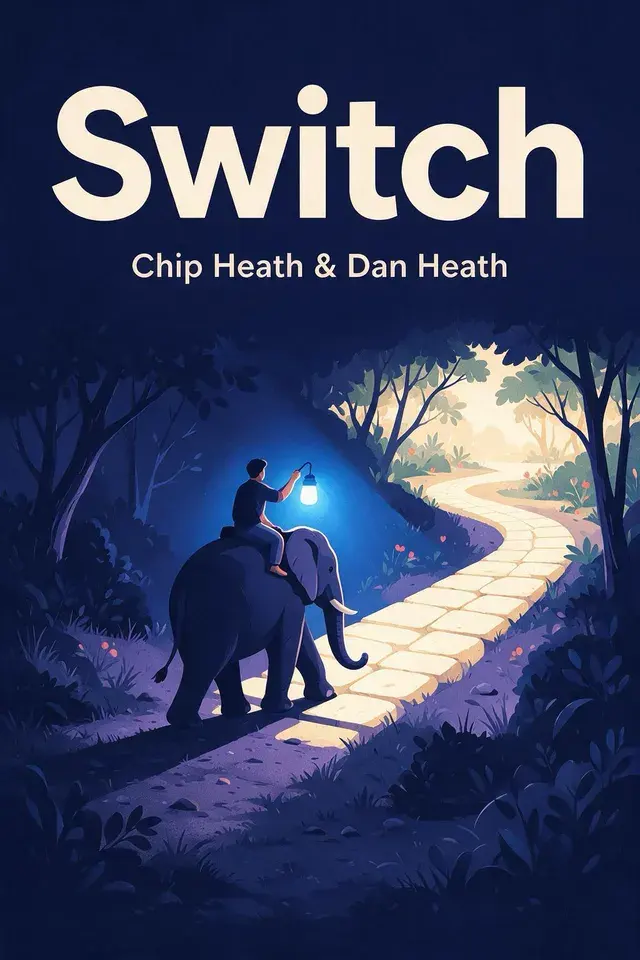
Switch
Switch explains why people and organizations struggle to change and asks how direction, emotion, and environment can work together. Its Rider–Elephant–Path framework turns that question into practical choices: find what works, make progress visible, redesign routines, and sustain new behavior through identity and social support.
6 chapters in Wiseley’s psychology catalog.
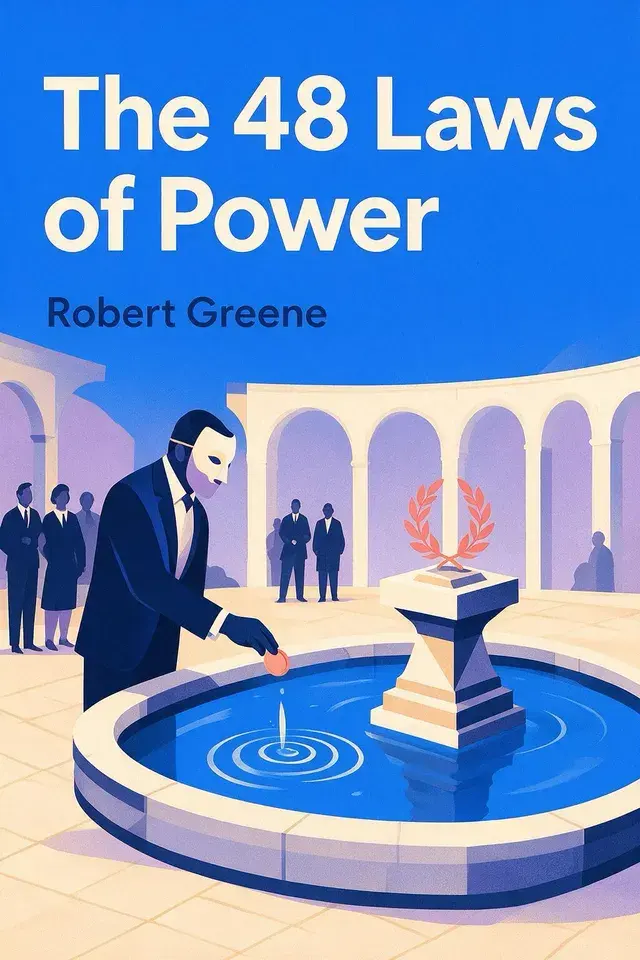
The 48 Laws of Power
The book treats power as a social game beneath civilized appearances. This summary asks how influence is gained, protected, and read through hierarchy, reputation, concealment, dependence, emotional leverage, timing, and adaptation—and gives listeners a compact framework for recognizing the recurring mechanisms and tensions behind human relationships.
12 chapters in Wiseley’s psychology catalog.

The Blank Slate
The Blank Slate asks whether human beings are formed entirely by culture or possess an evolved, flexible mental nature. Pinker connects genes, brains, learning, and culture, then tests what that view means for equality, morality, politics, violence, family life, and art—offering a way to defend humane values without denying human limits.
13 chapters in Wiseley’s psychology catalog.

The Body Keeps the Score
The Body Keeps the Score examines how overwhelming experience can remain active in the brain, body, memory, relationships, and development long after danger ends. It asks what trauma does to a person—and what helps restore safety, agency, connection, and a livable present through language, embodied practice, therapy, and community.
8 chapters in Wiseley’s psychology catalog.
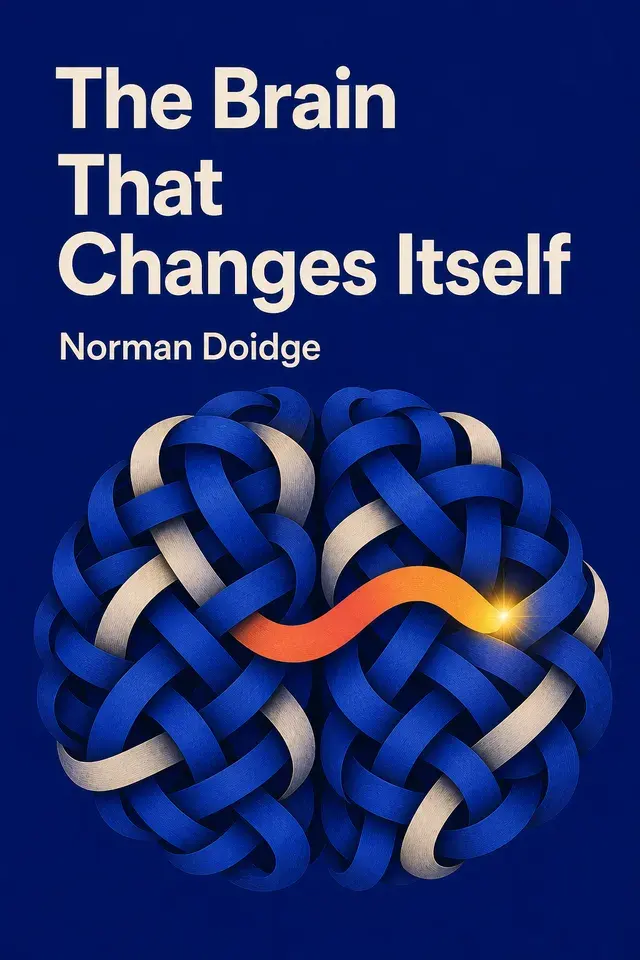
The Brain That Changes Itself
The Brain That Changes Itself asks whether the adult brain is fixed or continually remade by experience. Through cases of sensory substitution, learning, addiction, injury, pain, therapy, aging, and culture, it shows how practice can restore or redirect function—and how the same plasticity can entrench harmful habits and uneven trade-offs.
9 chapters in Wiseley’s psychology catalog.

The Confidence Code
The Confidence Code asks why capable women still hesitate, underrate themselves, or opt out—and whether confidence is inherited, socially shaped, or learnable. It connects biology, gender expectations, perfectionism, action, failure, and mentorship into a practical account of building self-belief without confusing bravado with strength.
7 chapters in Wiseley’s psychology catalog.

The Defining Decade
The Defining Decade asks why the twenties matter when adulthood is delayed and uncertain. It connects work, relationships, brain development, personality, fertility, and time perception, showing how informed commitments and concrete action build options while drift can quietly narrow them.
7 chapters in Wiseley’s psychology catalog.

The Drunkard's Walk
Why do streaks, success, and apparent patterns feel earned or inevitable when chance may be doing much of the work? The book uses probability and statistics to separate skill, evidence, and cause from random variation—and to support more careful decisions, persistence, and adaptation under uncertainty.
8 chapters in Wiseley’s psychology catalog.

The Happiness Hypothesis
The Happiness Hypothesis asks how ancient wisdom and modern psychology can explain a good life. It follows the divided mind from emotion and reason through self-control, relationships, adversity, virtue, sacred experience, work, and meaning, then weighs how inner cultivation and external conditions combine to shape flourishing.
8 chapters in Wiseley’s psychology catalog.
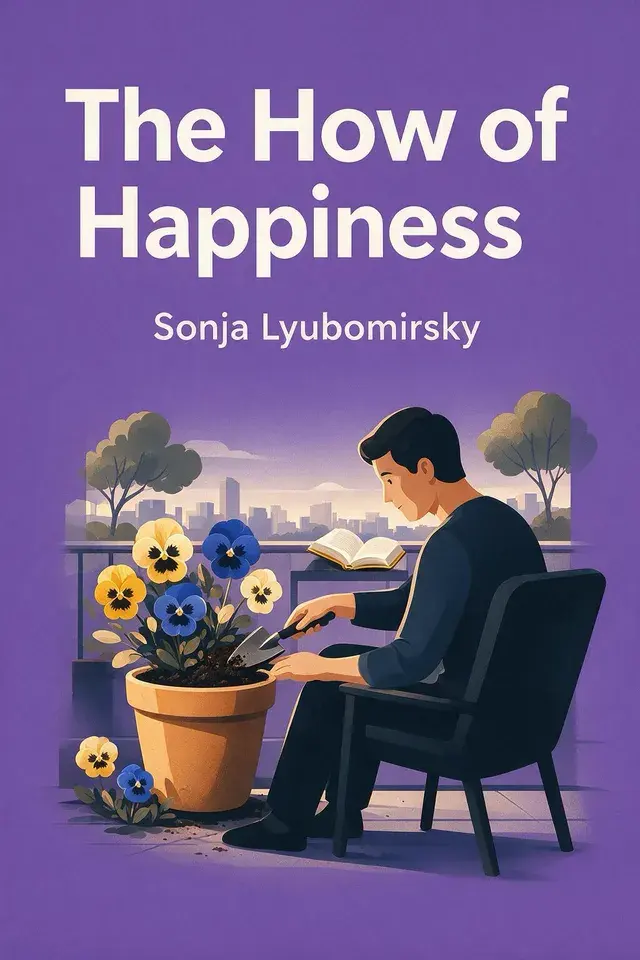
The How of Happiness
The How of Happiness asks what part of well-being lies within deliberate control. It connects research on genes, circumstances, adaptation, relationships, attention, goals, body and spiritual practices, and habit formation into an individualized program, while explaining why resilience is not denial and self-help is not a substitute for depression treatment.
9 chapters in Wiseley’s psychology catalog.

The Interpretation of Dreams
Freud asks what dreams mean and whether their baffling images are random. He treats them as disguised wish-fulfilments, tracing recent impressions, childhood memories, bodily sensations, and wordplay through censorship and dream-work. The result is a method for reading dreams as evidence about unconscious conflict and mental life.
7 chapters in Wiseley’s psychology catalog.
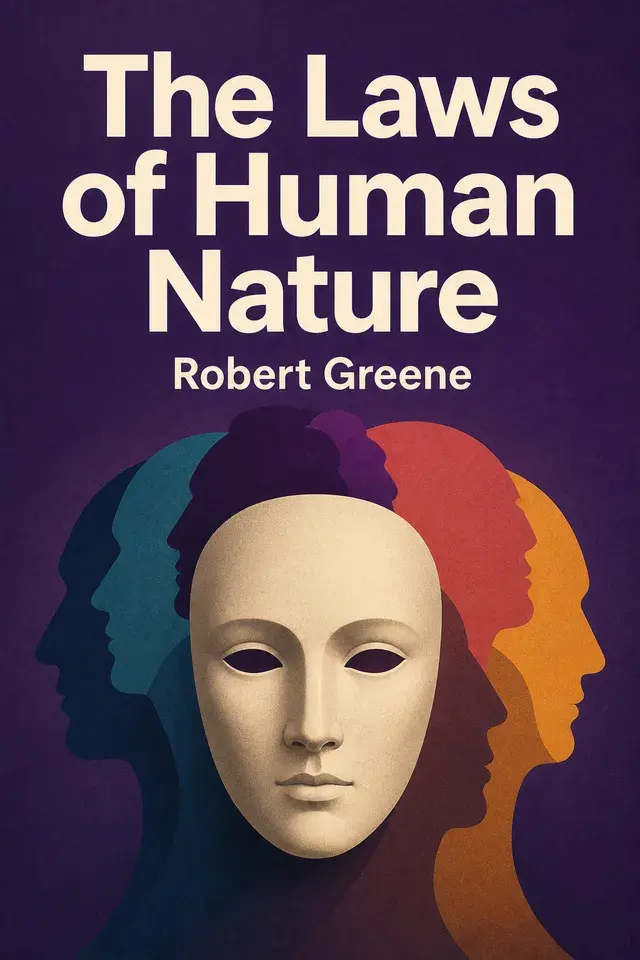
The Laws of Human Nature
Why do people react irrationally, envy one another, follow groups, misuse power, and mistake their own motives? Robert Greene’s study maps recurring forces from narcissism and desire to aggression, purpose, generational influence, and death, offering a framework for reading behavior, cultivating self-command, and acting with greater perspective.
12 chapters in Wiseley’s psychology catalog.

The Man Who Mistook His Wife for a Hat
These clinical tales ask how memory, body-awareness, perception, and identity survive when the nervous system changes. Cases of amnesia, seizures, Tourette’s, and unusual creativity show why brain mechanisms must be read alongside biography, feeling, meaningful activity, and humane support.
9 chapters in Wiseley’s psychology catalog.

The Molecule of More
The book asks why humans keep pursuing what is absent, novel, or not yet possessed—even after getting what they wanted. It presents dopamine as a future-oriented engine of desire, control, creativity, and progress, then examines how attention, relationships, and embodied presence can restore satisfaction and balance.
8 chapters in Wiseley’s psychology catalog.

The Origins of Virtue
The book asks how humans became capable of virtue and cooperation without eliminating self-interest. It traces nested biological collaboration, reciprocity, food sharing, moral emotion, cultural groupishness, trade, property, and self-government, showing why these capacities can sustain trust yet also produce conflict and ecological failure.
10 chapters in Wiseley’s psychology catalog.

The Paradox of Choice
Barry Schwartz examines why the expansion of choice—from shopping and education to medicine and relationships—can increase autonomy yet also create overload, regret, comparison, and dissatisfaction. The book asks when more freedom stops helping and shows how satisficing, commitments, limits, and selective delegation can protect attention and well-being.
6 chapters in Wiseley’s psychology catalog.

The Power of Vulnerability
The book asks how people can live wholeheartedly when a culture of “never enough” makes worth, belonging, and adequacy feel conditional. Brown links vulnerability with shame resilience, empathy, trust, authenticity, creativity, rest, meaningful work, and play, offering a framework for courageous participation without treating wholeheartedness as a finished state.
6 chapters in Wiseley’s psychology catalog.

The Six Pillars of Self-Esteem
How do people become confident in their ability to think, cope, and pursue happiness—and why does that confidence sometimes collapse? This summary presents Branden’s six practices for building self-esteem, then traces their implications for parenting, education, work, therapy, culture, and daily self-direction.
7 chapters in Wiseley’s psychology catalog.
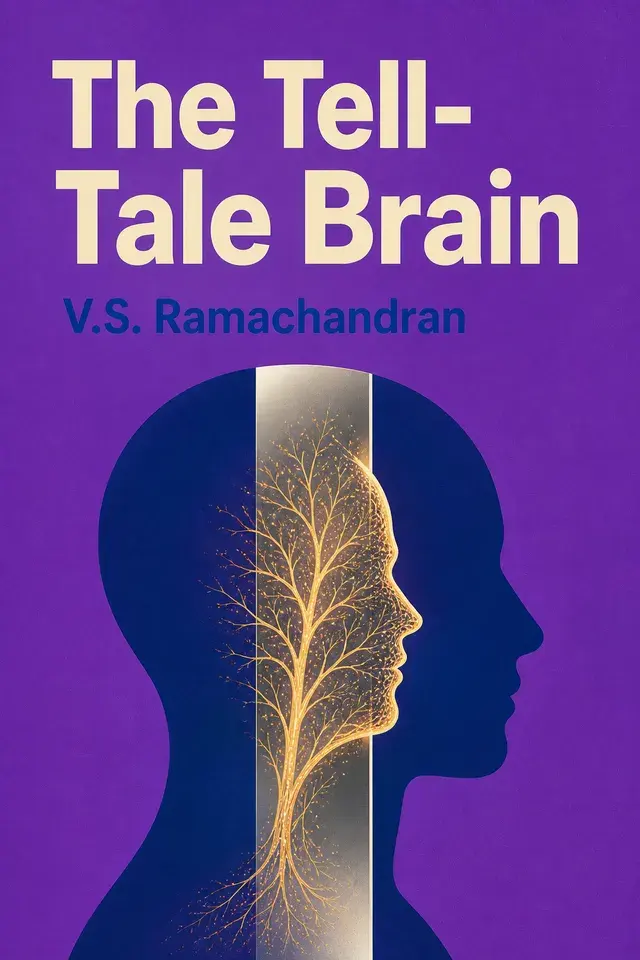
The Tell-Tale Brain
The Tell-Tale Brain presents the brain as a plastic, networked interpreter whose unusual failures reveal ordinary perception, body ownership, social understanding, language, art, and selfhood. Its central question is how ape-derived neural systems became capable of human culture and consciousness; its value is a mechanism-based map of both evidence and uncertainty.
7 chapters in Wiseley’s psychology catalog.
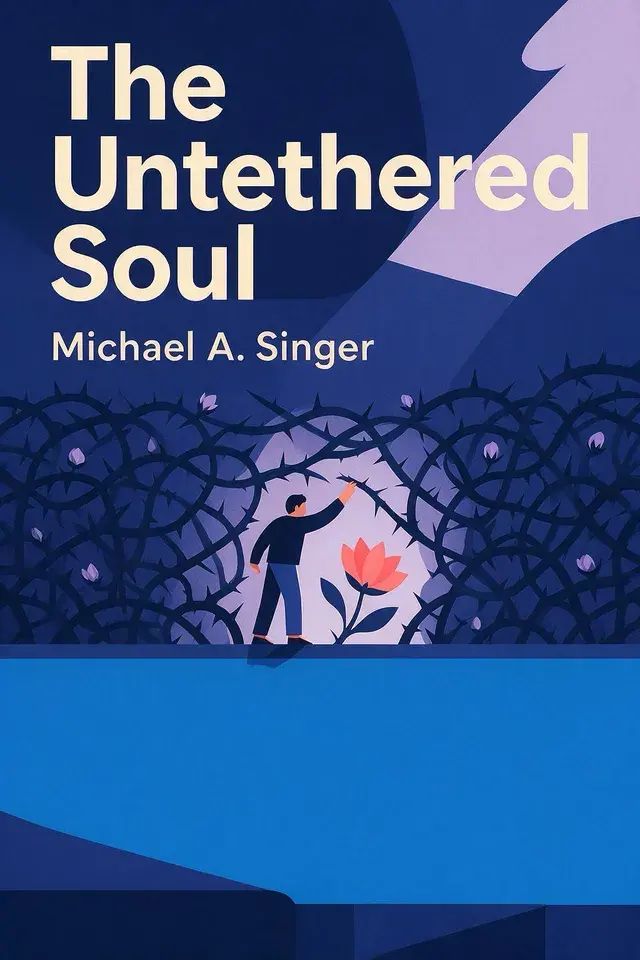
The Untethered Soul
The Untethered Soul examines the difference between consciousness and the thoughts, emotions, and protective patterns that shape ordinary experience. It asks who is aware beneath the inner voice, then follows practices of witnessing, letting go, nonresistance, and openness toward greater freedom, happiness, and spiritual love.
6 chapters in Wiseley’s psychology catalog.
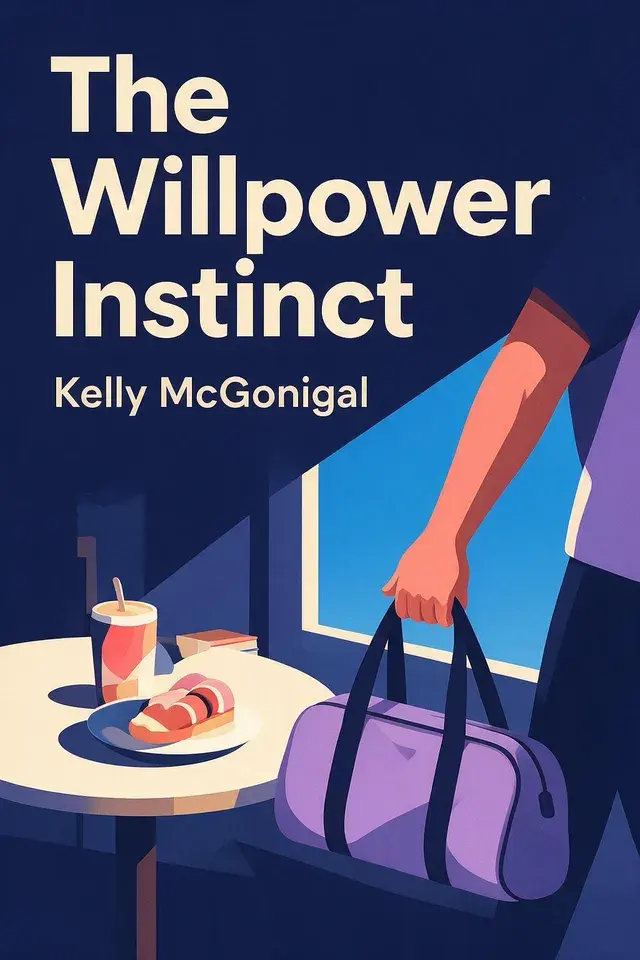
The Willpower Instinct
Why do we act against our own goals, and can self-control be trained? The Willpower Instinct maps the competing systems behind restraint, desire, stress, reward, time, and social influence, then turns that map into experiments for noticing impulses, designing better conditions, and choosing actions that serve longer-term aims.
7 chapters in Wiseley’s psychology catalog.
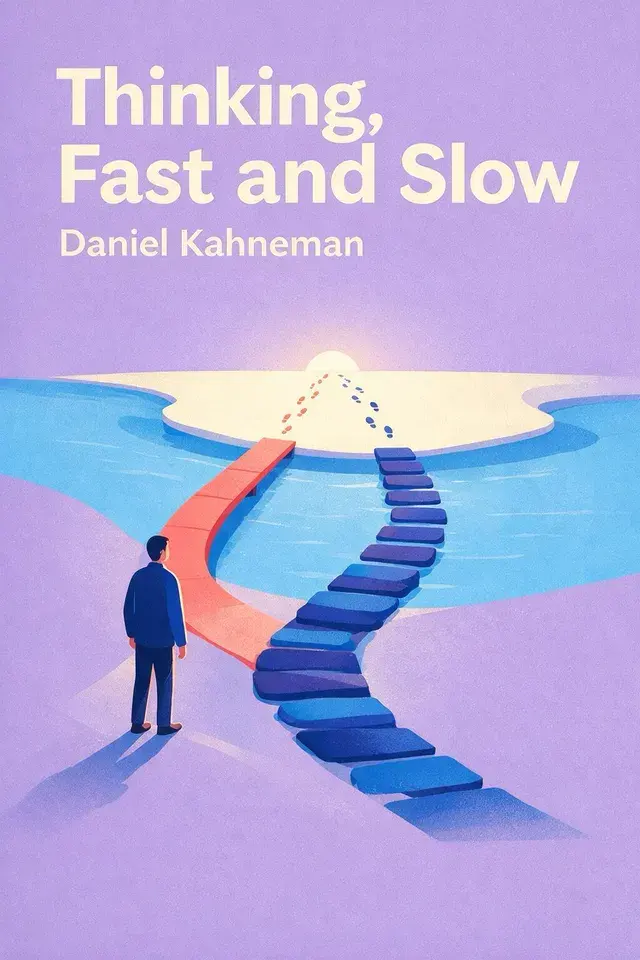
Thinking, Fast and Slow
Why do quick impressions feel convincing, why do losses loom larger than gains, and why can memory misrepresent experience? Kahneman’s account traces the shortcuts, statistical errors, reference points, frames, and competing selves that shape judgment, then considers how measurement, deliberate checking, and institutional design can improve decisions.
10 chapters in Wiseley’s psychology catalog.
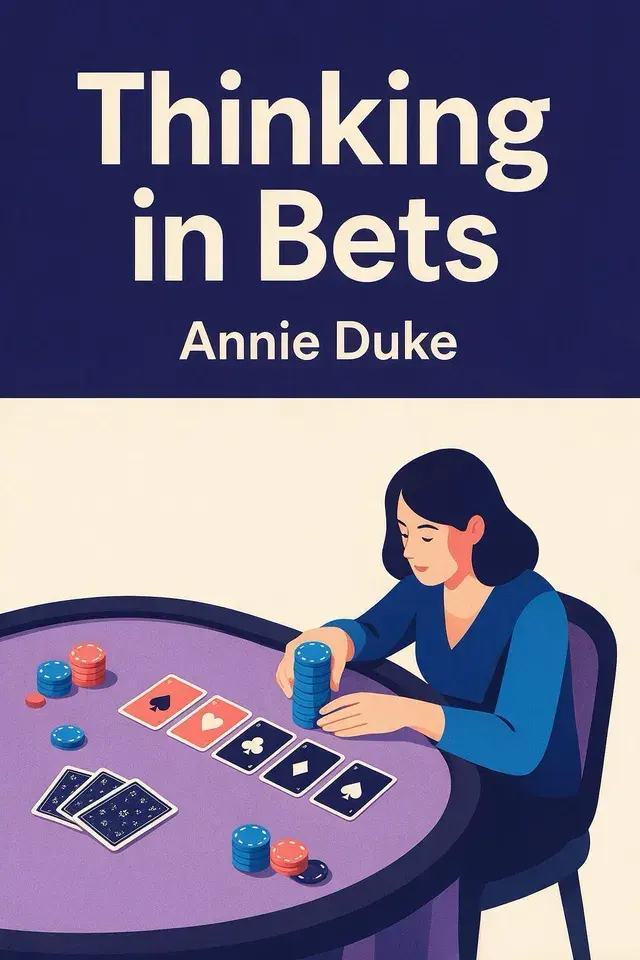
Thinking in Bets
Thinking in Bets asks how to make sound decisions when luck, incomplete information, and bias obscure what is true. Annie Duke uses poker as a model for probabilistic thinking, then develops practices for calibrated beliefs, learning from outcomes, constructive dissent, precommitment, and planning across possible futures.
5 chapters in Wiseley’s psychology catalog.
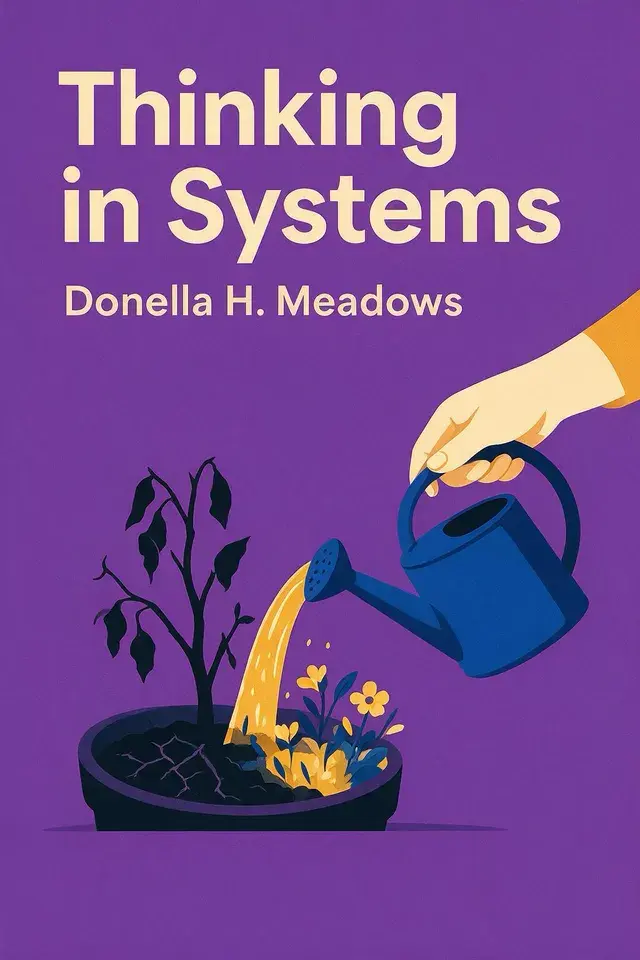
Thinking in Systems
Thinking in Systems asks how interconnected structures produce behavior that persists, grows, oscillates, or collapses. It explains why familiar fixes fail, how feedback and goals create traps, and where leverage lies for changing systems—while preserving resilience and acting with humility when prediction and control are limited.
7 chapters in Wiseley’s psychology catalog.
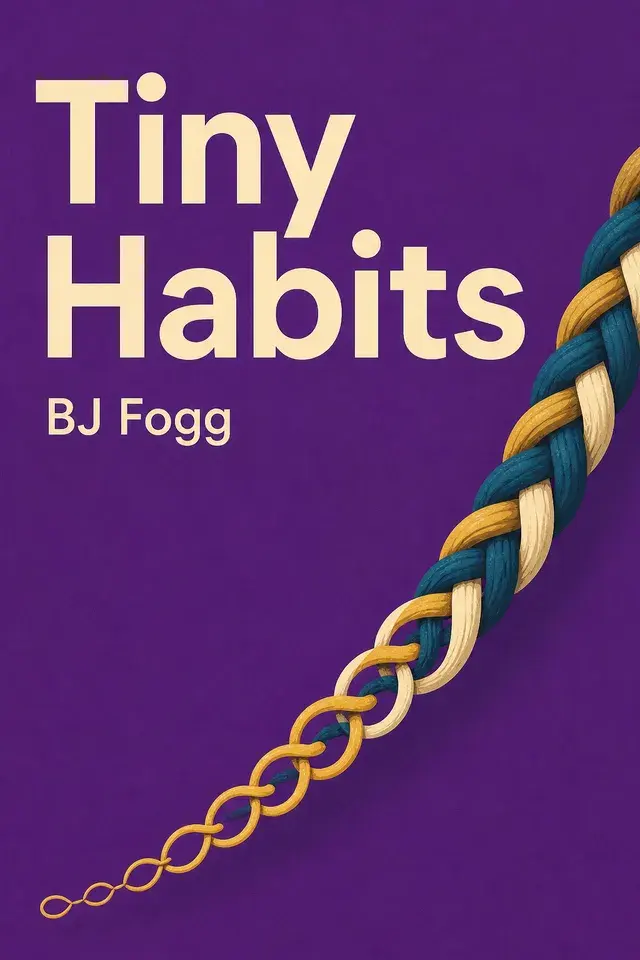
Tiny Habits
How can lasting behavior change become easier than relying on willpower? Tiny Habits treats change as a design problem: choose a behavior that fits real life, attach it to an existing routine, celebrate success, and iterate. The framework also explains how to loosen unwanted habits and coordinate change with other people.
8 chapters in Wiseley’s psychology catalog.

Why Has Nobody Told Me This Before?
Julie Smith’s practical guide asks how we can respond to low mood, anxiety, stress, grief, self-doubt, and difficult relationships without demanding constant happiness. It explains how body, thoughts, attention, habits, and context shape experience, then offers compassionate, values-based practices for steadier choices and a meaningful life.
9 chapters in Wiseley’s psychology catalog.
Keep exploring
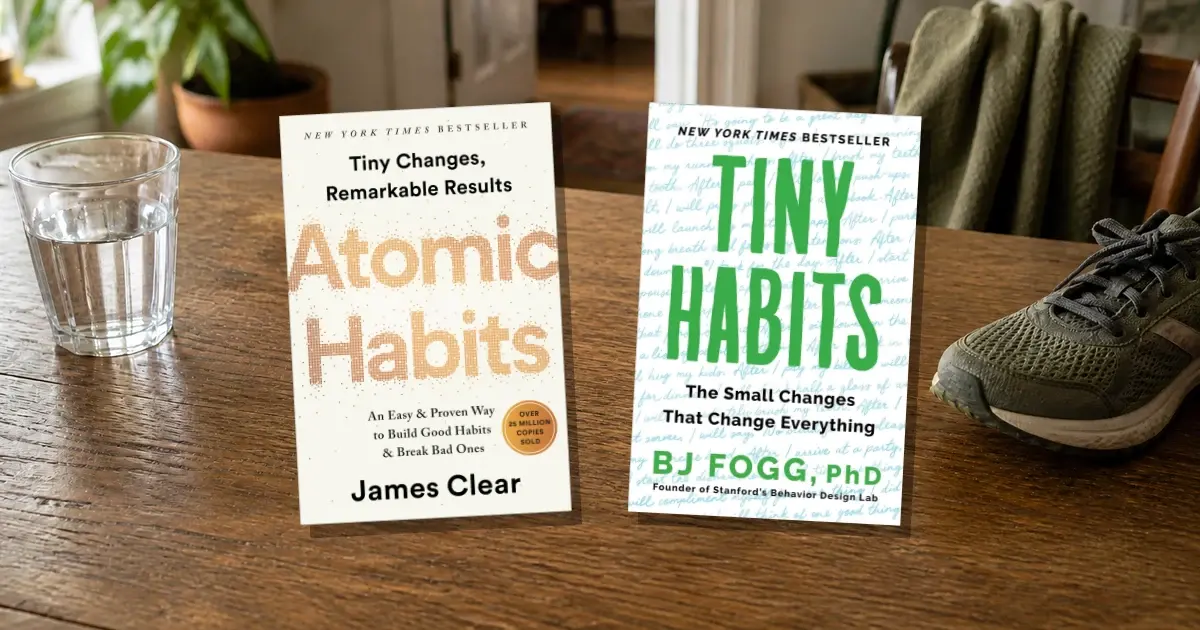
Comparison
Atomic Habits vs Tiny Habits: Which System Fits You?
Both books make change smaller, but they diagnose failed habits differently. Use this guide to choose the method that matches your sticking point.

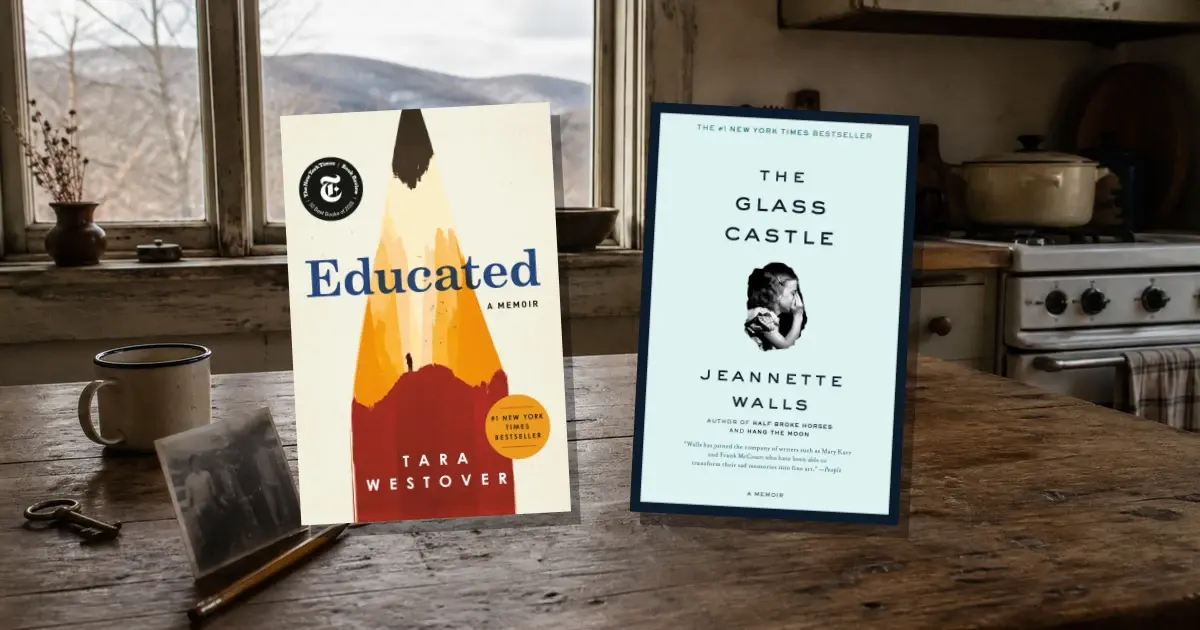
Comparison
Educated vs The Glass Castle: Two Memoirs of Leaving and Becoming
Both memoirs hold family love beside danger and neglect, yet education, memory, and departure do different work in each account.

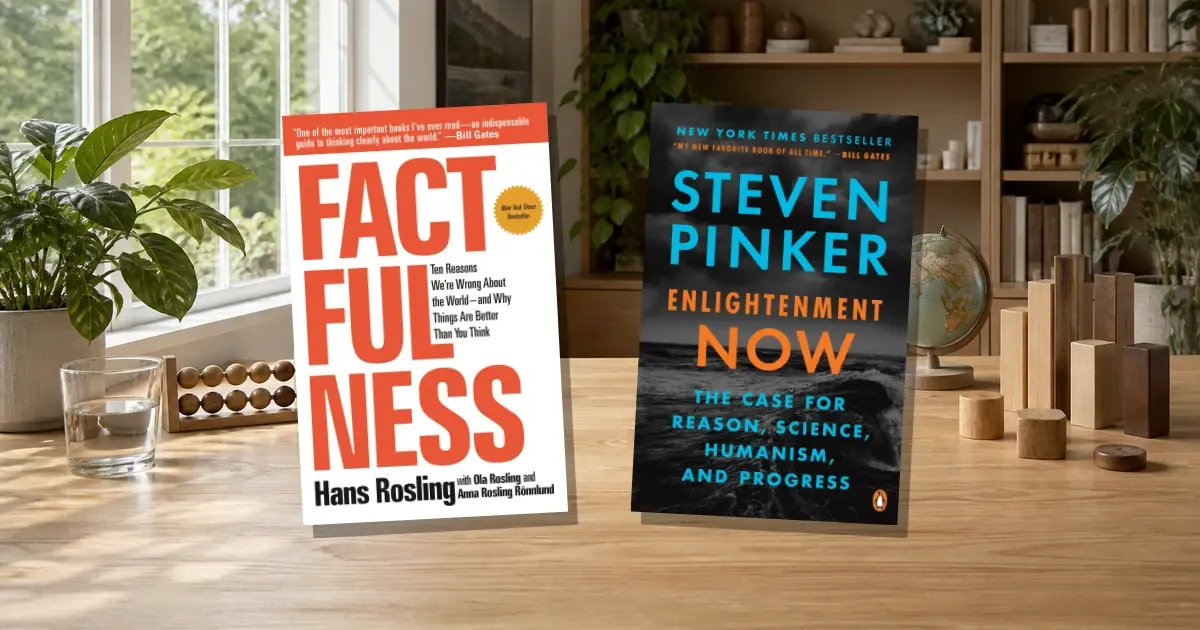
Comparison
Factfulness vs Enlightenment Now: Two Cases for Measured Progress
Both books challenge reflexive pessimism with data, but one trains everyday judgment while the other mounts a broad historical defense of progress.

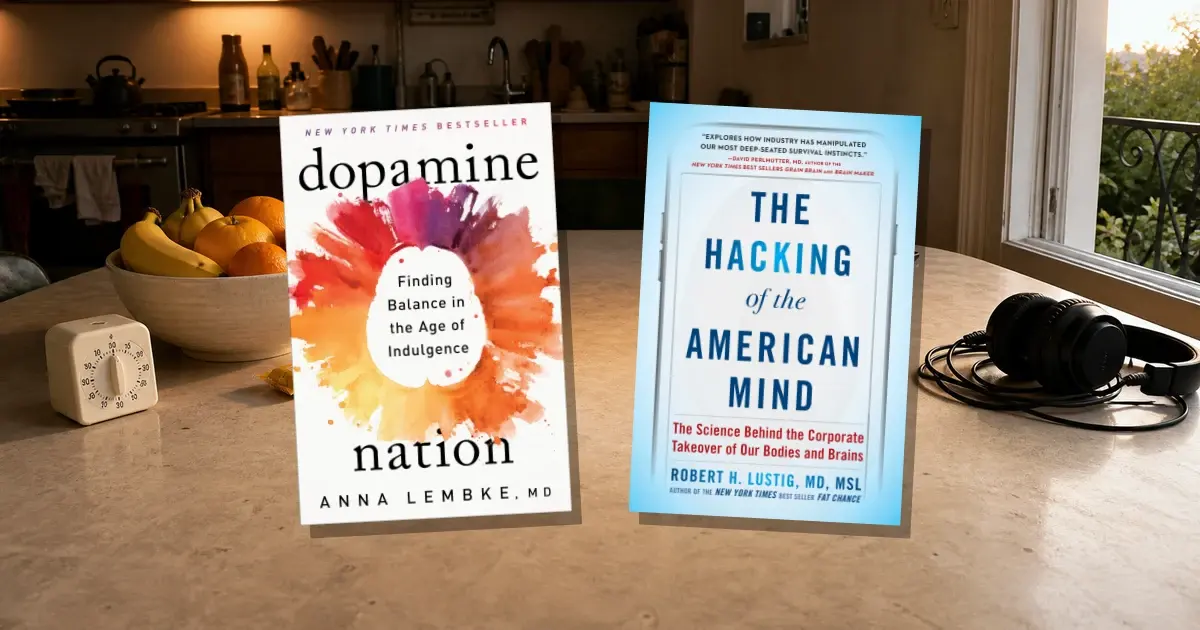
Comparison
Dopamine Nation vs The Hacking of the American Mind: How Does Pleasure Become a Trap?
Both books connect abundant rewards to compulsive behavior, but one centers clinical recovery while the other widens the lens to consumer systems and contentment.
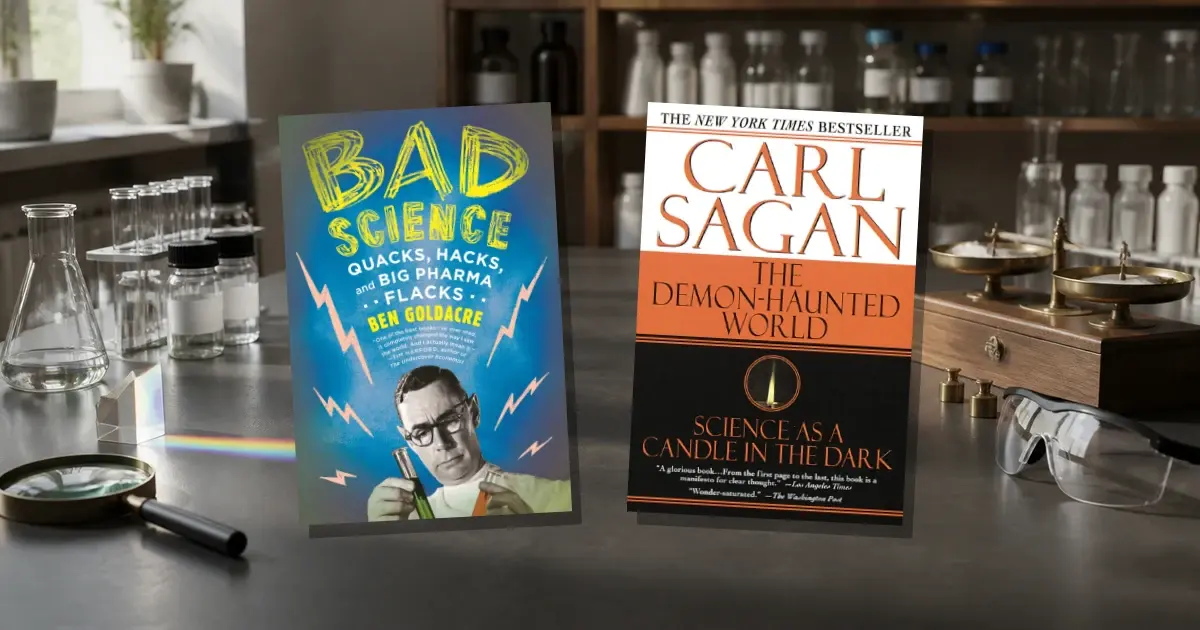
Comparison
Bad Science vs The Demon-Haunted World: How Should You Test a Claim?
Ben Goldacre dissects medical evidence and media distortion; Carl Sagan builds a wider skeptical toolkit that protects wonder while demanding disproof.


Practical guide
How to Build a Habit That Survives a Bad Week
Design the smallest honest version, attach it to a reliable moment, and make restarting part of the plan before life gets messy.