Choose by bottleneck
A habit book is useful when it changes the next experiment you run. First name the failure point in one sentence. “I never begin” needs a different method from “I begin every Monday and fade by Thursday.” “I keep optimizing the wrong routine” is different again. The four books here are not a universal ranking; each earns its place by addressing a distinct layer of change.
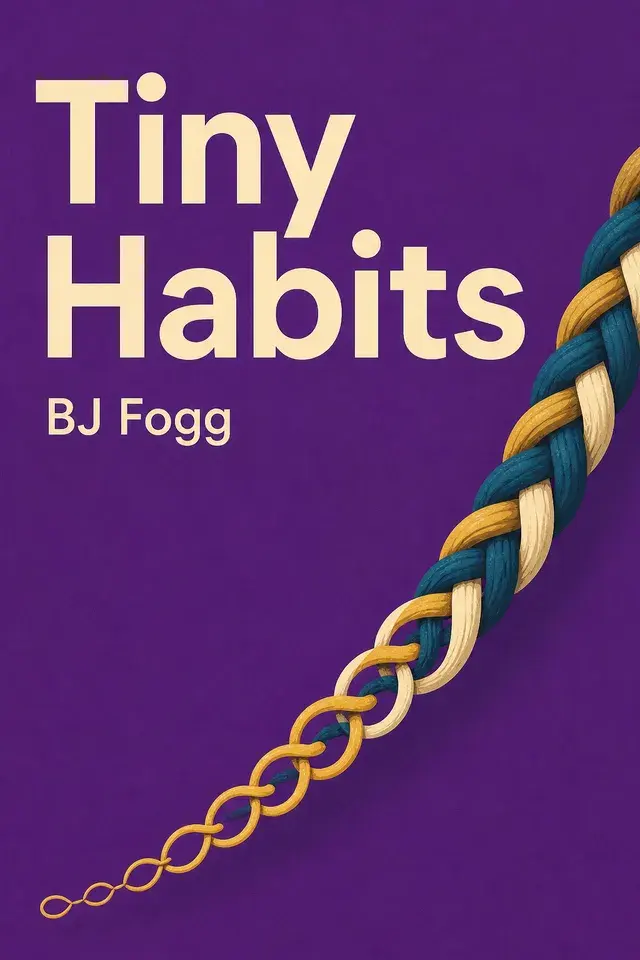
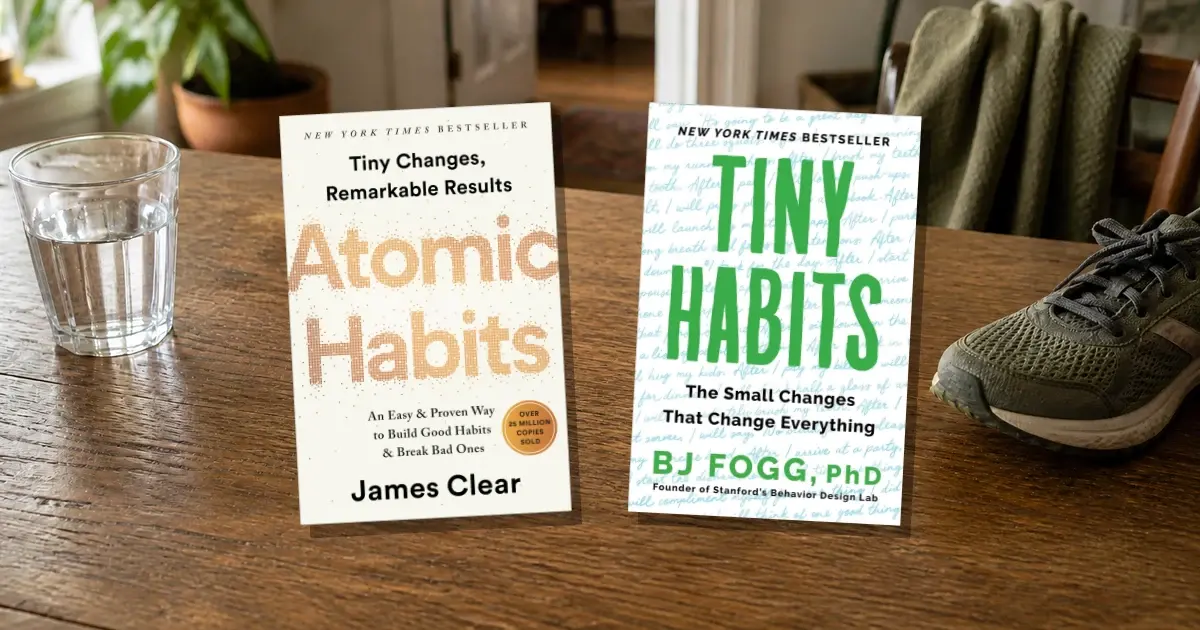
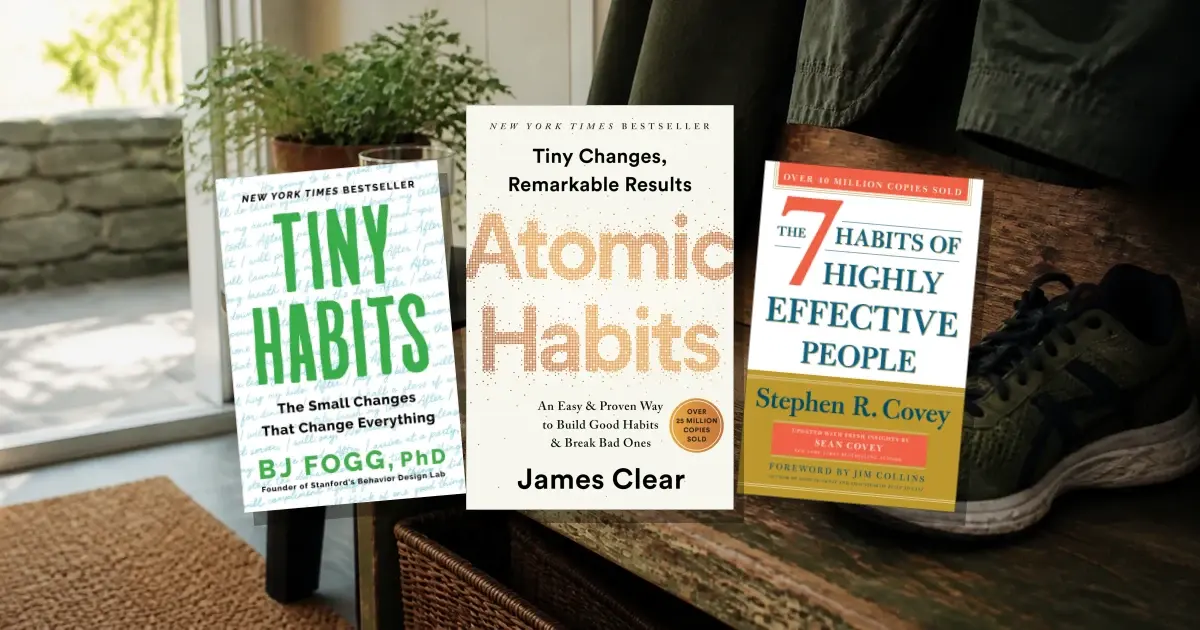
- Starting feels too hard: Tiny Habits.
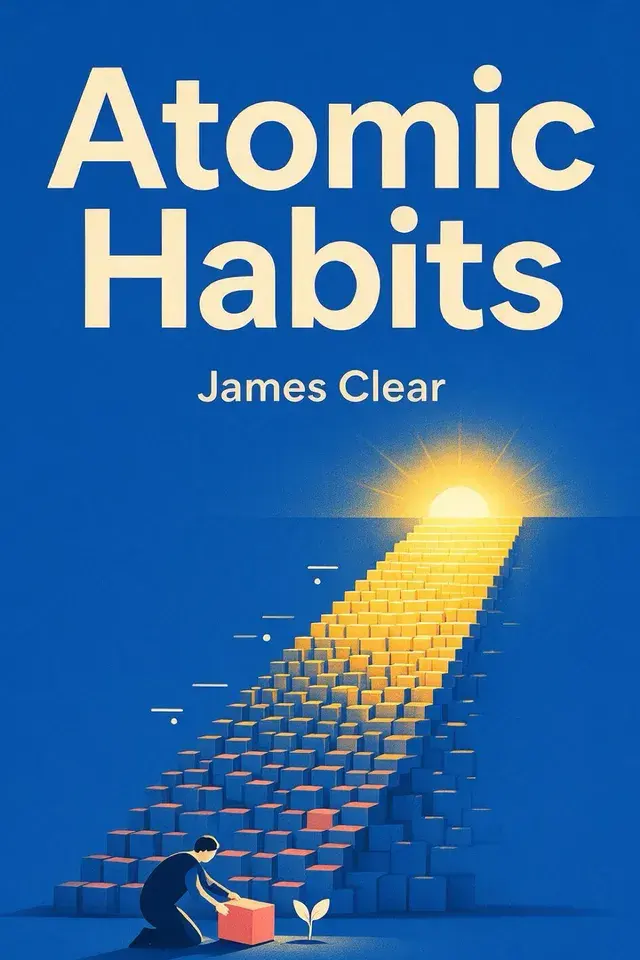
- The surrounding system undermines consistency: Atomic Habits.
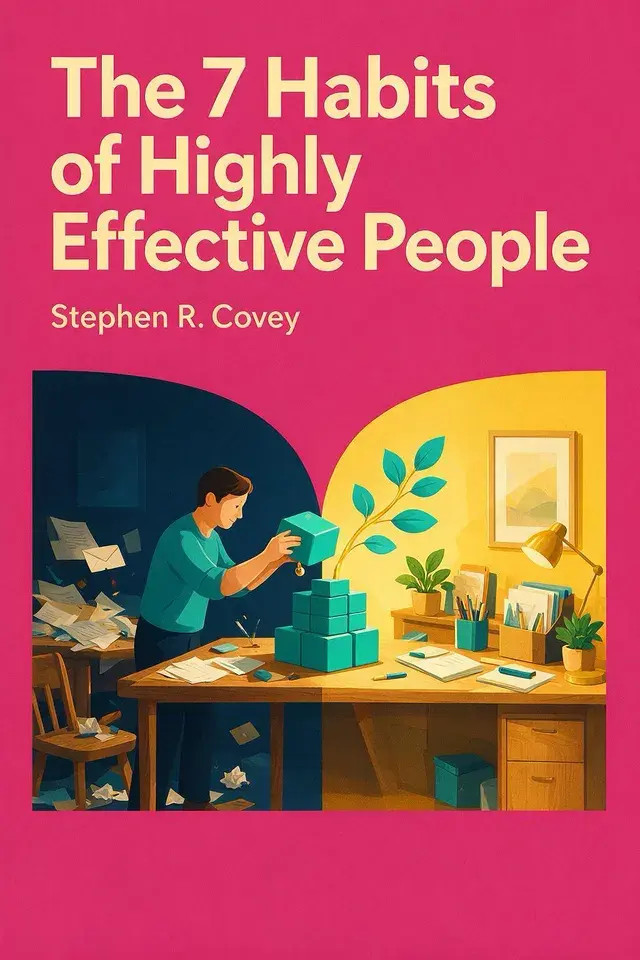
- Daily behavior is disconnected from larger priorities: The 7 Habits of Highly Effective People.
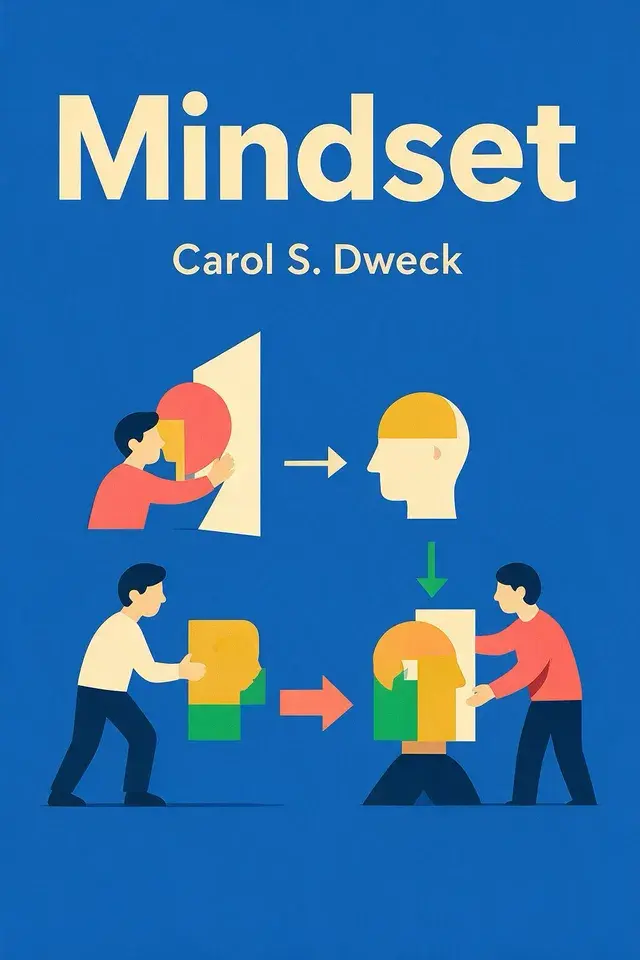
- Setbacks feel like proof of fixed ability: Mindset.
What each book adds
Tiny Habits shrinks the action and gives it a reliable anchor. Atomic Habits expands outward to identity, cues, environment, friction, rewards, and review. The 7 Habits connects personal routines to roles, principles, priorities, and interdependence. Mindset examines how beliefs about ability influence response to challenge and feedback. Reading all four at once is less useful than testing one book’s central move for a week.
- Best first experiment: one behavior small enough for a bad day.
- Best systems audit: cue, ability, environment, immediate result, and review.
- Best priority check: whether the habit serves a chosen responsibility rather than an attractive metric.
A four-week reading path
Week one: read the summary that matches your bottleneck and run one minimum experiment. Week two: inspect the system around it with Atomic Habits, even if that was not your first choice. Week three: ask whether the behavior serves a larger priority using The 7 Habits. Week four: review how you interpreted misses and feedback through Mindset. Stop adding methods when the current one has not yet produced evidence.
- Keep one behavior constant while changing one condition.
- Record what happened, not whether the week felt inspiring.
- Finish with a keep, change, or stop decision.
Sources and scope
Book ideas are attributed to their authors. External evidence is linked directly when a claim needs more than the source book.
- Atomic Habits: Source for the systems, identity, cues, friction, and review recommendation.
- Tiny Habits: Source for the small behavior, anchor, ability, and celebration recommendation.
- The 7 Habits of Highly Effective People: Source for the priority, principle, role, and interdependence recommendation.
- Mindset: Source for the response-to-challenge and feedback recommendation.
To report a factual, attribution, rights, or accessibility concern, email hello@wiseley.app.
Questions readers ask
What is the best habit book for beginners?
Tiny Habits is especially approachable when beginning is difficult; Atomic Habits is a strong first choice when the reader wants a broader system. The right beginner book is the one tied to a current behavior.
Should I read several habit books at once?
Usually not. Different vocabulary can become a form of delay. Test one central method, then add a second book only when the experiment reveals a specific gap.