History book summaries
Narratives and arguments that connect past events, institutions, technologies, and choices to the world we inherited.
History becomes useful when chronology is joined to competing explanations of power, contingency, technology, and ordinary life. This collection lets readers follow those interpretations while keeping each author’s framing visible.
This is the history catalog by period and argument; “the history of books” is a different subject and is not what these summaries cover.
Start with a focused list
This page is the complete history catalog. If you already know which question you are answering, these shorter selections narrow it down first.
- History books that explain the modern world — Modern history read across scales — trade routes, divided continents, migration and corporations — rather than one master story.
- World War II history books, and how the First began — Narrative military history of the Second World War by lens, with one book on the outbreak of the First as context.
Books in this collection
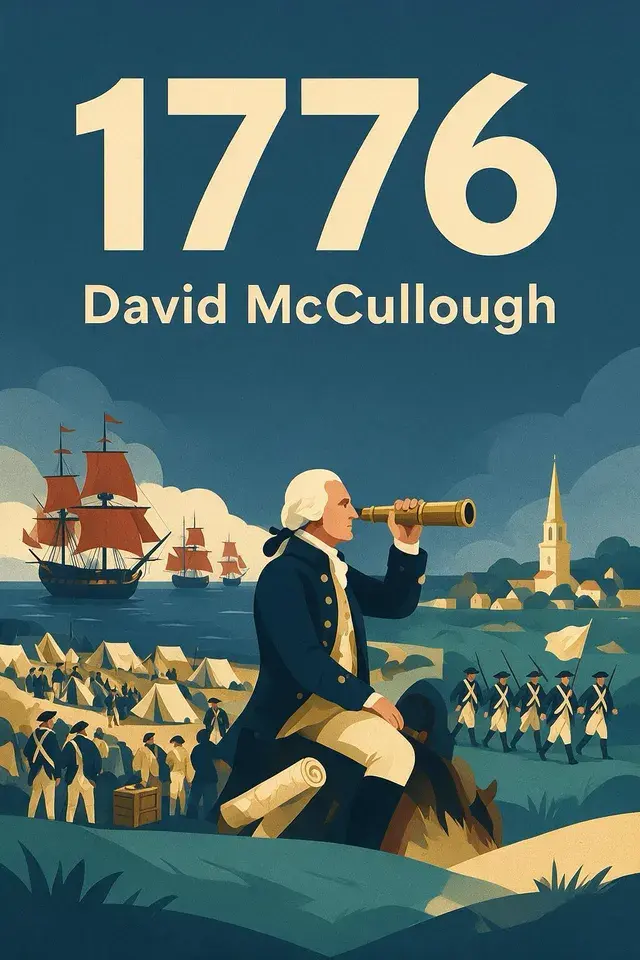
1776
David McCullough’s 1776 follows the American Revolution’s first year from Britain’s determination to suppress rebellion through the crises at Boston, New York, and New Jersey. It asks how an improvised army survived overwhelming odds, and what leadership, logistics, morale, and contingency reveal about political change.
8 chapters in Wiseley’s history catalog.
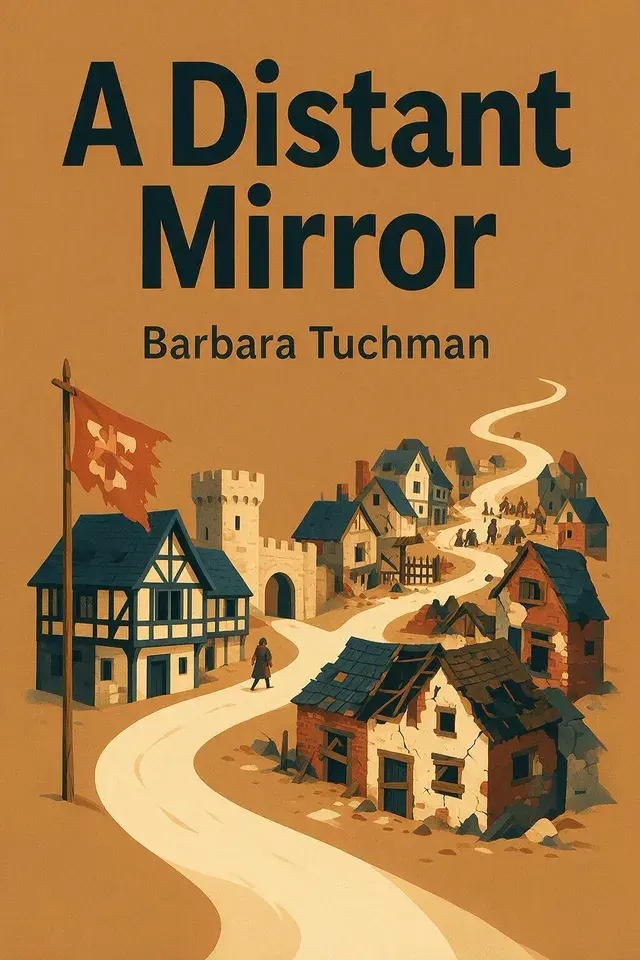
A Distant Mirror
Barbara Tuchman follows Enguerrand de Coucy through late-medieval Europe to ask how plague, war, political fragmentation, social revolt, and religious crisis reshaped a society governed by chivalric and Christian ideals. The book’s value lies in testing grand historical explanations against individual choices, institutional failure, recurring human responses, and uncertain evidence.
10 chapters in Wiseley’s history catalog.
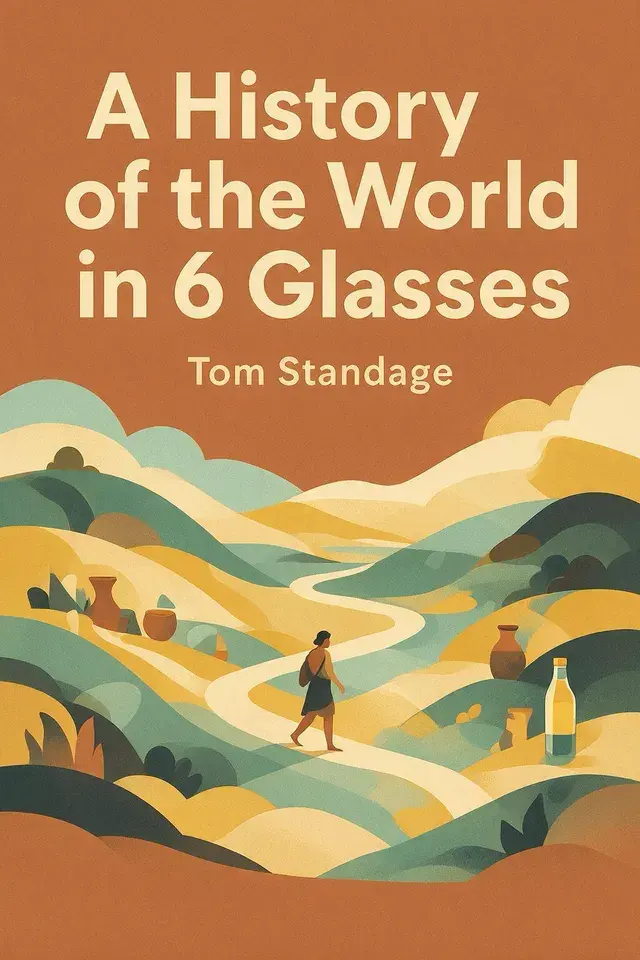
A History of the World in 6 Glasses
Tom Standage uses beer, wine, spirits, coffee, tea, and Coca-Cola to ask how ordinary drinks shaped settlement, states, empires, revolutions, industry, and globalization. The approach turns broad history into a practical lens for seeing how nourishment, ritual, trade, technology, and markets become social and political forces.
14 chapters in Wiseley’s history catalog.
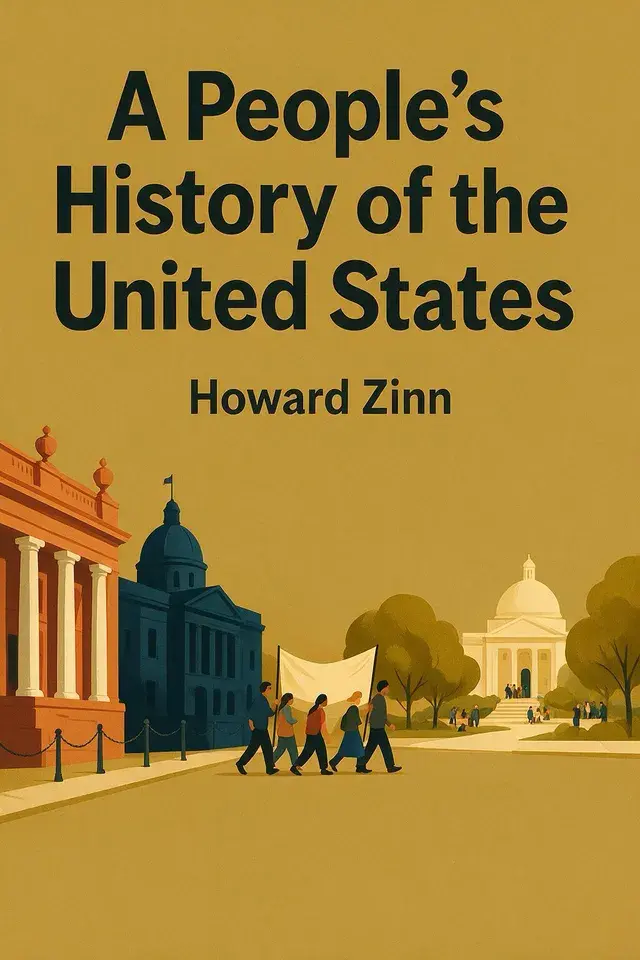
A People's History of the United States
Howard Zinn retells U.S. history from Columbus through the Clinton era by asking who benefits from conquest, racial hierarchy, war, law, and reform—and how ordinary people resist. The outline follows the recurring alliance of state power and concentrated wealth while preserving the book’s argument that solidarity and organized action can reopen democratic possibilities.
14 chapters in Wiseley’s history catalog.
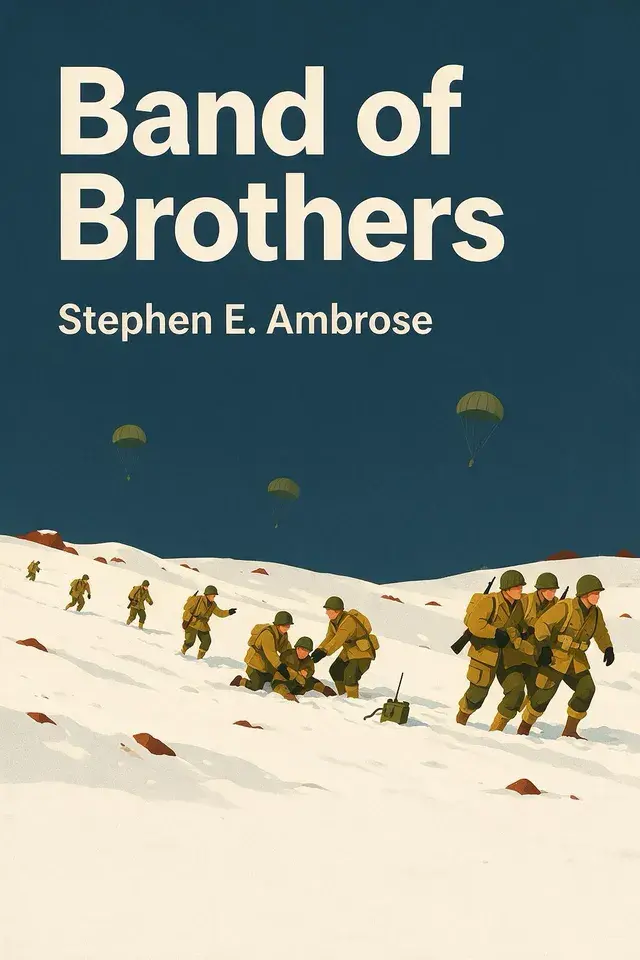
Band of Brothers
Band of Brothers follows Easy Company from citizen-soldier training and airborne qualification through Normandy, Holland, and Bastogne. Its central question is how discipline, leadership, and comradeship become combat capability—and where they fail against chance, attrition, coordination problems, and strategic error. The value is a grounded study of combat psychology, tactics, and memory.
9 chapters in Wiseley’s history catalog.
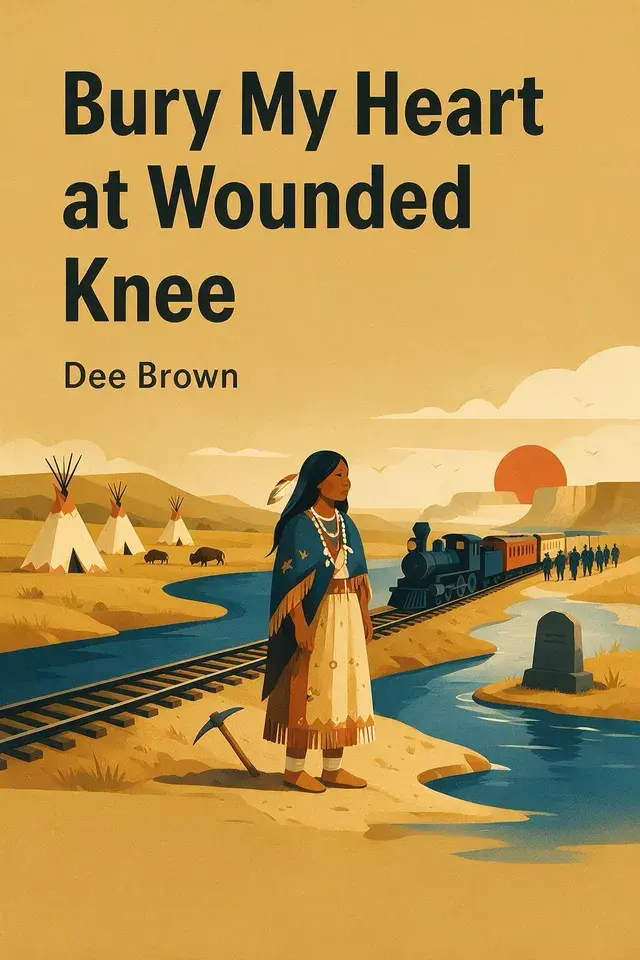
Bury My Heart at Wounded Knee
Dee Brown retells the conquest of the American West from the viewpoint of the Indigenous nations who endured it. The book asks how treaties, settlement, military force, resource extraction, and assimilation turned cooperation into dispossession, and what resistance, survival, and Wounded Knee reveal about historical memory.
15 chapters in Wiseley’s history catalog.
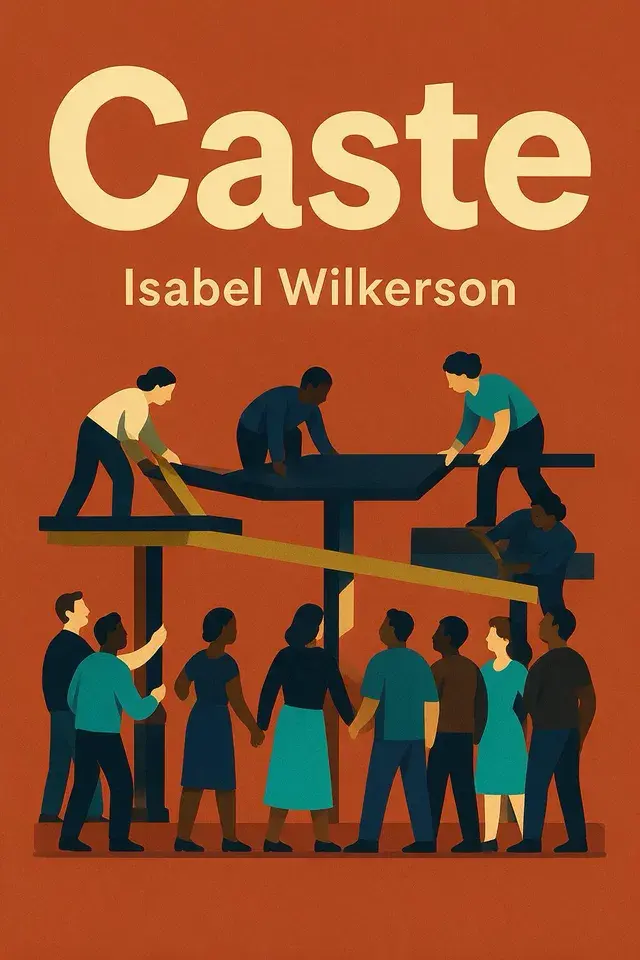
Caste
Caste examines how an inherited hierarchy hides beneath American racial categories, how slavery, law, segregation, and social habits made it durable, and why it survives formal change. It asks how rank shapes everyday treatment, health, politics, and memory—and what truth, empathy, solidarity, and institutional action could do to dismantle it.
12 chapters in Wiseley’s history catalog.
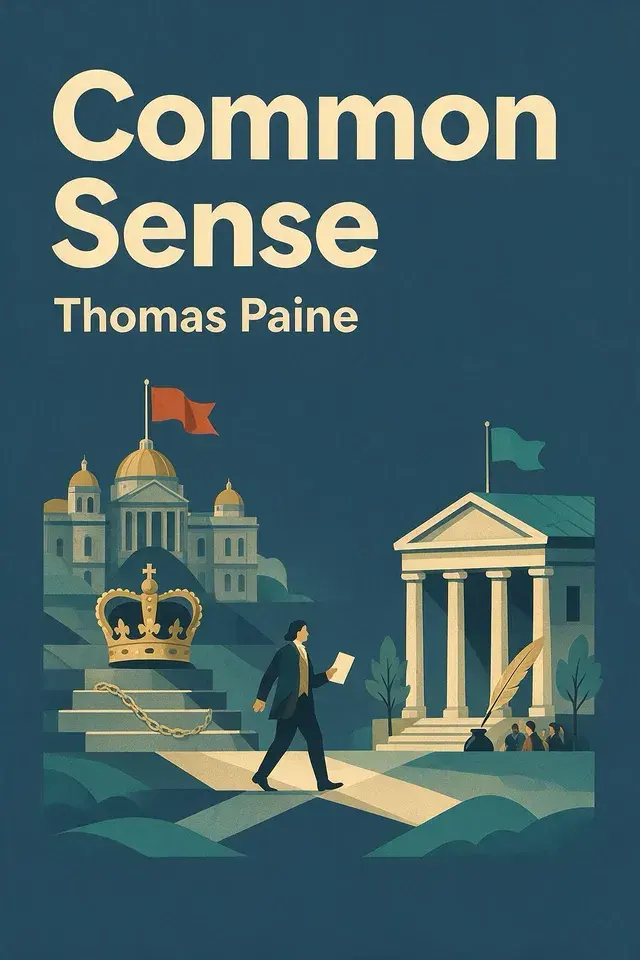
Common Sense
Thomas Paine’s Common Sense asks whether a people can remain free under a distant hereditary crown. It moves from the origins and limits of government to the case for American independence, a Continental constitution, and practical self-defense, offering a framework for judging authority by rights, accountability, and public welfare.
7 chapters in Wiseley’s history catalog.
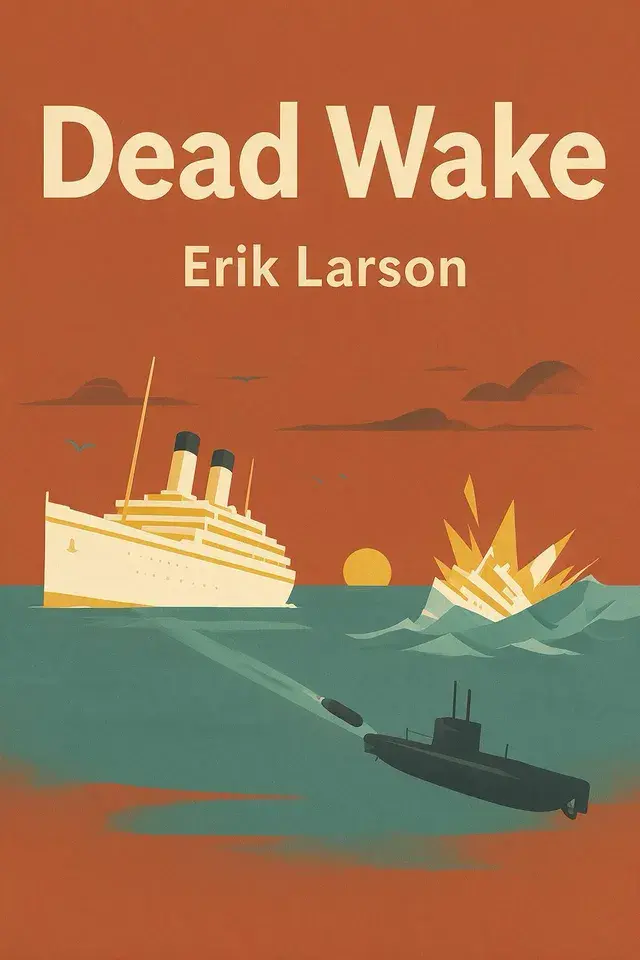
Dead Wake
Dead Wake asks how a celebrated ocean liner, carrying civilians through a war zone, became the site of a preventable-seeming catastrophe—and why its sinking did not immediately bring America into the war. The answer connects technology, intelligence, institutional choices, human routine, chance, and memory.
6 chapters in Wiseley’s history catalog.
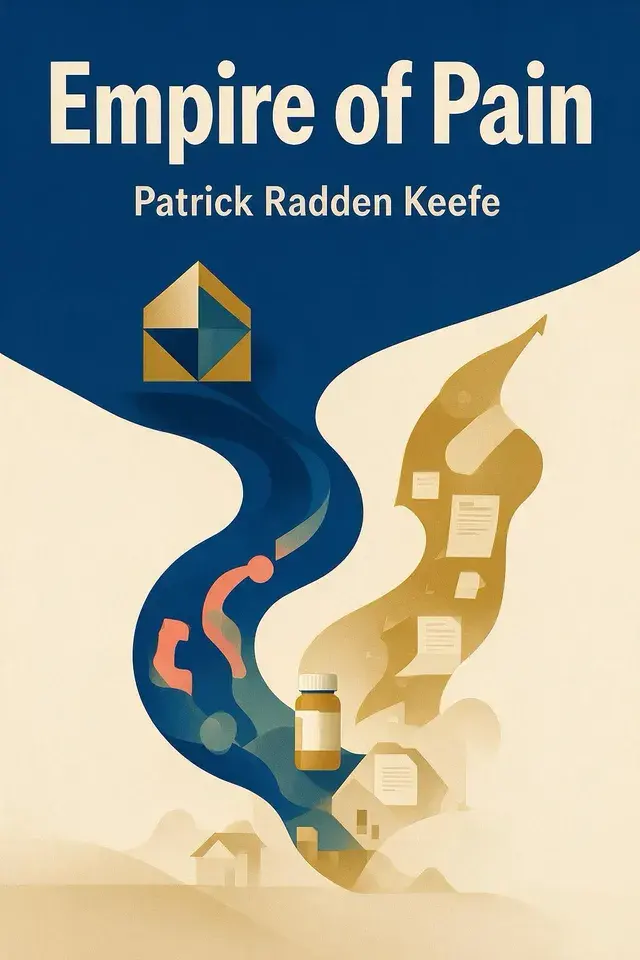
Empire of Pain
Empire of Pain traces the Sackler family from immigrant ambition and psychiatric research to pharmaceutical wealth, OxyContin, and public disgrace. It asks how medical authority, marketing, philanthropy, and private ownership turned pain treatment into a profitable system—and how victims, journalists, courts, and activists challenged the belief that money could erase harm, clarifying links between power, responsibility, and memory.
10 chapters in Wiseley’s history catalog.
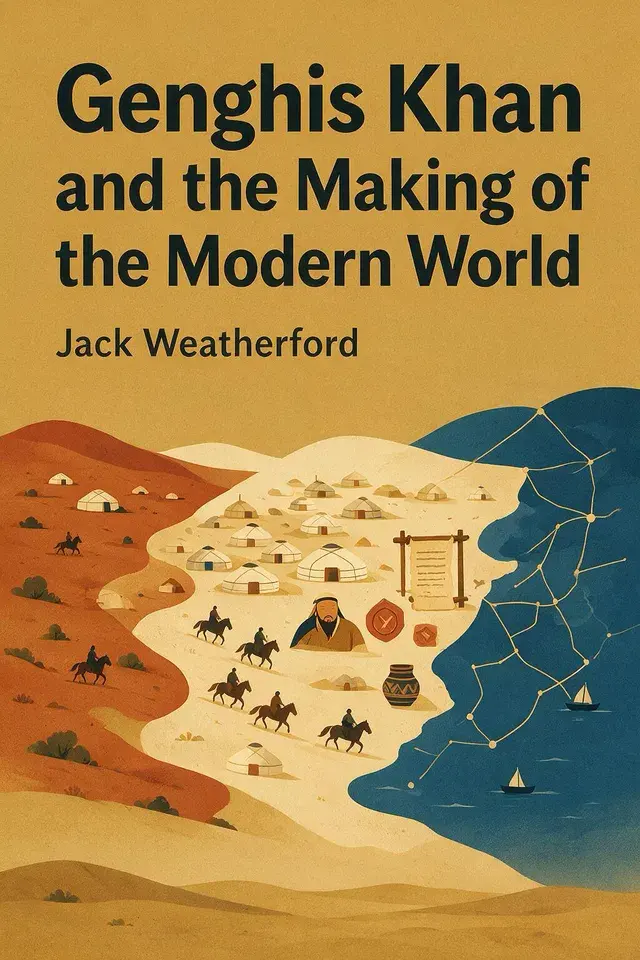
Genghis Khan and the Making of the Modern World
An audio-first summary of how Temujin became Genghis Khan, unified the steppe, and built an empire through mobility, merit, law, and selective cultural borrowing. It asks how conquest could produce both terror and a durable network of trade and knowledge—and what that network changed in Eurasia, Europe, and later historical memory.
13 chapters in Wiseley’s history catalog.
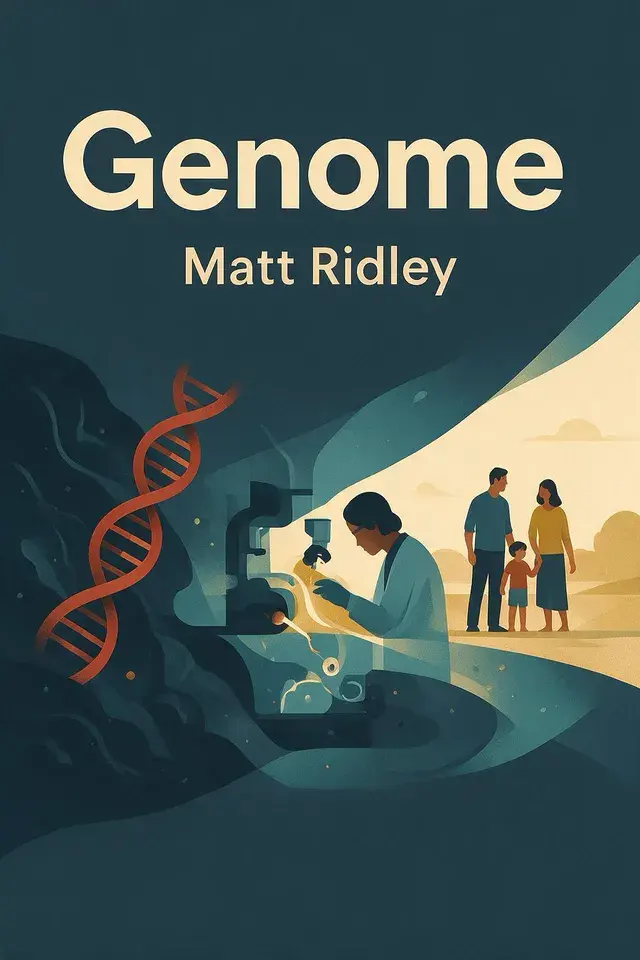
Genome
Genome follows the human genome from the chemistry of heredity through evolution, disease, behavior, ageing, biotechnology, and reproductive choice. It asks what genes can explain, where environment and history intervene, and how genetic knowledge should inform medicine and our understanding of freedom.
15 chapters in Wiseley’s history catalog.
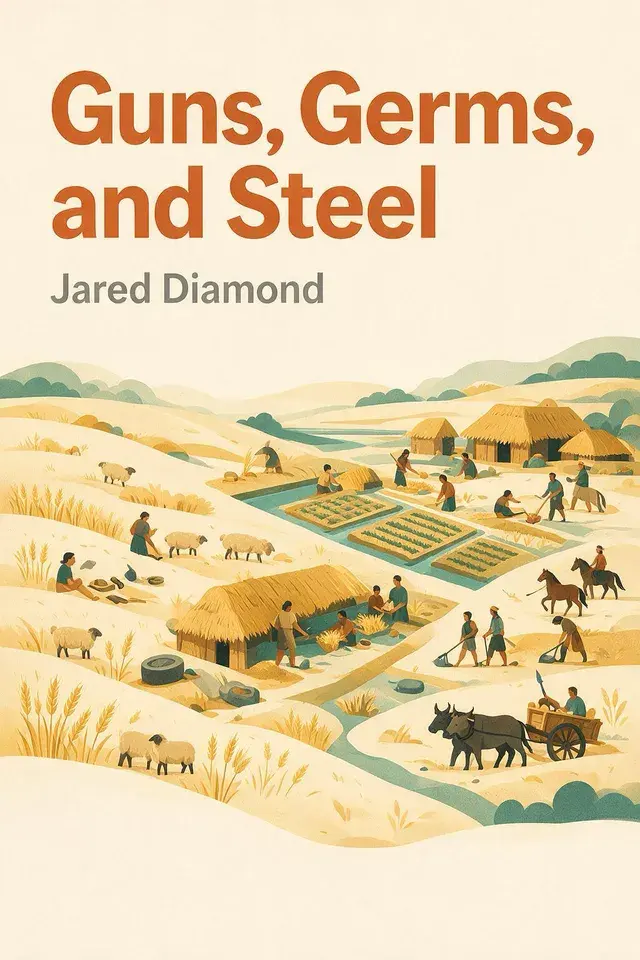
Guns, Germs, and Steel
Why did some human societies gain farming, states, writing, germs, and steel earlier than others? This summary follows the book’s environmental explanation from human settlement and domestication through disease, technology, conquest, and regional comparisons, while separating broad historical patterns from cultural contingency and unresolved questions.
14 chapters in Wiseley’s history catalog.
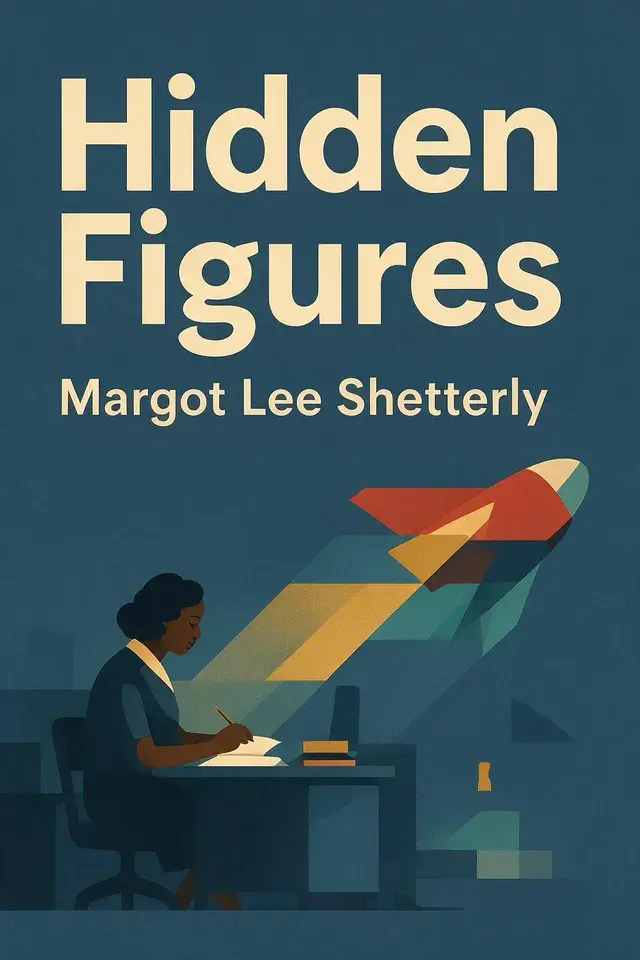
Hidden Figures
Hidden Figures traces how Black women and other female computers entered Langley during wartime, turned mathematical labor into advances in aviation and spaceflight, and navigated segregation, gender hierarchy, and technological change. It asks who gets counted as an innovator—and shows how institutions, mentors, and preparation make technical achievement possible.
13 chapters in Wiseley’s history catalog.
Homo Deus
Homo Deus follows humanity’s shift from managing famine, plague, and war to pursuing longer life, happiness, and godlike capabilities. It explains how cooperation, stories, science, humanism, and economic growth organize society, then asks whether biotechnology, artificial intelligence, and data-driven systems may make human autonomy—and humans themselves—less central.
13 chapters in Wiseley’s history catalog.
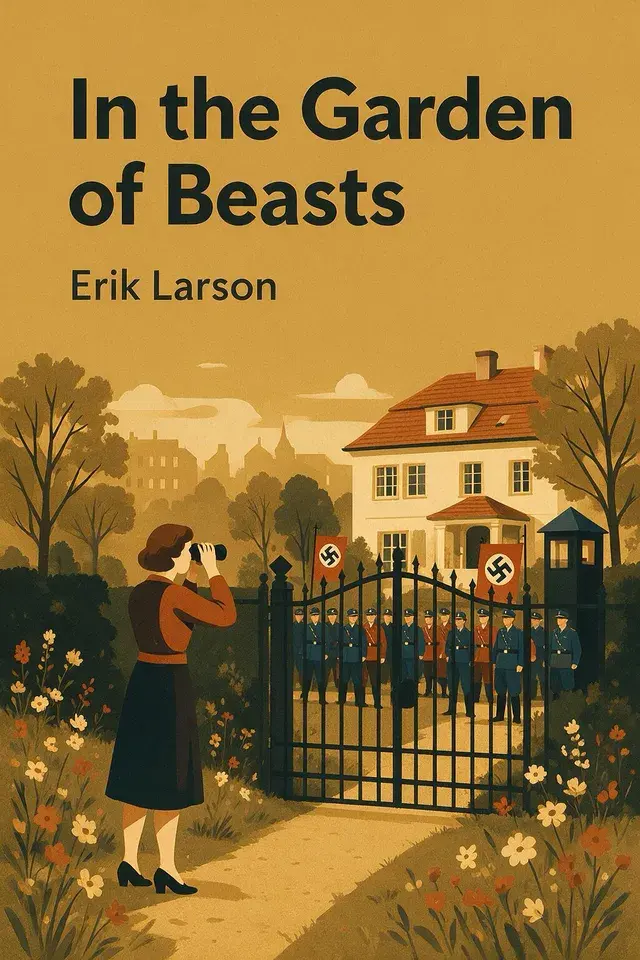
In the Garden of Beasts
Through William E. Dodd, his daughter Martha, and their circle in Berlin, this book asks how dictatorship became ordinary to people who could see its violence yet still enjoy its social world. It traces political misreading, institutional complicity, moral awakening, and the limits of diplomacy.
9 chapters in Wiseley’s history catalog.
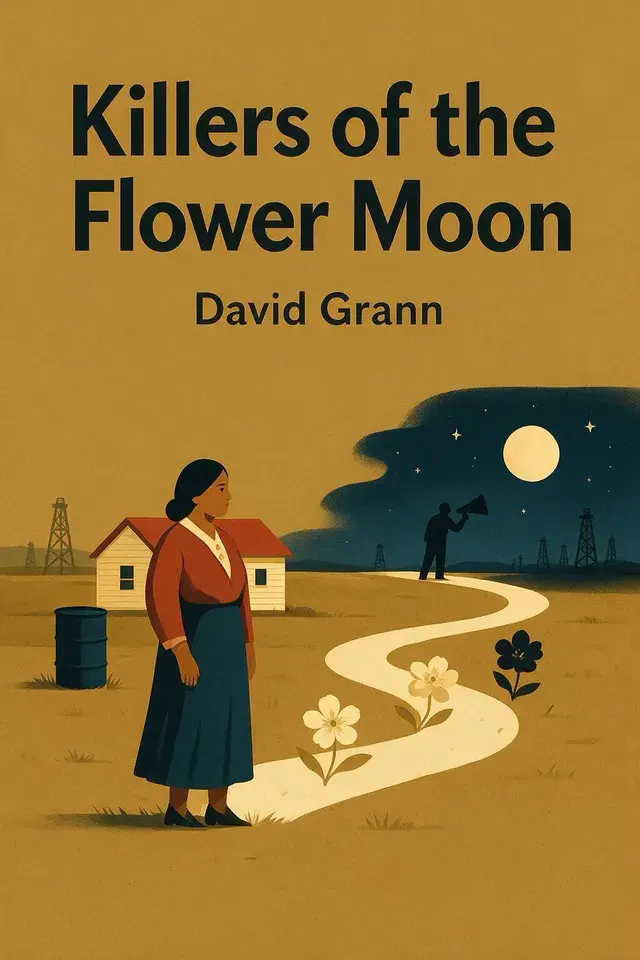
Killers of the Flower Moon
Killers of the Flower Moon examines how the Osage Nation’s oil wealth, created amid dispossession and made vulnerable by guardianship, became the setting for a campaign of murder. It follows the investigation that exposed part of William Hale’s network and asks what justice can recover when courts, records, and public memory leave much unresolved.
11 chapters in Wiseley’s history catalog.
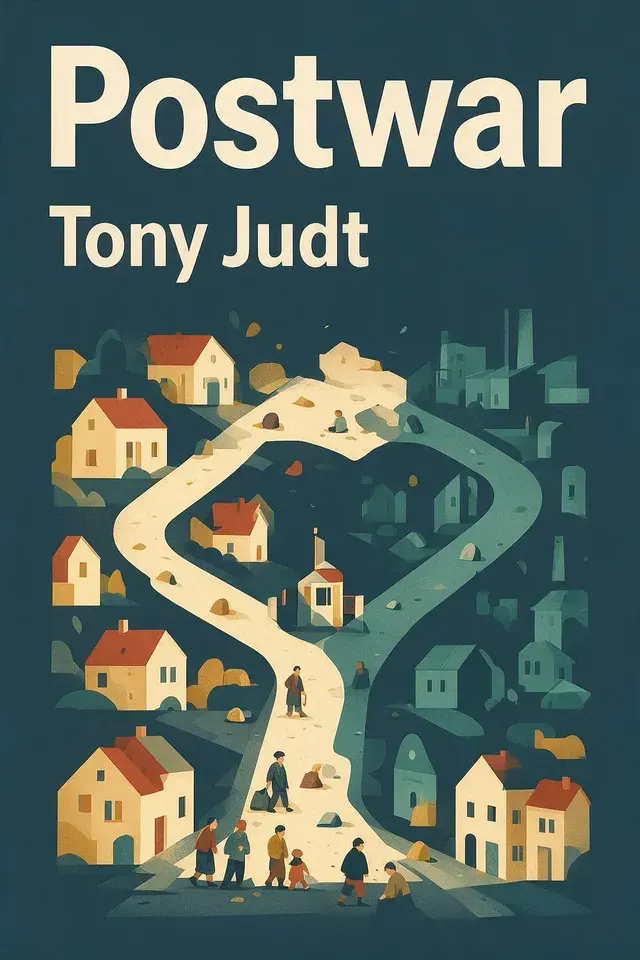
Postwar
Postwar traces Europe’s journey from the ruins of World War II through displacement, Cold War division, welfare-state prosperity, decolonization, protest, Communism’s collapse, and European integration. It asks how a continent shaped by violence built stability—and what its unresolved memories, inequalities, and national loyalties reveal about the possibilities and limits of a shared future.
12 chapters in Wiseley’s history catalog.
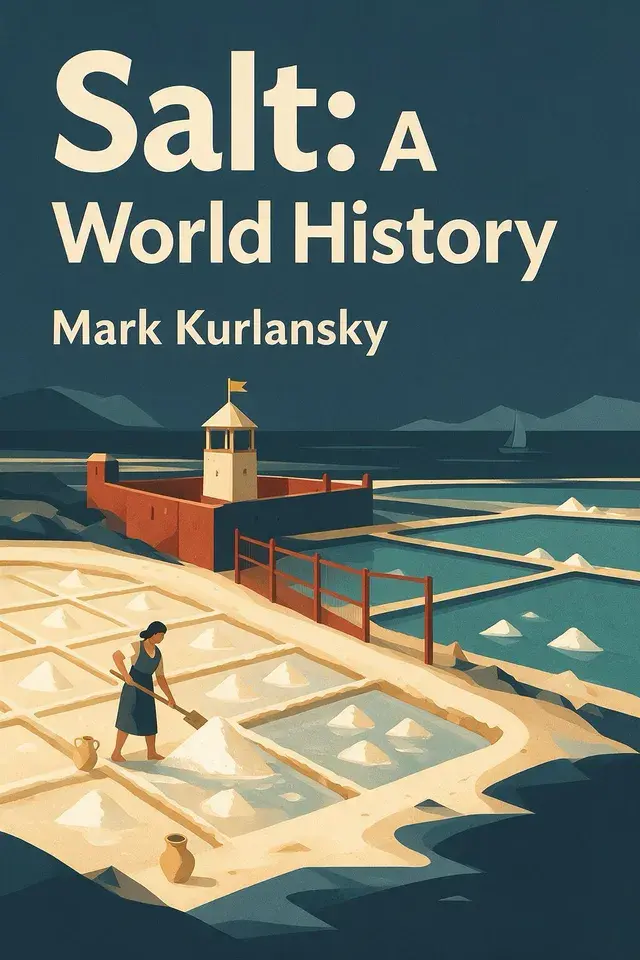
Salt: A World History
Salt: A World History traces how a mineral essential to bodies and food preservation became infrastructure for commerce, taxation, empire, war, science, and cuisine. It asks why control of salt repeatedly creates power and conflict, and shows how technology, resistance, and changing tastes reshape that relationship.
9 chapters in Wiseley’s history catalog.

Say Nothing
Say Nothing follows the Troubles through Jean McConville’s disappearance, the Price sisters’ radicalization, IRA and British intelligence operations, and the Boston College tapes. It asks how political violence becomes ordinary, how silence protects movements while wounding families, and whether peace can endure without shared truth and accountability.
11 chapters in Wiseley’s history catalog.
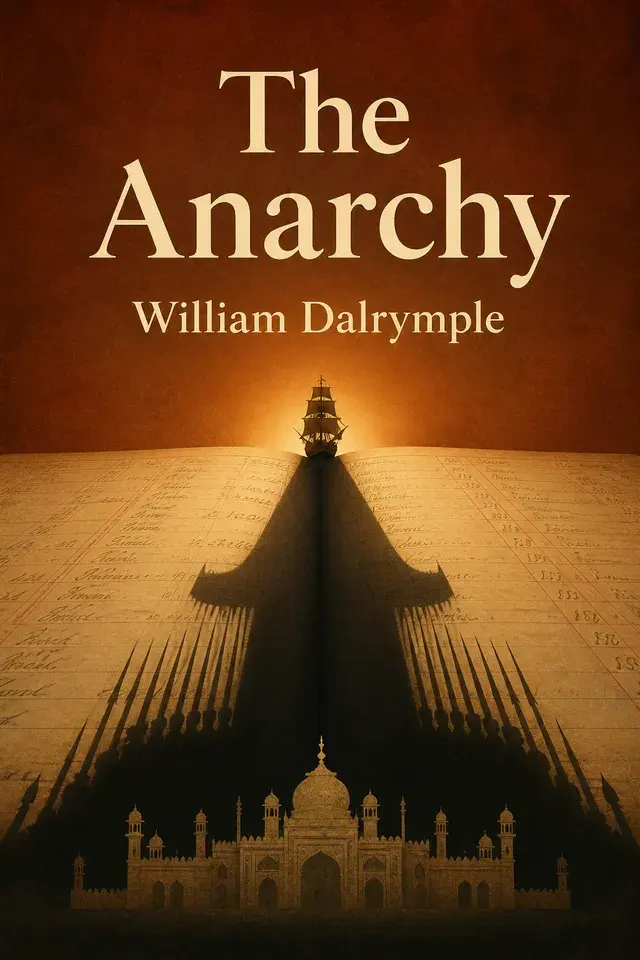
The Anarchy
The Anarchy follows the East India Company’s transformation from a trading venture into the power that displaced Mughal authority in India. It asks how finance, local alliances, military force, revenue extraction, and imperial legitimacy made corporate rule possible—and what famine, war, regulation, and resistance reveal about private power.
8 chapters in Wiseley’s history catalog.
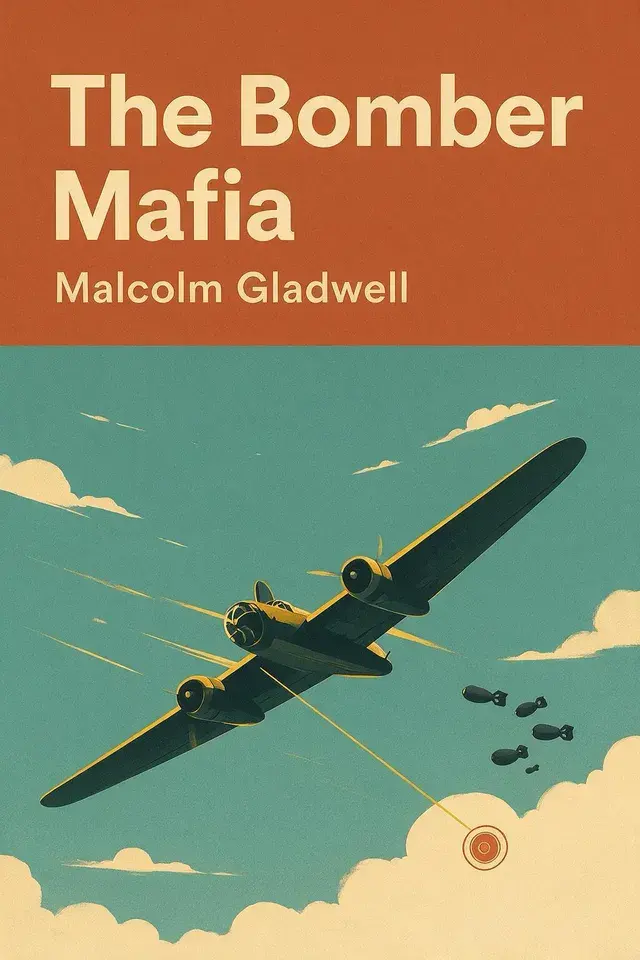
The Bomber Mafia
The Bomber Mafia follows the dream that aircraft and precision technology could make war faster, more selective, and less deadly. It asks what happens when that dream meets weather, machinery, institutions, and human judgment—and offers a way to think about the gains of precision alongside the conscience required to restrain power.
8 chapters in Wiseley’s history catalog.
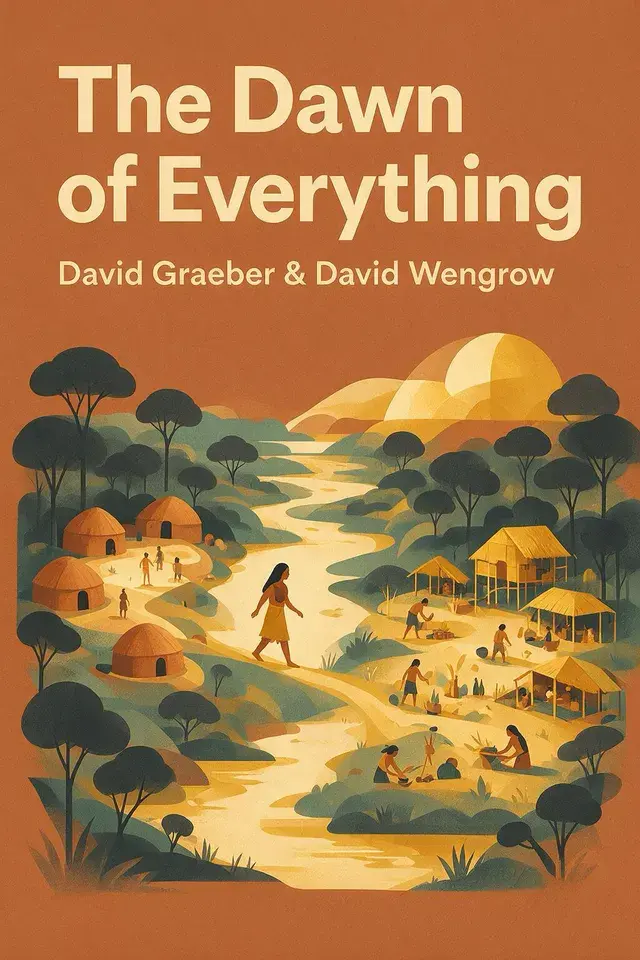
The Dawn of Everything
The Dawn of Everything asks why human history is so often told as a march from foraging to farming, inequality, cities, and states. Graeber and Wengrow assemble archaeological and Indigenous evidence to show how people repeatedly redesigned collective life—and why recovering those alternatives changes what we think is politically possible.
8 chapters in Wiseley’s history catalog.
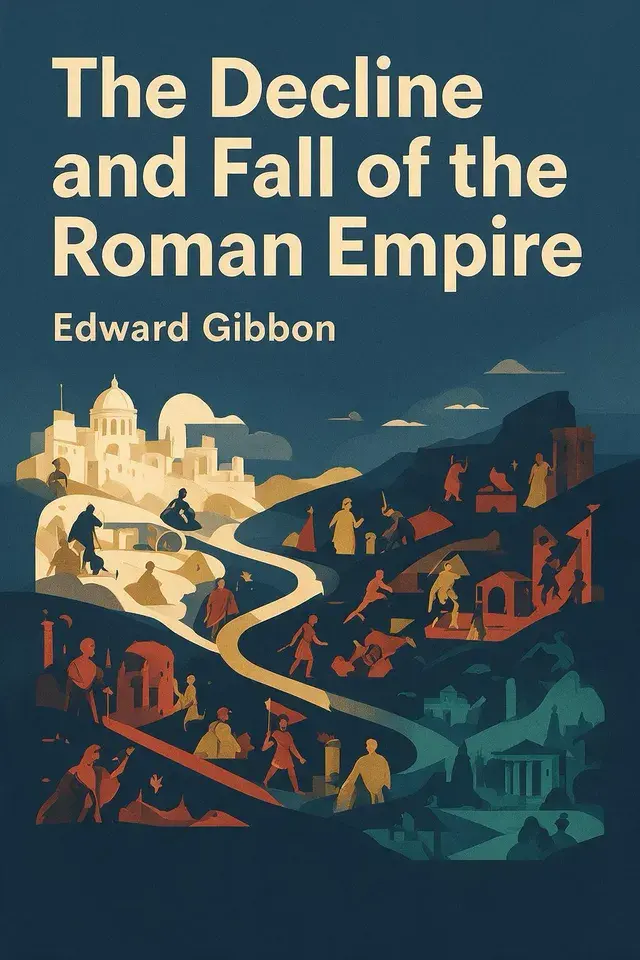
The Decline and Fall of the Roman Empire
Edward Gibbon asks how Roman power changed as Christianity, imperial administration, fiscal pressure, civil conflict, Persian rivalry, and Gothic migration reshaped the empire. This summary follows those interacting mechanisms while distinguishing documented episodes, conjecture, and later religious or political embellishment, giving listeners a compact map of his argument about decline.
16 chapters in Wiseley’s history catalog.
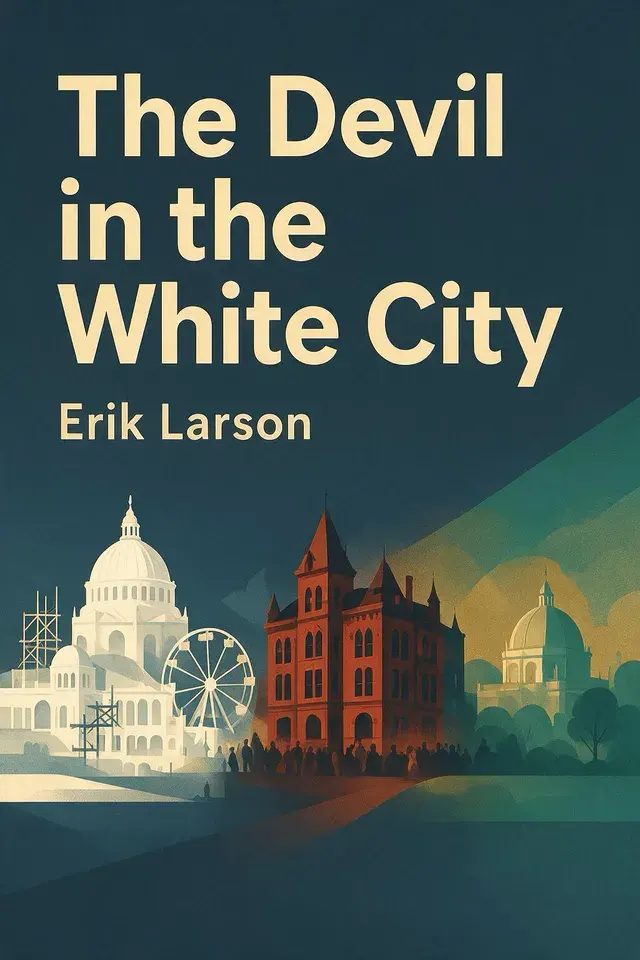
The Devil in the White City
Erik Larson’s history follows architect Daniel Burnham and murderer H. H. Holmes through Chicago’s creation of the 1893 World’s Columbian Exposition. It asks how a city can stage beauty, order, and progress while anonymity, exploitation, and violence persist beneath the spectacle—and what survives when the dream disappears.
9 chapters in Wiseley’s history catalog.
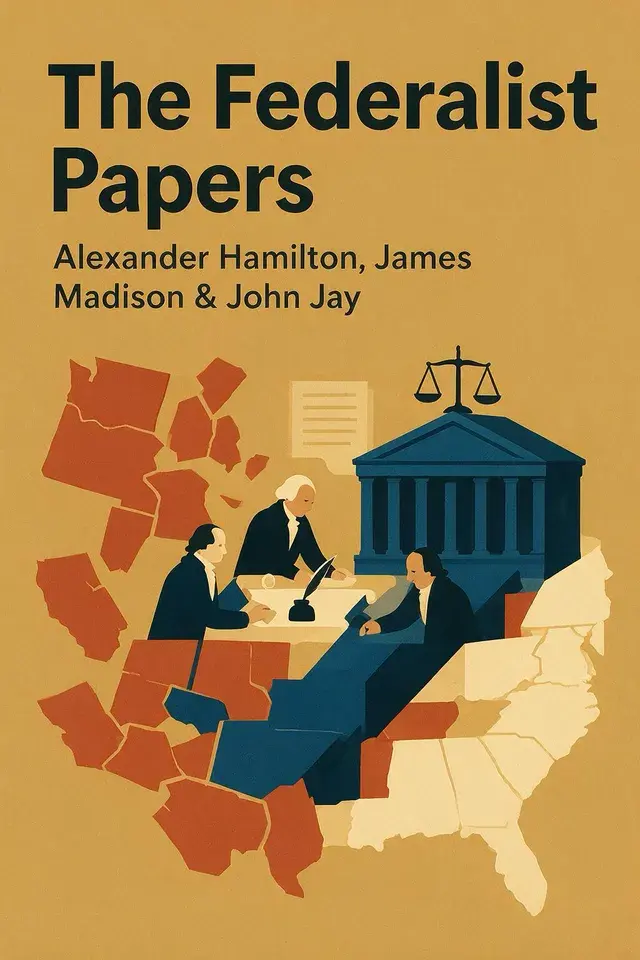
The Federalist Papers
The Federalist Papers asks how a free people can preserve union without giving government enough power to destroy liberty. It traces the dangers of disunion, defends national capacity, and explains representation, executive energy, judicial independence, and checks and balances. The appended founding documents sharpen the constitutional framework these essays defend.
14 chapters in Wiseley’s history catalog.
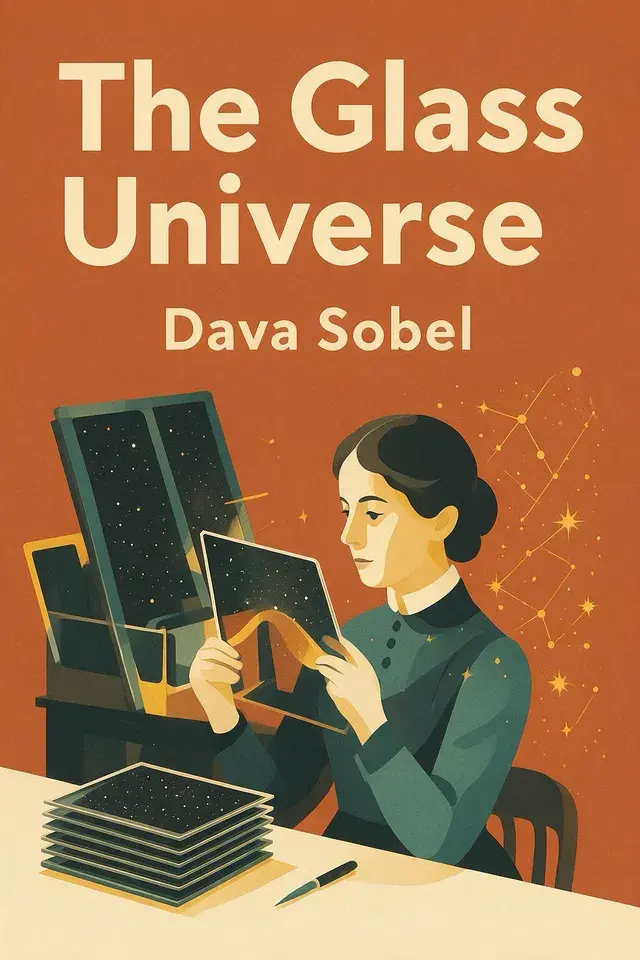
The Glass Universe
How did a nineteenth-century observatory turn glass plates into knowledge about stars—and make room for women to shape that knowledge? This summary follows spectral classification, variable stars, Leavitt’s distance relation, Shapley’s galactic map, and Payne’s stellar-atmosphere work, showing how routine measurement and institutional choices changed ideas of cosmic scale.
10 chapters in Wiseley’s history catalog.
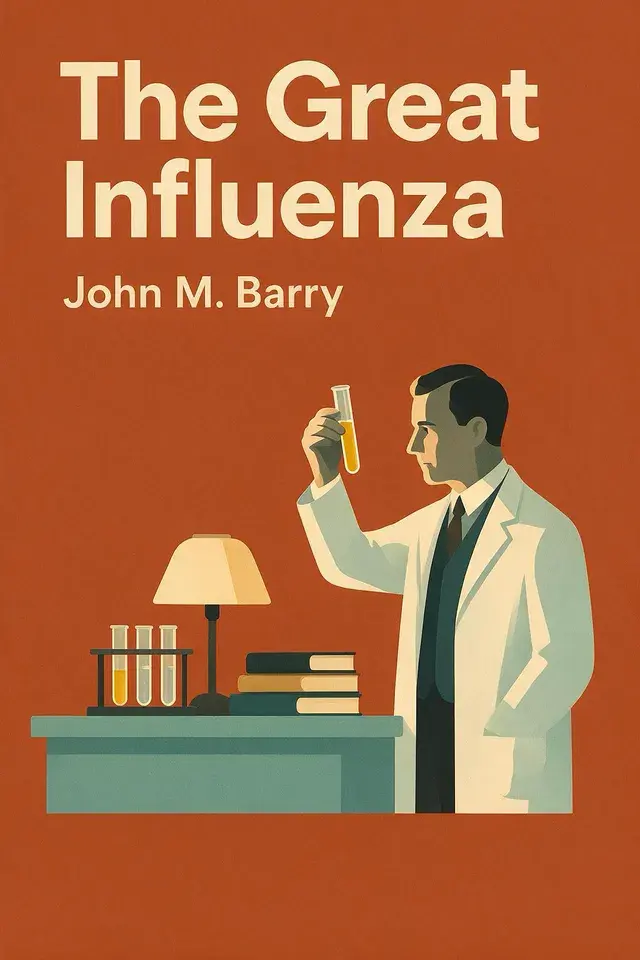
The Great Influenza
The Great Influenza is a history of the 1918 pandemic and the scientific transformation that preceded it. It asks how a modern medical system, a mobilized nation, and a fast-changing virus produced catastrophe—and what disciplined science, honest communication, and preparedness can learn from that failure.
11 chapters in Wiseley’s history catalog.
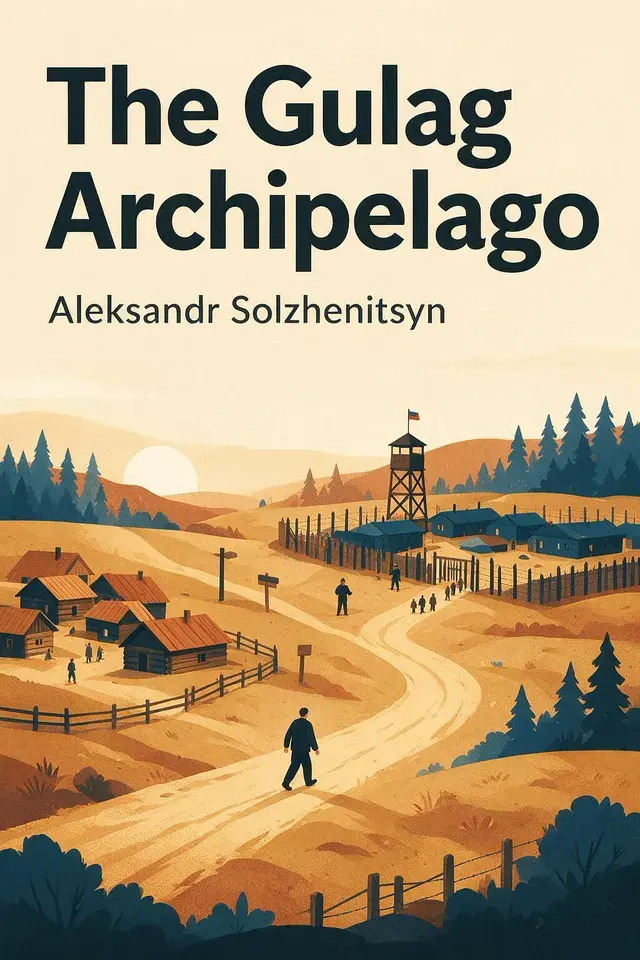
The Gulag Archipelago
The Gulag Archipelago reconstructs how Soviet arrests, interrogation, forced labor, exile, and camp society formed a hidden national system. It asks what happens to truth, dignity, and conscience when power turns fear into social practice, and why remembering collective suffering remains a moral responsibility.
17 chapters in Wiseley’s history catalog.
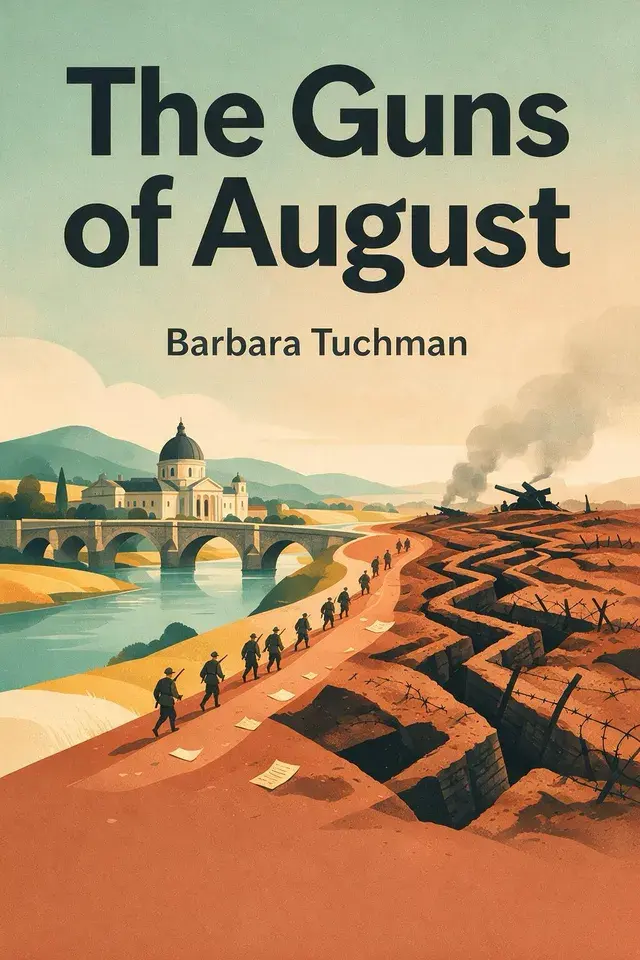
The Guns of August
An audio-first account of the first month of World War I, asking how diplomatic commitments, military doctrines, and human decisions turned a Balkan crisis into a wider war—and how failed plans, Belgian resistance, Russian sacrifice, naval paralysis, retreat, and the Marne created Western Front deadlock. Its value is a study of rigidity under pressure.
9 chapters in Wiseley’s history catalog.
The Histories
Herodotus’s first four books ask how wars begin, empires rise, and power turns into ruin. Moving from Croesus and Cyrus through Egypt, Persia, Scythia, Kyrene, and Libya, this audio summary follows his comparisons of custom, geography, ritual, fortune, and evidence—showing how historical understanding grows through competing reports rather than certainty.
17 chapters in Wiseley’s history catalog.
The History of the Peloponnesian War
Thucydides examines how Greek rivalries became a war between an expanding Athenian empire and a Spartan-led coalition, following the conflict through revolt, faction, diplomacy, Sicily, catastrophe, and recovery. Its central question is how power, fear, judgment, and chance turn insecurity into violence—and what that reveals about political life.
10 chapters in Wiseley’s history catalog.
The Looming Tower
Lawrence Wright traces how Sayyid Qutb’s critique of modernity, Egyptian repression, Saudi religious politics, the Afghan jihad, and al-Qaeda’s organizational growth converged in the road to 9/11. Its central question is how ideology, money, sanctuary, and institutional failure transformed scattered militants into a transnational threat—and what that history reveals about prevention.
12 chapters in Wiseley’s history catalog.
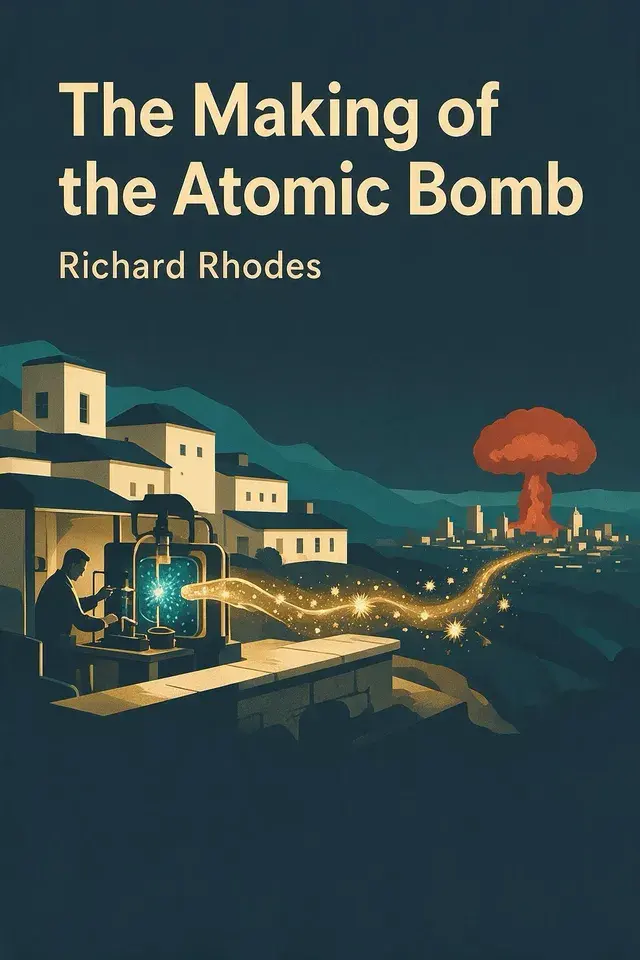
The Making of the Atomic Bomb
Richard Rhodes’s history asks how a chain of experiments about atoms became a weapon capable of destroying cities. It follows the scientists, refugees, institutions, and wartime decisions that made the bomb possible, then weighs what Hiroshima and Nagasaki revealed about power, responsibility, and the difference between scientific inevitability and political choice.
10 chapters in Wiseley’s history catalog.
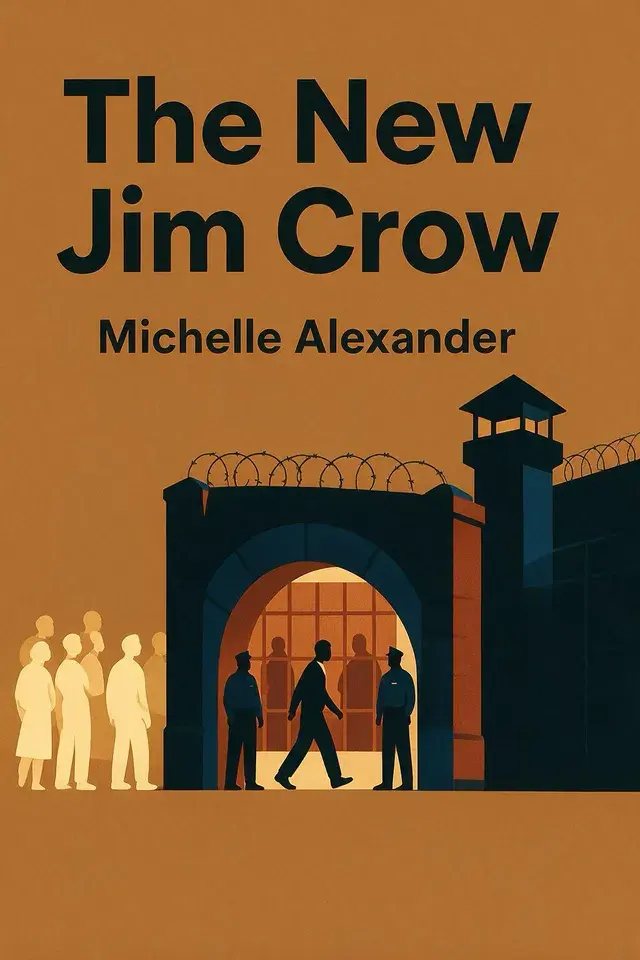
The New Jim Crow
Michelle Alexander asks how a formally colorblind criminal-justice system can reproduce racial caste. The book traces the history, politics, enforcement machinery, legal doctrines, and post-release penalties that make mass incarceration durable, then argues that understanding this chain is necessary for a race-conscious, interracial human-rights movement.
8 chapters in Wiseley’s history catalog.
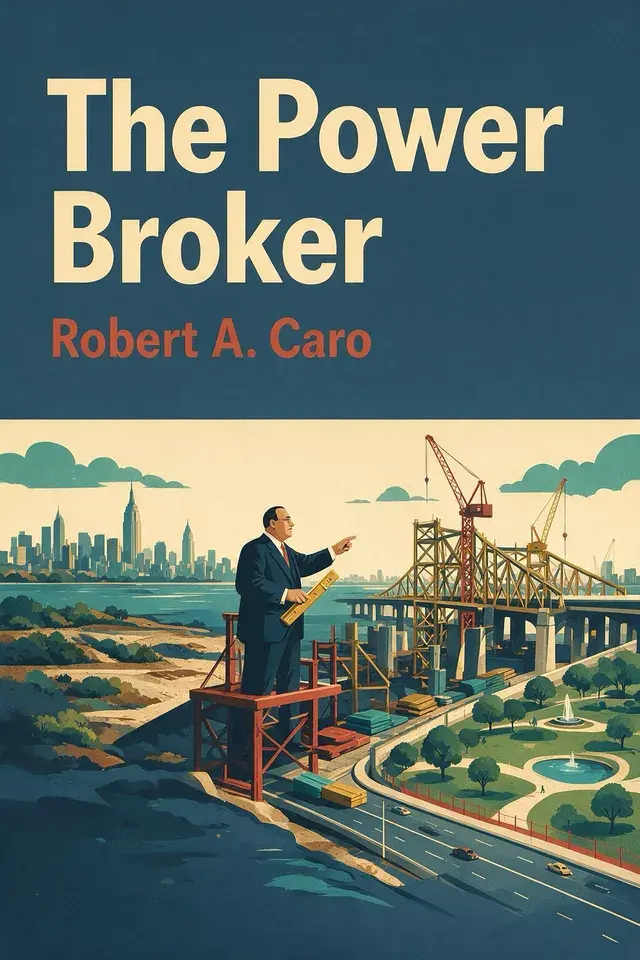
The Power Broker
How did Robert Moses, an unelected reformer, gain the authority to remake New York—and what did that authority cost? This concise account follows the machinery behind his parks, roads, public authorities, and urban renewal, weighing durable public works against displacement, exclusion, traffic, and weakened democratic oversight.
11 chapters in Wiseley’s history catalog.
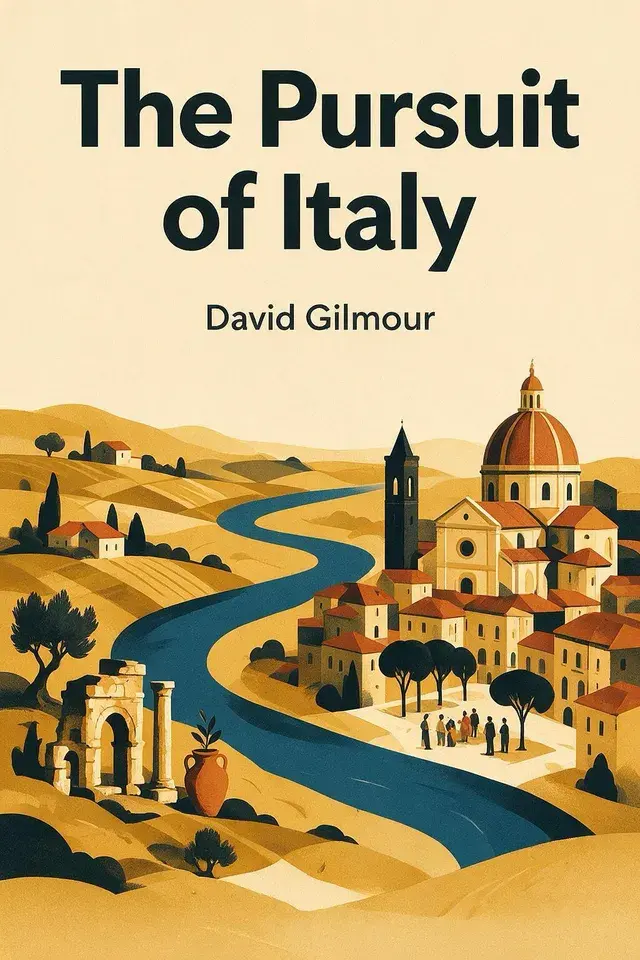
The Pursuit of Italy
David Gilmour asks whether Italy’s political unity was natural, necessary, or successful. Moving from geography, languages, and Roman and communal histories through unification, fascism, and the modern Republic, the book shows how regional loyalties shaped Italy—and why local civic life may have proved more resilient than the nation-state.
15 chapters in Wiseley’s history catalog.
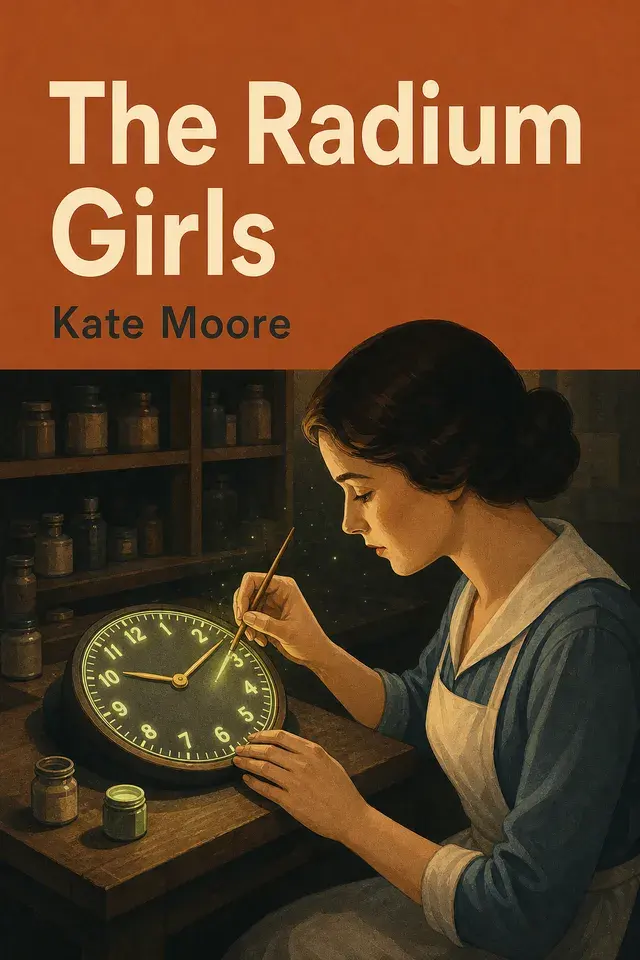
The Radium Girls
The Radium Girls follows young women who painted luminous watch dials and asks how a celebrated scientific wonder became a workplace catastrophe—and why warnings failed to protect them. It connects bodily harm to corporate secrecy, medical uncertainty, legal struggle, and the safety rules and public memory that followed.
10 chapters in Wiseley’s history catalog.
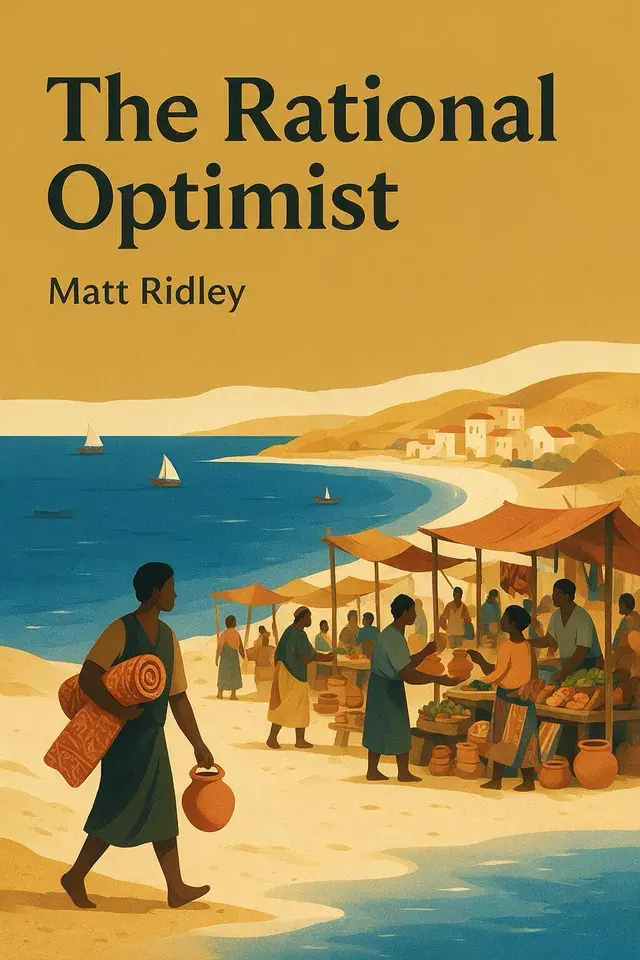
The Rational Optimist
The Rational Optimist asks why human living standards have risen despite scarcity, conflict, disease, and repeated forecasts of collapse. Matt Ridley traces progress to exchange, specialization, trust, institutions, energy, and cumulative innovation, then tests those mechanisms against population, agriculture, Africa, and climate. The result is a framework for judging change without denying risk or suffering.
14 chapters in Wiseley’s history catalog.
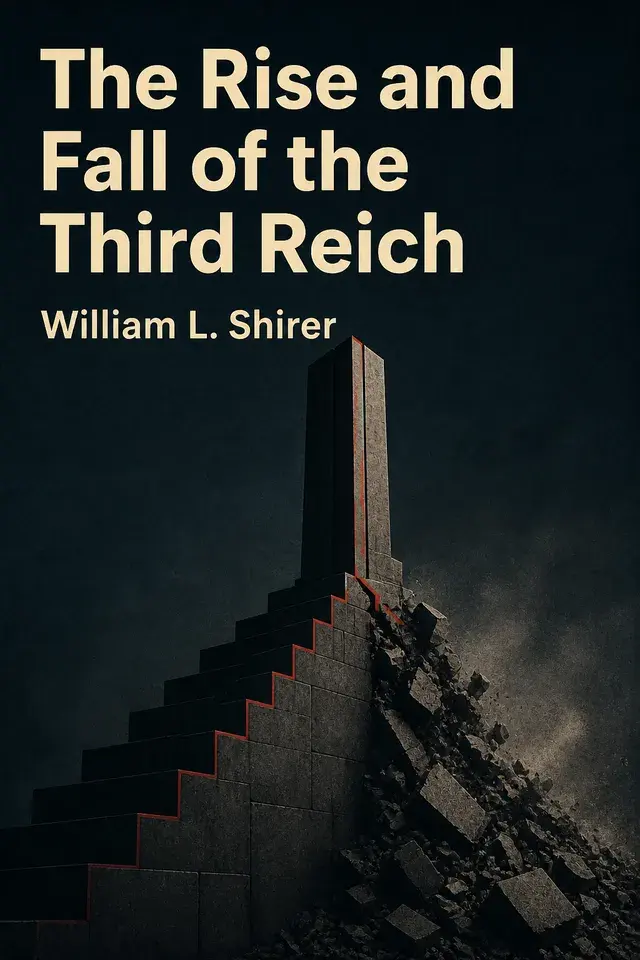
The Rise and Fall of the Third Reich
William L. Shirer’s history asks how Hitler’s minority-backed movement captured Germany, turned conquest into a racial empire, and collapsed into ruin. This summary follows the institutions, choices, myths, and strategic errors behind that trajectory, clarifying how dictatorship can grow through both coercion and consent.
14 chapters in Wiseley’s history catalog.
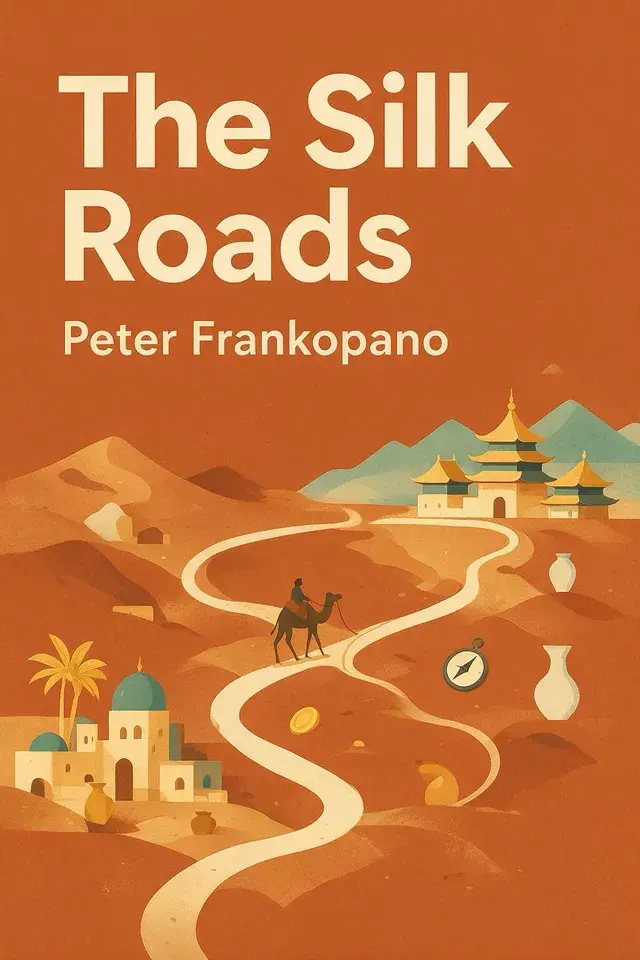
The Silk Roads
Peter Frankopan re-centers world history on the connected zone from the Mediterranean through Central Asia to China, asking how routes for trade, faith, war, disease, and resources redirected power. The summary explains Europe’s contingent rise and why Asia’s strategic centrality is returning.
15 chapters in Wiseley’s history catalog.
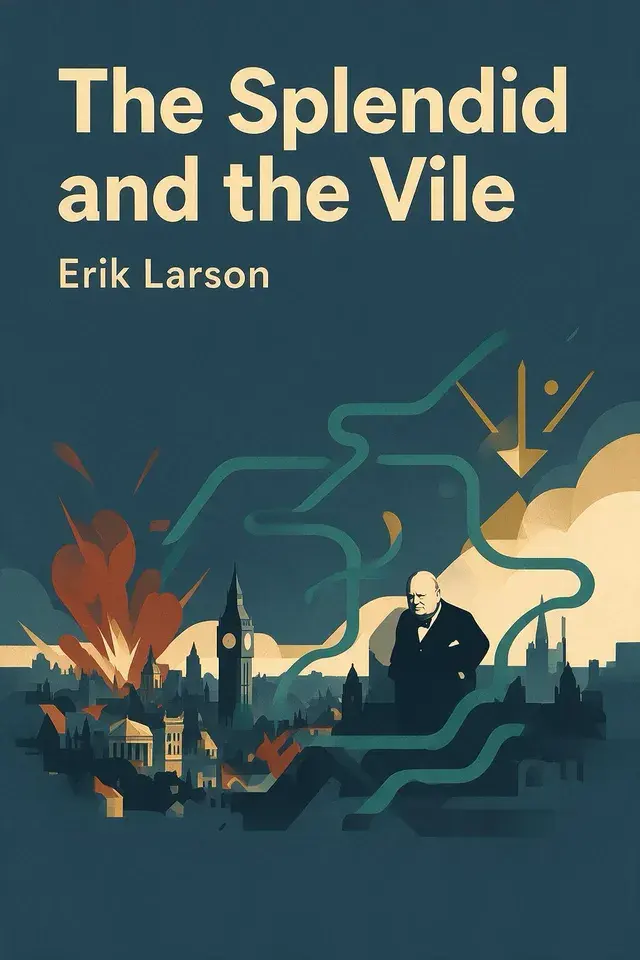
The Splendid and the Vile
Erik Larson follows Winston Churchill’s first year as prime minister, from Britain’s expectation of invasion and aerial catastrophe through the Blitz and the emergence of American support. The central question is how leadership, technology, public morale, family life, and private courage sustain a society when survival depends on acting amid uncertainty.
16 chapters in Wiseley’s history catalog.
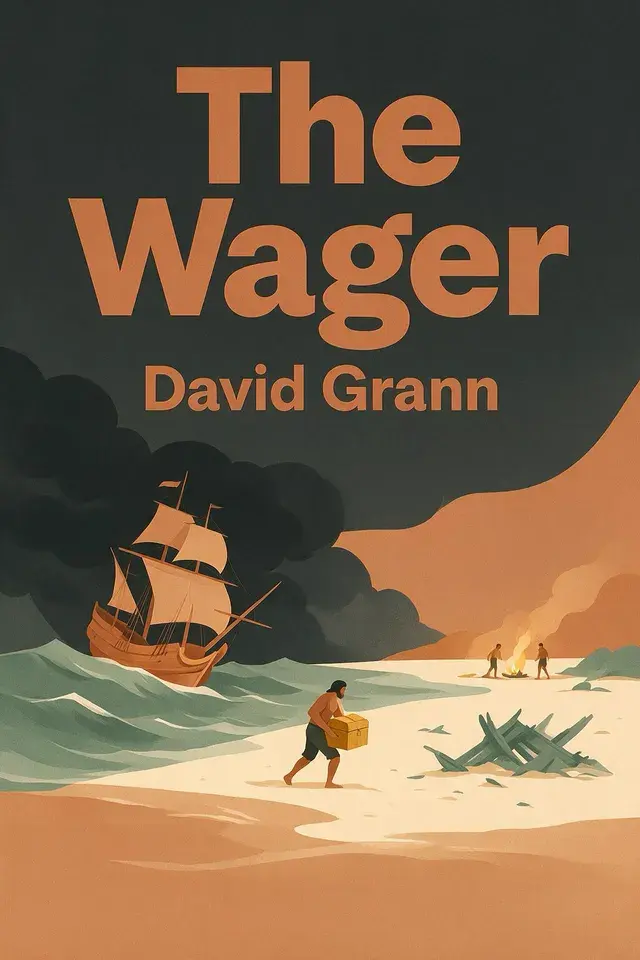
The Wager
David Grann reconstructs HMS Wager’s secret British mission to seize a Spanish treasure galleon and the catastrophe that follows: disease, storms, shipwreck, starvation, mutiny, captivity, and competing accounts. The central question is how survival and imperial authority shape who is remembered as a hero, a mutineer, or a civilized officer.
9 chapters in Wiseley’s history catalog.
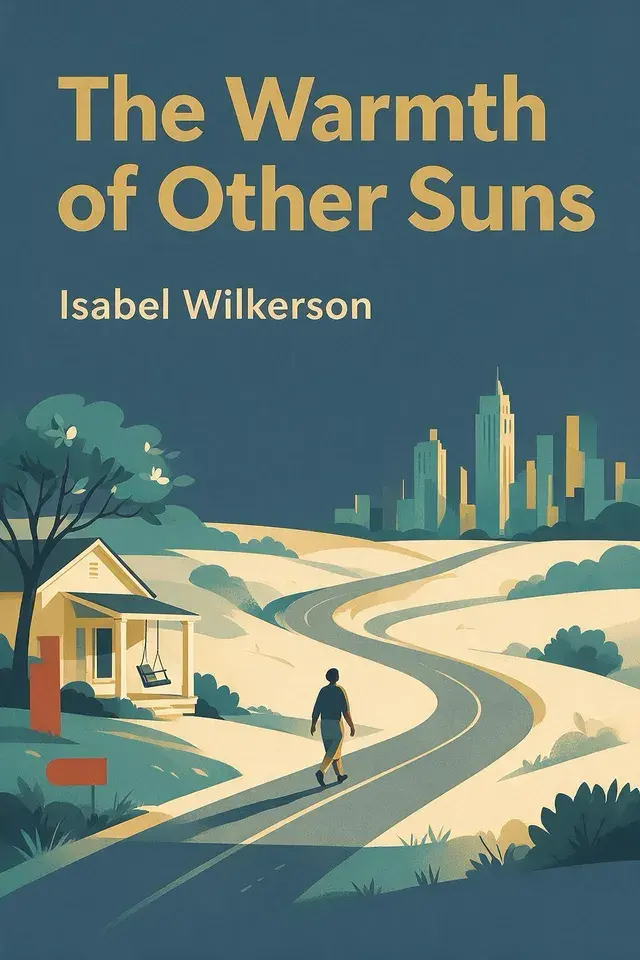
The Warmth of Other Suns
Isabel Wilkerson follows Ida Mae Gladney, George Starling, and Robert Foster through the Great Migration from the Jim Crow South. The book asks what freedom costs when escape leads to unfamiliar cities, new barriers, family separation, and reinvention, while showing how private decisions can reshape cities, politics, culture, and generations.
16 chapters in Wiseley’s history catalog.
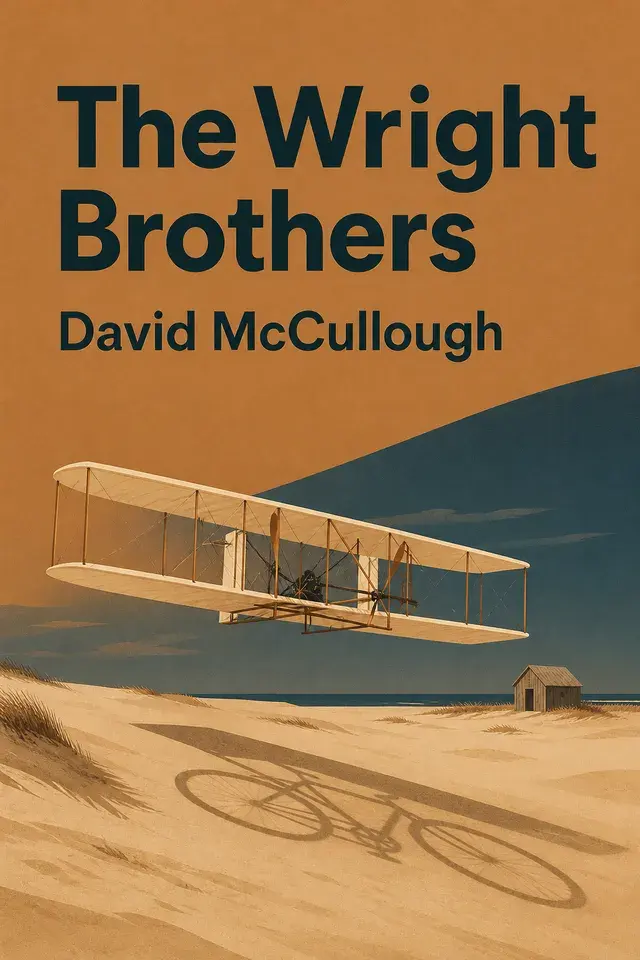
The Wright Brothers
David McCullough’s biography follows Wilbur and Orville Wright from a close, self-educating family and bicycle workshop to controlled flight, public proof, and a contested legacy. It asks how patient measurement, practical skill, and partnership overcame failed theories—and how invention changes when recognition, commerce, injury, and war reshape its meaning.
10 chapters in Wiseley’s history catalog.
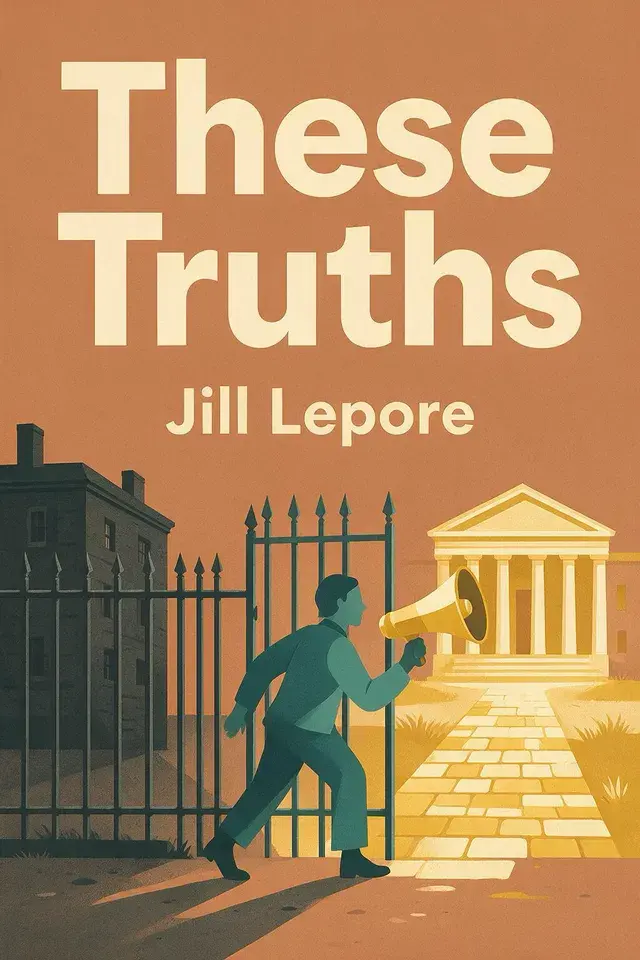
These Truths
These Truths asks how the United States could claim equality, natural rights, and self-government while practicing conquest, slavery, exclusion, and coercion. Its history connects institutions, movements, media, and technology to the recurring struggle over who belongs to the people and how democracy decides what is true.
13 chapters in Wiseley’s history catalog.
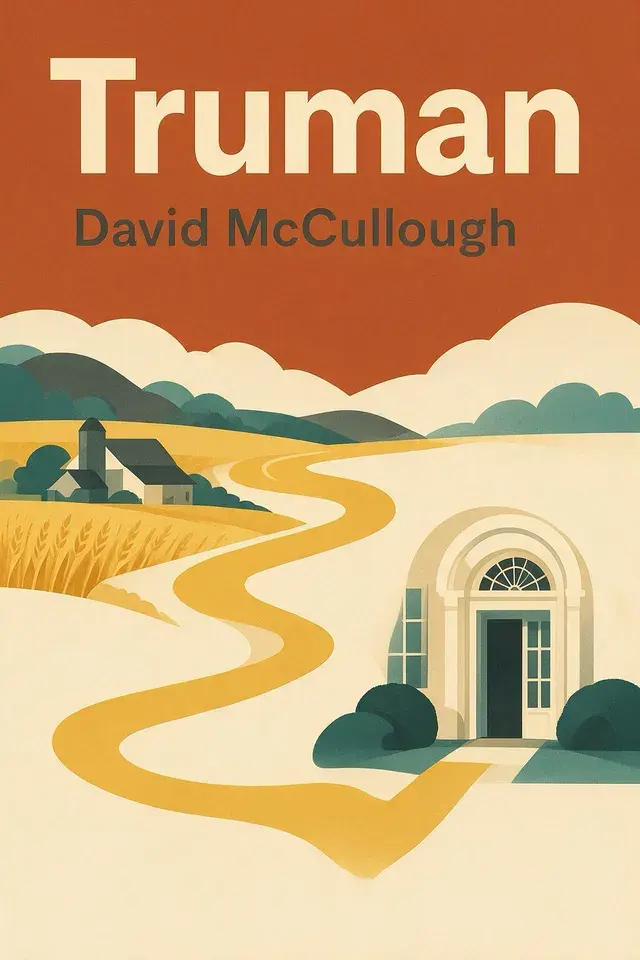
Truman
Truman follows a Missouri farm boy through family hardship, World War I, machine politics, Senate oversight, and an unexpected presidency. It asks how an ordinary, flawed man made decisions about atomic war, the Cold War, Korea, and civil rights—and offers a framework for judging leadership when duty, uncertainty, and loyalty collide.
13 chapters in Wiseley’s history catalog.
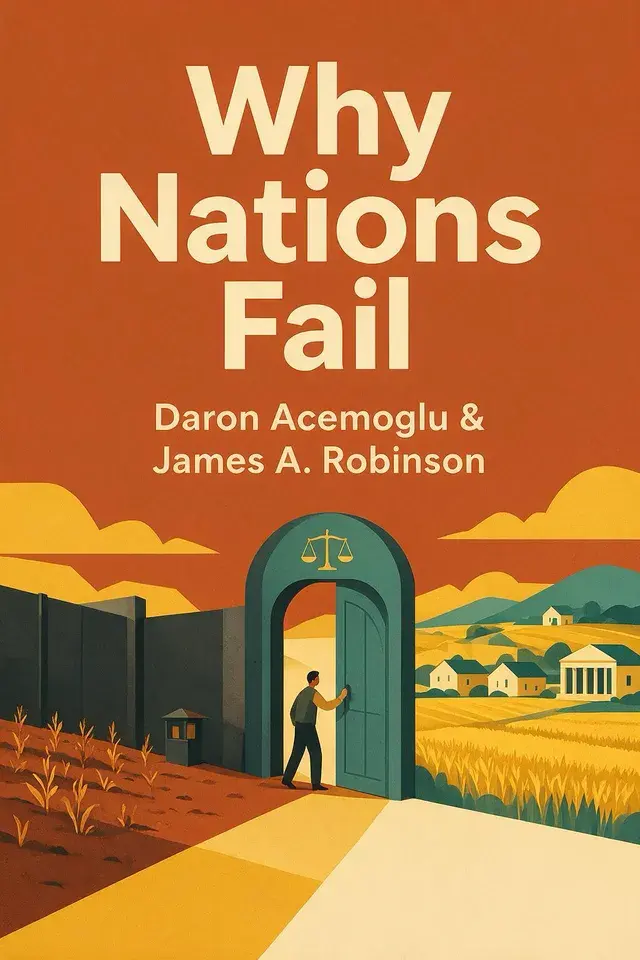
Why Nations Fail
Why do societies with similar geography and history become rich, poor, or trapped in coercion? Why Nations Fail argues that political power shapes economic institutions, incentives, and innovation. Its historical comparisons clarify persistent inequality and show why broad coalitions, accountable institutions, and empowered citizens matter for durable prosperity.
13 chapters in Wiseley’s history catalog.
Keep exploring
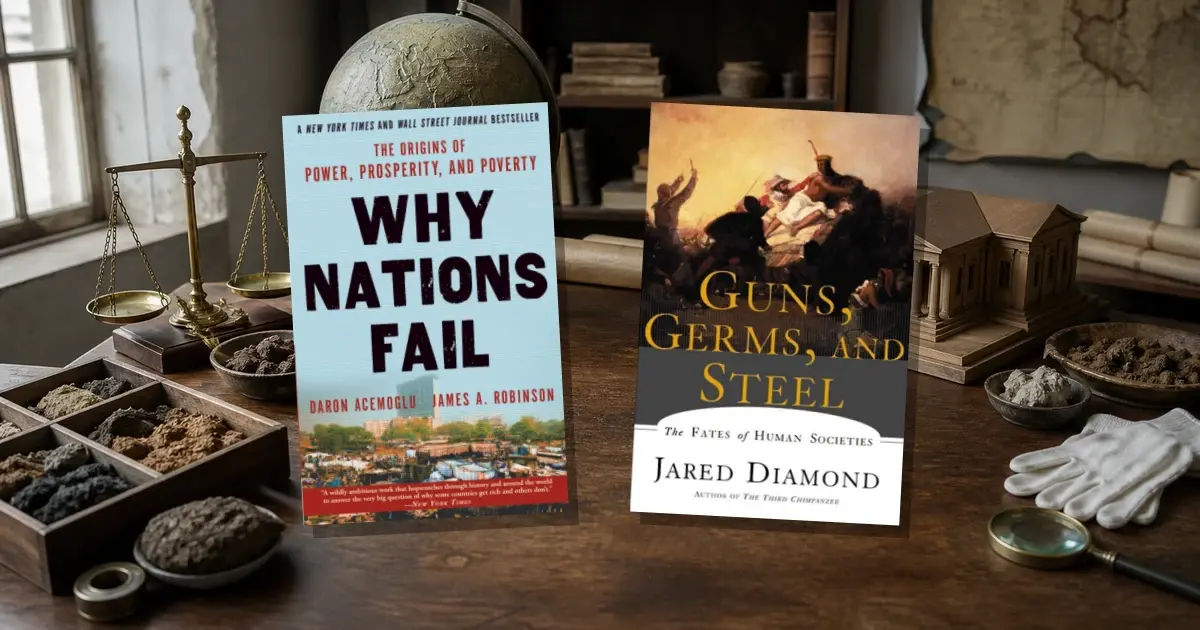
Comparison
Why Nations Fail vs Guns, Germs, and Steel: Institutions or Geography?
The books explain long-run inequality at different causal levels. Compare institutions and environmental starting conditions without forcing one into a total theory.

Comparison
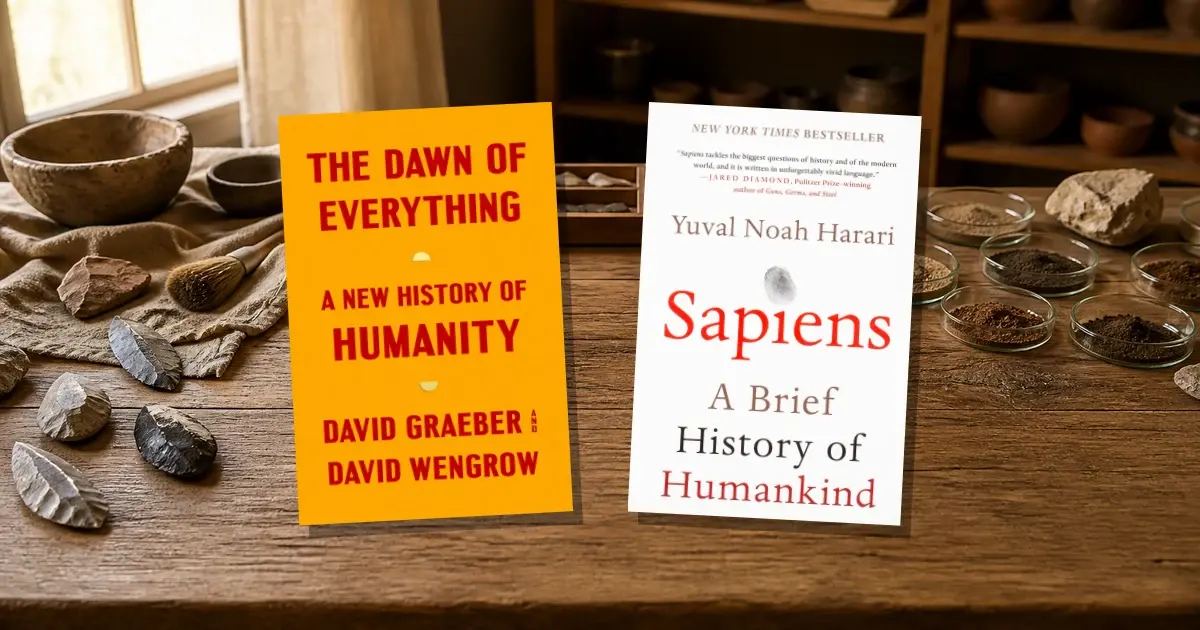
The Dawn of Everything vs Sapiens: Rival Stories of Human History
One book tells a sweeping sequence of human revolutions; the other challenges the sequence itself. Their disagreement changes how freedom, farming, and cities appear.

Comparison
On Tyranny vs How Democracies Die: Citizens or Institutions?
One offers compact civic lessons from twentieth-century history; the other studies how elected leaders, parties, and weakened norms can dismantle democracy from within.
Practical guide
How to Compare Two History Books That Disagree
Map each book’s question, evidence, causal engine, and missing cases before deciding whether their disagreement is real or merely different in scale.

Practical guide
How to Test a Big Claim About Society
Turn a sweeping statement into a measurable question, inspect the comparison behind it, and look for the cases the story cannot easily absorb.
Reading list
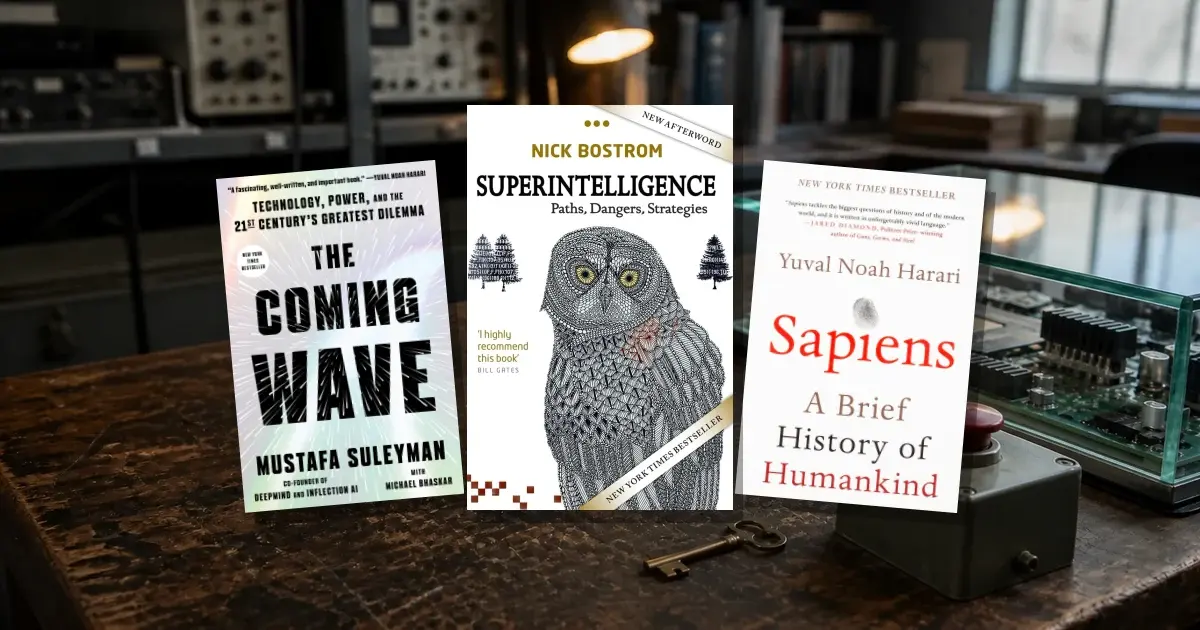
Books for Understanding AI, Power, and Risk
Build a reading stack that includes technical control, institutional containment, human history, and the discipline of checking dramatic claims against evidence.