Fiction and literature summaries
Novels, plays, stories, and poetry that explore human experience through literature.
Literature invites us into imagined lives and unfamiliar perspectives. Explore each work's characters, form, conflicts, and ideas while keeping its particular voice and historical context in view.
Explore novels, plays, stories, and poetry through their characters, narrative choices, and central themes.
Start with a focused list
This page is the complete fiction & literature catalog. If you already know which question you are answering, these shorter selections narrow it down first.
- Choose your next book — Use your interests and reading goals to find a book to explore next.
Books in this collection
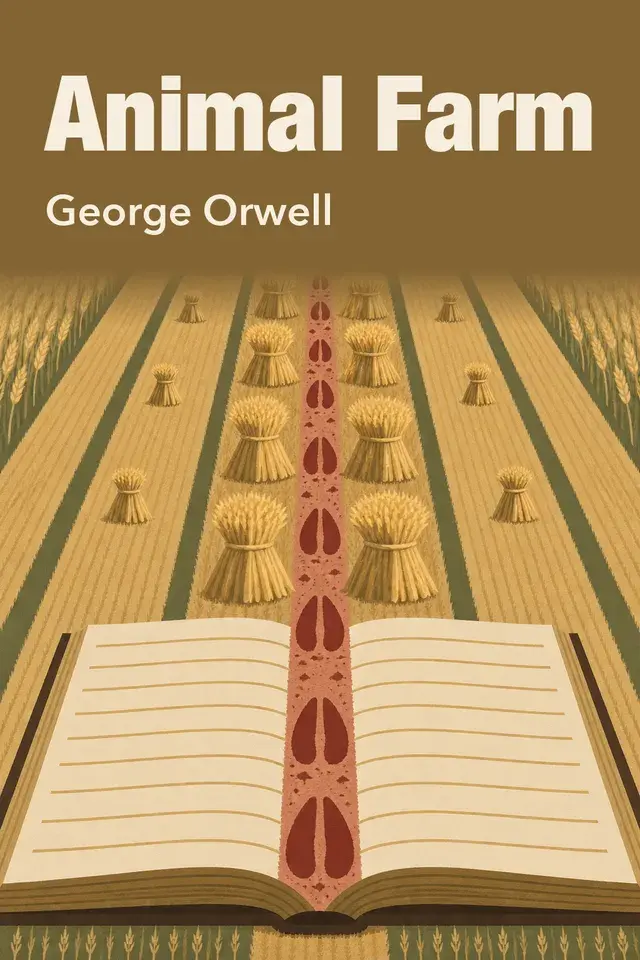
Animal Farm
Animal Farm follows a farm-wide revolt against human exploitation and the gradual conversion of its promise of equality into a new hierarchy. It asks how fear, propaganda, unequal access to knowledge, manipulated memory, and exhausted loyalty make domination appear necessary—and helps readers trace where political ideals are lost.
6 chapters in Wiseley’s fiction & literature catalog.
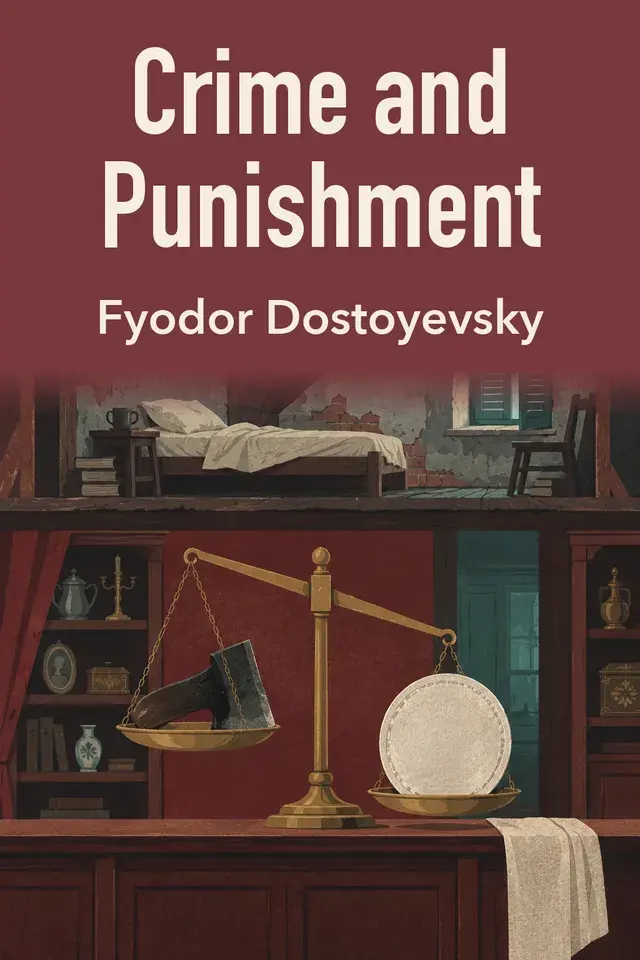
Crime and Punishment
Crime and Punishment follows the impoverished Raskolnikov as he tests a theory that exceptional people may cross moral law for a higher purpose. It asks whether intellect can outrun conscience, and traces how poverty, guilt, suffering, human solidarity, and faith reshape responsibility.
9 chapters in Wiseley’s fiction & literature catalog.

Foundation
Isaac Asimov’s science-fiction story asks whether forecasting mass behavior can shorten the disorder after an empire falls. As a scientific enclave confronts successor kingdoms, it tests diplomacy, religious authority, and trade. The book traces how institutions gain influence and how dependence on their tools creates new political risks.
8 chapters in Wiseley’s fiction & literature catalog.

Lessons in Chemistry
Bonnie Garmus’s novel follows chemist Elizabeth Zott as sexism, grief, and motherhood reshape her work, until a cooking show gives her a public way to teach chemistry. It asks who defines women’s abilities and family, and finds intellectual value in curiosity, practical knowledge, mutual care, and self-directed work.
12 chapters in Wiseley’s fiction & literature catalog.
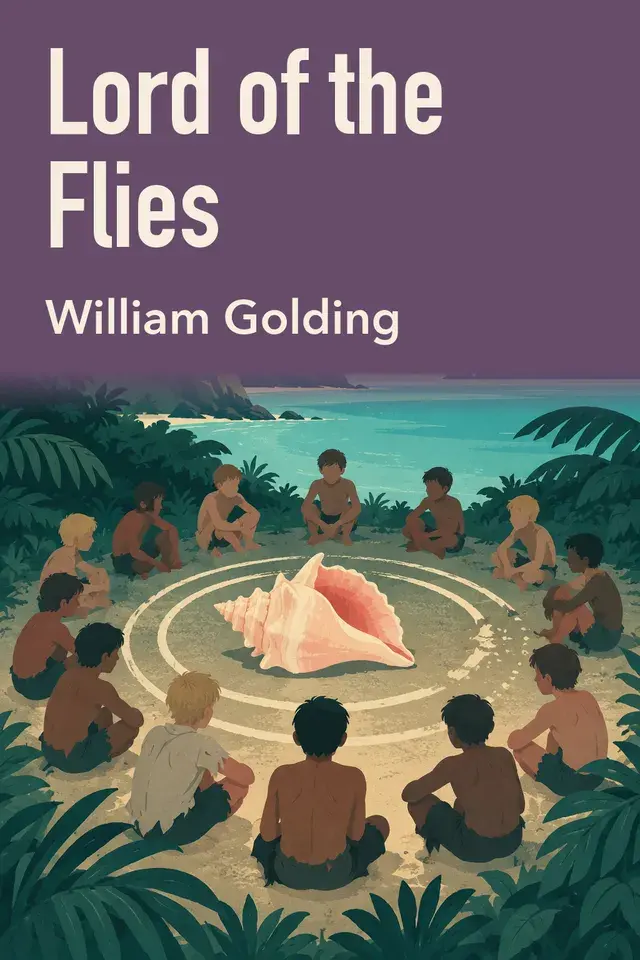
Lord of the Flies
William Golding’s novel follows stranded boys whose attempts at self-government give way to fear, rivalry, and violence. This summary explores how shared rules lose authority, how belonging can enable cruelty, and why rescue leaves the meaning of civilization unsettled.
7 chapters in Wiseley’s fiction & literature catalog.
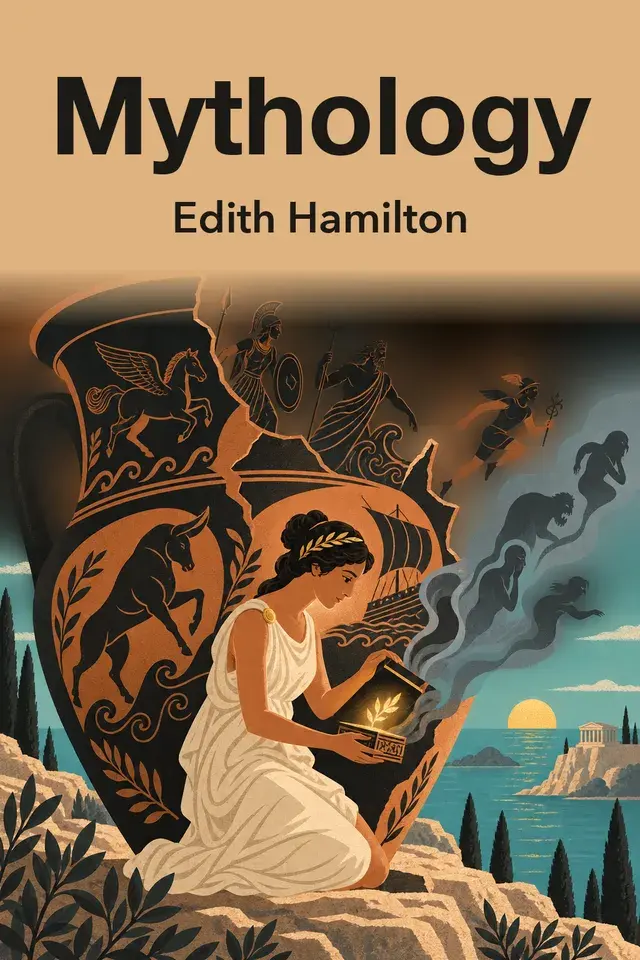
Mythology
Edith Hamilton traces Greek myth from divine origins through heroic quests, the Trojan cycles, and tragic family houses, then turns to Norse stories. The collection asks how power, fate, choice, and loss shape human lives; its varied tellings invite readers to notice how inherited myths shift across poets and traditions.
20 chapters in Wiseley’s fiction & literature catalog.
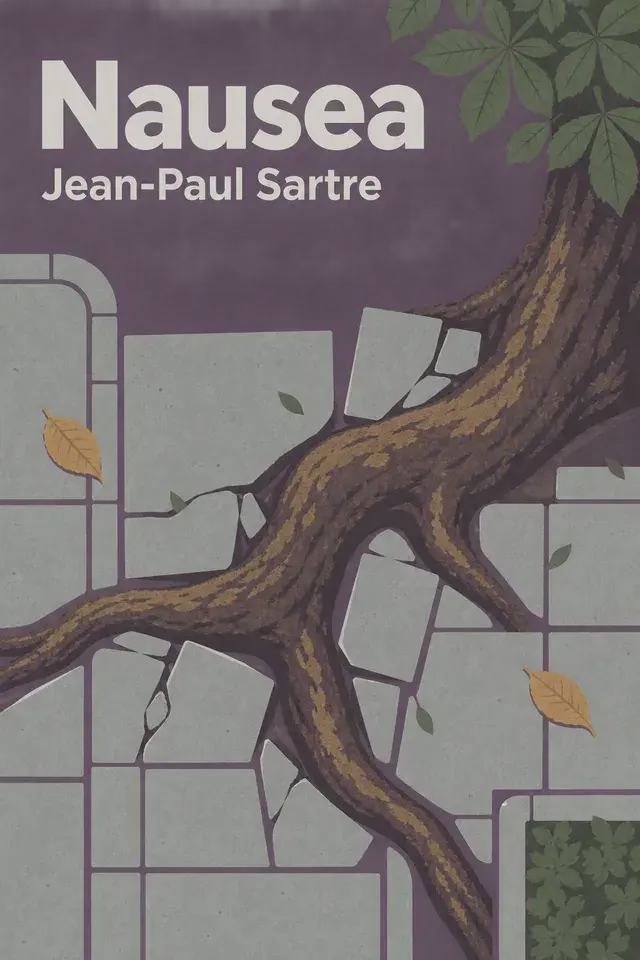
Nausea
Jean-Paul Sartre’s Nausea follows Roquentin as familiar objects, memories, social ideals, and love lose their power to make existence feel secure. It asks whether life can be given meaning through history, relationships, or art, and offers a searching account of contingency, freedom, and the limits of ready-made purpose.
9 chapters in Wiseley’s fiction & literature catalog.
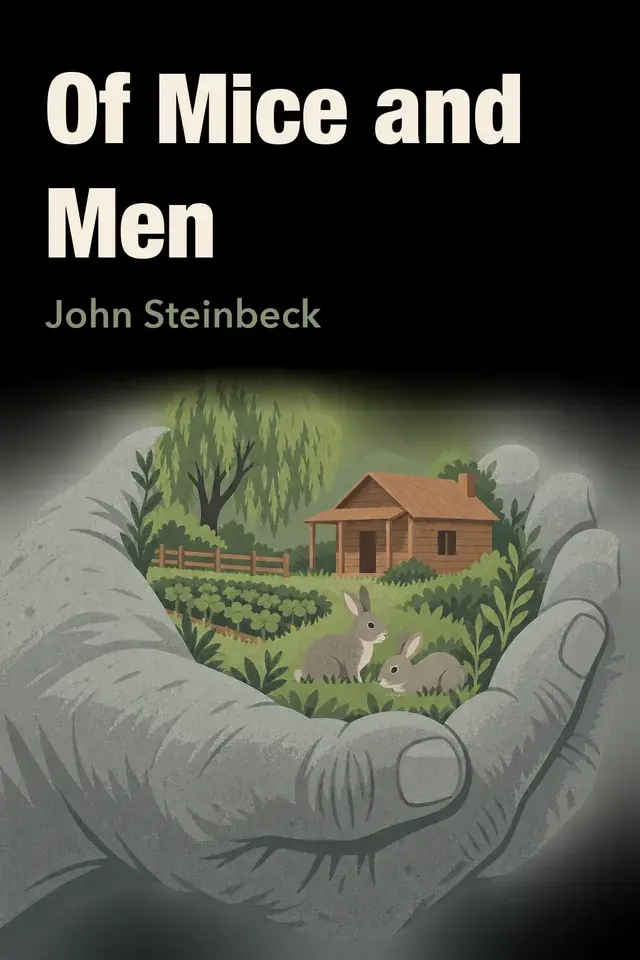
Of Mice and Men
John Steinbeck’s novella follows itinerant ranch hands George and Lennie as they imagine a farm of their own. It asks how companionship answers loneliness, how power shapes who belongs, and what happens when care cannot prevent harm. Its recurring dream and animal episodes illuminate hope, exclusion, responsibility, and mercy.
6 chapters in Wiseley’s fiction & literature catalog.
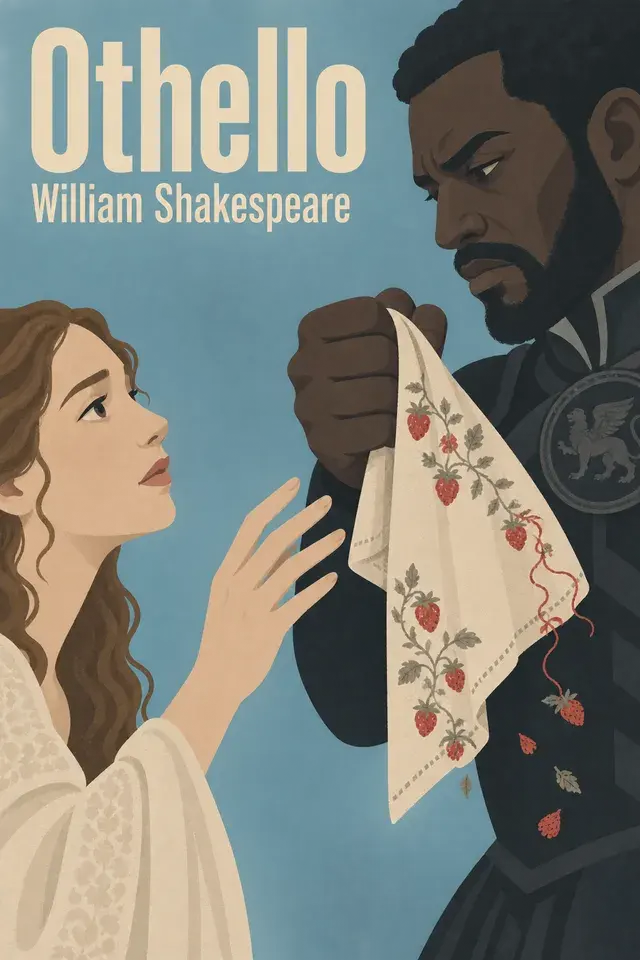
Othello
William Shakespeare’s Othello asks how a respected commander comes to mistake staged appearances for proof of his wife’s betrayal. This summary follows Iago’s revenge from Venice to Cyprus, tracing how trust, racial insecurity, reputation, gendered expectations, and a misused handkerchief feed jealousy—and how testimony exposes the fraud only after Othello has killed Desdemona.
6 chapters in Wiseley’s fiction & literature catalog.
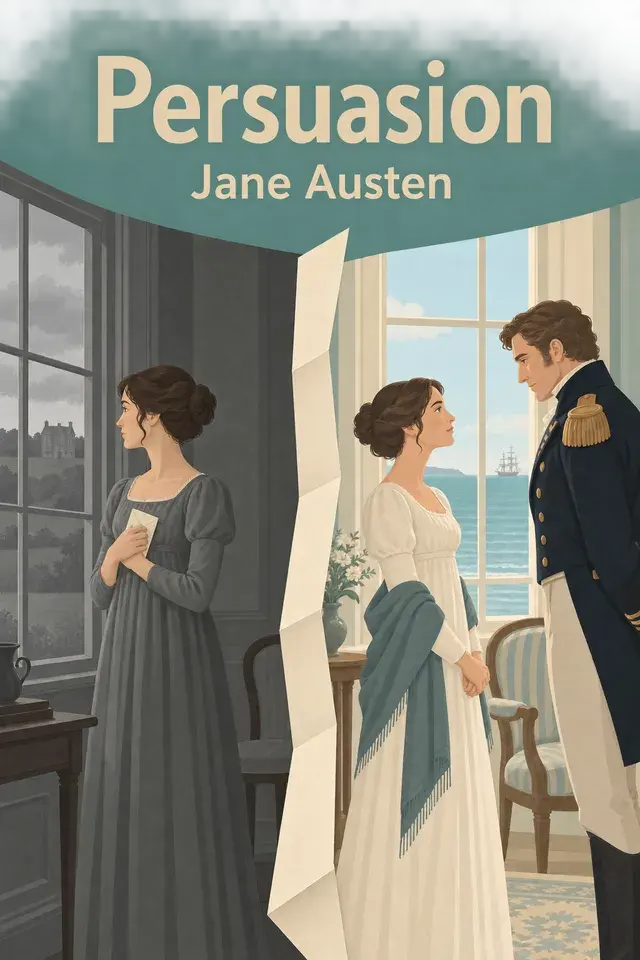
Persuasion
Jane Austen’s Persuasion follows Anne Elliot, whose family’s concern with rank and money helps end her engagement to naval officer Frederick Wentworth. Years later, their renewed meetings ask whether love can survive advice, pride, and mistaken judgments. The novel explores how social position shapes courtship and how people learn to judge character and constancy.
8 chapters in Wiseley’s fiction & literature catalog.

Siddhartha
A young seeker moves through inherited religion, ascetic discipline, sensual and commercial life, love, loss, and work beside a river. The story asks whether wisdom can be transmitted as teaching or must be lived, and explores how attention and love can hold desire, suffering, and apparent opposites within a larger unity.
8 chapters in Wiseley’s fiction & literature catalog.
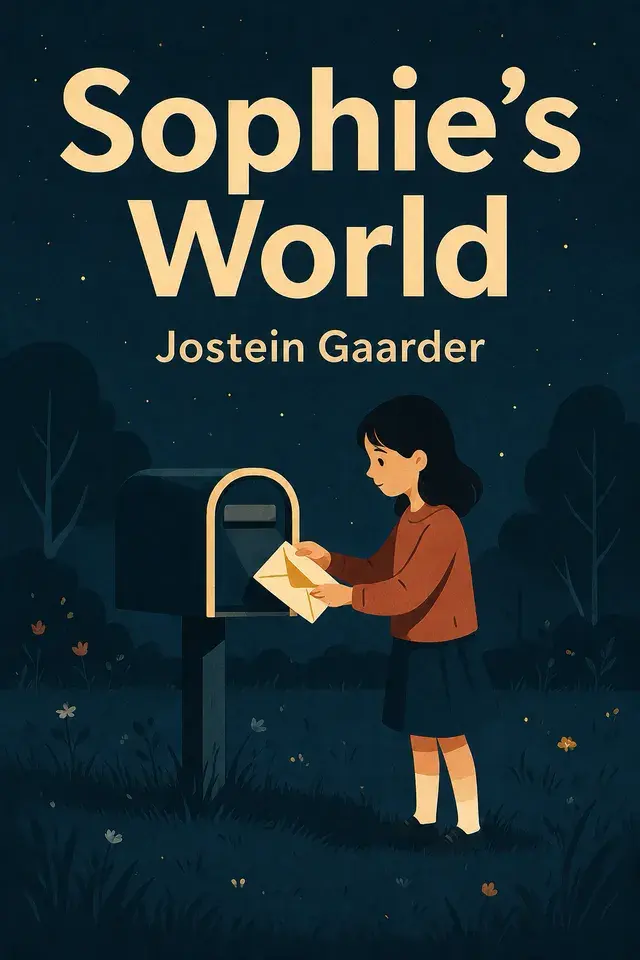
Sophie's World
Sophie’s World follows a girl’s introduction to philosophy, from wonder and myth through science, religion, ethics, and existentialism, while a mystery unsettles the boundary between reality and fiction. It asks how to think and live when inherited answers are incomplete, connecting personal freedom with cosmic wonder.
12 chapters in Wiseley’s fiction & literature catalog.
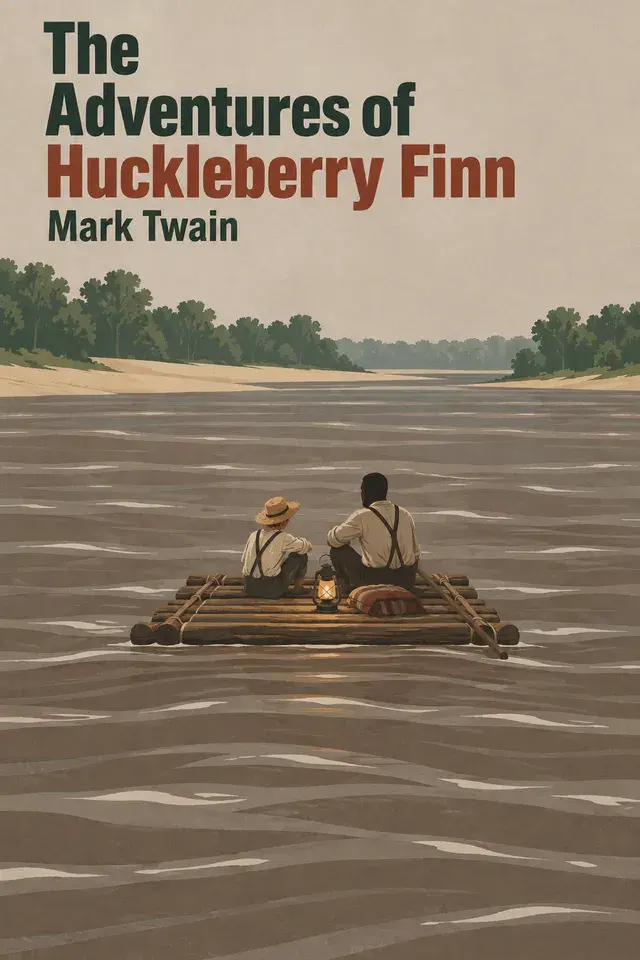
The Adventures of Huckleberry Finn
Mark Twain’s The Adventures of Huckleberry Finn follows Huck’s first-person journey down the Mississippi with Jim and asks how a boy can judge right and wrong when custom, law, and conscience conflict. Their loyalty and improvisation reveal the human stakes, while comic performances and feuds expose violence within respectable social rules.
12 chapters in Wiseley’s fiction & literature catalog.

The Alchemist
An Andalusian shepherd follows a dream of treasure near the Egyptian pyramids, leaving routine for markets, work, desert, danger, and love. The story asks how destiny is recognized and pursued, and what setbacks, attention, courage, and reciprocal connection reveal about the value of a journey whose goal may lie closer than expected.
5 chapters in Wiseley’s fiction & literature catalog.
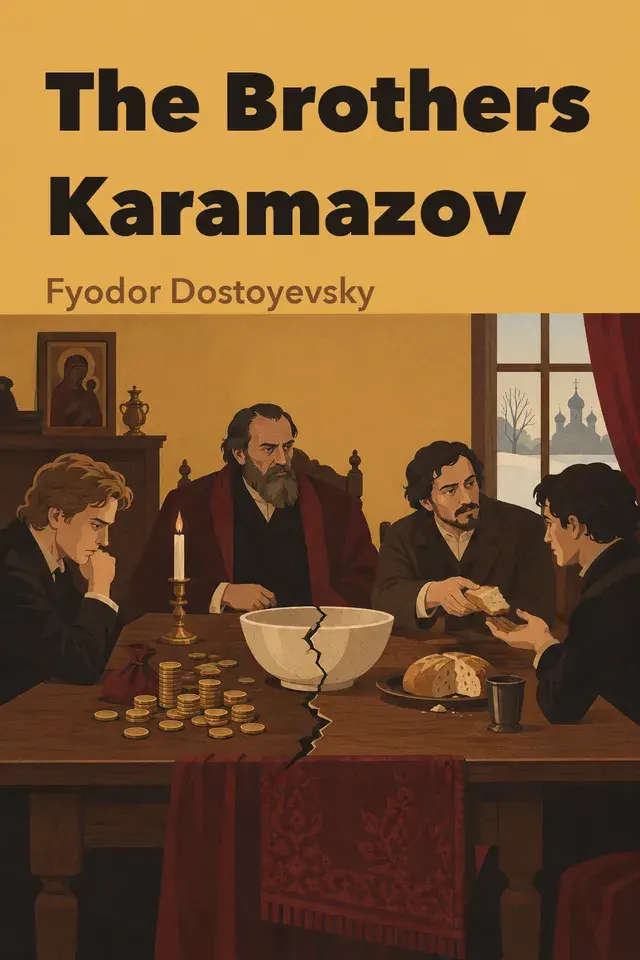
The Brothers Karamazov
The Brothers Karamazov follows a fractured family from neglect and inheritance disputes into a murder accusation and trial. Through Alyosha’s faith, Ivan’s refusal to accept suffering, and Dmitri’s struggle with desire and guilt, it asks what can justify belief, responsibility, and forgiveness—and how love becomes action.
20 chapters in Wiseley’s fiction & literature catalog.
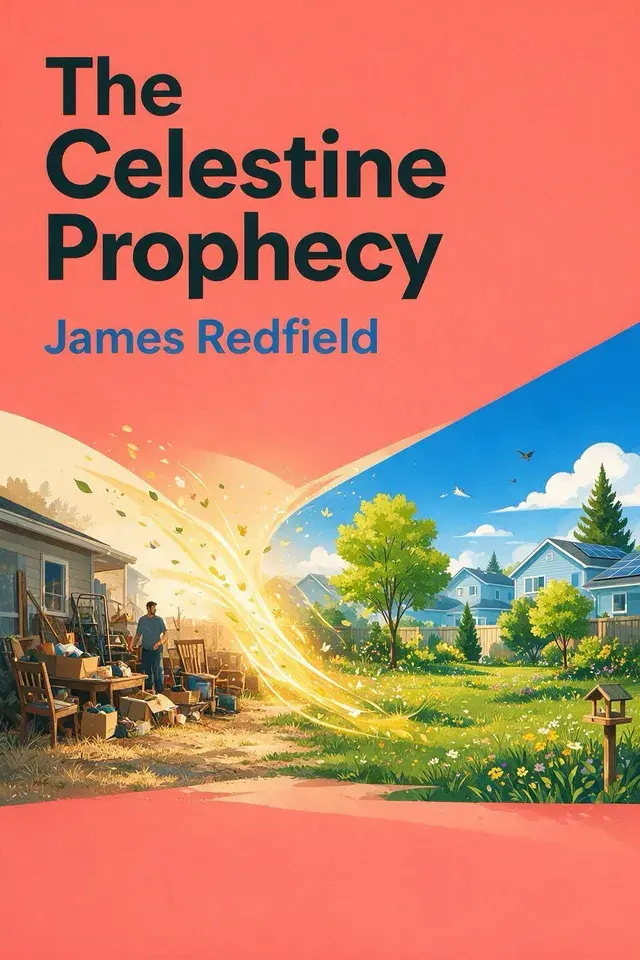
The Celestine Prophecy
The Celestine Prophecy presents a shift from material preoccupation to a spiritual worldview built on synchronicity, energy, and conscious relationships. It asks how people can recognize controlling patterns, receive guidance through questions and coincidences, and contribute to a cooperative, ecologically attentive future. Its value is a framework linking personal habits with cultural change.
7 chapters in Wiseley’s fiction & literature catalog.
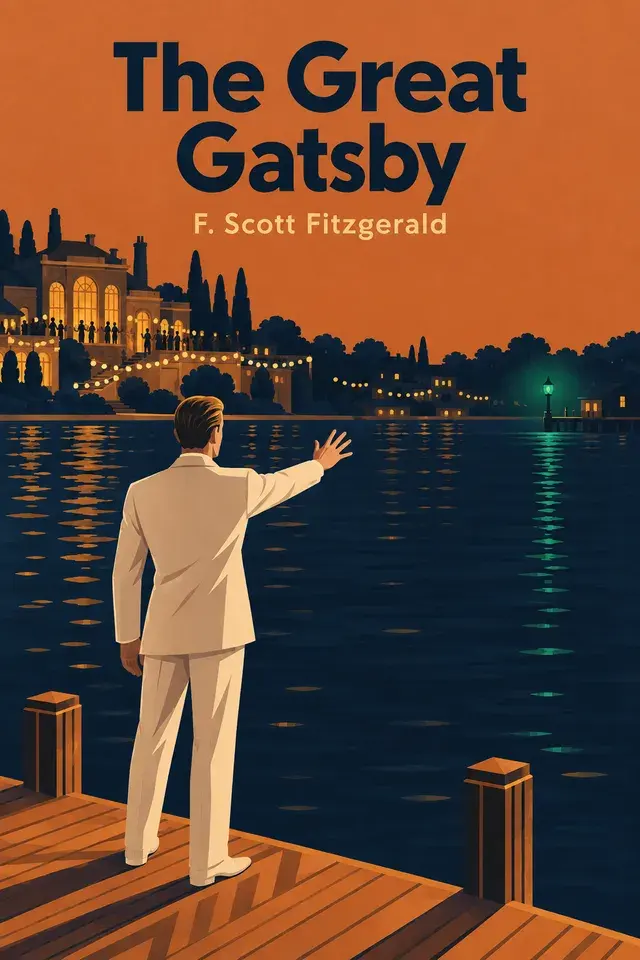
The Great Gatsby
Nick Carraway recounts how Jay Gatsby’s wealth, crowded parties, and remade identity serve his hope of reclaiming Daisy Buchanan. The story asks what happens when longing turns the past into a plan, and how class and privilege shape both the pursuit of a dream and the costs borne by others.
9 chapters in Wiseley’s fiction & literature catalog.
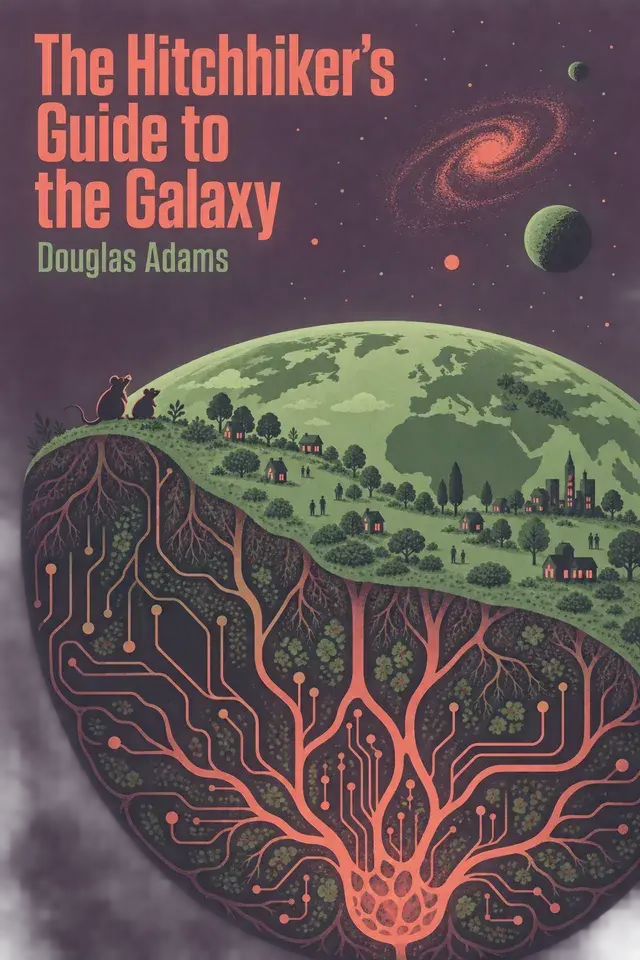
The Hitchhiker's Guide to the Galaxy
Douglas Adams’s comic novel follows Arthur Dent from a threatened house into a universe where routine bureaucracy can erase worlds and chance can turn impossibility into rescue. The voyage asks who gets to define intelligence and what an answer can mean when the question is missing.
7 chapters in Wiseley’s fiction & literature catalog.

The Hobbit
An audio-first account of Bilbo Baggins’s journey from a comfortable home to the Lonely Mountain and back. It asks how an unlikely burglar learns to act under danger, and what courage means when luck, loyalty, greed, and competing claims shape a quest. The summary traces his choices, the company’s changing dependence on him, and the costs of victory.
9 chapters in Wiseley’s fiction & literature catalog.
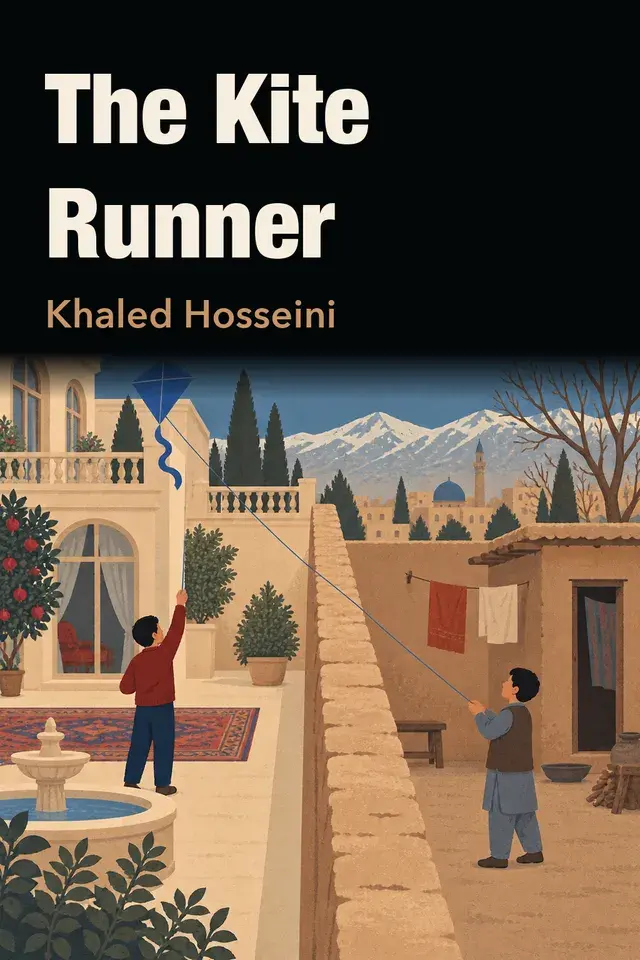
The Kite Runner
The Kite Runner follows Amir from a divided Kabul childhood through exile and a return that brings his hidden betrayal back into view. It asks whether guilt can become responsible care, and what forgiveness cannot restore, tracing how loyalty, class, ethnicity, family secrecy, and trauma shape attempts at repair.
8 chapters in Wiseley’s fiction & literature catalog.
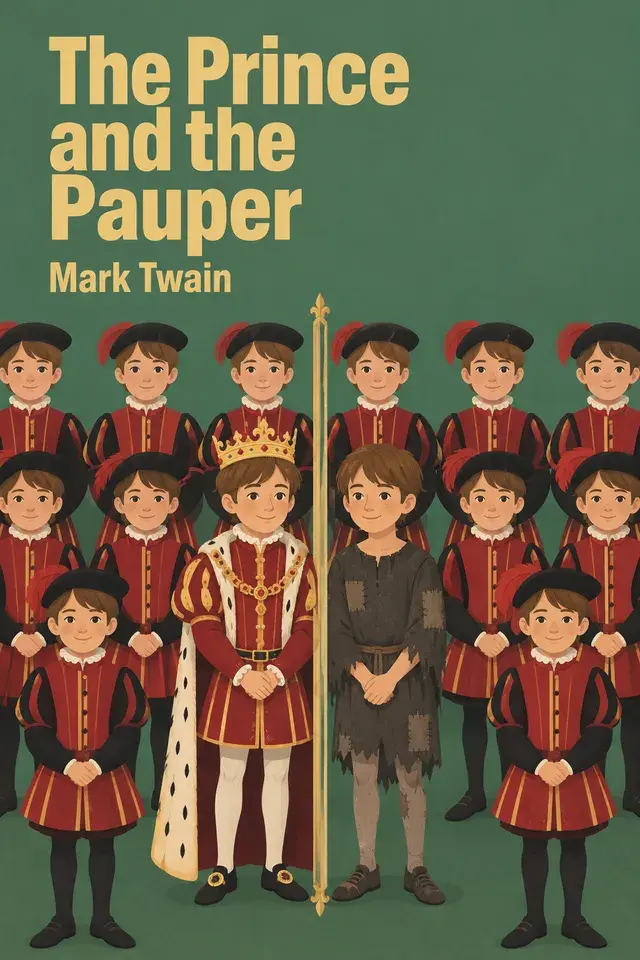
The Prince and the Pauper
Mark Twain’s novel follows Edward and Tom, boys of nearly identical appearance but radically different rank, after they exchange clothes. Through their parallel ordeals, it asks how recognition, law, and social standing shape identity and justice, and whether suffering can make political power more humane. The story offers a way to examine how credibility and punishment shift with status.
9 chapters in Wiseley’s fiction & literature catalog.
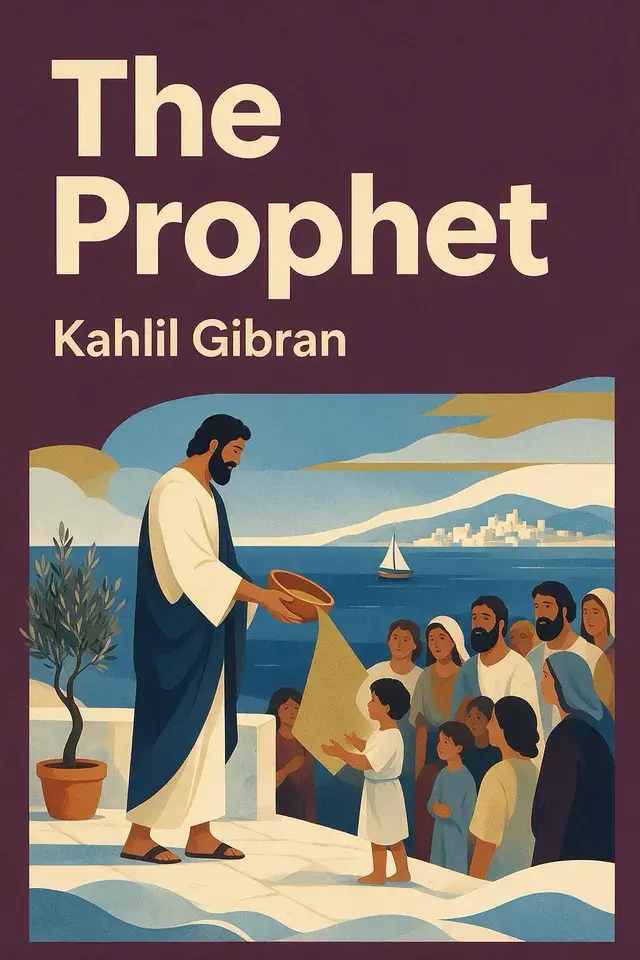
The Prophet
As Almustafa prepares to leave Orphalese, The Prophet asks how people can love without possession, work as part of shared life, hold joy and sorrow together, and meet death without losing their deeper unity. Its value is a poetic, experiential guide to spiritual wholeness in ordinary human choices.
7 chapters in Wiseley’s fiction & literature catalog.
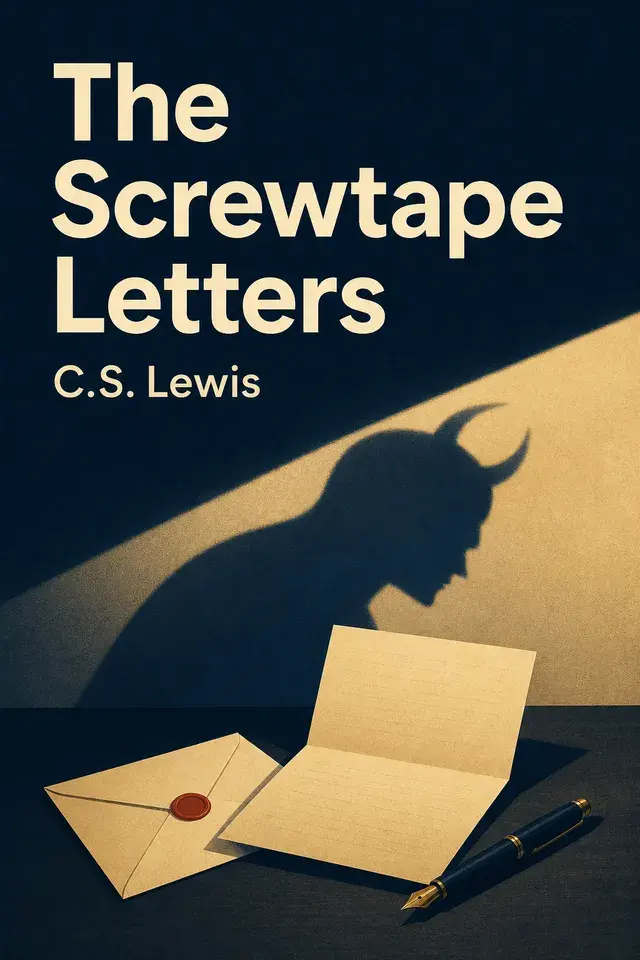
The Screwtape Letters
Through an ironic correspondence from an unreliable infernal perspective, the book asks how temptation turns attention, habits, pleasure, social belonging, and faith against themselves. It maps the counterforces—reality, humility, repentance, charity, prayer, and steady obedience—that restore moral agency in ordinary life.
8 chapters in Wiseley’s fiction & literature catalog.
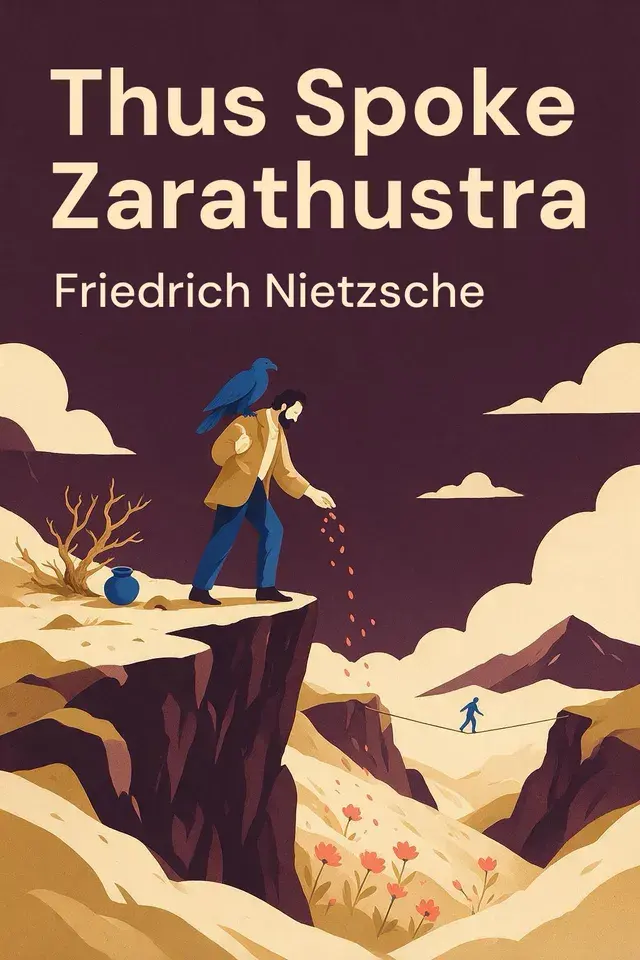
Thus Spoke Zarathustra
Through Zarathustra’s speeches, parables, songs, and failures, the book asks how people can live and create after inherited religious and moral certainties lose their authority. It offers a demanding way to think about self-overcoming, earth-fidelity, solitude, value creation, and eternal recurrence without reducing them to a final creed.
8 chapters in Wiseley’s fiction & literature catalog.
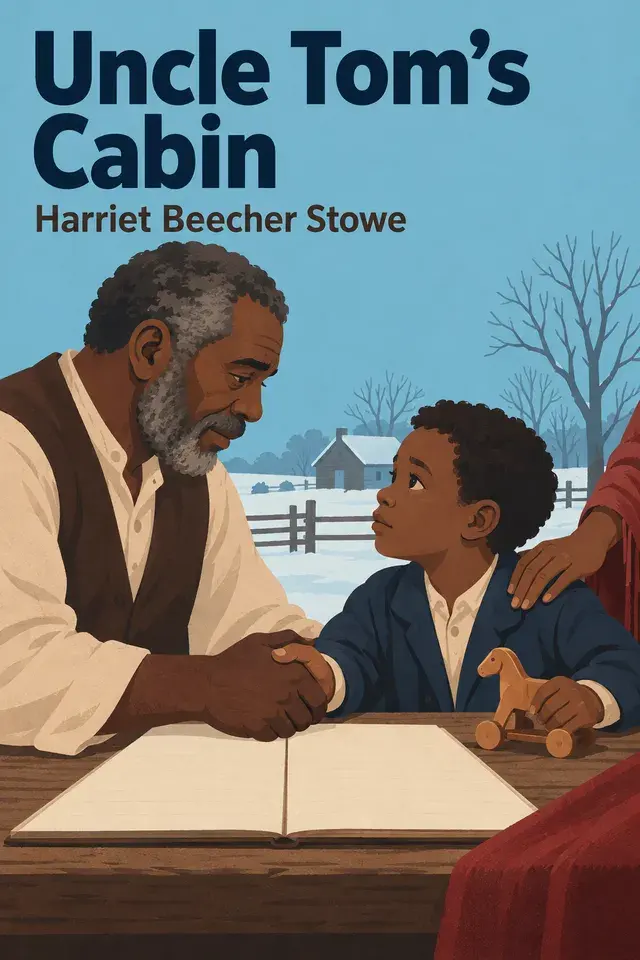
Uncle Tom's Cabin
Harriet Beecher Stowe’s novel follows enslaved families through sale and flight, asking whether faith, kindness, and resistance can answer a system that treats people as property. Its intertwined stories trace how family bonds, conscience, and public responsibility are tested under slavery.
13 chapters in Wiseley’s fiction & literature catalog.
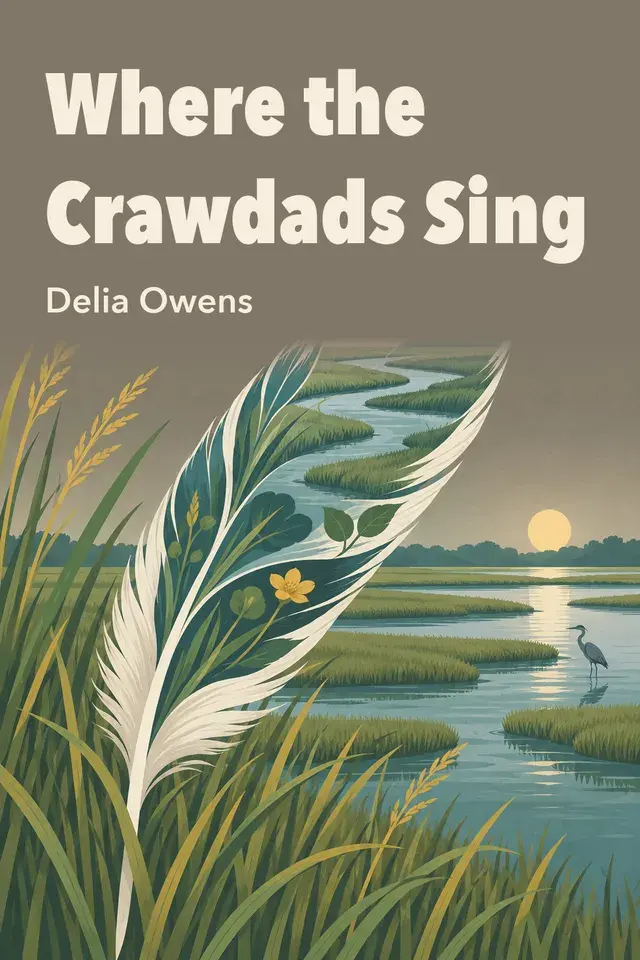
Where the Crawdads Sing
Delia Owens’s novel follows Kya, abandoned as a child in a coastal marsh, and the investigation into Chase Andrews’s death. It asks how isolation, prejudice, and survival shape belonging and judgment. Kya’s study of wildlife becomes an education and a livelihood, while the trial tests what ambiguous evidence can establish about someone the town has already judged.
10 chapters in Wiseley’s fiction & literature catalog.