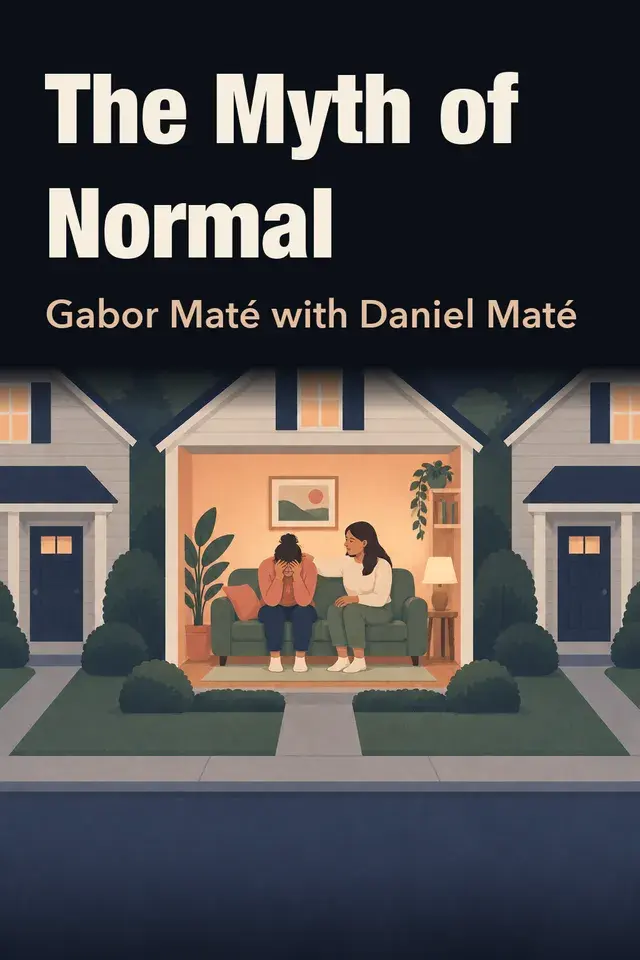
What you'll learn
Key ideas from The Myth of Normal
These ideas compress the book's argument without treating the author's view as settled fact. Use them as an orientation before reading the full work or listening in Wiseley.
Widespread suffering can be normalized without becoming healthy, so what society calls normal remains open to scrutiny.
Trauma is a lasting inner injury and rupture of connection, not simply the difficult event that preceded it.
Acute stress can protect, while unresolved activation becomes allostatic load that may disturb inflammation, immunity, metabolism, and cardiovascular health.
Human capacities develop through relationships and environments; biology provides potentials, while secure attachment, emotional permission, rest, and play help them unfold.
Symptoms may be protective adaptations whose meanings emerge through context without becoming harmless.
Racism, colonial hierarchy, poverty, and gendered care burdens become physiological through chronic threat, suppressed agency, and unequal social rank.
Authenticity, agency, healthy anger, and acceptance restore choice, boundaries, and honest contact with present reality.
Activism turns personal reconnection into organized solidarity that challenges institutions and the social stories making harmful arrangements appear normal.
Inside The Myth of Normal
Read the first chapter in full here. The other 6 continue in the Wiseley app.
Chapter 1 of 7 · 8 min · Audio & text
When Normal Becomes Toxic
The Myth of Normal, by Gabor Maté with Daniel Maté.
The book opens with a challenge to a familiar equation: common does not mean healthy. A vice, error, or form of suffering does not become sane because many people share it. Society can normalize chronic illness, addiction, distress, isolation, and compulsive self-improvement without asking what produces them. “Normal” can be a legitimate clinical or statistical description. The danger begins when it means that a condition is too common to examine. What passes for normal may be a widespread adaptation to conditions that are toxic for human flourishing.
Maté calls the wider setting a toxic culture. He means more than pollutants or openly hostile politics. He means the total context of structures, beliefs, values, relationships, and pressures in which people try to live. His laboratory analogy asks us to examine the culture when organisms within it show widespread pathology, rather than blaming each organism alone. He also challenges a fragmented view of health. Medicine’s real successes do not erase the limits of separating biology from mind, body, relationships, and life circumstances. Trauma is the neglected layer connecting these domains.
Trauma, in this account, is not simply a terrible event. It is the lasting inner injury, or rupture of connection, that an event, relationship, or painful absence leaves behind. Its effects may separate a person from the body, feelings, needs, other people, or a sense of belonging. What happened matters, but so does what failed to happen: attunement, acceptance, protection, or connection. The focus is the internal aftermath, not a contest over whose history is worse.
Maté distinguishes identifiable, overwhelming experiences from the smaller, repeated injuries of ordinary life. Abuse, violence, severe neglect, loss, and family rupture belong to the first category. The second may arise when someone is repeatedly unseen, emotionally unrecognized, or unable to receive needed connection. The distinction is useful, but the lines are fluid. Smaller injuries can still fracture the self, while people who appear fortunate or highly capable may carry substantial adaptations. Relative privilege does not invalidate a wound, and a wound does not excuse harmful conduct.
Trauma also differs from ordinary stress. An upsetting experience becomes traumatic when it leaves a persistent constriction: less ability to feel, think, trust, assert oneself, tolerate pain, accept oneself, or remain open to life. A present stressor may activate an old reaction without creating a new trauma. Maté compares the unresolved injury to tissue that may remain raw or become scarred. The raw wound keeps producing pain and vigilance. The scar offers protection, but at the cost of flexibility, sensation, and growth.
One of the clearest constrictions is disconnection from the body. A person may stop recognizing hunger, fatigue, pain, or other signals because bodily experience has become unsafe or overwhelming. Repression and dissociation can be short-term survival responses. A child who cannot fight or flee may suppress the feelings that would mobilize those actions. But a strategy that once protected life can harden into a fixed pattern, leaving emotional and bodily signals muted long after danger has passed. What looks like toughness or extraordinary productivity may conceal an inability to register need. The same process can narrow emotional range and reduce response flexibility, the capacity to pause between stimulus and reaction and choose how to act.
Maté illustrates this with his own reaction when a message from his traveling wife activated an old fear of separation. As an older man, he responded with rage, withdrawal, a rigid face, and bodily tension, as though an infant part of him had been abandoned again. The current event was real, but its emotional force came from an earlier imprint encoded before he could form a full verbal story. Trauma can be preverbal or subverbal: the body and nervous system may carry patterns that conscious memory cannot explain. Understanding this history gave him context, but his wife’s demand for accountability remained valid. Compassion and responsibility have to coexist.
Trauma also shapes identity and perception. Shame may become a conviction of being defective or not enough. It can produce self-contempt, but it can also hide behind grandiosity, relentless achievement, or other forms of self-protection. Trauma-shaped beliefs influence what people notice, expect, and choose. A suspicious view of the world may draw them toward confirming situations, while false optimism may deny danger. Work, devices, media, entertainment, and consumption can likewise keep people from inhabiting the present when stillness would bring them closer to painful inner experience.
Trauma is relational and temporal. Unresolved suffering can shape partner choice, parenting, protection, and repeated family patterns. People may pass forward what they have not understood, while possible effects on gene activity across generations remain a question the author treats cautiously. He extends the idea beyond families to collective histories, including the effects of colonial residential schools, slavery, and racism. The point is not to collapse distinct experiences into one category, but to show how injury can outlive the original event.
For Maté, recognition is the beginning of agency. Seeing trauma as an internal wound makes change more tangible than treating the past as an unalterable identity. Self-examination can reveal where automatic reactions came from and where choice still exists. It can soften blame without denying harm, and replace shame with compassion. The book offers no effortless cure. Its governing invitation is to question what has been called normal, notice the connections that were severed, and take responsibility for restoring them wherever the present still allows a choice.
Chapter 2 of 7 · 9 min · Audio & textIn the app
Stress Becomes Illness
The chapter opens by challenging a familiar medical picture: the body as measurable reality, the mind as secondary or suspect. A measurement-centered culture can treat emotions as irrelevant because they are not objects like organs or chemicals.
Chapter 3 of 7 · 11 min · Audio & textIn the app
How Development Shapes Us
The chapter turns the book’s theory into a developmental question: what conditions allow human potential to become a healthy human life? Maté rejects a fixed human nature.
Chapter 4 of 7 · 9 min · Audio & textIn the app
Adaptations Misread as Disorders
Normal can mean widespread without meaning healthy. This chapter asks what happens when a culture’s adaptations are mistaken for personal defects.
Chapter 5 of 7 · 11 min · Audio & textIn the app
When Society Enters the Body
Earlier chapters traced how stress and disconnection move through relationships and the body. This chapter widens the lens.
Chapter 6 of 7 · 10 min · Audio & textIn the app
Returning to Wholeness
After showing how trauma, relationships, and social conditions can shape illness, Maté turns to healing. He does not define it as self-improvement or a perfected state.
Chapter 7 of 7 · 10 min · Audio & textIn the app
From Inner Healing to Social Repair
The return to wholeness cannot remain only a private achievement. Once people see how conditioned identities and institutions shape suffering, healing raises a wider question: what kind of culture keeps producing disconnection?
Chapter 1 of 7 · 8 min · Audio & text: When Normal Becomes Toxic
Wiseley supports reading and listening to summaries in the app.
Continue in WiseleyAbout Gabor Maté & Daniel Maté
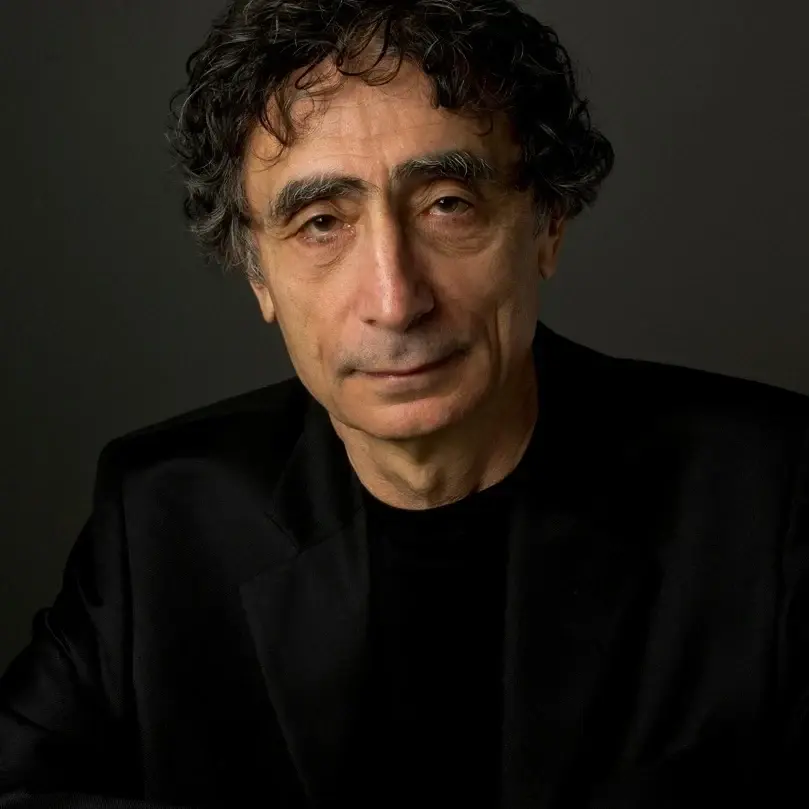
Gabor Maté
Gabor Maté is a Canadian physician. “In the Realm of Hungry Ghosts” explores why people return to behaviors that harm them, connecting addiction with pain, development, and social conditions.
Explore more books by Gabor Maté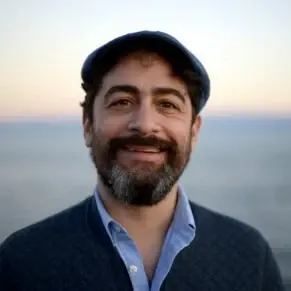
Daniel Maté
Daniel Maté is a composer, lyricist, and writer. “The Myth of Normal” explores how a culture can make illness, disconnection, and self-suppression appear ordinary.
Explore more books by Daniel Maté