Match the book to the conversation
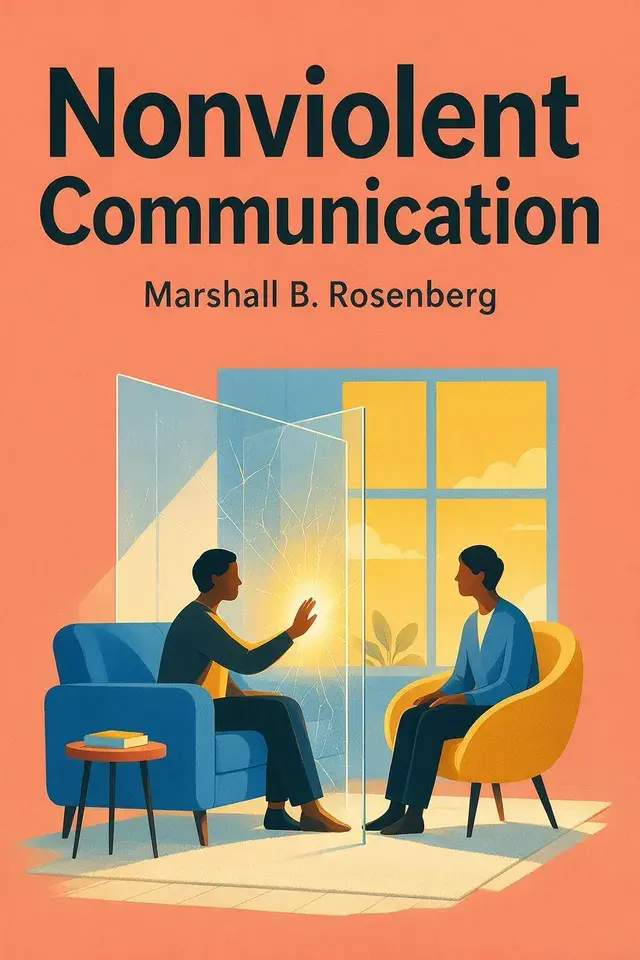
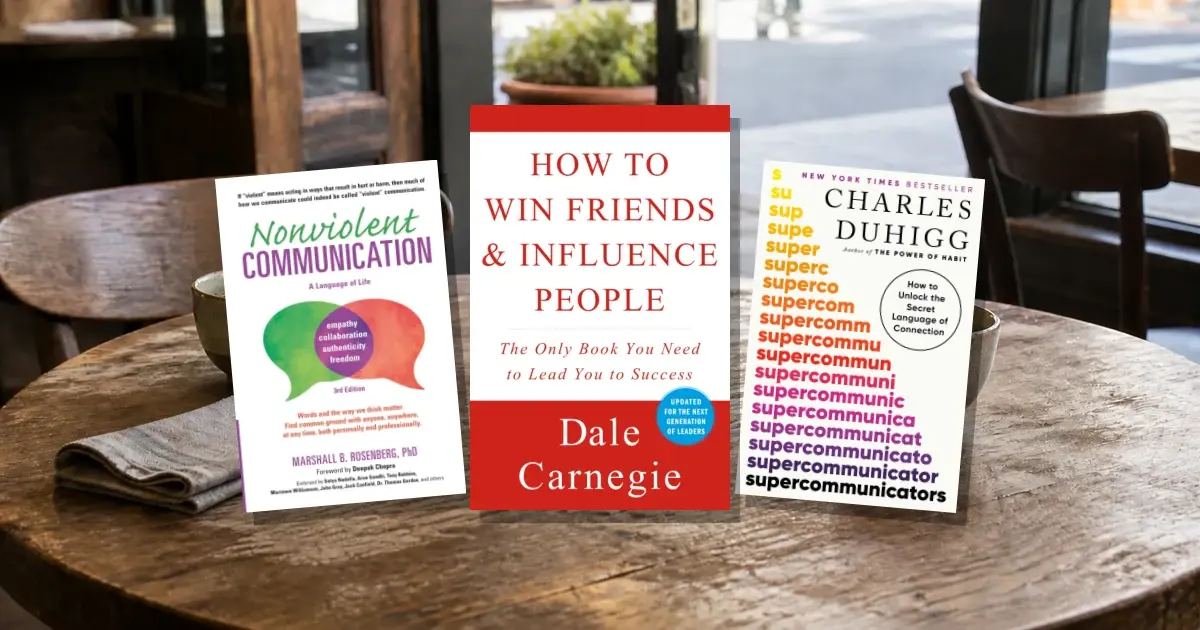
How to Win Friends and Influence People is a classic starting point for rapport and sincere interest. Nonviolent Communication is strongest when blame obscures observations, feelings, needs, and requests. Supercommunicators helps identify whether a conversation is practical, emotional, or social. Set Boundaries, Find Peace is for clear limits and follow-through. Attached explains recurring relationship strategies. Never Split the Difference is for discovering constraints and negotiating terms.
- Build everyday rapport: How to Win Friends and Influence People.
- Reduce blame in conflict: Nonviolent Communication.
- Diagnose a mismatched conversation: Supercommunicators.
- State and keep a limit: Set Boundaries, Find Peace.
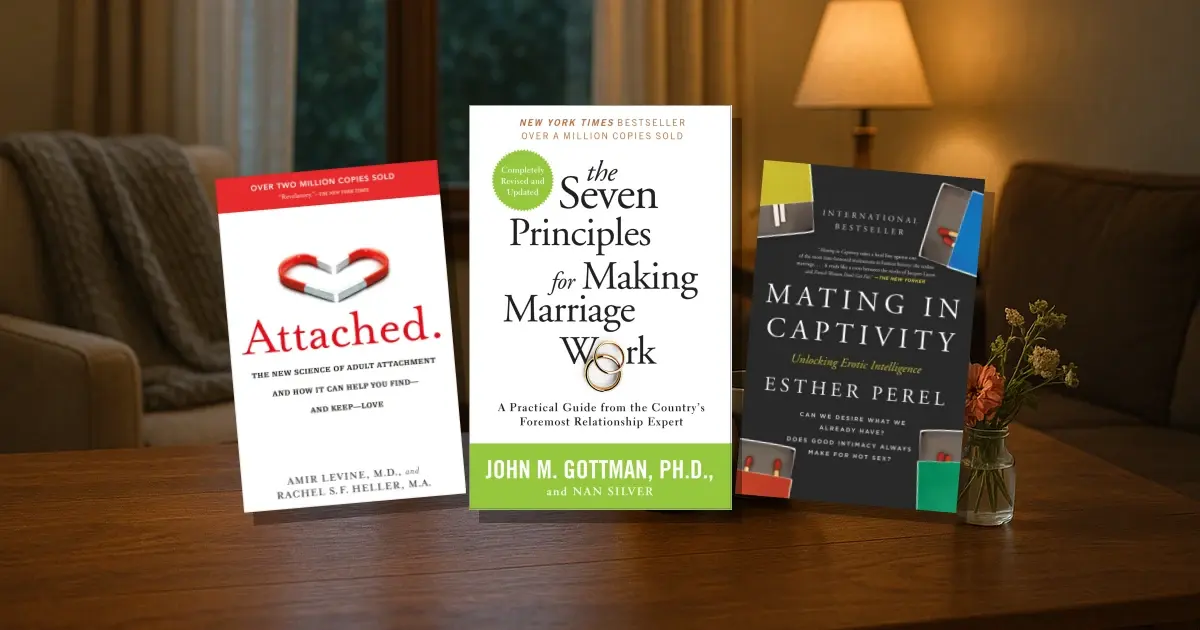
- Understand recurring closeness and distance patterns: Attached.
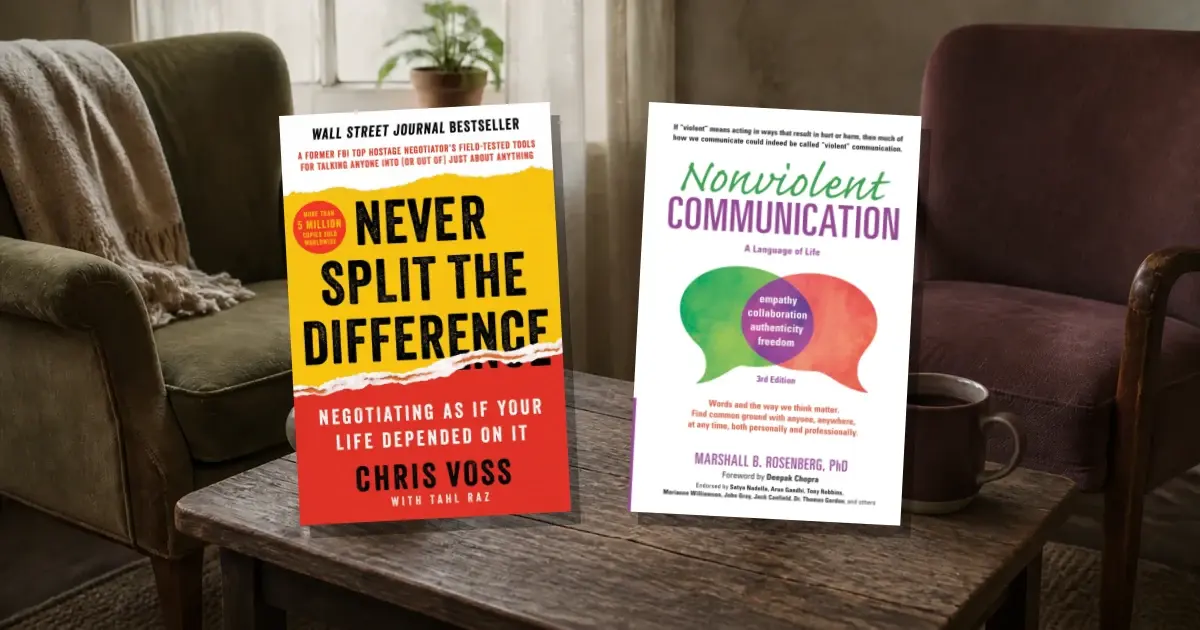
- Negotiate a concrete outcome: Never Split the Difference.
Avoid turning people into a toolbox problem
Communication techniques become brittle when the speaker performs empathy only to secure compliance. Before borrowing a script, write your actual goal and what the other person is free to choose. A label, reflective statement, or calibrated question should increase shared information. If it disguises intent or punishes disagreement, the wording may be polished while the conversation remains coercive. Use the books to improve attention and clarity, not to make another person mechanically predictable.
- State the decision or relationship you are trying to protect.
- Choose one listening move and one honest request.
- Notice power differences and whether the other person can safely say no.
A practical three-book path
Begin with Supercommunicators to identify the type of conversation. Choose Nonviolent Communication or Set Boundaries, Find Peace for the emotional and relational layer. Add Never Split the Difference only when a real term, constraint, or decision must be negotiated. For recurring romantic patterns, substitute Attached. Practice with a low-stakes conversation before applying new language to the relationship or meeting you fear most.
- Diagnose: what conversation are we having?
- Clarify: what happened, what matters, and what is being requested?
- Decide: what agreement, boundary, or next question is needed?
Sources and scope
Book ideas are attributed to their authors. External evidence is linked directly when a claim needs more than the source book.
- How to Win Friends and Influence People: Source for rapport, sincere interest, appreciation, and reducing unnecessary status threat.
- Nonviolent Communication: Source for observation, feeling, need, request, and non-coercive dialogue.
- Supercommunicators: Source for practical, emotional, and social conversation matching.
- Set Boundaries, Find Peace: Source for limits, requests, and follow-through.
- Attached: Source for the book’s attachment-style and relationship-strategy framing.
- Never Split the Difference: Source for tactical empathy, labels, summaries, and calibrated questions.
To report a factual, attribution, rights, or accessibility concern, email hello@wiseley.app.
Questions readers ask
What is the best communication book for work?
Supercommunicators is a flexible starting point; Never Split the Difference is more specific to negotiation, and Nonviolent Communication is useful when blame and defensiveness dominate.
What is the best communication book for couples?
Attached can illuminate recurring relationship patterns, while Nonviolent Communication helps structure difficult exchanges. Neither replaces professional support when safety, abuse, or serious distress is involved.