Reading more is a routine question, not a speed question
People who read a lot of nonfiction are rarely reading faster. They have a session that happens whether or not the day cooperates, one book at a time, and a rule for restarting after a gap. That is all this plan is. Thirty days is long enough to test a routine and short enough to abandon one that does not fit; it is not a promise about how many books a year you will finish.
- Routine over speed: the same small session at the same moment beats an occasional long one.
- One book at a time, chosen for a question you actually have.
- A restart rule, so a missed day costs a day rather than the month.
Days 1–3: choose one book and make room
Choose one book because it answers a current question, not because it is the book you feel you should have finished. Estimate the chapters, then reserve three longer sessions per week. Remove one competing book from immediate reach.
Then write the busy-day fallback down as a single sentence, with a place and a trigger, before you need it. Ours reads: on a bad day I read two pages of the current chapter while the kettle boils, and I write nothing. A fallback you have to invent at 11pm is not a fallback.
- Question: what do I want this book to help me understand?
- Fallback: two pages at a fixed moment, no notes, still counts.
- Deep sessions: three calendar blocks for chapters that need continuity.
Days 4–24: read, retrieve, and leave a restart note
After each section, close the page and state the claim in your own words. At the end of a longer session, record only the central claim, support, limit, and next question. Leave the exact page and question where you will resume. Once a week, use a reading block to retrieve earlier chapters rather than always moving forward. If you miss a day, the next session is automatically the fallback; there is no catch-up debt.
- Daily floor: read a full session, the fallback, or take an intentional rest day.
- Session close: one restart note that removes setup next time.
- Weekly review: explain earlier ideas before looking at notes.
Days 25–30: finish the argument, not merely the pages
Use the final days to complete or deliberately stop. Write the book’s argument in one paragraph, three ideas worth retrieving, one important limit, and one application or question. If the book did not earn completion, record why and release it; sunk time is not a reading virtue. A thirty-day plan is complete when you can explain what changed in your understanding, including the decision that the book was not useful enough to finish.
- One-paragraph argument from memory.
- Three retrievable ideas and where to find their support.
- One keep, test, question, or stop decision.
Sources and scope
Book ideas are attributed to their authors. External evidence is linked directly when a claim needs more than the source book.
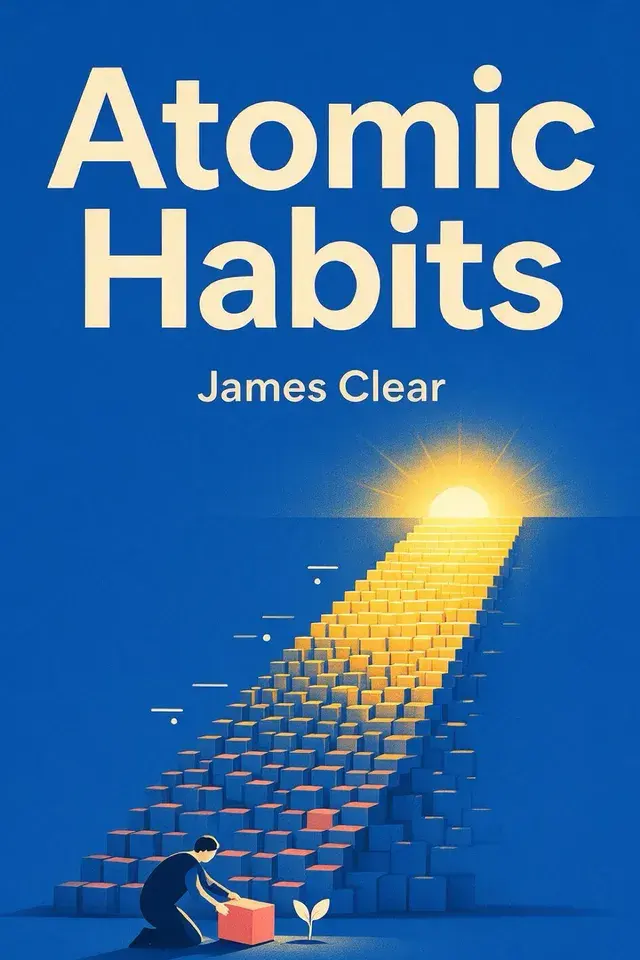
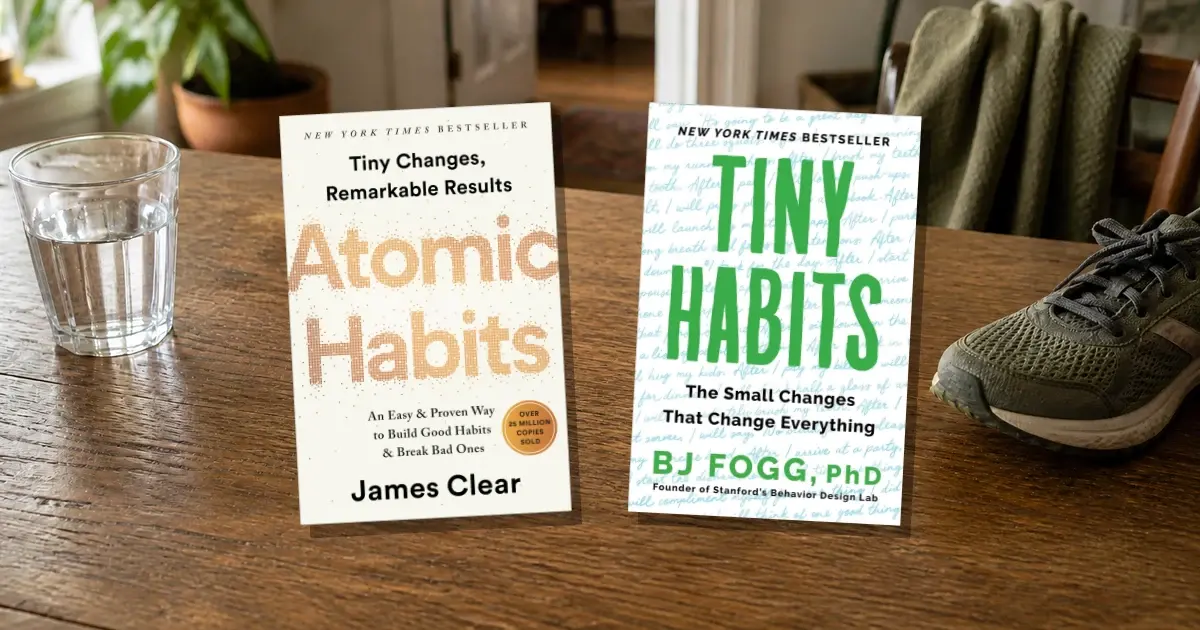
- Atomic Habits: Grounds environment, cues, systems, tracking, and recovery from missed behavior.
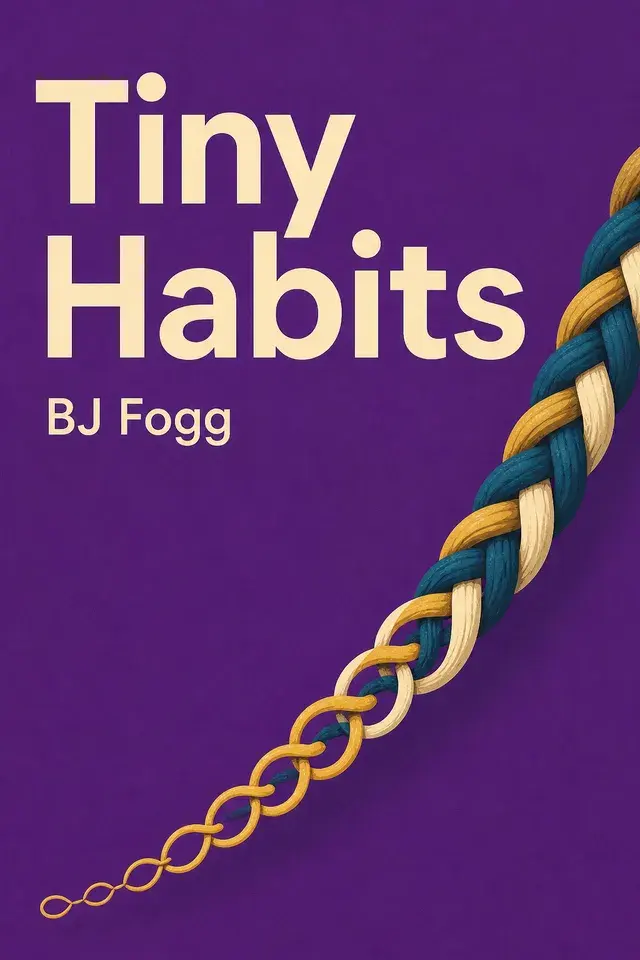
- Tiny Habits: Grounds the minimum session, reliable anchor, and successful restart.
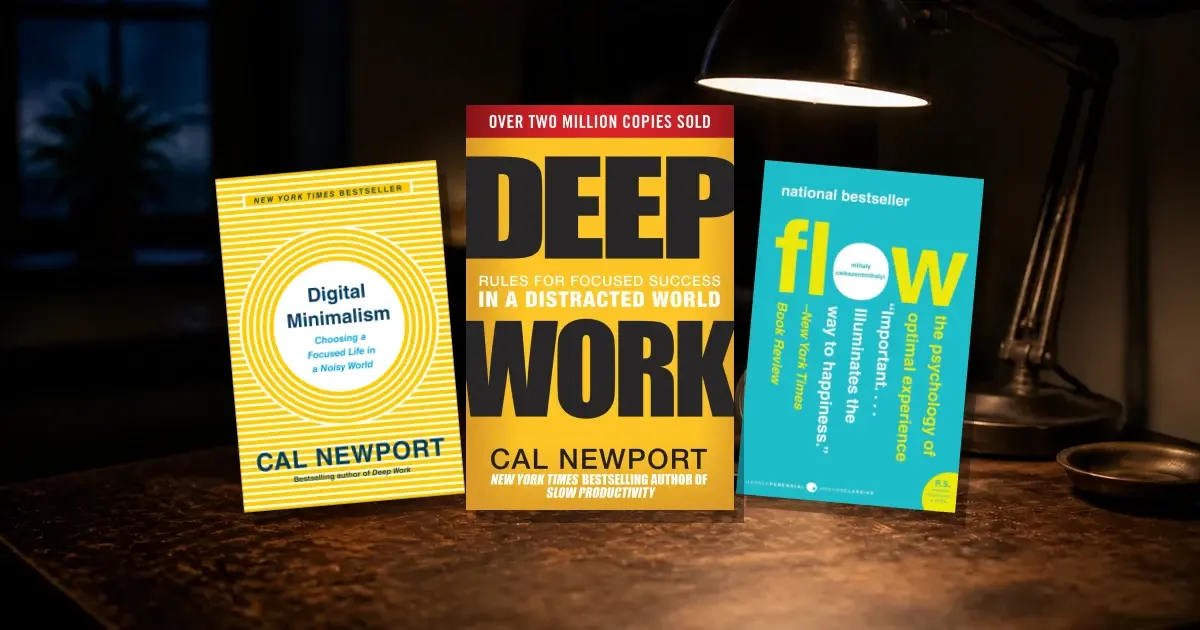
- Deep Work: Grounds protected longer blocks and output-oriented concentration.
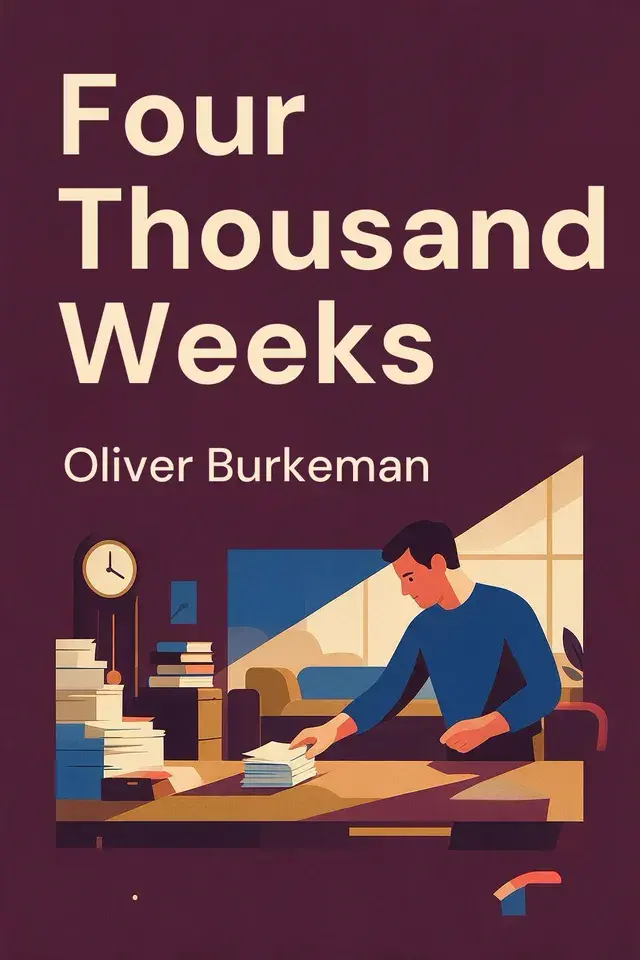
- Four Thousand Weeks: Grounds finite time, deliberate omission, and release from limitless optimization.
To report a factual, attribution, rights, or accessibility concern, email hello@wiseley.app.
Questions readers ask
How much should I read each day?
Use the amount your month and book can sustain. A small daily floor plus a few protected longer sessions is usually more credible than dividing the page count into an inflexible quota.
What if I do not finish in 30 days?
Review whether the book still serves the original question. Extend with a new plan if it does; stop deliberately if it does not. The deadline is a review point, not a moral test.
How do I read more books?
Make the session repeatable rather than longer. A small daily floor you never renegotiate, three protected blocks a week, and one book at a time will move more pages over a month than an ambitious schedule that collapses in week two.