What you'll learn
Key ideas from The Procrastination Cure
These ideas compress the book's argument without treating the author's view as settled fact. Use them as an orientation before reading the full work or listening in Wiseley.
Harmful procrastination is unnecessary delay that leaves tasks, costs, or opportunities worse, unlike postponement that fits the circumstances.
Perfectionism can raise quality while flawless standards create paralysis whose costs exceed the value of minor improvements.
Boredom, delayed rewards, and easy distractions sustain delay by making immediate comfort more attractive than effort with distant or unclear value.
Early handling, first-ten-minute steps, and short work limits make initiation more approachable without reducing the underlying workload.
Goal-linked priorities distinguish consequential work from urgent or easy activity that can create the appearance of productivity.
External deadlines and trusted accountability add social visibility and consequences beyond a private intention.
Temptation bundling and commitment devices protect important work through rewards, restricted choices, or consequences.
Self-forgiveness turns lapses into opportunities for responsible recommitment instead of continued guilt.
Inside The Procrastination Cure
Read the first chapter in full here. The other 5 continue in the Wiseley app.
Chapter 1 of 6 · 5 min · Audio & text
The Cost of Delay
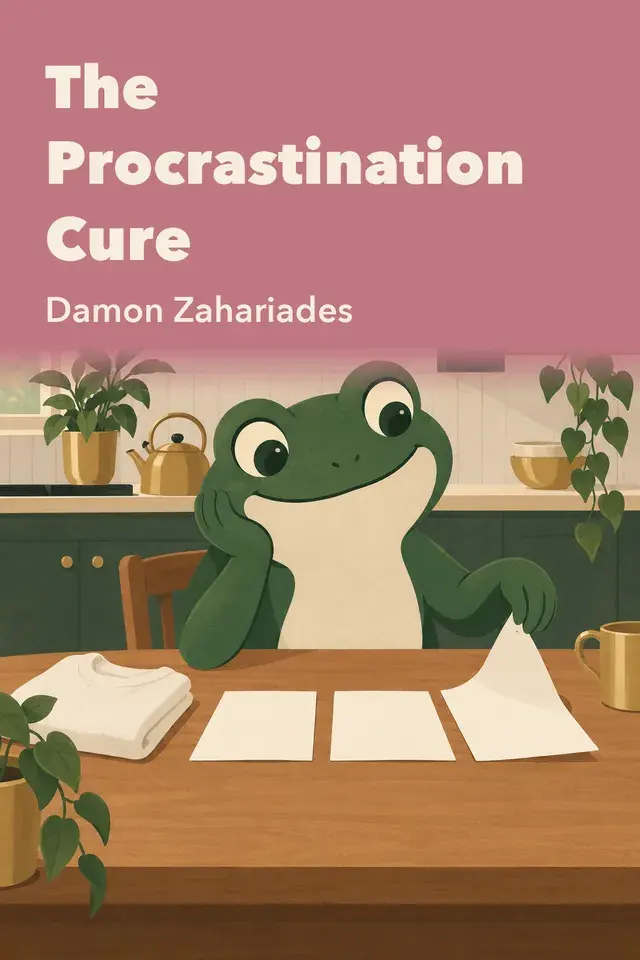
The Procrastination Cure, by Damon Zahariades.
Procrastination is easy to define too broadly. Not every delay is harmful. If a grocery store is crowded on Saturday and nothing is needed urgently, waiting until Monday may be sensible time management. Harmful procrastination is different: it postpones action even though acting sooner would probably be the better choice. The test is not whether something moves into the future, but whether delay leaves the task, its costs, or the opportunity worse.
The book begins with a useful observation: everyone procrastinates, including people who study productivity and time management. We are repeatedly tempted to exchange important work for entertainment, socializing, or another easier reward. The author treats this tendency as part of human nature, so it cannot be eliminated completely. The realistic aim is control: making better choices among competing tasks and opportunities while reducing delay’s impact. This pattern reflects a conflict between the present self and the future self. The present self wants immediate gratification; the future self is more willing to pursue benefits that arrive later. We may understand that saving, studying, or exercising serves a larger goal, yet still choose spending, going out, or watching television because the reward is available now.
That conflict helps explain why starting matters. The hardest part of an unpleasant task is often the first move. While the task remains undone, dread, guilt, and anxiety can grow. Once action begins, those feelings often ease, and the initial effort creates momentum for continued work. The author uses writing as an example: producing the opening words can make the next stretch feel more approachable. Starting does not erase the workload, but it can dissolve the resistance that made the workload seem immovable.
Delay also carries an opportunity cost. Time spent on an easier alternative cannot be spent on work that may better support a person’s goals. The postponed task does not disappear; it continues to demand attention, becomes more urgent, and can create a ripple effect as other responsibilities accumulate. A deferral that feels harmless today can therefore become a larger burden tomorrow.
The costs show up in personal life and work. Avoiding a difficult conversation can deepen resentment and emotional distance, while delayed replies or event decisions can mean missed connection and family disappointment. Late bills or taxes can bring penalties and damaged credit. Delayed medical care may let a serious condition worsen, and putting off exercise can contribute to declining physical condition. Professionally, delayed applications can close off jobs, slow follow-ups can cool leads, and rushed reports can be late or inaccurate. The effects can reach commissions, performance reviews, and productivity.
The author describes having lived this pattern: late vehicle registration led to fines and towing; bills, laundry, studying, reports, calls, and meetings were repeatedly postponed; later, delays in creating products, tracking expenses, and researching opportunities harmed the business. After becoming more consistent, the author reports less anxiety and guilt, more confidence and purpose, better use of time, and more important work completed. The claim is not that procrastination vanishes, but that its effects can be brought under control.
That qualification sets up the book’s sequence. First comes commitment: reading alone is not enough; change requires recognizing personal obstacles and applying what follows. Next comes awareness of the triggers behind delay. The opening sections identify causes such as fear, laziness, perfectionism, and negative self-talk. The middle section then presents twenty-one tactics for overcoming procrastination, and the final section considers circumstances in which delay may sometimes help. The author recommends reading from beginning to end because each part builds on the previous one. A long-established habit may take weeks or months to weaken, so this chapter’s central message is a starting point: distinguish reasonable postponement from damaging delay, understand what is at stake, and commit to the work of changing it.
Chapter 2 of 6 · 6 min · Audio & textIn the app
Fear, Standards, and Overwhelm
When work remains undone, the behavior can look like simple unwillingness. This chapter asks us to look for an emotional threat underneath it.
Chapter 3 of 6 · 8 min · Audio & textIn the app
The Loops That Sustain Delay
Once the initial fear is understood, procrastination can survive through more ordinary-looking loops. The useful question is not only why a task is delayed, but what makes postponement attractive now.
Chapter 4 of 6 · 6 min · Audio & textIn the app
Engineer the First Ten Minutes
Once a person has recognized a pattern of harmful delay, the practical problem is initiation. Zahariades begins with self-assessment.
Chapter 5 of 6 · 8 min · Audio & textIn the app
Build a Protected Work System
Follow-through improves when the workday is designed to protect it. Zahariades treats procrastination partly as an architecture problem: decide what matters, schedule it, make the commitment visible, and remove easier alternatives.
Chapter 6 of 6 · 6 min · Audio & textIn the app
Sustain Change, Then Choose Delay
The author closes by treating procrastination as a habit that must be maintained against, not solved by one burst of motivation. It was learned and reinforced over years, so old impulses and lapses are expected.
Chapter 1 of 6 · 5 min · Audio & text: The Cost of Delay
Wiseley supports reading and listening to summaries in the app.
Continue in WiseleyAbout Damon Zahariades
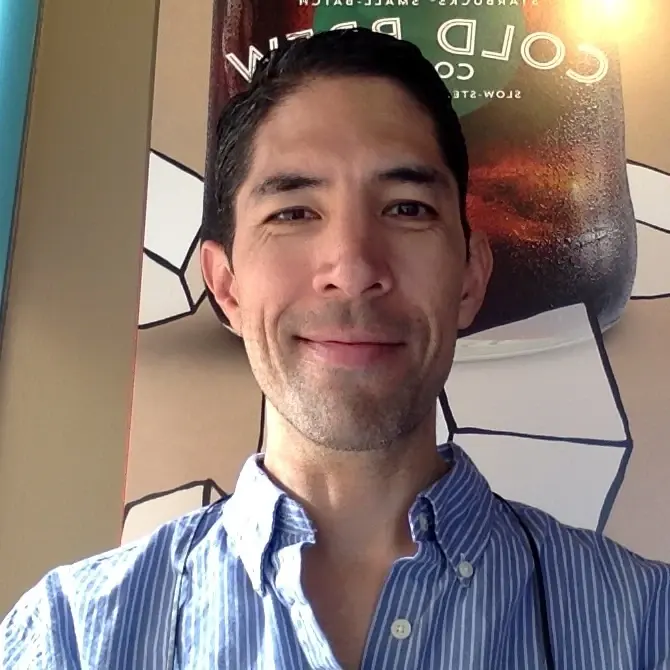
Damon Zahariades is the author of “The Mental Toughness Handbook”. The book explores mental toughness as a learnable practice of emotional regulation, recovery, habits, and disciplined follow-through.
Explore more books by Damon Zahariades