What you'll learn
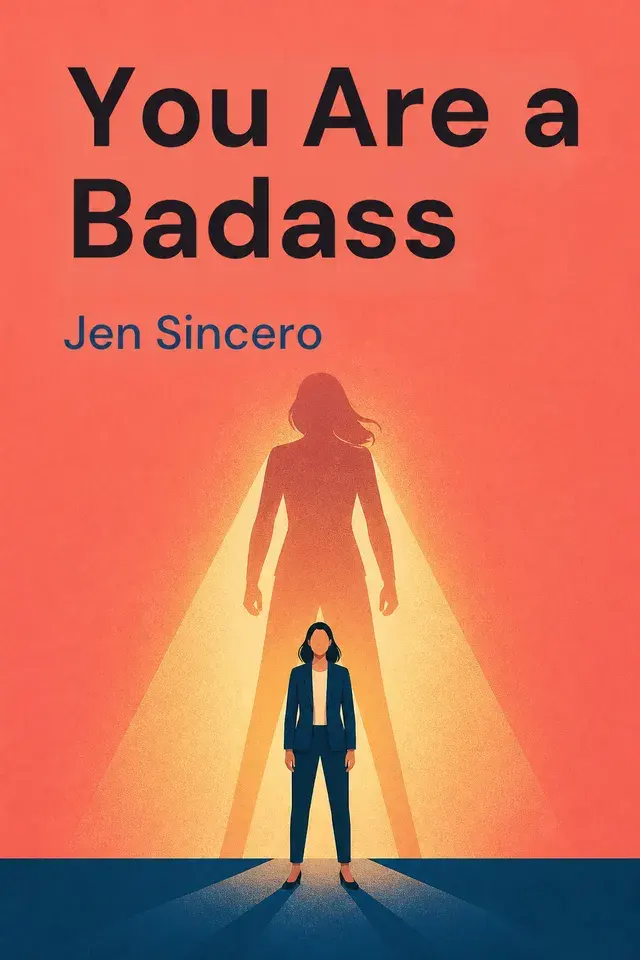
Key ideas from You Are a Badass
These ideas compress the book's argument without treating the author's view as settled fact. Use them as an orientation before reading the full work or listening in Wiseley.
Decision differs from wanting because it commits a person to action despite uncertainty, discomfort, and possible failure.
Worth is presented as inherent, so identity need not be earned through performance, approval, or freedom from mistakes.
Purpose is presented as the ongoing discovery and sharing of distinctive gifts, rather than as a single revelation or permanent role.
Perception filters experience, so questioning assumptions and releasing resentment can loosen the stories that turn uncertainty into fixed conclusions.
Action becomes more workable when readiness and perfectionism give way to imperfect starts, accountability, and clear next steps.
Fear is presented as a real feeling about an uncertain future, not proof that the feared outcome is destined.
Financial change is framed as a total decision tied to a specific lifestyle, its exact costs, and continued movement through setbacks.
Surrender follows intention and action by releasing control over the exact route, timing, and form of an outcome.
How You Are a Badass builds its case
Follow how the book develops its argument. Each note is a brief orientation, not a replacement for the chapter.
Why We Stay Stuck
Why do people remain in lives that feel smaller than they want? Sincero begins with the observation that a person can have work, relationships, or possessions and still feel unfulfilled.
Worth Beyond Approval
After diagnosing how inherited beliefs can keep people stuck, Sincero turns to the identity those beliefs produce. She portrays self-perception as unstable: a person may admire someone else’s achievement while privately fearing they are unworthy or about to be exposed.
Finding Purpose in Motion
Once a person has begun separating inner worth from outside approval, the next question is what to do with that freedom. Sincero answers by turning toward purpose: not a single perfect revelation, but the distinctive gifts a person can share.
Practices That Raise Possibility
Once a person has begun moving toward a meaningful direction, the next question is how to keep moving without turning the journey into another punishment. Here, Sincero shifts attention from willpower to the emotional conditions that make purposeful action attractive and repeatable.
Rewrite Stories, Then Act
People often experience the world through the story they are already telling about it. Sincero presents perception as a filter: attention highlights what it searches for and leaves other possibilities in the background.
Fear, Mirrors, and Self-Respect
Self-love here begins with how a person spends energy. Sincero treats rest, inspiration, and enjoyment as necessary parts of a worthwhile life, not luxuries.
Money, Commitment, and Value
For Sincero, financial change begins when a vague desire becomes a wholehearted decision about the life money is meant to support. Wanting more while treating money as greedy, shameful, dirty, or unavailable creates a divided relationship.
Surrender After the Leap
Sincero’s final movement corrects a common misunderstanding of personal change. Choosing a direction and acting boldly do not mean controlling every detail.