
What you'll learn
Key ideas from The Wisdom of Life
These ideas compress the book's argument without treating the author's view as settled fact. Use them as an orientation before reading the full work or listening in Wiseley.
A person’s lot consists of personal constitution, possessions, and the regard of other people.
Schopenhauer frames life between need's pain and comfort's boredom, with intellectual occupation offering an inward answer to empty leisure.
Wealth has no fixed measure of contentment; its value depends on the relation between resources and a person’s changing claims.
Reputation can shape trust, cooperation, and opportunity, but it does not establish a person’s intrinsic worth.
An honor claim has social value when it protects a genuine duty or trust, not when convention is treated as its own proof.
Consent is compromised when refusal brings dishonor or punishment, while a duel proves skill rather than justice.
Fame can signal recognition, but it neither creates nor reliably measures the merit behind an achievement.
Inside The Wisdom of Life
Read the first chapter in full here. The other 6 continue in the Wiseley app.
Chapter 1 of 7 · 5 min · Audio & text
Where Happiness Begins
The Wisdom of Life, by Arthur Schopenhauer.
Schopenhauer treats the wisdom of life as a practical inquiry into arranging life for as much pleasure and success as possible. He recognizes that this rests on an assumption his wider philosophy rejects: that life can be made happy in the full sense. He therefore treats the inquiry as a compromise. Its narrower question is how to live better within life as it is, not whether life can meet an ideal of perfect happiness.
His starting point is a map of three parts of a person’s lot: what they are, what they have, and how others regard them. What a person is includes their inward and natural constitution: temperament, character, understanding, and other capacities. What they have covers possessions and resources. The third part is their standing in other people’s estimation. These categories separate inward qualities, material means, and public position.
They do not have equal influence on experience. Possessions and standing can change with circumstances and human arrangements. A person’s constitution accompanies them through those changes. It shapes their sensations, desires, thoughts, and immediate satisfaction or dissatisfaction. For Schopenhauer, this makes personal constitution the most direct influence on how life feels, though external conditions still have real effects.
He explains this through the subjective and objective sides of life. The objective side is what happens; the subjective side is the person who experiences it. An event’s effect comes from the meeting of the two. People cannot step outside their own consciousness to experience another person’s response, so the same circumstance may carry very different meanings for different people. We may envy another person’s experience when the deeper difference is the capacity that allowed them to find it vivid and valuable.
Goethe and Byron illustrate how imagination can transform ordinary experience into something artistically significant. A reader with less imaginative power may encounter similar material as dull or empty. The external scene does not arrive as finished pleasure: its effect depends partly on the qualities that let someone notice, interpret, and appreciate it. Circumstances matter, but they do not by themselves determine what a person can draw from them.
The contrast with a wealthy heir makes the point in another way. A person with money but little intellectual interest may remain inwardly poor. If thought and imagination offer little of their own, an inheritance cannot supply them; the heir may seek outside stimulation without finding lasting enjoyment. This is not a claim that possessions are useless. Resources can meet needs and remove practical obstacles. But having opportunities and having the capacity to enjoy them are different things.
The three-part map helps distinguish these questions. A lack of means, a shortage of opportunity, and a mismatch between a person’s capacities and their way of life are different problems. They call for different responses. External conditions can improve or worsen with fortune, and Schopenhauer allows that a person’s lot may improve. His ranking is qualified: personal constitution most strongly shapes experience, while resources and circumstances still affect what can be attempted and whether necessities are secure.
From this follows a practical but limited counsel: develop the powers one actually has and choose pursuits that fit them. The limit matters. Especially in youth, people may mistake hoped-for abilities for real ones. Schopenhauer warns against presuming to possess exceptional powers before they are known. Self-knowledge is uncertain, so this advice cannot promise a perfect fit. It calls for humility about one’s capacities and attention to what experience reveals. The map gives no formula for happiness; it clarifies why practical judgment must consider the person as well as their circumstances.
Chapter 2 of 7 · 10 min · Audio & textIn the app
Health, Temperament, and Inner Life
Schopenhauer treats cheerfulness as a present good in itself, not merely a reward to be postponed until circumstances seem favorable. It affects whether a person can enjoy what is at hand, so the same surroundings need not produce the same experience.
Chapter 3 of 7 · 6 min · Audio & textIn the app
Wealth as Security, Not Joy
How much wealth is enough? Schopenhauer offers no fixed sum, because money does not meet a fixed measure of desire.
Chapter 4 of 7 · 6 min · Audio & textIn the app
Living Under Others’ Judgment
Public regard has a place in ordinary life, but Schopenhauer insists that its value is indirect. What other people think does not add a quality to our inner lives by itself.
Chapter 5 of 7 · 7 min · Audio & textIn the app
Status, Honor, and Social Trust
Social esteem comes in different forms. Rank assigns a conventional place; decorations can mark service; honor expresses confidence about how people will act.
Chapter 6 of 7 · 8 min · Audio & textIn the app
Why Dueling Honor Fails
The previous chapter distinguished honor connected with civic trust from other forms of standing. Schopenhauer now isolates knightly honor: a convention in which an insult appears to stain the person who receives it.
Chapter 7 of 7 · 5 min · Audio & textIn the app
Merit, Fame, and Time
Schopenhauer distinguishes fame from honor by what each recognizes. Honor concerns qualities expected of everyone in similar circumstances; fame concerns exceptional qualities that cannot reasonably be demanded of all.
Chapter 1 of 7 · 5 min · Audio & text: Where Happiness Begins
Wiseley supports reading and listening to summaries in the app.
Continue in WiseleyWhat The Wisdom of Life is about
In The Wisdom of Life, Arthur Schopenhauer asks what makes a life happy when fortune and public approval are unstable. He weighs personal constitution, possessions, and social esteem, then examines how health, desire, honor, and fame shape contentment. The essays offer practical counsel, qualified by the author’s darker account of human existence.
About Arthur Schopenhauer
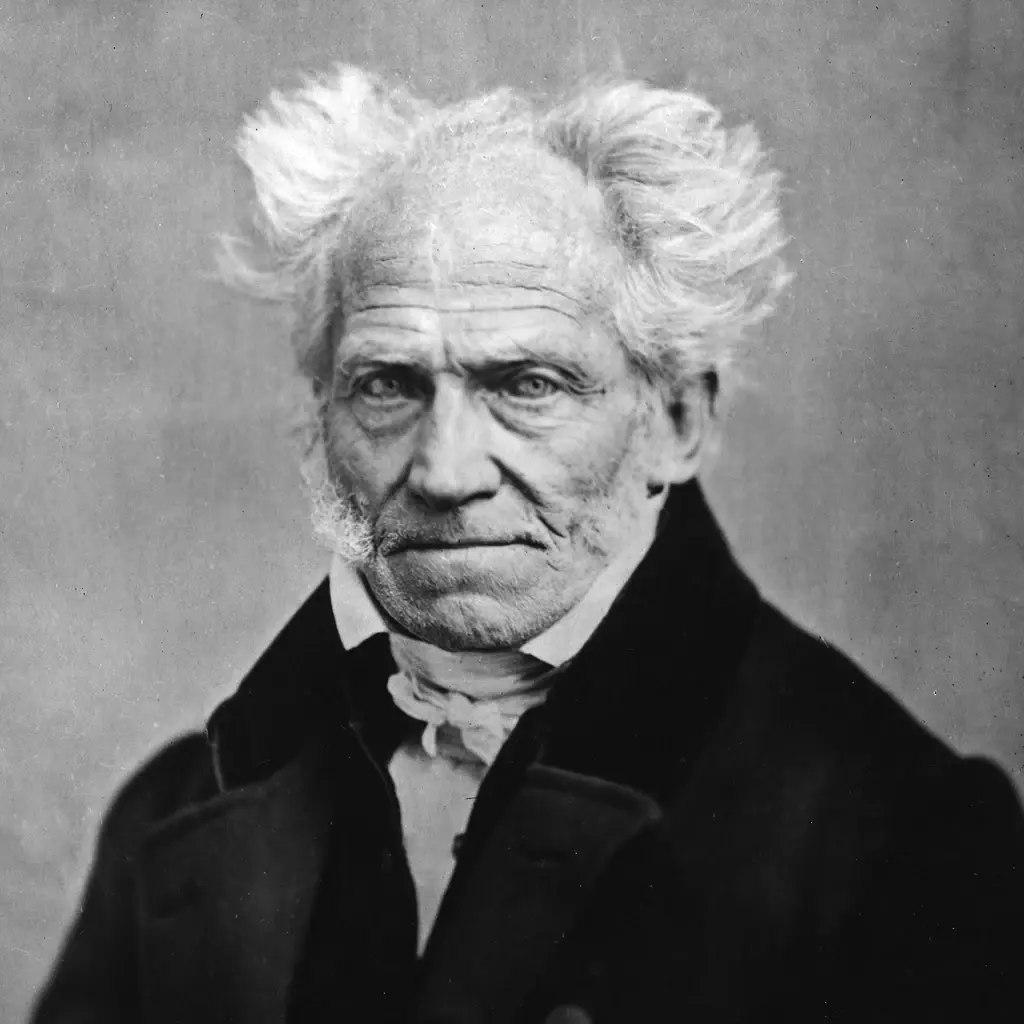
Arthur Schopenhauer was a German philosopher. “The Wisdom of Life” explores what makes a life happy when fortune and public approval are unstable.
Explore more books by Arthur Schopenhauer