What you'll learn
Key ideas from The Art of Rest
These ideas compress the book's argument without treating the author's view as settled fact. Use them as an orientation before reading the full work or listening in Wiseley.
Restfulness depends on a person’s experience and circumstances; physical or mental effort can still feel restorative.
Mindfulness trains a deliberate return to present sensations while thoughts are noticed without judgment.
Mind-wandering can distract from tasks or become distressing when thoughts repeat worries about the past and future.
Walking can combine bodily effort with mental breathing room when its rhythm and surroundings let attention loosen.
Solitude describes being alone; loneliness describes distress about unmet social connection, and the two do not always coincide.
A natural view may support calm, but mood, familiarity, safety, and personal associations shape whether nature feels restful.
A personal rest practice matches activities to the kind of tiredness and to what feels restorative in the moment.
Inside The Art of Rest
Read the first chapter in full here. The other 11 continue in the Wiseley app.
Chapter 1 of 12 · 5 min · Audio & text
Why Rest Must Count
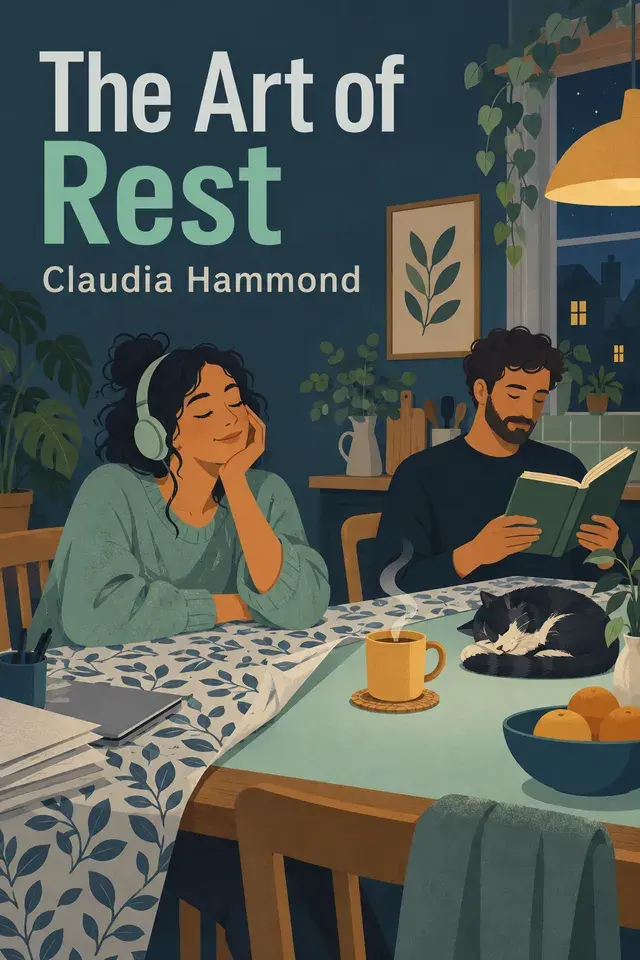
The Art of Rest, by Claudia Hammond.
Rest is often treated as whatever remains after important work is done. Hammond argues that this misses its place in a healthy life: rest deserves to count alongside activity, not as a luxury to be earned. People in the Rest Test described it as restorative and peaceful, but also as idle, selfish, or a waste of time. That unease can make it difficult to pause even when people feel they need rest.
Rest is related to sleep, but the two are not the same. This book focuses on forms of rest people experience while awake, even though someone might fall asleep during a restful activity. Rest also cannot be defined simply as not moving or thinking. Some people feel restored when their bodies are still; others find that physical exertion lets the mind settle, or that a mentally demanding activity can be relaxing. What matters is whether the experience feels restful to that person.
Nor does inactivity automatically provide rest. Work may feel like the opposite of rest to many people, but the label alone does not decide the experience. A weekend away from a job may not feel restful, and being unable to act because of illness can be distressing rather than restorative. Rest depends on circumstances and choice as well as on what someone is doing. It often belongs in a rhythm with activity, rather than replacing activity altogether.
To find out what people themselves considered restful, Hammond and the Hubbub team created the Rest Test. It drew responses from 18,000 people in 135 countries and asked about the rest people got and wanted, the activities they found restful, and other aspects of their lives. The survey’s results provide the starting point for the book’s exploration of ten popular activities. Two thirds of respondents said they wanted more rest, a striking sign of perceived need among those who chose to take part.
That qualification matters. The Rest Test was self-selected, so its respondents cannot stand in for everyone. It recorded what participants said felt restful, not what they enjoyed most, what made them happiest, or what they valued most. The survey also found that respondents who felt fully rested had well-being scores twice as high as those who said they needed more rest. This is an association in people’s reports, not proof that more rest caused higher well-being. The relationship did not rise without limit; the survey suggested an apparent optimum. It offers no universal amount that everyone should aim for.
The rankings make the distinction between rest and other kinds of value especially clear. The five highest-ranked activities were often done alone. Spending time with friends and family came twelfth. That position does not mean relationships matter less or bring less happiness. It means respondents were answering a question about restfulness. Time with other people may be deeply enjoyable or valuable without being what someone wants when they need to recover.
Hammond’s own preferred way to rest makes the case for individual fit. Gardening did not make the top ten, yet she finds that it lets her mind switch off and brings her into contact with the outdoors, soil, and sun. The work can be physically demanding, but effort does not rule out rest. Gardening also offers the satisfaction of seeing results, although weather and pests can spoil them. Its restorative quality comes from the combination that suits her, not from a ranking that everyone must follow.
The Rest Test is therefore a map of reported experience, not a prescription. It shows some patterns people share while leaving room for different bodies, minds, and circumstances. The chapters that follow examine what may make particular activities restful, but their usefulness still depends on the person trying to rest.
Chapter 2 of 12 · 6 min · Audio & textIn the app
Training Attention to Rest
Mindfulness can mean many things, from formal courses to brief exercises and apps. Claudia Hammond focuses on a simple definition: deliberately attending to the present without judging what comes into the mind.
Chapter 3 of 12 · 7 min · Audio & textIn the app
Television as Easy Company
Television is often treated as an unserious way to spend time, despite being a familiar way to unwind. Its low demands are part of what makes it usable.
Chapter 4 of 12 · 8 min · Audio & textIn the app
The Busy Mind at Rest
Daydreaming can look like doing nothing, but the mind has not switched off. Thoughts drift, link up, and move on while we are not focused on a task.
Chapter 5 of 12 · 6 min · Audio & textIn the app
A Bath as Protected Pause
A bath can give a pause a practical excuse: washing is useful, so resting in the water may feel less like wasting time. Once someone has settled in, chores, messages and email can wait.
Chapter 6 of 12 · 8 min · Audio & textIn the app
Movement That Lets the Mind Rest
Walking seems an unlikely form of rest because the body is working. Yet its steady pace can give the mind room to loosen: there is enough to notice in the surroundings, but often not enough to demand full concentration.
Chapter 7 of 12 · 9 min · Audio & textIn the app
Making Room for Nothing
Doing nothing sounds simple until someone asks what you have done with your time. A pause can feel like a lapse in duty, especially when busyness is treated as proof of importance.
Chapter 8 of 12 · 7 min · Audio & textIn the app
Choosing Music for the Moment
Music can be a way of changing how a moment feels, but its effect depends on the person, the music, and what is happening. A familiar song might soothe, energize, or hold attention.
Chapter 9 of 12 · 8 min · Audio & textIn the app
Solitude by Choice
Being alone and feeling lonely are different experiences. Solitude describes a situation; loneliness is the distress of wanting connection that feels absent or inadequate.
Chapter 10 of 12 · 8 min · Audio & textIn the app
How Nature Restores Perspective
Nature can make attention feel less crowded, calm some people, and put immediate concerns in a wider frame. These effects are related, but they do not happen automatically.
Chapter 11 of 12 · 8 min · Audio & textIn the app
Reading on Your Own Terms
Reading can look like rest from the outside: someone sits quietly with a book. But the mind does not have to switch off for the experience to feel restful.
Chapter 12 of 12 · 8 min · Audio & textIn the app
Building a Personal Rest Practice
A personal approach to rest begins by noticing what kind of tiredness you are carrying and what helps you recover. There is no single list of activities that suits everyone.
Chapter 1 of 12 · 5 min · Audio & text: Why Rest Must Count
Wiseley supports reading and listening to summaries in the app.
Continue in WiseleyAbout Claudia Hammond
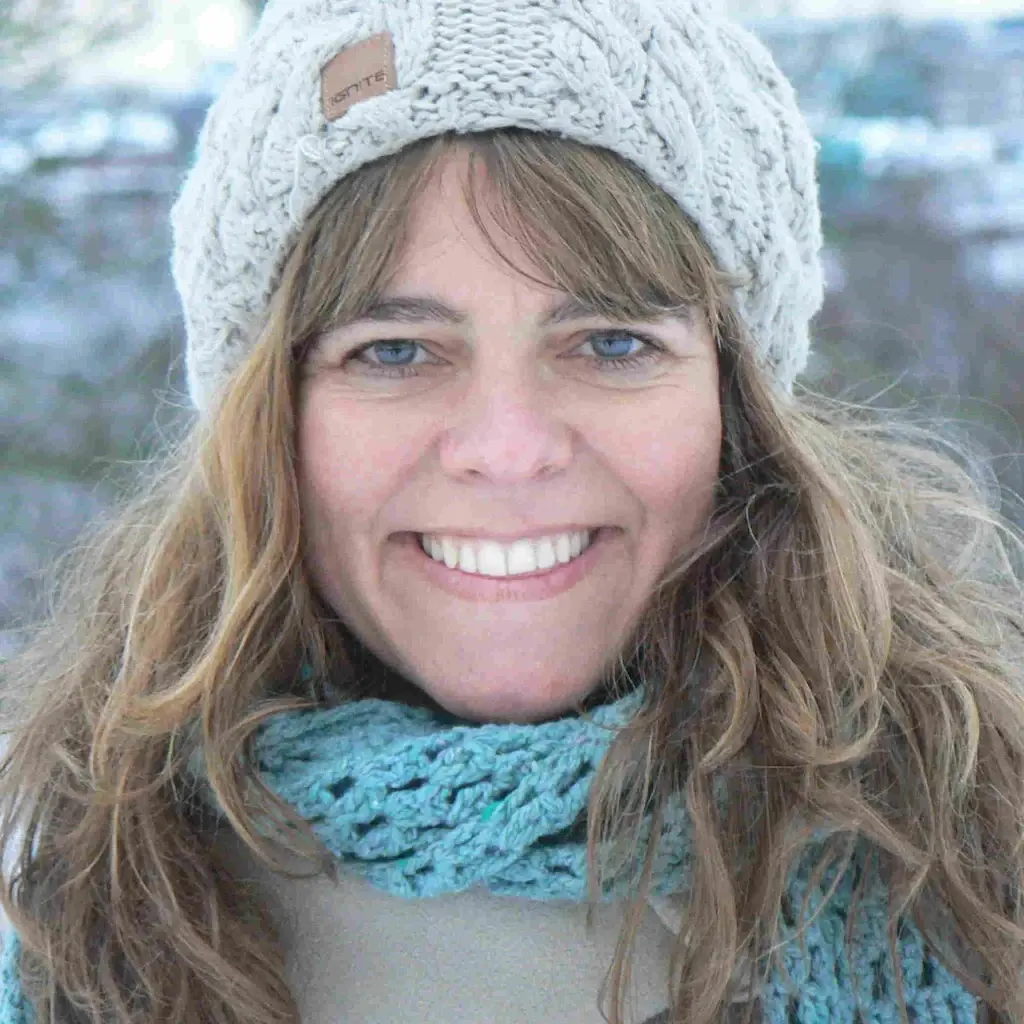
Claudia Hammond is a British author and broadcaster. “The Art of Rest” explores what makes rest restorative, why it matters, and how people can find the forms that suit them.
Explore more books by Claudia Hammond