
What you'll learn
Key ideas from Lighter
These ideas compress the book's argument without treating the author's view as settled fact. Use them as an orientation before reading the full work or listening in Wiseley.
Self-love is defined as a compassionate self-relationship, not consumption, self-centeredness, or forced positivity.
Awareness creates a pause where emotions can be acknowledged without determining the next response.
Letting go changes the relationship to emotion and memory; it does not erase feelings, suppress the past, or require forgetting.
A healing practice is judged by fit with a person’s conditioning, goals, capacity, and readiness, not by universal status.
Non-avoidance, honest communication, humility, and boundaries make healing observable in everyday choices and disagreements.
Healthy partnership joins self-owned happiness with mutual, voluntary support, changing needs, shared leadership, and respect for each person’s limits.
Long-term progress appears as less reactive intensity, more authentic choices, and gentler self-assessment during lows.
Personal healing and structural redesign are inseparable because unexamined survival patterns can become unequal institutions.
Inside Lighter
Read the first chapter in full here. The other 7 continue in the Wiseley app.
Chapter 1 of 8 · 7 min · Audio & text
Self-Love Starts with Honesty
Lighter, by Yung Pueblo.
Yung Pueblo opens with a crisis that made avoidance impossible. At twenty-three, in 2011, after using drugs, he feared he was having a heart attack. Fear, regret, and shame showed him how far he had drifted from earlier activism and service. Partying had become an escape from sadness and anxiety: pleasure quieted those feelings temporarily while hiding the damage to his health and life.
The crisis also brought his family history forward. His parents had moved from Ecuador to Boston and endured prolonged poverty; his mother cleaned houses, and his father worked in a supermarket. Remembering their sacrifice brought gratitude for their love and regret that he had abandoned his wish to be useful. After his body stabilized, he discarded the painkillers he had prescribed himself. He did not understand every root of his behavior, but he recognized that lying to himself about his feelings was part of the problem.
He began with radical honesty, abstinence from dangerous intoxicants, and healthier habits. Recovery meant examining his food, exercise, thoughts, family, friendships, and irritability. When the urge to escape appeared, he looked at the tension instead of feeding it. Beneath it he found sadness, fear, and emptiness. Looking within without judgment did not make every mood pleasant, but it reduced the added tension of avoidance. The first year was still a struggle, yet persistence made new habits more natural. Happiness became more frequent, joy could coexist with emotional storms, and he felt more at home in his mind.
Meditation deepened what honesty had begun. He attended silent ten-day Vipassana courses and later committed to daily meditation. By twenty sixteen, he had stopped alcohol and marijuana. Observing body and mind moved his understanding beyond information into experience, revealing emotional history, change, and a greater ability to respond with presence and clarity. He rejects a perfect recovery story: he remains imperfect, unfinished, and a student of healing.
This story establishes the book’s problem. Healing is not constant pleasure or the disappearance of difficult feelings. It means meeting feelings honestly before they accumulate and spread into unhealthy patterns. A low period may still hurt, but being present with it can be less damaging than carrying unprocessed pain into every part of life. Progress is a gradual easing of mental discontent, not repression or delusion.
That is where self-love enters. The author separates it from familiar substitutes. A purchase, a gift, or a restorative trip may be care, but material things cannot create complete mental balance or heal the past. Asking consumption to fill an inner void can intensify craving and dissatisfaction. Putting oneself first may correct people-pleasing, yet making it absolute risks ego and disregard for others. Self-love is not indulgence, superiority, or forced positivity. It is an internal relationship marked by compassion, honesty, openness, and unconditional acceptance. It includes both the parts one proudly shows and the imperfect parts one hides. Acceptance begins the work; it does not cancel the need to grow or release harmful patterns.
For Yung Pueblo, self-love is both a mindset and a discipline. It means doing what is necessary to know and heal oneself, while making well-being a priority without placing the self above everyone else. Its purpose is evolution: freedom from inferiority without superiority, nourishment without egotism, and care that can extend beyond the self.
The framework has three mutually supporting parts. Radical honesty is warm, continuous contact with one’s own truth. It is inward rather than indiscriminate disclosure, and it must not become harsh self-talk. A person acknowledges turbulence, an old wound, or a disliked feeling, then asks where it began, how it formed, whether it once served survival, what triggers it now, and how it shapes a life. Curiosity makes honesty useful, reducing self-deception and clarifying choices.
Positive habit building turns recognition into repeated care. Once someone sees what is not serving them, energy can move toward nourishing choices such as food, exercise, awareness of thought, emotional presence, kinder relationships, or meditation. New habits can feel uncomfortable, and immediate rewards may be absent, so consistency matters more than one effort. Repetition gradually supports a different identity, and what felt burdensome can become routine. Self-love therefore includes frank guidance and higher standards, not a demand to feel positive about everything.
Unconditional self-acceptance makes change sustainable. It acknowledges reality and personal history without rejection, self-punishment, or passive resignation. It does not approve every condition or refuse needed action. People stumble, return to old habits, move backward, or need rest. Acceptance lets them see that clearly and continue, rather than adding contempt to existing pain.
Together, these practices create inner cohesion. Honesty reveals what needs attention, habits express care through action, and acceptance keeps a person from abandoning the process when change is slow. As self-understanding grows, care for others can become more patient and balanced, because one’s own fear and reactivity are no longer mysteries. Self-love starts with honesty because a different life begins when inner experience is met rather than abandoned. The work remains gradual, imperfect, and active.
Chapter 2 of 8 · 7 min · Audio & textIn the app
How Conditioning Creates Suffering
One of the book’s central explanations of suffering begins with a distinction between what happens and what a conditioned mind does with it. Family life, education, relationships, social messages, and personal experience leave impressions.
Chapter 3 of 8 · 8 min · Audio & textIn the app
Letting Go Without Withdrawal
Letting go begins with a fact that is easy to understand and hard to live: everything changes. Bodies age, emotions shift, relationships evolve, circumstances turn, and outcomes remain uncertain.
Chapter 4 of 8 · 7 min · Audio & textIn the app
Finding a Practice That Fits
Choosing a healing practice is not a search for one universal method. Pueblo argues that people bring different conditioning, emotional histories, goals, capacities, and timelines, so one technique will not unfold identically for everyone.
Chapter 5 of 8 · 8 min · Audio & textIn the app
Practicing Emotional Maturity
Healing becomes visible when it changes what we do while emotions are active. In Lighter, Yung Pueblo presents emotional maturity as continued movement toward healing, self-awareness, compassion, and less reactivity.
Chapter 6 of 8 · 9 min · Audio & textIn the app
Relationships as Healing Practice
Relationships are among the clearest places to see whether inner work changes how we live. Solitary reflection reveals much, but closeness brings patterns into contact with another person's needs, fears, history, and freedom.
Chapter 7 of 8 · 8 min · Audio & textIn the app
Healing at a Sustainable Pace
Healing, in the author’s account, does not move in a straight line. Looking inward can be courageous and unsettling when deeper work brings suppressed memories, old hurts, and emotional imprints into awareness.
Chapter 8 of 8 · 9 min · Audio & textIn the app
From Inner Healing to Shared Power
The book’s inward work now turns outward. Once a person recognizes how fear, craving, aversion, and a defended ego shape perception, a larger question appears: what happens when those patterns become social arrangements?
Chapter 1 of 8 · 7 min · Audio & text: Self-Love Starts with Honesty
Wiseley supports reading and listening to summaries in the app.
Continue in WiseleyAbout Yung Pueblo
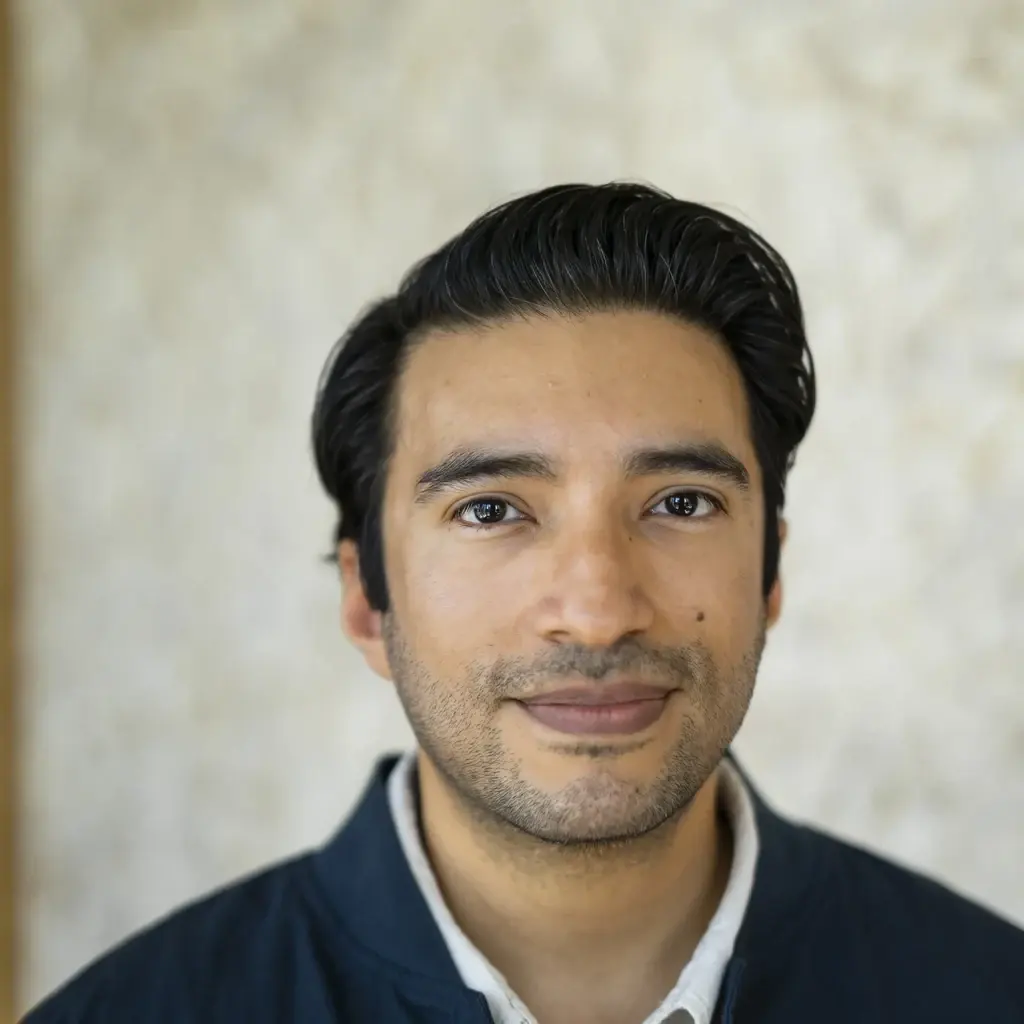
Yung Pueblo is an author and poet who writes about healing and meditation. “Lighter” explores how people can become less ruled by pain, conditioning, and ego.
Explore more books by Yung Pueblo