What you'll learn
Key ideas from Why We Remember
These ideas compress the book's argument without treating the author's view as settled fact. Use them as an orientation before reading the full work or listening in Wiseley.
Memory preserves selected details rather than a complete record, so ordinary forgetting is part of how it prioritizes experience.
Rapid episode-specific learning and slower generalization complement each other, helping preserve exceptions while building knowledge that travels across situations.
Schemas make memory efficient, but expectations can also lead it to fill gaps inaccurately.
Emotional arousal can strengthen selected details while drawing attention away from other parts of an event.
Every retrieval can mix a remembered event with present information, so later recall may inherit earlier changes.
Effortful retrieval can reveal weak connections for correction and support later retention more than rereading alone.
Sleep remains active and appears to connect separate experiences into more usable knowledge.
Conversation with family, friends, and partners shapes autobiographical memories and the meanings people attach to them.
Inside Why We Remember
Read the first chapter in full here. The other 11 continue in the Wiseley app.
Chapter 1 of 12 · 7 min · Audio & text
What Your Memory Chooses
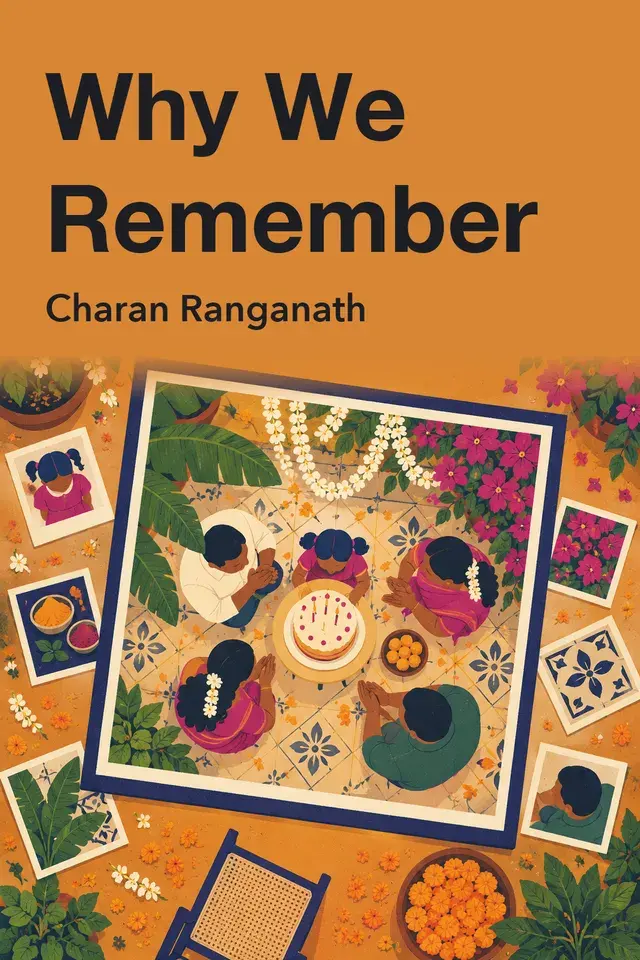
Why We Remember, by Charan Ranganath.
Many birthday parties blur together. Ranganath had filmed his daughter’s celebrations, yet ordinary parties often seemed new when he watched them again. One unusual, stressful party at home stayed vivid. The contrast points to a basic feature of memory: experiences do not leave equally accessible records. Being present for an event does not guarantee that its details will be easy to retrieve later.
Memory is not simply a storehouse of scenes. The remembering self uses past experience to shape choices and feelings about how things turned out. What we remember can guide what we do next, even though that memory is selective. Ranganath argues that we are not meant to preserve every person, place, and activity. Forgetting much of daily life is ordinary; severe memory loss is a different matter. The limits of everyday memory do not, by themselves, mean that the system is broken.
The brain’s ability to learn comes partly from changing connections among neurons. Groups of neurons can act together, and their connections shift with experience. Ranganath compares this to competing coalitions: some patterns of activity gain strength while alternatives weaken. This helps explain why memory is neither a perfect recording nor a passive archive. It develops through activity and competition, leaving some information easier to use than other information.
The misplaced-keys problem shows how distraction and similarity work together. Imagine arriving home while checking email, unlocking the door, and then having a dog jump on you as music blares from another room. The smell of the trash and an ache in your ankle pull your attention elsewhere. Later, you may struggle to recall leaving the keys in the lock. Many similar episodes of putting keys down can compete, while distractions clutter the details of this particular moment.
A useful response is to notice what is unusual about the moment. When putting down keys or another frequently misplaced object, pause and register one detail about the place or activity. A distinctive cue gives the memory something that separates it from the many similar episodes. Intention can help direct attention toward that cue. Repeating an important detail may help, but the aim is to make a useful connection, not to expect memory to capture everything automatically.
Attention helps determine what becomes usable, but it does not always follow our intentions. A striking or irrelevant detail can draw it away from what we meant to remember. We may intend to remember a person’s name and later recall a vivid detail about their appearance instead. The detail that wins attention is not necessarily the one we would have chosen. To support memory, it helps to notice what matters while resisting needless shifts between competing tasks.
The prefrontal cortex contributes to this control. It helps people hold a goal in mind, stay with relevant information, resist distractions, and choose strategies for learning or retrieval. The hippocampus also has an essential role in memory. The prefrontal cortex does not replace it or act as a separate store. Its contribution is more like coordination: it helps other brain systems work together toward an internal goal.
Damage to frontal areas shows why this coordination matters. Some patients can repeat number sequences on structured tests yet struggle when distractions compete for attention. They may recall few words freely but recognize those words when given cues, suggesting that information was learned but difficult to retrieve without help. Ranganath also describes Jim, who had extensive frontal damage after a stroke. After watching a movie, Jim might forget entire scenes and watch it again two or three times back-to-back. Separately, he sometimes forgot to brush his teeth or shave, though he retained the ability to do so. His difficulty involved initiative and staying on course, not simply losing the ability to perform those actions.
Ordinary multitasking can put this control under strain. Rapidly switching between tasks and interruptions make it harder to stay focused on the information we want to learn. Research has found that media multitasking impairs memory. Heavy media multitaskers also show thinner prefrontal regions on average. Further research is needed to determine whether frontal dysfunction contributes to multitasking or results from it. Either way, fewer unnecessary switches can make it easier to stay with an experience.
Control and learning also change with age, but the brain does not simply stop adapting. As infants learn the sounds of a language, their brains become tuned to its patterns. That specialization can make some unfamiliar speech sounds harder to learn later. Plasticity persists in adulthood, including in higher-order abilities such as judgment and problem-solving, even as some kinds of learning become slower. For many older adults, increased forgetfulness may reflect difficulty directing attention and encoding what matters, rather than an inability to form memories.
Photos and videos can either support memory or interfere with it. Ranganath found that filming birthday parties sometimes left him with blurrier memories of those moments. Focusing through the camera could privilege what he saw while drawing attention away from sounds, smells, thoughts, and feelings. But a camera is not automatically harmful. Selective photographs can preserve distinctive moments and provide cues for remembering them later, especially when taking them does not displace engagement with the experience.
The point is not to make every moment memorable. Memory has to select, and competing episodes will sometimes make retrieval difficult. We can influence that process by noticing a distinctive cue, directing attention toward what matters, and documenting experiences in ways that keep us engaged. The remembering self is shaped both by what the brain retains and by how we attend to life as it happens.
Chapter 2 of 12 · 9 min · Audio & textIn the app
Traveling Through Time and Place
A memory can do more than tell us what happened. It can seem to return us to the place and state of mind in which it happened.
Chapter 3 of 12 · 7 min · Audio & textIn the app
Compressing Experience Into Patterns
We encounter more information than we can keep in mind or remember in full. Memory makes that load manageable by organizing details into patterns we already know.
Chapter 4 of 12 · 8 min · Audio & textIn the app
Remembering and Imagining Scenes
When you remember a scene, the mind does not open a complete recording. It gathers details that remain available and builds them into an account.
Chapter 5 of 12 · 10 min · Audio & textIn the app
When Feeling Shapes Memory
We tend to remember emotional highs and lows disproportionately. Recalling them can bring back visceral feelings, making the past seem urgent in the present.
Chapter 6 of 12 · 8 min · Audio & textIn the app
Familiarity Without Remembering
Recognition can arrive in two forms. Episodic recollection brings back information about a particular encounter: where or when something happened, or what else was present.
Chapter 7 of 12 · 7 min · Audio & textIn the app
Surprise, Curiosity, and Learning
Memory does more than preserve the past. It also helps us anticipate what is likely to happen next.
Chapter 8 of 12 · 10 min · Audio & textIn the app
Memory Changes When Recalled
A memory can feel like a return to an event, but remembering also gives the event another chance to change. As the previous chapter explained, recall rebuilds an account from available details.
Chapter 9 of 12 · 7 min · Audio & textIn the app
Learning Through Productive Struggle
A study session can feel successful because the material looks familiar. But familiarity is not the same as being able to bring an idea to mind when you need it.
Chapter 10 of 12 · 7 min · Audio & textIn the app
Sleep Connects What We Learn
Effortful remembering changes a memory while we are awake, but learning does not stop when deliberate study ends. During sleep, the brain remains active.
Chapter 11 of 12 · 7 min · Audio & textIn the app
Stories We Tell About Ourselves
Memory does not end when an event is over. We bring experiences into conversation, and those conversations help shape the stories we use to understand ourselves.
Chapter 12 of 12 · 10 min · Audio & textIn the app
How Groups Remember and Misremember
A story can travel farther than any one person’s memory. As people retell and encounter accounts of the past, shared memory can preserve useful knowledge, but it can also carry distortions.
Chapter 1 of 12 · 7 min · Audio & text: What Your Memory Chooses
Wiseley supports reading and listening to summaries in the app.
Continue in WiseleyAbout Charan Ranganath
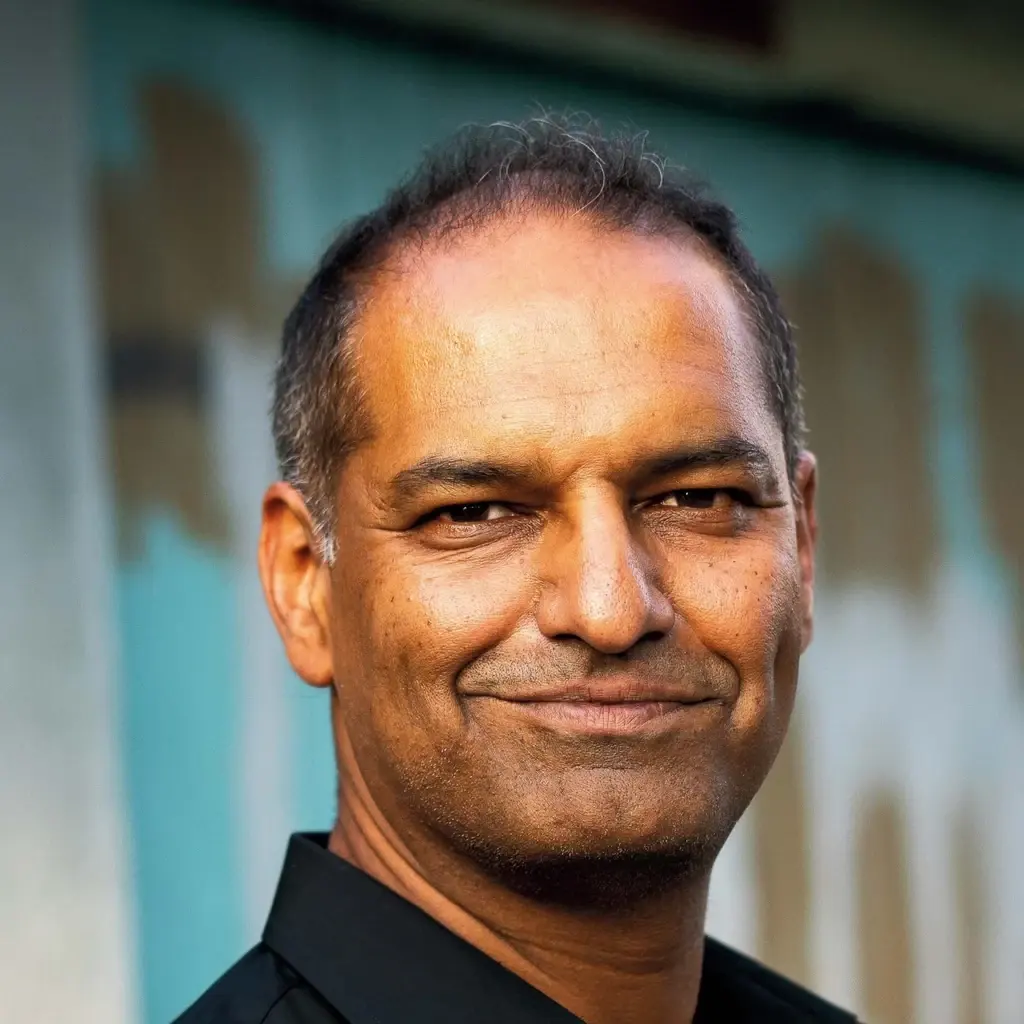
Charan Ranganath is a neuroscientist and professor at the University of California, Davis. “Why We Remember” explores how memory guides people despite forgetting and distortion.
Explore more books by Charan Ranganath