
What you'll learn
Key ideas from Goals
These ideas compress the book's argument without treating the author's view as settled fact. Use them as an orientation before reading the full work or listening in Wiseley.
A goal becomes usable when it is chosen, written, benefit-tested, and linked to effort, obstacles, capabilities, collaborators, and a date.
Commitment turns obstacles into problems to solve rather than reasons to escape.
Visualization becomes useful when it specifies a future and directs staged preparation, intermediate goals, and repeated effort.
Character carries a good resolution beyond excitement, while honesty and integrity keep achievement trustworthy.
Work becomes an opportunity when sustained effort, learning, and purposeful commitment turn activity into useful performance.
Financial achievement is only one dimension of success; integrity, health, peace of mind, family, relationships, and hope complete the measure.
Inside Goals
Read the first chapter in full here. The other 6 continue in the Wiseley app.
Chapter 1 of 7 · 8 min · Audio & text
Choose, Write, and Own the Goal
Goals, by Zig Ziglar.
Goals begins by distinguishing between having wishes and having a goals program. A wish names something desirable. A program decides what matters, concentrates effort, and keeps action pointed toward it. Zig Ziglar cites a claimed Stanford longitudinal study of 1,440 genius-level young people to argue that later achievement depended more on focus and persistence than genius alone. The supplied material gives no methodology or independent verification, so this remains the author's reported evidence. His opening thesis is practical: achievement grows when people select important aims and keep working toward them.
The cafeteria story gives that commitment a memorable shape. At Romano's, a person sees many choices but cannot put every dish on one plate. Life also offers many possible careers, possessions, relationships, and experiences, yet choosing one direction means declining others. The difference is the payment order. In a cafeteria, you eat before paying. In life, employers, farmers, and students usually work, cultivate, or study before receiving pay, crops, or educational rewards. Ziglar's point is to make effort part of the agreement. Planning should therefore name an outcome, its benefits, required knowledge, obstacles, helpful people, actions, and completion date. Comparing the benefits with the cost of change, and with the cost of doing nothing, makes delay less attractive.
This framework includes goals related to happiness, health, prosperity, security, friendship, peace of mind, family relationships, and hope. Ziglar answers the objection that happiness cannot be a goal by treating it as a result of what someone is and does. He connects it with honest, hardworking, enthusiastic, dependable, responsible conduct and a favorable self-image. Postponing happiness until a new home, a paid-off debt, a trip, or some other future condition creates an endless chain of conditions. The book instead presents happiness as a present state. Its be, do, and have exercise says that possessions follow identity and behavior. That does not mean constant excitement, or that circumstances do not matter. Health, reasonable prosperity, inner security, friends, peace, family relationships, and hope can improve the chances of happiness, but none is presented as a permanent guarantee.
Fear and poor self-image are introduced as major barriers. Ziglar defines fear as False Evidence Appearing Real. His deceptive-bomb and imaginary-gun illustrations show how false evidence can still shape behavior when it appears credible. He also argues that mistaken information absorbed early can become part of a person's self-concept. Self-image, in his account, influences career choices, relationships, habits, appearance, morality, and perceived earning limits. It is an initial condition for action, not merely a reward that arrives afterward. Setting a goal can risk embarrassment or failure, but the author considers inaction more dangerous. His airplane, ship, crop, and unused-ability analogies all make the same point: potential deteriorates when it is never directed.
The practical transition is immediate commitment. Ziglar reports that people who act promptly after hearing a goals concept are at least ten times as likely to do something about it as people who delay, though the supplied passage gives no method for that comparison. The point is not that a decision completes the work. It is that a decision changes a wish into a program that can be examined, scheduled, and revised.
That examination begins with ownership and focus. The formal process asks a person to print everything they want to be, do, or have, wait 24 to 48 hours, and add anything else that emerges. Each proposed goal is then tested by asking why it matters. If the reason cannot be stated in one sentence, Ziglar says it is not yet a viable goal. Writing the full inventory exposes impossible competition among attractive options. His own list supposedly required 368 hours in a week containing only 168, forcing him to remove activities that were not truly important. Maturity therefore includes saying no to good possibilities so that the best priorities can receive real attention.
The remaining goals should cover more than one area of life. Ziglar recommends checking physical, mental, spiritual, personal, family, career, social, and financial concerns, because success in one area can undermine the others. A goal also needs to be genuinely owned, rather than borrowed from parents, peers, status competition, or someone else's example. It should be fair to the people affected and consistent with the person's major direction. Ambition is welcome, but realism matters. The Detroit franchise example contrasts encouragement with facts: wanting to make a million dollars without even having the required starting savings calls for a smaller, better-supported plan. Likewise, an unsupported dream of becoming a world champion boxer must first be connected to preparatory goals such as weight loss and conditioning. Before proceeding, the person should be able to picture completion and emotionally commit to the work.
Ziglar then condenses the architecture into five steps: write the goal, list its benefits, identify the major obstacles, identify the skills or knowledge required, and identify the people or organizations that can help. The benefits explain why the effort deserves priority. Obstacles become problems to solve rather than automatic excuses. Skills and expert guidance reveal what must be learned. Allies make the plan fit real circumstances. Give-up goals, which a person wants to abandon, should be shared broadly for encouragement. Go-up goals, involving advancement or exceptional achievement, should be shared selectively with people who can offer useful support. A completion date should follow this assessment, not dictate it in advance. Action must also be scheduled around family and other relationships; one ambition should not consume the whole life it is meant to improve.
The book supports these ideas with stories and comparisons, but it does not establish every claimed result. Ziglar reports conversations with people who say his tapes helped them lose substantial weight, while acknowledging that such anecdotes do not prove the tapes caused sustained loss. He also cites a UCLA seminar comparison in which attendees who set goals and made an action plan reported higher income than those who delayed. The passage gives no method and does not show that goals alone caused the difference. The repeated claim that 97 percent of people lack a goals program is likewise presented without stated methodology. Finally, the front matter refers to a seven-step method in one place, while the detailed list here contains five steps; the text does not reconcile the discrepancy. The central lesson remains clear: a goal becomes usable when it is chosen, written, owned, tested, and connected to effort, present conduct, and a realistic next action.
Chapter 2 of 7 · 6 min · Audio & textIn the app
Make Commitment Daily
Once a goal has been written, the problem becomes keeping it alive through ordinary days. Ziglar’s execution system begins by accepting that change is necessary.
Chapter 3 of 7 · 6 min · Audio & textIn the app
Recondition the Mind, Then Act
One of the book’s central psychological ideas is that a limit can become part of a person’s expectations before it has been proved true. Repeated disappointment, criticism, or failure can shrink the range of action someone considers available.
Chapter 4 of 7 · 6 min · Audio & textIn the app
Let Character and Relationships Set the Direction
Achievement, in Zig Ziglar’s account, is not morally neutral. A goal can be reached and still fail if the person becomes dishonest, abandons responsibility, or damages others.
Chapter 5 of 7 · 5 min · Audio & textIn the app
Work Turns Potential into Opportunity
In this section of Goals, Zig Ziglar treats work as the place where potential becomes useful opportunity. He connects it with business, prosperity, genius, youthful advancement, savings, and fortune.
Chapter 6 of 7 · 7 min · Audio & textIn the app
Persist Through Insecurity and Adversity
When a goal meets an unstable world, persistence becomes more than a cheerful attitude. It becomes a response to a lost job, a struggling business, a crushing bill, or a body that no longer behaves as expected.
Chapter 7 of 7 · 5 min · Audio & textIn the app
Measure Success as a Whole Life
At the end of Goals, Zig Ziglar asks readers to judge success by more than the size of a bank account. He does not dismiss financial achievement.
Chapter 1 of 7 · 8 min · Audio & text: Choose, Write, and Own the Goal
Wiseley supports reading and listening to summaries in the app.
Continue in WiseleyAbout Zig Ziglar
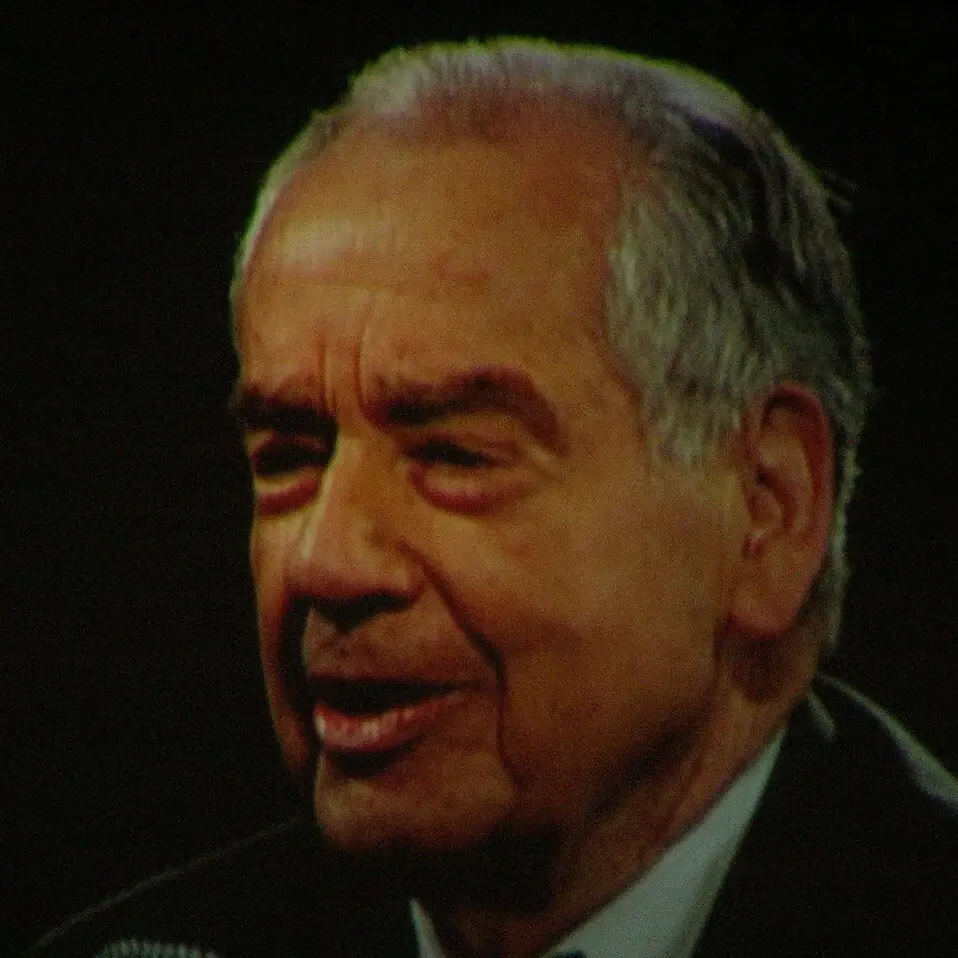
Zig Ziglar was an American author, salesman, and motivational speaker. “See You at the Top” explores how people can put unused potential to work through self-image, relationships, goals, attitude, work, and desire.
Explore more books by Zig Ziglar