
Choose one output that deserves depth
Do not schedule a vague block called “deep work.” Name a result that can be different at the end: a decision memo, a tested model, a difficult section, or a design alternative. Then define the smallest meaningful milestone for this week. A meeting-heavy calendar cannot support unlimited priorities, so the discipline begins with subtraction. If everything remains important, concentration will be spent renegotiating the task instead of doing it.
- Output: one artifact or decision, not a category of work.
- Milestone: what can be finished in two or three sessions.
- Parking lot: other deep tasks explicitly deferred, not mentally carried.
Use the edges of the calendar
Look for two kinds of space: a longer block before the meeting pattern starts, and short protected edges that can prepare or resume the same output. A sixty-minute block becomes more useful when the source material, question, and next action are ready before it begins. Stop each session by leaving a restart note. That note converts a later thirty-minute edge from setup time into continuation time.
- Before: collect files, close irrelevant tabs, and write the question.
- During: keep one interruption log instead of following each impulse.
- After: leave the exact next sentence, calculation, or decision to resume.
Make availability predictable
Silence without explanation looks like unreliability. Tell collaborators when you will respond and which channel is reserved for genuine urgency. Batch shallow replies into the gaps already created by meetings instead of allowing them to colonize the few open blocks. At week’s end, inspect the interruption log. Remove one recurring digital trigger or coordination ambiguity before adding more focus hours. The aim is a credible rhythm other people can work with, not heroic invisibility.
- Publish two response windows for routine messages.
- Define urgency narrowly and visibly.
- Review completed output, not the number of hours labeled as focus.
Sources and scope
Book ideas are attributed to their authors. External evidence is linked directly when a claim needs more than the source book.
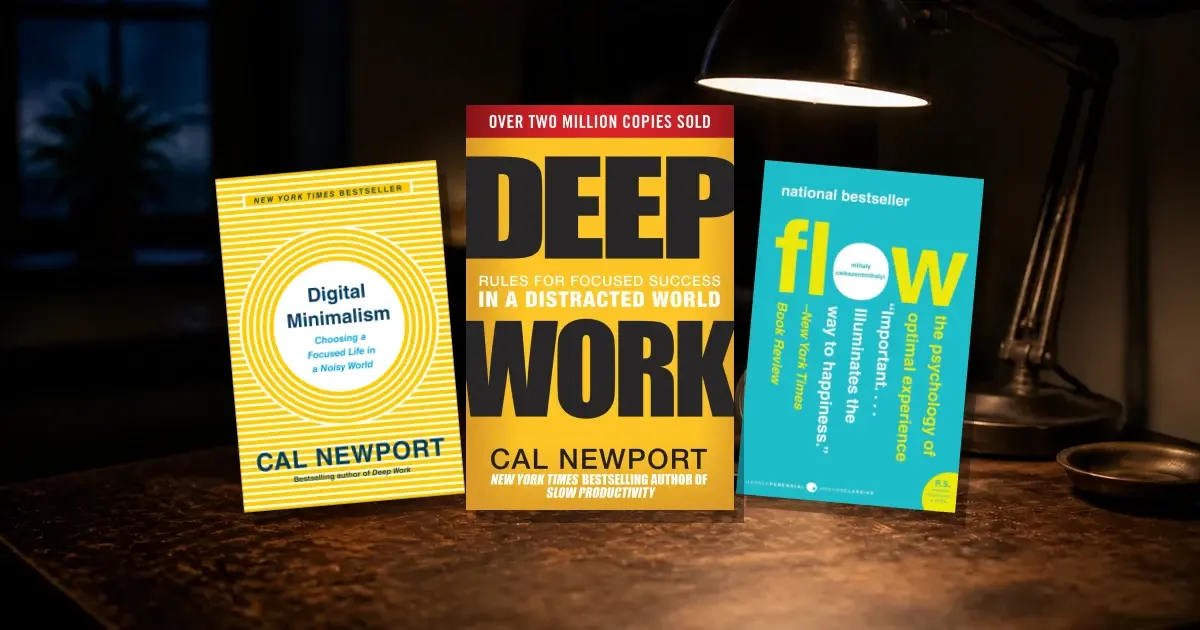
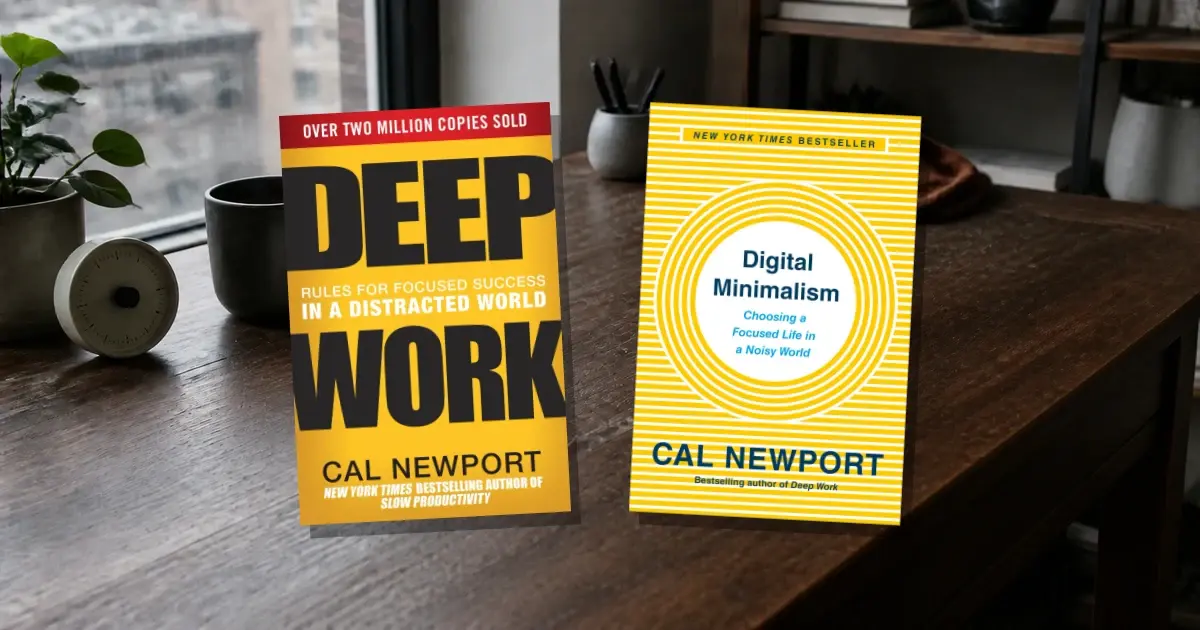
- Deep Work: Grounds focused output, rituals, shallow work, and deliberate scheduling.
- Digital Minimalism: Grounds deliberate tool rules and replacement of low-value digital use.
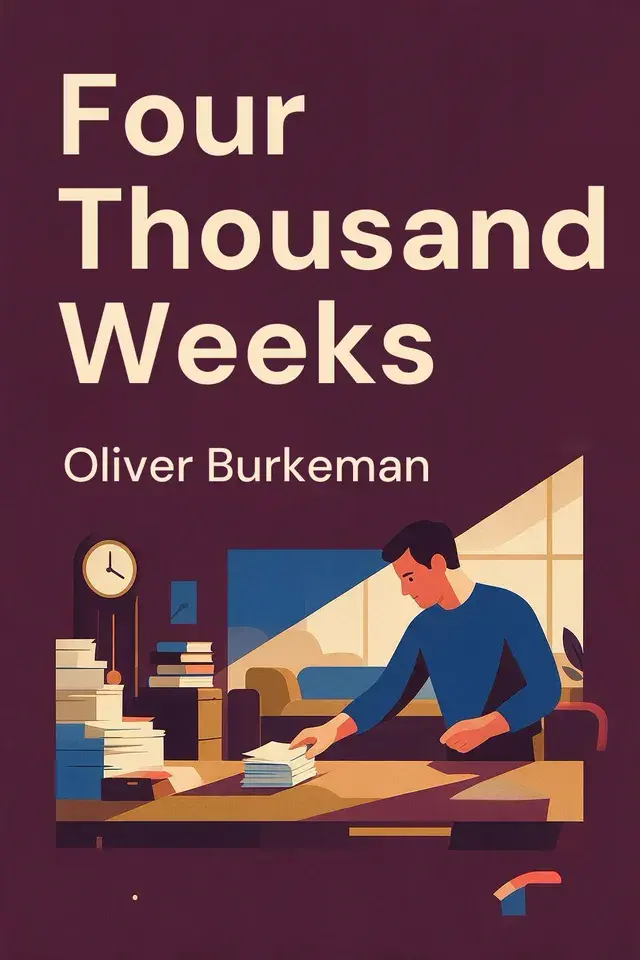
- Four Thousand Weeks: Grounds finite capacity, choosing what to neglect, and resistance to limitless optimization.
To report a factual, attribution, rights, or accessibility concern, email hello@wiseley.app.
Questions readers ask
Is thirty minutes enough for deep work?
It can be enough for continuation if setup is already done and the next action is explicit. A fragmented thirty minutes spent choosing the task is unlikely to be deep.
What if my organization expects instant replies?
Start with a small transparent experiment: one protected block, published response windows, and an urgent channel. Reliability before and after the block makes the boundary easier to trust.