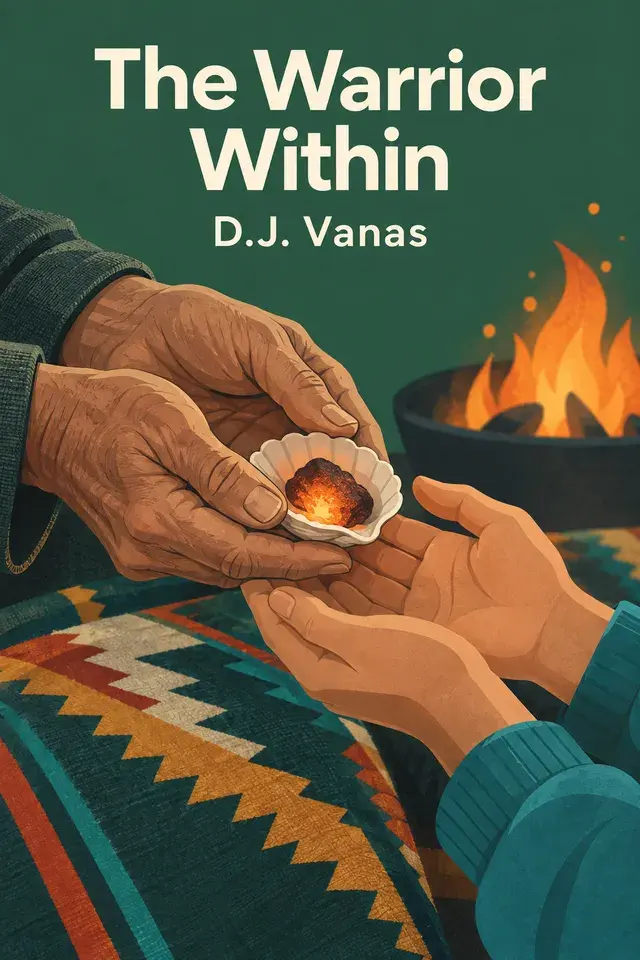
What you'll learn
Key ideas from The Warrior Within
These ideas compress the book's argument without treating the author's view as settled fact. Use them as an orientation before reading the full work or listening in Wiseley.
Warrior courage makes room for fear and imperfection; its purpose is service rather than invulnerability or recognition.
Tribal-centric thinking shifts attention from what is missing to how available resources can be combined.
A vision becomes more workable when it is translated into a plan, practical steps, and relationships with people who can help.
Courage means taking meaningful action while afraid; preparation and repeated practice make that response more available.
Discipline reduces overwhelm by making the next necessary task the unit of action.
Mental toughness combines persistence with emotional honesty, joy, flexibility, self-care, and recognition of strength.
The Six Stays hold purpose steady through change by combining perspective, calm, values, focus, flexible tactics, and connection.
Legacy grows through the time, skills, stories, wisdom, and support offered to help others develop.
Inside The Warrior Within
Read the first chapter in full here. The other 10 continue in the Wiseley app.
Chapter 1 of 11 · 6 min · Audio & text
The Warrior Beyond the Myth
The Warrior Within, by D.J. Vanas.
The word warrior often brings to mind someone fearless, physically powerful, and prepared to win through force. Vanas argues that this image leaves out the qualities that matter most. A warrior can feel fear, doubt, grief, and pain. Strength does not require pretending to be invulnerable or refusing help. The defining question is what a person’s abilities are used for: a warrior develops them to serve something larger than the self.
Vanas describes how that understanding became spiritually real to him through his Sun Dance experience. He completed the fourth year of a four-year Sun Dance. In his account, the ceremony involved days of fasting and prayer, medicines, eagle-bone whistles, and connection with the Creator. On the third day, participants pierced their chests, danced to and from the Tree of Life, and pulled backward until the skewers came free. Vanas describes this act as balancing the mothers’ labor of bringing children into the world. The physical sacrifice mattered within a spiritual and relational purpose; it was not a display of invulnerability.
Before this experience, Vanas had absorbed an ideal of warriors as always brave, strong, right, and self-sufficient. The ceremony challenged that standard. He came to see the warrior role as a commitment shaped by faith, service, and responsibility, one that a person can carry while still being human. In this view, a warrior may stumble, need encouragement, or lead imperfectly. Courage means remaining engaged with a purpose despite those limits, not claiming to have none.
That distinction also changes who can belong in the picture. Vanas presents the warrior path as open across race, age, and gender to people willing to serve. He points to women as longstanding protectors, leaders, and keepers of family and culture, and to their continuing work in public service. Nancy Griffin’s story gives that principle a personal shape: after surviving abuse, she pursued education while injured, received support, left her marriage, and went on to help hundreds of people find employment. Her story shows how fighting for one’s own safety and future can become a capacity to serve others. Self-preservation is not the opposite of service; it can be part of the path toward it.
Vanas distinguishes this outward responsibility from the work of being a fighter. A person may need to improve their life, leave a harmful situation, set boundaries, or build skills for their own survival. That work matters. He calls it fighter work when its benefits remain mainly personal. The warrior role carries those developed abilities outward, using them to become an asset to family, community, colleagues, students, patients, or others. The distinction is about the direction and purpose of one’s strength, not whether personal growth is worthwhile.
The role also does not depend on glory, dominance, or recognition. Much of service happens without credit, and Vanas says the work must matter because it is right and useful, rather than because someone applauds. A dominance mindset can turn success into arrogance and damage the cooperation that service needs. The warrior ideal instead asks for humility: other people have abilities and knowledge that one person cannot supply alone. Connection and teamwork are signs of strength, not evidence of weakness.
This definition leaves room for a difficult judgment: the difference between quitting and surrendering. Quitting means stopping effort, often after fear or frustration has begun to make failure seem certain. Surrender is a different choice. It may be appropriate when a person has exhausted their power or leverage, when further action no longer helps, or when continuing would cause more harm. Asking for help, changing course, or releasing an unworkable situation can take courage. The point is not to persist at any cost, but to remain committed to the underlying good while being honest about what can still be done.
Vanas is careful about the reach of these teachings. He draws on his own experience, ceremony, and years of work with elders, veterans, and community servants. He presents the book as an application of that experience, not a comprehensive history, research study, political treatise, or message on behalf of his tribe or all Indigenous peoples. He notes that not every tribe had a formal warrior tradition, and that broad principles should not erase those differences. He acknowledges profound historical harms to Native communities without claiming that this book tells their full history.
The book’s central image is therefore both rooted and inclusive: rooted in Vanas’s particular experience and teachings, and offered as a path others may apply through service. It does not ask people to become mythic heroes. It asks them to develop courage and resilience while staying human, connected, humble, and willing to learn. The chapters that follow build on this definition of a warrior as someone whose strength is measured by the care and purpose with which it is put to use.
Chapter 2 of 11 · 7 min · Audio & textIn the app
Serve With What You Have
When resources feel scarce, the book offers a practical shift in attention. Tribal-centric thinking asks what you can do for your life and community with what is already available.
Chapter 3 of 11 · 8 min · Audio & textIn the app
Turn Values Into Vision
The previous chapter considered what a person can offer. This one asks where those limited resources should go.
Chapter 4 of 11 · 10 min · Audio & textIn the app
Train Courage Through Action
Courage does not require fear to disappear. Vanas describes it as acting while afraid, rather than waiting until a situation feels safe or certain.
Chapter 5 of 11 · 7 min · Audio & textIn the app
Build Momentum One Step
A chosen direction can feel heavy when it arrives as one enormous assignment. Discipline makes the work more manageable by narrowing the question: what is the next necessary task?
Chapter 6 of 11 · 10 min · Audio & textIn the app
Keep the Inner Fire
The chapter’s central image is a fire that has to be tended. In the village example, the firekeeper’s duty matters because the fire supports daily needs as well as fellowship and ceremony.
Chapter 7 of 11 · 8 min · Audio & textIn the app
Learn, Adapt, and Rely
Information alone does not make a person effective. People can know what needs to change and still fail to act.
Chapter 8 of 11 · 8 min · Audio & textIn the app
Protect the Capacity to Serve
Service does not make a person invulnerable. Vanas describes warriors as people who may feel fear, stress, doubt, or frustration, make mistakes, stumble, fall, or cry.
Chapter 9 of 11 · 9 min · Audio & textIn the app
Meet Change Without Losing Purpose
Change reaches into every part of life. Some of it is ordinary; some arrives without warning and feels imposed.
Chapter 10 of 11 · 8 min · Audio & textIn the app
Become an Elder Through Service
A warrior’s service can continue even as the work changes. When a person can no longer protect or contribute in the same way as before, experience can become a resource for others.
Chapter 11 of 11 · 6 min · Audio & textIn the app
Practice the Principles in Crisis
Vanas ends with a personal test of the principles he has described. He shares his own crisis as an act of vulnerability, hoping that speaking openly about painful experience might help readers face their own.
Chapter 1 of 11 · 6 min · Audio & text: The Warrior Beyond the Myth
Wiseley supports reading and listening to summaries in the app.
Continue in WiseleyWhat The Warrior Within is about
The Warrior Within asks how a person can live courageously and serve others without pretending to be invulnerable. D.J. Vanas connects values and vision to everyday choices, self-care, resilience through fear and change, and learning with a community, offering practices for turning purpose into sustainable contribution.
About D.J. Vanas
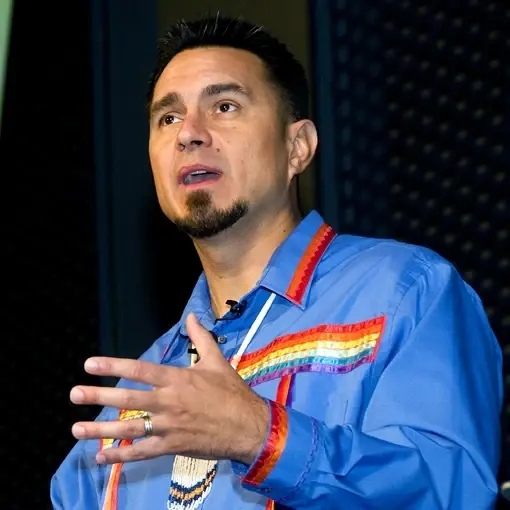
D.J. Vanas is the author of “The Warrior Within”. The book explores how a person can live courageously and serve others without pretending to be invulnerable.
Explore more books by D.J. Vanas