The Best Books on Focus in a Distracted World

Focus is not one problem. These books address work design, technology, immersion, finite time, and compulsive reward from different angles.

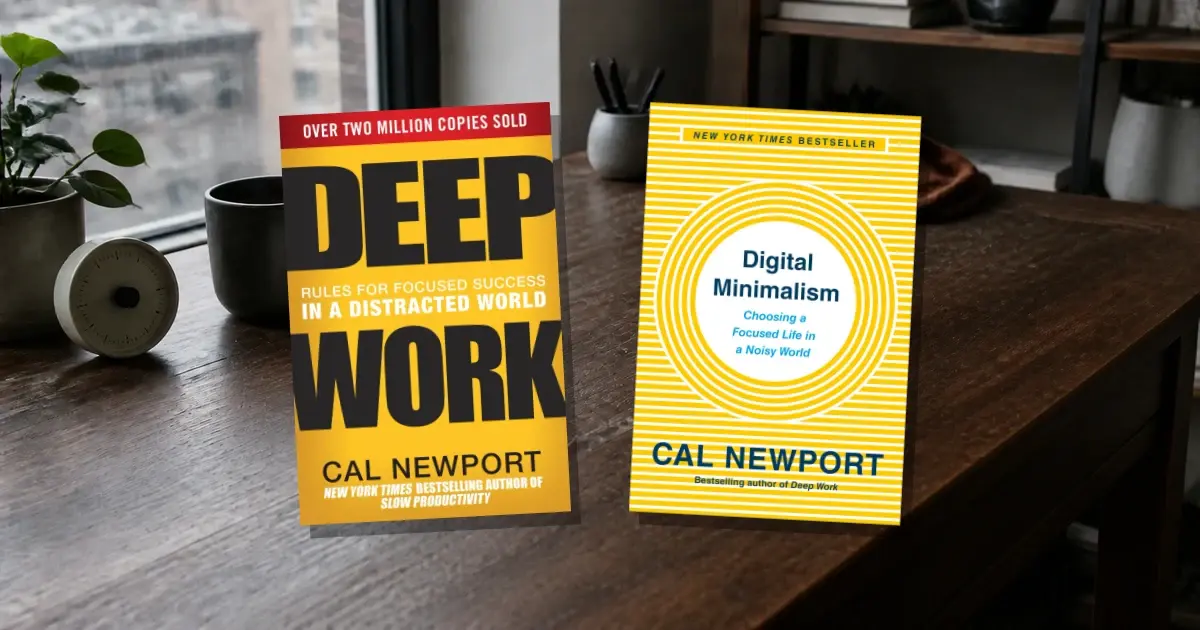
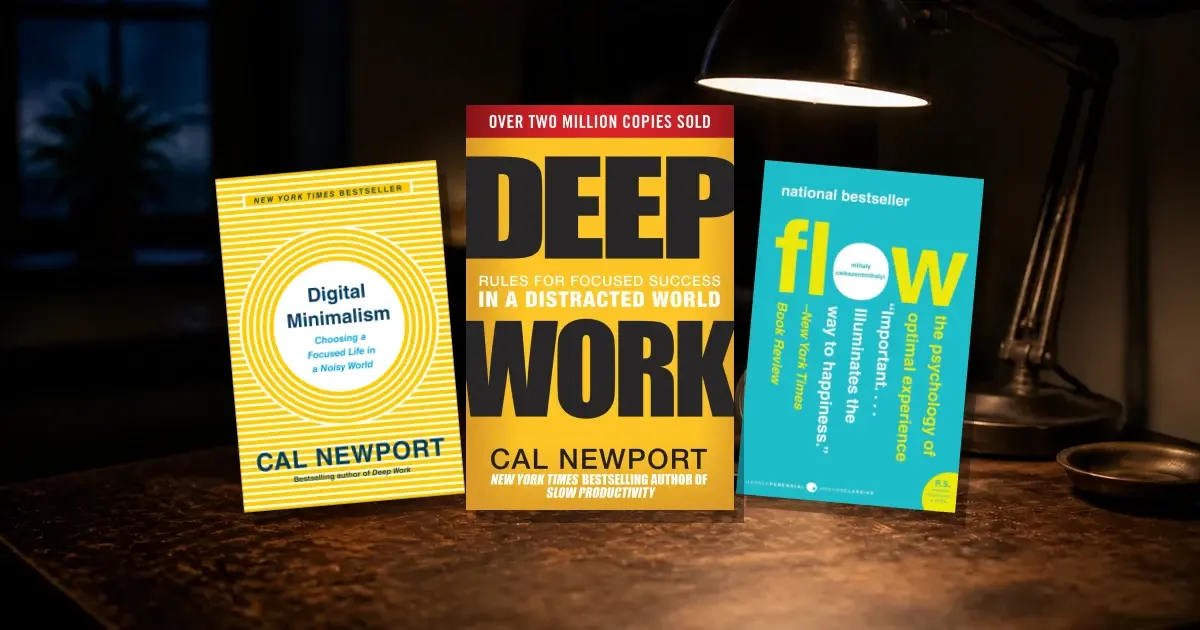
Book covers for Deep Work, Digital Minimalism, and Flow on a natural editorial tabletop

Five books, five attention problems

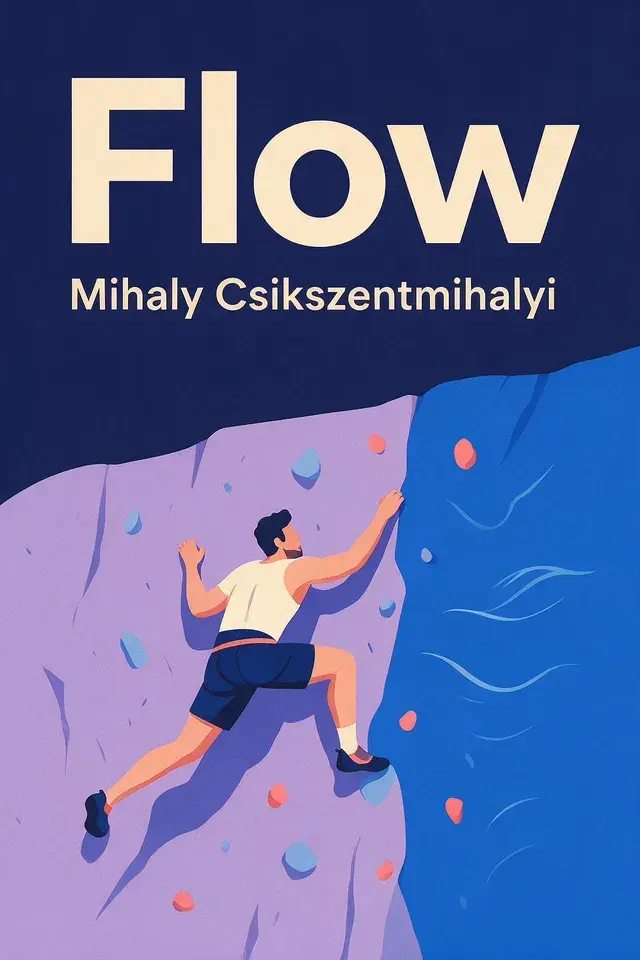
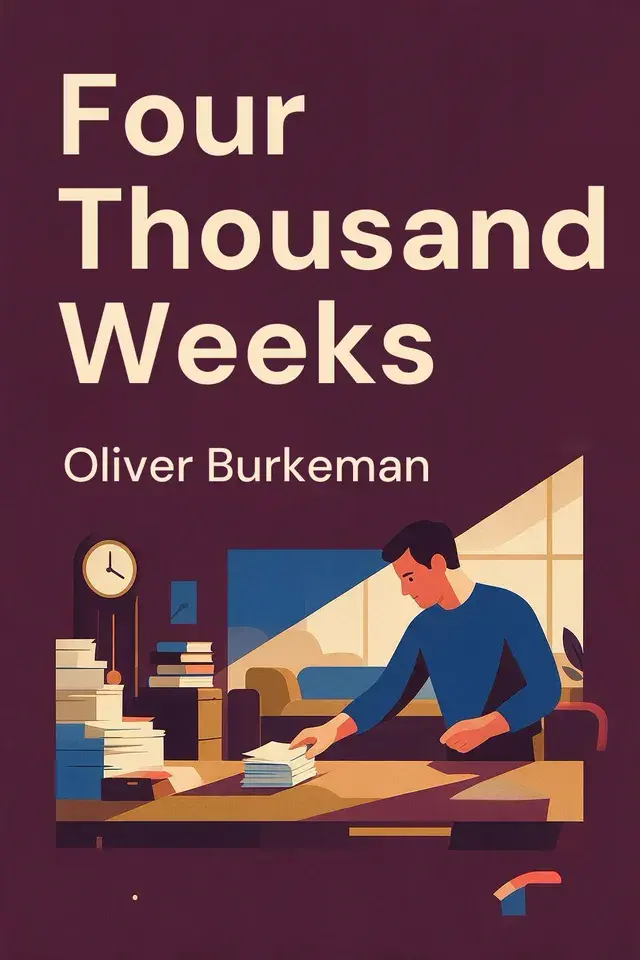
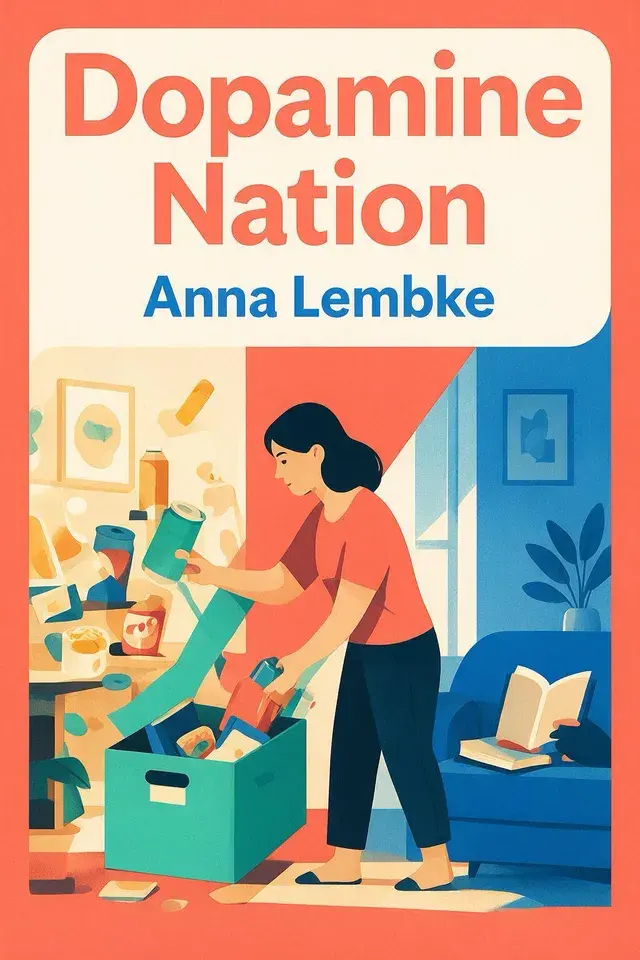
Deep Work asks how valuable concentration is scheduled and protected. Digital Minimalism asks which technologies deserve access to your life. Flow examines conditions under which attention becomes deeply absorbed in a challenging activity. Four Thousand Weeks challenges the fantasy that better optimization will let you do everything. Dopamine Nation considers the pull of repeated reward and the discomfort that appears when stimulation stops. Select the problem before selecting the title.

  • Cannot protect demanding work: Deep Work.
  • Technology repeatedly overrides your intentions: Digital Minimalism.
  • Want to understand absorption and challenge: Flow.
  • Attention is fragmented by too many commitments: Four Thousand Weeks.
  • Repeated stimulation feels difficult to interrupt: Dopamine Nation.

Useful pairings

Pair Deep Work with Four Thousand Weeks when focus has become another demand to maximize; one provides a practice and the other restores limits. Pair Digital Minimalism with Dopamine Nation when you need both a values-based technology rule and a vocabulary for urges and discomfort, while remembering that a book’s clinical or neurobiological framing should not be converted into self-diagnosis. Pair Flow with Deep Work when the task itself, not only the environment, needs better challenge and feedback.

  • Practice plus limit: Deep Work + Four Thousand Weeks.
  • Tool rules plus reward awareness: Digital Minimalism + Dopamine Nation.
  • Protected time plus task design: Deep Work + Flow.

A seven-day test before the next book

Choose one recommendation from the first book: a defined focus block, a technology rule, a challenge adjustment, a deliberate omission, or a pause before a habitual reward. State what you expect to change and what you will observe. At seven days, decide whether the obstacle was addressed. Reading another focus book without running a test can produce a large vocabulary around an unchanged calendar.

  • One rule, attached to one recurring situation.
  • One observable result, such as completed output or fewer unplanned checks.
  • One review that chooses keep, modify, or stop.

Sources and scope

Book ideas are attributed to their authors. External evidence is linked directly when a claim needs more than the source book.

  • Deep Work: Source for focused work, rituals, scheduling, and shallow-work tradeoffs.
  • Digital Minimalism: Source for values-based technology rules and deliberate leisure.
  • Flow: Source for absorption, challenge, skill, goals, and feedback.
  • Four Thousand Weeks: Source for finitude, limits, priority, and deliberate neglect.
  • Dopamine Nation: Source for the book’s reward, discomfort, and compulsive-use framing; not a clinical endorsement.

To report a factual, attribution, rights, or accessibility concern, email hello@wiseley.app.

Questions readers ask

Which focus book should I read first?

Deep Work is the most direct starting point for demanding work. Digital Minimalism is the better first choice when the wider technology environment defeats plans you already know how to make.

Are attention problems always a matter of discipline?

No. Work design, health, disability, caregiving, stress, and organizational expectations can all matter. These books offer lenses, not a diagnosis or proof of personal failure.
Read the source summaries

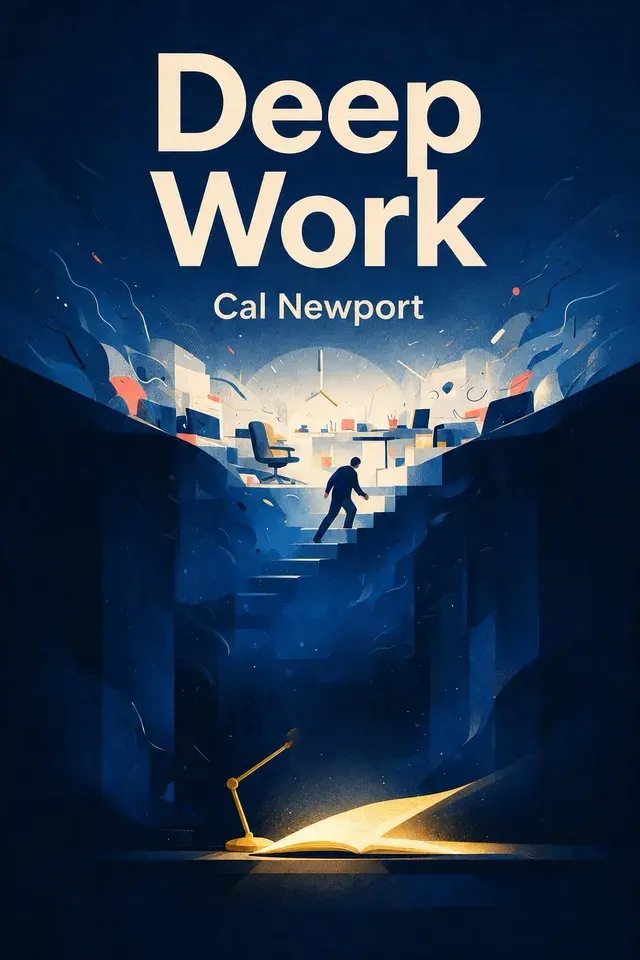
Deep Work

Cal Newport

Cal Newport’s Deep Work asks how people can learn difficult skills and produce valuable results when constant connectivity fragments attention. It argues for distraction-free concentration as both an economic advantage and a source of meaning, then develops practical systems for routines, attention training, tool selection, leisure, scheduling, and communication boundaries.

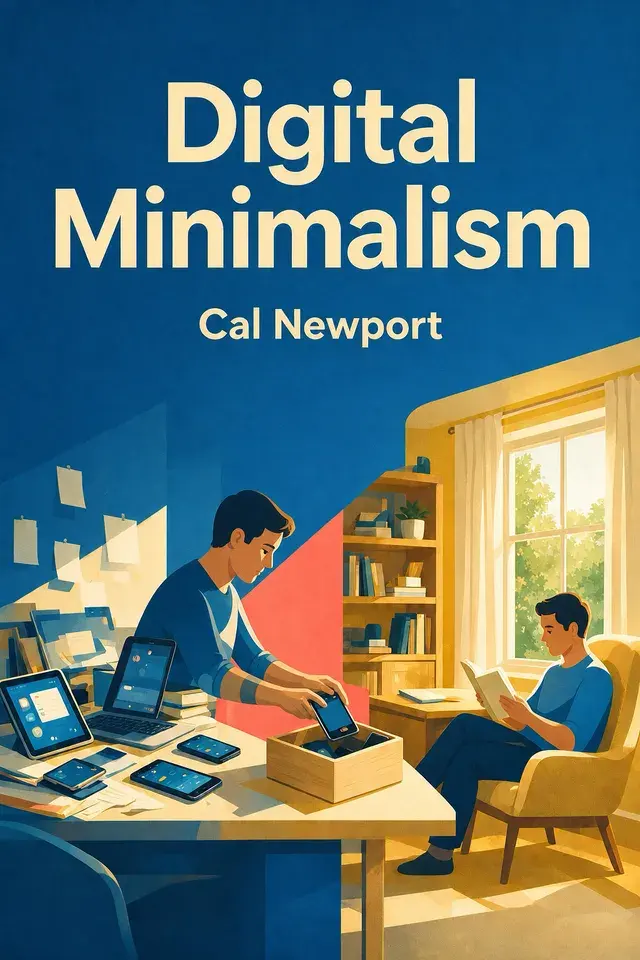
Digital Minimalism

Cal Newport

Cal Newport’s Digital Minimalism asks how to use connected technologies without surrendering attention, solitude, conversation, or meaningful leisure. This audio-first summary follows the attention arms race, a values-based declutter, and practical ways to choose, constrain, and replace digital habits so technology serves a deliberately chosen life.

Flow

Mihaly Csikszentmihalyi

Flow examines how people can improve the quality of life when circumstances cannot guarantee happiness. It asks how attention, challenge, skill, work, relationships, adversity, and purpose can organize consciousness into meaningful experience, while showing why flow's same power can become addictive or harmful. Its value is a framework for self-directed living.

Four Thousand Weeks

Oliver Burkeman

Four Thousand Weeks asks how to live when a human lifespan is brief, demands are effectively unlimited, and no productivity system can create total control. It examines the costs of treating time as a resource and develops a practical philosophy of choosing, attending, resting, waiting, relating, and acting amid uncertainty and unfinished work.

Dopamine Nation

Anna Lembke

Dopamine Nation asks why abundance and easy pleasure so often produce compulsion, anxiety, and pain. It connects addiction neuroscience to clinical stories and offers a practical path—abstinence, self-binding, measured discomfort, radical honesty, and supportive belonging—to recover a fuller capacity for ordinary life.

More books in these topics

Next useful guides

Comparison

Deep Work vs Digital Minimalism: Focus System or Attention Reset?

One book organizes demanding work; the other asks which technologies deserve a place in your life. Here is where each starts—and where they work together.

Practical guide

How to Stop Doomscrolling: A Practical Plan for Your Next Break

Doomscrolling is not every minute on a phone. It is reading on through upsetting content after it stops helping, and a plan for one break can interrupt it.

Practical guide

How to Do Deep Work in a Meeting-Heavy Week

Protect useful concentration without pretending you own an empty calendar: define one output, find the edges, and make your availability predictable.

Reading smarter

How to Read More Nonfiction: A 30-Day Reading Plan

Reading more is a routine problem, not a speed problem. Choose one book, fix a session small enough to survive a bad day, protect three longer blocks a week, and finish with an explanation you can use.

Keep the idea close, or shape a plan around what you want to learn next.