Find your next book
Choose Your Next Nonfiction Book by the Problem You Want to Solve
Start from the problem you want to solve, not the shelf: six common problems, three Wiseley summaries for each, a reason for every title and a note on what to skip.

Start from the problem, not the shelf
Most reading lists begin with a shelf: “I should read more about money.” A shelf names a category before it names a job, so the choice defaults to whatever is popular there. Start one step earlier. Finish the sentence “I want to understand…” or “I want to become able to…” without naming a book. That sentence is the brief for everything below.
Then decide what shape the problem has. Most take one of four shapes, each answered by a different kind of book.
- Behavior: I know what matters, but I do not repeat it.
- Judgment: I make the same kind of decision badly.
- Context: I lack the history, numbers, or system behind an issue.
- Relationship: the same conversation keeps failing.
Match the problem to the kind of help
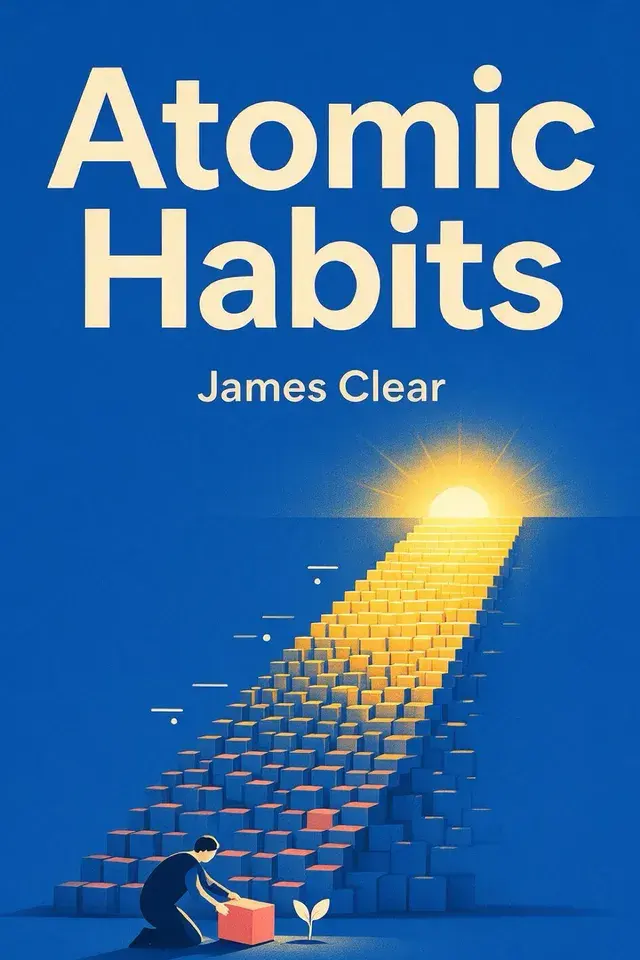
A book is not only a topic. It is an offer of one particular kind of help, and fit depends on whether that offer matches the shape of your problem. Atomic Habits offers James Clear’s system for repeated behavior. Man’s Search for Meaning offers Viktor Frankl’s testimony rather than a technique.
The chooser below matches six common problems to the kind of help each needs, with three Wiseley summaries that make that offer and a note on what to skip.
- Method: steps you can test this week.
- Model: a better way to interpret a recurring choice.
- Context: causes, chronology, institutions, and competing explanations.
- Perspective: an experience or argument to sit with, not to optimize.
A behavior that will not stick
A decision that goes wrong the same way
Time and attention that never feel enough

A conversation that keeps failing
A public issue you cannot explain
A question about meaning, not a task

How these selections were made
Each slate starts from the kind of help the problem needs, not from a ranking. We chose three catalog books that make that offer in different ways, kept every argument attributed to its author, and wrote a reason for each title and a limit for each slate. These are editors’ judgments, open to disagreement.
- Catalog fit: every recommendation is a book Wiseley has summarized, so there is a summary page to check the fit against.
- Not personalized: nothing here reads your history, and no AI or librarian picks for you.
- Not a best-of-the-year list: a slate changes with the catalog and our reasoning, not with the year.
Who should choose a different book
Every recommendation has a limit. Here is when the slate itself is the wrong place to start.
- Behavior: if exhaustion, illness, or a schedule you do not control is the obstacle, no habit system removes it.
- Judgment: these are thinking tools, not advice; money, health, and legal decisions need a qualified professional.
- Time and attention: two of the three assume a calendar you can protect, which not every job allows.
- Conversation: where there is coercion or abuse, a communication framework is the wrong instrument.
- Context: wide-arc arguments rather than reporting, so they will not explain this week’s news.
- Meaning: reflective books ask you to sit with a question; in acute distress, care comes first.
Start with the summary, then decide about the full book
A summary is the cheapest honest test of fit. Read the central question, then the argument, then the chapter path, and notice whether the book is trying to do what your sentence asks. A method book shows its steps early. A context book names its evidence. A perspective book makes you slow down.
Then write one line: “After this book I expect to know or do ___.” If you cannot fill the blank, save the title and move on. Move to the full book when the stakes are high, when you want the evidence and exercises, or when the writing itself is the point.
- Fit: does the book address the actual problem at the right depth?
- Cost: what will you not read or do while reading it?
- Stakes: for money, health, or legal decisions, check claims against current authoritative sources.
When two books look the same
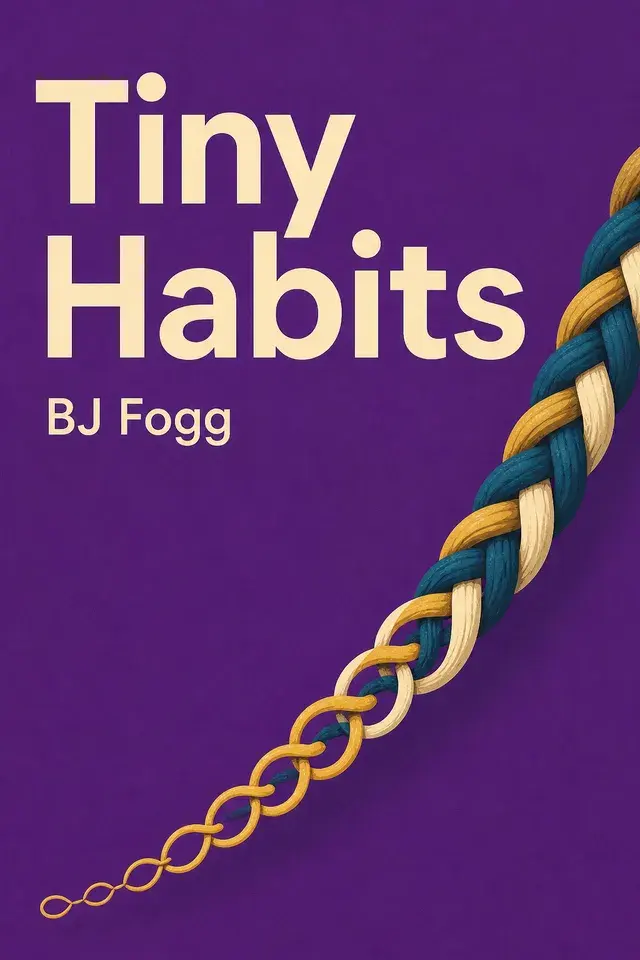
Two books on one topic often make different offers. Atomic Habits and Tiny Habits both promise behavior change, but one builds a system around identity and environment while the other starts from behaviors small enough to feel effortless. Meditations and The Daily Stoic share a philosophy: one is a private notebook, the other a structured daily practice. When torn, read the shorter or older one first.
Choose one title and one review date
Pick one book and set a date to review the choice, usually after the first chapter or the first week. A queue is useful only when it holds decisions rather than accumulated aspiration. Stopping is a decision, not a lapse: it leaves a note and a next choice, where drifting away leaves a half-read book.
- Continue: the book is answering your sentence, so finish it.
- Redirect: the problem was real, but the kind of help was wrong.
- Stop: record why, and keep any note worth keeping.
If you still cannot decide
Indecision usually means the sentence is still vague, or two problems are competing for one slot. Rewrite it until a single problem remains, then choose the smallest book that addresses it. Wiseley’s plan builder starts from the same question and builds a short path through summaries.
Questions readers ask
How do I choose a book to read next?
Write one sentence about what you want to understand or become able to do. Decide whether that needs a method, a model, context, or a perspective. Then read a summary to check the book makes that offer before committing.
Are these book recommendations personalized?
No. The six slates are fixed editorial selections: nothing reads your history, and no AI or librarian chooses for you. The chooser narrows a common problem to three attributed summaries with a reason each, plus what to skip for that problem, so you can judge the fit yourself.
Should I choose a popular book or a specialist book?
Choose the level of evidence and depth your purpose needs. A popular overview can orient you; a specialist work becomes necessary when detail, method, or stakes matter.
Is it okay to stop a book?
Yes. Record why it no longer serves the sentence you wrote, preserve any useful note, and choose the next action. Deliberate stopping is different from drifting away without a review.
Can a summary replace the full book?
A summary is enough to test fit and to carry the central argument. Read the full book when the stakes are high, when you need the exercises and evidence, or when the writing itself is the point.
Sources and scope
Book ideas are attributed to their authors. Use each summary to test the fit.
- Atomic Habits, James Clear: Example of a method-centered choice for repeated behavior.
- The Psychology of Money, Morgan Housel: Example of a mental-model choice for money behavior and uncertainty.
- Supercommunicators, Charles Duhigg: Example of a diagnostic framework for conversations.
- Man's Search for Meaning, Viktor E. Frankl: Example of a reflective work where perspective and testimony matter more than a quick technique.
- Make It Stick, Peter C. Brown, Henry L. Roediger & Mark A. McDaniel: Example of an evidence-led choice for learning practice.
- Tiny Habits, BJ Fogg: Chooser: a behavior-design method that starts smaller than feels worthwhile.
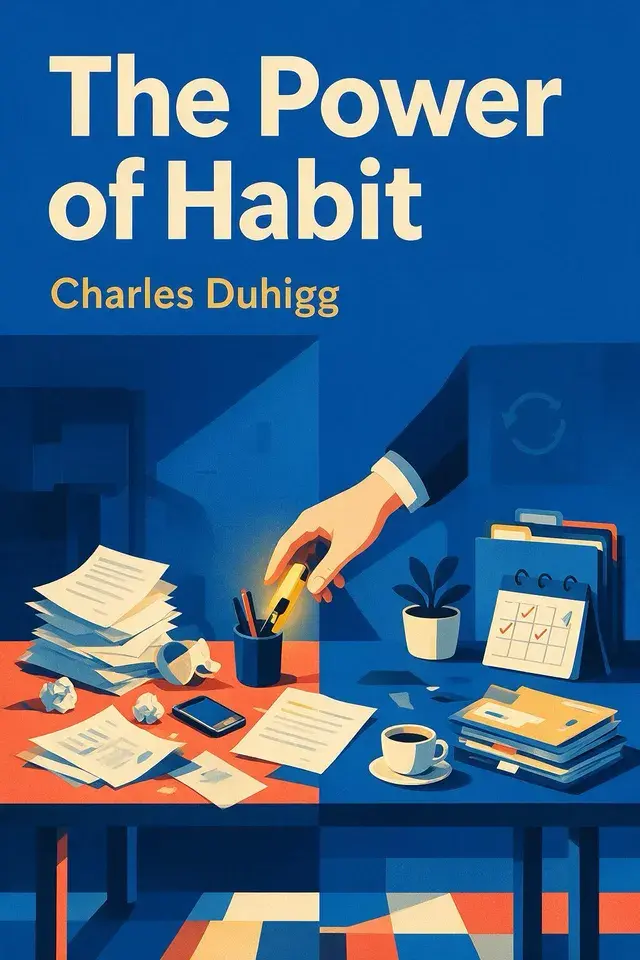
- The Power of Habit, Charles Duhigg: Chooser: the cue, routine, and reward loop for understanding a habit before replacing it.
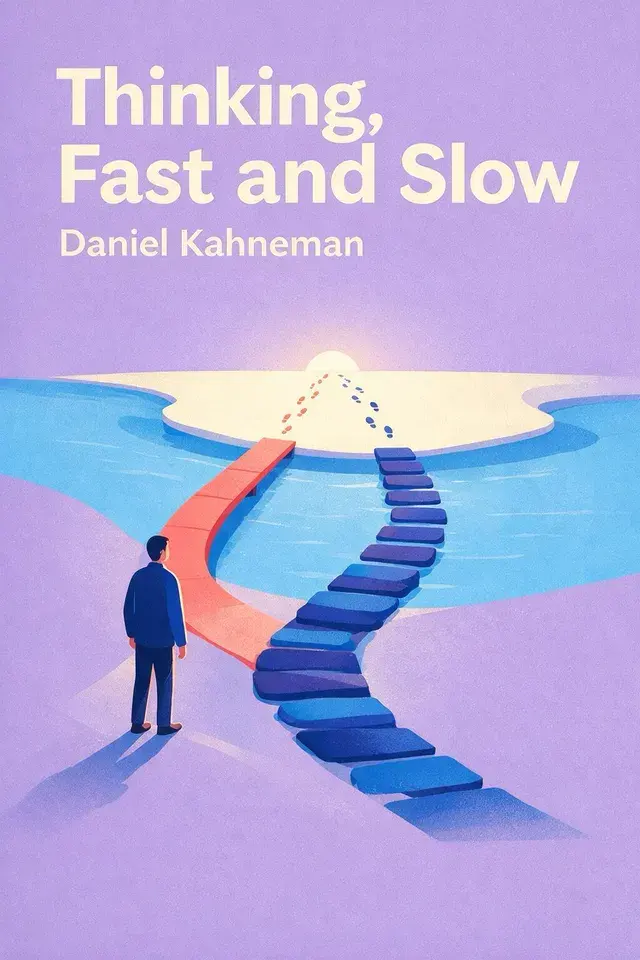
- Thinking, Fast and Slow, Daniel Kahneman: Chooser: the reference model for why quick impressions mislead judgment.
- Decisive, Chip Heath & Dan Heath: Chooser: the WRAP process for a single decision under uncertainty.
- Deep Work, Cal Newport: Chooser: routines and boundaries for concentrated work.
- Essentialism, Greg McKeown: Chooser: discernment and elimination as a method for limited time.
- Four Thousand Weeks, Oliver Burkeman: Chooser: the perspective alternative to another productivity system.
- Difficult Conversations, Douglas Stone, Bruce Patton & Sheila Heen: Chooser: the three conversations inside one argument.
- Nonviolent Communication, Marshall B. Rosenberg: Chooser: the observation, feeling, need, and request sequence.
- Sapiens: A Brief History of Humankind, Yuval Noah Harari: Chooser: a long-arc context book whose claims should be tested against a competing account.
- Why Nations Fail, Daron Acemoglu & James A. Robinson: Chooser: an institutional explanation for why similar places diverge.
- Factfulness, Hans Rosling: Chooser: habits for reading trends, rates, and proportions without dramatic instincts.
- Meditations, Marcus Aurelius: Chooser and comparison example: a private notebook rather than a structured practice.
- The Myth of Sisyphus, Albert Camus: Chooser: an argument about meaning that confronts the absurd without consolation.
- The Daily Stoic, Ryan Holiday & Stephen Hanselman: Comparison example: a structured daily practice contrasted with Meditations.
To report a factual, attribution, rights, or accessibility concern, email hello@wiseley.app.

Reading smarter
When to Read a Book Summary—and When to Read the Whole Book
A summary is a map of an argument, not the full terrain. Choose by purpose, stakes, evidence needs, and the kind of experience the book offers.


Reading smarter
How to Build a Personal Learning Path Instead of a Random Reading List
Organize four roles—foundation, practice, counterpoint, and synthesis—around an ability or question you can test.


Reading smarter
How to Remember What You Read: An Active Reading Method
Nobody remembers everything they read, and no method changes that. What this one gives you is a reliable route back to a book’s argument, evidence, and limits — worked through one real chapter here.
Reading smarter
How to Read More Nonfiction: A 30-Day Reading Plan
Reading more is a routine problem, not a speed problem. Choose one book, fix a session small enough to survive a bad day, protect three longer blocks a week, and finish with an explanation you can use.

Reading list
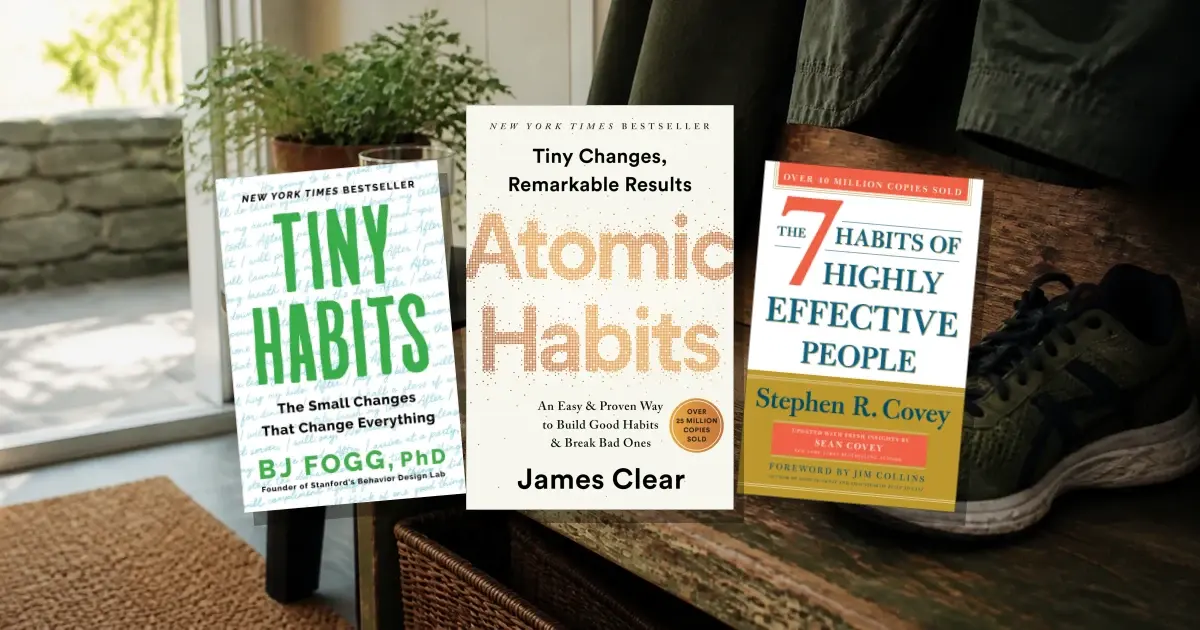
The Best Habit Books for Different Kinds of Stuck
Do not choose by fame alone. Match the book to the point where your behavior breaks: starting, consistency, identity, or priorities.

Reading list
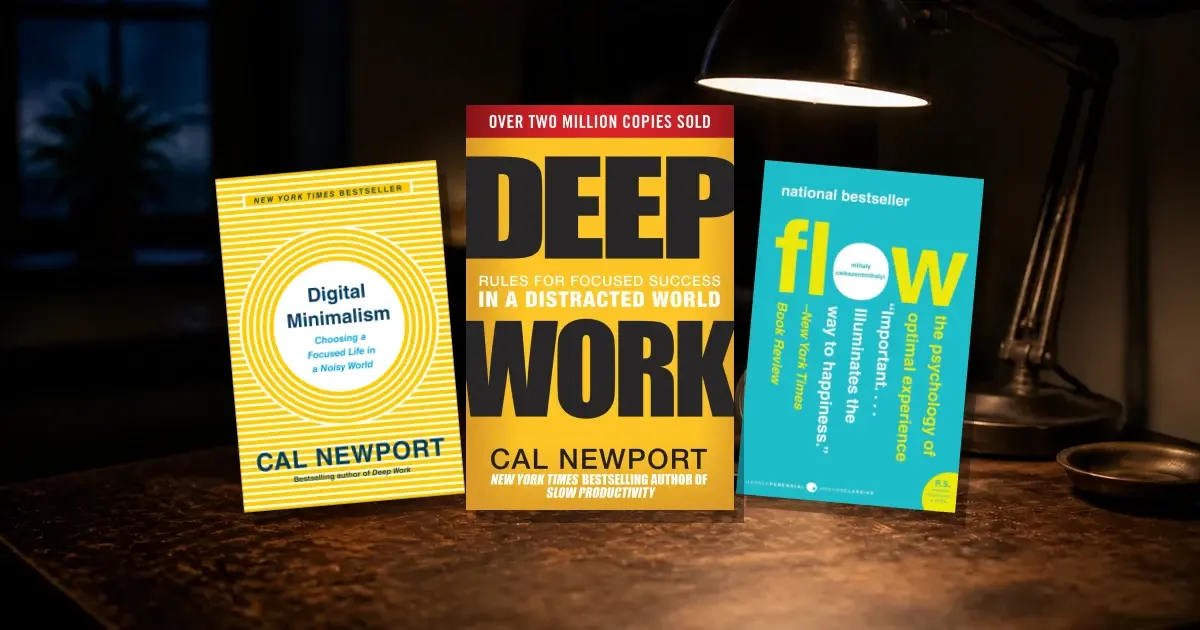
The Best Books on Focus in a Distracted World
Focus is not one problem. These books address work design, technology, immersion, finite time, and compulsive reward from different angles.
Reading list
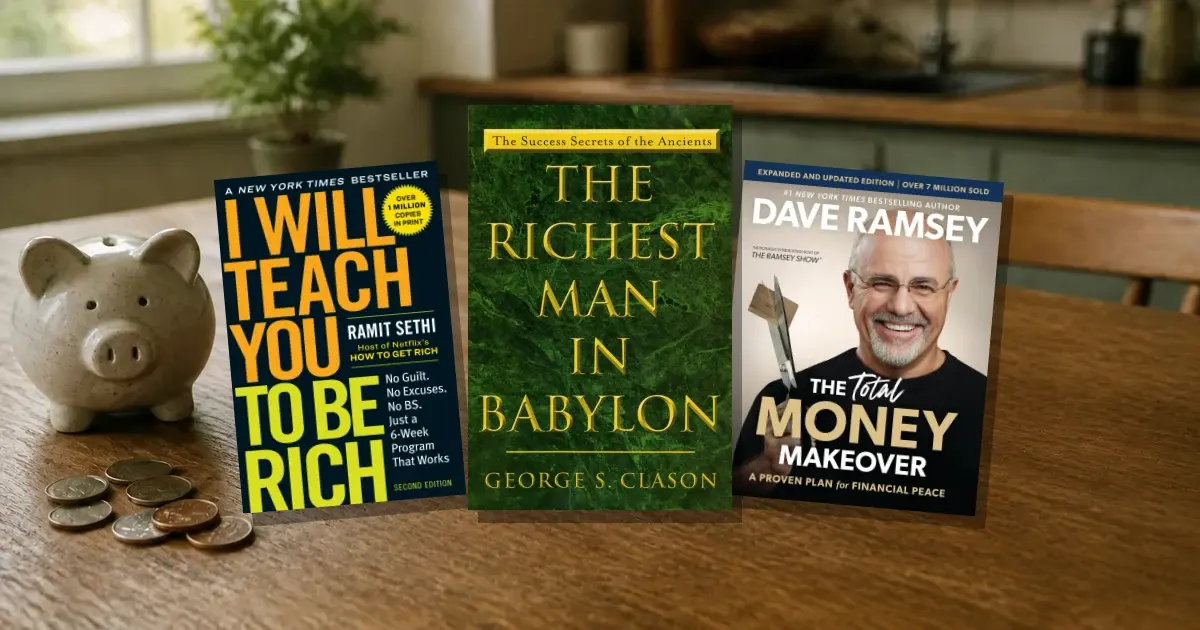
The Best Personal Finance Books for Different Money Struggles
Do not pick by reputation alone. Match the book to the place where your money breaks down: saving at all, escaping debt, holding a system together, or spending what you built. Starting from zero? There is a route for that too.