
Separate the request from the boundary
A request asks another person to do something: “Please call before coming over.” A boundary explains your response if the situation continues: “If you arrive without checking, I may not be able to let you in.” The difference matters because you control only the second part. Begin with the observable situation and the impact, without assigning a motive. A specific statement gives the other person something they can understand even if they dislike it.
- Observation: what happened, without “always,” “never,” or a diagnosis.
- Need: the condition required for safety, capacity, respect, or reliability.
- Request and response: what you are asking for and what you will do if it does not happen.
Use a short script you can repeat
Try: “When X happens, I feel or experience Y because I need Z. I’m asking for A. If that is not possible, I will B.” Remove every sentence whose main purpose is proving that the other person is bad. Then rehearse the shortest version. Long explanations often create more claims to debate and can make a boundary sound negotiable when it is not. Warmth is compatible with brevity; clarity does not require anger.
- Work: “I can review requests received by Wednesday; later changes move to next week.”
- Family: “I will leave the call if insults begin, and we can try again tomorrow.”
- Relationship: “I want to discuss this, but not while either of us is shouting. I will pause and return at seven.”
Respond to pushback without reopening the whole case
The other person may be surprised, disappointed, or angry. Acknowledge the feeling without withdrawing the limit: “I hear that this creates a problem for you. My answer is still no.” Do not add consequences you will not carry out. If the conversation becomes unsafe, prioritize distance and outside support over perfect wording. The success measure is not immediate agreement; it is whether you communicated and followed a limit that was actually yours to keep.
- Validate the reaction, not a false account of what you must do.
- Repeat once in nearly the same words.
- End or pause the conversation when the stated condition is reached.
Sources and scope
Book ideas are attributed to their authors. External evidence is linked directly when a claim needs more than the source book.
- Set Boundaries, Find Peace: Grounds the distinction between a clear limit, a request, and follow-through.
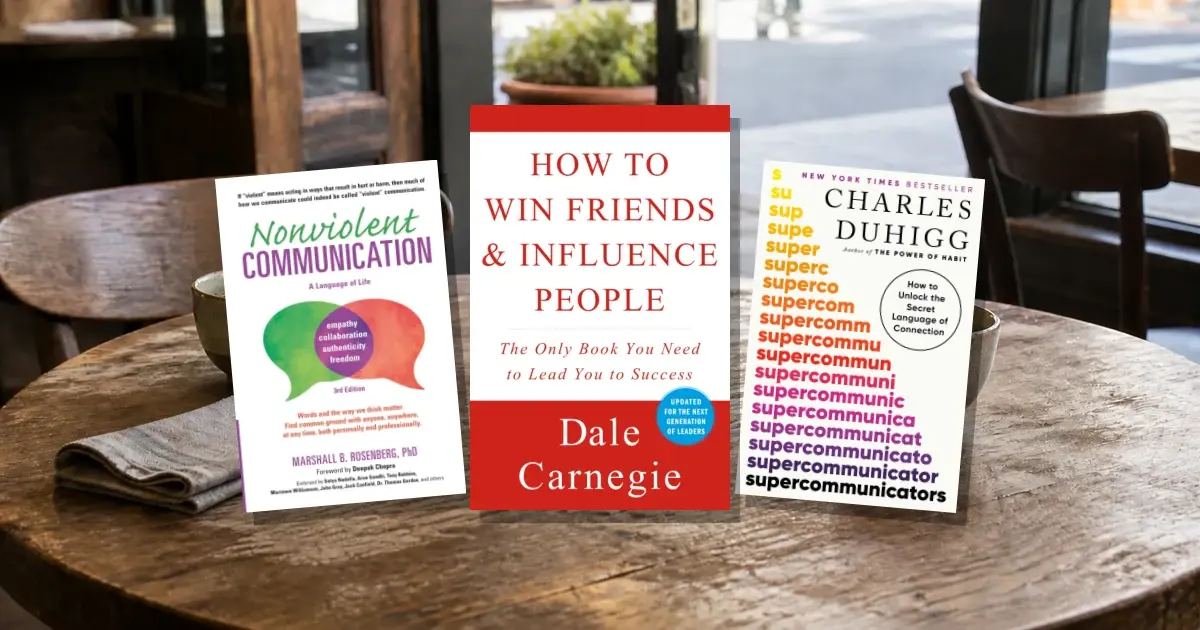
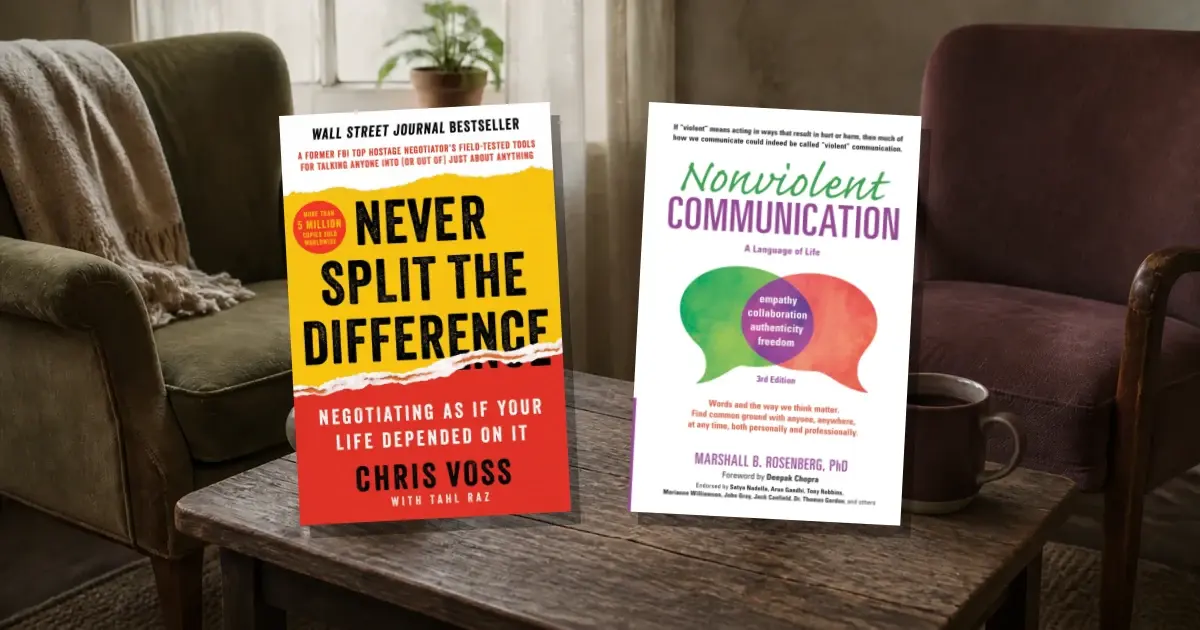
- Nonviolent Communication: Grounds observation, feeling, need, and request language without moral diagnosis.
- Attached: Provides relationship context for protest, reassurance, and recurring attachment patterns.
To report a factual, attribution, rights, or accessibility concern, email hello@wiseley.app.
Questions readers ask
Is a boundary selfish?
A boundary can disappoint someone without being selfish. Evaluate whether it protects a legitimate need, respects the other person’s agency, and describes an action you can take rather than a punishment designed to control them.
What if the person ignores the boundary?
Follow the response you stated if it is safe and realistic. Repeated explanation without follow-through teaches that the limit is only a request for debate.