
Minutes 1–5: facts, story, and stakes
Divide a page into three boxes. In “facts,” write what a camera or calendar could confirm. In “story,” write your interpretation of motive or pattern. In “stakes,” write why the issue matters to the work or relationship. This separation does not make your interpretation false; it stops you from presenting it as settled evidence. Reduce the opening to one fact and one impact. The rest belongs in questions, not a prosecution brief.
- Fact: “The last two handoffs arrived after the agreed date.”
- Story: “My work is not a priority for them.”
- Stake: “We cannot plan the launch reliably.”
Minutes 6–10: choose the conversation and questions
Ask what kind of conversation this needs to be. Is it mainly practical, emotional, or social? A practical conversation needs constraints and a decision. An emotional conversation needs acknowledgment before problem-solving. A social conversation may involve status, trust, or who gets to decide. Then write three questions you do not already know the answer to. Questions should make room for information, not smuggle an accusation behind a question mark.
- “What is making the current date difficult to meet?”
- “What impact do you think this has had on the team?”
- “What agreement would be realistic next time?”
Minutes 11–15: write the opening and the exit
Use an opening that names purpose, observation, and invitation: “I want us to make handoffs more predictable. The last two arrived after Friday, which compressed review. Can we look at what happened and agree on a workable process?” Finally, decide what happens if the discussion gets stuck: summarize what you heard, name the unresolved point, and schedule the next step. Preparation is successful when you can stay curious without hiding the decision that must be made.
- Purpose: the outcome or relationship you are trying to protect.
- Opening: one observation, one impact, one genuine question.
- Exit: the decision, follow-up, or pause that prevents circular argument.
Sources and scope
Book ideas are attributed to their authors. External evidence is linked directly when a claim needs more than the source book.
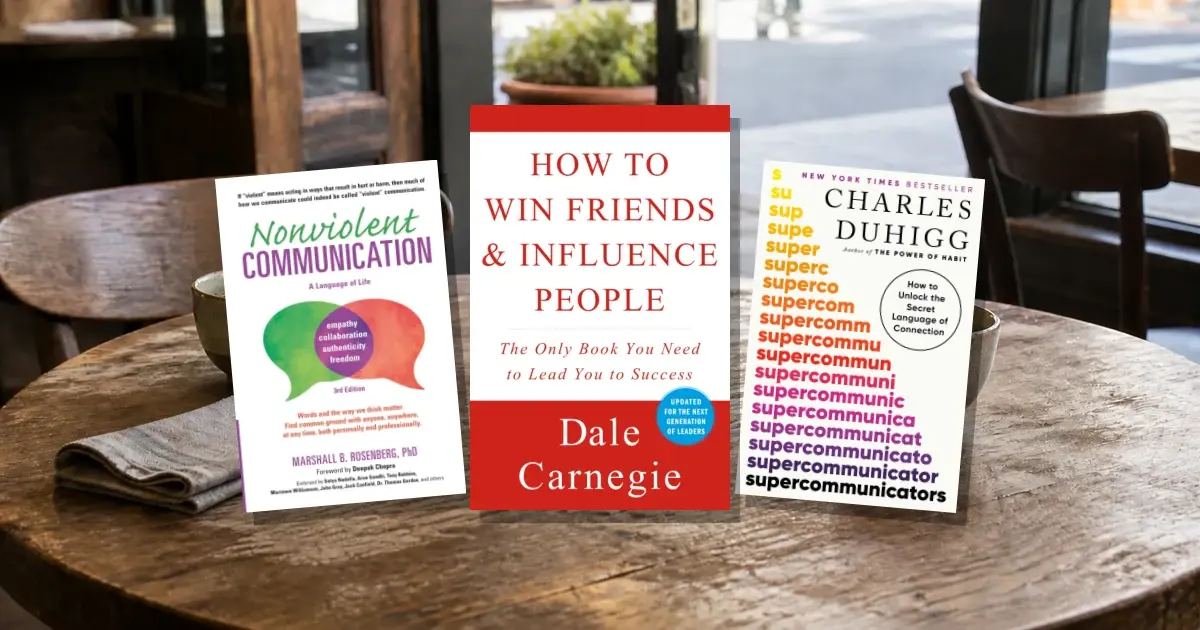
- Supercommunicators: Grounds the practical, emotional, and social conversation distinction.
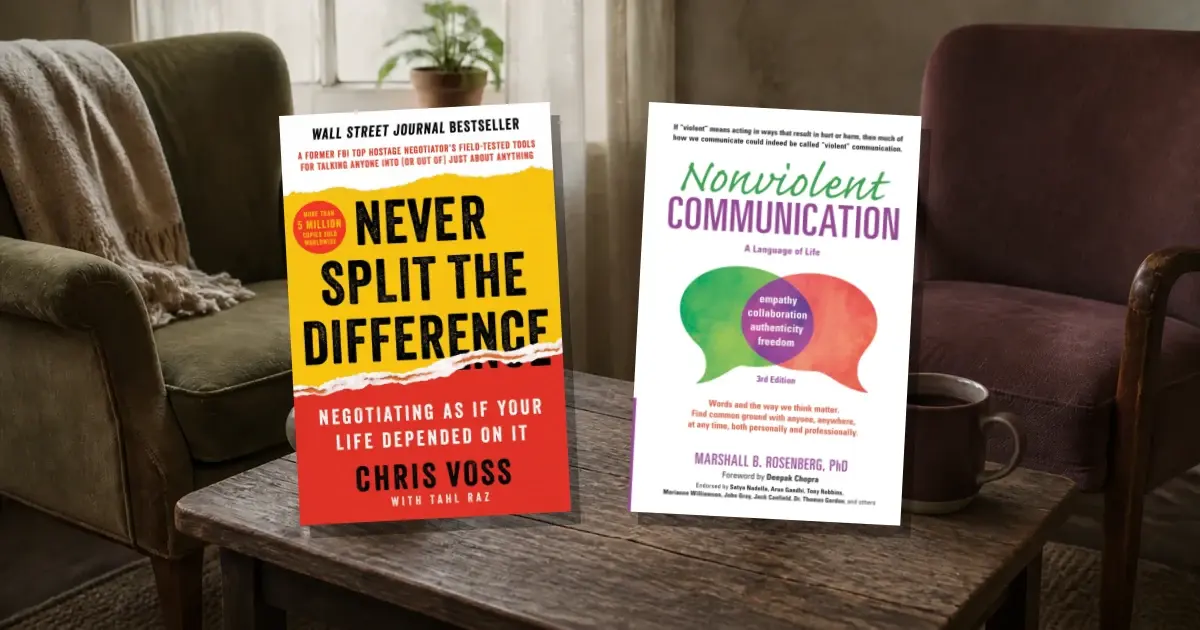
- Nonviolent Communication: Grounds the observation, feeling, need, and request structure.
- How to Win Friends and Influence People: Grounds the emphasis on sincere interest, respect, and avoiding needless status threat.
To report a factual, attribution, rights, or accessibility concern, email hello@wiseley.app.
Questions readers ask
Should I send my concerns in writing first?
Use writing to state purpose, logistics, or a short factual record. Avoid sending a full argument when tone and questions matter; it can harden positions before the conversation begins.
What if I become emotional?
Emotion does not invalidate the issue. Slow down, name that you need a moment, and return to the purpose and next question. If you cannot continue constructively, use the exit you planned.