Choose by growth constraint
"Our marketing is weak" usually means one of five different things. Nobody knows what the product is. People understand it but forget it by tomorrow. It gets talked about once and then dies. The product itself gives no one a reason to mention it. Or offers keep landing on people who have already said no in their heads. Each book here attacks one of those.
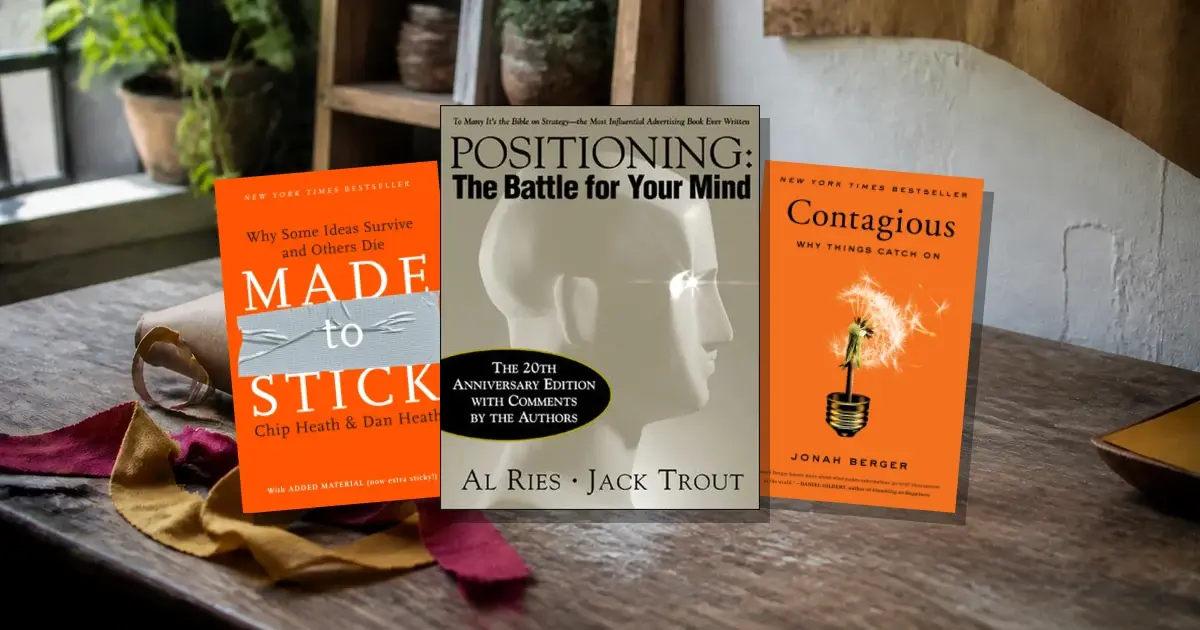
- No clear place in the buyer's mind: Positioning.
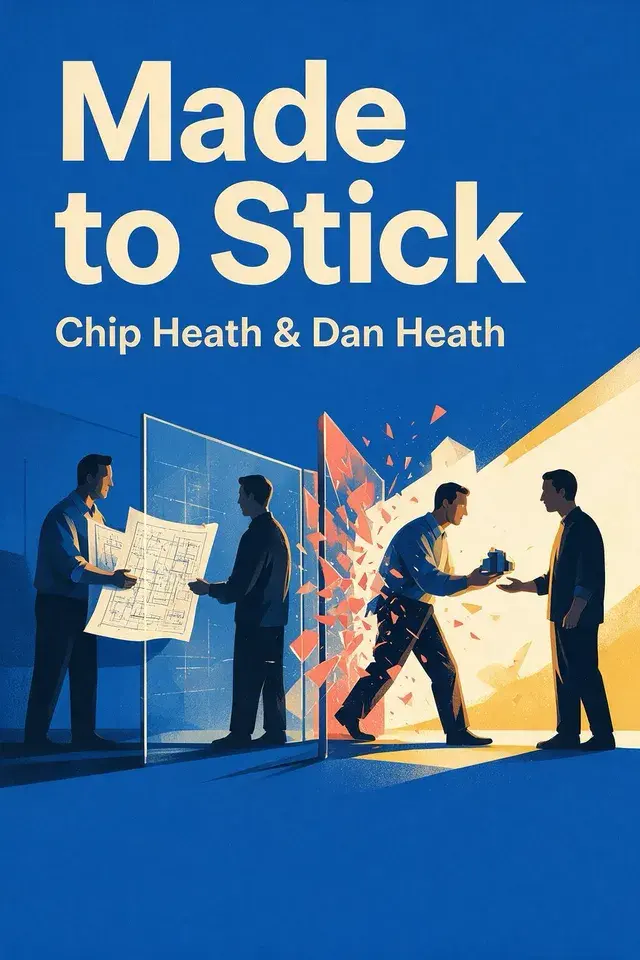
- Ideas evaporate before they spread: Made to Stick.
- Attention without ongoing word of mouth: Contagious.
- Advertising compensating for an unremarkable product: Purple Cow.
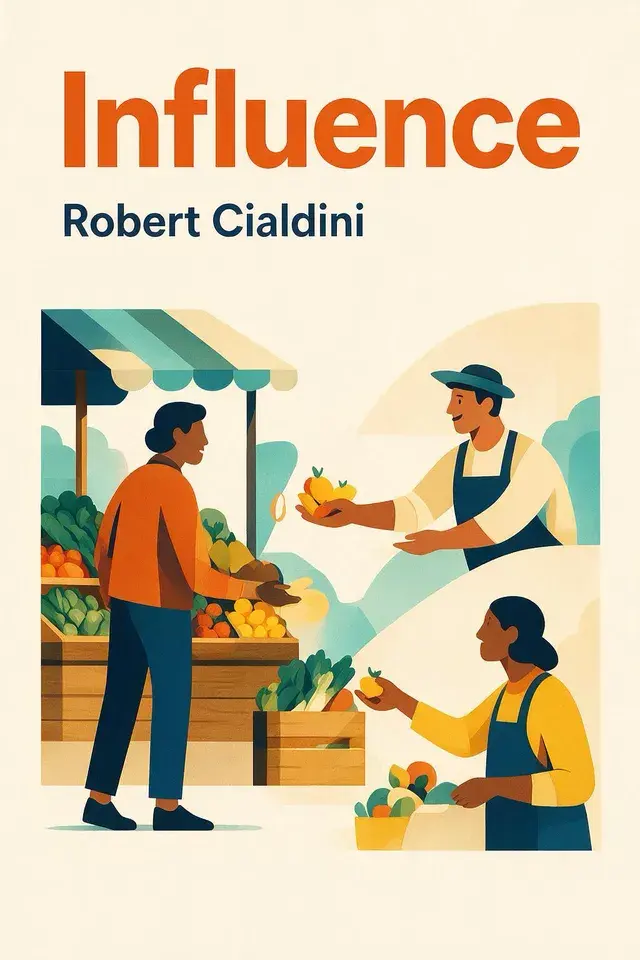
- Messages that land but offers that get refused: Influence.
What each book adds
Ries and Trout move the battlefield from the product to the prospect's mind: mental ladders with few rungs, first-mover advantage, repositioning the competition, and the long-term cost of line extensions. The Heaths diagnose the Curse of Knowledge and supply six design traits — simplicity, unexpectedness, concreteness, credibility, emotion, and stories — for messages that survive contact with real audiences. Berger's STEPPS explains transmission mechanics: social currency, triggers, arousal-driven emotion, public visibility, practical value, and story-carried facts. Godin argues remarkability must live inside the offering itself, aimed at a passionate niche and renewed through deliberate cycles rather than safe incrementalism. Cialdini grounds all of it in the psychology of compliance — reciprocity, commitment, social proof, liking, authority, and scarcity — including when those shortcuts tip into manipulation.
- Best first marketing book: Positioning, because every later tactic inherits its position.
- Best craft upgrade for any communicator: Made to Stick's six traits as an editing checklist.
- Best bridge between marketing and product work: Purple Cow's case that design is the marketing.
A reading order from position to persuasion
Start with Positioning to decide what single idea you can own, then use Made to Stick to compress that idea until strangers can repeat it. Contagious tells you whether the idea has built-in reasons to travel; if not, Purple Cow argues the fix belongs in the product, not the campaign. Keep Influence open throughout as the ethics-and-effectiveness check on every offer.
- Write your position in one word competitors cannot claim.
- Test whether customers can retell your core message unprompted.
- Audit the last launch against STEPPS before buying more ads.
Sources and scope
Book ideas are attributed to their authors. External evidence is linked directly when a claim needs more than the source book.
- Positioning: The Battle for Your Mind: Source for the prospect's-mind frame, mental ladders, first entry, repositioning, names, and line-extension costs.
- Made to Stick: Source for the Curse of Knowledge and the SUCCESs traits: simple, unexpected, concrete, credible, emotional, story-based.
- Contagious: Source for STEPPS: social currency, triggers, emotion via arousal, public visibility, practical value, and stories.
- Purple Cow: Source for remarkability in the product, niche-first otaku, the safety penalty, and the renewability cycle.
- Influence: Source for reciprocity, commitment, social proof, liking, authority, scarcity, and keeping shortcuts honest.
To report a factual, attribution, rights, or accessibility concern, email hello@wiseley.app.
Questions readers ask
Is Positioning still relevant in the digital era?
More than ever. The book's premise is communication overload, and attention has only gotten scarcer since. Mental ladders, first-entry advantage, and the sacrifice required to own one association now apply to app stores, search results, and feeds as much as to the print era the authors wrote in.
How are Contagious and Purple Cow different?
Berger explains how ideas travel once a product exists — triggers, visibility, and shareable practical value. Godin argues the deeper lever sits earlier: making the product itself worth remarking about for a specific passionate audience. Read Contagious to improve transmission; read Purple Cow when transmission keeps failing despite good campaigns.
Is Influence about persuading people or defending against manipulation?
Both, deliberately. Cialdini frames the six principles as shortcuts that normally make cooperation efficient, then shows how they are exploited. Marketers learn to build honest versions of each trigger; readers also learn to pause when arousal, urgency, or manufactured scarcity is doing the deciding for them.