
What you'll learn
Key ideas from Smart Money Smart Kids
These ideas compress the book's argument without treating the author's view as settled fact. Use them as an orientation before reading the full work or listening in Wiseley.
Visible spending limits make finite money concrete: when an envelope is empty, spending in that category stops.
Parents make generosity concrete when children see giving and understand whom it helps.
A zero-based monthly plan assigns all expected income before spending, with parents coaching teens toward independent account management.
The authors frame borrowing as an obligation that can narrow future choices and make unaffordable purchases look manageable.
Scholarships, grants, careful review of aid offers, savings, and earnings can form a plan that avoids student loans, though awards are not guaranteed.
Marketing and comparison can make possessions seem like answers to dissatisfaction and measures of personal worth.
Consistent, loving limits help children connect choices with consequences while leaving room for individuality.
The gradual transfer of freedom gives children practice using judgment before they manage adult responsibilities.
Inside Smart Money Smart Kids
Read the first chapter in full here. The other 9 continue in the Wiseley app.
Chapter 1 of 10 · 4 min · Audio & text
Build a New Money Legacy
Smart Money Smart Kids, by Dave Ramsey & Rachel Cruze.
Children learn about money from what their parents explain and from what they see happening at home. Everyday choices can become a family’s way of handling money: what gets bought, what gets saved for, and how people respond when they cannot afford everything they want. The authors argue that parents can choose which habits to pass on, whatever their own financial starting point. A family that is already secure still has reason to handle money intentionally and teach its children to do the same.
Dave Ramsey’s reason for making that case began with financial failure. He and his wife, Sharon, went broke and filed for bankruptcy when their children were very young. Dave had built a real estate business on debt. After business decisions went badly and banks called in loans he could not repay, the family faced lawsuits and bankruptcy. Dave says he and Sharon began recovering by learning and applying money principles they understood as common sense and rooted in the Bible.
The experience changed what they wanted to pass on. They resolved not to repeat the same pattern and to teach their children about money, knowledge, and character. Dave presents the family’s changed circumstances and their children’s later ability to handle money as evidence that a different tradition could take hold. He also says they did not put the principles into practice perfectly. He remembers times he was an awful money dad and times Sharon gave in to a child’s whining. Their effort to model better habits did not depend on never making a mistake.
Rachel’s account begins from a different place. She was an infant when her parents filed for bankruptcy. She says she did not personally experience the bankruptcy and debt-collector crisis; she grew up seeing them rebuild and hearing the lessons they learned. Dave’s work came from helping people in crisis. Rachel describes her own aim as helping young people learn before they encounter financial trouble. Her confidence, she says, came from her parents’ teaching and extra effort, not simply from being Dave Ramsey’s daughter.
In Rachel’s childhood, the recovery showed up in small, repeated choices. Her mother used coupons and looked for clearance items, and Rachel wore her sister’s hand-me-down dresses, tights, and shoes. Rachel did not initially realize that other families bought things differently. What an adult might see as a money decision was simply part of the household routine. Those choices helped make thrift familiar without requiring a formal lesson each time.
Giving was also part of family life, including when money was tight. Rachel remembers putting a dollar from her Give envelope into the church offering. Her parents gave consistently and involved their children. After church, the Ramseys ate lunch at home every week because a restaurant was not in the budget. Dave would make lunch at home feel like going to a special restaurant. The limit remained real, but the family’s way of responding to it gave the meal warmth and meaning.
These memories show how a family tradition is formed through ordinary experience. The children saw that a household could make careful choices, keep giving important, and still enjoy time together. Rachel says those routines shaped her. The example does not depend on copying the family’s exact choices. Its point is that children notice the patterns around them, and parents can make those patterns more deliberate.
Parents do not have to wait until they feel like financial experts or have corrected every past mistake. Dave’s family story includes both a serious failure and imperfect efforts to change. Rachel’s story shows what a child can learn by growing up during that change. The authors invite parents to begin teaching from where they are now, whether they are recovering from money problems or already doing well. That new tradition starts with the choices children can see and the conversations families make time for.
Chapter 2 of 10 · 7 min · Audio & textIn the app
Work Connects Effort to Earning
For the authors, work gives children a practical lesson in where money comes from: a task is done, an agreed payment follows, and effort becomes income. They argue that household work also builds discipline, confidence, dignity, and the satisfaction of finishing something.
Chapter 3 of 10 · 10 min · Audio & textIn the app
Use Money with Intention
The authors connect spending and saving because both teach the same basic lesson: money is finite, and choices use it up. A visible limit makes that easier for a child to understand.
Chapter 4 of 10 · 6 min · Audio & textIn the app
Make Generosity Part of Practice
The authors present generosity as more than a decision about how to divide money. It is a way of seeing what a person has and whom it might help.
Chapter 5 of 10 · 8 min · Audio & textIn the app
Budgeting Builds Independence
A budget turns money from something a family reacts to into something it plans. Children learn that change by watching their parents make a household budget each month and follow it.
Chapter 6 of 10 · 7 min · Audio & textIn the app
Question Borrowing’s Normalcy
The authors ask parents to teach children to question a familiar promise: that borrowing is simply how people buy things. They define debt broadly as owing money to anyone, whether through a credit card, car loan, student loan, or mortgage.
Chapter 7 of 10 · 10 min · Audio & textIn the app
Paying for College Without Loans
The authors apply their general advice about avoiding debt to one of a family’s largest expenses: college. They describe meeting an engaged couple, each carrying eighty thousand dollars in student loans.
Chapter 8 of 10 · 7 min · Audio & textIn the app
Contentment Resists Comparison
Money lessons are shaped by more than what a child earns, saves, or spends. The surrounding culture keeps suggesting that life would be fuller with one more product, trip, or upgrade.
Chapter 9 of 10 · 10 min · Audio & textIn the app
Boundaries Prepare for Adulthood
Money lessons reach beyond rules for earning, spending, or saving. The authors argue that family relationships and everyday behavior shape whether children can use what they learn.
Chapter 10 of 10 · 7 min · Audio & textIn the app
Prepare the Next Stewards
Parents spend childhood teaching by degrees, but the purpose is not to manage a child’s choices forever. It is to prepare someone who can make decisions and carry their consequences after leaving home.
Chapter 1 of 10 · 4 min · Audio & text: Build a New Money Legacy
Wiseley supports reading and listening to summaries in the app.
Continue in WiseleyAbout Dave Ramsey & Rachel Cruze
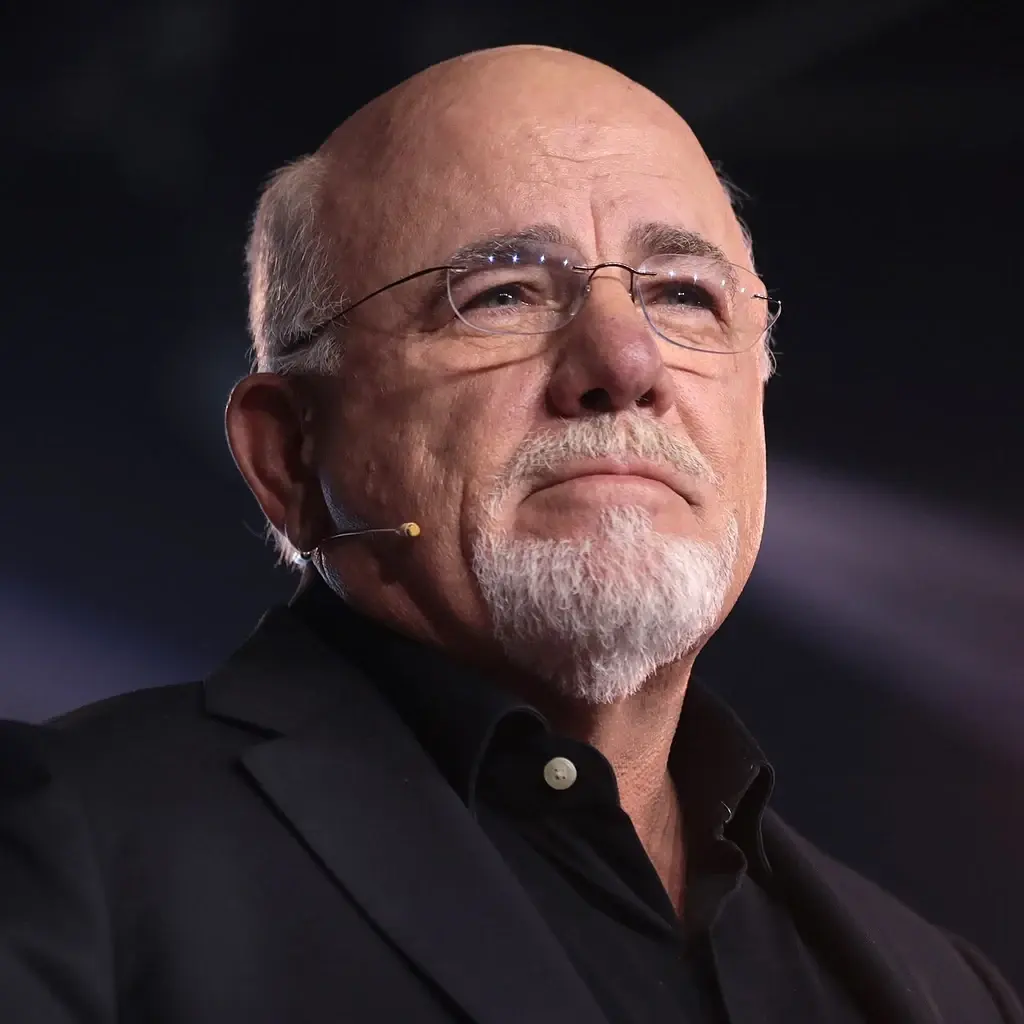
Dave Ramsey
Dave Ramsey is an American financial advisor, author and radio personality. “The Total Money Makeover” explores the author's approach to reducing debt, budgeting, and building financial stability.
Explore more books by Dave Ramsey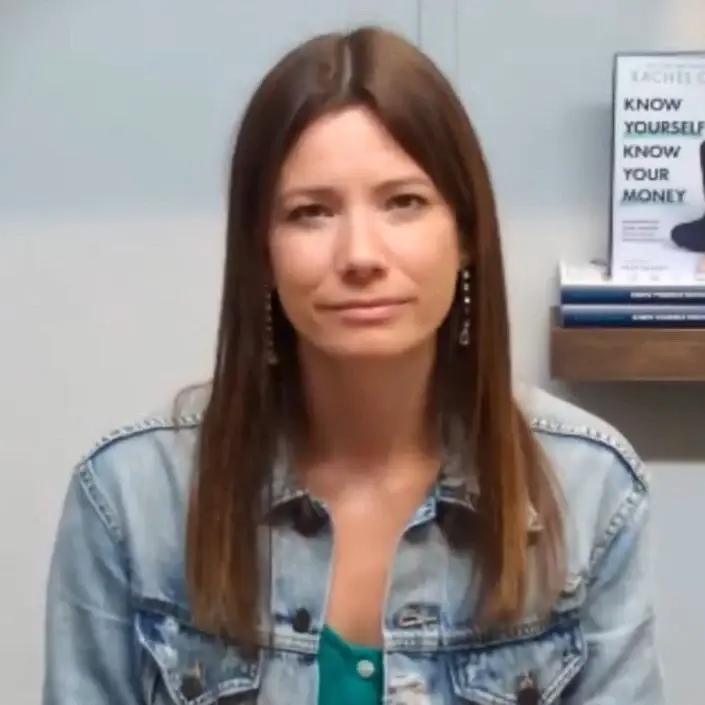
Rachel Cruze
Rachel Cruze is an American personal finance author and cohost of The Ramsey Show. “Smart Money Smart Kids” explores how parents can equip children to manage money and which family habits shape that ability.
Explore more books by Rachel Cruze