
Freeze the claim before it changes shape
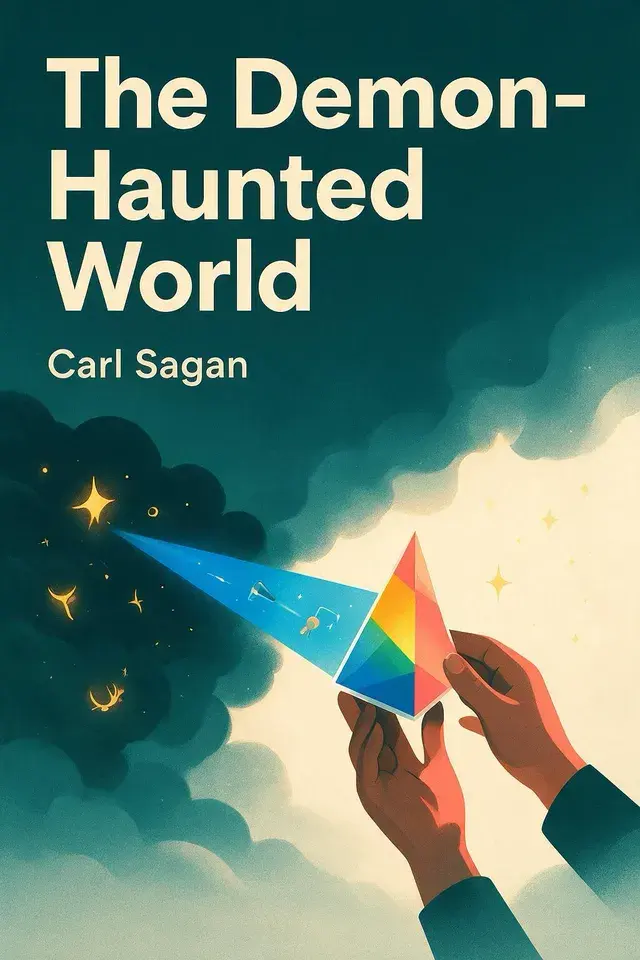
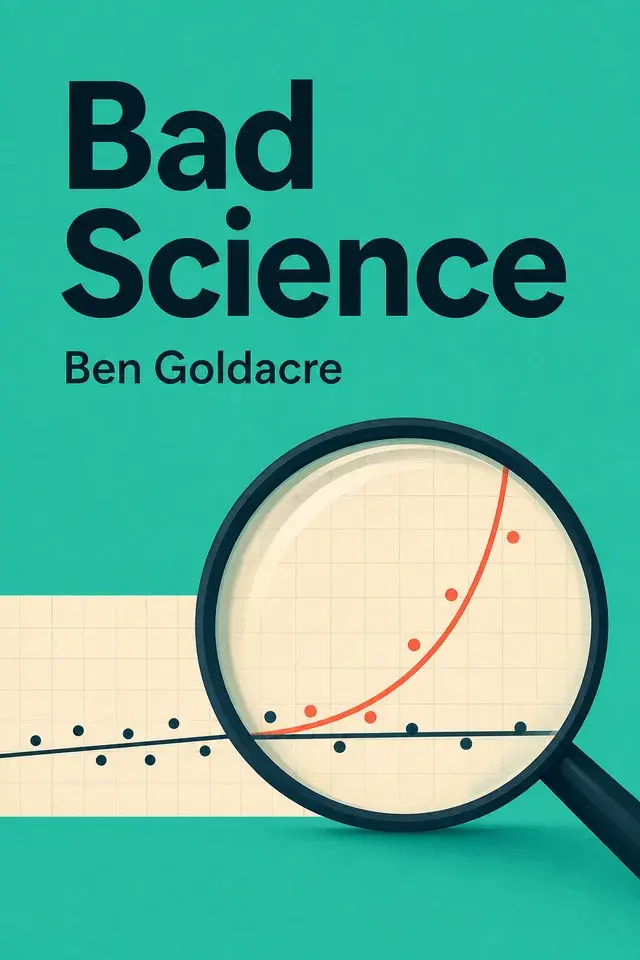
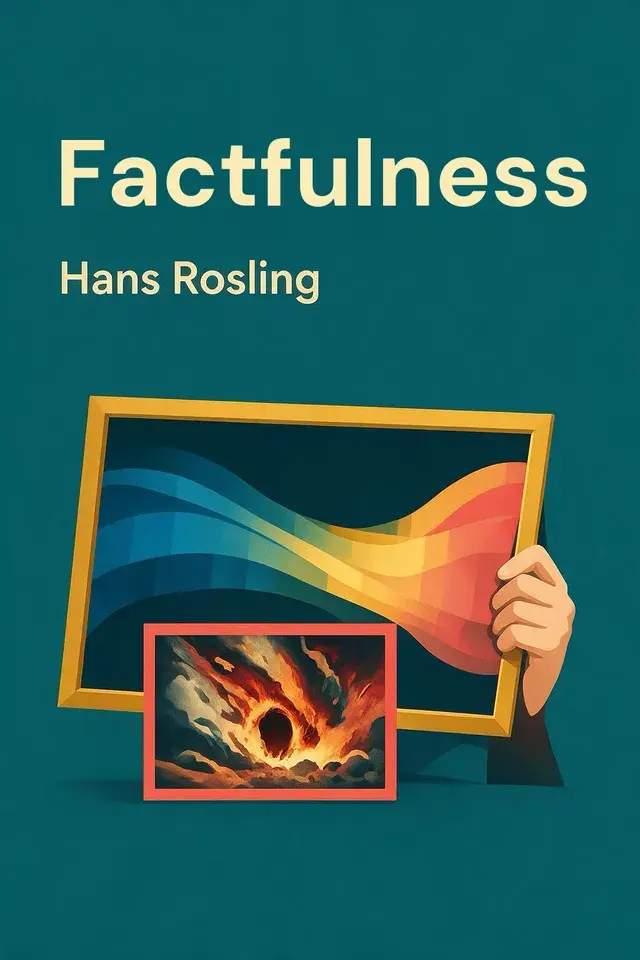
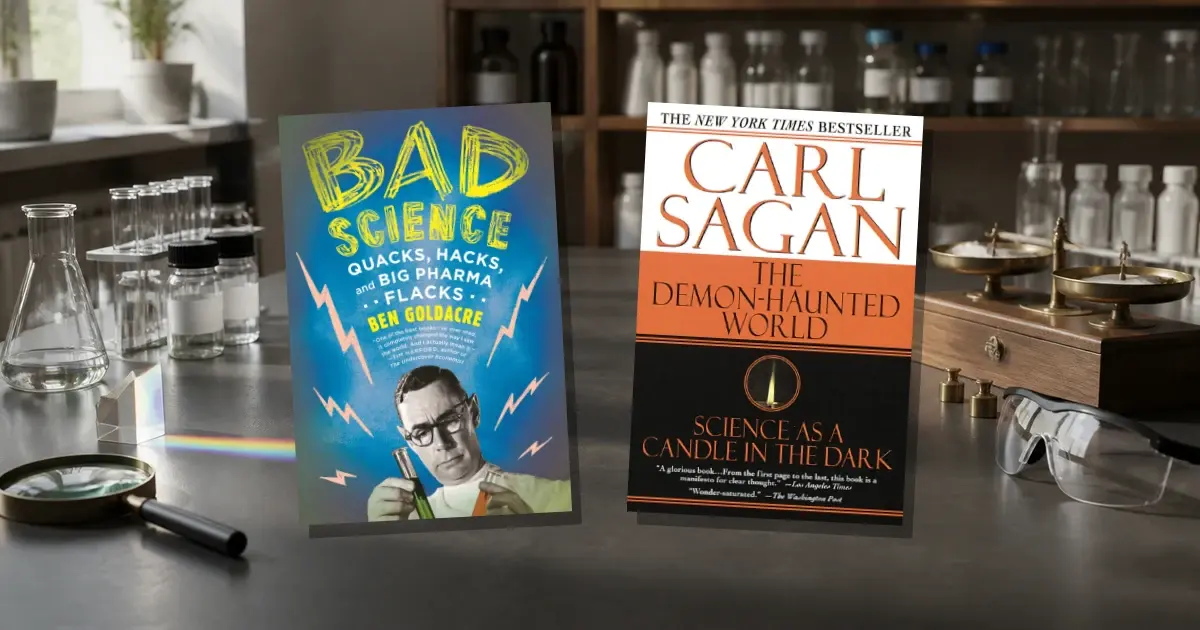
Copy the exact sentence and underline the population, cause or association, outcome, size, and time frame. Replace vague verbs such as proves, transforms, or is linked to with the narrow relationship being claimed. The Demon-Haunted World treats precise, testable statements as protection against wishful explanation. Bad Science shows how reporting can strengthen a claim as it travels. Factfulness adds the discipline of checking categories, rates, and scale before reacting to a dramatic number.
- Preserve the original wording and URL or citation.
- Write what the claim would predict in observable terms.
- Separate the reported result from the story attached to it.
Trace the citation to what was measured
Follow the chain from commentary to news report, press release, abstract, and original paper or dataset. Record who or what was studied, how variables were measured, the comparison, duration, uncertainty, exclusions, and whether the design can support causation. A laboratory mechanism, animal result, observational association, randomized experiment, and meta-analysis answer different questions. If the source is unavailable, say so; do not let a confident secondary description stand in for methods you cannot inspect.
- Identify the closest available primary source.
- Match the verb you use to the study design.
- Check whether the measured outcome is the one described publicly.
Calibrate the sentence you are willing to repeat
Write three versions: what the study directly found, what the authors infer, and what remains unknown. Include the relevant population and avoid presenting one result as settled consensus. Search for replication, systematic reviews, credible criticism, and corrections, then update rather than defend your first impression. You do not need a final verdict to communicate responsibly. A useful sentence can be narrower, less exciting, and more accurate than the one that sent you searching.
- Name uncertainty without turning it into total ignorance.
- Distinguish one study from a converging body of evidence.
- Share the source and the most important limitation together.
Sources and scope
Book ideas are attributed to their authors. External evidence is linked directly when a claim needs more than the source book.
- The Demon-Haunted World: Grounds testability, alternative explanations, skepticism, uncertainty, and protection against motivated belief.
- Bad Science: Grounds source tracing, study-design checks, statistical caution, publication incentives, and media distortion.
- Factfulness: Grounds checks on scale, categories, rates, comparisons, dramatic framing, and updating beliefs.
To report a factual, attribution, rights, or accessibility concern, email hello@wiseley.app.
Questions readers ask
Do I need scientific training to check a claim?
No. You can verify the source, population, design, outcome, comparison, and limits. Technical questions you cannot resolve are reasons to narrow your conclusion or seek expert synthesis.
What if credible experts disagree?
Identify whether they disagree about data, methods, interpretation, or policy. Report the point of disagreement and the evidence each side treats as decisive.