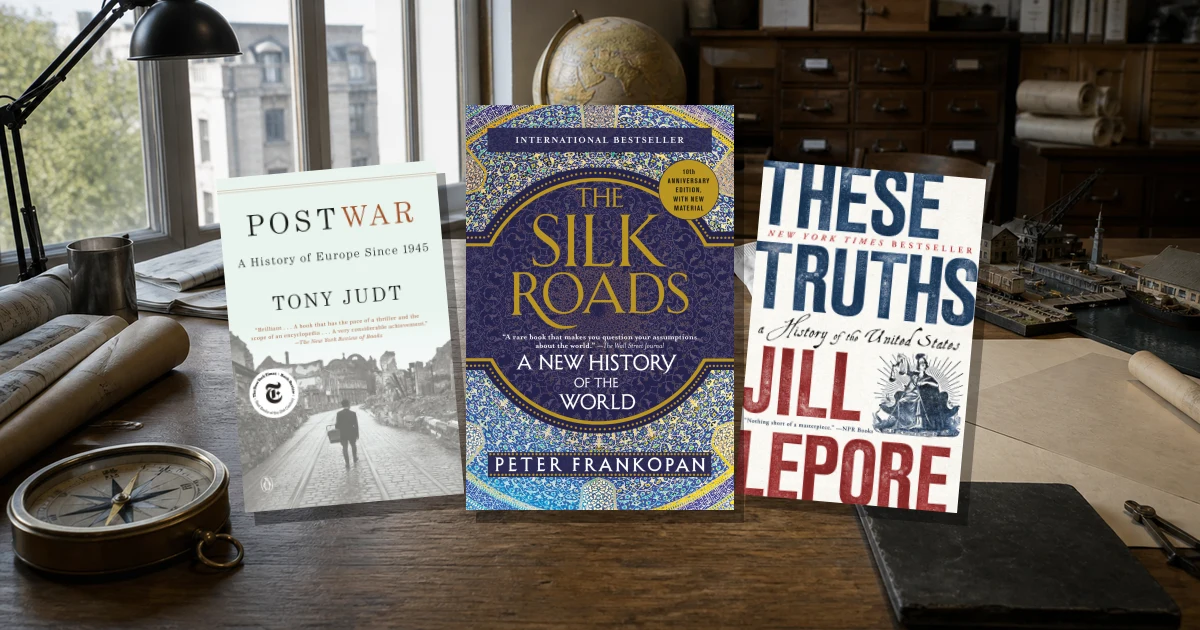

A focused route into the Civil War
Wiseley’s current selection supports a particular entrance into the American Civil War: Lincoln’s political relationships and the larger national arguments around slavery and the Union. It does not yet support a comprehensive shelf of campaign histories, emancipation studies, and firsthand accounts. The reading route below makes that boundary explicit.
Start with the people around the decisions
A cabinet biography can show negotiations and relationships that a broad survey compresses. Its focus also creates a limit: proximity to political leadership does not provide every perspective on the war.
Watch a cabinet become a working political relationship
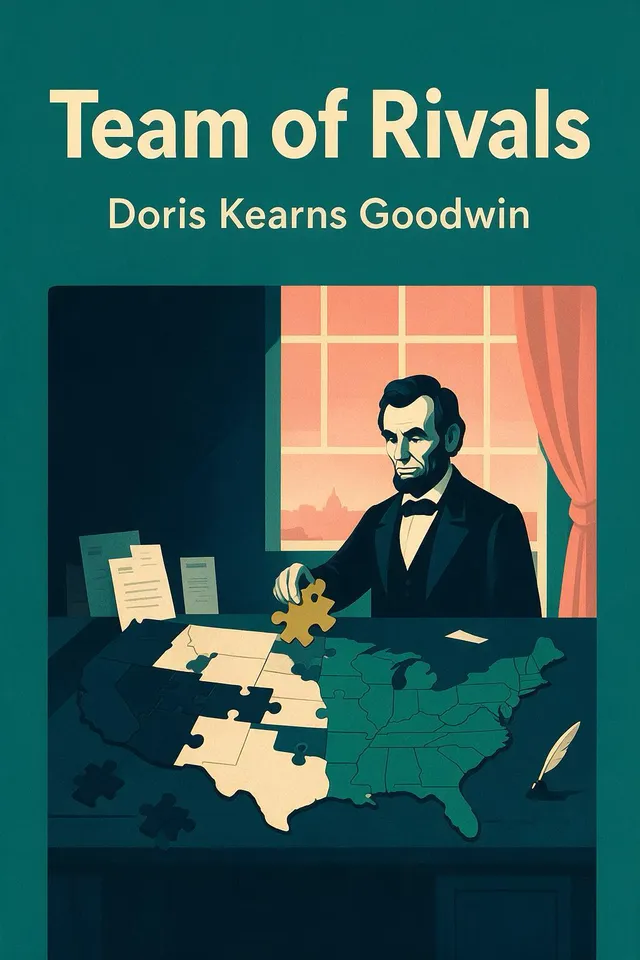
Team of Rivals · Doris Kearns Goodwin
Doris Kearns Goodwin follows Lincoln and his rivals through ambition, party conflict, war, emancipation, and questions of reconstruction. Read for how disagreement is handled within a particular political situation. The phrase team of rivals becomes less useful when detached from those circumstances.
- Read it for
- A detailed political and biographical entrance into Lincoln’s wartime leadership.
- Keep in mind
- The cabinet’s perspective cannot stand in for soldiers, enslaved people, civilians, or all branches of government.
Step back to the larger national argument
Use a survey to widen the frame, not to imply that it supplies the same detail as the focused biography.
Place the conflict in a longer national history
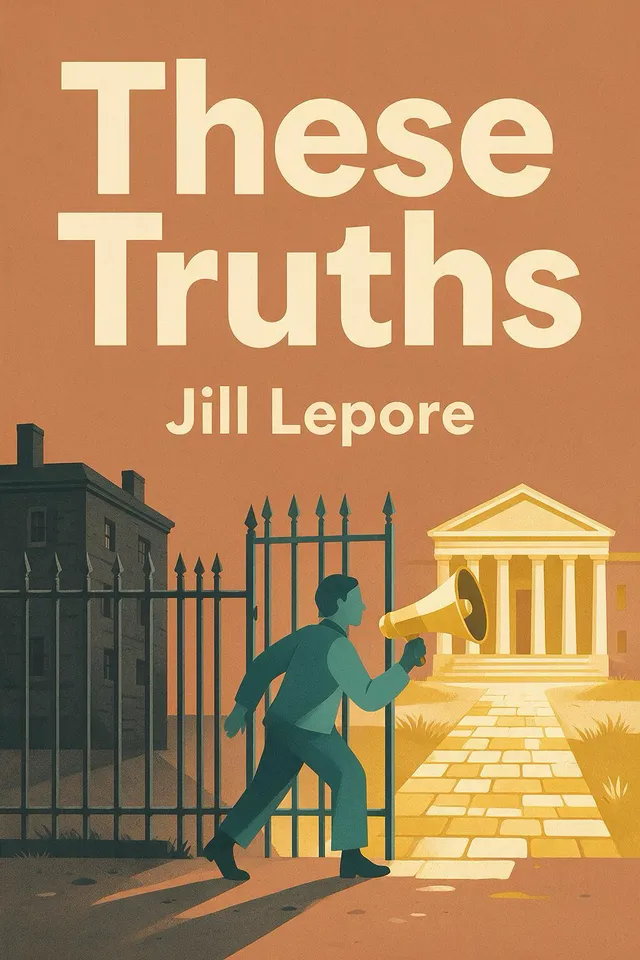
These Truths · Jill Lepore
Jill Lepore’s history follows American political ideals and the conflicts that test them. Read its Civil War material in relation to the earlier development of the republic and what follows emancipation. Its value here is context, not campaign-by-campaign coverage.
- Read it for
- A broader account of the national arguments around the focused reading.
- Keep in mind
- This is a general US history with Civil War coverage, not a specialist history of the war.
Leave the remaining questions open
Keep a list of perspectives that these two books cannot fully supply. Questions about military experience, the agency of enslaved people, local civilian life, and Reconstruction may require specialist reading beyond this catalog. Naming those gaps is more useful than padding a Civil War list with unrelated histories.
Sources and scope
Book ideas are attributed to their authors. External evidence is linked directly when a claim needs more than the source book.
- Team of Rivals: Doris Kearns Goodwin follows Lincoln and his rivals through ambition, party conflict, war, emancipation, and questions of reconstruction. Read for how disagreement is handled within a particular political situation. The phrase team of rivals becomes less useful when detached from those circumstances. Scope: The cabinet’s perspective cannot stand in for soldiers, enslaved people, civilians, or all branches of government.
- These Truths: Jill Lepore’s history follows American political ideals and the conflicts that test them. Read its Civil War material in relation to the earlier development of the republic and what follows emancipation. Its value here is context, not campaign-by-campaign coverage. Scope: This is a general US history with Civil War coverage, not a specialist history of the war.
To report a factual, attribution, rights, or accessibility concern, email hello@wiseley.app.