Choose by geography and scale
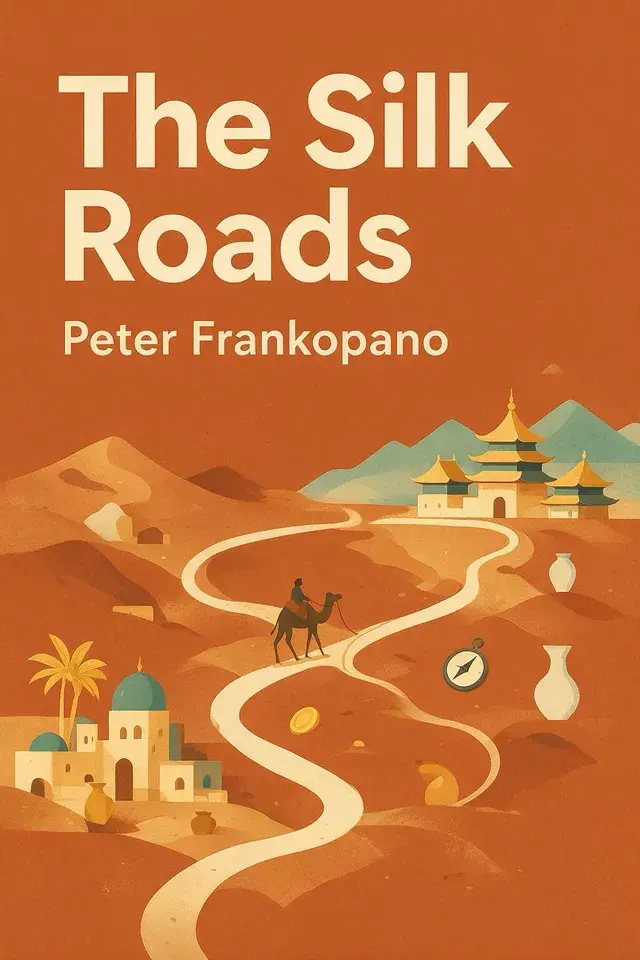
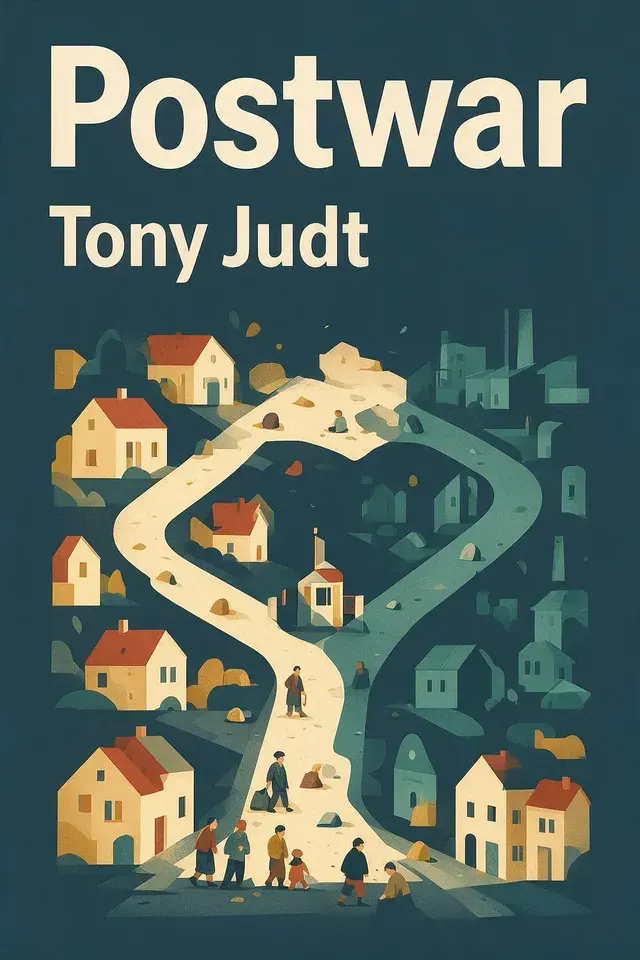
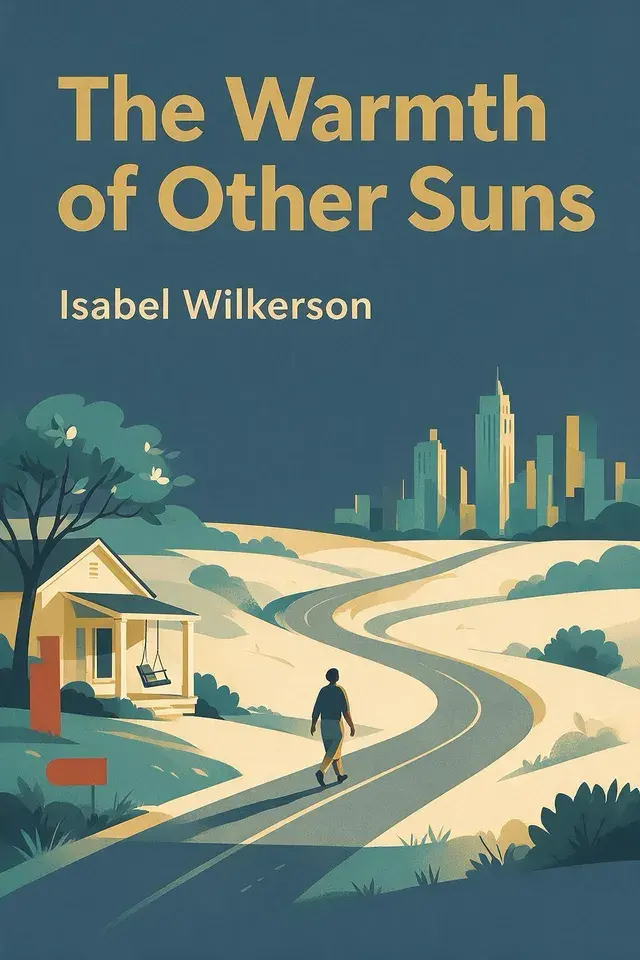
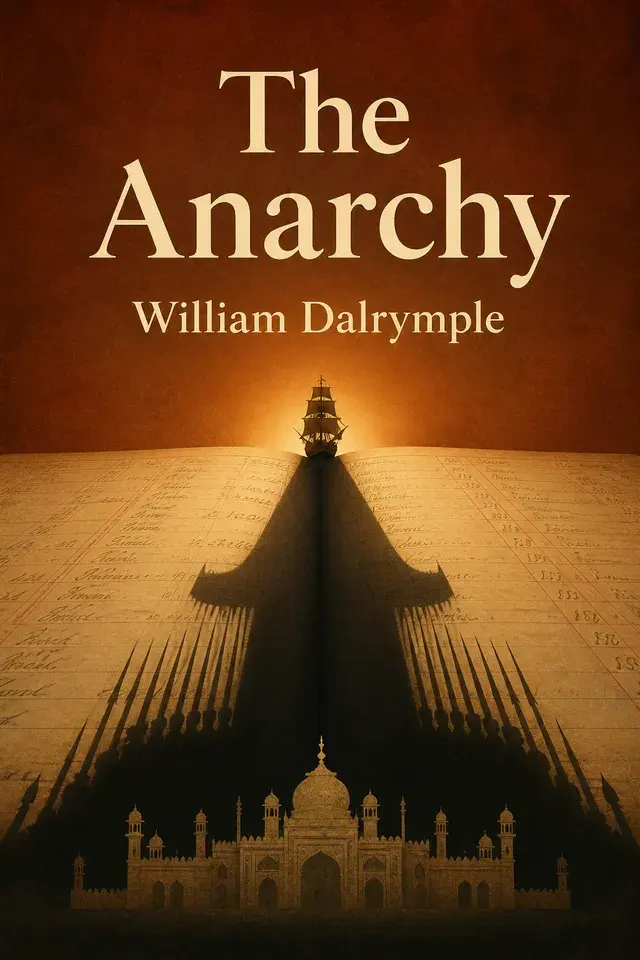
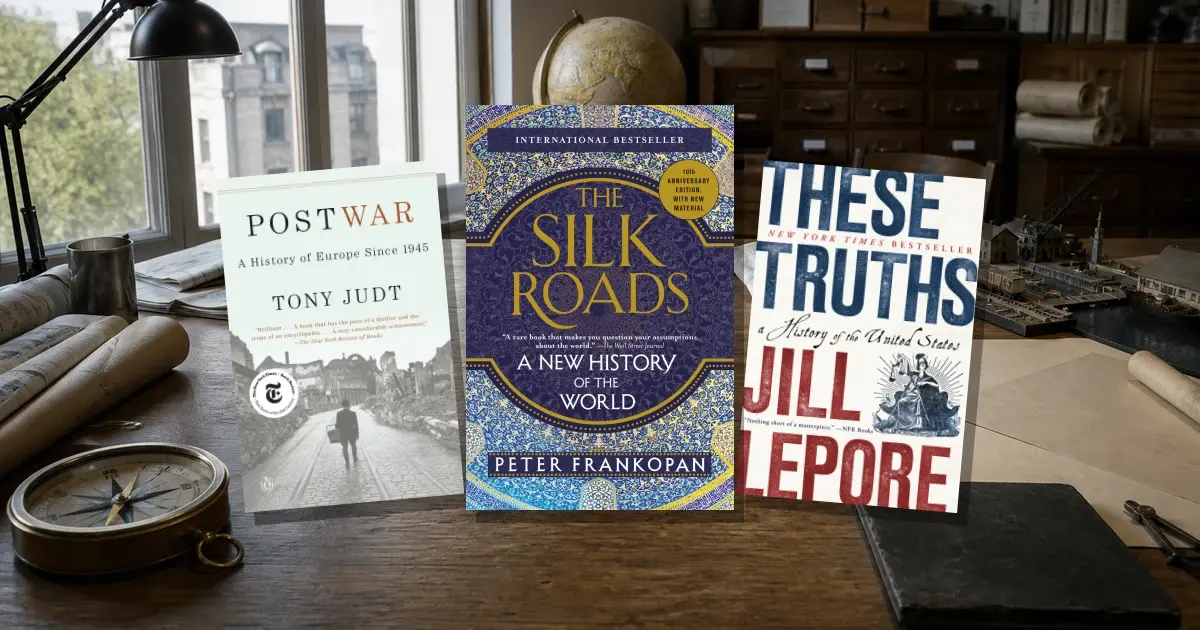
The Silk Roads re-centers world history on Eurasian connections carrying faith, goods, disease, weapons, silver, oil, and political power. Postwar stays with Europe after 1945 as devastation gives way to partition, welfare states, decolonization, protest, market reform, Communism’s collapse, and integration. These Truths follows the United States through the recurring contradiction between declared equality and conquest, slavery, exclusion, and coercion. The Warmth of Other Suns makes the Great Migration legible through three lives. The Anarchy shows a trading corporation turning revenue, credit, alliances, and force into rule in India.
- Long-distance exchange and shifting Eurasian power: The Silk Roads.
- Reconstruction, Cold War division, welfare, and European integration: Postwar.
- American ideals tested against institutions and exclusion: These Truths.
- Migration history at the scale of lived decisions: The Warmth of Other Suns.
- Corporate finance becoming imperial sovereignty: The Anarchy.
What each lens corrects
Frankopan corrects Atlantic-centered stories by following movement through Central Asia, but the breadth means individual regions appear in service of a route-based thesis. Judt makes institutions, memory, and political economy visible across Europe, while national variation can still exceed a continental synthesis. Lepore keeps evidence and missing voices inside the American argument. Wilkerson prevents aggregate migration from becoming bloodless by showing freedom, family separation, labor, housing, and reinvention. Dalrymple demonstrates that empire grew through Indian financiers, allies, rivals, Mughal legitimacy, and British state rescue—not an effortless march by a superior company.
- Identify the unit of analysis before borrowing an explanation.
- Ask which voices and archives make the narrative possible—and which remain missing.
- Separate a broad pattern from the local decisions that produced a particular outcome.
A five-book route into modern history
Begin with The Silk Roads for the widest map, then use The Anarchy to slow one connection—trade, finance, and empire—into a detailed institutional story. Read Postwar next for the reconstruction and division of Europe, followed by These Truths for a national history organized around political promises and exclusions. Finish with The Warmth of Other Suns. Its three biographies return every large category—labor, law, housing, citizenship, culture—to people who had to decide whether and how to leave.
- Keep a timeline only after defining the region and process it represents.
- Compare how money, law, violence, and movement interact in each book.
- Pair every synthesis with at least one narrower regional or lived-history account.
Sources and scope
Book ideas are attributed to their authors. External evidence is linked directly when a claim needs more than the source book.
- The Silk Roads: Source for the Eurasian network framing and movement of trade, faith, disease, silver, oil, war, and power.
- Postwar: Source for European devastation, partition, welfare states, decolonization, crisis, 1989, integration, and historical memory.
- These Truths: Source for the American history of declared equality, conquest, slavery, citizenship, institutions, media, and democratic truth.
- The Warmth of Other Suns: Source for the Great Migration’s causes, routes, three biographies, urban constraints, family costs, and multigenerational effects.
- The Anarchy: Source for the East India Company’s transformation through finance, alliances, revenue, force, famine, bailout, and Mughal legitimacy.
To report a factual, attribution, rights, or accessibility concern, email hello@wiseley.app.
Questions readers ask
Which book is the best single starting point?
The Silk Roads provides the broadest reorientation, while Postwar offers the most detailed foundation for recent European history. Choose the region you understand least rather than the largest book.
Are these books substitutes for specialist histories?
No. They are maps with deliberate lenses. Use their notes and bibliographies to move toward narrower histories that can test a synthesis’s categories, cases, and omissions.