Choose by the problem, not the wellness category
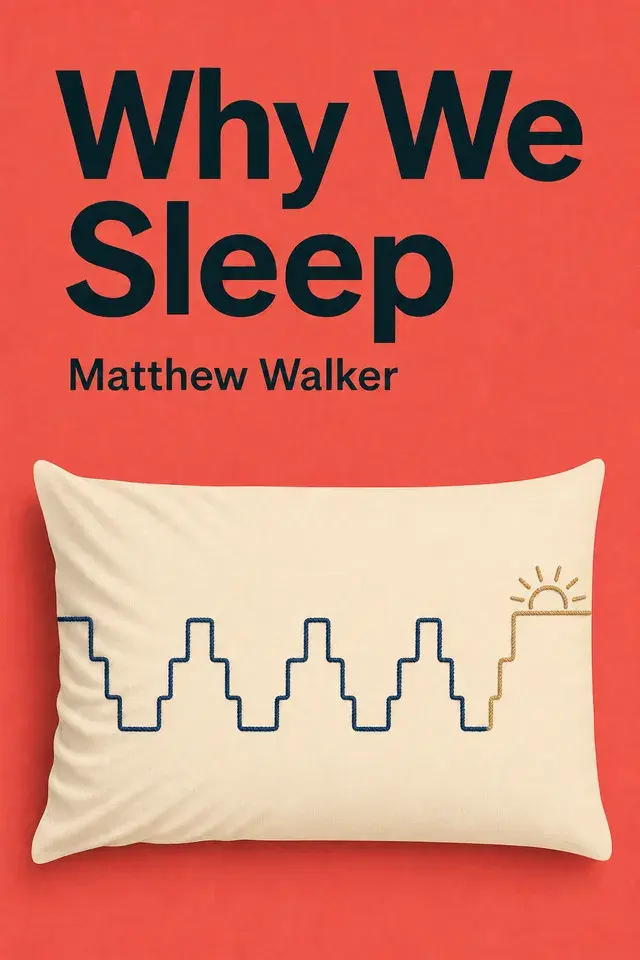
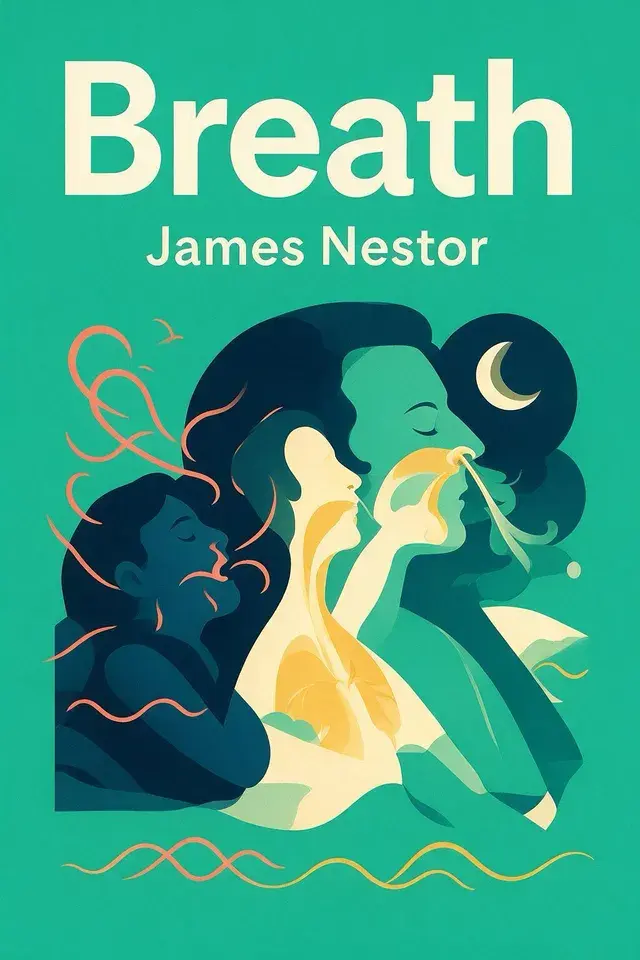
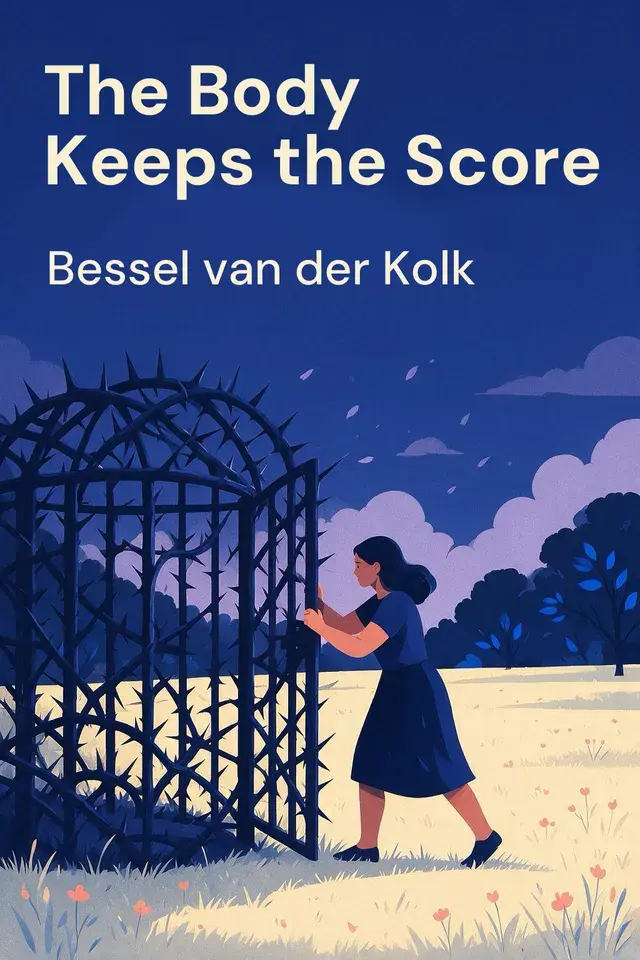
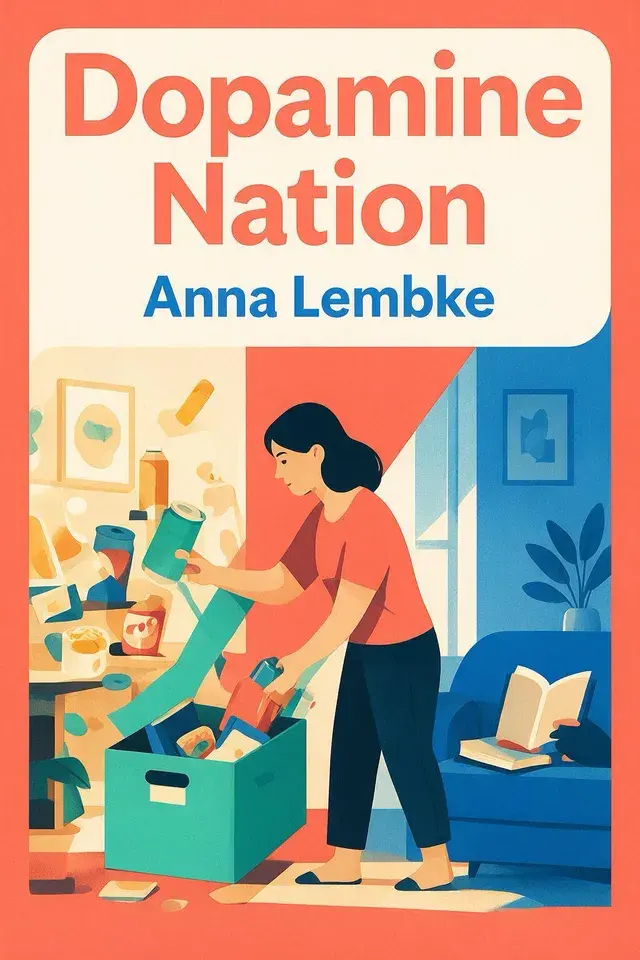
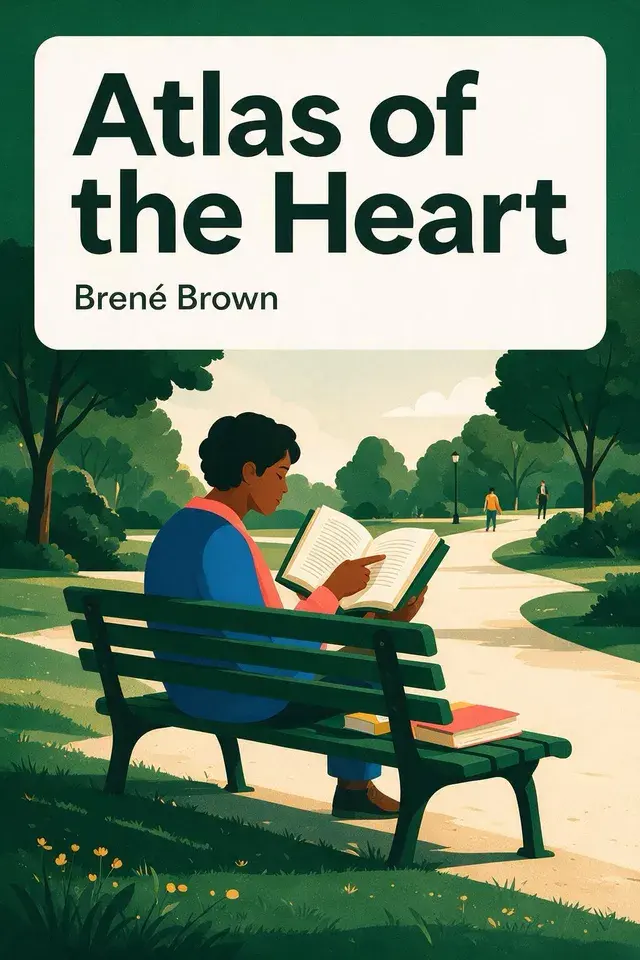
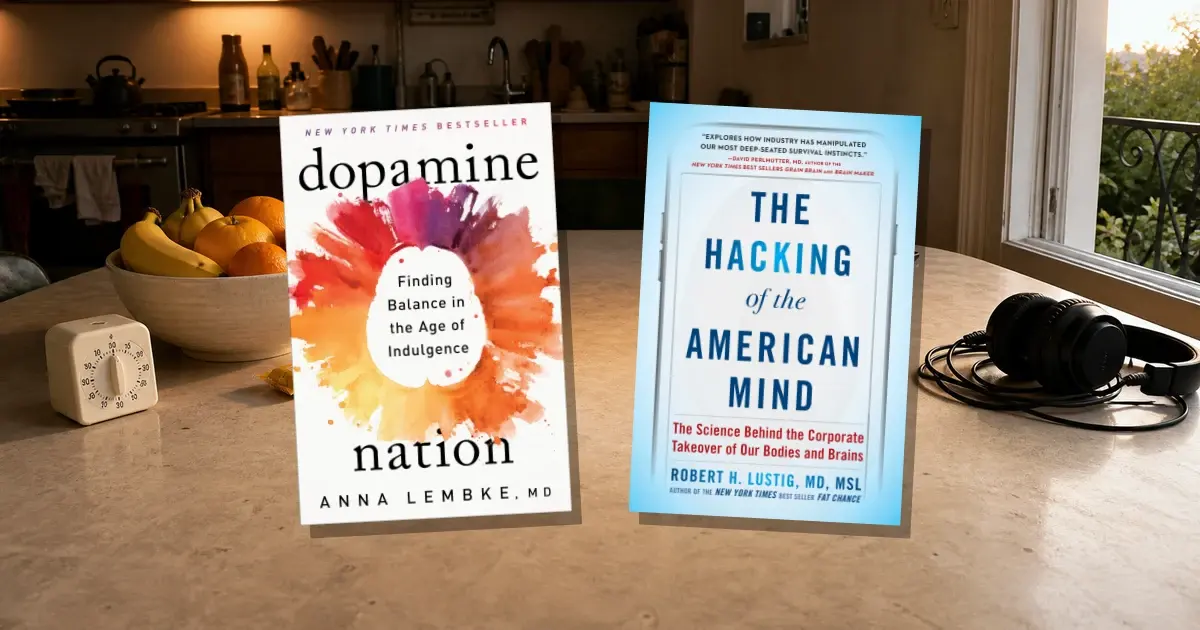
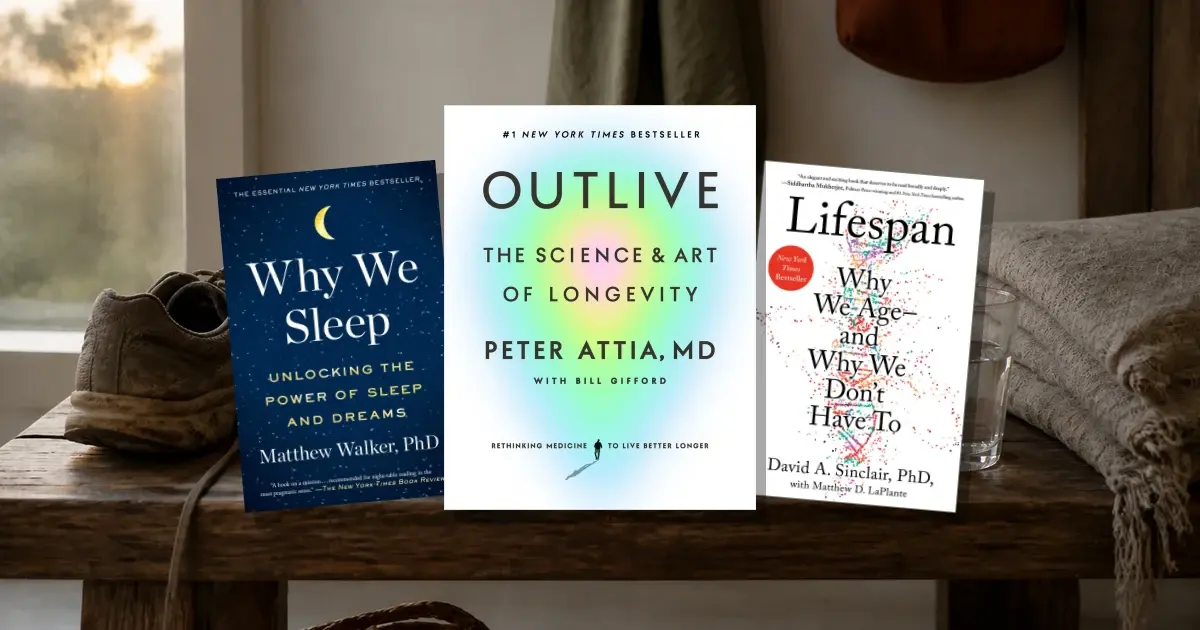
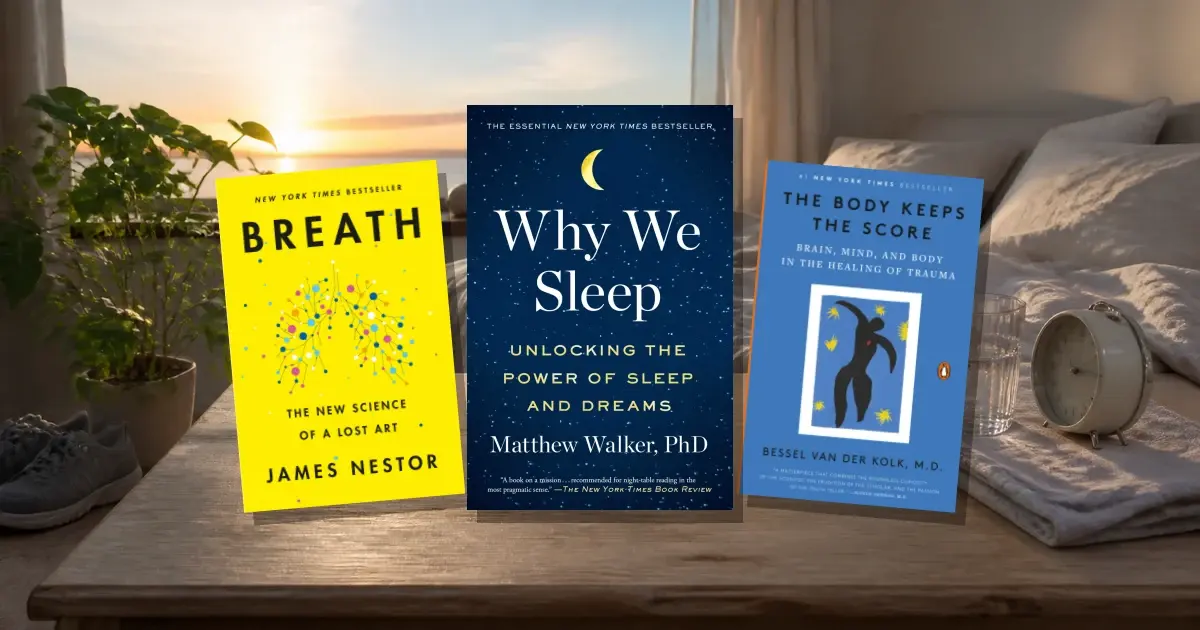
Why We Sleep explains circadian timing, sleep pressure, sleep stages, memory, emotion, health, and social schedules. Breath investigates how route, pace, volume, airway shape, and practice may affect experience, while preserving important warnings around extreme techniques. The Body Keeps the Score centers how trauma can remain active in physiology, memory, identity, and relationships. Dopamine Nation examines high-reward behavior, compulsion, self-binding, honesty, and belonging. Atlas of the Heart supplies precise language for emotions, trust, boundaries, shame, grief, belonging, and repair.
- Sleep biology and protecting nighttime conditions: Why We Sleep.
- Breathing as a modifiable input, with uneven evidence across claims: Breath.
- Trauma and routes toward safety, agency, and connection: The Body Keeps the Score.
- Compulsive reward loops and bounded behavior change: Dopamine Nation.
- Emotional vocabulary for communication and reflection: Atlas of the Heart.
Keep evidence and care attached to the right claim
The National Heart, Lung, and Blood Institute defines sleep deficiency broadly: too little sleep, mistimed sleep, poor-quality sleep, or a sleep disorder, with consequences for attention, reaction, emotion, daily function, and health. That supports protecting sleep without verifying every dramatic claim in a popular book. The VA’s National Center for PTSD identifies trauma-focused psychotherapies such as CPT, EMDR, and prolonged exposure as having the strongest research support, while treatment choice remains individualized. NIH’s NCCIH describes breathing exercises as one relaxation technique but notes variable evidence, occasional adverse experiences, and the need not to replace conventional care.
- A general health association is not a diagnosis of why one person feels unwell.
- Different trauma-related practices do not carry equal evidence for treating PTSD.
- A calming breathing exercise is not proof of every physiological mechanism or a replacement for urgent care.
Build a safe recovery reading path
Begin with one week of observation: sleep timing and daytime alertness, the situations that change breathing, the cue and consequence around a repetitive behavior, or the emotion you cannot yet name. Choose one book for that question and one low-risk practice. Persistent daytime sleepiness, suspected sleep apnea, severe or long-lasting symptoms, substance withdrawal risk, trauma symptoms, or impaired functioning belong with a qualified clinician. A useful book should improve the questions you bring to care, not persuade you that reading alone is treatment.
- Track one concrete outcome instead of a vague promise to feel optimized.
- Stop a practice that increases panic, intrusive thoughts, pain, or other concerning symptoms.
- Use shared decision-making when treatment, medication, or a diagnosed condition is involved.
Sources and scope
Book ideas are attributed to their authors. External evidence is linked directly when a claim needs more than the source book.
- Why We Sleep: Source for the book’s account of circadian timing, sleep pressure, stages, memory, emotion, health, and sleep-supporting conditions.
- Breath: Source for the proposed effects of breathing route, pace, volume, airway form, controlled stress, and the book’s safety warnings.
- The Body Keeps the Score: Source for the trauma framework involving physiology, memory, identity, relationships, safety, agency, and proposed recovery modalities.
- Dopamine Nation: Source for the clinical stories and practices involving abstinence, self-binding, discomfort, honesty, shame, and belonging.
- Atlas of the Heart: Source for the emotional vocabulary and frameworks involving vulnerability, compassion, shame, belonging, trust, anger, and repair.
- Sleep Deprivation and Deficiency: How Sleep Affects Your Health — National Heart, Lung, and Blood Institute, National Institutes of Health
- PTSD Treatment Basics — National Center for PTSD, U.S. Department of Veterans Affairs
- Relaxation Techniques: What You Need To Know — National Center for Complementary and Integrative Health, National Institutes of Health
To report a factual, attribution, rights, or accessibility concern, email hello@wiseley.app.
Questions readers ask
Which book should I read first when I feel exhausted?
Why We Sleep offers the clearest starting map, but exhaustion has many possible causes. Persistent sleepiness, unrefreshing sleep, breathing interruptions, or impaired daily function warrants clinical assessment rather than self-treatment from a book.
Can breathing exercises or emotional vocabulary treat trauma?
They may support regulation or communication for some people, but they are not equivalent to evidence-based PTSD treatment. A qualified provider can help select care based on symptoms, preferences, benefits, and risks.