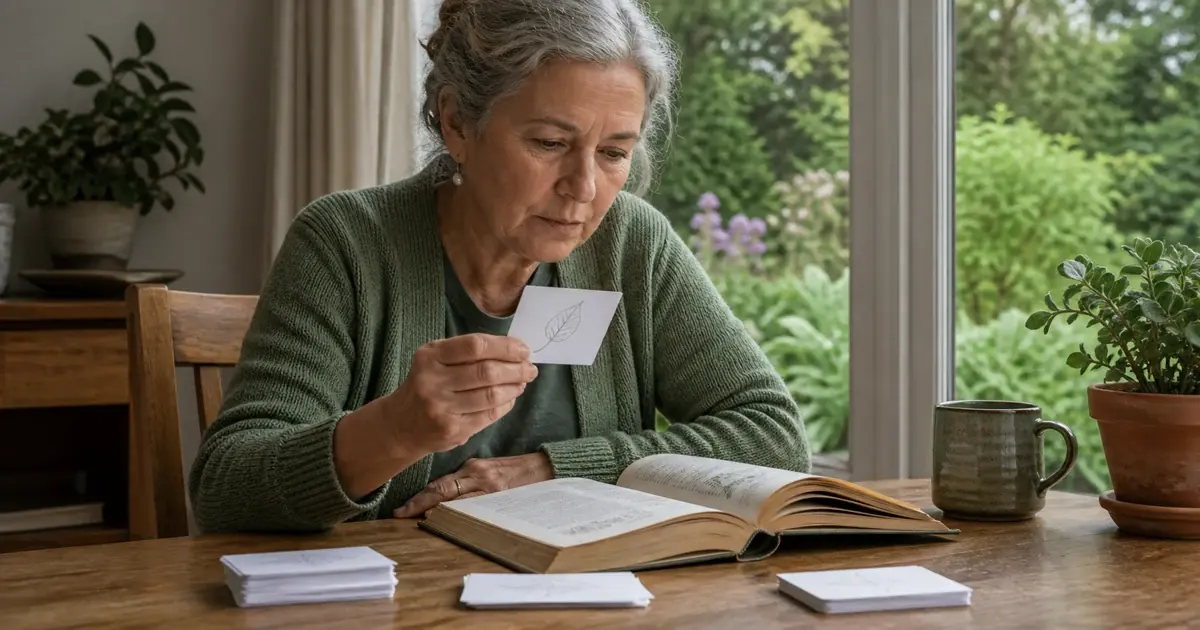
Turn input into questions
After a short section, close the source and write questions that require reconstruction, not recognition. Ask for a definition in your own words, a mechanism, an example, a contrast, and a problem that uses the idea. A highlighted sentence can feel familiar while remaining unavailable without the page. Questions make the desired performance visible and reveal whether you are learning facts, relationships, procedures, or judgment.
- What is the idea, stated without the book’s wording?
- Why does it work, and when would it fail?
- What new example or problem would show that I can use it?
Retrieve, check, and repair
Answer from memory before opening the source. Mark the answer as correct, incomplete, or wrong, then repair only the missing part. In Karpicke and Roediger’s undergraduate foreign-language vocabulary experiments, repeated retrieval after an item was first learned improved delayed recall while repeated study did not; that result describes a specific task, not every form of expertise. A 2021 systematic and meta-analytic review of 222 classroom studies also found an overall benefit from quizzing, with results moderated by factors including format, repetition, timing, and corrective feedback. For procedures or concepts, make a real attempt, check it against a reliable answer, and correct the error rather than treating effort alone as learning.
- Attempt first, even when confidence is low.
- Compare against the source or a reliable solution.
- Rewrite the question when it accidentally gives away the answer.
Space the next attempts and mix related problems
Review missed or important questions after a delay, then widen that delay when retrieval succeeds. In a study of more than 1,350 people learning facts, Cepeda and colleagues found that the best gap changed with the intended retention interval; it does not justify one universal calendar. A same-day, two-day, one-week, and two-week cycle can be a low-friction reminder system, but it is an editorial example rather than a research-derived optimum. Interleaving is also conditional: a 2019 meta-analysis found benefits varied by material, with clearer results for visual categories, smaller results for mathematics, ambiguous results for expository text, and an advantage for blocking in word-based studies. Mix practice when choosing among related methods is itself the target; do not assume mixing improves every task.
- Move successful items farther apart; return to failed items sooner after correction.
- Mix problem types when discrimination is the skill; use caution with prose and vocabulary.
- Finish each review by naming the next application, not by counting cards.
Sources and scope
Book ideas are attributed to their authors. External evidence is linked directly when a claim needs more than the source book.
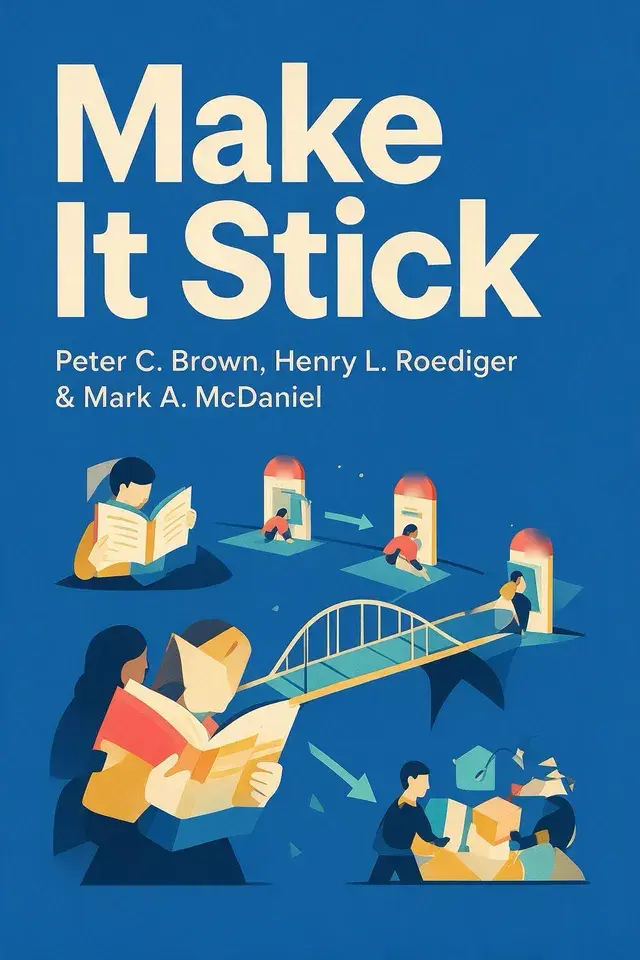
- Make It Stick: Grounds retrieval practice, spacing, interleaving, feedback, and the limits of familiarity.
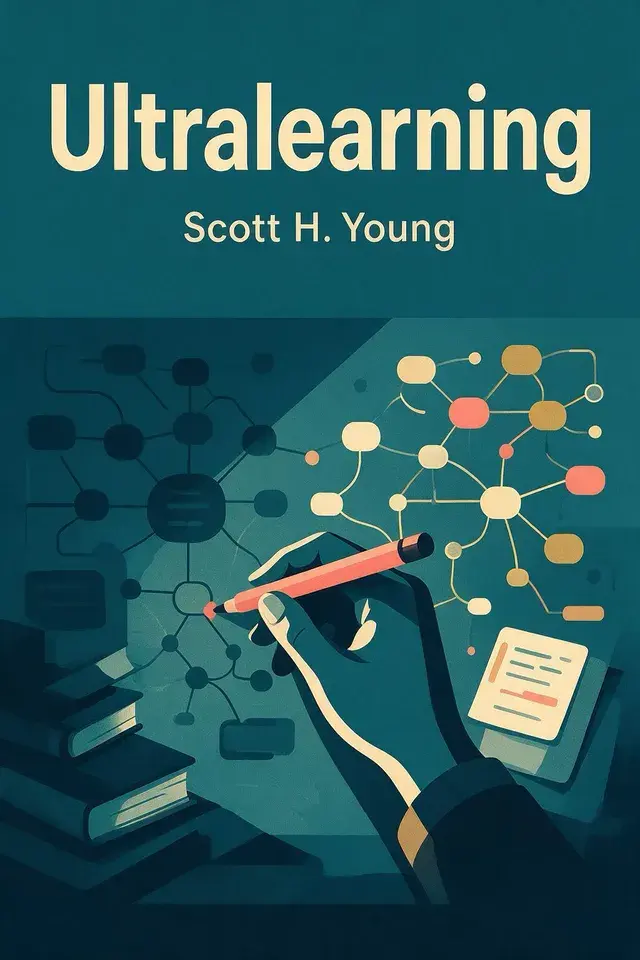
- Ultralearning: Grounds direct practice, drills, feedback, and deliberate self-directed projects.
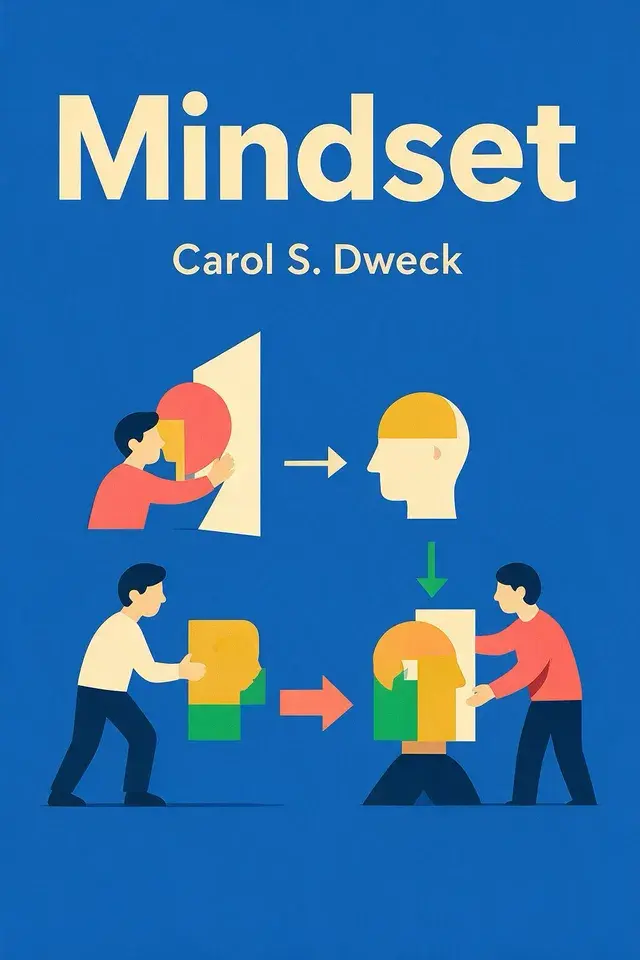
- Mindset: Grounds interpretation of difficulty and feedback without turning effort alone into proof of learning.
- The Critical Importance of Retrieval for Learning — American Association for the Advancement of Science (Science)
- Testing (Quizzing) Boosts Classroom Learning: A Systematic and Meta-Analytic Review — American Psychological Association (Psychological Bulletin)
- Spacing Effects in Learning: A Temporal Ridgeline of Optimal Retention — Association for Psychological Science (Psychological Science)
- Similarity Matters: A Meta-Analysis of Interleaved Learning and Its Moderators — American Psychological Association (Psychological Bulletin)
To report a factual, attribution, rights, or accessibility concern, email hello@wiseley.app.
Questions readers ask
Is active recall just flashcards?
No. Flashcards are one format. Explaining a mechanism, drawing a system from memory, solving a fresh problem, or reconstructing an argument can all require retrieval.
What spacing schedule should I use?
Use a simple expanding schedule as a starting experiment and adjust it to performance, desired retention time, deadline, and material. Spacing research shows that the useful gap depends on the target delay; it does not establish one interval as optimal for every learner and task.