
Study a decision, not a personality
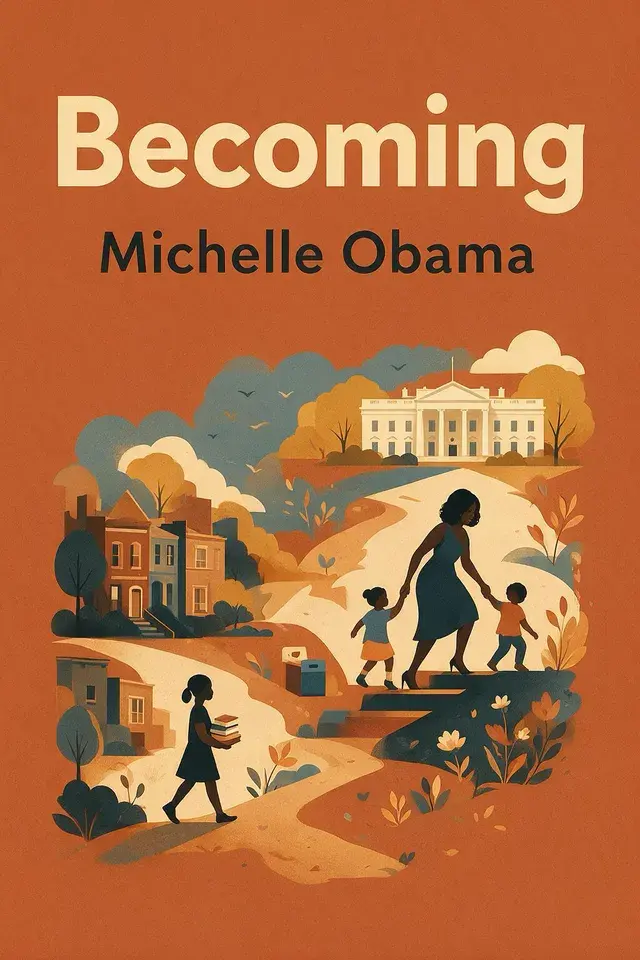
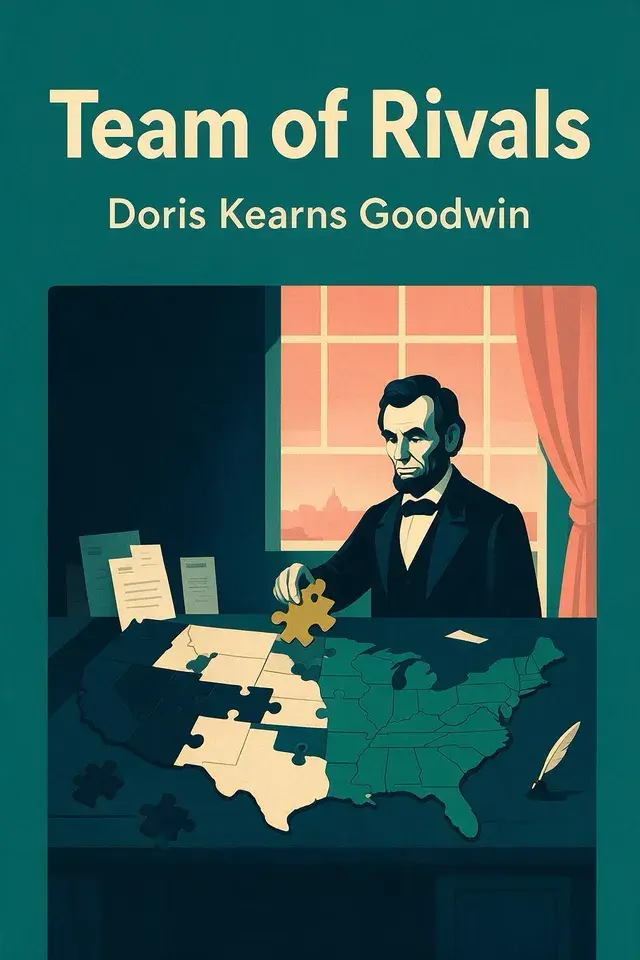
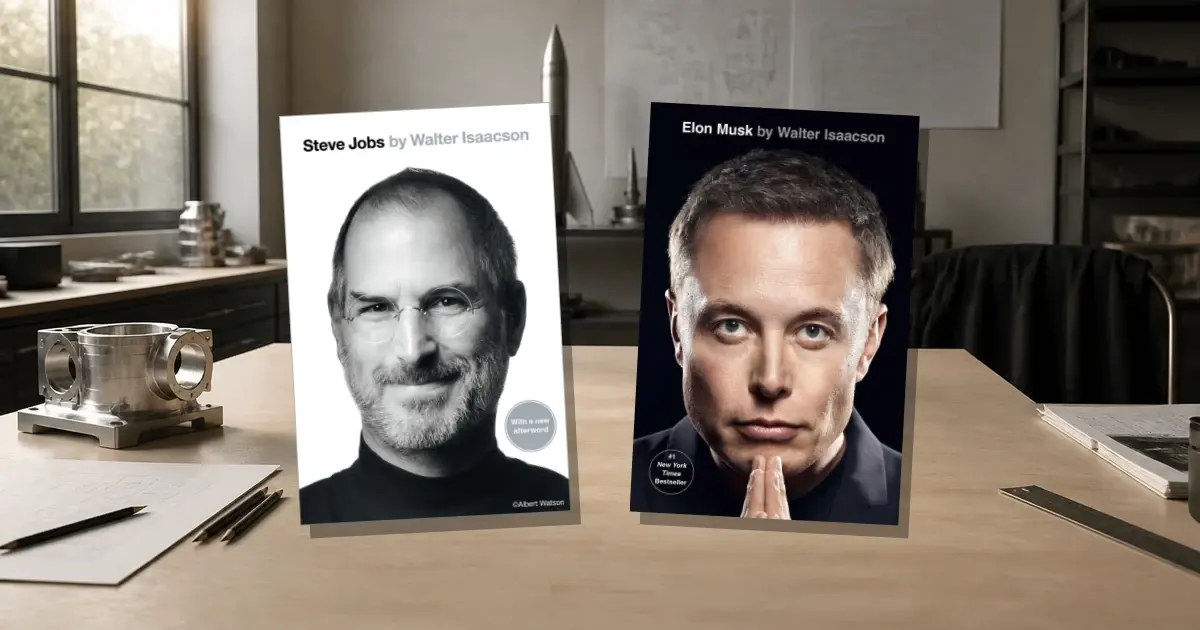
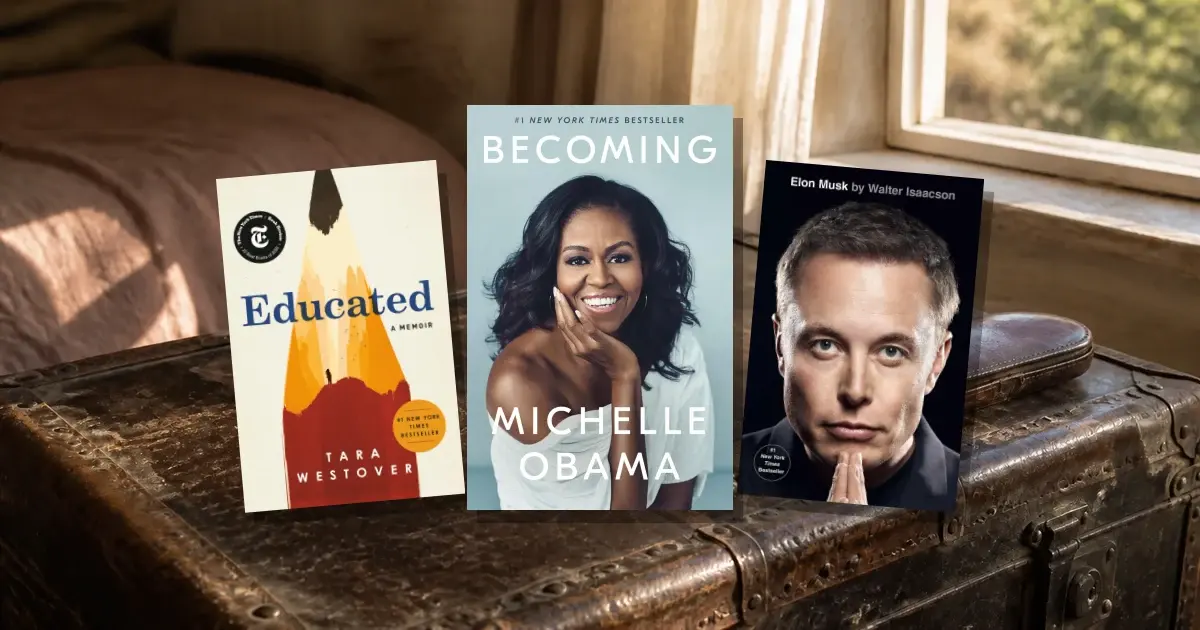
Choose one decision from the biography and state the problem as the subject appeared to face it. Record the available options, the constraints, the relationships at stake, and what the person could not yet know. Steve Jobs is more useful as a record of particular product and leadership decisions than as an invitation to perform intensity. Becoming is richer when its choices are placed inside family, public life, and changing identity. Team of Rivals shows decisions distributed across a political coalition rather than produced by one heroic trait.
- Write the decision in one neutral sentence.
- List the information and power the subject had at that moment.
- Separate the action from the charisma later attached to it.
Trace costs as carefully as results
A dramatic result can hide the price paid by colleagues, family, health, or future flexibility. Make two columns: what the decision achieved and what it damaged, delayed, or made dependent on luck. Include evidence that complicates the book’s central portrait. A biography is an authored selection, not a complete life; scenes, access, hindsight, and narrative momentum shape what feels causal. The goal is not to cancel admiration. It is to keep admiration from erasing tradeoffs.
- Name who absorbed the cost of the decision.
- Look for outcomes that arrived much later than the celebrated win.
- Mark where the author offers interpretation rather than direct evidence.
Translate one principle into a small test
Turn the lesson into a reversible experiment that fits your actual role. If the biography suggests focus, define one project you will decline this week rather than copying a leader’s confrontational style. If it suggests coalition building, ask one capable skeptic to improve a proposal before a decision. Write what would count as a useful result and what would make you stop. The test should preserve the underlying principle while discarding the subject’s fame, resources, era, and appetite for risk.
- Borrow a principle, never a persona.
- Make the first test cheap enough to reverse.
- Review the result against your context, not the biography’s ending.
Sources and scope
Book ideas are attributed to their authors. External evidence is linked directly when a claim needs more than the source book.
- Steve Jobs: Grounds the examples about product focus, leadership intensity, collaboration, and personal cost.
- Becoming: Grounds the examples about identity, family, public responsibility, and reinvention across roles.
- Team of Rivals: Grounds the examples about coalition building, dissent, political constraint, and shared decision making.
To report a factual, attribution, rights, or accessibility concern, email hello@wiseley.app.
Questions readers ask
Should I avoid biographies because of survivorship bias?
No. Treat the book as a detailed case, not a representative sample. Ask what evidence would look different in an equally talented life that did not become famous.
What is the most useful note to take from a biography?
Capture one decision with its context, alternatives, consequences, and uncertainties. That is more transferable than a list of admired traits.