Choose a doorway, not a prestige ranking
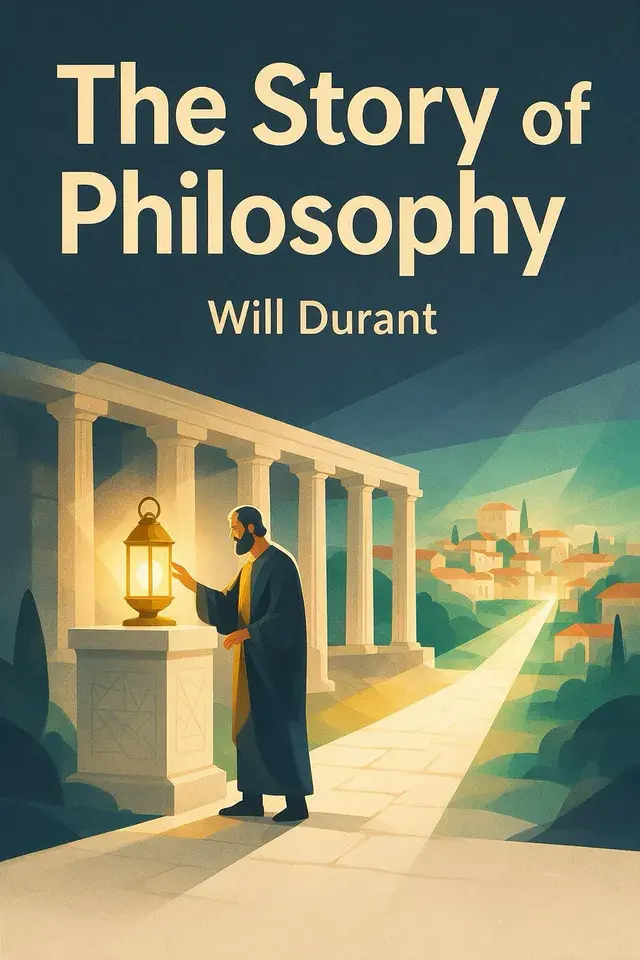
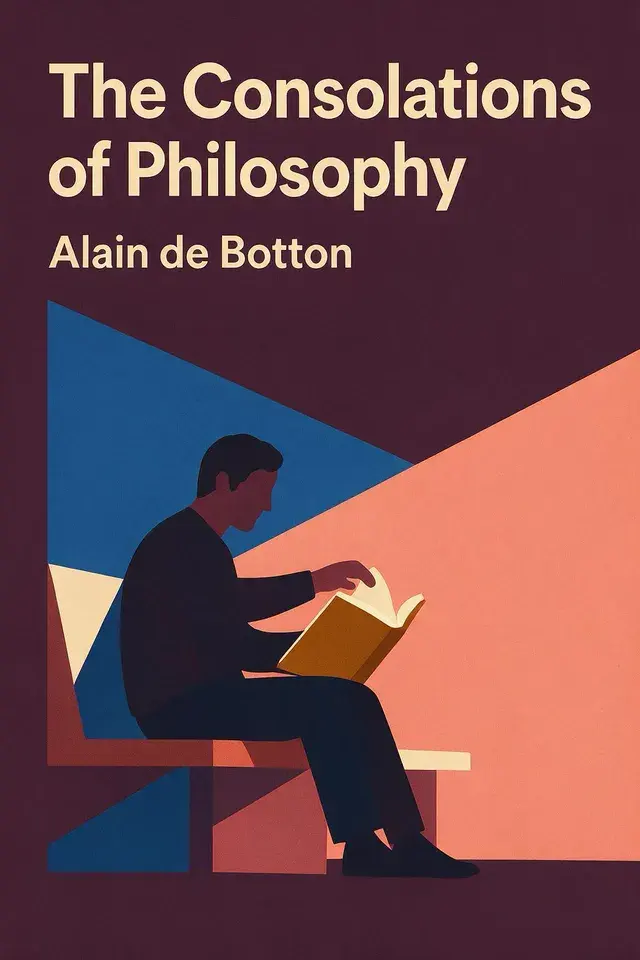
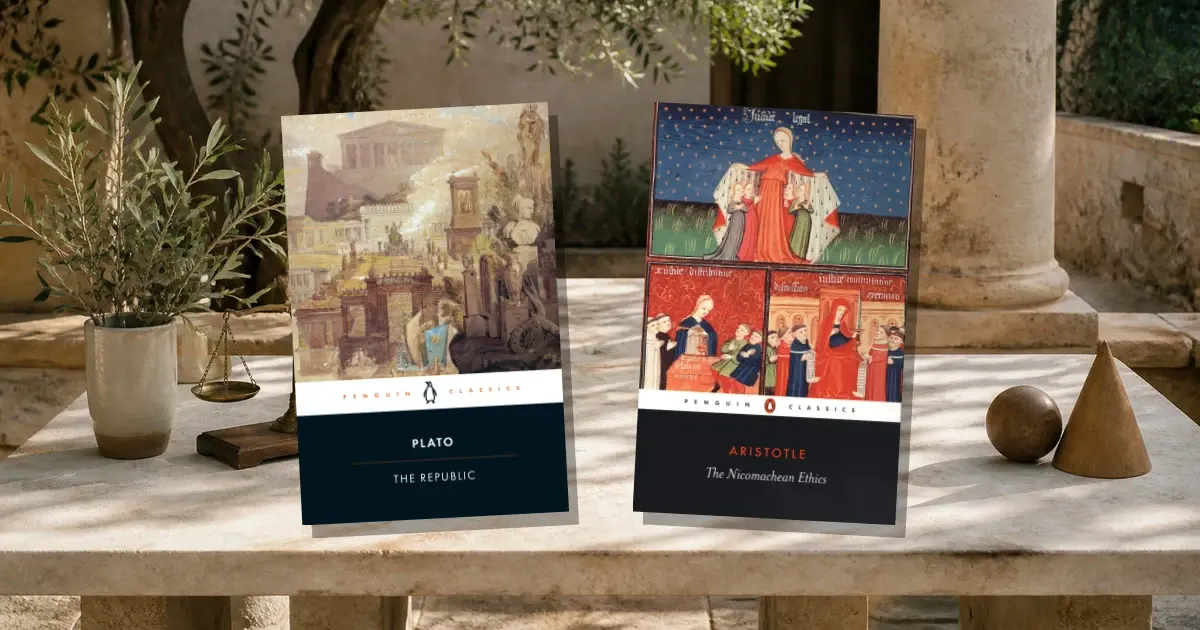
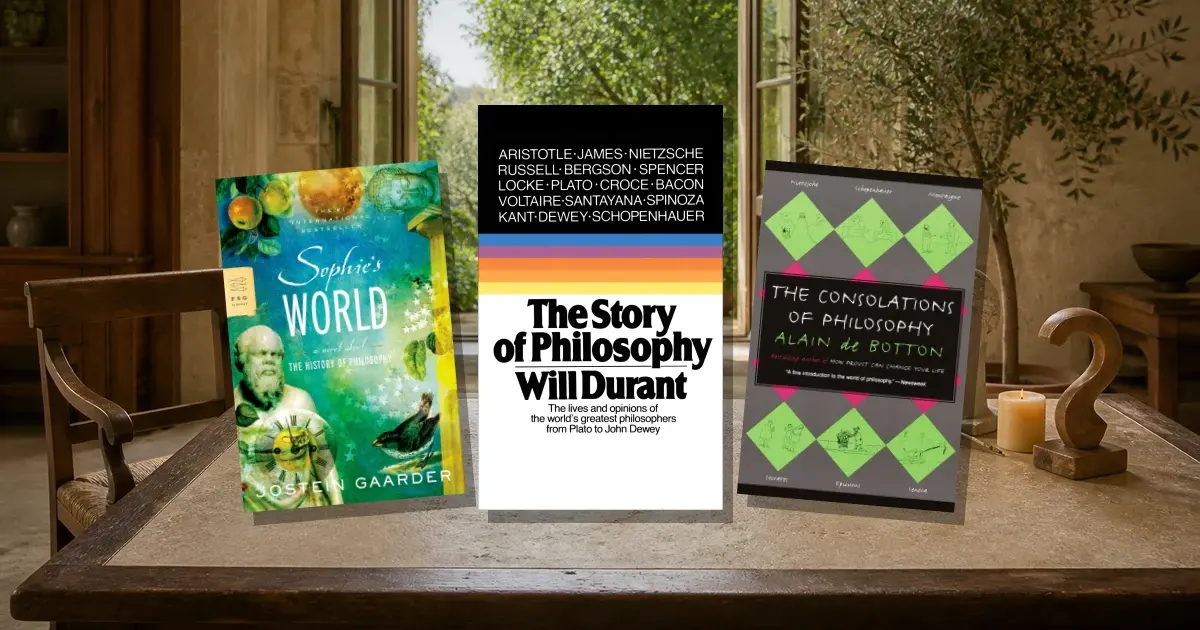
The Story of Philosophy offers a selective guided history from Greek inquiry through modern pragmatism. Sophie’s World turns that history into a novel whose mystery keeps wonder and authorship alive. The Consolations of Philosophy organizes six thinkers around ordinary troubles such as unpopularity, anxiety, bodily shame, romantic pain, and hardship. The Republic gives direct contact with a primary dialogue about justice, education, knowledge, and power. Tao Te Ching asks through brief, paradoxical verses how yielding, enoughness, humility, and restraint might guide life and rule.
- Want a map of major Western thinkers: The Story of Philosophy.
- Want ideas carried by plot and wonder: Sophie’s World.
- Want philosophy tied to recognizable problems: The Consolations of Philosophy.
- Want a demanding primary text with dramatic argument: The Republic.
- Want concise, non-systematic reflection on action and limits: Tao Te Ching.
Every accessible route edits the tradition
Durant’s vivid portraits provide orientation but select a narrow canon and sometimes fuse a philosopher’s life with an interpretation of the work. Gaarder reaches more traditions and makes questions memorable, yet the story still teaches through a designed sequence. De Botton extracts practices from philosophers whose complete systems are more difficult and less comforting. Plato’s dialogue preserves objections but demands historical and political scrutiny. Tao Te Ching changes meaning across translations, and its deliberate compression resists one final paraphrase. Accessibility is a beginning, not proof that the summary is complete.
- Write the author’s question before collecting the answer.
- Distinguish a quotation, an interpreter’s framing, and your own application.
- Use notes, translations, and historical context when a compact claim seems universal.
A beginner-friendly reading path
Begin with Sophie’s World if unfamiliar names make philosophy feel closed; let the narrative establish chronology and recurring questions. Add The Consolations of Philosophy to test whether an idea changes how you describe a real difficulty. Then read one primary work: The Republic for sustained argument or Tao Te Ching for slow rereading across translations. Use The Story of Philosophy afterward as a map whose omissions and interpretations you can now recognize rather than as a final encyclopedia.
- Read one chapter, then state its claim and strongest objection in plain language.
- Keep a glossary only for terms that change the argument.
- Return to difficult passages after finishing the whole movement of the book.
Sources and scope
Book ideas are attributed to their authors. External evidence is linked directly when a claim needs more than the source book.
- The Story of Philosophy: Source for Durant’s selective history and treatment of reason, ethics, science, freedom, social order, and pragmatism.
- Sophie's World: Source for the novel’s guided philosophical history, recurring wonder, questions of freedom, and metafictional frame.
- The Consolations of Philosophy: Source for the six thinkers and applications to unpopularity, desire, anxiety, shame, romantic pain, and hardship.
- The Republic: Source for Plato’s dialogue on justice, the ordered soul, education, knowledge, philosopher-rule, and regime decline.
- Tao Te Ching: Source for the treatment of naming, water, yielding, enoughness, non-coercive action, humility, and restrained government.
To report a factual, attribution, rights, or accessibility concern, email hello@wiseley.app.
Questions readers ask
Should a beginner start with a primary philosophical text?
Yes if a particular question already matters to you. A primary text such as The Republic can be more alive than a survey, provided you use an introduction and accept partial understanding on the first pass.
Which book is easiest to read?
Sophie’s World has the most familiar narrative form. The Consolations of Philosophy is the most immediately practical. Tao Te Ching is shortest but not necessarily easiest because its compressed language supports competing interpretations.