Choose by view of the market
Investing books argue with each other more than personal finance books do, because they begin from different claims about prices. Graham assumes careful analysis can find gaps between price and value. Bogle argues those gaps are mostly closed by the time you see them and that costs decide everything else. Munger accepts analysis but grounds it in judgment across disciplines, while Taleb questions whether the biggest outcomes can be modeled at all.
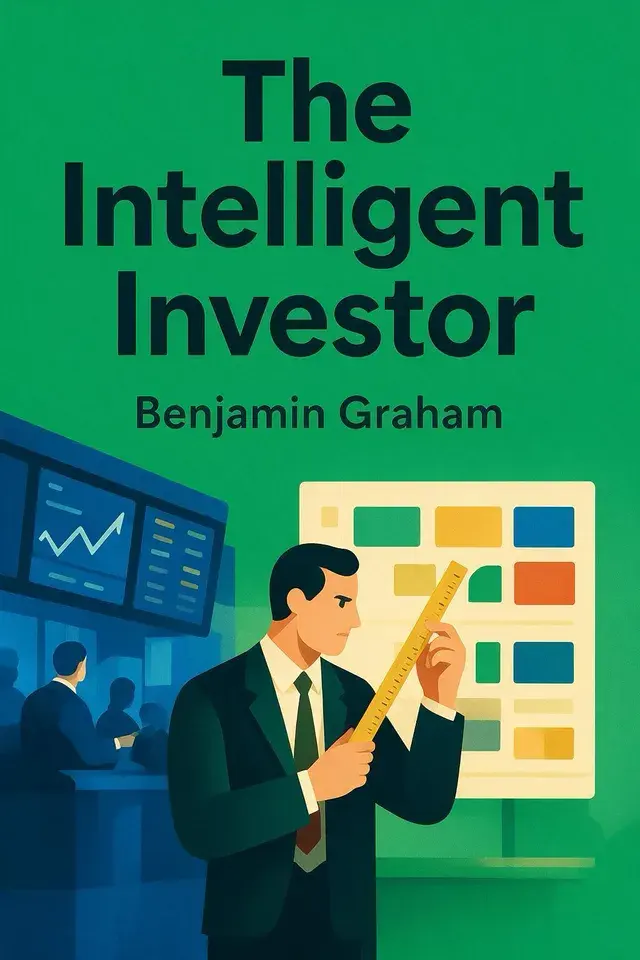
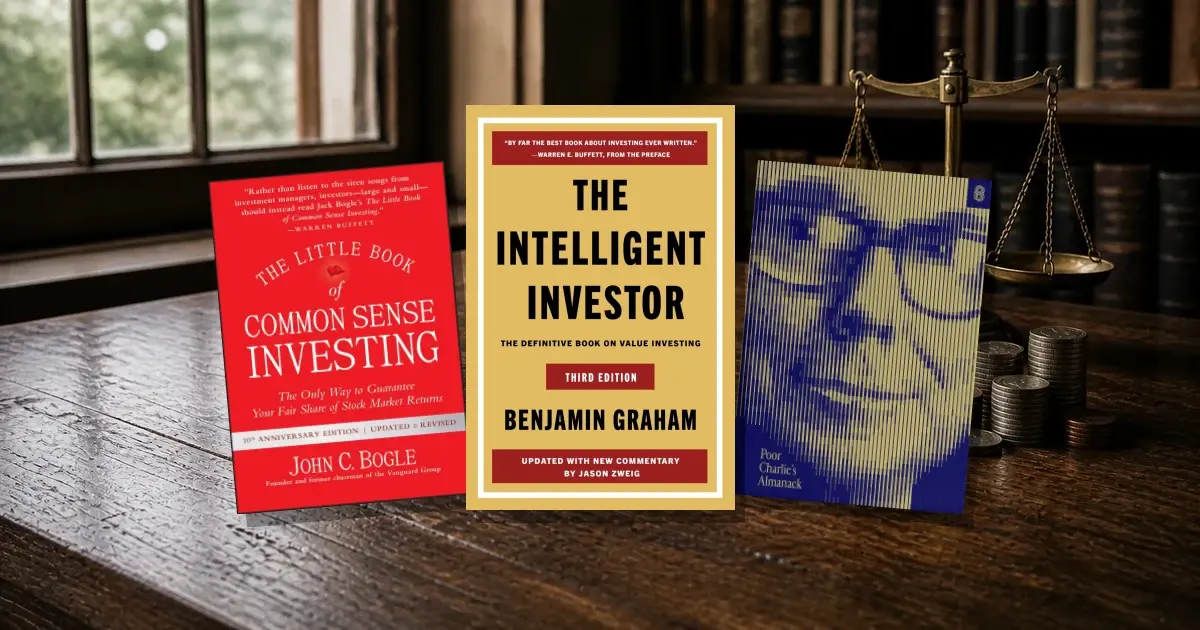
- You want a durable framework for price versus value: The Intelligent Investor.
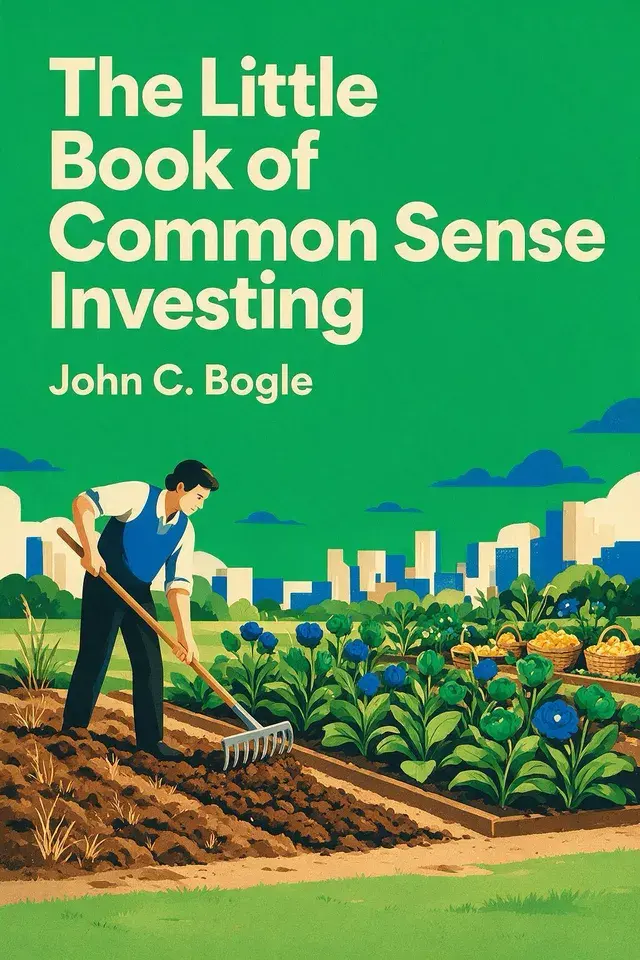
- You suspect effort cannot beat fees and trading costs: The Little Book of Common Sense Investing.
- You want to upgrade general decision-making before stock-picking: Poor Charlie's Almanack.
- You learn best from a life that applied the method for decades: The Snowball.
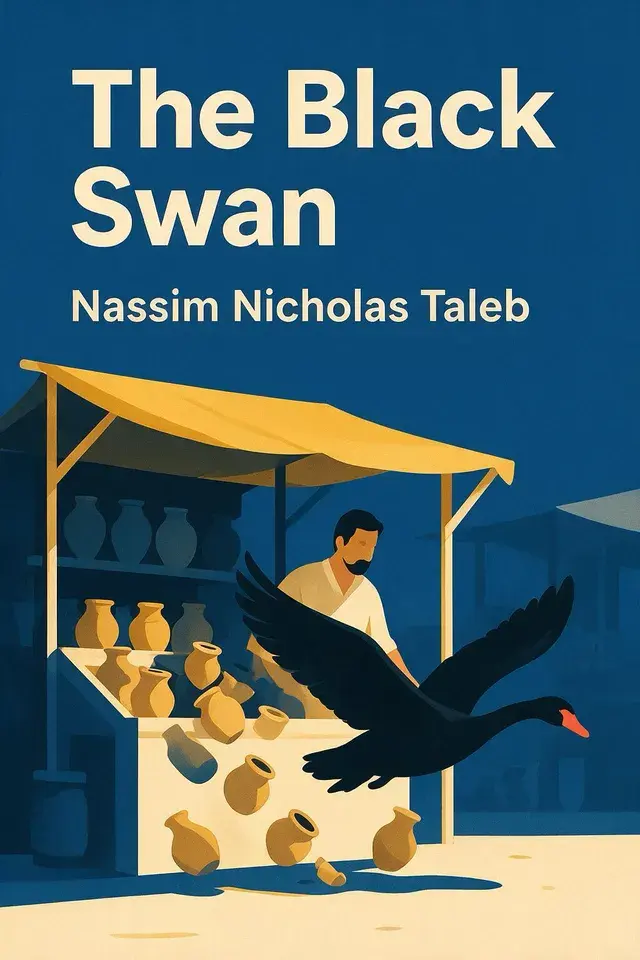
- You worry the largest risks never show up in the models: The Black Swan.
What each book adds
Graham separates investing from speculation, ties price to business value, and makes margin of safety the answer to being wrong. Bogle supplies the arithmetic behind indexing: before costs all investors collectively receive the market return, so small annual fees compound into lifetime losses. Munger contributes the latticework — roughly one hundred models across disciplines — plus circle-of-competence discipline and patient concentration when rare favorable odds appear. Schroeder's biography shows the method as lived practice, from cigar-butts toward durable businesses like See's, and what the discipline cost elsewhere in life. Taleb closes the loop with induction, narrative fallacy, and Extremistan: protect against terminal downside while keeping exposure to favorable surprises.
- Best first investing book: The Little Book of Common Sense Investing for its cost arithmetic alone.
- Best framework for doing more than indexing: Graham's defensive-versus-enterprising split.
- Best corrective to overconfidence: Taleb's turkey problem and silent evidence.
A reading order that respects difficulty
Read Bogle first even if you plan to analyze stocks; his cost arithmetic is the baseline every active claim must overcome. Move to Graham for portfolio policy and Mr. Market, then Munger for the judgment layer that Graham's cases only hint at. The Snowball shows the whole method under compounding pressure, and The Black Swan stress-tests everything the others assume about probability.
- State each book's claim about beating the market before reading the next.
- Note where Bogle and Graham agree despite different conclusions.
- Finish by writing which tail risks your own plan simply ignores.
Sources and scope
Book ideas are attributed to their authors. External evidence is linked directly when a claim needs more than the source book.
- The Intelligent Investor: Source for investing versus speculation, Mr. Market, defensive and enterprising portfolios, and margin of safety.
- The Little Book of Common Sense Investing: Source for the cost arithmetic of indexing, investor-underperformance gap, taxes, and asset allocation across a lifetime.
- Poor Charlie's Almanack: Source for the latticework of mental models, circle of competence, incentive-caused bias, and patient concentration.
- The Snowball: Source for Buffett's method as biography: cigar butts, See's, capital allocation, and the cost of lifelong discipline.
- The Black Swan: Source for induction failure, narrative fallacy, Extremistan, and asymmetrical protection against ruin.
To report a factual, attribution, rights, or accessibility concern, email hello@wiseley.app.
Questions readers ask
Is The Intelligent Investor still worth reading for beginners?
Yes, but read it for structure rather than stock screens: the investor-versus-speculator distinction, Mr. Market, portfolio policy, and margin of safety still frame every later debate. Beginners should pair it with Bogle so the cost arithmetic tempers any enterprising ambitions the book inspires.
Do value investing and index investing contradict each other?
They answer different questions. Graham describes what disciplined security analysis would require; Bogle asks what unselected investors as a group can realistically collect after costs. Bogle himself leans on Graham's defensive investor as the sensible default when superior judgment is unavailable.
Which book best prepares me for a crash?
The Black Swan, because it attacks the assumption that risk is fully measurable, and The Snowball, which shows how one investor kept liquidity and valuation discipline through repeated collapses. Graham's margin-of-safety chapter remains the most practical single tool for surviving being wrong.