
Name the habit, then put the phone out of reach
Cleveland Clinic describes doomscrolling as endlessly scrolling through upsetting or negative content online even when it makes you feel worse. That is narrower than ordinary phone use: messaging a friend or checking a recipe is not doomscrolling. The distinction matters, because a plan aimed at all screen time collapses while a plan aimed at one loop can hold. The first step takes a second. When you notice the feeling, move the phone somewhere that needs standing up to reach. Susan Albers, the psychologist quoted in that article, suggests that kind of distance, along with noticing the tension the scrolling leaves behind.
- The habit is defined by the upsetting material and how you feel afterwards, not by minutes on a screen.
- Put the phone far enough away that reaching it takes a deliberate movement.
Find the cue that starts the scroll
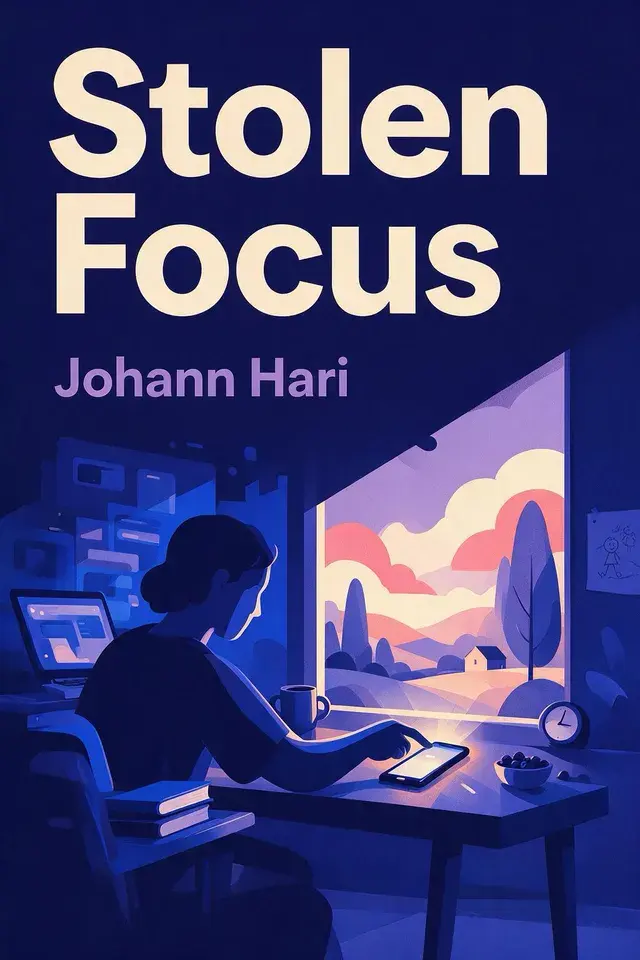
For one week, write down the moment each scroll starts instead of how long it lasted. Most people find two or three reliable cues: the first minute after waking, a gap between meetings, the end of a hard conversation. Cleveland Clinic's suggestion to pause and ask whether there is a real reason to check the phone is easier to follow once you know which moments to watch. In Stolen Focus, Johann Hari argues that converging conditions rather than weak willpower alone make sustained attention difficult, and that platforms are paid for time spent looking.
- Record the trigger moment, not the elapsed time.
- Ask once, before unlocking: what am I here to do?
Set one stopping boundary you can see
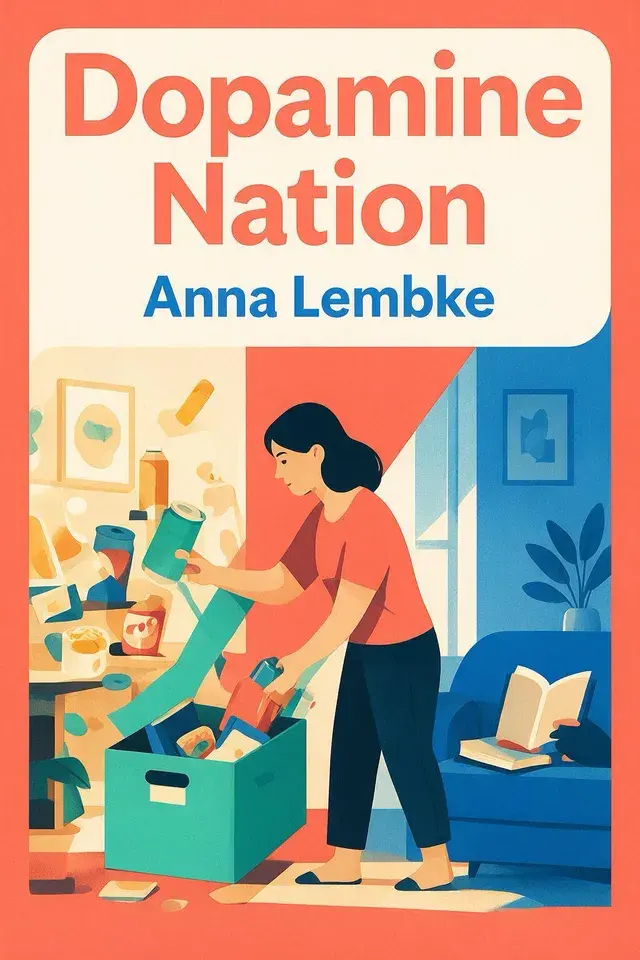
A boundary works when it is visible and decided in advance. Pick a number and a place, such as news twice a day, ten minutes each time, never in bed, and start a timer you have to look at. Cleveland Clinic recommends this kind of limit, along with unfollowing the accounts that supply the worst material. In Dopamine Nation, Anna Lembke argues that physical self-binding places a barrier between desire and action before craving narrows voluntary choice. A charger left in the hallway is such a barrier. Willpower at eleven at night is not.
- Decide the limit while calm, not while scrolling.
- Make the boundary physical: charger in another room, app off the home screen.
Choose one alternative for the same situation
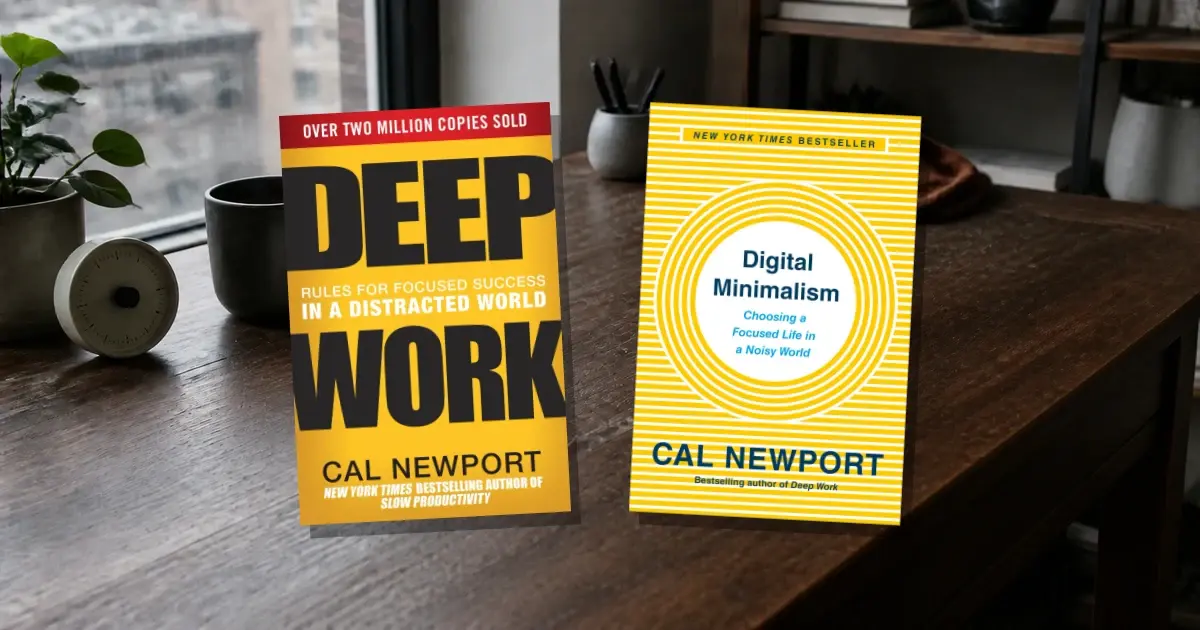
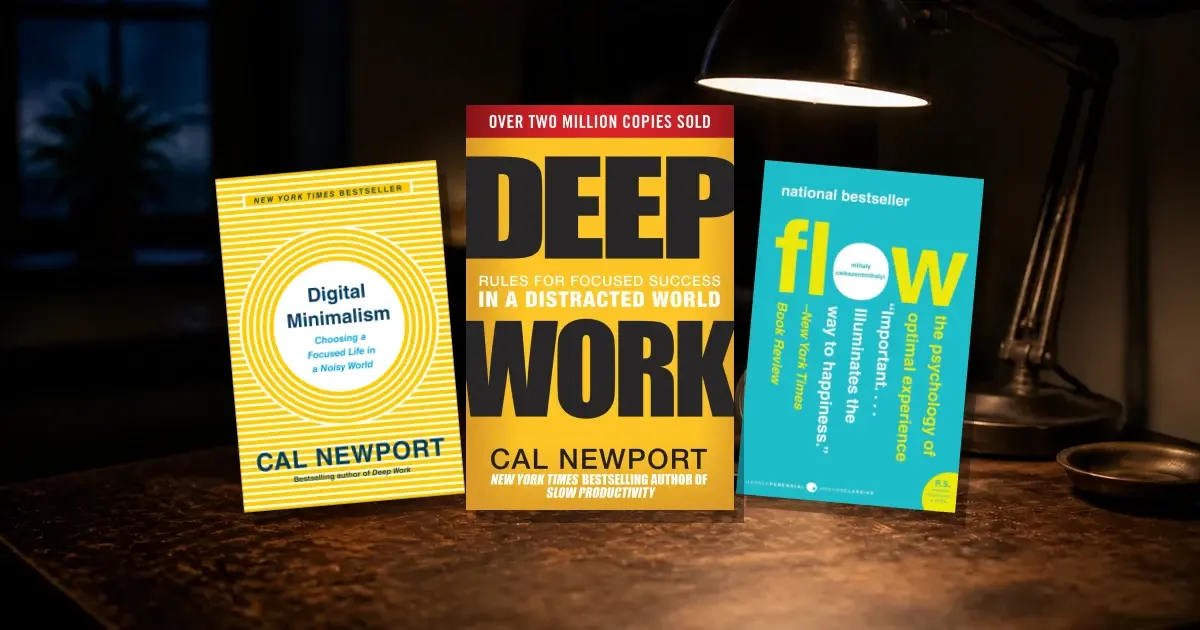
A boundary with nothing behind it leaves a gap, and the gap is usually refilled by the habit you just removed. Cal Newport's Digital Minimalism admits only technologies that clearly serve deeply held values, and argues that reclaimed time has to be filled with demanding, satisfying leisure rather than left as a void. Choose the replacement by situation rather than by ambition: one thing for the five minutes between meetings, one for the evening, one for a queue. Keep it within reach of the cue.
- Match one alternative to each recurring cue, and store it where the cue happens.
- Prefer something with an ending in sight over something open-ended.
A worked plan for your next ten-minute break
Here is a Wiseley example you can copy this afternoon. The cue is a meeting ending at three o'clock. Before it starts, leave the phone face down in a drawer and a book on the desk. At three, stand up, fill a glass of water and walk to a window for two minutes. Read for six minutes: a chapter, a summary, anything with an ending in sight. Spend the last two minutes writing one sentence about what you read.
- Two minutes standing and away from the desk, six minutes reading, two minutes writing.
- Give the news its own scheduled slot instead of the break.
Reading, walking and other offline alternatives
Different cues need different substitutes. Restlessness suits a walk, the evening slump suits ten undemanding pages, and loneliness suits a call, which Newport treats as the point of conversation-centric communication rather than a side effect of it. Cleveland Clinic's own list is in the same spirit: walking, exercise, plans with friends and volunteering. Hari adds a reason to protect the last hour of the day, arguing that sleep is an active restorative process that attention depends on.
- Restlessness: a walk. Evening tiredness: ten easy pages.
- Loneliness: a call or a message that expects an answer.
What to adjust when the plan is hard
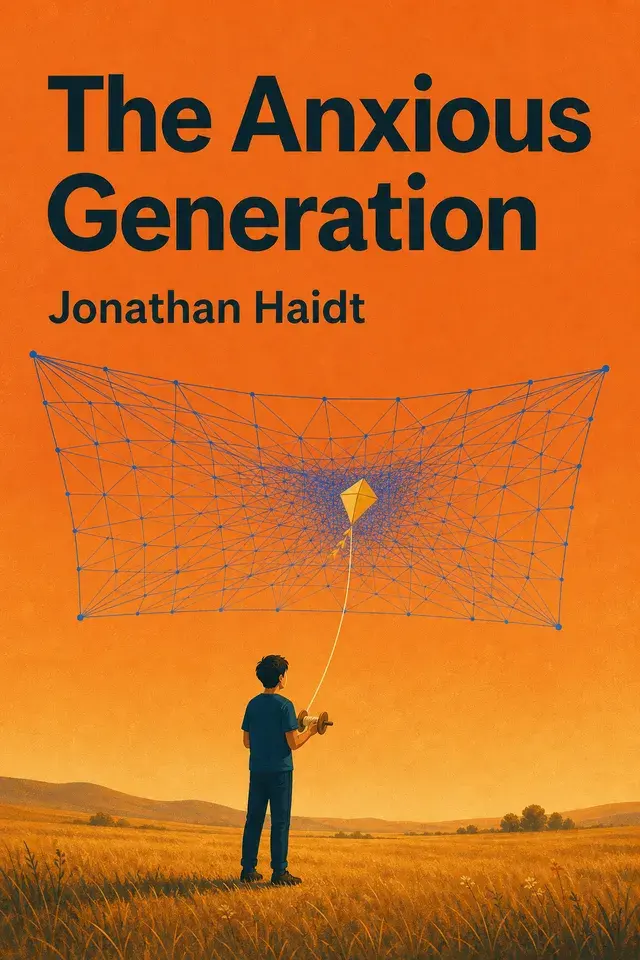
Expect to miss it. When you do, change one variable instead of the whole plan: make the boundary smaller, move the phone further away, or swap the alternative for one that takes less effort. Jonathan Haidt's The Anxious Generation argues that phone norms persist because the social cost falls on whoever changes first, and that coordination lowers that cost. Agreeing on one phone-free hour with a partner or a team is easier than deciding alone. The research base is still thin: the daily-diary study most often cited for it followed 61 young adults over 30 days and reported associations, not causes.
- Change one variable at a time and keep the rest.
- Ask one other person to hold the same boundary, and judge the week rather than the evening.
Sources and scope
Book ideas are attributed to their authors. External evidence is linked directly when a claim needs more than the source book.
- Digital Minimalism: Grounds the value-led choice of technology, the need for demanding leisure in reclaimed time, and conversation-centric contact.
- Stolen Focus: Grounds the argument that conditions and attention-monetizing platforms, not willpower alone, make focus difficult, and that sleep restores attention.
- Dopamine Nation: Grounds physical self-binding: placing a barrier between desire and action before craving narrows voluntary choice.
- The Anxious Generation: Grounds the coordination point that phone norms are costly for whoever changes first and easier to change together.
- Everything You Need To Know About Doomscrolling and How To Avoid It — Cleveland Clinic Health Essentials
- Doomscrolling during COVID-19: The negative association between daily social and traditional media consumption and mental health symptoms during the COVID-19 pandemic — American Psychological Association, Psychological Trauma
To report a factual, attribution, rights, or accessibility concern, email hello@wiseley.app.
Questions readers ask
What does doomscrolling mean?
Cleveland Clinic describes it as endlessly scrolling through upsetting or negative content online even when it makes you feel worse. The defining features are the negative material and continuing past the point where reading it helps.
Does all scrolling count as doomscrolling?
No. Messaging a friend, following a match or watching something light is ordinary phone use. Calling all of it doomscrolling makes the problem too large to act on; the useful target is the loop through distressing content.
When should I talk to a professional?
If the habit continues despite repeated attempts to change it, or if anxiety, low mood or sleep problems persist, speak with a qualified clinician. Cleveland Clinic suggests considering a therapist who specializes in cognitive behavioral therapy. This guide is practical advice, not a diagnosis or treatment.