Choose the kind of discovery you want to watch
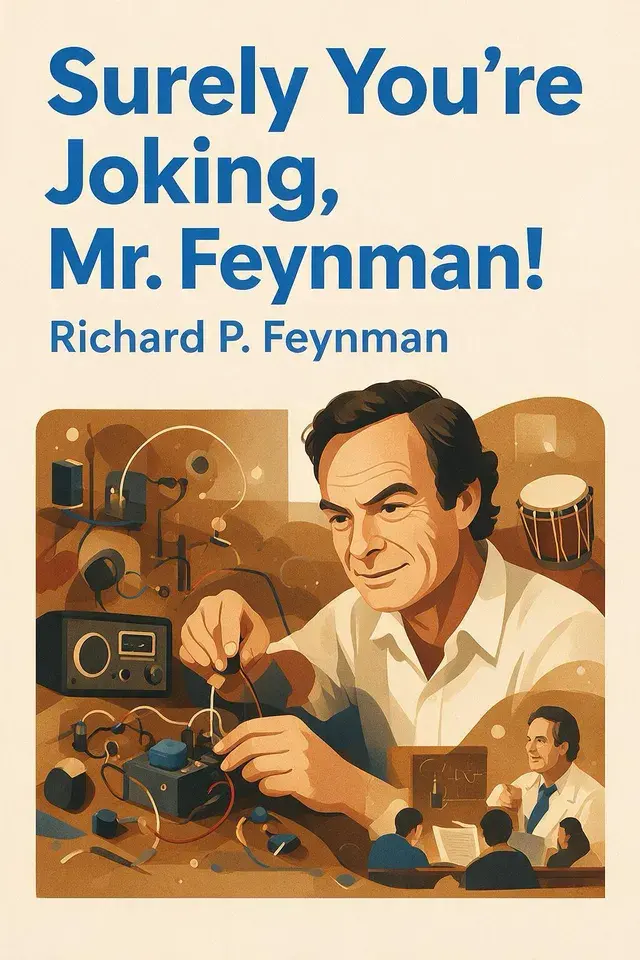
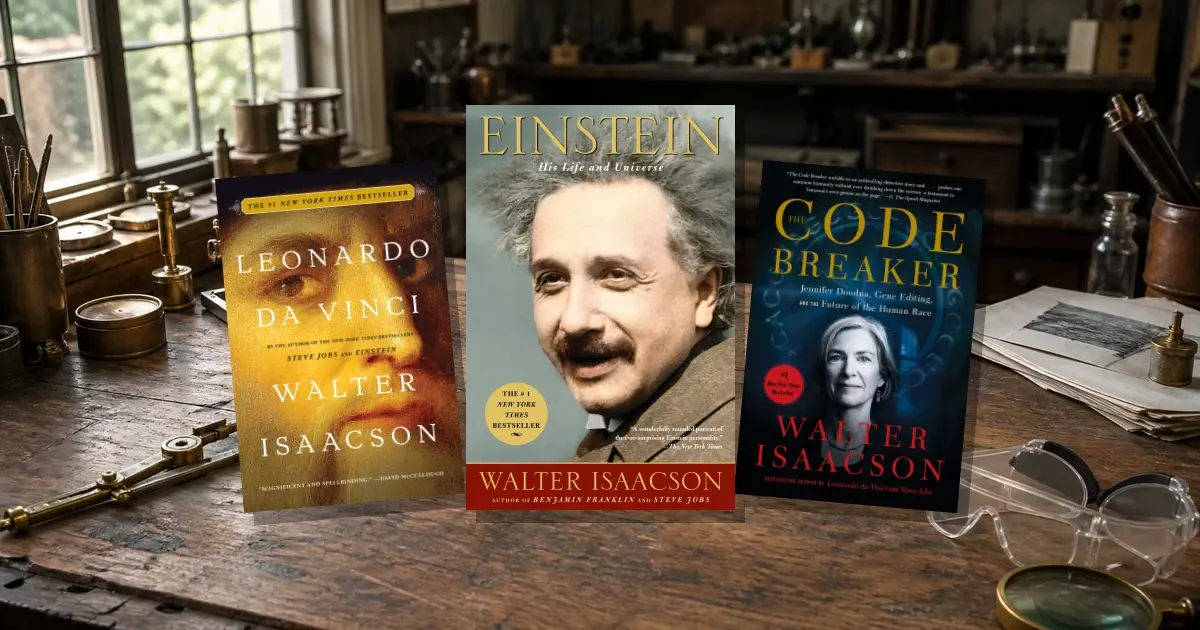
These books disagree productively about where discovery lives. Walter Isaacson’s Einstein finds it in visual imagination, first principles, mathematical collaboration, and a stubborn search for lawful reality. His Leonardo finds it in notebooks that connect painting, anatomy, water, mechanics, and light. The Code Breaker moves into modern team science, where bacterial immune memory becomes CRISPR through shared work, competition, patents, clinical promise, and governance. Hidden Figures restores mathematical labor and institutional barriers to the space story. Feynman makes curiosity itself visible through puzzles, experiments, play, and self-criticism.
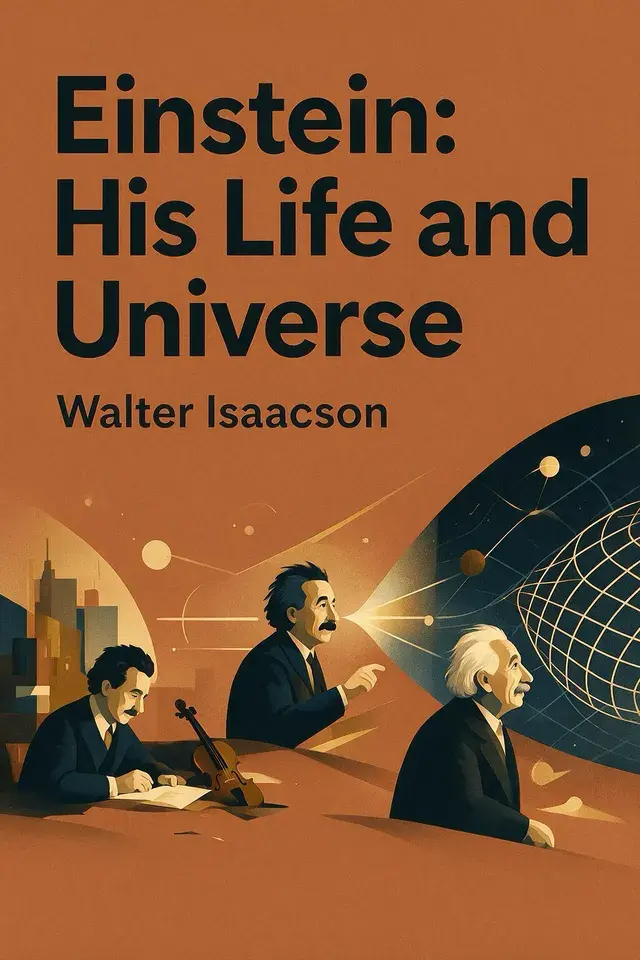
- Theory, exile, fame, and public responsibility: Einstein: His Life and Universe.
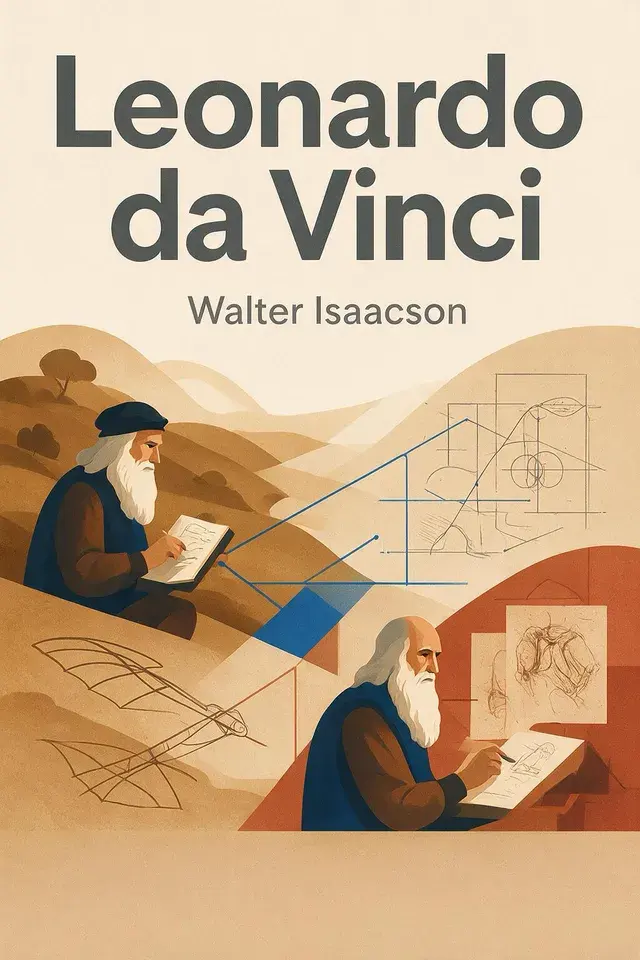
- Observation across art, anatomy, and engineering: Leonardo da Vinci.
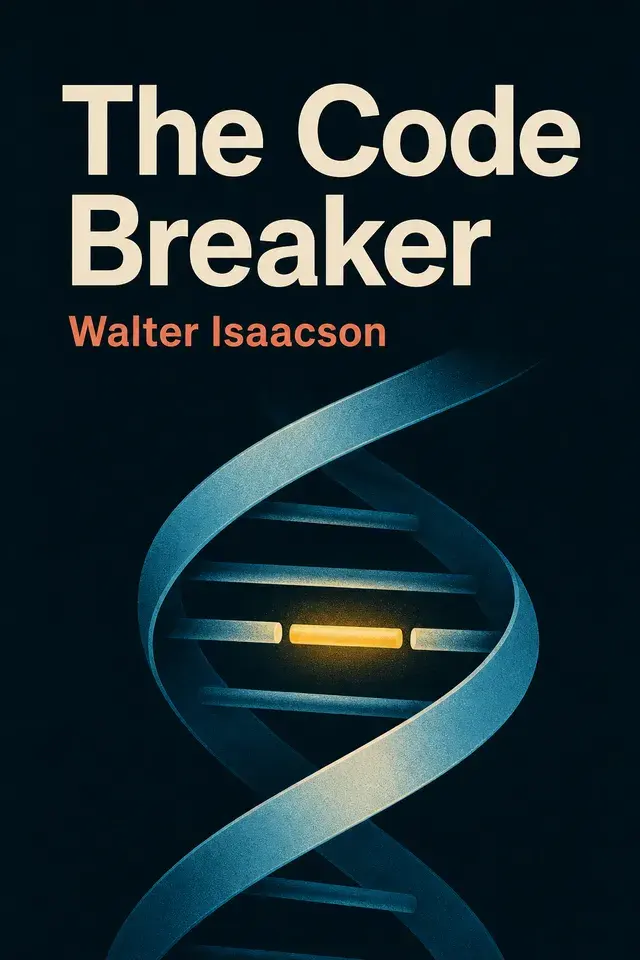
- Collaborative biotechnology and its ethical boundaries: The Code Breaker.
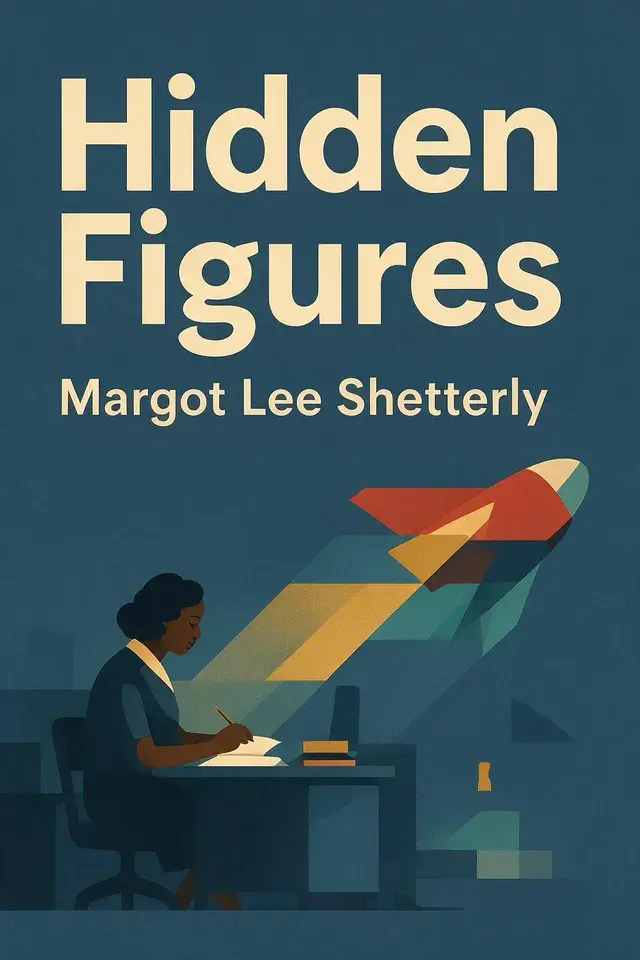
- Technical achievement inside race and gender hierarchy: Hidden Figures.
- Playful inquiry disciplined by direct tests: Surely You’re Joking, Mr. Feynman!
What the lone-genius myth misses
Einstein needed Grossmann’s mathematics, a patent-office livelihood, and a community that could test relativity. Leonardo learned through Verrocchio’s workshop, dissection, collaborators, and repeated revision; his unfinished work complicates any simple productivity lesson. CRISPR’s programmable cut emerged from microbial research and many laboratories before ownership disputes narrowed the public story. NASA’s women computers made calculation into mission infrastructure while segregation and gendered credit kept their work less visible. Even Feynman’s independent style depends on other people who challenge, teach, replicate, or expose a limit.
- Ask which tools, colleagues, institutions, and resources made the breakthrough possible.
- Distinguish the origin of an idea from the work that made it reliable and usable.
- Keep moral consequence beside technical achievement, especially in war, genetics, and public systems.
A reading path from curiosity to responsibility
Begin with Leonardo da Vinci for the most transferable practice: observe closely, draw what you think you see, then revise when experience breaks the analogy. Move to Einstein for the relationship between imagination and formal theory. Read Hidden Figures before The Code Breaker so modern discovery arrives as institutional and collective work rather than a race among famous individuals. Finish with Feynman, whose insistence on controls, mechanisms, and inconvenient evidence supplies a test for every inspiring story that came before.
- Keep two columns: the celebrated insight and the supporting system.
- Record one failed model or unfinished path, not only successful outcomes.
- Translate admiration into a bounded practice—observation, explanation, testing, or fairer credit.
Sources and scope
Book ideas are attributed to their authors. External evidence is linked directly when a claim needs more than the source book.
- Einstein: His Life and Universe: Source for Einstein’s visual reasoning, theoretical work, collaborations, exile, public fame, and moral responsibility.
- Leonardo da Vinci: Source for Leonardo’s notebooks, workshop learning, observation, anatomy, interdisciplinary method, and unfinished work.
- The Code Breaker: Source for the development of CRISPR, collaborative research, patents, treatments, access, embryo editing, and governance.
- Hidden Figures: Source for the women computers, mathematical mission work, segregation, retraining, sponsorship, and institutional change at Langley.
- Surely You're Joking, Mr. Feynman!: Source for Feynman’s curiosity, mechanism-first explanations, playful inquiry, direct testing, and scientific self-criticism.
To report a factual, attribution, rights, or accessibility concern, email hello@wiseley.app.
Questions readers ask
Which biography is best for a science beginner?
Leonardo da Vinci is the broadest entry because its discoveries begin in visible observation. Hidden Figures is especially accessible if you prefer a human and institutional story before detailed scientific ideas.
Which book focuses most on the ethics of invention?
The Code Breaker makes governance, embryo editing, access, and ownership central to the scientific story. Einstein also follows moral responsibility through exile, war, nuclear weapons, and public advocacy.