
1. Check identity and attribution
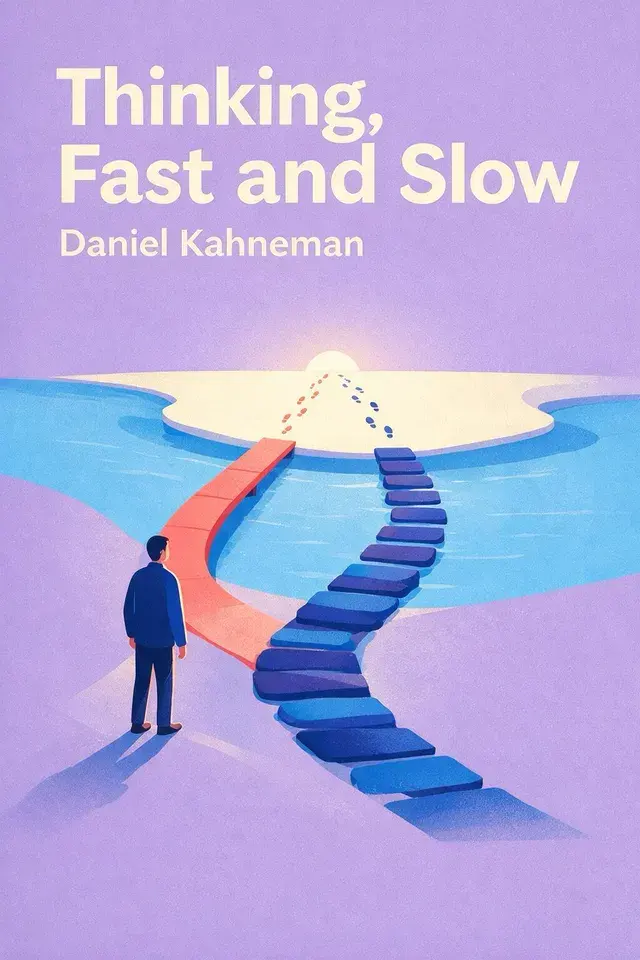
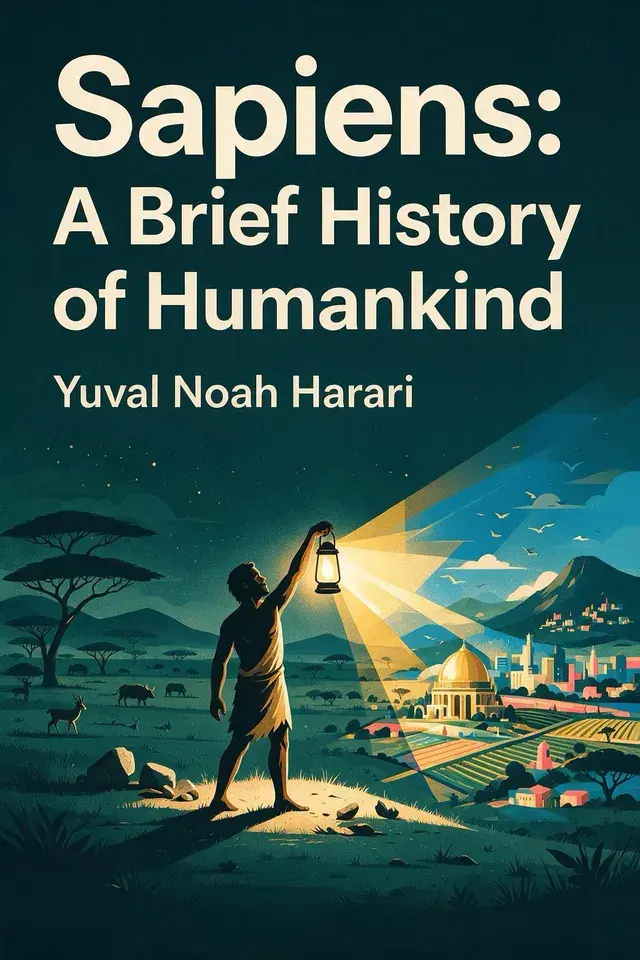
A trustworthy summary names the exact title, author, edition or source identity when relevant, and the language being summarized. It distinguishes “the author argues” from “research shows” and from the summarizer’s inference. This is essential for books such as Thinking, Fast and Slow, where a famous concept can escape its original qualifications, and Sapiens, where a sweeping narrative may be repeated as consensus instead of attributed interpretation.
- Can you identify the exact work and author?
- Are claims attributed to the book rather than voiced as universal fact?
- Are inferences and editorial explanations visibly labeled?
2. Look for argument, evidence, and limits
A list of lessons is not necessarily a summary of an argument. Look for the question the book asks, the sequence of reasons, the evidence or examples used, and the conditions under which the claim may not apply. A useful summary can be concise while still saying that a thesis is debated, evidence is illustrative, or a concept has a narrower scope than popular retellings imply. Confidence without source boundaries is a warning sign, not a mark of clarity.
- Argument: can you see how one claim leads to the next?
- Evidence: can you tell what kind of support the author uses?
- Limits: does the summary preserve qualifications and credible disagreement?
3. Demand provenance, revision, and a clear stopping point
The service should know which source produced the summary, whether validation passed, and when the record changed. That provenance need not expose private source files, but it should support reproducibility and correction. The page should also tell you when to leave the summary: high-stakes health, legal, or financial decisions; technical evidence you must inspect; contested history; or a work whose voice and examples are the point. Trust grows when a summary marks its own border.
- Revision: is there a stable identity and correction path?
- Integrity: were hashes, structure, links, and selected ideas validated?
- Boundary: does the summary explain when the full work or current authoritative evidence is necessary?
Sources and scope
Book ideas are attributed to their authors. External evidence is linked directly when a claim needs more than the source book.
- Thinking, Fast and Slow: Concrete example for evaluating concept scope, evidence, qualification, and popular simplification.
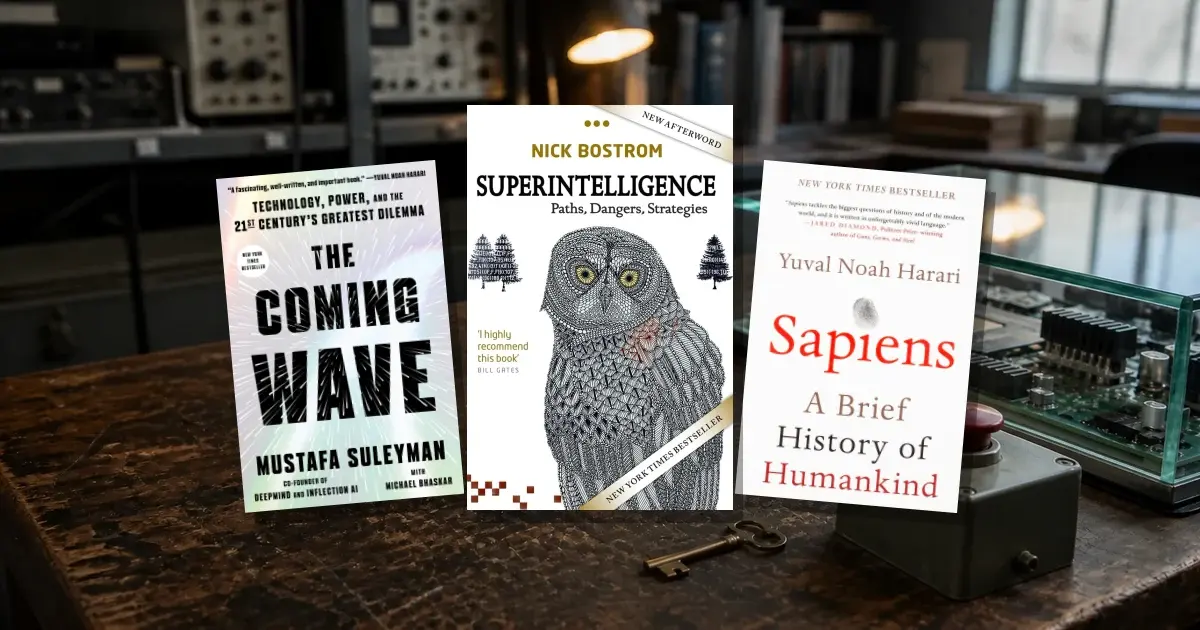
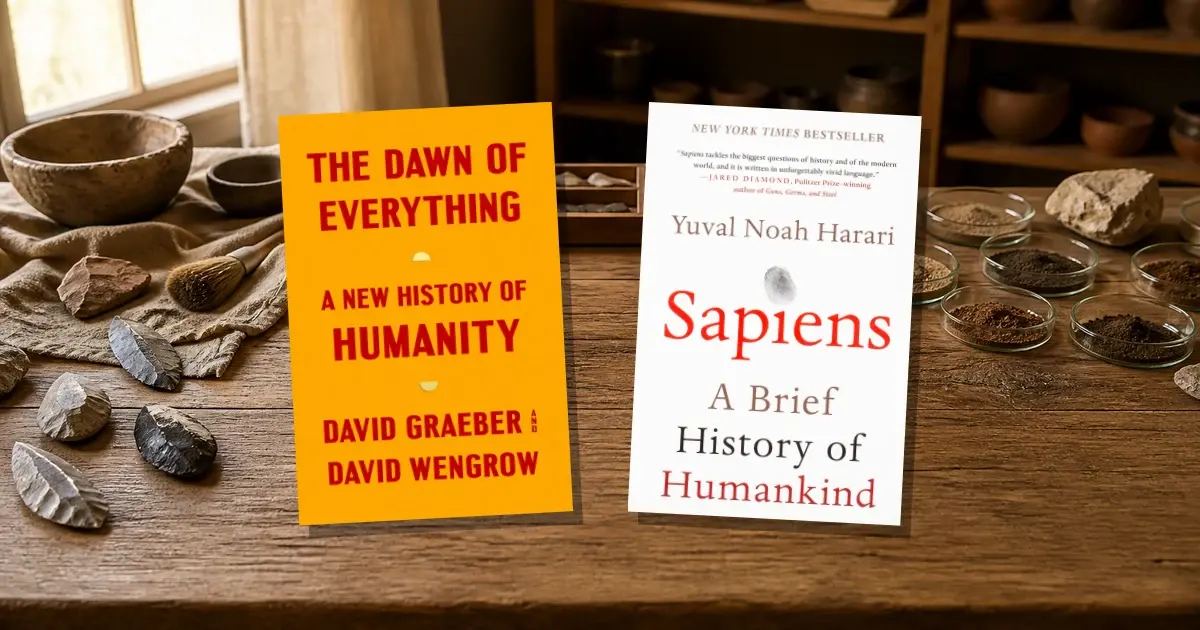
- Sapiens: A Brief History of Humankind: Concrete example for evaluating attribution, sweeping synthesis, debated claims, and narrative confidence.
To report a factual, attribution, rights, or accessibility concern, email hello@wiseley.app.
Questions readers ask
Does a longer summary mean a more accurate summary?
No. Length can preserve more context, but accuracy depends on identity, attribution, structure, evidence, qualification, and faithful selection. A long page can still flatten the book.
Can AI-generated summaries be trustworthy?
The relevant question is the process: source grounding, deterministic validation, editorial review, provenance, correction, and clear limits. Generation method alone does not prove either accuracy or inaccuracy.