Choose by stage
The failure mode changes as a company grows. Before anything exists, the risk is building a copy of something that already works. With early users, the risk is shipping without learning. When capital dries up, the risk is psychological before it is financial. And after product-market fit, the risk inverts: the things that won the early market actively repel the mainstream one.
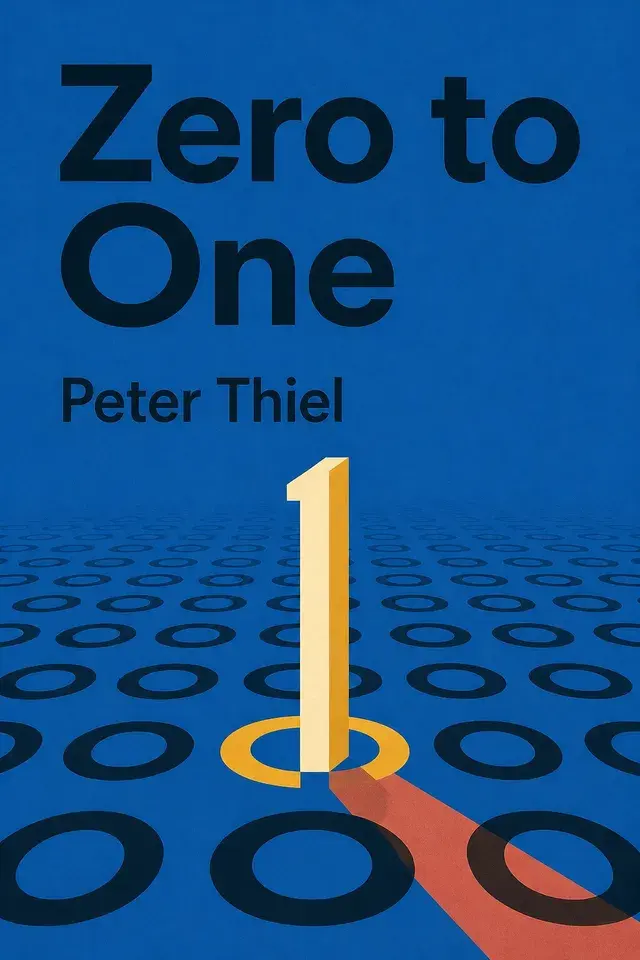
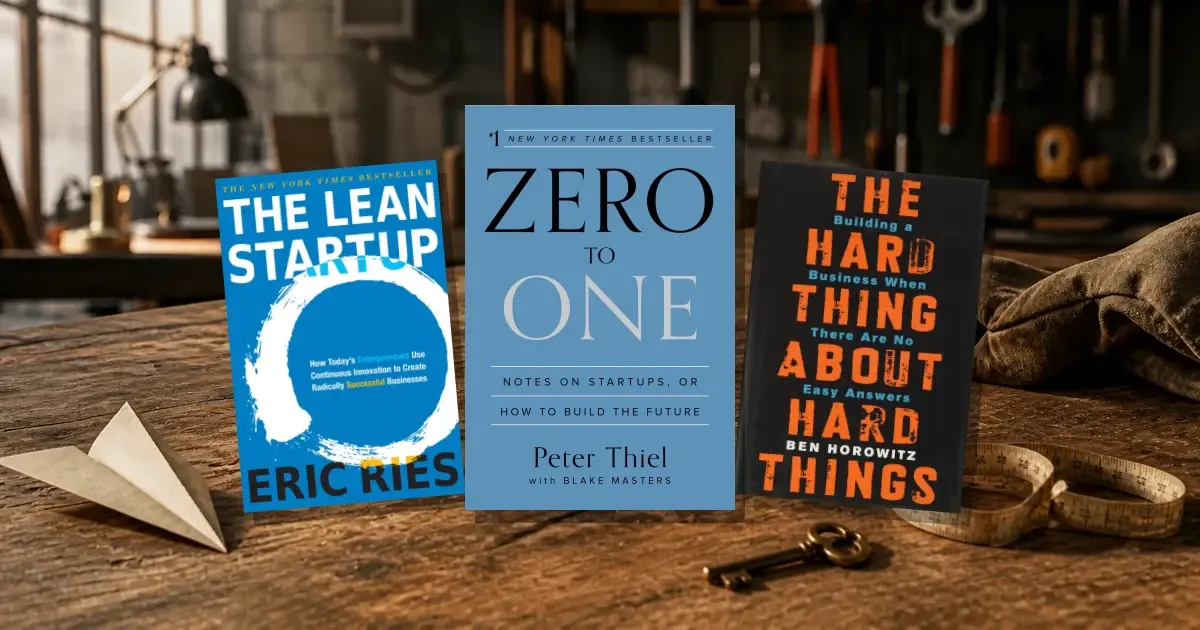
- Still shaping what the company is: Zero to One.
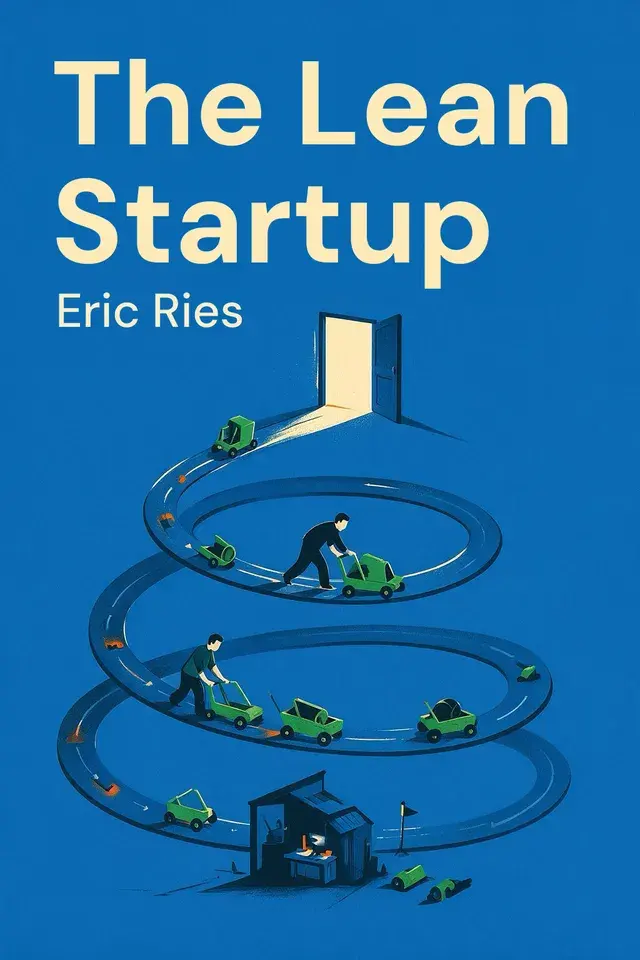
- Building toward first real customers: The Lean Startup.
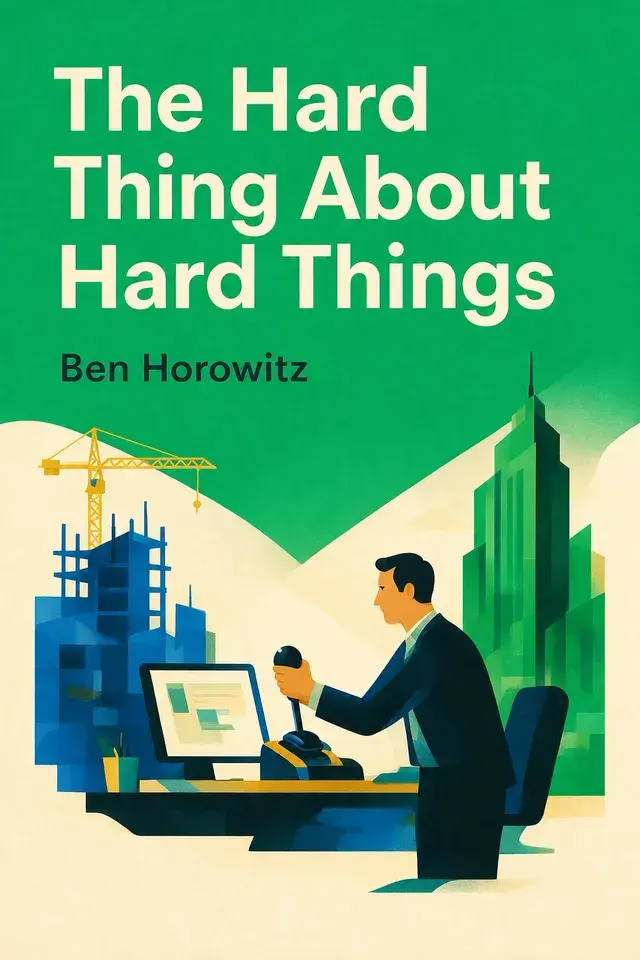
- Survival is the plan, not a phase: The Hard Thing About Hard Things.
- Wanting the unvarnished full arc of founding: Shoe Dog.
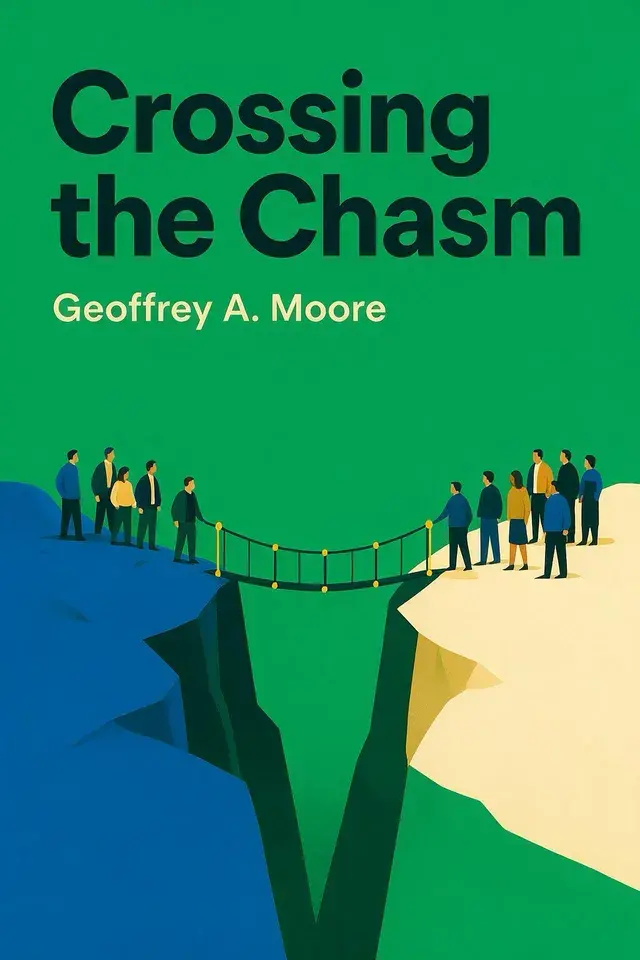
- Early traction that will not convert to scale: Crossing the Chasm.
What each book adds
Thiel supplies the strategic frame: zero-to-one creation versus one-to-n copying, monopoly by design rather than race, power-law concentration of effort, secrets worth pursuing, and distribution as part of the product. Ries turns uncertainty into method — build-measure-learn, MVPs designed backward from required learning, innovation accounting, and structured pivots. Horowitz writes the book for when no option is good: sharing the Struggle without surrendering accountability, laying off while protecting trust, training managers deliberately, and judging stay-versus-sell honestly. Knight's memoir shows the same territory from inside debt, lawsuits, and dependence on suppliers, where belief and persistence carry a venture no formula can. Moore explains why visionary buyers and pragmatic buyers want opposite things, and why escaping the gap demands one beachhead, a whole product, and referenceable proof.
- Best pre-launch read: Zero to One, for the questions that shape everything downstream.
- Best operating manual once customers exist: The Lean Startup and its validated-learning loop.
- Best companion for the worst quarter: The Hard Thing About Hard Things.
A reading path that follows the company
Read Thiel and Moore together early — one on what makes an advantage durable, the other on why enthusiasm from the wrong buyers proves nothing. Keep Ries at hand once experiments begin replacing plans. Save Horowitz and Knight for the period their candor matters; reading war stories too early produces either false confidence or unnecessary dread.
- Write your answers to Thiel's seven questions before writing more code.
- Define the metric a pivot would have to move before you need one.
- Revisit the chasm model the month visionaries stop returning calls.
Sources and scope
Book ideas are attributed to their authors. External evidence is linked directly when a claim needs more than the source book.
- Zero to One: Source for zero-to-one creation, durable monopoly design, power-law bets, secrets, and distribution as part of product.
- The Lean Startup: Source for build-measure-learn, MVP design, innovation accounting, trusted metrics, pivot patterns, and growth engines.
- The Hard Thing About Hard Things: Source for leading through the Struggle, trust-preserving layoffs, deliberate training, culture at scale, and stay-or-sell judgment.
- Shoe Dog: Source for the lived arc of founding: borrowed time, supplier dependence, legal survival, athlete-led branding, and going public.
- Crossing the Chasm: Source for the pragmatist gap, beachhead selection, whole-product assembly, positioning, and channel transitions.
To report a factual, attribution, rights, or accessibility concern, email hello@wiseley.app.
Questions readers ask
Which startup book should I read first?
If you are still choosing what to build, start with Zero to One because it shapes the thesis everything else executes. If a product already has users, The Lean Startup returns more immediately, since its build-measure-learn loop and innovation accounting apply to whatever you are building.
Is The Lean Startup still relevant?
Its vocabulary became so common that the discipline is often mistaken for the buzzwords. The core practices — MVPs designed backward from what must be learned, actionable metrics over vanity ones, and pivots that test a changed hypothesis — remain the standard answer to building under genuine uncertainty.
Why include a memoir like Shoe Dog?
Because it corrects survivorship-flavored strategy books with a candid account of how close Nike came to insolvency, lawsuit losses, and broken relationships. It pairs naturally with Horowitz: one explains what hard periods demand of decisions, the other shows what they feel like from the inside.