
Define an output before a syllabus
A topic such as leadership, statistics, or writing is too broad to organize a useful path. Define an output: explain a concept to a colleague, analyze a dataset, write a policy memo, or conduct a better feedback conversation. Then list the knowledge, subskills, and judgments the output requires. This protects the curriculum from becoming a tour of famous books and creates a way to notice whether reading changes performance.
- Output: what will you produce, explain, or decide?
- Components: which facts, procedures, and judgments does it require?
- Evidence: what would look better after four weeks?
Give each resource one of four roles
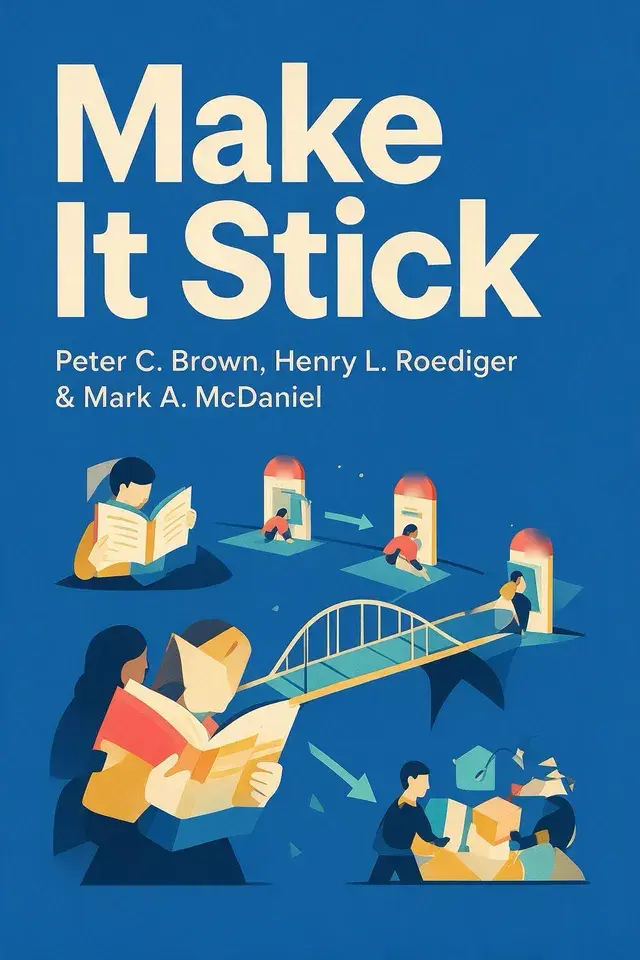
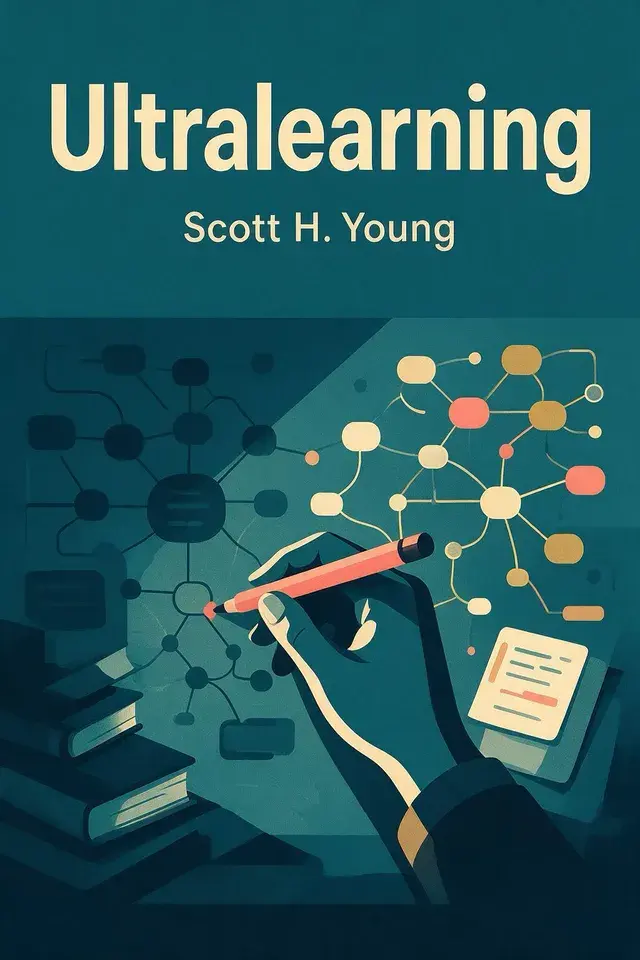
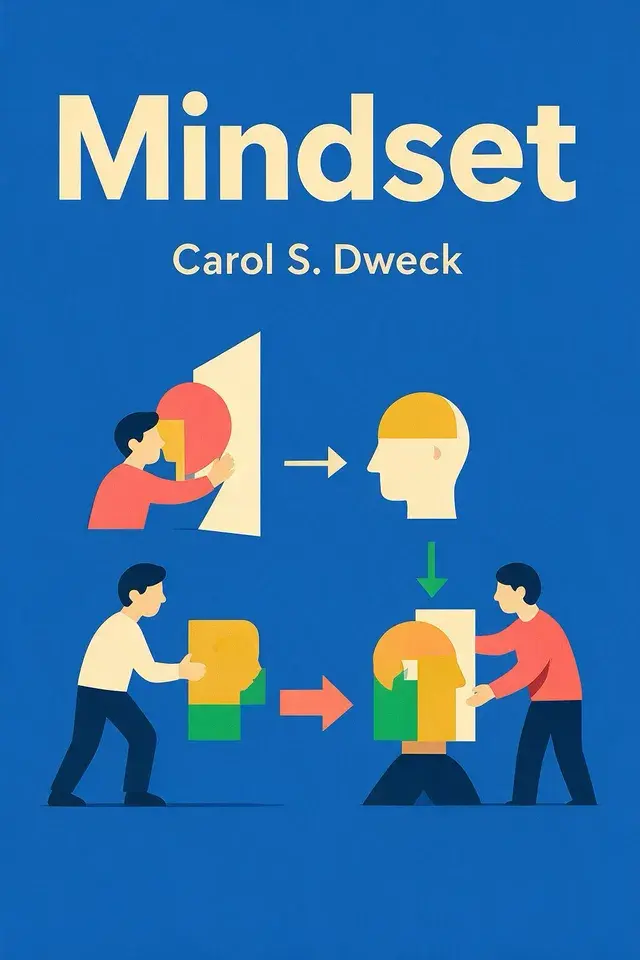
Use one foundation to establish vocabulary and structure. Add direct practice that resembles the desired output. Choose a counterpoint that challenges assumptions or exposes scope limits. Finish with synthesis: a project, explanation, or comparison built without copying the sources. Make It Stick helps design retrieval and spacing; Ultralearning emphasizes directness, drills, and feedback; Mindset can help interpret difficulty without confusing effort with mastery.
- Foundation: one map, not five competing introductions.
- Practice: tasks close to the real performance.
- Counterpoint: a credible disagreement or different mechanism.
- Synthesis: something created from memory and tested with feedback.
Use checkpoints that can change the path
At the end of each week, retrieve the main ideas, attempt the output, and classify errors. A knowledge gap may require a return to the foundation. A slow or unreliable procedure may require a drill. A judgment error may need contrasting cases and feedback. Remove a resource when it no longer serves a diagnosed gap. A personal curriculum is not a promise to complete a list; it is a sequence that changes in response to performance.
- What can I now do without the source?
- Where does performance still break?
- Which next resource or practice addresses that exact break?
Sources and scope
Book ideas are attributed to their authors. External evidence is linked directly when a claim needs more than the source book.
- Make It Stick: Grounds retrieval, spacing, interleaving, feedback, and durable learning design.
- Ultralearning: Grounds directness, projects, drills, feedback, and self-directed curriculum design.
- Mindset: Grounds response to difficulty and feedback while preserving the distinction between effort and mastery.
To report a factual, attribution, rights, or accessibility concern, email hello@wiseley.app.
Questions readers ask
How many books should be in a learning path?
Start with one foundation and one counterpoint, then add only what a practice gap justifies. A shorter path with direct practice is usually more useful than a complete-looking bibliography.
What if I do not know enough to choose a counterpoint?
Use reviews, bibliographies, course outlines, and disagreement sections to identify a credible alternative. The counterpoint should challenge a claim or scope, not merely adopt an opposite tone.