Books worth understanding, not just finishing.
Explore 475 carefully structured nonfiction summaries. Start with the central argument, keep the useful ideas, then decide what deserves a full read.
All book summaries
Greenlights
Greenlights turns Matthew McConaughey’s journals and adventures into a reflection on a practical question: how can we recognize opportunity, learn from obstruction, and choose a life that fits? Its stories connect family discipline, creative risk, travel, love, fatherhood, and career reinvention to a more deliberate way of living.

Grit
Grit asks why some people persist toward difficult goals through setbacks—and how that persistence can develop. Duckworth defines grit as sustained passion and perseverance, then traces its growth through interest, deliberate practice, purpose, hope, relationships, and culture, while placing it among other virtues and distinguishing wise persistence from stubbornly pursuing every goal.
Guns, Germs, and Steel
Why did some human societies gain farming, states, writing, germs, and steel earlier than others? This summary follows the book’s environmental explanation from human settlement and domestication through disease, technology, conquest, and regional comparisons, while separating broad historical patterns from cultural contingency and unresolved questions.

Gut
Giulia Enders examines the gut as an active organ linked to digestion, immunity, microbes, and the brain. This summary asks how food becomes usable, why digestive symptoms arise, how microbial communities develop and act, and what proportionate habits can support them without mistaking early evidence for certainty.

Hagakure
Hagakure examines what loyalty means when a warrior treats death as already present. Set in the Saga domain, it connects clan memory, daily discipline, practical readiness, private counsel, and battlefield courage. Its contradictions help readers distinguish a historical ethic of service from later uses of sacrifice, obedience, and violence.
Hidden Figures
Hidden Figures traces how Black women and other female computers entered Langley during wartime, turned mathematical labor into advances in aviation and spaceflight, and navigated segregation, gender hierarchy, and technological change. It asks who gets counted as an innovator—and shows how institutions, mentors, and preparation make technical achievement possible.

Hillbilly Elegy
Hillbilly Elegy combines a multigenerational memoir with an inquiry into poverty, addiction, class, culture, and upward mobility. It asks why economic opportunity alone does not secure stability, and what relationships, institutions, choices, and community changes can widen a child’s chances.
Homo Deus
Homo Deus follows humanity’s shift from managing famine, plague, and war to pursuing longer life, happiness, and godlike capabilities. It explains how cooperation, stories, science, humanism, and economic growth organize society, then asks whether biotechnology, artificial intelligence, and data-driven systems may make human autonomy—and humans themselves—less central.

Hooked
Hooked explains how products turn recurring emotional discomfort into repeat behavior through triggers, easy actions, variable rewards, and user investment. It asks when behavior design helps people do what they value—and when it becomes manipulation—then offers a Bible app case study and a behavior-based method for testing habits and finding opportunities.
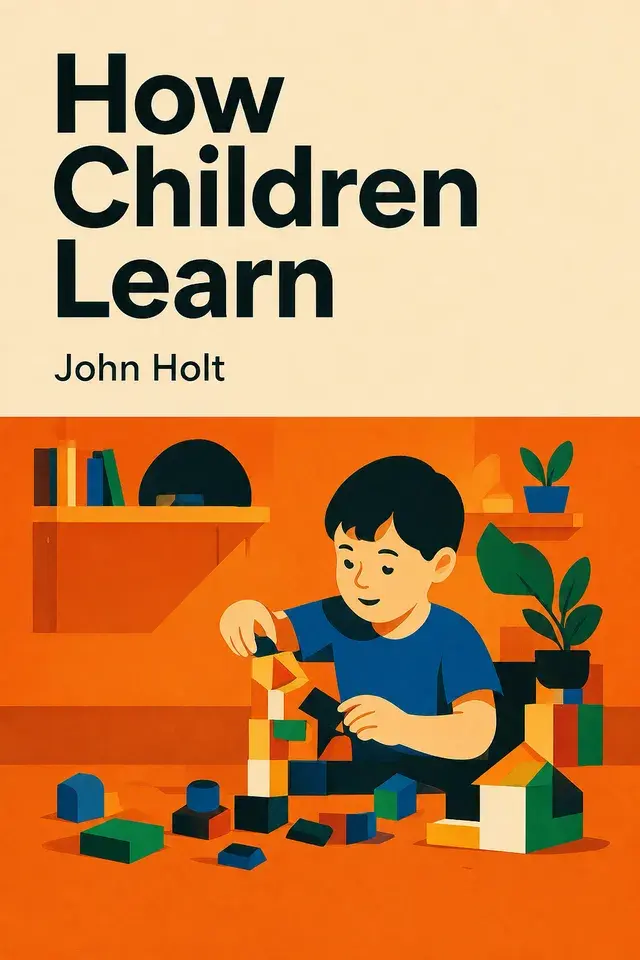
How Children Learn
How Children Learn examines how children build understanding through curiosity, play, language, reading, hands-on work, and imagination. Its central question is whether education should direct them toward fixed skills or protect their own investigations. The book offers a way to observe learners, reduce fear, and support independent judgment.
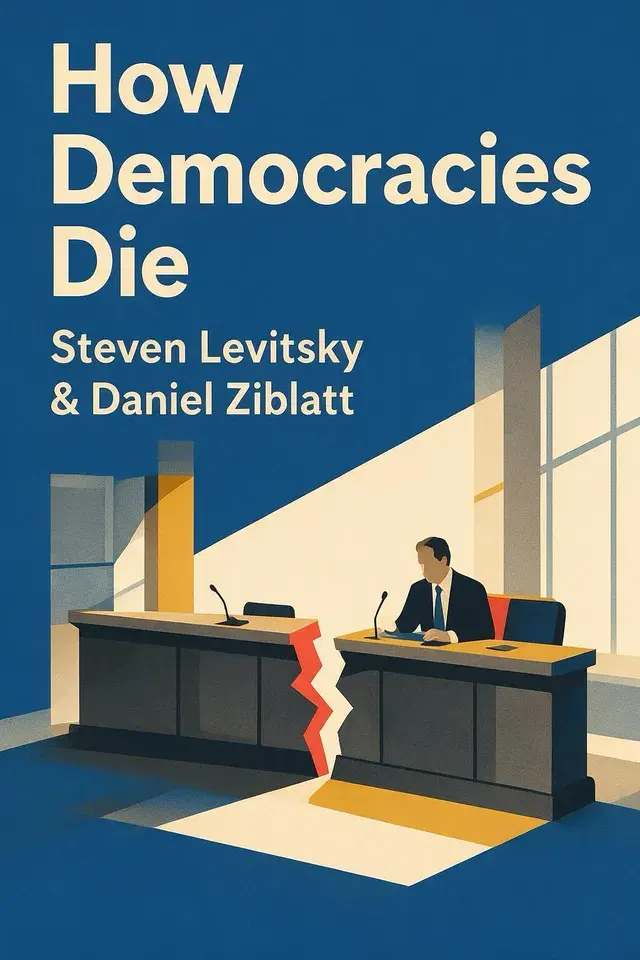
How Democracies Die
How Democracies Die asks how elected leaders can dismantle democracy from within, why parties and unwritten norms sometimes fail to restrain them, and how polarization turns legal powers into weapons. Its comparative framework helps readers recognize democratic danger and think about coalition-based ways to preserve and repair institutions.
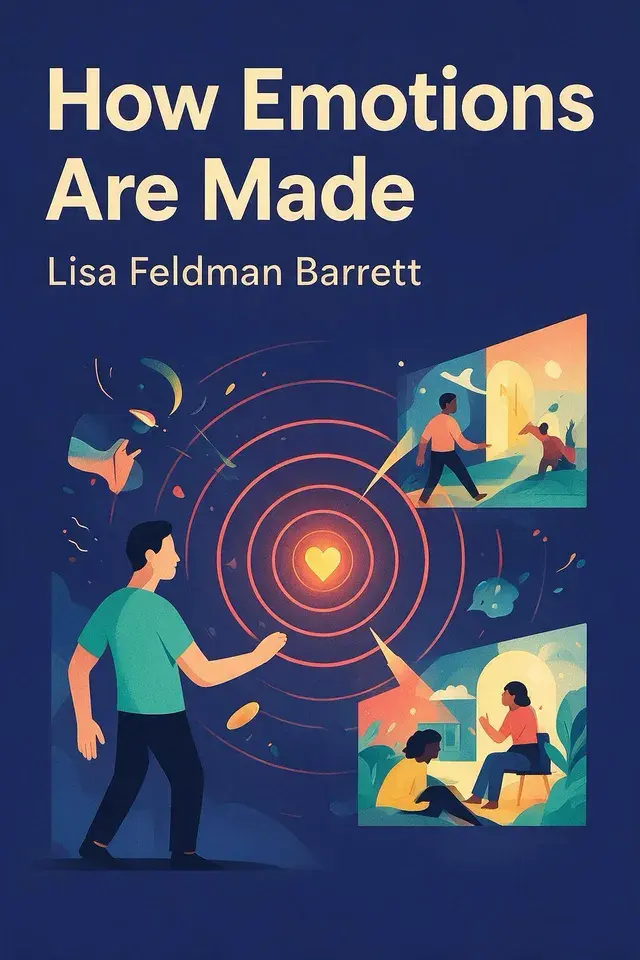
How Emotions Are Made
How Emotions Are Made asks whether emotions are universal biological reactions or predictions constructed from bodily signals, concepts, learning, and context. It traces the consequences for emotional regulation, illness, law, and animal behavior, giving listeners a more careful way to interpret feelings, evidence, and responsibility.

How Not to Die
How Not to Die asks which everyday choices shape the diseases that most often shorten life. Drawing on nutrition, movement, medical trade-offs, and the Daily Dozen, it argues that a predominantly whole-food, plant-centered pattern can prevent or sometimes improve chronic illness—while requiring evidence limits, safety, and clinical care.
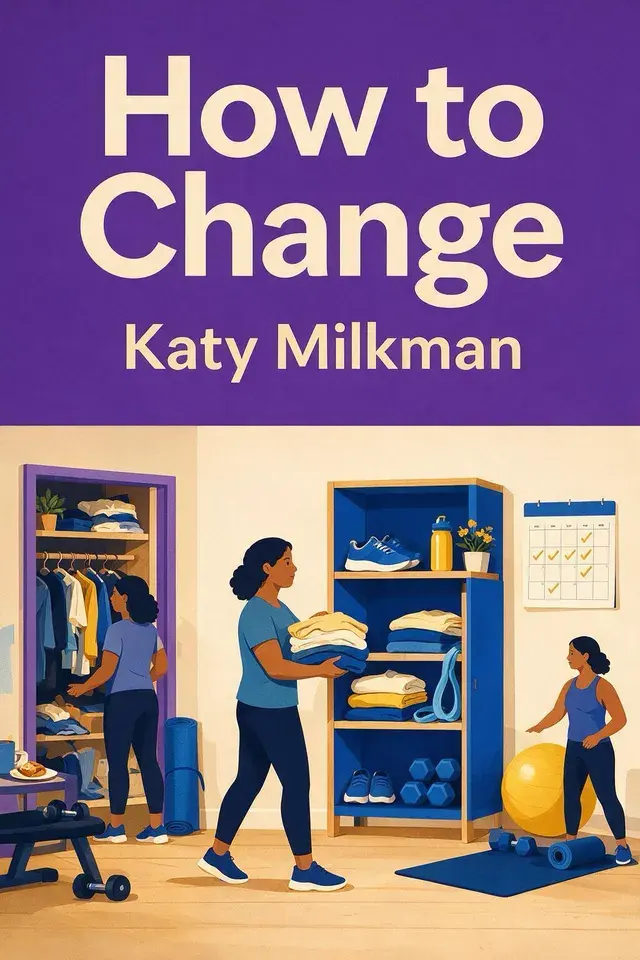
How to Change
How to Change asks why good intentions so often fail and argues that behavior shifts when the obstacle is diagnosed and the environment is redesigned around it. It examines fresh starts, temptation, procrastination, forgetting, inertia, confidence, and social influence, showing how cues, commitments, habits, expectations, and norms can support durable change.
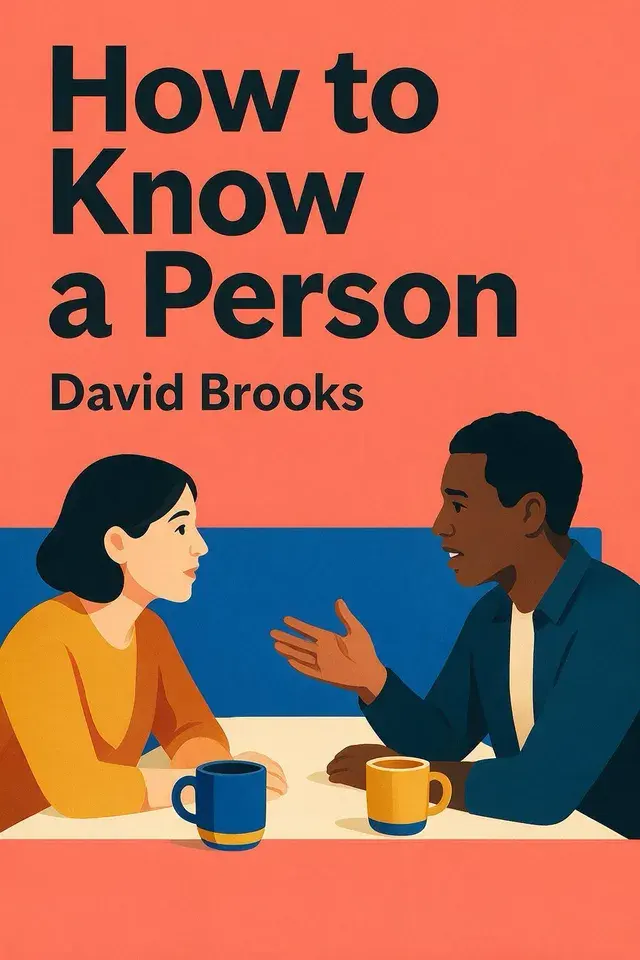
How to Know a Person
How to Know a Person asks what it takes to perceive another person beyond labels, roles, and first impressions. It connects attention, conversation, empathy, suffering, personality, culture, and wisdom, offering a practical and moral framework for listening better, understanding a person's history and viewpoint, and helping others feel genuinely seen.
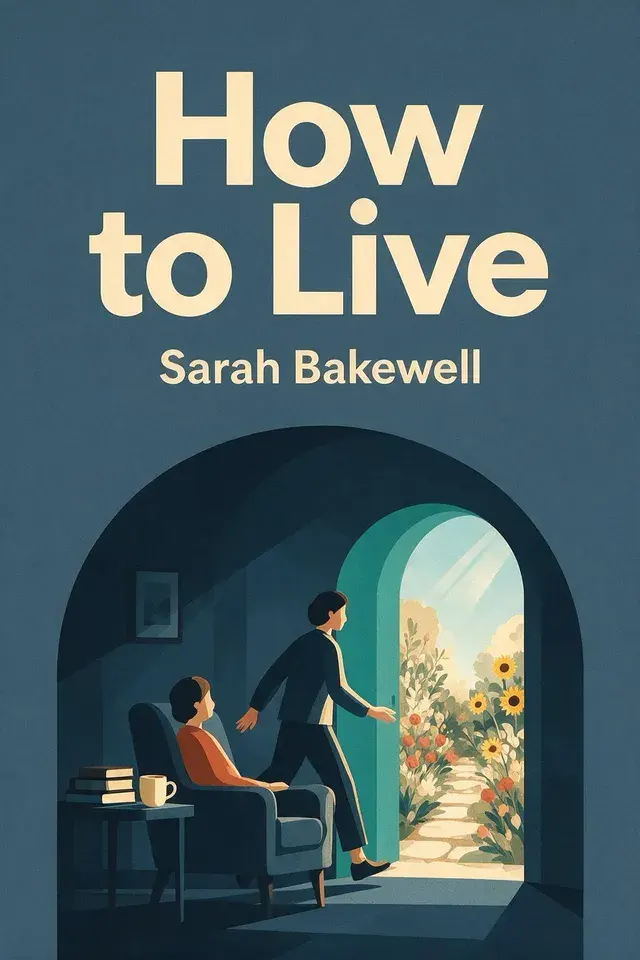
How to Live
Sarah Bakewell follows Michel de Montaigne as he tests one question—how to live—through death, friendship, reading, skepticism, travel, public duty, and the ordinary compromises of embodied life. Its intellectual and practical value lies in showing how attention, independence, sociability, and moderation can become ways of remaining human amid uncertainty.
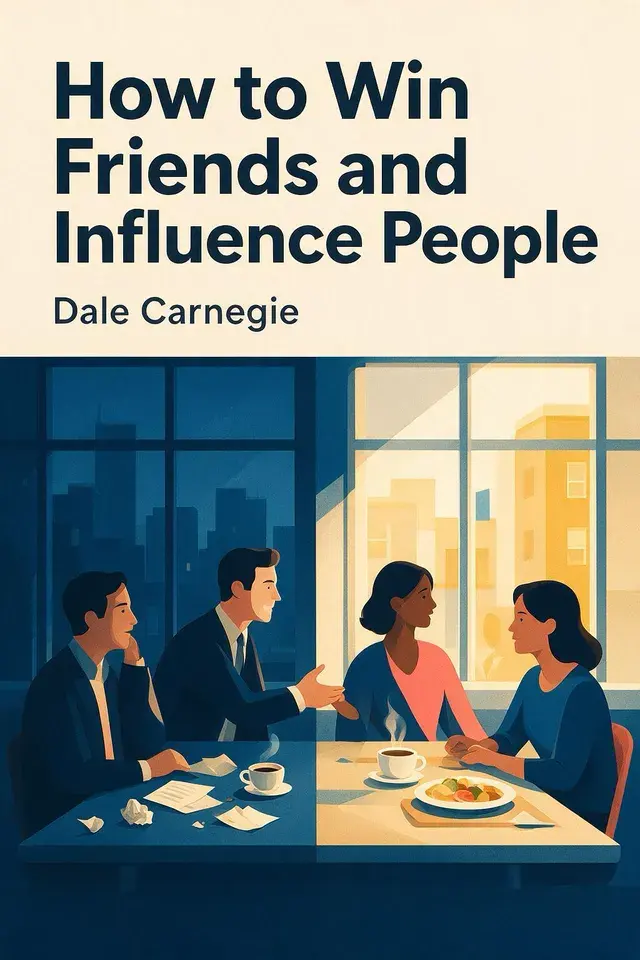
How to Win Friends and Influence People
How can ordinary interactions become more cooperative, humane, and effective? Dale Carnegie argues that influence begins with understanding motives, replacing criticism with sincere appreciation, and protecting dignity. The book turns those ideas into practices for conversation, negotiation, leadership, and marriage—and insists that repetition is what makes them usable habits.

Human Compatible
Human Compatible asks how machines that may surpass human intelligence can remain beneficial rather than become dangerous. It explains why fixed objectives fail, surveys social and economic risks, and develops preference-learning, deference, corrigibility, governance, and human-autonomy ideas for keeping AI aligned with people.