Books worth understanding, not just finishing.
Explore 475 carefully structured nonfiction summaries. Start with the central argument, keep the useful ideas, then decide what deserves a full read.
All book summaries
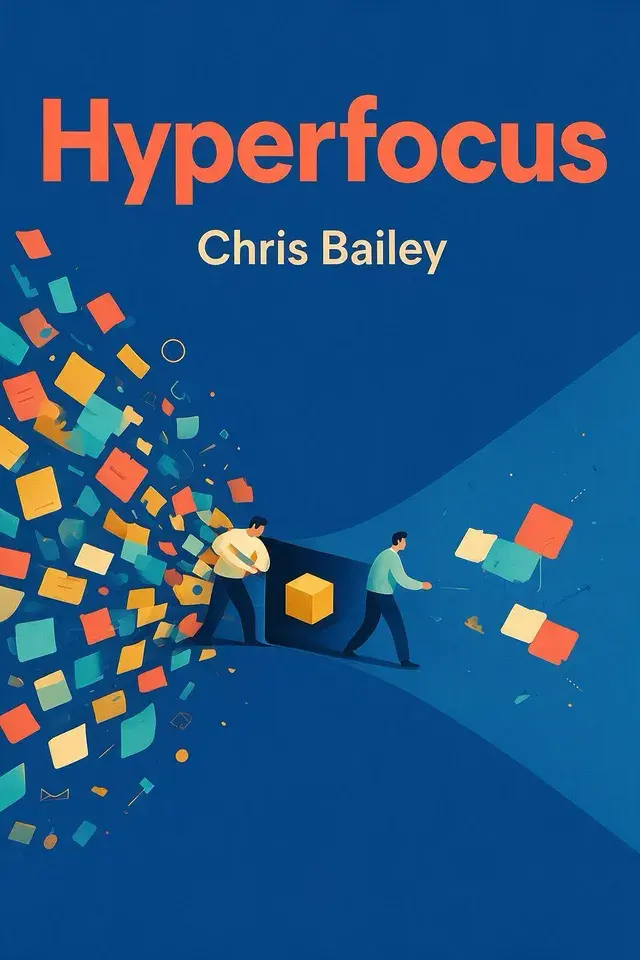
Hyperfocus
Hyperfocus asks how to direct scarce attention in a world of interruptions. Chris Bailey presents deliberate concentration on one meaningful task alongside intentional mind wandering, then connects both modes to distraction-aware environments, restorative breaks, valuable information, creativity, and daily energy. The practical value is a framework for choosing, protecting, and renewing attention.
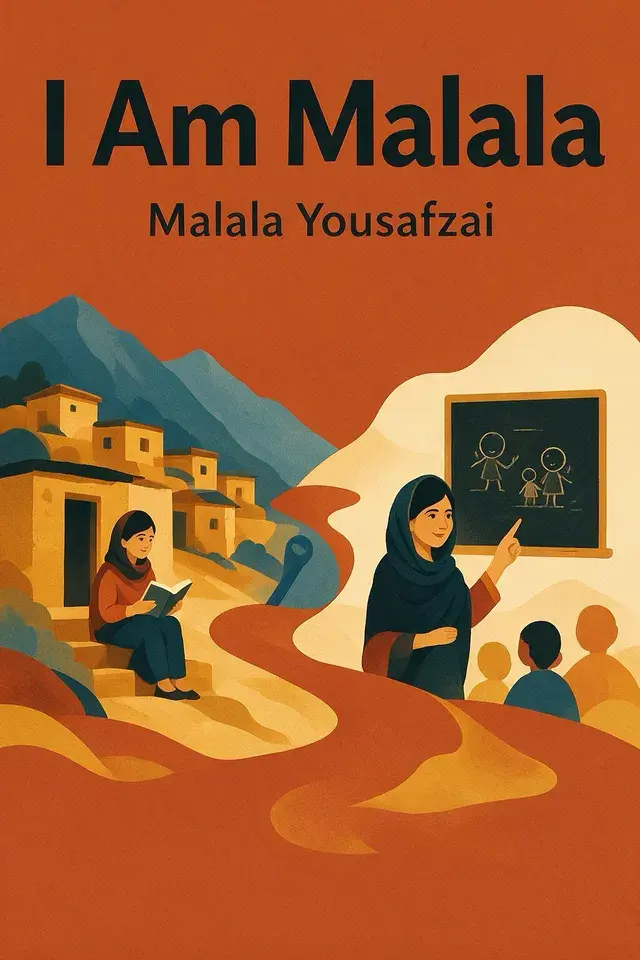
I Am Malala
Malala Yousafzai’s memoir follows a girl who treats education as both an ordinary joy and a contested right. It asks how family, faith, testimony, and collective courage can resist gender hierarchy, militant violence, displacement, and state failure—and how survival can become a lifelong commitment to schooling for every child.
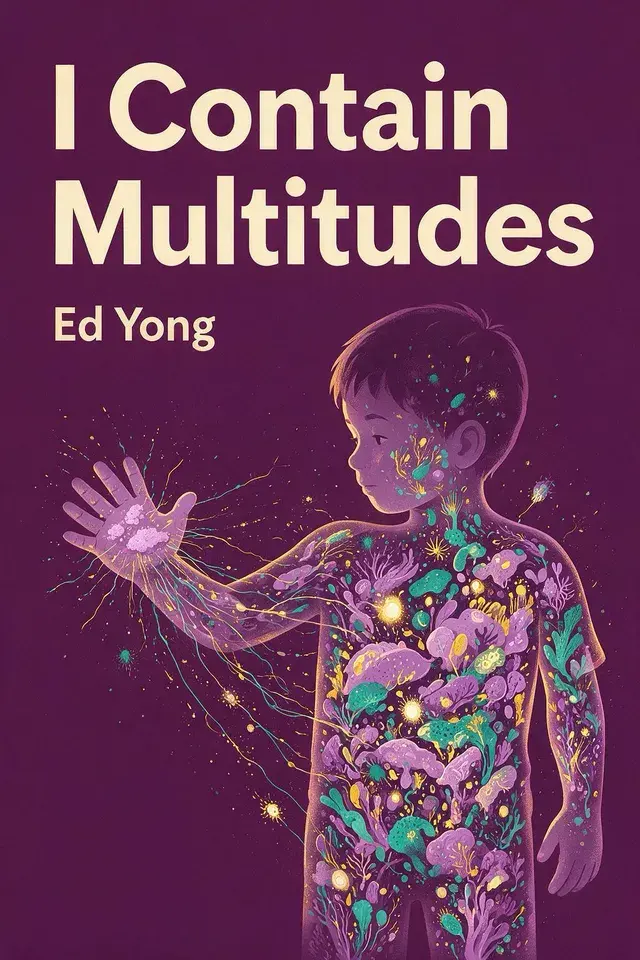
I Contain Multitudes
What if an animal is less a sealed individual than a living consortium? I Contain Multitudes follows microbes that build bodies, educate immunity, expand diets, shape evolution, and sometimes cause disease. It offers a practical way to understand health and intervention as ecological problems, not single-germ stories.
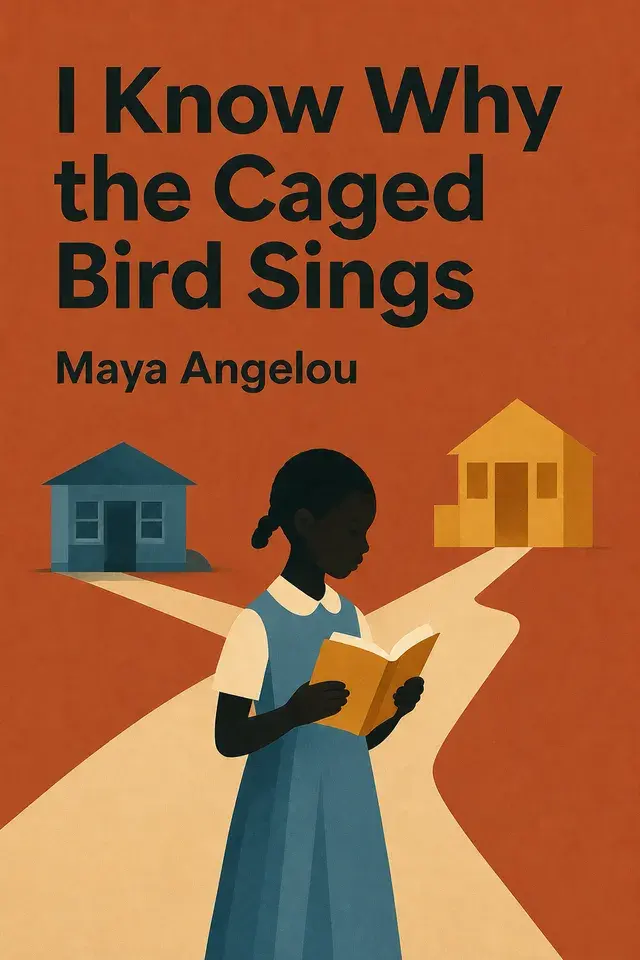
I Know Why the Caged Bird Sings
This memoir asks how a Black girl can build a self amid segregation, family separation, sexual violence, and migration. It traces how kinship, faith, literacy, community, work, and art turn fear and silence into voice and agency, while showing that each refuge remains vulnerable to racial and gendered power.

I'm Glad My Mom Died
Jennette McCurdy’s memoir examines how a childhood organized around her mother’s cancer, approval, and acting ambitions shaped performance, body control, fame, grief, and substance use. It asks what remains when pleasing a parent no longer supplies identity, and follows recovery as the difficult work of reclaiming agency while holding love and harm together.
I Will Teach You to Be Rich
Ramit Sethi’s framework for making money serve a personally defined rich life asks how readers can reduce costly debt, build low-fee accounts, automate saving and investing, spend deliberately, and handle major choices about work, relationships, cars, and homes. Its practical value is a repeatable system of small actions, trade-offs, and long-term habits.
Ikigai
Ikigai explores the Japanese idea of a reason for being and asks how purpose can shape a long, satisfying life. Drawing on Okinawan longevity, logotherapy, Morita therapy, flow, community, moderate habits, movement, and resilience, it offers a practical framework for staying engaged while accepting change and imperfection.
In Defense of Food
Michael Pollan examines why modern eaters became more confused as nutrition advice multiplied. The book asks whether health is best pursued by tracking nutrients or by returning to recognizable foods, cultural knowledge, ecological relationships, and dietary patterns. It ends with flexible guidance for shopping, cooking, sharing meals, and eating mostly plants in moderation.
In Search of Excellence
Why do some large companies keep innovating and performing when rational plans, controls, and scale alone fall short? In Search of Excellence identifies eight connected practices and explains how they turn ordinary work into adaptive, sustained performance.
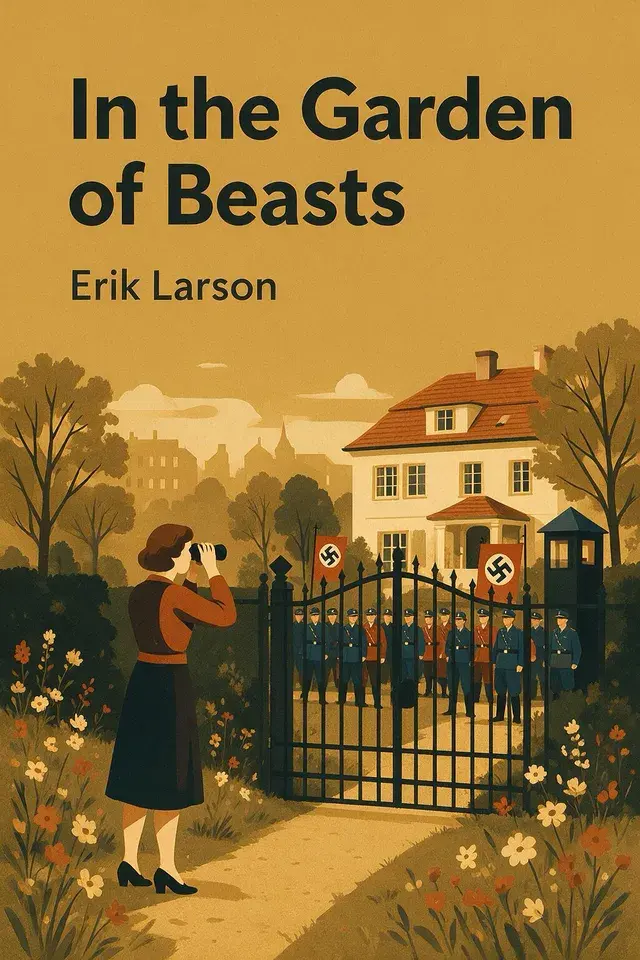
In the Garden of Beasts
Through William E. Dodd, his daughter Martha, and their circle in Berlin, this book asks how dictatorship became ordinary to people who could see its violence yet still enjoy its social world. It traces political misreading, institutional complicity, moral awakening, and the limits of diplomacy.
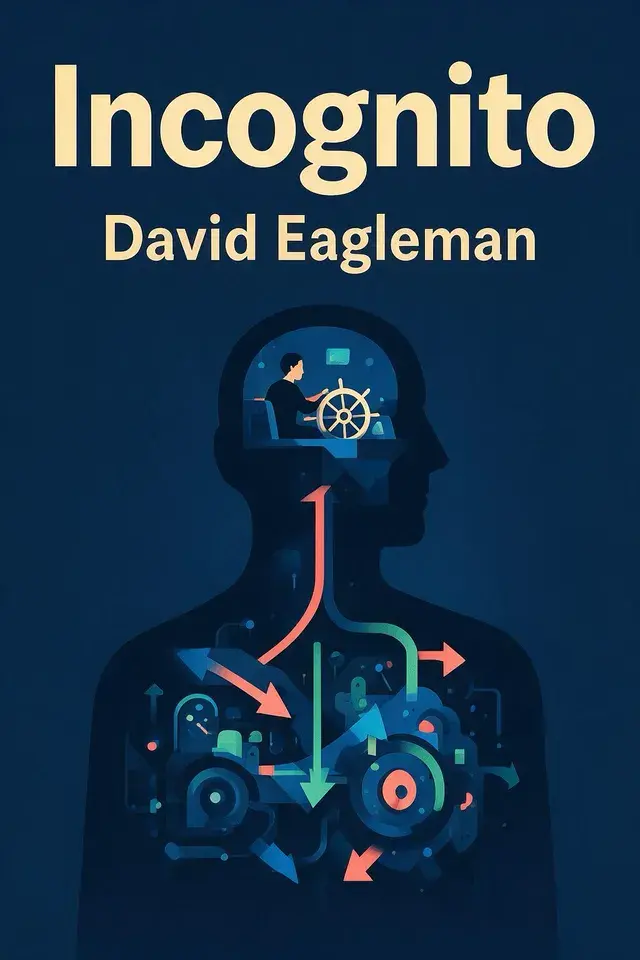
Incognito
Incognito asks how much of thought, perception, choice, and identity is authored outside awareness. It connects constructed experience, unconscious learning, competing neural systems, biology, and law to show why the self feels more sovereign than it is—and how that shift reframes responsibility and self-understanding.
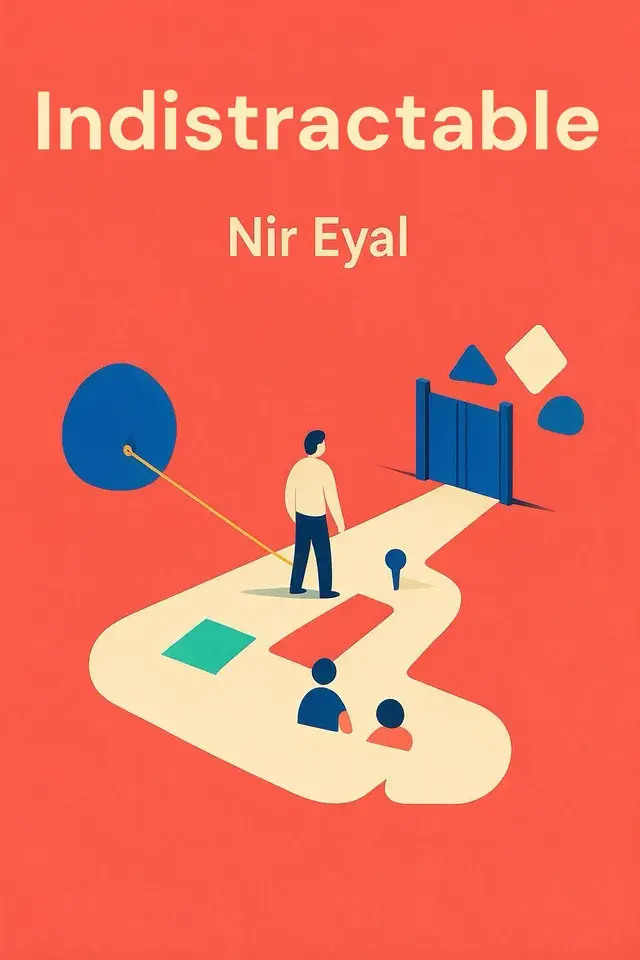
Indistractable
Indistractable asks why attention slips from chosen goals and how people can reclaim it. It explains the roles of internal discomfort, timeboxed values, external cues, and precommitments, then applies the framework to workplace culture, parenting, and intimate relationships—offering a practical way to protect attention in social settings.
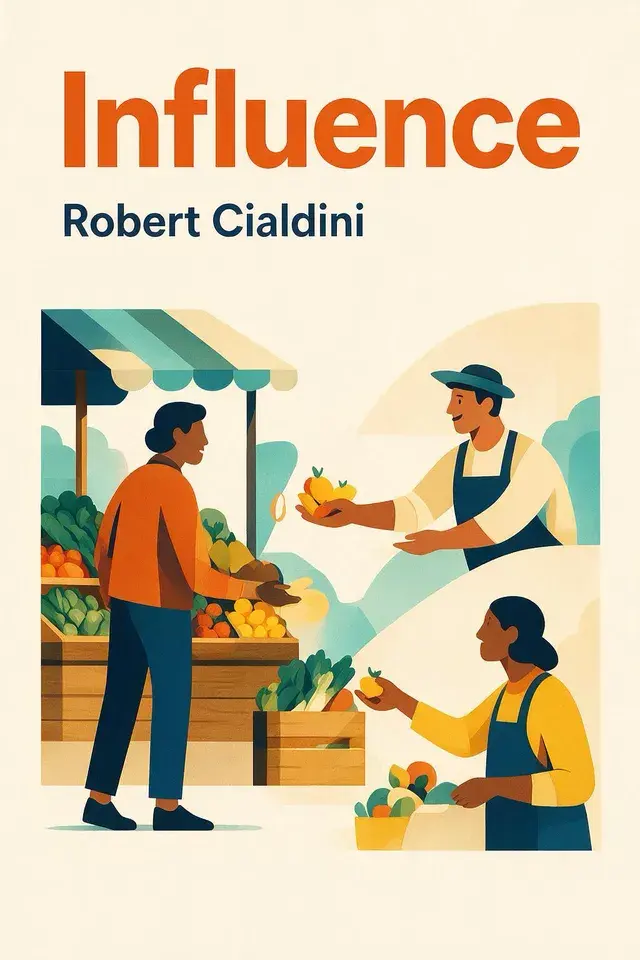
Influence
Influence examines why people say yes, how six psychological shortcuts turn favors, commitments, crowds, liking, authority, and scarcity into compliance, and when those shortcuts fail. Its value is a practical way to recognize manipulation while preserving the cooperation and efficient judgment these social rules normally support.
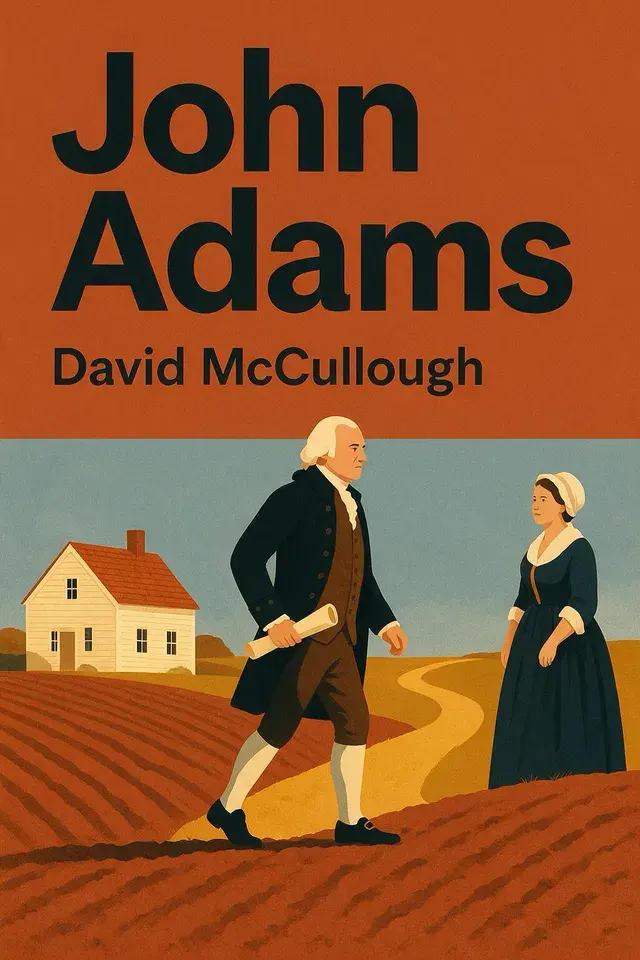
John Adams
David McCullough’s biography follows John Adams from a New England farm through revolution, diplomacy, the vice presidency, the presidency, and retirement. It asks how private discipline, marriage, constitutional design, and political independence shaped a statesman—and what war, faction, slavery, and defeat revealed about republican ideals.
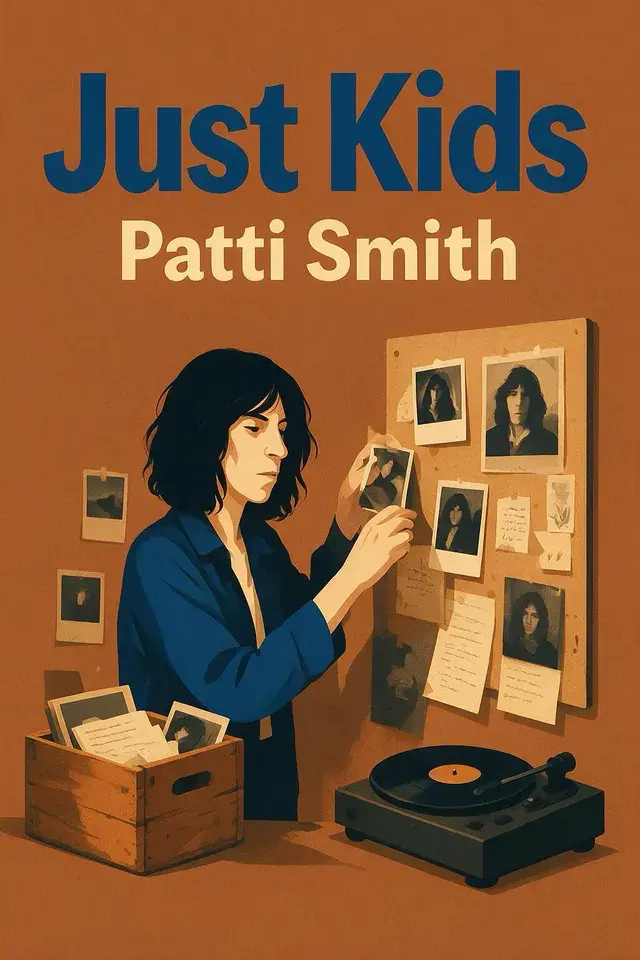
Just Kids
Just Kids follows Patti Smith and Robert Mapplethorpe from childhood through poverty, creative partnership, separation, divergent careers, and illness. It asks how two people can help each other become artists without outgrowing their bond, and how memory, objects, photographs, and songs preserve a life when the person is gone.
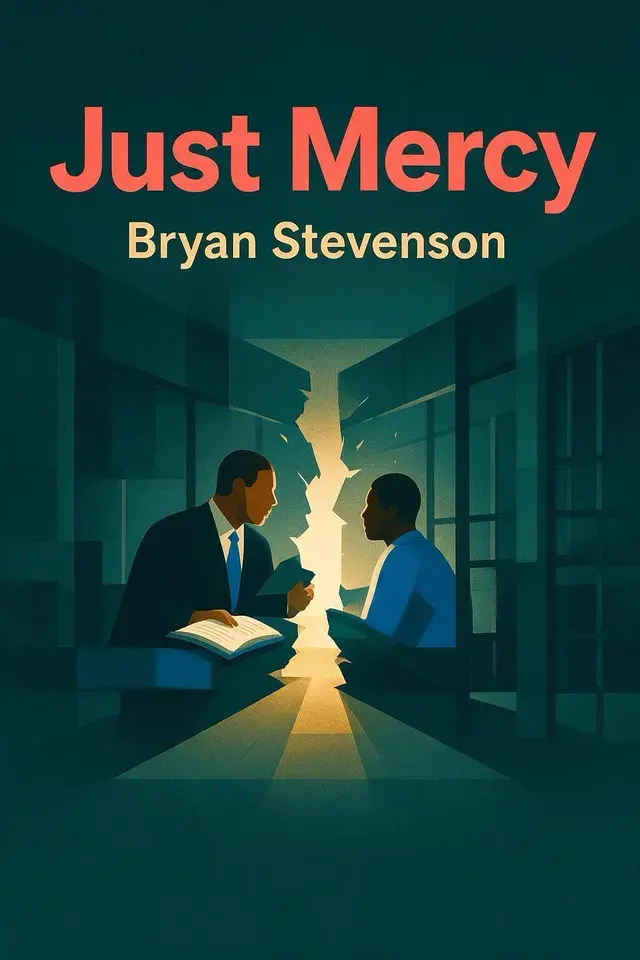
Just Mercy
Just Mercy follows Bryan Stevenson’s work with condemned people, children, women, and others caught in America’s punitive justice system. It asks how race, poverty, trauma, and fear turn vulnerability into guilt, and what proximity, legal advocacy, mercy, and hope can do to restore dignity when formal justice fails.
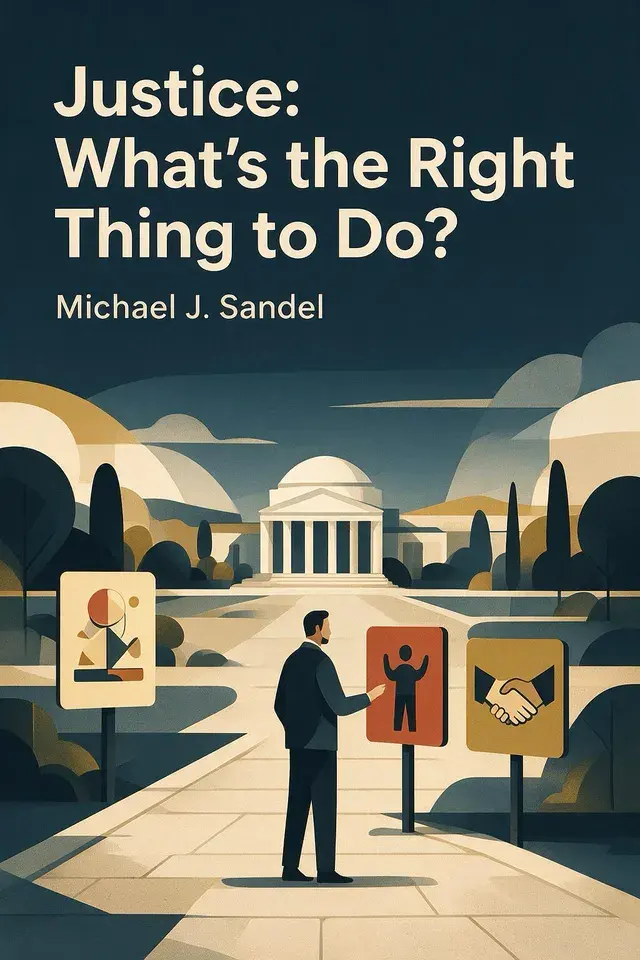
Justice: What's the Right Thing to Do?
Michael J. Sandel’s Justice asks how to decide what people owe one another when welfare, freedom, equality, desert, virtue, and loyalty collide. Moving through competing theories and hard cases, it shows why fair institutions require public reasoning about human purposes and the common good, not only calculation or choice.
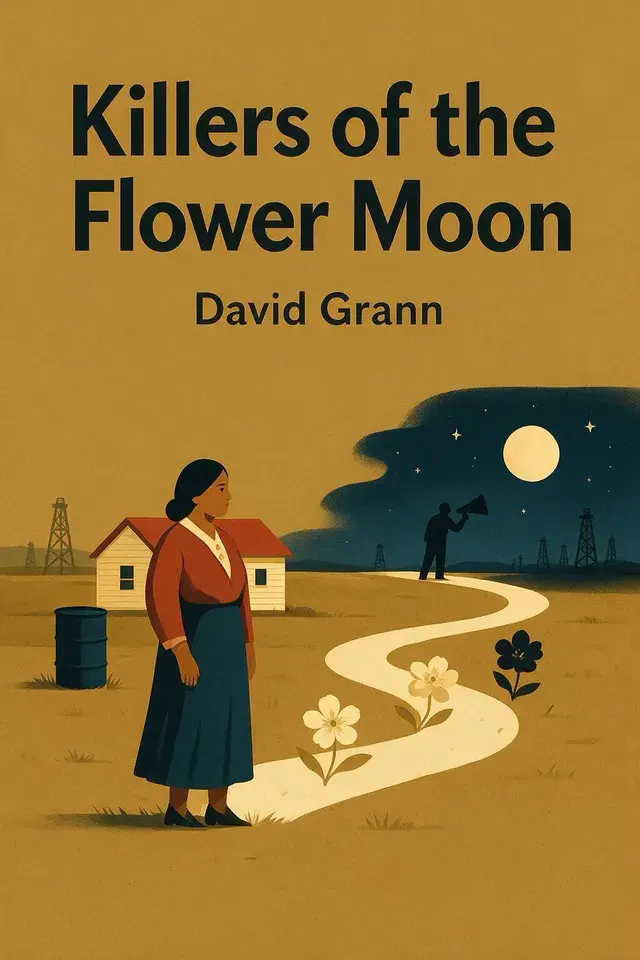
Killers of the Flower Moon
Killers of the Flower Moon examines how the Osage Nation’s oil wealth, created amid dispossession and made vulnerable by guardianship, became the setting for a campaign of murder. It follows the investigation that exposed part of William Hale’s network and asks what justice can recover when courts, records, and public memory leave much unresolved.